
Mark, Your Safety Officer, CSP
2.5K posts
Mark, Your Safety Officer, CSP
@safetyCWO
Aggressively average, Safety Nerd, retired Soldier, proud Navy Husband, Dad x4, CSP, MSOSM🎓,🏌🏽, 🥃. My views.
Williamsburg, VA Katılım Temmuz 2011
625 Takip Edilen843 Takipçiler

When NFL linemen, “the big fellas” (usually 300–350 lbs) get the ball in their hands, it instantly becomes the highlight of their career. For a few seconds, they turn into running backs 😂 x.com/WRLDofMaye/sta…
English
@peoples_unicorn I know they can be stacked either way, but this always just seemed wrong to me. Probably because I drank the 82nd Airborne koolaid as a PFC, the seven years at Campbell was never able to wash it away from me.
Wings that pay stay on top.
English



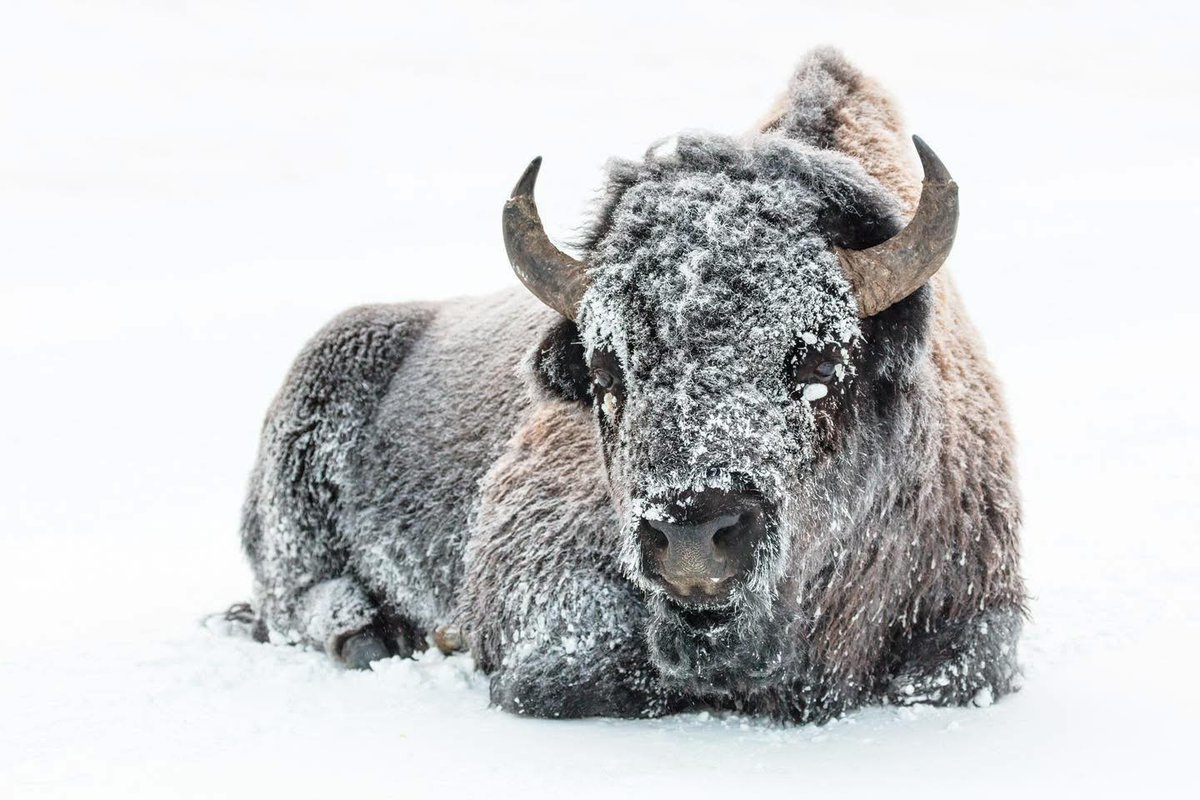
P.S. No jumping on bison. There are easier ways to earn frequent flyer miles.
English
Just remember: jumping on a bison and yelling “Yip yip!” won’t make it fly.
You, however, will achieve immediate liftoff.
English

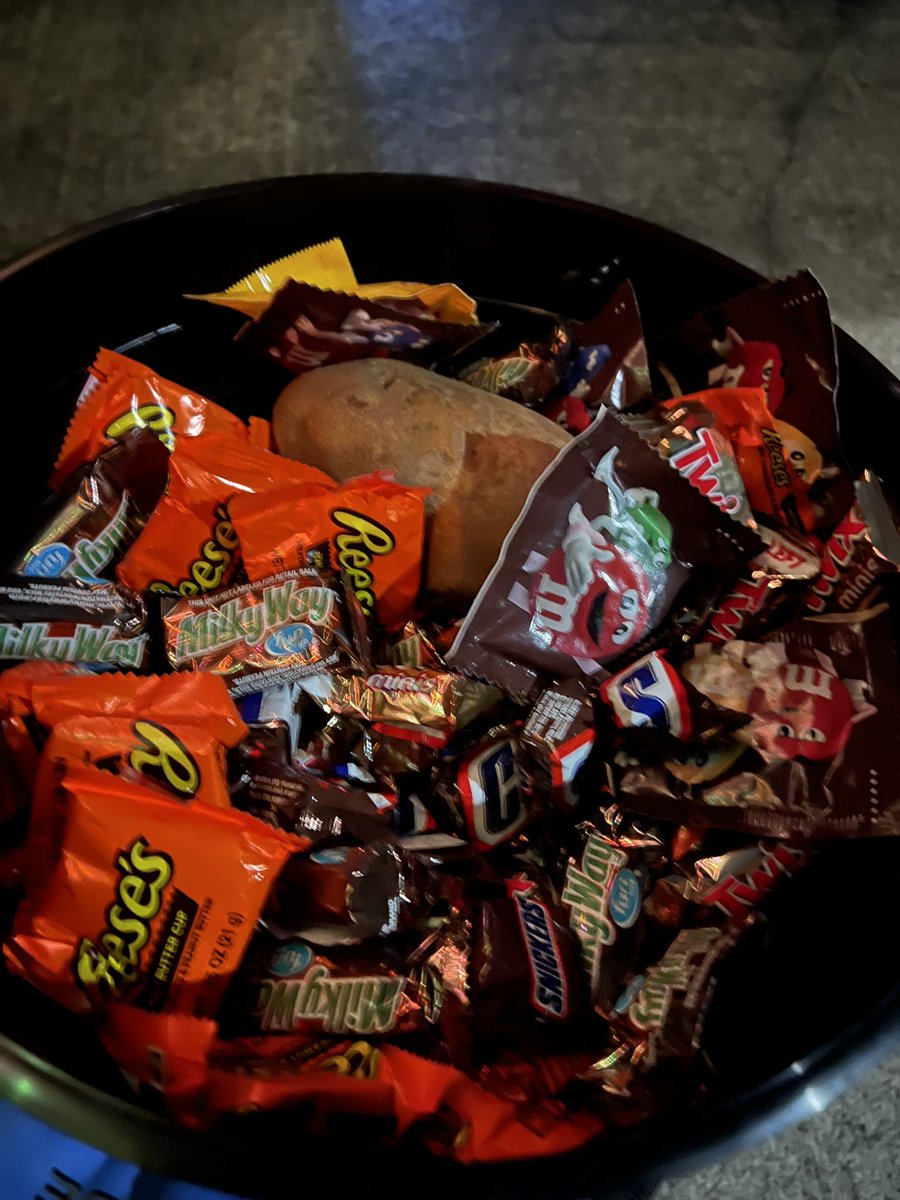
Only one lucky kid will walk away with the potato this year. May the odds be ever in your favor!
English
@VikingRobVWO I’d love to see these in the technical fields. I saw so many crew chief that were amazing mechanics but who shouldn’t lead a formation. Lots of lost talent, could have been a SPC-6 master of their craft.
English
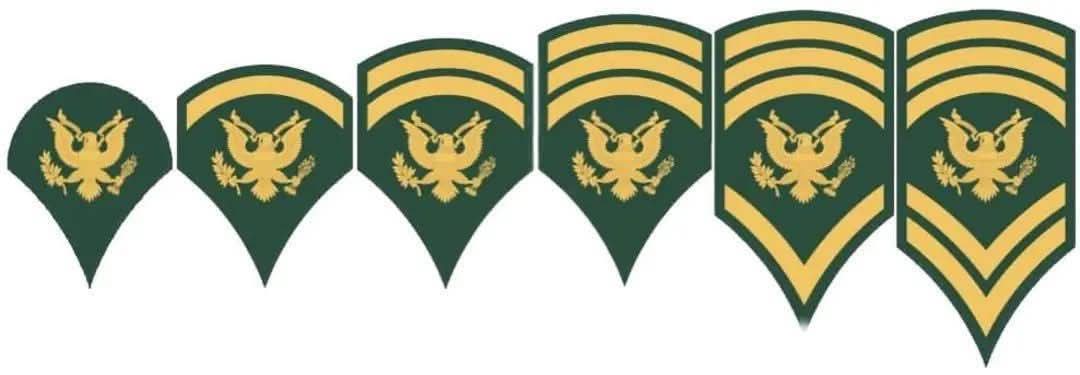
@DanMcClinton1 Man, there is nothing like being in an Air Cavalry Squadron!
English
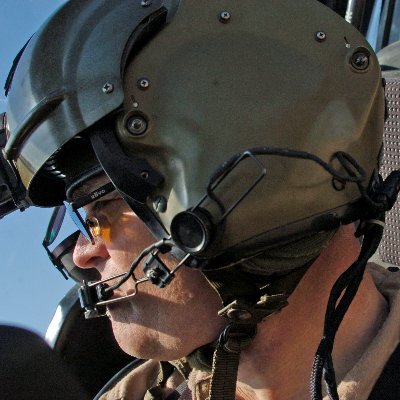
So this has been ruminating around in my head for a while, since I heard that Army Aviation is eliminating all Air Cavalry units...read and comment if you like.
The Demise of the Air Cavalry…Say Goodbye to a Legacy of Valor and Service to the Nation
By: CW4 Daniel M McClinton (USA/RET)
Throughout the history of the United States Army, it has grown or shrunk in size according to the requirements of the times, so the recent announcement of a reduction in force for Army Aviation is certainly nothing new. What also isn’t new is the random and often capricious method with which units are chosen to be moved, renamed, or disbanded altogether. The history and traditions of units are the basis of establishing morale and pride in the unit. According to the army regulation regarding Military History, AR 870-5, “(Unit History) can serve to increase individual and unit morale as well as organizational esprit de corps. It can also be used to build public pride in and respect for Army organizations—thus its significance transcends the tour of any one commander. It also helps to ensure that Army organizations collectively learn and grow from their past experiences.” This is why it is puzzling that the Army would choose to do away with units that have some of the most extensive lineage and combat honors of any units in the United States Army. While I understand that the easiest course of action is to look at a TO&E and say eliminate these units because we need to get to X level of assets, that course of action ignores the historical significance, combat history, and their contributions to morale and esprit de corps. The Air Cavalry is an intrinsic part of Army Aviation, and it has been from the beginning.
In 1954, LTG James Gavin wrote an article for Harper’s magazine entitled “Cavalry, And I Don’t Mean Horses!” which describes the use of helicopters in combat operations as a new type of cavalry. He is not alone in this, as COL Jay Vanderpool, who was tasked by the then-head of the Army’s Aviation School, BG Carl Hutton, to explore options for armed helicopters on the battlefield, came up with the concept of an air cavalry squadron based on the model of Lord Wellington’s light cavalry dragoons. In 1962, the Howze Board put these theories to the test, and its results would yield, among other things, the 1st Air Cavalry Division. These concepts were then put to the test in the crucible of combat in Vietnam.
Since the Vietnam War, the Air Cavalry has provided crucial support to the US Army. First, as divisional Cavalry squadrons whose mission was to provide the division commander with reconnaissance assets and perform screen, guard, and cover operations within the division sector. The Cavalry also existed at the Corps level in the form of Armored Cavalry Regiments. All of these formations combined air and ground elements to perform their missions. Aviation assets were removed from these units during the reorganization of Army assets, which occurred between 2005 and 2007.
In 1986, with the delivery of the first AH-64 Apache attack helicopters, the 6th Air Cavalry Brigade (Air Combat) was formed at Fort Hood, TX. This Brigade and others like the 11th Attack Helicopter Regiment were formed to execute the deep attack portion of the “air/land battle concept,” which was formulated to address the threat of armored forces of the Soviet Union during the Cold War. These units were made up entirely of helicopter aviation assets (primarily attack helicopters), and they were responsible for refining the tactics of modern attack helicopter operations. The 6th Cavalry BDE at Fort Hood had 1st, 3rd, and 4th Squadrons 6th Cavalry assigned initially. When the BDE moved to Korea in the 1990’s it retained only the 1st and 3rd Squadrons. The Brigade was disestablished in 2005. The 2nd, 5th, and 6th squadrons of the 6th Cavalry were based in Europe initially. By the time of the Global War on Terror, only the 2nd and 6th Squadrons remained active. During the first Gulf War, the concept of the deep attack was proven by (among others) elements of the 2nd and 6th squadrons of the 6th Cavalry.
Many people unfamiliar with Army Aviation may ask what the difference is between a Cavalry Squadron and an Attack Helicopter Battalion, and the practical answer is, not much other than a name. Every unit has what is called a mission essential task list, and between an Attack Battalion and a Cavalry Squadron, those required tasks are the same. The only difference is the order they are listed in.
Currently, the author’s understanding is that all Air Cavalry squadrons are to be eliminated from the Army. The reasoning is that most of them are currently equipped with the AH-64D, and the Army, in a cost-saving move, wants to both reduce the total number of aircraft and achieve a fleet of pure AH-64E aircraft. I in no way intend to argue to wisdom or folly of these actions, I only wish to address the need to thoughtfully retain historically significant lineage, which will preserve history and retain the fighting spirit of these units.
The Sixth Cavalry Regiment was formed as a unit in the United States Army in 1861. The regiment and its various squadrons performed with distinction in the US Civil War, the Indian Wars, the Spanish-American War, WWII, Operation Desert Storm, and the Global War on Terror.
The 17th Cavalry Regiment was formed as a unit in the United States Army in 1916. The regiment and its various squadrons performed with distinction in WWII, Vietnam, Grenada, Panama, Operation Desert Storm, and during the Global War on Terror in both Iraq and Afghanistan. Five soldiers (one an Army Aviator) who served with the 17th Cavalry during the conflict in Vietnam earned the Medal of Honor for their actions under fire. The first unit to field the AH-64 Apache attack helicopter was the 7th Squadron, 17th Cavalry Regiment. This was short-lived as the unit was redesignated as the 3rd Squadron 6th Cavalry Regiment at Fort Hood, TX.
As previously stated, it is entirely normal for the Army to expand and/or shrink in size according to the needs of the nation. What former cavalrymen would ask is that when it is decided which unit’s names and legacies are to be retired, please be cognizant of history and all that it means to soldiers past, present, and future. Change is never easy. Human beings generally don’t like it. It is understood that nobody wants “their unit” to go away, especially one that they served with in combat. But it must be said that it is the chain of command’s duty to retain historically significant units with significant valorous combat experience over units with less history if units do need to be disestablished.
AIR CAV!
(Author’s note: Full disclosure, CW4 McClinton served in the 6th Air Cavalry Brigade and with the 3rd Squadron 6th Cavalry, among other fine units in the United States Army.)
English
@DanMcClinton1 Man, I jumped over to your page instantly to buy. When will they be available?
English

@kclairerogers TSA Precheck should require a proficiency test at least annually
English

They should have a separate pre-check line for people who know how an airport works
English
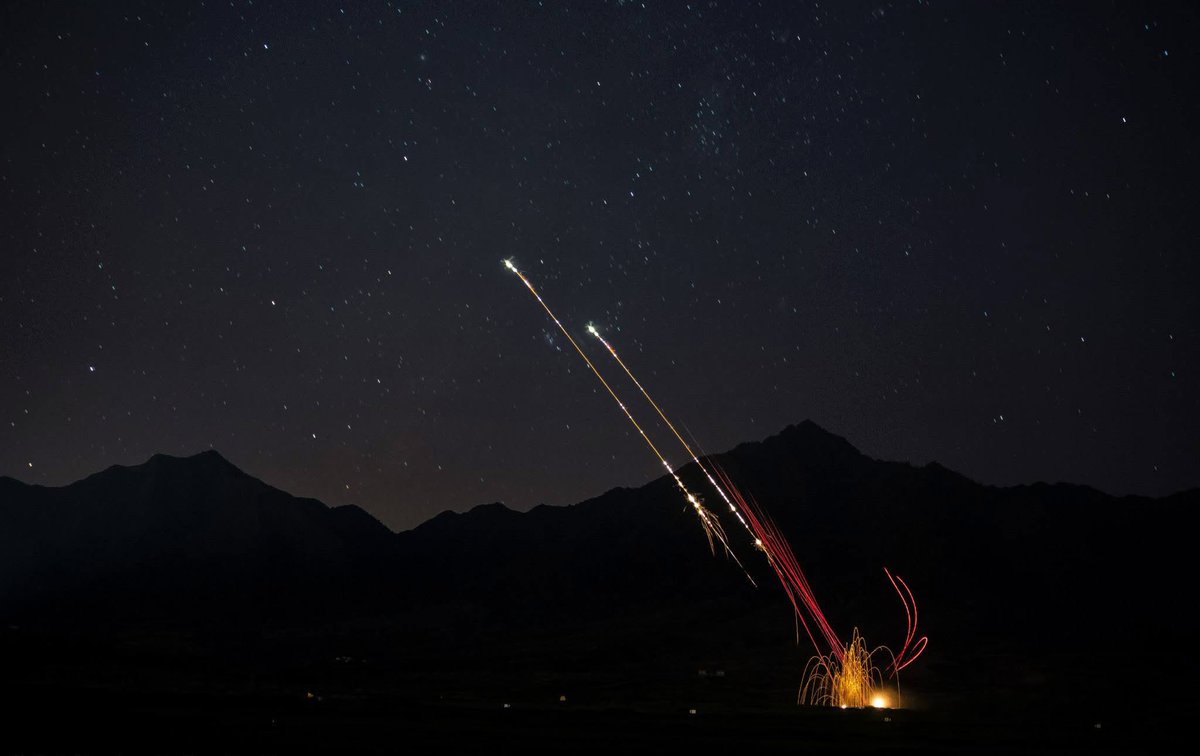
These are .50 Cal tracers, and a couple of 2.75inch rockets as well.
Firearm Videos@firearmvideos
50 cal tracers 🔥
English
If you are wondering if you should retire and move to the tropics, you should.
Hope your Monday is going well.


English

@DadaBaseThought Not a big fan of that movie, but that was truly one of the funniest scenes I’ve ever seen.
English



English
@KRB_58 Some places to live are harder than others. Great to see you brother!
English
@GameOf_Cubicles I wish I only dropped $700 on my TS tickets, resale market is full of vampires.
English
4 day weekends just mean you’ll do 5 days of work in 4 days for consecutive weeks
English
Mark, Your Safety Officer, CSP retweetledi

@doctrinatrix_C2 Fortunately I never had to deal with 5.56 holes in the rotors, rocket pod, or skids. I’ve heard plenty of others stories though 😂
English
Those who have seen the OH-58D Kiowa Warrior in action never forget it.
English