totallyMAYHEM

4.2K posts

totallyMAYHEM

totallyMAYHEM

@samcchannn

Katılım Mart 2020
4.4K Takip Edilen155 Takipçiler
totallyMAYHEM retweetledi
Ariston
Ariston@Ariston_Macro·
传奇人物Linda Raschke @LindaRaschke 在Market Report的访谈,讲到了交易中的如何获得优势(以实现长期正期望结果)并做好与优势相洽和的自我认知: 1)长期能不能赚钱其实只取决于你手里有没有 edge。这个 edge 可以来自模型、套利、经验、读盘,但必须具备统计正期望,而且要能反复执行。交易本质上是大数游戏,不是靠单笔判断神准。做 1000 笔、10000 笔之后,结果才会向你的优势收敛。没有 edge,再好的情绪控制也只是把亏损拉长。 2)真正值钱的 edge,重点在于耐久性。市场里的很多机会都有半衰期,早期有效,后来就被套利掉。能长期存活的方法,往往不是历史回测里最漂亮的那个,而是不过度优化、跨周期仍然成立的那个。她早年做场内股票期权时吃到过这种结构性红利,后来电子化和系统化推进,优势慢慢消失,这也是她为什么一直强调方法要经得起时间。 3)沿着异常走,不要沿着常识走。价格一旦明显突破历史边界,背后通常有强原因,交易员应该站在偏离的方向上。市场从来不会高到不能买,也不会低到不能卖。多数人天然喜欢均值回归,觉得涨多了要空、跌多了要抄底,但 Linda 认为真正的大机会,只来自于异常延续。 4)例如,季节性失效,往往比季节性本身更值得做。因为一个原本高胜率的模式如果突然不工作,说明背后出现了更强的信息流。也就是说,失效本身就是信号。你不能对原来的模式死扛,更不能在失效时讲信仰。市场最有价值的地方,往往就在这些“该发生但没发生”的地方。 5)对回测的态度:回测不是没用,但容易把最值钱的 skew 洗掉。大样本平均之后,真正有 edge 的偏态、肥尾、极端样本经常会被抹平。她早年大量手工统计交易,反而更能看清哪些时候系统有效、哪些时候失效。回测适合建立基础框架,捕捉不到全部交易优势,尤其捕捉不到市场里那些最肥的尾部机会。 6)所以她真正依赖的,不只是系统,而是 pattern recognition 和 tape reading。她看重的是市场在活跃度、成交、净变化上的细微变化,重点不是某个孤立指标,而是跨市场联动下的状态识别。股票、汇率、金属、原油一起看,观察哪个方向开始出现持续的净变化。这个能力本质上来自长期浸泡,不是短时间学一个技术指标就能替代。 7)Jason 把“纪律”放在很高位置,Linda 则更喜欢说“流程”。她不太喜欢 discipline 这个词,因为她觉得,成熟交易更像是把自己放进一套经过验证的 process 里,而不是每次都临场咬牙。止损到了就执行,被打掉可以再回来,但不要把自己交给“今天我再扛一下”的侥幸。反对把决策交给情绪。 8)对风险管理的理解:你可以主观裁量进场,但出场必须更系统。市场如果处于整理、噪音高,就打小目标;如果刚开始起势,可以放大目标;少数结构最顺的时候才适合 trailing stop。也就是说,出场方式要跟市场状态匹配,而不是全市场、全阶段只用一种模板。她自己倾向 all in / all out,也提醒大家,分批止盈很多时候只是心理安慰,不一定是统计最优。 9)你必须按“你是谁”去交易。有人能承受大波动,有人不行;有人适合高频率的小目标,有人只能等稀缺的大 setup。系统一旦脱离个人气质,执行迟早变形。她那句“如果你不知道自己是谁,市场会是一个很贵的认知场所”,其实讲的就是这个。很多人亏钱,不是因为没方法,而是因为拿了不属于自己的方法。 10)不是自己打磨出来的系统,自己很难真正相信。别人给你的交易思路,哪怕逻辑没问题,只要你不是亲手走过回撤、修正、统计、验证那一整套过程,你就很难在亏损期里继续执行。信心不是靠听懂来的,是靠自己做出来的。这个区别很关键。 11)对新手的建议:前 3 到 5 年,试风格、积经验、保本金,不要把稳定提款和盈利作为目的。你可以先从很小、很短的 setup 开始,哪怕是一个略显“机械”的小策略,重点也不在赚大钱,而在完成对建仓、持仓、平仓的脱敏。新人需要先解决情绪反应,宏观判断次之。 12)她特别强调 accountability。最实用的建议,是假设自己在替客户管钱,先把交易市场、交易风格、平均持仓、平均回撤这些写成一份说明书,然后严格按这套东西跑半年,并保留完整记录。如果再狠一点,把每日对账单发给朋友、配偶或同事。很多问题不是认知不够,而是没有外部约束,所以人会不断对自己撒谎。 13)记录本身不只是复盘工具,也是反偏见工具。人会记住那笔赚得漂亮的交易,却会忘掉前面几十次同样形态的失败。只有把每一笔都记下来,才能真正看清哪些 setup 是样本内幻觉,哪些才有长期价值。 14)她明确反对在市场创新高时硬空。原因很简单:顶部通常是过程,不是一天完成的。真正的市场顶部,更常见的是轮动、震荡、广度收窄、波动率压缩,然后再逐步演化,而不是今天创新高、明天直接崩盘。 16)市场后段更容易出现“表面平静、内部轮动”的状态。历史波动率在顶部附近往往会收缩,广度也会慢慢变窄,表面看像是 complacency,实质上更像是筹码已经相当拥挤,新增边际资金开始做选择。 17)关于外部信息噪音:新闻、电视、社媒、聊天室都可能影响判断。Discord 或社群本身不是问题,问题在于你能不能把噪音压低到不干扰决策。她自己办公室里不放电视,不听新闻,就是因为她知道这些东西会在不知不觉中改变她的偏好。对交易员来说,减少无效刺激,本身就是风险管理的一部分。 18)她还提到一个现在越来越重要的问题:电子交易环境本身会放大成瘾。鼠标一点、仓位进出,伴随的是即时反馈和多巴胺。对后来进入市场的人,这是一道额外难关。老一代交易员是从电话、场内和慢反馈环境里过来的,今天的新手一上来就在高刺激环境里交易,天然更容易过度交易。 19)最重要是等 fat pitch。真正好的机会没有那么多,等不到就继续等。宁愿等对的球,也不要去挥自己根本打不好的球。哪怕 fat pitch 来了你也可能打空,但这个错误可以接受;最差的是,明知不是自己的球,还硬要出手。这其实就是交易节奏感。 20)交易是 performance discipline,但 performance 的前提,是你整个人处于可运转状态。身体、情绪、生活、心理结构全都在影响执行质量。gratitude、简单生活、减少负能量,人如果长期处在内耗、堵塞、负反馈里,交易不可能稳定。交易做到最后,还是人在做,不是系统自己在做。
Ariston tweet media
中文
0
64
272
16.2K
totallyMAYHEM retweetledi
LEI
LEI@TheMarketMemo·
今天美股繼續上漲,標普指數 $SPY 和納指 $QQQ 目前均受阻於EMA20均線和EMA200均線共振的位置。經驗上看,從距離均線較遠的地方連續上漲至重要均線附近通常會有修整,或稱為「力竭」,這符合「價格圍繞均線(市場成本)上下波動」的市場規律。 從趨勢交易的角度看,昨日大漲(1)形成了一個「底部構造」,下一個關鍵的動作是(2)股價站上重要均線(破線)與(3)均線由向下運行轉為向上運行(拐頭)。(1)(2)(3)這三個市場跡象出現之後,趨勢就發生了實質性的轉變——由對空頭有利轉為對多頭有利。回顧歷次牛市調整和熊市底部反轉,你會發現這個共同的特徵,這是市場規律。
LEI tweet media
中文
9
7
104
13.7K
totallyMAYHEM retweetledi
Mark Minervini
Mark Minervini@markminervini·
Military conflicts and oil shocks are nothing new. We’ve been through this many times. Yes, they create uncertainty and shake things up, but historically oil has come back down within a few months, and stocks often start moving higher not long after the initial shock. Now, some people are saying this time is different—that we could be seeing a real shift in the world order. Maybe. That’s always the argument. Go back to the 1980s. The U.S. had a strong economy, ramped up military spending, and at the same time oil prices collapsed. That combination put serious pressure on the Soviet Union. Eventually, the Berlin Wall came down in 1989. That wasn’t just another event—that changed everything. What followed was a long stretch of growth. Globalization picked up, stability improved, and the market had a powerful run through the 90s. So the question is, are we at the start of something like that again? Or is this just another cycle, another disruption that works itself out over time? If alliances shift, if power dynamics change—especially in the Middle East—this could have much bigger implications than people think. Could what’s happening with Iran actually lead to more stability in the region? It’s possible. For years we’ve heard that the Middle East would be the source of some kind of global collapse. That’s been the narrative forever. But markets don’t operate on one narrative. Sometimes the biggest opportunities come out of the worst situations. That’s at least worth thinking about. minervini.com
English
50
62
632
43.7K
totallyMAYHEM retweetledi
LEI
LEI@TheMarketMemo·
伊朗外長阿拉格奇表示:「根本沒有進行任何談判。有關談判的報道不實。雙方信任度為零。」 「我們正在等他們(美軍),希望他們不要犯這樣的錯誤。」
中文
16
5
56
21.6K
totallyMAYHEM retweetledi
Mark Minervini
Mark Minervini@markminervini·
Today’s market strength was textbook. This is exactly what markets do during corrections when they get stretched to oversold levels. As I said just recently, "some of the biggest rallies occur during bear markets and corrections." Today was a perfect example. Traders rushed in after headlines hit that Iran’s president signaled a willingness to end the conflict with the U.S. The Dow exploded higher by 1,125 points. But let’s not confuse cause and effect. The news may have been the trigger, but the market was already set up for a rally. It was oversold and primed. Now comes the part where discipline matters. We ignore the first few days of a rally attempt. That’s potential noise. What matters is whether the market can follow through and whether leadership begins to emerge and proper setups develop. Technically, this is a classic snapback: Indexes that broke below the 200-day are rallying back toward it, while Indexes that held the 200-day are bouncing off it. That’s typical countertrend behavior until proven otherwise. Expect volatility to remain elevated. That’s not where low-risk money is made, but it's certainly where the risk is. Your job during corrections is simple: identify the stocks showing the best relative strength and the tightest price action. Those are your future leaders when the market finally turns. On the macro side, nothing has been resolved. Higher crude prices are still a problem. Yesterday’s rally did nothing to materially bring down oil. The bigger issue is still in play and the jury still out. Oil at these levels feeds inflation, pressures growth, and gives the Fed a reason to stay on hold longer. Yields stay elevated in that environment. To cut through all the noise, I look to the market itself, which has a much better track record of telling us the truth than the politicians, the analysts, the news, and the gurus. The four steps of the bottoming process are: 1. Oversold – The difference between an ordinary pullback and an oversold condition starts with price, but it does not end there. Poor breadth and and a lack of volume confirmed follow through describe a one-sided market, and one not to trust. 2. Rally – Inevitably, the market bounces from its oversold condition. A high-quality rally is broad-based. A low-quality rally is defined by short covering and driven primarily by the stocks that have declined the most. Again, the character of the rally is important to distinguish. So far, we simply don't have enough data to make a confident determination, so patience is the watch word while we wait. 3. Retest – After the rally, there is almost always a retest. The popular averages approach, and in some cases breach, their oversold lows. The key to a successful retest is less selling pressure, such as fewer stocks below their moving averages, fewer stocks, sectors, and markets making new lows, less total volume, and less downside volume. If the retest fails, the process reverts and we generally start looking for divergences during lower lows. In the event of unexpected news, it is possible for the market to recover in a "V" fashion with no retest. In that case, we look at breadth confirmation and participation. 4. Breadth thrusts – In the final phase, not only do benchmark indices rally sharply with few pullbacks, but they do so with an extremely high percentage of stocks, sectors, and markets participating, or what technical analysts call breadth thrusts. In rare cases, the market has skipped step 3. With strong enough breadth, retests are not necessary. The Covid bottom is an example of a pretty powerful V-shaped recovery. Bottom line: This was an oversold rally, sparked by headlines—but not defined by them, and certainly not confirmation of a reliable bottom. Now we watch: --Quality of follow-through --Emergence of leadership --Market internals and model health If the rally lacks quality, if economic pressure builds, or if leading stocks begin to deteriorate, then this remains what it likely is—a rally within a correction. Stay objective. Let the market prove itself. If you are going to trade, do so incrementally. minervini.com
English
109
527
3.1K
279.5K
totallyMAYHEM retweetledi
AB Kuai.Dong
AB Kuai.Dong@_FORAB·
巴菲特昨夜接受 CNBC 采访时,对市场的最新 10 个观点: 1. 现在的美股并不便宜,还没到出手的价格。 2. 不会为了赚 5 – 6% 的反弹就入场。 3. 伯克希尔现在手里有 3500 亿美元现金,在等更好的时机。 4. 真正的机会,是那种市场腰斩级别的下跌。 5. 最近的市场下跌波动,根本不算什么。 6. 苹果这笔投资赚了 1000 亿美元以上,但承认卖早了。 7. 即使跌了,苹果现在的价格,依然不够便宜。 8. 如果价格足够低,会重新大举买入苹果。 9. 银行体系开始出现脆弱迹象,风险正在积累。 10. 近期信贷市场的问题,一旦市场恐慌爆发,投资者会争相逃离(踩踏式出逃)。
Meguro-ku, Tokyo 🇯🇵 中文
109
279
1.4K
323.7K
totallyMAYHEM retweetledi
Shay Boloor
Shay Boloor@StockSavvyShay·
More vessels are moving through the Strait of Hormuz today in what looks like the strongest traffic since the war began. That may have been the clearest sign yet this U.S.-Iran conflict was closer to the end than the beginning.
English
121
412
2.9K
544.6K
totallyMAYHEM retweetledi
TraderGoku
TraderGoku@tradergokux·
本周观看:USIC 顶级交易员 @Clement_Ang17 采访,几个很有共鸣的 key takeaways 总结如下: 1. 在大环境没有明显变好之前,只用非常小的仓位去试。 2. 如果最近手感不好、状态不对,就给自己设一个每日最大交易次数。 3. 复盘你所有的交易,把那些本不该做的情绪单去掉,你会发现整体收益会大幅提升。结论就是:减少交易频率。 4. 如果你在弱势市场里过度交易,那么等市场真正回暖时,你反而会因为之前的连续亏损而失去信心。 他在警惕的几个错误: 1. 买入没有set up的股票。 2. 在趋势不利于自己的session里,反复尝试太多次。 youtu.be/zw96qkUn9_g?si…
YouTube video
YouTube
中文
1
4
24
4.3K
totallyMAYHEM retweetledi
Micropedia
Micropedia@MicropediaRJ·
明天是三月份最后一个交易日,2026年第一季度最后一个交易日,一个很不平凡的日子。今天川普再次taco的消息为什么是盘后8:30pm放出,挪到盘中放不是更能拯救美股么?其实这就是华尔街的一个套路,在大部分人不能交易的时候把日内涨跌幅迅速完成。最近高开一般都是给机构提供流动性跑路的,但是明天比较特殊,最近短线已经极度“超卖”, 恰逢场外养老金买盘和基金月末“window dressing”,大概率是会收涨比较多的,且不排除有gamma squeeze的可能。Good luck!🤭💰
中文
15
6
122
71.7K
totallyMAYHEM retweetledi
Alphatica
Alphatica@alphaticaio·
The new JPM collar just set the institutional envelope for Q2. Here's what it means. The Q1 collar rolls off at 4 PM today. The new collar defines the range for the next three months. THE NEW STRUCTURE Short 6840 call = the new ceiling. That's SPY ~$684. The ceiling is 6.9% above current price. 440 points of room before the mechanical cap kicks in. Long 6150/5190 put spread = the floor. The 6150 put is SPY ~$615. Protection kicks in 4% below current price and covers down to SPX 5190 (~SPY $519). THE Q2 RANGE: SPX 6150-6840 / SPY $615-$684 From SPX 6400: 440 points of upside before the ceiling. 250 points before the floor. The collar is asymmetrically positioned for more upside than downside. WHY THIS MATTERS The largest institutional equity fund in the world just gave the market room to recover. Tomorrow is the first session trading under the new Q2 structure. The gamma regime flipped positive at $641. The collar ceiling is at $684. The Iran "guarantees" headline is developing overnight. Three structural constraints just loosened simultaneously. For five weeks we tracked the selloff, gamma waterfall, institutional distribution, bond auction tails. Today the gamma flipped, the collar reset, and Iran signaled willingness to end the war. The structural landscape just changed. The market has room now. It hasn't had that in five weeks. $SPY $QQQ $SPX
Alphatica tweet media
English
1
3
7
579
totallyMAYHEM retweetledi
Jimmy狐狸
Jimmy狐狸@jimmyhuli·
三星 和 SK Hynix 为应对伊朗战争长期化,正紧急调整半导体级氦气(Helium)的供应链策略。 由于韩国去年 64.7% 的氦气进口依赖卡塔尔,地缘政治风险迫使两大巨头寻找中东以外的替代货源(如美国和阿尔及利亚),并由 Samsung 率先加大氦气回收技术的应用,以减少对原生资源的依赖。 目前两家公司拥有约 6 个月 的库存,短期生产暂无大碍,但预防性的供应链重组已全面展开。 尽管分析指出氦气价格上涨不可避免,但通过与 Linde、Air Products 及 Air Liquide 等全球工业气体供应商合作分散风险,预计不会对半导体制造产生即时的实质性冲击。 内存依旧会涨价。
Jukan@jukan05

Samsung, SK Hynix Move to Stabilize Helium Supply Chain for Semiconductors Amid Prolonged Iran War Samsung Electronics and SK Hynix are strengthening their helium supply chains for semiconductor manufacturing in preparation for a prolonged Iran war. Their strategy involves identifying additional supplier countries beyond the existing Middle Eastern sources and adjusting import volume ratios to maintain a stable supply chain. According to industry sources on the 31st, Samsung Electronics and SK Hynix have begun managing their semiconductor-grade helium supply chains as concerns over a prolonged Iran war intensify. Samsung Electronics is reportedly compiling a list of countries capable of supplying helium outside the Middle East. Given the high share of Middle Eastern helium in its current imports, the company is seeking to secure additional sources. According to the Korea International Trade Association, Qatar was Korea’s largest helium supplier last year, accounting for 64.7% of import volume by weight, followed by the U.S. (27.1%), Russia (6.2%), and China (1.7%). Samsung Electronics is evaluating additional helium suppliers from countries where geopolitical risk can be minimized. As the current supply instability stems from the Iran war, the company is working to mitigate potential future risks. An industry official noted, “It won’t be easy to increase volumes from Russia, which is still at war, or China, where trade tensions are a concern,” adding that “the most likely options are increasing supply from the U.S. or expanding sourcing to major producing countries such as Algeria.” Samsung Electronics reportedly excluded sourcing helium from conflict-affected nations from the outset. The company also plans to maximize use of its helium recycling technology, which it became the first in the industry to deploy on production lines last year. SK Hynix is similarly formulating strategies for a stable helium supply chain, planning to adjust import share ratios by country. SK Hynix is also expected to minimize helium procurement from conflict-affected nations. Helium is used in semiconductor processes for cryogenic cooling and high-purity cleaning. It is an essential gas for cooling wafers, removing impurities, and improving semiconductor yields. The Iran war has impacted Qatar — Korea’s largest helium import source — raising red flags for domestic semiconductor manufacturers’ supply chains. Samsung Electronics and SK Hynix currently hold approximately six months’ worth of helium inventory and maintain that short-term impact will be limited. However, a prolonged Iran war could disrupt supply, prompting the preemptive response. Both companies are expected to share confirmed plans with their key helium suppliers and establish a full-scale response posture. Samsung and SK Hynix source helium through global industrial gas companies including Linde, Air Products, and Air Liquide, as well as select domestic suppliers. An industry official commented, “Some impact such as helium price increases is unavoidable due to the Iran war, but given that supply chains are already diversified, there should be no immediate significant effect on semiconductor manufacturing,” adding that “the supply chain adjustments by Samsung Electronics and SK Hynix are preemptive, medium-to-long-term preparedness measures.“

中文
0
4
17
10.2K
totallyMAYHEM retweetledi
Intl Econ Observe
Intl Econ Observe@IEObserve·
哇靠,Nvidia投資Marvell 20億 ——- 這一合作建立在Nvidia的NVLink Fusion平台之上,該機架級平台使客戶能夠利用NVLink生態系統開發半定製化的AI基礎設施。 邁威爾科技將提供定製化XPUs和兼容NVLink Fusion的擴展性網絡方案,而英偉達則提供支持技術,包括Vera CPU、ConnectX網卡、BlueField DPU、NVLink互連、Spectrum-X交換機以及機架級AI計算能力。
Intl Econ Observe tweet media
中文
3
26
244
73.4K
totallyMAYHEM retweetledi
Darren北美投资
Darren北美投资@darrencao2024·
最新油管视频,给大家介绍三支半导体行业个股。如果你不想持有个股,也可以通过持有这三支etf来投资半导体行业。 SMH vs SOXX vs SOXL 对比 SMH和SOXX都是1倍无杠杆的半导体ETF,整体差别不大,选哪个看个人偏好。 最大区别在持仓结构: • SMH更集中,NVDA占17.7%、TSM 11.4%,前10就占75% • SOXX更分散,NVDA只有6.7%,37只股票前10才占56% 我自己选SMH,因为我重仓看好的就是NVDA、TSM、MU、ASML、AVGO——SMH对这几只的暴露明显更高,持仓逻辑更贴合我的判断。 至于SOXL(3倍杠杆),建议直接跳过❌ 原因很简单: ① 2022年暴跌 -86%,而SMH同期只跌-34。 ② 5年年化收益只有9%,反而远不如SMH的26% ③ 杠杆ETF追求的是每日3倍,长持过程中上涨下跌反复震荡,会产生大量”波动磨损”,时间越长亏得越多 SOXL只适合有明确判断的短线波段操作,绝对不适合长持。
Darren北美投资@darrencao2024

【投资半导体行业必看】英伟达和美光背后,这三家公司才是AI芯片产业链的真正命脉 youtu.be/sTPKg7eJ3vY

中文
1
9
22
7.3K
totallyMAYHEM retweetledi
LEI
LEI@TheMarketMemo·
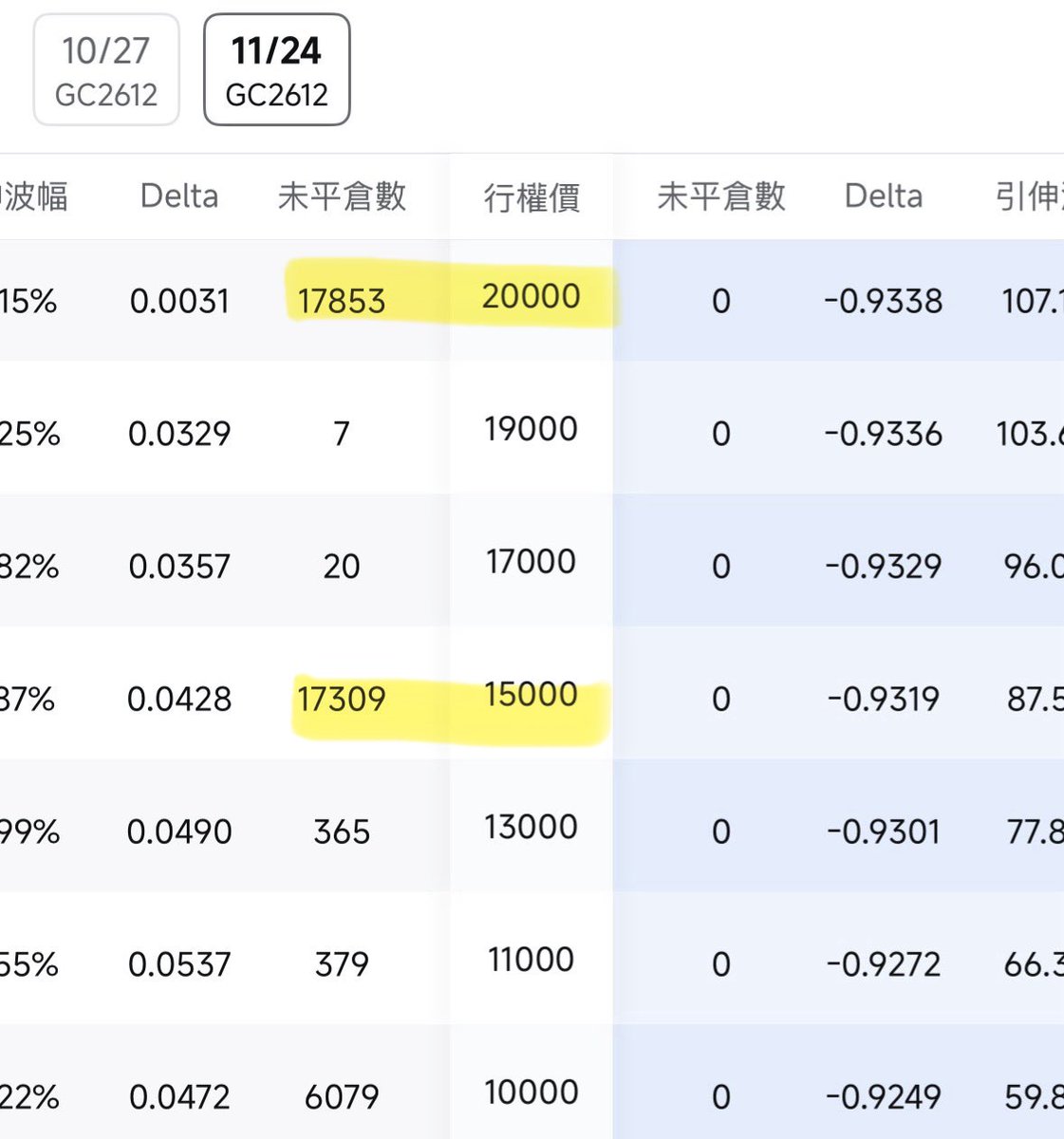
🚨黃金正在發生不尋常的事! 有人正在 Comex 黃金期權上大筆下注,履約價在 $15,000 和 $20,000 分別出現1.7萬多張未平倉合約。這兩個合約的名義價值為 260 億和 357 億美元,到期日為 2026年12月。 目前黃金價格約在 $4,500 左右,這代表 他們預期黃金價格會翻三倍以上。 這絕非正常的看漲行為,而是在為極端的貨幣事件、危機事件,或足以讓 $15,000 黃金看起來合理的市場崩盤做準備。 如果你對投機交易感興趣,請鎖定黃金。
LEI tweet media
中文
57
56
390
92.9K
totallyMAYHEM retweetledi
爱玩股票AiWanGuPiao
爱玩股票AiWanGuPiao@aiwangupiao·
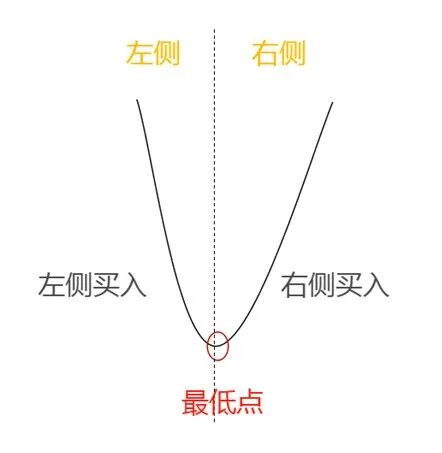
你喜欢做左侧还是右侧 在股市里,新手最常见的困惑之一,就是到底该做左侧交易还是右侧交易。很多人一开始听得云里雾里,但其实这两种交易方式,本质上就是“抄底”和“跟随趋势”的区别。理解清楚它们的逻辑,比盲目操作更重要。 我们可以把一段典型行情想象成一个“V”字结构:股价先下跌,再企稳,最后上涨。这个过程中,下跌阶段叫“左侧”,上涨阶段叫“右侧”。 所谓左侧交易,就是在股价还在下跌的时候提前买入,试图抄到底部。这种方式最大的优势在于,一旦判断正确,买在最低点附近,成本极低,后续反弹带来的利润空间非常大,甚至可以实现短期高收益。但问题也恰恰出在这里——底部是走出来的,而不是猜出来的。绝大多数散户在左侧交易时,很容易犯一个致命错误:越跌越补。 一只股票从10块跌到8块,你觉得便宜了,补仓;跌到6块,你觉得更便宜,再补;结果它跌到4块,你的资金已经用光,只能眼睁睁看着继续下跌。这就是典型的“抄在半山腰”,不仅没抄到底,反而把自己套牢在下跌趋势中。左侧交易,对资金管理和判断能力要求极高,不适合大多数新手。 而右侧交易,则是等趋势明朗之后再进场。比如一只股票跌到某个位置后开始企稳,逐步放量上涨,形成上升趋势,这时候再买入。这种方式的好处是安全性更高,因为趋势已经确认,不再是猜测。但缺点是,你很难买在最低点,利润空间相对有限。 然而,右侧交易看似简单,真正做起来却更容易亏钱。原因在于人性的弱点——贪婪与恐惧。 很多人会出现这样的操作路径:10块买入,涨到12块觉得差不多了卖出;结果涨到13块,又后悔追进去;涨到15块再卖;看到17块又追;20块再卖;22块再追。最终在高位重仓买入,一旦趋势反转,就被套在山顶。这种反复追涨杀跌的行为,本质上并不是右侧交易,而是情绪交易。 所以,无论是左侧还是右侧,真正决定你能不能赚钱的,不是进场点,而是你的交易纪律,尤其是止盈和止损。 一个成熟的交易体系,一定要提前设定好止损位和止盈策略,而不是临盘凭感觉操作。以右侧交易为例,当你在10块买入时,就应该设定一个明确的止损点,比如跌破9块就止损离场,避免小亏变大亏。 同时,更重要的是“动态止盈”。当股价上涨时,你的止损位也要随之提高。例如,股价涨到12块,可以把止损位抬到10.8;涨到15块,止损位提高到13.5;当涨到22块时,止损位已经可以提高到19.8。这种方式本质上就是“让利润奔跑,同时锁定收益”。 这样一来,即便行情后面出现回调,你也不会因为恐慌而乱卖,而是按照既定规则执行。一旦跌破止损位,果断离场,把大部分利润落袋为安。 需要注意的是,这个止盈止损比例并不是固定的。有人风险承受能力强,可以设置10%-15%;有人更保守,可以设5%。关键不是数字本身,而是你是否能严格执行。 总结来说,左侧交易更像是“赌拐点”,适合少数高手;右侧交易是“顺趋势”,更适合大多数人。但无论选择哪种方式,如果没有纪律、没有风控,最终结果大概率都是亏损。 市场从来不缺机会,缺的是能长期活下来的交易者。与其纠结买在最低点,不如学会控制风险;与其追求暴利,不如稳定盈利。真正拉开差距的,不是一次操作,而是你是否有一套可以长期执行的交易体系。 声明:交易无圣杯。请独立决策,自负盈亏。
爱玩股票AiWanGuPiao tweet media
中文
0
41
136
27.1K
totallyMAYHEM retweetledi
青峰见财讯
青峰见财讯@QingFengJianZX·
一旦交易稳定了,你会发现炒股是一件很无聊的事。 你唯一要做的,就是等。 第一,手握现金,等下跌后的买点。 第二,买进之后,等补仓的时机。 第三,持有之后,等卖出的节点。 第四,变现之后,等下一次机会。 无聊,是因为你不再需要天天盯着屏幕。 能无聊,说明你你已经有了一套持续赚钱的交易系统。 其他的时间,该干嘛就干嘛。 该陪老婆孩子出去玩就出去玩,上班,散步甚至到处去旅游都可以。 真正重要的事,从来不在盯盘上
中文
10
48
203
29.2K