The San Andreas Fault
10.7K posts
The San Andreas Fault
@sanandreafault
I'm a faultline that runs through California. Lots of people fear me.
California Katılım Kasım 2010
91 Takip Edilen47.2K Takipçiler


I put this on repeat every day
youtu.be/fC1wYtAIOXE?si…
YouTube
introvert@livewithnoregrt
yall listen to music everyday?
English
Have you ever been literally anywhere else?
Dusty Baker@DustyBakerTV
Seattle is seriously one of the most beautiful cities on this planet. I love this place. 😍😍😍
English
Just shove it all into my crussy I’ll take care of it fam
💙💙💙🌻💛💛💛@NM_in_CA
Girl, we told you to pipe down. We have multiple industrial spills.
English
Not too sure if I agree with you on the left one
Brandon Yoshizawa@bay_photography
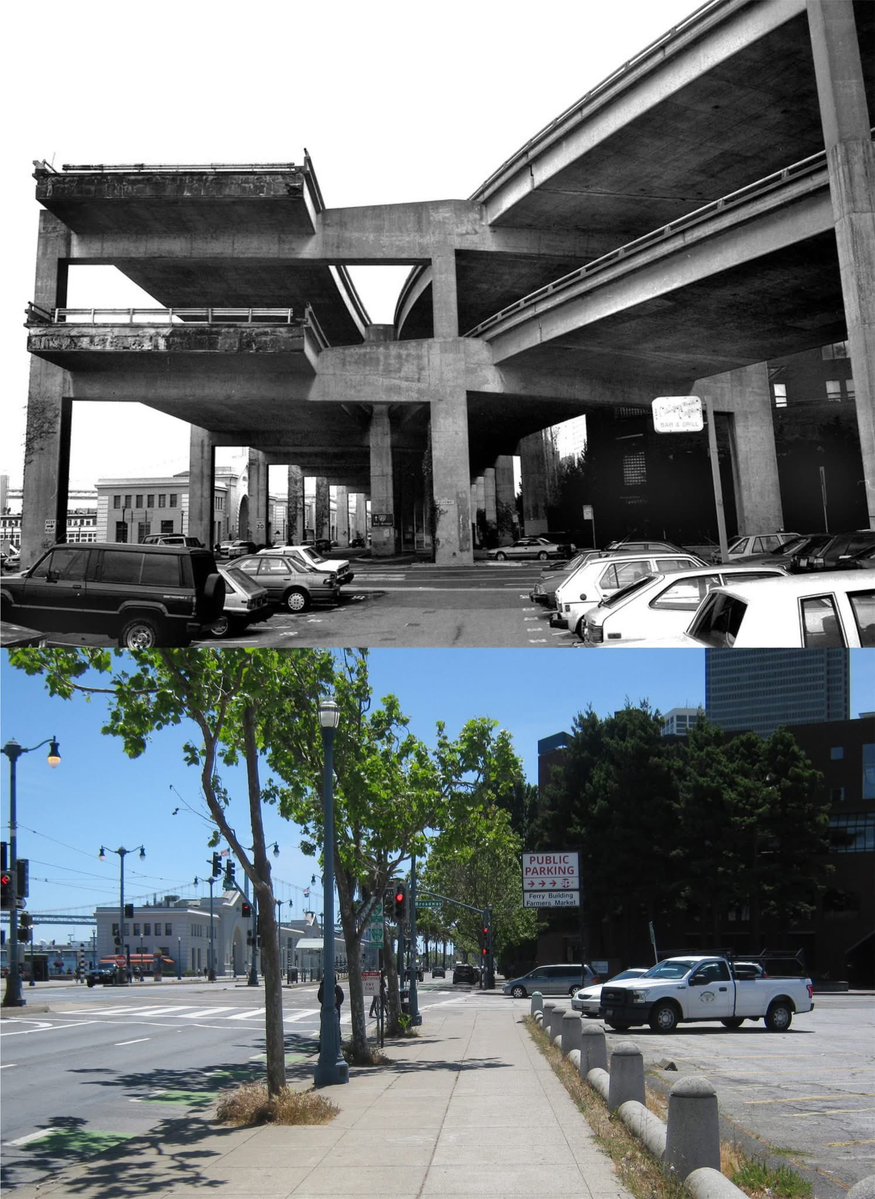
California civil engineering at its finest
English

Who needs data centers when my faultussy can power anything?
English