
Sarthiism
533 posts

Sarthiism
@sarth_22
rational, imperfect, seeker, open minded, philosophy, spirituality, mythology, art, anthropology, history, religions, humanity, societies
Katılım Haziran 2021
46 Takip Edilen40 Takipçiler

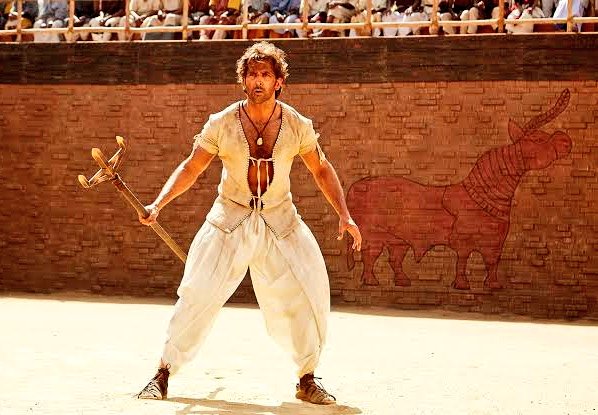
Gladiator arena. IVC edition. It was all real. We called them madmen.

Sanjeev Sanyal@sanjeevsanyal
Sanjay Manjul and his team have also found evidence of a “stadium” with layered seating on both sides. Also piles of terracotta balls near the gates. Were these used for slings against attackers? 2/n
English
@aryaismm @yajnadevam it’s very important to trace rigvedic tribes migrations out of india/Indus-Sarsawasti if happened.
talageri’s hypotheses are really strong
English
@aryaismm @yajnadevam steppe population may have been primitive nomadic tribals and hence these I-Ir group of people ran over them and mixed.
later their mix breed also became nomadic, spread all around and of whom some raided india in multiple waves, giving IVC aryans steppe admixture in later era
English
I'm unconvinced that steppe dna is like radioactive contaminant that even in the smallest doses, completely changes the nature of a population.
All high steppe populations happen to be non-IE: Estonians with 54% Steppe, and followed by the Etruscans, Finns, Hungarians and Basque
English
@ahindu_ @Raucheyaa which Manu btw? Vaivaswan?
and is the Manu of Manusmriti same person as Vaivaswan Manu?
हिन्दी
@Earlhastings1 @huvishka123 it seems like after initial proselytization of vedic religions in post rig vedic period, many diverse ethnic groups from all over India became dwijas, for a hefty long period. dwijas really aren’t from one ethnic group.
English
@ShafeeqTurab @asuraonthehill still there're a lot of smoke about it's dating, ethnicity who brought it up, for now we can say IVC people and their elites after fall of IVC gathered their tribes and started forming vedic culture around indo-gangetic regions between the era of approx 1700-1100 BC
English
@ShafeeqTurab @asuraonthehill rise of brahmin class, oral tradition made it possible for the vedic people to preserve rigveda, which was truely excellent
English
@ShafeeqTurab @asuraonthehill they never called themselves pamiris or central asian, only thing they remembered was brahmvarta origin/ sapta-sindhu-saraswati region
English

@sarth_22 @asuraonthehill Haan jab woh settle huwae tab culture bannay laga but people themselves originated from Pamirs.
English
@ShafeeqTurab @asuraonthehill and vedic high culture originate from the society of aryans (likely the IVC elites) and commerners IVC+more AASI.
everyone were more civilised than many other tribes of other regions of that era, hence vedic society and culture is of Indo-aryan mix origin, not just aryans.
English
@ShafeeqTurab @asuraonthehill kurus ancestors were likely from brahmavarta region/ sapta-sindhu region. but proper brahminical vedic high culture originated around kuru-pancal region, hence indo-gangetic origin
English
@Dhanurdharaya @sahasrabuddhi every single person in the world carries one this identities,
whichever is their primary identity or say common identity of their parents is their jati by birth
English
@Dhanurdharaya @sahasrabuddhi it is more like this,
kul = lineage
gotra= clan/village
sub caste = tribe
caste = ethnic group
hindu = ethno cultural and religious group
state/regional identity - ethnolinguistic group
indian = of indian subcontinent origin
English
@asuraonthehill tho earlier saka in sakdwip during period of mahabharata period followed four fold varna system same as indo-gangetic kuru-pancal
Indonesia
@asuraonthehill so by the time of indo-greeks, saka admixture they would surely see their offspring people who had likely fallen from vedic fold as shudras, and their newly arriving non vedic population as mlechhas
English
@PajeetControler @RestThakur although what we call AASI could be of many ethno linguist groups of pre-historic age.
and possible that elam like people or proper neolithic iranian groups of farmers who created were dravidian as of what you call them of proto-caucosoid origin i guess
English
@PajeetControler @RestThakur AASI were likely pure dravidian, initially when IVC collapsed they IVC-AASI mixture happened for many hundred years, in post vedic age as well, but due to high and dominant presence of Dravidian people in south languages remained dravidian
English