
Scott
993 posts


Scott
@scott__stocks
Ex-Banker. 🏦 | Live Scanner | Real Time Entries, Exits & P&L | Watchlists Daily. I don't want your $$, I want you to become a better
USA Katılım Temmuz 2017
371 Takip Edilen619 Takipçiler
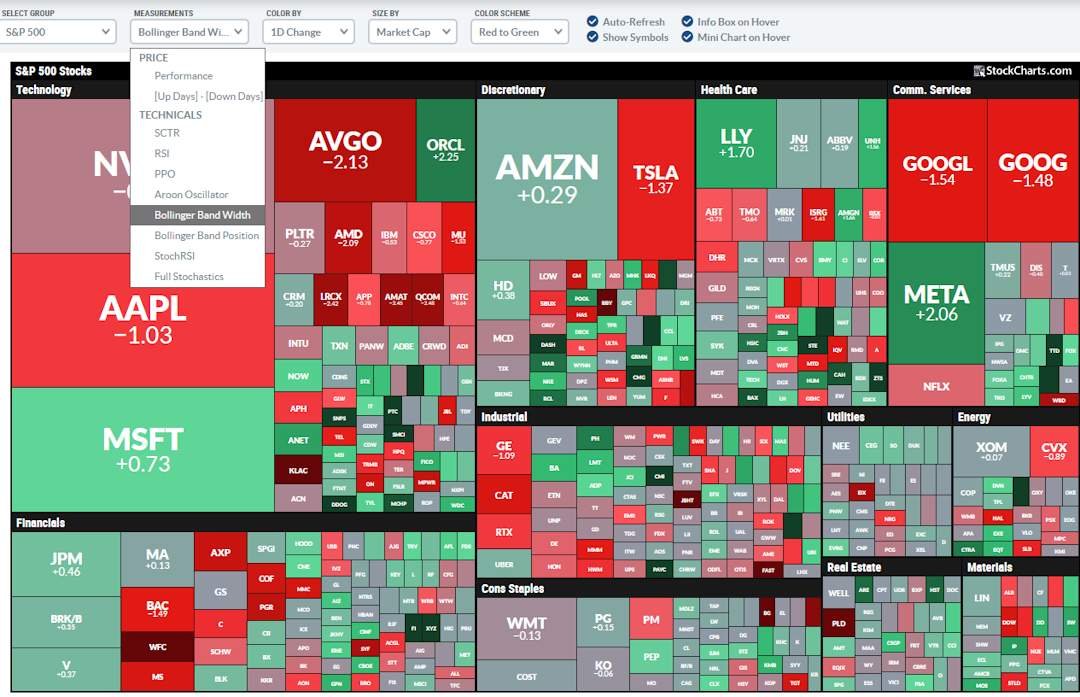
$TSLA reports tomorrow.
Deliveries already beat at 480k+. The market will look past the headline and straight at automotive gross margin (ex-credits) and any update on Optimus. Energy storage continues to grow, but the core vehicle business still drives the narrative.
Tesla has lagged most of the Mag 7 this year. That means the bar is lower, but the stock also has more room to move on a clean margin print.
How I filter it:
Automotive gross margin ex-regulatory credits is the single most important number.
Energy storage growth is the quality secondary story.
Treat any Optimus commentary as pure optionality until it shows up in the income statement.
A solid margin result can force a short-covering rally. A miss on margins will be read as confirmation that the valuation is still too high for a car company.

English
While $NVDA and the AI complex bounce, energy is still doing its own thing.
Brent is holding above $90 on the back of continued U.S.-Iran strikes and Hormuz risk. That is pushing integrated majors and refiners higher even as the rest of the market focuses on tech earnings. Names like $XOM, $CVX and the refining group have been quietly making new highs while technology chops.
This is not a permanent regime change. It is a classic risk-premium rotation. When geopolitical risk stays elevated and the AI trade is being questioned on returns, capital flows toward hard-asset cash-flow businesses.
My rule set:
Treat energy as a tactical overweight only while Hormuz risk remains live.
Prefer the large integrated names with strong balance sheets over pure explorers.
Pair any energy addition with tighter risk controls on high-multiple growth stocks.
The flow is already happening. Most portfolios are still underweight.

English
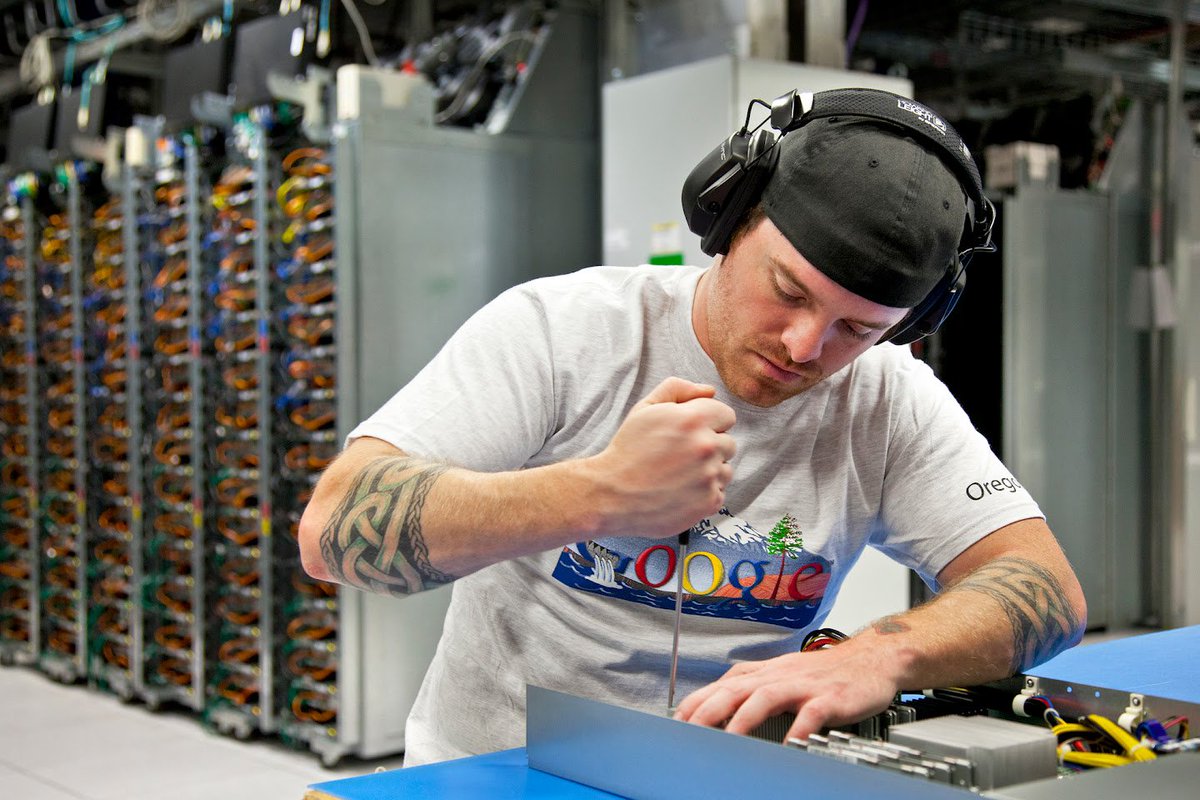
$GOOGL reports after the close today.
This is the first major Mag 7 print of the week and the one that will set the AI spending narrative. Consensus is looking for solid double-digit growth, with Google Cloud still expected to grow north of 60%. The real questions are:
How much is Cloud actually monetizing AI?
Is the $190B+ capex trajectory still intact or starting to moderate?
Any update on Gemini model performance and enterprise adoption.
I break $GOOGL earnings the same way every quarter:
Cloud growth + margin first.
Search & YouTube advertising resilience second.
Capex commentary last — the market is hypersensitive to any signal that the AI infrastructure bill is slowing.
A clean beat with constructive Cloud commentary can re-ignite the entire group. A soft Cloud number will pressure $NVDA, $AMD and the rest of the complex.
English
The semiconductor complex is bouncing hard after its technical bear market.
$AMD, $AVGO, $INTC and the broader SOX index are leading the rebound while the market digests the idea that AI demand is still intact even after the recent valuation reset. Memory names ($MU, WDC, STX) were among the strongest movers.
This is classic post-oversold behavior. The sector had dropped more than 20% from the June high. Now FOMO is kicking in ahead of the big tech earnings week. Institutions that cut exposure are being forced to buy back.
My 3-step read:
Confirm the bounce is led by actual volume and not just short covering.
Prefer the names with the cleanest HBM or custom silicon exposure ($AVGO, $AMD).
Keep risk tight — the first bounce after a bear-market print is often the most violent, but not always the most durable.
$NVDA still sets the tone, but the broader complex is finally participating again.

English
$MU just ripped higher again — one of the biggest S&P gainers yesterday with a double-digit move.
Micron is the memory story of 2026. High-bandwidth memory (HBM) demand from AI servers is so strong that management has already locked in multi-year fixed-price contracts covering most of its 2026 supply. Customers (including the big AI players) are still asking for more than Micron can deliver.
This is not the old boom-bust memory cycle. Visibility is higher than anything we’ve seen in a decade. The read-through is direct for $NVDA: every H100/H200/Blackwell system needs the HBM that Micron, SK Hynix and Samsung are scrambling to supply.
Framework I use:
Track HBM sold-out status and long-term agreements first.
Watch gross margins (already near record levels).
Size $MU as a pure-play AI infrastructure name, not a traditional cyclical.
The market is rediscovering that memory is the bottleneck, not just the GPU.
English
Tesla reports this week.
Deliveries already came in at 480,126 — ahead of expectations. Energy storage hit 13.5 GW. Wall Street is looking for roughly $26.4 billion revenue and 53 cents EPS.
But the real debate isn’t the car numbers. It’s whether Optimus and the robot narrative can keep justifying the multiple while automotive margins stay under pressure. The stock has lagged the broader Mag 7 for most of the year.
My 3-step filter on Tesla:
Separate vehicle delivery beats from actual automotive gross margin (ex-credits).
Watch energy storage growth as the higher-quality revenue stream.
Treat the robot story as optionality, not core valuation, until cash flows appear.
This is a classic “numbers vs narrative” earnings. Institutions will move on the margin print more than the delivery headline.
English
Small caps are quietly winning 2026 by the widest margin since 2003.
Russell 2000 is up roughly 20%+ year-to-date. S&P MidCap 400 and S&P 600 are both ahead of the S&P 500. This is the first time in years the breadth is actually working in favor of the smaller names.
Why it’s happening: valuations started the year at multi-decade discounts, earnings estimates for the Russell have been revised sharply higher (from ~23% to ~38%), and the AI trade is finally leaking into the suppliers and picks-and-shovels companies further down the market-cap ladder.
My positioning rule:
Confirm the relative strength continues after the mega-cap earnings week.
Prefer quality small/mid caps with actual earnings growth, not pure speculative names.
Keep the allocation as a satellite, not a core replacement for large-cap exposure.
The rotation is real. Most portfolios are still 80% large-cap heavy. That gap is the opportunity.

English
While tech and semis keep chopping, energy is doing the opposite.
Oil above $90 and the continued Iran strikes are pushing energy names higher at the same time technology is giving back some of its year-to-date gains. This is classic risk-off rotation inside a still-elevated market.
The data is clean: when geopolitical risk spikes and the AI trade gets questioned on returns, capital rotates toward hard assets and cash-flow businesses that benefit from higher commodity prices.
How I treat it:
Energy as a tactical overweight only while the Hormuz risk remains elevated.
Prefer integrated majors and select upstream names with strong balance sheets over pure explorers.
Pair any energy addition with tighter risk on high-multiple growth names.
This isn’t a permanent regime shift. It’s a temporary flow of capital that professional desks are already capturing.

English
Economy resilient but market needs selectivity – unemployment data mixed, yet energy and industrials offer value amid oil stabilization post-tensions. Small caps benefiting from rotation show stronger breadth. Pros aren't all-in on one theme; they're diversifying into discounted earnings growers. Apply the framework before summer volatility hits.

English
Valuations matter more now – S&P forward multiples elevated but pockets like quality tech/services trade at discounts to growth. Earnings estimates rising, yet rotation favors those overlooked. Ex-banker tip: track dark pools and capex efficiency. Real opportunity in 2026's second half for prepared investors using systematic analysis.

English

Economy resilient but market needs selectivity – unemployment data mixed, yet energy and industrials offer value amid oil stabilization post-tensions. Small caps benefiting from rotation show stronger breadth. Pros aren't all-in on one theme; they're diversifying into discounted earnings growers. Apply the framework before summer volatility hits.

English
AI hype continues but cracks show – hyperscalers capex still high yet bond market pricing risk higher. Semis led the rally but valuations demand selectivity. US gov't CHIPS Act support remains key for domestic suppliers. Focus on those with real contracts vs. narrative. 3-step: fundamentals, policy tailwinds, competitive moat. This separates winners in the next phase.

English
Wall Street's rotation signal just flashed: AI debt issuance slowing while small caps surge. With Fed watching inflation cool, beaten-down sectors like consumer discretionary are getting institutional inflows. Think retailers and home improvement – post-pandemic shift back to goods. Historical parallels show these setups deliver 15-25% moves. Don't chase the top; position in the framework pros use. Real data, real edge.

English
Ex-banker here – no fluff. The S&P just wrapped its strongest Q2 since 2020, but rotation is real: small caps and value stocks are quietly outperforming mega-tech as investors shift from crowded AI plays. Data shows Russell 2000 up significantly YTD while Magnificent 7 cooled. This isn't random – it's smart money preparing for broader growth as rates stabilize. Use the 3-step framework: check institutional flows, valuation discounts, and catalysts like earnings rotation. Opportunity in undervalued cyclicals before the next leg up.
Links: S&P Market Data | Small Cap Rotation

English
Market tops follow patterns—earnings growth is the key signal professionals track, not just unemployment headlines. Recent data shows resilience but watch for shifts in real profits.
S&P near highs with rotation underway. Use the green light test: high ROC, strong margins, contracted growth. Avoid the noise.
Framework reminder: 50/50 index + quality picks, defined entries/exits. Protect capital above all.

English
AI spending boom is creating massive opportunities in digital tools. Cellebrite ($CLBT) stands out—law enforcement and intel agencies need advanced data extraction as phones get smarter.
Smaller cap with 10x potential as complexity grows. Backed by real demand trends in public sector AI integration.
3-Step: Fundamentals explosive, technical setup clean, manage position risk tightly. This is the type of asymmetric setup professionals hunt.
English
Fed Chair Kevin Warsh’s focus on inflation is shifting the narrative. With data showing cooling pressures, markets are pricing in potential policy flexibility—but watch the data closely.
S&P 500 holding near records despite rotations. Banks reporting strong profits signal consumer resilience. Chip sector volatility continues but AI tailwinds remain.
Apply the framework: 1) Earnings growth as the real indicator over headlines. 2) Technical supports on major averages. 3) Risk off on overextensions. Stay disciplined—markets reward preparation.
English