
Scott Weavil

158 posts

Scott Weavil banner
Scott Weavil

Scott Weavil

@scottweavil

I make deals happen | M&A advisor | Founder Sierra Pacific Partners + Weavil Law | @skaddenarps @wilsonsonsini @duke alum

California Katılım Kasım 2011
391 Takip Edilen140 Takipçiler
Scott Weavil
Scott Weavil@scottweavil·
📈 𝐃𝐞𝐚𝐥𝐒𝐜𝐚𝐩𝐞 | 𝘋𝘦𝘢𝘭 𝘚𝘵𝘳𝘶𝘤𝘵𝘶𝘳𝘦𝘴 𝘪𝘯 𝘵𝘩𝘦 𝘓𝘰𝘸𝘦𝘳 𝘔𝘪𝘥𝘥𝘭𝘦 𝘔𝘢𝘳𝘬𝘦𝘵: 𝘊𝘳𝘦𝘢𝘵𝘪𝘷𝘪𝘵𝘺 {𝘗𝘢𝘳𝘵 𝘐𝘐} Over the last several years, creativity has replaced inexpensive leverage. The market still rewards great businesses, but how deals get done has changed. → 𝘌𝘢𝘳𝘯𝘰𝘶𝘵𝘴 𝘰𝘯 𝘵𝘩𝘦 𝘳𝘪𝘴𝘦: About 35 percent of 2025 lower-middle-market transactions now include an earnout, up from 22 percent in 2022. Periods average 18–30 months, tied more often to revenue or gross margin than EBITDA. → 𝘙𝘰𝘭𝘭𝘰𝘷𝘦𝘳 𝘦𝘲𝘶𝘪𝘵𝘺 𝘮𝘢𝘪𝘯𝘴𝘵𝘳𝘦𝘢𝘮: Sellers are keeping more skin in the game, with 20–45% rollovers common in private-equity-backed deals. Rollover participation remains the cleanest way to bridge valuation gaps without headline compression. → 𝘚𝘦𝘭𝘭𝘦𝘳 𝘧𝘪𝘯𝘢𝘯𝘤𝘪𝘯𝘨 𝘯𝘰𝘳𝘮𝘢𝘭𝘪𝘻𝘦𝘥: Roughly one in four transactions under $50 million now includes a seller note, typically 10–20% of total consideration. Buyers like the alignment; sellers see it as a tool that supports higher total value. → 𝘔𝘪𝘯𝘰𝘳𝘪𝘵𝘺 𝘳𝘦𝘤𝘢𝘱𝘴 𝘨𝘢𝘪𝘯𝘪𝘯𝘨 𝘵𝘳𝘢𝘤𝘵𝘪𝘰𝘯: Founders looking to de-risk without losing control are driving a 30 percent year-over-year rise in minority recapitalizations. Family offices and independent sponsors are leading the trend. ⁘ The market is rewarding founders who understand optionality, not just valuation. The right structure can protect value, retain upside, and accelerate a close, but it must also be designed to safeguard sellers through clear performance metrics, balanced risk sharing, and enforceable protections. ❯ Sierra Pacific Partners works with founder-led companies in healthcare, tech-enabled services, and specialized B2B sectors to design and execute structured transactions that balance growth, liquidity, and control. If that’s you, we’d welcome a conversation.
English
0
0
0
8
Scott Weavil
Scott Weavil@scottweavil·
❯ 📅 𝐍𝐞𝐱𝐭 𝐔𝐩 | 𝘚𝘰𝘗𝘌 𝘚𝘢𝘤𝘳𝘢𝘮𝘦𝘯𝘵𝘰 𝘢𝘵 𝘈𝘨𝘨𝘪𝘦 𝘚𝘲𝘶𝘢𝘳𝘦 ⇒ 𝘍𝘳𝘰𝘮 𝘐𝘥𝘦𝘢 𝘵𝘰 𝘐𝘮𝘱𝘢𝘤𝘵: 𝘍𝘪𝘳𝘴𝘵 𝘚𝘵𝘦𝘱𝘴 𝘪𝘯 𝘏𝘦𝘢𝘭𝘵𝘩𝘤𝘢𝘳𝘦 𝘐𝘯𝘯𝘰𝘷𝘢𝘵𝘪𝘰𝘯 Clinicians are reimagining what healthcare entrepreneurship looks like, and they're not just innovating within systems, but building new ones. That’s the focus of Society of Physician Entrepreneurs' upcoming Sacramento session, 𝘍𝘳𝘰𝘮 𝘐𝘥𝘦𝘢 𝘵𝘰 𝘐𝘮𝘱𝘢𝘤𝘵: 𝘍𝘪𝘳𝘴𝘵 𝘚𝘵𝘦𝘱𝘴 𝘪𝘯 𝘏𝘦𝘢𝘭𝘵𝘩𝘤𝘢𝘳𝘦 𝘐𝘯𝘯𝘰𝘷𝘢𝘵𝘪𝘰𝘯, designed to help physicians and researchers translate ideas into ventures that move healthcare forward. 📅 From Idea to Impact: First Steps in Healthcare Innovation 🕒 Thursday, Oct 16 | 3:30–5:00 PM 📍 Aggie Square – Jewel Box Conference Room 🔗 Register Here ⟶ lnkd.in/g3HqEQVq At Sierra Pacific Partners, we are seeing this same shift in our own work. Physician-founders are leading the next cycle of growth across healthcare verticals, and the market is responding. → 𝘓𝘰𝘸𝘦𝘳 𝘳𝘢𝘵𝘦𝘴 are reviving buyer confidence and increasing debt capacity, pushing valuations higher for quality businesses {𝘮𝘰𝘳𝘦 𝘰𝘯 𝘵𝘩𝘪𝘴 𝘯𝘦𝘹𝘵 𝘸𝘦𝘦𝘬}. → 𝘊𝘢𝘱𝘪𝘵𝘢𝘭 𝘪𝘴 𝘳𝘦𝘢𝘤𝘵𝘪𝘷𝘢𝘵𝘪𝘯𝘨. PE dry powder, family office interest, and strategic balance sheets are rotating back into healthcare. → 𝘍𝘰𝘶𝘯𝘥𝘦𝘳 𝘮𝘰𝘮𝘦𝘯𝘵𝘶𝘮. Many physician-entrepreneurs who started during 2020–2022 are now raising institutional capital or preparing for exits within the next 12–24 months. ⁘ The current environment rewards operational clarity, margin stability, and scalability. While headline volume has moderated, strategic and financial buyers remain highly active in healthcare services, particularly for platforms that demonstrate alignment, defensibility, and growth visibility. Founders considering a transaction or capital raise in the next 12–24 months would benefit from early positioning as buyer / investor selectivity remains high and diligence expectations continue to rise. ❯ We work with healthcare innovators who are building differentiated, defensible businesses and want to explore strategic options while the market is still rewarding scale, efficiency, and clinical quality. If that’s you, we’d welcome a conversation.
English
0
0
1
9
Scott Weavil
Scott Weavil@scottweavil·
📡 𝐌𝐚𝐫𝐤𝐞𝐭 𝐒𝐢𝐠𝐧𝐚𝐥 | 𝘏𝘦𝘢𝘭𝘵𝘩 𝘚𝘦𝘳𝘷𝘪𝘤𝘦𝘴 𝘢𝘴 𝘛𝘩𝘦 𝘌𝘤𝘰𝘯𝘰𝘮𝘺’𝘴 𝘉𝘢𝘤𝘬𝘴𝘵𝘰𝘱 ⟡ Friday’s jobs report reinforced a clear theme: The US labor market is slowing. Without health services, it would already be contracting. → Private-sector job growth cooling: 2025 is averaging ~74K jobs/month vs. ~130K last year. 𝘙𝘦𝘮𝘰𝘷𝘦 𝘵𝘩𝘦 ~64𝘒/𝘮𝘰𝘯𝘵𝘩 𝘧𝘳𝘰𝘮 𝘩𝘦𝘢𝘭𝘵𝘩 𝘴𝘦𝘳𝘷𝘪𝘤𝘦𝘴 𝘢𝘯𝘥 𝘴𝘰𝘤𝘪𝘢𝘭 𝘢𝘴𝘴𝘪𝘴𝘵𝘢𝘯𝘤𝘦, 𝘢𝘯𝘥 𝘵𝘩𝘦 𝘳𝘦𝘴𝘵 𝘰𝘧 𝘵𝘩𝘦 𝘦𝘤𝘰𝘯𝘰𝘮𝘺 𝘪𝘴 𝘤𝘰𝘯𝘵𝘳𝘪𝘣𝘶𝘵𝘪𝘯𝘨 𝘰𝘯𝘭𝘺 ~9.4𝘒 𝘫𝘰𝘣𝘴. → Scale of health employment: 23.5M Americans work in health services, 𝐜𝐨𝐦𝐩𝐫𝐢𝐬𝐢𝐧𝐠 1 𝐢𝐧 6 𝐩𝐫𝐢𝐯𝐚𝐭𝐞-𝐬𝐞𝐜𝐭𝐨𝐫 𝐣𝐨𝐛𝐬. That outpaces manufacturing (12.7M) and retail (15.6M), and is on par with professional & business services (22.5M). ⟡ Potential headwinds: ◦ $911B in projected 𝘔𝘦𝘥𝘪𝘤𝘢𝘪𝘥 𝘤𝘶𝘵𝘴 (2026–2034), pressuring hospitals, nursing homes, and long-term care. ◦ 𝘋𝘪𝘷𝘦𝘳𝘨𝘦𝘯𝘵 𝘥𝘢𝘵𝘢, with Labor Dept. shows growth, ADP suggests contraction. True strength may be overstated. ◦ 𝘗𝘰𝘴𝘵-𝘱𝘢𝘯𝘥𝘦𝘮𝘪𝘤 𝘸𝘰𝘳𝘬𝘧𝘰𝘳𝘤𝘦 𝘴𝘤𝘢𝘳𝘴, with attrition in nursing and low-wage caregiving roles. ⇥ 𝐇𝐢𝐬𝐭𝐨𝐫𝐢𝐜𝐚𝐥 𝐫𝐞𝐬𝐢𝐥𝐢𝐞𝐧𝐜𝐞: Health services added jobs through the 2008–09 crisis, though the pandemic was a rare exception. With employment now above its long-term trend, sustainability is the question. ⁘ For healthcare operators, founders, and investors, the signal is clear: 𝘞𝘰𝘳𝘬𝘧𝘰𝘳𝘤𝘦 𝘥𝘺𝘯𝘢𝘮𝘪𝘤𝘴, 𝘳𝘦𝘪𝘮𝘣𝘶𝘳𝘴𝘦𝘮𝘦𝘯𝘵 𝘱𝘰𝘭𝘪𝘤𝘺, 𝘢𝘯𝘥 𝘥𝘦𝘮𝘰𝘨𝘳𝘢𝘱𝘩𝘪𝘤 𝘥𝘦𝘮𝘢𝘯𝘥 𝘢𝘳𝘦 𝘪𝘯𝘴𝘦𝘱𝘢𝘳𝘢𝘣𝘭𝘦 𝘧𝘳𝘰𝘮 𝘴𝘦𝘤𝘵𝘰𝘳 𝘨𝘳𝘰𝘸𝘵𝘩. 𝘕𝘦𝘢𝘳-𝘵𝘦𝘳𝘮 𝘱𝘰𝘭𝘪𝘤𝘺 𝘴𝘩𝘪𝘧𝘵𝘴 𝘤𝘰𝘶𝘭𝘥 𝘳𝘦𝘴𝘩𝘢𝘱𝘦 𝘣𝘰𝘵𝘩 𝘭𝘢𝘣𝘰𝘳 𝘴𝘶𝘱𝘱𝘭𝘺 𝘢𝘯𝘥 𝘱𝘳𝘰𝘷𝘪𝘥𝘦𝘳 𝘴𝘵𝘳𝘢𝘵𝘦𝘨𝘺. ❯ At Sierra Pacific Partners, we partner with physician-entrepreneurs and healthcare innovators to navigate these crosscurrents, aligning growth, M&A strategy, and capital with the realities of the labor market.
English
0
0
0
13
Scott Weavil
Scott Weavil@scottweavil·
📡 𝐌𝐚𝐫𝐤𝐞𝐭 𝐒𝐢𝐠𝐧𝐚𝐥 | 𝘌𝘱𝘪𝘤’𝘴 𝘕𝘦𝘹𝘵 𝘗𝘭𝘢𝘺 𝘪𝘯 𝘗𝘢𝘵𝘪𝘦𝘯𝘵-𝘍𝘢𝘤𝘪𝘯𝘨 𝘈𝘐 Epic’s ambient scribe and Microsoft partnership drew headlines last week, but the bigger story was the suite of AI rollouts: ⇥ 𝘈𝘳𝘵, a clinical co-pilot for documentation and note generation, developed with Microsoft ⇥ 𝘗𝘦𝘯𝘯𝘺, a rev cycle AI automating appeals, coding, and billing ops ⇥ 𝘌𝘮𝘮𝘪𝘦, a patient-facing AI chatbot embedded in MyChart The one to watch is Emmie, not just because of functionality but because of distribution. ⟡ 𝘊𝘩𝘢𝘯𝘯𝘦𝘭 𝘢𝘥𝘷𝘢𝘯𝘵𝘢𝘨𝘦: Patients are more willing to share data with their providers than with standalone platforms. By embedding AI inside the EHR workflow, Epic transfers that provider trust to its own tools. ⟡ 𝘋𝘢𝘵𝘢 𝘷𝘪𝘴𝘪𝘣𝘪𝘭𝘪𝘵𝘺: Beyond clinical records, Epic can now surface patient intent (the questions, decisions, and symptoms), checking moments consumers rarely share with generalist tech companies. ⟡ 𝘚𝘵𝘳𝘢𝘵𝘦𝘨𝘪𝘤 𝘴𝘩𝘪𝘧𝘵: Epic is moving from the record of care to the front door of care, shaping not just documentation but how patients engage. ⁘ In patient-facing AI, functionality matters. But trust is the moat. Epic just showed how provider-channel distribution creates an edge that pure-play tech entrants will find difficult to match. 𝘍𝘰𝘳 𝘧𝘰𝘶𝘯𝘥𝘦𝘳𝘴 𝘣𝘶𝘪𝘭𝘥𝘪𝘯𝘨 𝘪𝘯 𝘤𝘭𝘪𝘯𝘪𝘤𝘢𝘭 𝘜𝘟, 𝘳𝘦𝘷 𝘤𝘺𝘤𝘭𝘦 𝘢𝘶𝘵𝘰𝘮𝘢𝘵𝘪𝘰𝘯, 𝘰𝘳 𝘤𝘰𝘯𝘴𝘶𝘮𝘦𝘳-𝘧𝘢𝘤𝘪𝘯𝘨 𝘩𝘦𝘢𝘭𝘵𝘩 𝘈𝘐, 𝘵𝘩𝘦 𝘣𝘢𝘳 𝘩𝘢𝘴 𝘴𝘩𝘪𝘧𝘵𝘦𝘥. 𝘊𝘰𝘮𝘱𝘦𝘵𝘪𝘯𝘨 𝘸𝘪𝘵𝘩 𝘌𝘱𝘪𝘤 𝘪𝘴 𝘯𝘰 𝘭𝘰𝘯𝘨𝘦𝘳 𝘫𝘶𝘴𝘵 𝘢 𝘱𝘳𝘰𝘥𝘶𝘤𝘵 𝘤𝘩𝘢𝘭𝘭𝘦𝘯𝘨𝘦. 𝘐𝘵 𝘪𝘴 𝘢 𝘤𝘩𝘢𝘯𝘯𝘦𝘭 𝘤𝘩𝘢𝘭𝘭𝘦𝘯𝘨𝘦. 𝘞𝘪𝘯𝘯𝘪𝘯𝘨 𝘸𝘪𝘭𝘭 𝘳𝘦𝘲𝘶𝘪𝘳𝘦 𝘴𝘩𝘢𝘳𝘱𝘦𝘳 𝘶𝘴𝘦 𝘤𝘢𝘴𝘦𝘴, 𝘤𝘳𝘦𝘢𝘵𝘪𝘷𝘦 𝘥𝘪𝘴𝘵𝘳𝘪𝘣𝘶𝘵𝘪𝘰𝘯, 𝘰𝘳 𝘤𝘭𝘰𝘴𝘦 𝘢𝘭𝘪𝘨𝘯𝘮𝘦𝘯𝘵 𝘸𝘪𝘵𝘩 𝘴𝘺𝘴𝘵𝘦𝘮𝘴 𝘵𝘩𝘢𝘵 𝘸𝘢𝘯𝘵 𝘰𝘱𝘵𝘪𝘰𝘯𝘴 𝘰𝘶𝘵𝘴𝘪𝘥𝘦 𝘌𝘱𝘪𝘤’𝘴 𝘴𝘵𝘢𝘤𝘬. ❯ We partner with founders building differentiated healthcare platforms at the intersection of data, workflow, and trust. If you’re thinking about capital or strategic options, we’d welcome a conversation.
English
0
0
0
29
Scott Weavil
Scott Weavil@scottweavil·
🩺 𝐏𝐨𝐥𝐢𝐜𝐲 𝐏𝐥𝐚𝐲𝐛𝐨𝐨𝐤 | 𝘞𝘏𝘖𝘖𝘗 𝘷𝘴. 𝘍𝘋𝘈 {𝘋𝘢𝘵𝘢, 𝘋𝘪𝘢𝘨𝘯𝘰𝘴𝘵𝘪𝘤𝘴 & 𝘵𝘩𝘦 𝘌𝘥𝘨𝘦𝘴 𝘰𝘧 𝘙𝘦𝘨𝘶𝘭𝘢𝘵𝘪𝘰𝘯} WHOOP’s recent tangle with the FDA isn’t just about one product. It highlights how quickly the line between wellness and diagnosis is moving. ⟡ 𝘞𝘩𝘢𝘵 𝘩𝘢𝘱𝘱𝘦𝘯𝘦𝘥: WHOOP’s blood pressure feature was flagged despite disclaimers. The FDA pointed to: ◦ Clear association with disease management ◦ Evidence users were tracking hypertension ◦ Claims and design choices suggesting diagnostic intent ◦ Similarity to Class II regulated devices → 𝘞𝘩𝘢𝘵’𝘴 𝘢𝘵 𝘴𝘵𝘢𝘬𝘦: Wearables tracking heart rate, sleep, or oxygen levels 𝘤𝘰𝘶𝘭𝘥 be next. It is not just about marketing language or comprehensive disclaimers. 𝘛𝘩𝘦 𝘸𝘢𝘺 𝘶𝘴𝘦𝘳𝘴 𝘦𝘯𝘨𝘢𝘨𝘦 𝘸𝘪𝘵𝘩 𝘵𝘩𝘦 𝘱𝘳𝘰𝘥𝘶𝘤𝘵, 𝘢𝘯𝘥 𝘵𝘩𝘦 𝘰𝘶𝘵𝘤𝘰𝘮𝘦𝘴 𝘵𝘩𝘦𝘺 𝘳𝘦𝘭𝘺 𝘰𝘯, 𝘤𝘢𝘯 𝘴𝘩𝘪𝘧𝘵 𝘩𝘰𝘸 𝘳𝘦𝘨𝘶𝘭𝘢𝘵𝘰𝘳𝘴 𝘷𝘪𝘦𝘸 𝘵𝘩𝘦 𝘳𝘪𝘴𝘬. → What founders should keep in mind: ◦ Wellness positioning only works if user behavior supports it ◦ If people treat your product like a medical device, regulators may agree ◦ Regulatory strategy now affects capital needs, regulatory pathways, launch plans, valuation, and exit timing → 𝘞𝘩𝘢𝘵 𝘵𝘩𝘪𝘴 𝘮𝘦𝘢𝘯𝘴 𝘪𝘯 𝘔&𝘈: We are seeing longer diligence timelines and more valuation pressure on companies offering AI health tools or advanced biometrics. Buyers are asking tougher questions and prioritizing regulatory clarity. ⁘ The convergence of data, diagnostics, and care delivery is accelerating. Founders building in this space should prepare for how their product will be viewed by regulators, by buyers, and by investors. ❯ We work with healthcare innovators navigating this intersection. If you are preparing for M&A or capital raising, we would welcome a conversation.
English
0
0
0
14
Scott Weavil
Scott Weavil@scottweavil·
🩺 𝐏𝐨𝐥𝐢𝐜𝐲 𝐏𝐥𝐚𝐲𝐛𝐨𝐨𝐤 | 𝘊𝘔𝘚 𝘚𝘪𝘨𝘯𝘢𝘭𝘴 𝘐𝘯𝘵𝘦𝘯𝘵 𝘵𝘰 𝘉𝘶𝘪𝘭𝘥 𝘢 𝘕𝘢𝘵𝘪𝘰𝘯𝘢𝘭 𝘋𝘪𝘨𝘪𝘵𝘢𝘭 𝘏𝘦𝘢𝘭𝘵𝘩 𝘐𝘯𝘧𝘳𝘢𝘴𝘵𝘳𝘶𝘤𝘵𝘶𝘳𝘦 On July 30, CMS announced a sweeping initiative to accelerate interoperability across the U.S. healthcare system, issuing a voluntary but highly directional Framework to align payers, providers, EHRs, app developers, and health data networks around a shared standard for digital health access and exchange. ⁘ This represents one of the most significant federal signals in over a decade for companies operating at the intersection of infrastructure, care delivery, and patient engagement. 𝐊𝐞𝐲 𝐓𝐡𝐞𝐦𝐞𝐬: → 𝘗𝘢𝘵𝘪𝘦𝘯𝘵-𝘊𝘦𝘯𝘵𝘳𝘪𝘤 𝘈𝘤𝘤𝘦𝘴𝘴: Verified digital credentials will allow individuals to access and share their full health record across systems without friction → 𝘕𝘦𝘵𝘸𝘰𝘳𝘬-𝘓𝘦𝘷𝘦𝘭 𝘐𝘯𝘵𝘦𝘳𝘰𝘱𝘦𝘳𝘢𝘣𝘪𝘭𝘪𝘵𝘺: Aligned entities are expected to support real-time data exchange, FHIR-based APIs, and record locator services → 𝘌𝘹𝘱𝘢𝘯𝘥𝘦𝘥 𝘜𝘴𝘦 𝘙𝘪𝘨𝘩𝘵𝘴: Providers, delegated partners, and value-based organizations may access clinical and administrative data for treatment, operations, and payment → 𝘎𝘰𝘷𝘦𝘳𝘯𝘢𝘯𝘤𝘦 𝘢𝘯𝘥 𝘛𝘳𝘢𝘯𝘴𝘱𝘢𝘳𝘦𝘯𝘤𝘺: National provider directories, audit trails, and usage metrics are expected to be made publicly accessible → 𝘐𝘥𝘦𝘯𝘵𝘪𝘵𝘺, 𝘊𝘰𝘯𝘴𝘦𝘯𝘵, 𝘢𝘯𝘥 𝘚𝘦𝘤𝘶𝘳𝘪𝘵𝘺: Strong requirements around credentialing, auditability, and HIPAA-compliant consent protocols across all network participants ⁘ While participation is technically voluntary, the Framework clearly outlines a direction that will shape reimbursement, compliance expectations, and platform differentiation in the coming years. 𝑰𝒎𝒑𝒍𝒊𝒄𝒂𝒕𝒊𝒐𝒏𝒔 𝒇𝒐𝒓 𝑮𝒓𝒐𝒘𝒕𝒉-𝑺𝒕𝒂𝒈𝒆 𝑰𝒏𝒏𝒐𝒗𝒂𝒕𝒐𝒓𝒔 At Sierra Pacific Partners, we view this as a meaningful inflection point for founders and investors in digital health infrastructure, care coordination, and patient-directed engagement platforms: → Companies that can enable seamless, standards-based data exchange (particularly those focused on identity, workflow integration, or patient experience) are likely to attract outsized strategic attention over the next 12 to 24 months → Buyers are prioritizing platforms with regulatory alignment, technical credibility, and real traction in CMS-prioritized use cases → For founders considering a transaction, this is a window to position your company as Framework-ready and secure a premium outcome ⇄ We are committed to advising companies that sit at the intersection of healthcare innovation, regulatory momentum, and scalable delivery. If you are navigating this transition and thinking about what's next, we would welcome a conversation.
English
0
0
0
8
Scott Weavil
Scott Weavil@scottweavil·
📈 𝐃𝐞𝐚𝐥𝐒𝐜𝐚𝐩𝐞 | 𝘚𝘵𝘳𝘢𝘵𝘦𝘨𝘪𝘤 𝘔&𝘈 𝘐𝘴 𝘉𝘢𝘤𝘬 𝘢𝘵 𝘌𝘷𝘦𝘳𝘺 𝘓𝘦𝘷𝘦𝘭 𝘰𝘧 𝘵𝘩𝘦 𝘔𝘢𝘳𝘬𝘦𝘵 Goldman's latest M&A outlook highlights what many of us in the field are seeing firsthand: ⟡ Despite macro noise, CEOs and sponsors are leaning back into bold, strategic dealmaking, with a clear shift toward growth, innovation, and capability-building. ⟡ What stood out to us at Sierra Pacific Partners is not just the record number of $10B+ transactions, but the surge in smaller deal, up 37% year-to-date. 𝘛𝘩𝘪𝘴 𝘳𝘦𝘧𝘭𝘦𝘤𝘵𝘴 𝘳𝘦𝘯𝘦𝘸𝘦𝘥 𝘤𝘰𝘯𝘧𝘪𝘥𝘦𝘯𝘤𝘦 𝘯𝘰𝘵 𝘫𝘶𝘴𝘵 𝘢𝘵 𝘵𝘩𝘦 𝘵𝘰𝘱 𝘰𝘧 𝘵𝘩𝘦 𝘮𝘢𝘳𝘬𝘦𝘵, 𝘣𝘶𝘵 𝘢𝘤𝘳𝘰𝘴𝘴 𝘵𝘩𝘦 𝘧𝘶𝘭𝘭 𝘴𝘵𝘢𝘤𝘬 𝘰𝘧 𝘔&𝘈. → In the lower middle market, 𝘸𝘦 𝘢𝘳𝘦 𝘴𝘦𝘦𝘪𝘯𝘨 𝘴𝘪𝘮𝘪𝘭𝘢𝘳 𝘤𝘢𝘵𝘢𝘭𝘺𝘴𝘵𝘴 𝘧𝘰𝘳 𝘩𝘦𝘢𝘭𝘵𝘩𝘤𝘢𝘳𝘦 𝘪𝘯𝘯𝘰𝘷𝘢𝘵𝘰𝘳𝘴: ⟡ Founders exploring full or partial exits amid evolving market conditions ⟡Strategic acquirers accelerating tuck-in activity across healthcare and tech-enabled services ⟡ Sponsors pursuing creative capital solutions and sector-specific theses ⟡ Durable demand for differentiated platforms in care delivery, outsourced services, and infrastructure As a healthcare-focused boutique, Sierra Pacific Partners works with founder-led businesses to run tailored, high-integrity processes for sell-side M&A and capital raising. ❯ If you're navigating a capital or strategic decision in healthcare, always happy to connect.
English
1
0
0
13
Scott Weavil
Scott Weavil@scottweavil·
📈 𝐃𝐞𝐚𝐥𝐒𝐜𝐚𝐩𝐞 | 𝘐𝘯𝘤𝘳𝘦𝘢𝘴𝘦𝘥 𝘔&𝘈 𝘈𝘤𝘵𝘪𝘷𝘪𝘵𝘺 {𝘸𝘪𝘵𝘩 𝘳𝘦𝘭𝘦𝘷𝘢𝘯𝘤𝘦 𝘧𝘰𝘳 𝘦𝘮𝘦𝘳𝘨𝘪𝘯𝘨 𝘤𝘰𝘮𝘱𝘢𝘯𝘪𝘦𝘴} Disclosed startup M&A exceeded $100 billion in the first half of 2025, a 155% increase over the same period last year (Crunchbase). While a portion of that came from large-cap transactions such as Google’s $32 billion acquisition of Wiz, the broader trend is more important: 𝘚𝘵𝘳𝘢𝘵𝘦𝘨𝘪𝘤 𝘢𝘯𝘥 𝘧𝘪𝘯𝘢𝘯𝘤𝘪𝘢𝘭 𝘣𝘶𝘺𝘦𝘳𝘴 𝘢𝘳𝘦 𝘳𝘦-𝘦𝘯𝘨𝘢𝘨𝘪𝘯𝘨, 𝘢𝘯𝘥 𝘢𝘤𝘵𝘪𝘷𝘪𝘵𝘺 𝘪𝘴 𝘱𝘪𝘤𝘬𝘪𝘯𝘨 𝘶𝘱 𝘢𝘤𝘳𝘰𝘴𝘴 𝘴𝘦𝘤𝘵𝘰𝘳𝘴. ⟡ The market is open to smaller, targeted acquisitions. The majority of transactions involve growth-stage companies with strategic positioning rather than scale. Examples include Stripe’s acquisition of crypto wallet startup Privy and Zscaler’s pickup of Red Canary. These transactions were not billion-dollar outcomes, but they created strong alignment between acquirer and target. ⟡ Outcomes are being driven by fundamentals, not hype. Even in sectors like AI, many buyers are focused on core technology fit, talent, or distribution leverage. This rewards founders who have invested in real product traction, even if revenue is still early. ⟡ 𝘏𝘦𝘢𝘭𝘵𝘩𝘤𝘢𝘳𝘦 𝘤𝘰𝘯𝘵𝘪𝘯𝘶𝘦𝘴 𝘵𝘰 𝘴𝘦𝘦 𝘮𝘦𝘢𝘯𝘪𝘯𝘨𝘧𝘶𝘭 𝘪𝘯𝘵𝘦𝘳𝘦𝘴𝘵. One of the largest transactions of the year was Modernizing Medicine’s $5.3 billion recapitalization with Clearlake Capital. Buyers remain active in vertical software, clinical decision tools, and services tied to efficiency and reimbursement. → For many companies, M&A is becoming the next round. Four years after the 2021 funding peak, many venture-backed companies are now weighing strategic outcomes more seriously. Continued fundraising remains an option, but M&A has re-emerged as a credible and, in some cases, preferable path. ⁘ 𝘗𝘦𝘳𝘴𝘱𝘦𝘤𝘵𝘪𝘷𝘦: For emerging growth companies, the return of M&A provides an opportunity to align with the right strategic partner before market conditions shift again. These transactions do not require billion-dollar scale. A compelling narrative, focused execution, and thoughtful positioning can drive strong outcomes, even in the $25 to $150 million range. ❯ If you are thinking about capital strategy or starting to evaluate options, I would be glad to have a conversation. #MergersAndAcquisitions #StartupExit
English
0
0
1
16
Scott Weavil
Scott Weavil@scottweavil·
📊 𝐏𝐚𝐲𝐞𝐫 𝐎𝐮𝐭𝐥𝐨𝐨𝐤: 𝐀 𝐓𝐮𝐫𝐧𝐢𝐧𝐠 𝐏𝐨𝐢𝐧𝐭 𝐟𝐨𝐫 𝐆𝐨𝐯𝐞𝐫𝐧𝐦𝐞𝐧𝐭-𝐁𝐚𝐜𝐤𝐞𝐝 𝐂𝐨𝐯𝐞𝐫𝐚𝐠𝐞 Major insurers including Molina, Centene, and UnitedHealth have recently revised guidance, citing rising utilization, specialty drug costs (especially GLP-1s), and mounting pressure across government-sponsored plans. For many, cost headwinds are now outpacing premium growth. 🩺 𝘒𝘦𝘺 𝘥𝘳𝘪𝘷𝘦𝘳𝘴 𝘪𝘯𝘤𝘭𝘶𝘥𝘦: ➥Increased care activity across Medicare Advantage and ACA exchange populations. ➥ A sicker-than-expected risk pool, particularly in individual markets. ➥ Delays between rate setting and real-time cost exposure Structural pressures from aging demographics and elevated behavioral health demand. ➥ Federal policy proposals that could reduce Medicaid and ACA enrollment by over 10 million. Moody’s shifted its sector outlook to negative earlier this year, and investor sentiment has followed. However, insurers with a more commercial-oriented mix, like Cigna and Elevance, have been relatively more stable. 🔎 𝘞𝘩𝘢𝘵 𝘵𝘩𝘪𝘴 𝘮𝘦𝘢𝘯𝘴 𝘧𝘰𝘳 𝘥𝘪𝘨𝘪𝘵𝘢𝘭 𝘩𝘦𝘢𝘭𝘵𝘩 𝘢𝘯𝘥 𝘩𝘦𝘢𝘭𝘵𝘩𝘤𝘢𝘳𝘦 𝘴𝘦𝘳𝘷𝘪𝘤𝘦𝘴: Payers facing tighter margins are becoming more selective in contracting and more focused on measurable value. For digital health companies operating in behavioral health, chronic disease, and Medicaid or Medicare-focused models, expectations around outcomes and cost reduction are rising. Services organizations aligned with risk-based or value-based structures may find stronger demand, particularly if they can help payers control total cost of care. 💡 𝐁𝐨𝐭𝐭𝐨𝐦 𝐥𝐢𝐧𝐞: This is a recalibration phase. Companies that align with payer priorities on value, efficiency, and outcomes will be better positioned as the system resets.
English
0
0
1
65
Scott Weavil
Scott Weavil@scottweavil·
🎯 𝐇𝐞𝐚𝐥𝐭𝐡𝐜𝐚𝐫𝐞 𝐂𝐚𝐩 𝐒𝐭𝐚𝐜𝐤 𝐇𝐞𝐚𝐭 𝐌𝐚𝐩 | 𝘞𝘩𝘢𝘵’𝘴 𝘔𝘢𝘳𝘬𝘦𝘵 𝘪𝘯 𝘌𝘢𝘳𝘭𝘺-𝘚𝘵𝘢𝘨𝘦 𝘔𝘦𝘥𝘛𝘦𝘤𝘩? Earlier this week, I spoke with a MedTech founder about where SAFE terms are landing for early-stage raises ahead of full in vivo data. Here's what we’re seeing ⤵ Device startups frequently raise SAFEs after early feasibility or pilot studies, but before completing full GLP-compliant animal studies to support an IDE. At this stage, terms tend to remain relatively investor-friendly: 🔹 Before in vivo - Valuation caps typically fall in the $6-8M post-money range -Discounts of 20-25% are common - Uncapped SAFEs or caps below $6M tend to be outliers. - Caps above $8M happen but usually require a strong case (breakthrough designation, early strategic interest, or a standout team) 🔸 After full in vivo We generally see founders gain better leverage once full animal data is available, with valuation caps often pushing into the $8-10M range or higher, with a lower discount. If you're approaching that animal data milestone, holding off may make a material difference in the terms you're able to command. Are you seeing similar trends? Always interested in comparing notes.
English
0
0
1
20
Scott Weavil
Scott Weavil@scottweavil·
🩺 𝐅𝐫𝐨𝐦 𝐒𝐭𝐞𝐩 𝐂𝐨𝐮𝐧𝐭𝐞𝐫𝐬 𝐭𝐨 𝐂𝐥𝐢𝐧𝐢𝐜𝐚𝐥 𝐓𝐨𝐨𝐥𝐬: 𝐇𝐨𝐰 𝐖𝐞𝐚𝐫𝐚𝐛𝐥𝐞𝐬 𝐀𝐫𝐞 𝐌𝐚𝐭𝐮𝐫𝐢𝐧𝐠 𝐢𝐧𝐭𝐨 𝐕𝐁𝐂 𝐈𝐧𝐟𝐫𝐚𝐬𝐭𝐫𝐮𝐜𝐭𝐮𝐫𝐞 As VBC continues to gain traction, the role of biometric wearables is transforming. What began as consumer tech is 𝘣𝘦𝘤𝘰𝘮𝘪𝘯𝘨 𝘧𝘰𝘶𝘯𝘥𝘢𝘵𝘪𝘰𝘯𝘢𝘭 𝘵𝘰 𝘳𝘪𝘴𝘬-𝘣𝘢𝘴𝘦𝘥 𝘤𝘢𝘳𝘦 𝘮𝘰𝘥𝘦𝘭𝘴. 📊 Wearables are now being integrated into clinical protocols for: ▪️ Chronic disease management ▪️ Behavioral health ▪️ Post-acute monitoring ▪️ Decentralized trials They provide continuous, passive data capture that supports proactive intervention. Traditional episodic care lacks this kind of real-time visibility, which is increasingly critical to reducing utilization, improving adherence, and enhancing outcomes under VBC contracts. HHS has signaled that real-time patient monitoring is a national priority, given its potential to improve health outcomes and support care delivery in both rural and underserved settings. 🎯 For early-stage companies, expectations now require: ✅ Clinical validation ✅ EMR integration ✅ Scalable patient engagement ✅ Reimbursement readiness Strategics and investors focus on platforms that align with value-based economics and can demonstrate measurable impact on cost and quality. At our firm, we view this convergence as one of the most investable areas in healthcare innovation. If you're a founder building sensing and monitoring platforms, we would welcome a conversation.
English
0
0
1
31
Scott Weavil
Scott Weavil@scottweavil·
🚨 𝐅𝐃𝐀 𝐏𝐨𝐥𝐢𝐜𝐲 𝐒𝐡𝐢𝐟𝐭: 𝐈𝐦𝐩𝐥𝐢𝐜𝐚𝐭𝐢𝐨𝐧𝐬 𝐟𝐨𝐫 𝐌𝐞𝐝𝐓𝐞𝐜𝐡 & 𝐃𝐢𝐚𝐠𝐧𝐨𝐬𝐭𝐢𝐜𝐬 The FDA is signaling a meaningful change in posture that could reshape the regulatory landscape for device and diagnostics innovators. In a recent 𝘑𝘈𝘔𝘈 article, senior FDA leadership outlined five core priorities: 𝐚𝐜𝐜𝐞𝐥𝐞𝐫𝐚𝐭𝐢𝐧𝐠 𝐜𝐮𝐫𝐞𝐬, 𝐢𝐧𝐭𝐞𝐠𝐫𝐚𝐭𝐢𝐧𝐠 𝐀𝐈, improving 𝐩𝐞𝐝𝐢𝐚𝐭𝐫𝐢𝐜 𝐡𝐞𝐚𝐥𝐭𝐡, leveraging 𝐫𝐞𝐚𝐥-𝐰𝐨𝐫𝐥𝐝 𝐝𝐚𝐭𝐚, and addressing 𝐟𝐢𝐧𝐚𝐧𝐜𝐢𝐚𝐥 𝐭𝐨𝐱𝐢𝐜𝐢𝐭𝐲. While pharma has dominated the conversation, 𝘵𝘩𝘦 𝘶𝘯𝘥𝘦𝘳𝘭𝘺𝘪𝘯𝘨 𝘥𝘪𝘳𝘦𝘤𝘵𝘪𝘰𝘯 𝘪𝘴 𝘩𝘪𝘨𝘩𝘭𝘺 𝘳𝘦𝘭𝘦𝘷𝘢𝘯𝘵 𝘧𝘰𝘳 𝘔𝘦𝘥𝘛𝘦𝘤𝘩 𝘢𝘯𝘥 𝘥𝘪𝘢𝘨𝘯𝘰𝘴𝘵𝘪𝘤𝘴 𝘱𝘭𝘢𝘵𝘧𝘰𝘳𝘮𝘴. ⚡ Accelerated Pathways The FDA intends to review data in advance of full submissions, even outside of designated fast-track programs. A new voucher initiative (CNPV) may reduce approval timelines to 1–2 months for select high-priority products. 𝘋𝘦𝘷𝘪𝘤𝘦𝘴 𝘢𝘳𝘦 𝘯𝘰𝘵 𝘺𝘦𝘵 𝘪𝘯𝘤𝘭𝘶𝘥𝘦𝘥, 𝘣𝘶𝘵 𝘵𝘩𝘦 𝘴𝘵𝘳𝘶𝘤𝘵𝘶𝘳𝘢𝘭 𝘱𝘳𝘦𝘤𝘦𝘥𝘦𝘯𝘵 𝘪𝘴 𝘯𝘰𝘵𝘢𝘣𝘭𝘦. 🤖 AI-Enabled Review Following early pilot programs, the FDA has rolled out its generative AI tool, Elsa, across all centers to support scientific evaluation and inspection modeling. The technology remains under evaluation, but it signals a more adaptive, technology-forward review process. 📊 Increased Use of Real-World Evidence The FDA is moving to reduce reliance on traditional RCTs in favor of real-world data for both approvals and post-market surveillance. This shift could meaningfully impact evidence strategies, particularly for diagnostics and digitally enabled devices. At Sierra Pacific Partners, we advise healthcare innovators navigating strategic and regulatory inflection points. We work closely with MedTech and diagnostics companies to align capital strategy, transaction timing, and regulatory positioning in a rapidly evolving market. If you're building in this space, we’d welcome a conversation.
English
0
0
0
17
Scott Weavil
Scott Weavil@scottweavil·
📈 𝐃𝐞𝐚𝐥𝐒𝐜𝐚𝐩𝐞 | 𝘔𝘦𝘥𝘛𝘦𝘤𝘩 𝘊𝘢𝘱𝘪𝘵𝘢𝘭 𝘙𝘢𝘪𝘴𝘪𝘯𝘨 This morning, I attended an AdvaMed webinar focused on fundraising dynamics in the MedTech sector. A few key insights stood out for founders and operators navigating today's market ↓ 𝐈𝐧𝐯𝐞𝐬𝐭𝐨𝐫 𝐀𝐥𝐢𝐠𝐧𝐦𝐞𝐧𝐭 𝐚𝐧𝐝 𝐒𝐭𝐫𝐮𝐜𝐭𝐮𝐫𝐞 ‣ Target investors thoughtfully: Individual angels, angel groups, and early-stage VCs each require tailored messaging ‣ Consider expanding your outreach to include different investor types. For example, if your device leverages AI, it may be worthwhile to target AI-focused investors in addition to traditional MedTech investors. ‣ Deal structure may vary by geography. For example, SAFEs remain common in the Western US but some East Coast investors still prefer convertible notes. 𝐌𝐚𝐫𝐤𝐞𝐭 𝐃𝐲𝐧𝐚𝐦𝐢𝐜𝐬 ‣ The coasts are saturated with MedTech pitches; Midwest markets may offer more genuine enthusiasm. ‣ Pure R&D-stage companies typically fall outside venture mandates and may be better suited to angels, incubators, or similar programs. ‣ Be prepared to explain your technical, regulatory, clinical, and commercial milestones clearly, and how and when you will reach them. 𝐏𝐨𝐬𝐢𝐭𝐢𝐨𝐧𝐢𝐧𝐠 𝐚𝐧𝐝 𝐃𝐢𝐬𝐜𝐢𝐩𝐥𝐢𝐧𝐞 ‣ Stay focused. Do not pitch a multiplicity of initiatives at once. ‣ Pitching large funds too early can lead to overexposure without progress. On the other hand, doing so provides great experience and practice. Choose strategically. ‣ Protect truly proprietary information. Align your team on what can be disclosed. 𝐈𝐏 𝐒𝐭𝐫𝐚𝐭𝐞𝐠𝐲 ‣ Investors are less interested in patent quantity and more in how your IP secures market access. ‣ Show how differentiation will translate into execution, not just novelty. 𝐅𝐢𝐧𝐚𝐥 𝐓𝐡𝐨𝐮𝐠𝐡𝐭𝐬 ‣ Learning from feedback is important, but don’t compromise your core vision. ‣ Investor interest should be mutual. Your "yes" matters too. ‣ Lack of traction often speaks for itself. Where interest is light, refine the message and tighten your approach. 📩 We're always glad to connect with MedTech and other healthcare innovation founders who are thinking seriously about M&A or raising capital. Feel free to reach out if I can be a resource - scott@sierrapacificpartners.com
English
0
0
0
25
Scott Weavil
Scott Weavil@scottweavil·
📈 𝐃𝐞𝐚𝐥𝐒𝐜𝐚𝐩𝐞 | 𝘈𝘐 𝘪𝘯 𝘔𝘦𝘥𝘛𝘦𝘤𝘩 AI-powered diagnostics and clinical decision tools are quickly moving from the periphery to the center of strategic conversations in MedTech. What was once a “nice to have” is now driving buyer interest and investor allocation. The shift is driven by a convergence of factors ⇓ ▸ Regulatory tailwinds (for example, the FDA’s evolving stance on software as a medical device) ▸ Increasing provider demand for efficiency in resource-constrained settings ▸ Data volume and quality finally catching up to algorithmic ambition 𝐓𝐫𝐚𝐧𝐬𝐚𝐜𝐭𝐢𝐨𝐧 𝐈𝐦𝐩𝐥𝐢𝐜𝐚𝐭𝐢𝐨𝐧𝐬: Strategic buyers are targeting capabilities that can unlock clinical differentiation through automation and intelligence. In capital markets, investors are favoring platforms with embedded analytics or AI modules that go beyond workflow and into decisionmaking. ✳️ 𝐈𝐧𝐬𝐢𝐠𝐡𝐭: The takeaway for founders is that strong clinical utility and regulatory clarity still matter, but if your product quietly collects high-quality data or delivers actionable insight, highlight it. It may be the lever that moves your company to the top of the opportunity stack.
English
0
0
0
20
Scott Weavil
Scott Weavil@scottweavil·
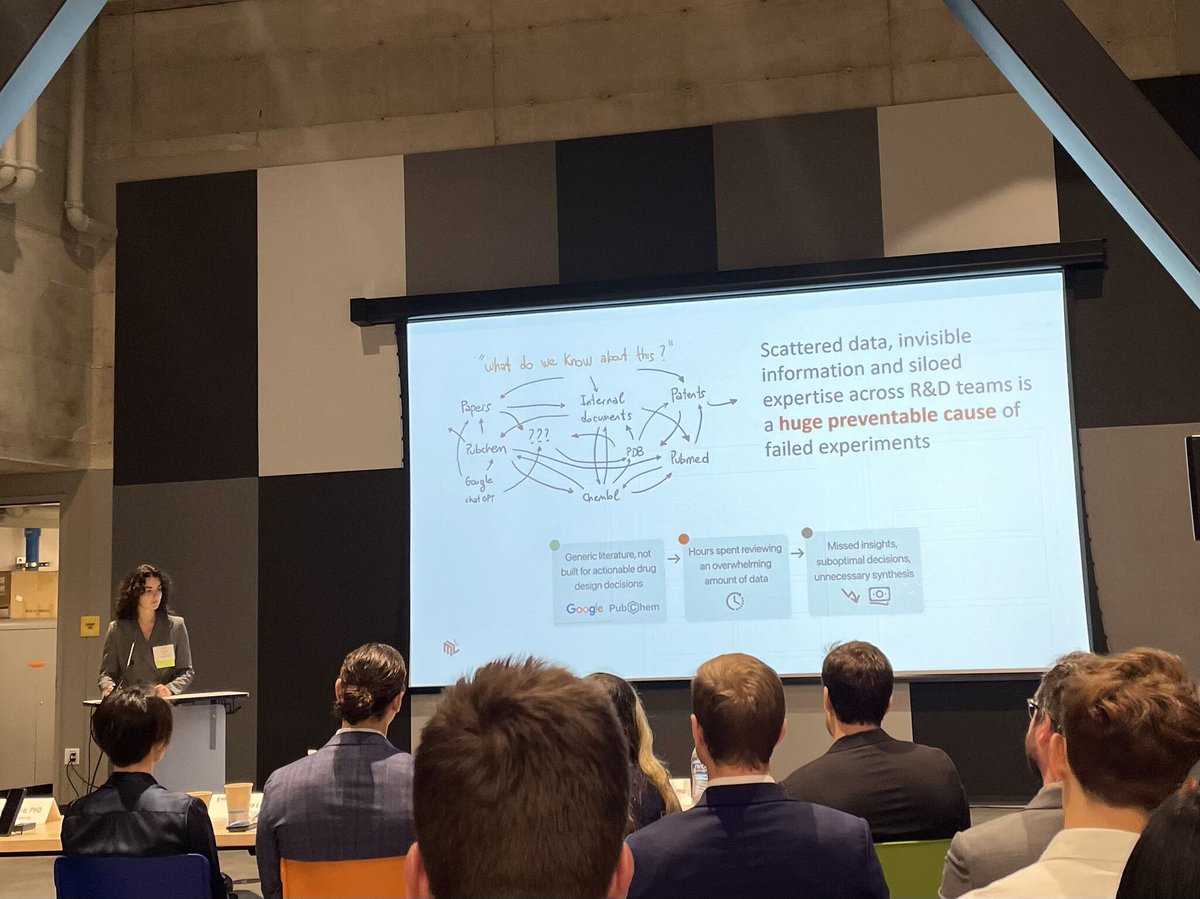
I had the opportunity to attend California Life Sciences (CLS)'s Innovation Showcase yesterday at UC Berkeley's Bakar Bio Labs 🧠 It was a valuable chance to connect with life sciences founders and hear more about their work. A number of panelists also shared insights for startups navigating today’s environment 🔬 ➤ 𝐄𝐚𝐫𝐥𝐲 𝐬𝐭𝐫𝐚𝐭𝐞𝐠𝐢𝐜 𝐞𝐧𝐠𝐚𝐠𝐞𝐦𝐞𝐧𝐭 (whether M&A, investment, or partnerships) can yield more than capital. Large players often share invaluable feedback, including how to avoid costly development missteps, including around trial design. ➤ 𝐄𝐧𝐬𝐮𝐫𝐞 𝐲𝐨𝐮𝐫 𝐬𝐨𝐥𝐮𝐭𝐢𝐨𝐧 𝐚𝐥𝐢𝐠𝐧𝐬 with where the potential partner or acquiror is active. Many investors are well aware of the priorities of potential strategic acquirors. ➤ 𝐈𝐧𝐭𝐞𝐫𝐧𝐚𝐥 𝐜𝐡𝐚𝐦𝐩𝐢𝐨𝐧𝐬 are essential. Building engagement takes time, but disengagement can happen quickly. Sustained buy-in from the right people makes a difference. ➤ For companies seeking investment or exit opportunities, differentiated science and evidence of efficacy are required, but the 𝐭𝐞𝐚𝐦 𝐭𝐢𝐩𝐬 𝐭𝐡𝐞 𝐬𝐜𝐚𝐥𝐞. ➤ Even strong early-stage companies are struggling to get funded in this market. The more macro volatility there is, the more important it is to reduce volatility in your own development path. 𝐃𝐞𝐫𝐢𝐬𝐤 𝐰𝐡𝐞𝐫𝐞 𝐲𝐨𝐮 𝐜𝐚𝐧. 🧬
Scott Weavil tweet mediaScott Weavil tweet media
English
0
0
0
22
Scott Weavil
Scott Weavil@scottweavil·
Excited to join a fantastic roster of speakers at acquire.com's Acquire LIVE event next Wednesday (4/9) in San Diego on behalf of Weavil Law PC 👇 Whether you're a buyer or a seller, you'll gain great insights from: ▶️ Tech founder and coach Eric Weiss on exit readiness ▶️ Acquire.com's founder and serial exiter Andrew Gazdecki on the exit experience and maximizing valuation ▶️ Acquire.com's CFO and finance expert Brian Cross on financial readiness, valuation metrics, and red flags ▶️ Dealmaker Rainier Nanquil on M&A strategy ▶️ Acquire.com's VP of Engineering David Morton on smooth tech handovers ▶️ And I'll have a chance to speak on M&A legal issues Thanks to Rosa Romaine for all her working in coordinating what promises to be a great event. linkedin.com/posts/acquired…
English
0
0
1
23
Scott Weavil
Scott Weavil@scottweavil·
🎯 𝐌&𝐀 𝐃𝐞𝐚𝐥 𝐏𝐨𝐢𝐧𝐭𝐬 | 𝘚𝘵𝘳𝘦𝘵𝘤𝘩 {𝘣𝘶𝘵 𝘥𝘰𝘯'𝘵 𝘴𝘯𝘢𝘱} A common theme in closed deals is that both parties have exhibited some flexibility to get to the closing table 👇 💲 𝐏𝐫𝐢𝐜𝐞. Buyers may pay a premium for a high-value, in-demand asset, while sellers may have to accept a lower price in exchange for less structure. 📄 𝐓𝐞𝐫𝐦𝐬. Some give around payment terms, restrictive covenants, reps, indemnification, etc. may be required. ⏲️ 𝐓𝐢𝐦𝐢𝐧𝐠: Whether it’s extending to give the buyer more time or fast-tracking diligence to meet an exclusivity deadline and show commitment, timing can make or break a transaction. 🙅‍♂️ / 👩‍💻 𝐄𝐦𝐨𝐭𝐢𝐨𝐧. Selling a founder-owned business is personal; buying one is strategic. Bridging that gap requires being able to put yourself in your counterparty's shoes, diplomacy, and, oftentimes, compromise. 🔑 In any transaction, flexibility is critical - one-sided deals don't get done. But a desire to get a deal done should never undermine the strategic goals for the transaction. The art is knowing how and where to 𝐛𝐞𝐧𝐝 𝐰𝐢𝐭𝐡𝐨𝐮𝐭 𝐛𝐫𝐞𝐚𝐤𝐢𝐧𝐠.
English
0
0
0
24
Scott Weavil
Scott Weavil@scottweavil·
🎯 𝐌&𝐀 𝐃𝐞𝐚𝐥 𝐏𝐨𝐢𝐧𝐭𝐬 | 𝘍𝘪𝘳𝘴𝘵 𝘈𝘪𝘥 As an M&A advisor, one of the most challenging—and rewarding—parts of the job is bringing buyers and sellers back to the table after a deal hits a roadblock. ⏸️ Disagreements happen. Valuations don’t align, diligence expectations differ, emotions run high, and sometimes, both parties consider walking away. Oftentimes, pressing "pause" is the right move in order to position the parties for a reset. When the parties have backed away to reassess, here are some ways to approach détente 👇 ▶️ 𝐑𝐞𝐯𝐢𝐬𝐢𝐧𝐠 𝐃𝐞𝐚𝐥 𝐒𝐭𝐫𝐮𝐜𝐭𝐮𝐫𝐞 - Altering how the deal is structured can address specific concerns. ▶️ 𝐂𝐨𝐧𝐬𝐢𝐝𝐞𝐫𝐚𝐭𝐢𝐨𝐧 𝐌𝐢𝐱 𝐚𝐧𝐝 𝐏𝐚𝐲𝐦𝐞𝐧𝐭 𝐓𝐞𝐫𝐦𝐬 - Seller debt and equity financing, escrows, and, to a lesser degree, earnouts, are all potential solutions. There’s often more than one way to close a gap. ▶️ 𝐒𝐏𝐈𝐅𝐅𝐬 - Additional incentives for the selling party, like performance bonuses or retention bonuses for key employees, can sweeten the deal without changing the core terms. ▶️ 𝐒𝐩𝐞𝐜𝐢𝐟𝐢𝐜 𝐂𝐥𝐨𝐬𝐢𝐧𝐠 𝐂𝐨𝐧𝐝𝐢𝐭𝐢𝐨𝐧𝐬 - Including deal-specific closing conditions related to performance, regulatory approvals, or market conditions can provide the assurances needed to move forward. ▶️ 𝐌𝐚𝐧𝐚𝐠𝐢𝐧𝐠 𝐄𝐦𝐨𝐭𝐢𝐨𝐧𝐬 – Selling a business is personal (even for professional CEOs). Buying one is a big risk. Keeping an eye on your counterparty's overall "temperature" is always advisable, while you maintain your cool. Not every deal can (or should) be saved, but with the right approach, many can be 🩹 Have you had a deal come back from the brink?
English
0
0
0
9
Scott Weavil
Scott Weavil@scottweavil·
Last week, the Alliance of M&A Advisors' Virtual Chapter had the honor of hosting Bill McCalpin's 1Q2025 M&A Market report event. A teaser of some key takeaways: 🔑 A structuring shift 𝒂𝒘𝒂𝒚 𝒇𝒓𝒐𝒎 𝒆𝒂𝒓𝒏𝒐𝒖𝒕𝒔 to 𝒏𝒐𝒕𝒆𝒔 𝒂𝒏𝒅 𝒓𝒐𝒍𝒍𝒐𝒗𝒆𝒓 is continuing. 🔑 𝑬𝒏𝒆𝒓𝒈𝒚, 𝒉𝒐𝒎𝒆 𝒔𝒆𝒓𝒗𝒊𝒄𝒆𝒔, 𝒂𝒏𝒅 𝒇𝒐𝒐𝒅 𝒂𝒏𝒅 𝒃𝒆𝒗𝒆𝒓𝒂𝒈𝒆 are on the rise as sectors by deal volume. If you don't know Bill, he's a luminary in the space. His career hit 40 years this year with 15 years in corporate management, 5 years in buy-side M&A, 8 years in entrepreneurship founding, growing and selling two companies, and 12 years in sell-side investment banking. He is the founder of Capitalize Network, specializing in sell-side investment banking and pre-transaction planning & preparation. He is the Chair of the AM&AA Advisory Council. amaaonline.com/amaa-market-su…
English
0
0
0
23
Scott Weavil
Scott Weavil@scottweavil·
🎯 𝐌&𝐀 𝐃𝐞𝐚𝐥 𝐏𝐨𝐢𝐧𝐭𝐬 | 𝘛𝘩𝘦 𝘛𝘰𝘶𝘨𝘩 𝘙𝘦𝘢𝘭𝘪𝘵𝘺 𝘰𝘧 𝘔&𝘈: 𝘞𝘩𝘦𝘯 𝘉𝘶𝘺𝘦𝘳𝘴 & 𝘚𝘦𝘭𝘭𝘦𝘳𝘴 𝘊𝘢𝘯’𝘵 𝘈𝘨𝘳𝘦𝘦 Even when there's very high alignment, disconnect at the margin can derail deals 👇 ▶️ Valuation Gaps – Sellers see locked-in potential; buyers see risk. Bridging the gap between present performance and projections is often a real, non-marginal risk. ▶️ Deal Terms – Earnouts, rollover terms, indemnification, post-closing employment terms, and other deal terms can become impasses. ▶️ Due Diligence Roadblocks – Unexpected findings or the due diligence process itself can create tensions. ▶️ Emotional Factors – For sellers, a business isn’t just numbers—it’s years of hard work, a management team and other workers they regard as family, and customers they count as friends. Letting go - even at the “right” price and terms - isn’t easy. ▶️ Market Conditions – Economic shifts, interest rates, or industry trends can change how a party views a deal. 🚧 Bottom line: Even the most promising deals can fall apart due to issues around the edge. Some keys? 𝘖𝘱𝘦𝘯 𝘤𝘰𝘮𝘮𝘶𝘯𝘪𝘤𝘢𝘵𝘪𝘰𝘯, 𝘳𝘦𝘢𝘭𝘪𝘴𝘵𝘪𝘤 𝘦𝘹𝘱𝘦𝘤𝘵𝘢𝘵𝘪𝘰𝘯𝘴, 𝘢𝘯𝘥 𝘤𝘳𝘦𝘢𝘵𝘪𝘷𝘦 𝘴𝘰𝘭𝘶𝘵𝘪𝘰𝘯𝘴. Have you been part of a deal that fell through even when big-ticket items were resolved? What was the biggest challenge? Drop your thoughts below! 👇
English
0
0
1
27