seedecol7

40 posts

seedecol7 banner
seedecol7

seedecol7

@seedecol7

The 7th edition of the Seed Ecology Conference will take place in Gijón/Xixón, Asturias (Spain) from September 6 to September 9, 2022.

Gijón/Xixón, Asturias, Spain Katılım Kasım 2021
237 Takip Edilen204 Takipçiler
seedecol7
seedecol7@seedecol7·
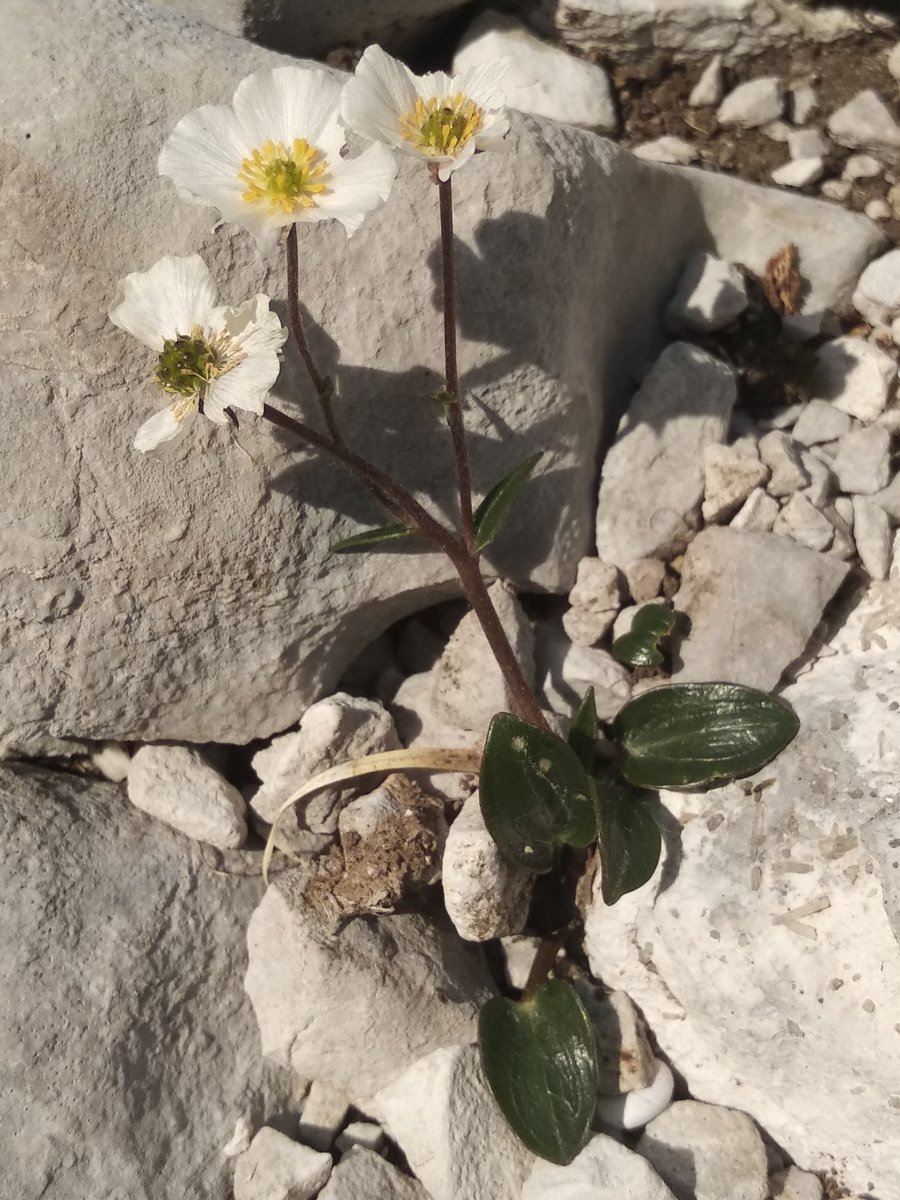
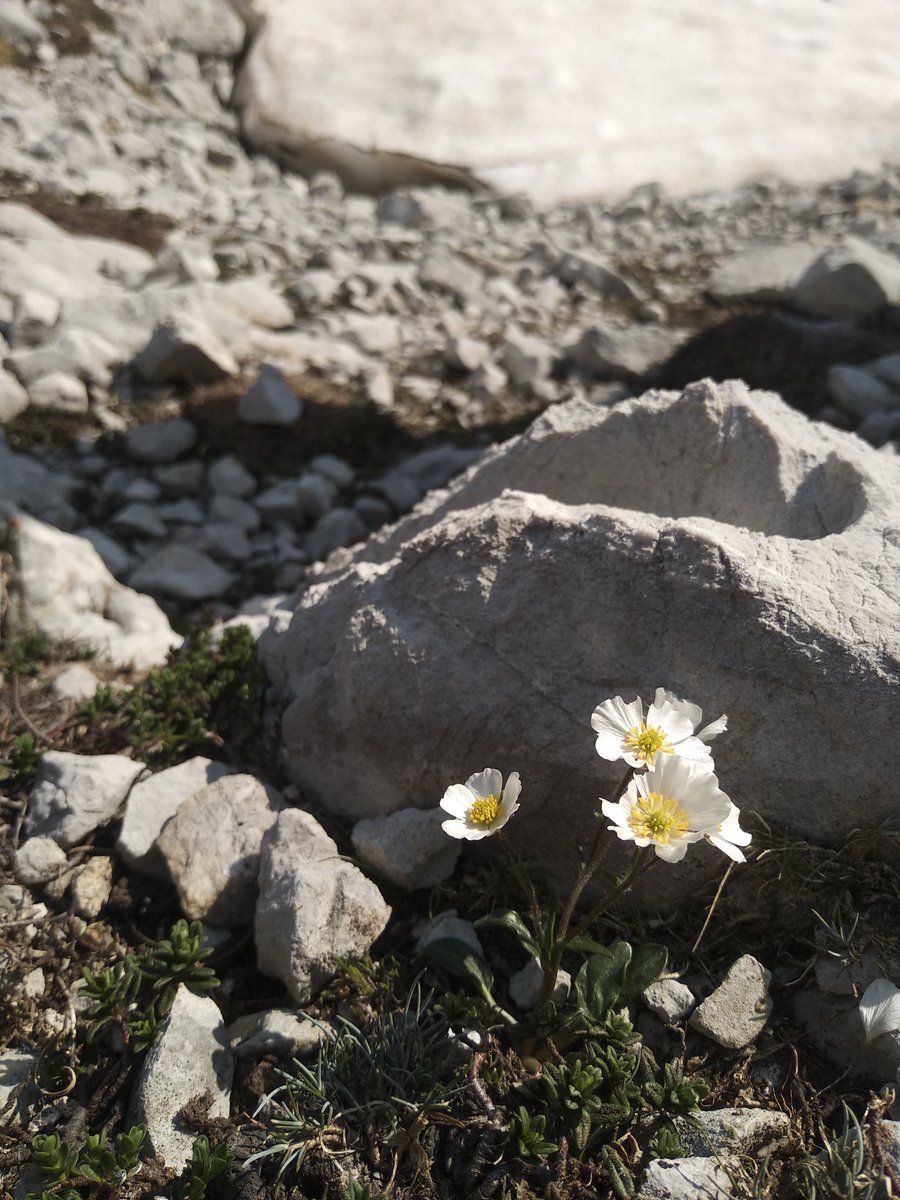
We can find other three subspecies of R. parnassifolius in the mountains of the Northern Peninsula: subsp. heterocarpus (which grows in the Alps too), subsp. muniellensis and subsp. cabrerensis. However, the last two ones belong now to Ranunculus cabrerensis especies.
seedecol7 tweet mediaseedecol7 tweet media
English
0
0
1
0
seedecol7
seedecol7@seedecol7·
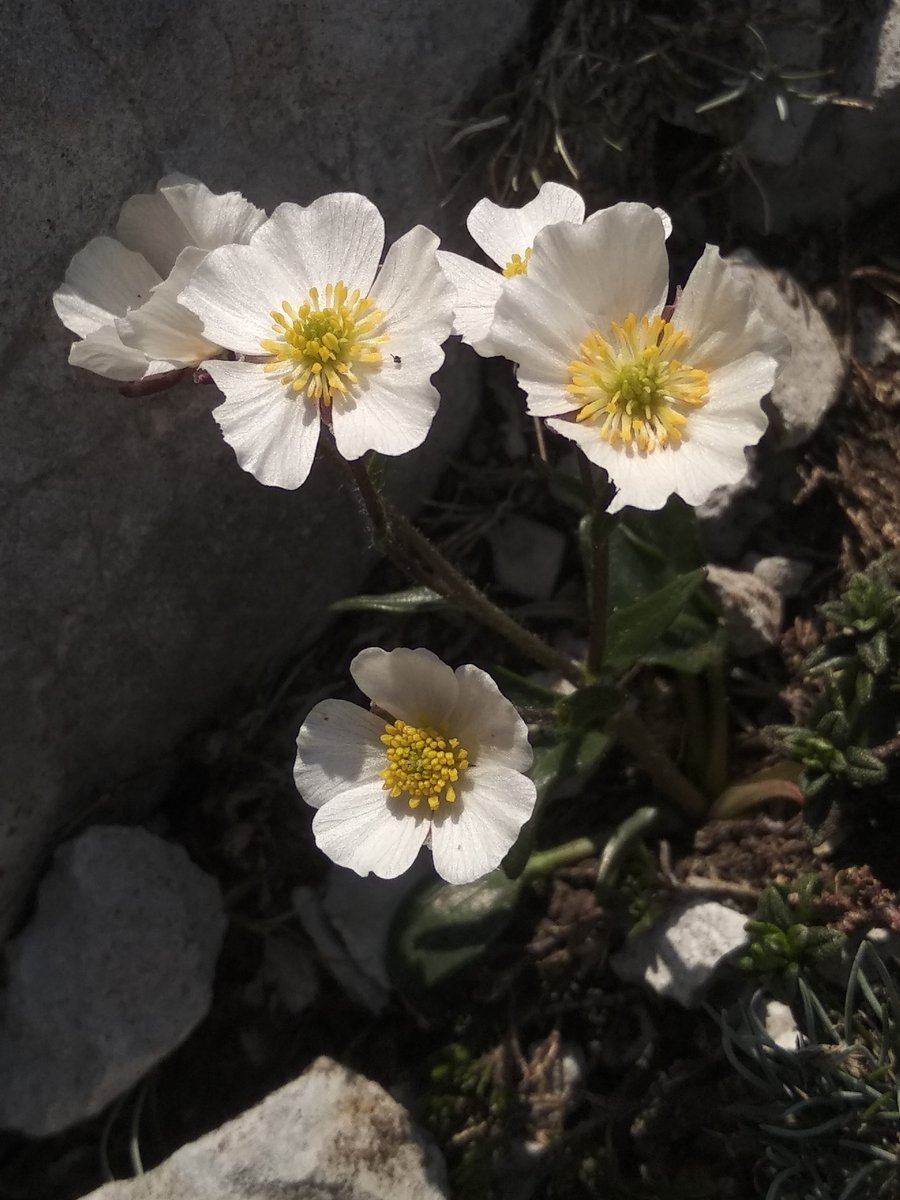
Unlike other buttercup species, this one can grow in very dry terrains with very little soil, from 1600 to 2700 masl. Its greatest threat is grazing sheep and goats, which can easily reach the peak where this unique plant grows.
seedecol7 tweet media
English
1
0
1
0
seedecol7
seedecol7@seedecol7·
Species#6. Ranunculus parnassifolius subsp. favargeri Kupfer is endemic to Picos de Europa and Western Pyrenees, growing on limestone screes that have been under snow during winter and even can keep some snow during summer. It belongs to Ranunculaceae family.
seedecol7 tweet mediaseedecol7 tweet media
English
1
0
2
0
seedecol7
seedecol7@seedecol7·
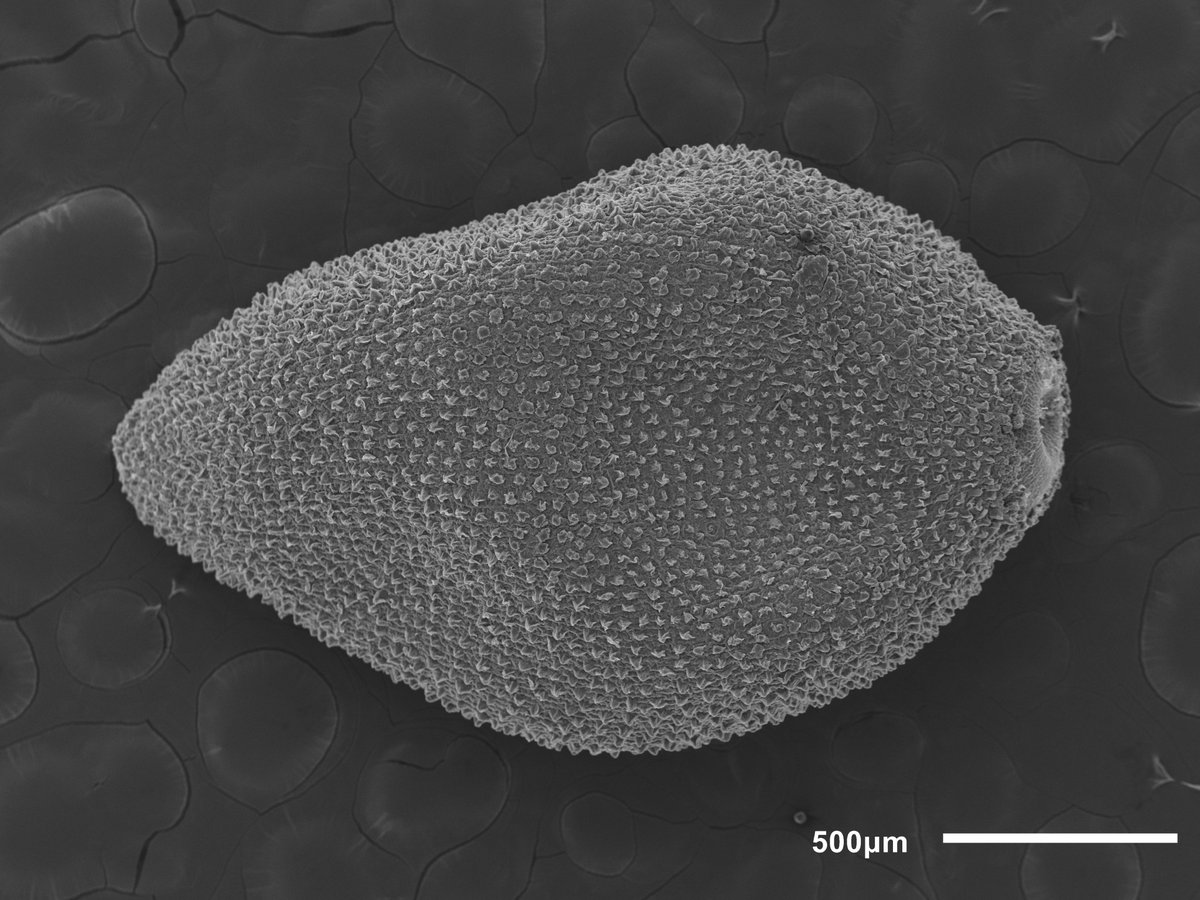
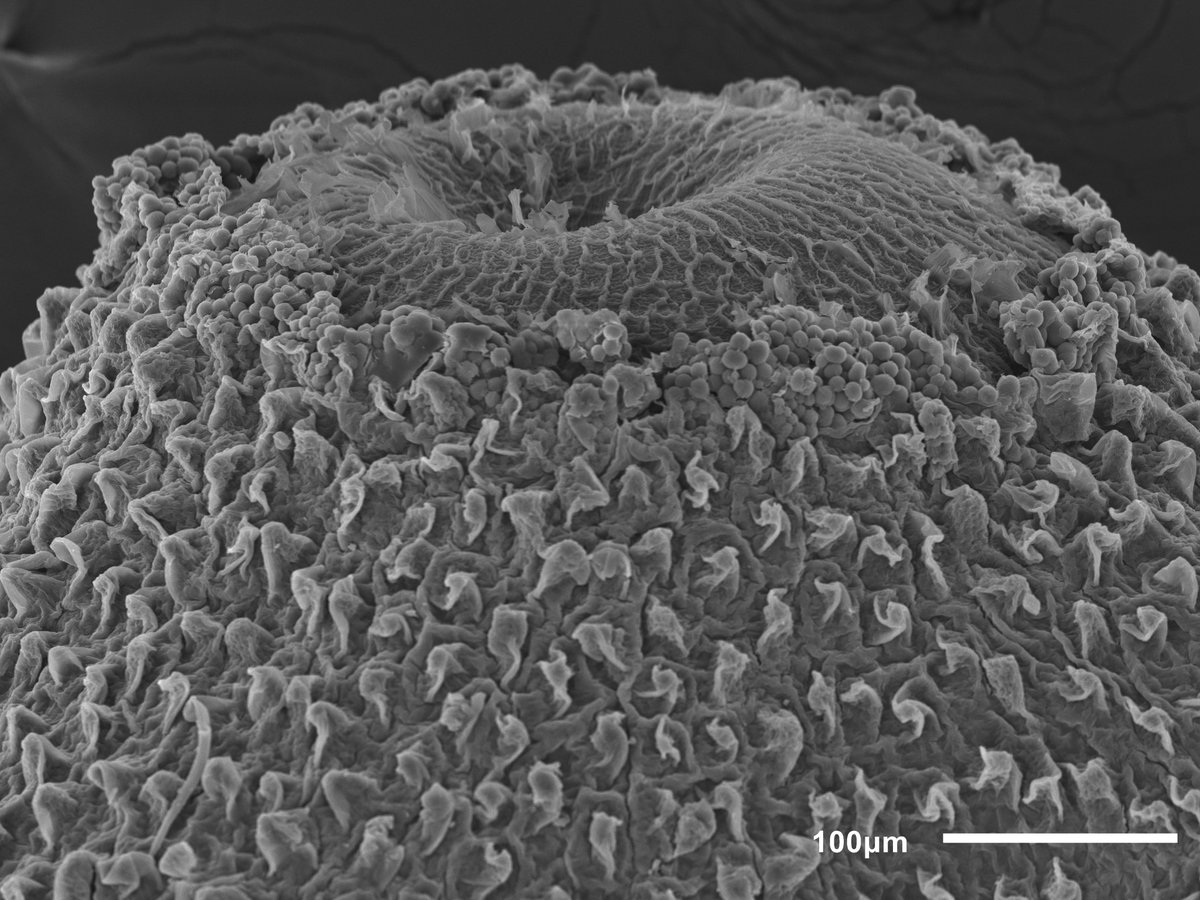
This species produces a lot of seeds that are dispersed by wind and water, seeds with high germination rates, which allows some populations to recover after habitat alterations or even after disappearing completely.
seedecol7 tweet media
English
0
0
1
0
seedecol7
seedecol7@seedecol7·
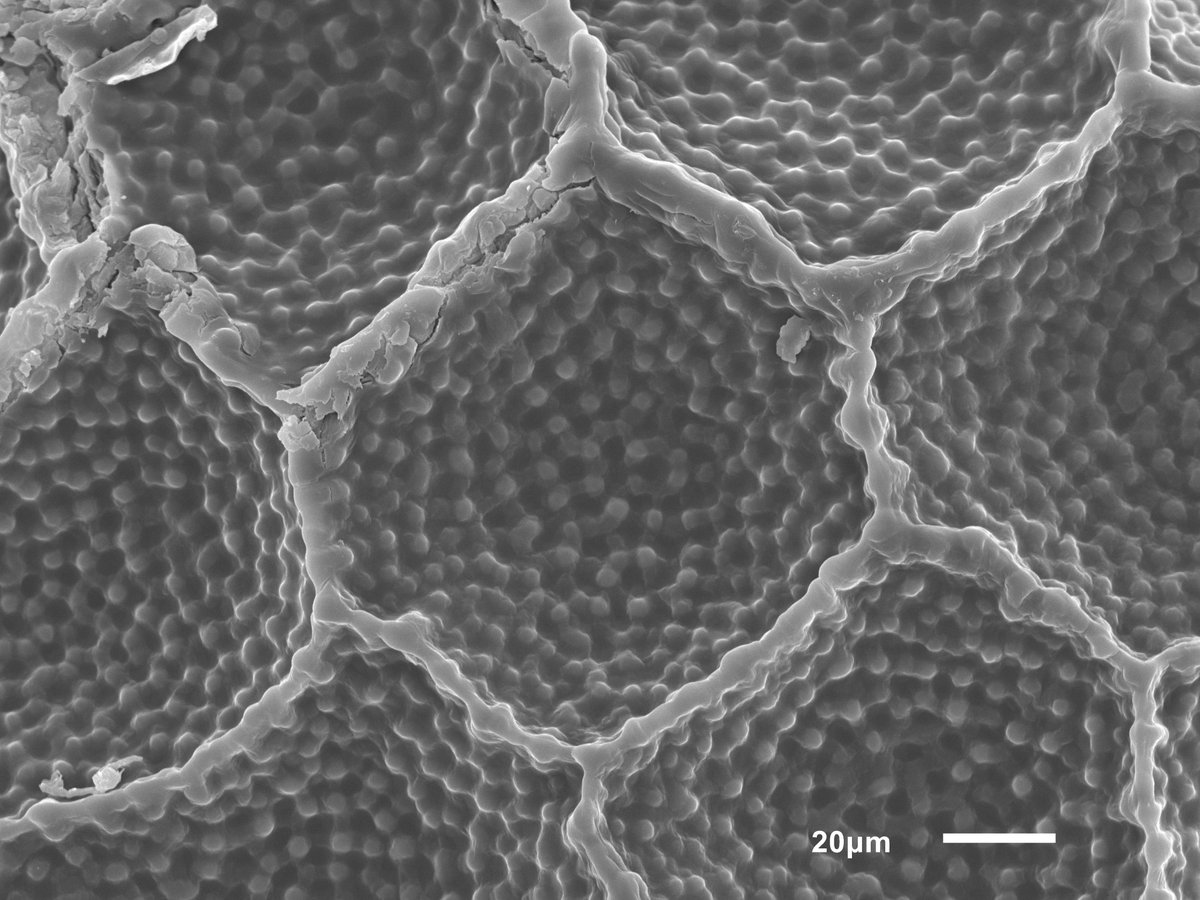
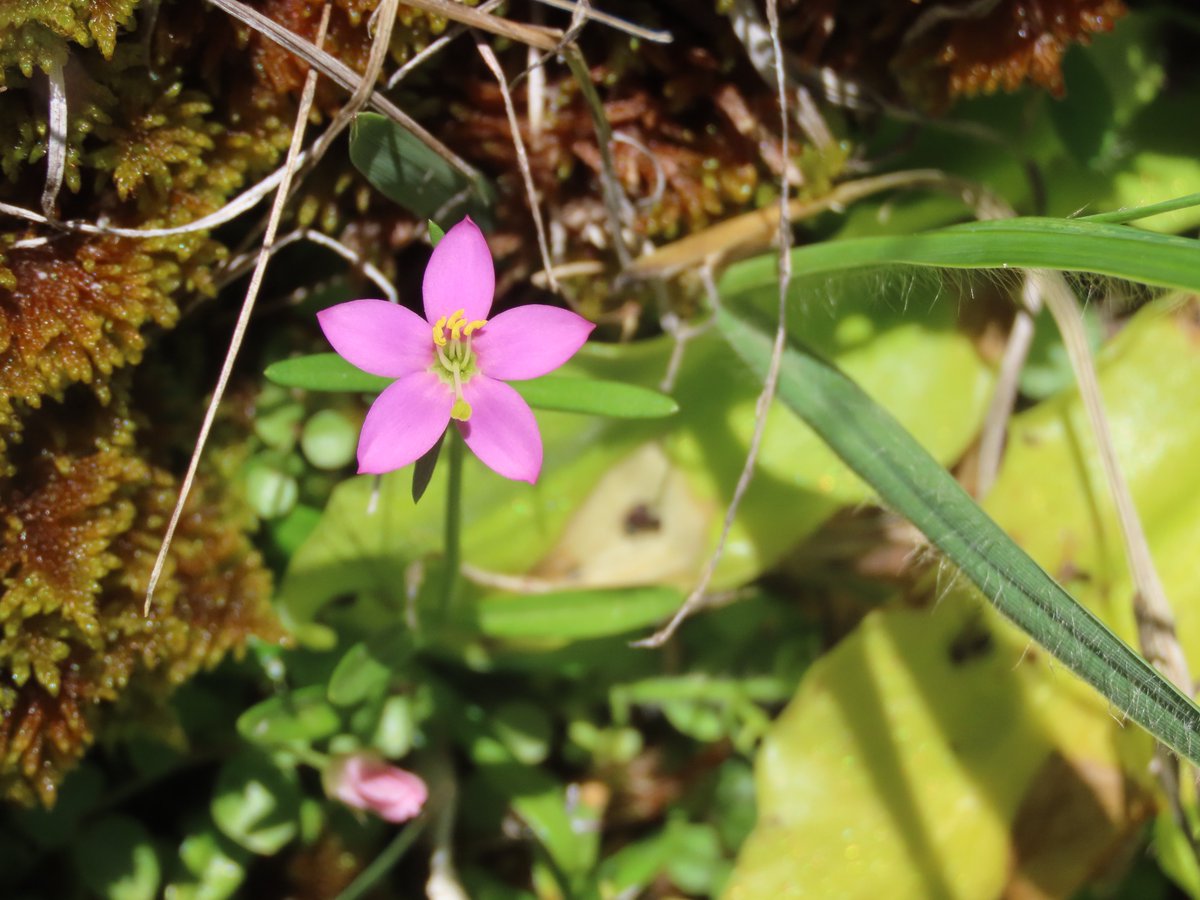
It appears on travertines and alkaline bogs associated with carbonated water springs, growing alongside carnivorous plants, such as Pinguicula grandiflora, mosses, like Palustriella, or even orchids, as Epipactis palustris.
seedecol7 tweet media
English
1
0
1
0
seedecol7
seedecol7@seedecol7·
Species #5. Centaurium somedanum M. Lainz is endemic to the Cantabrian Mountains, with just a few populations found in Asturias and Oviedo, mainly in Somiedo Natural Park. It belongs to the Gentianaceae family.
seedecol7 tweet media
English
1
0
5
0
seedecol7
seedecol7@seedecol7·
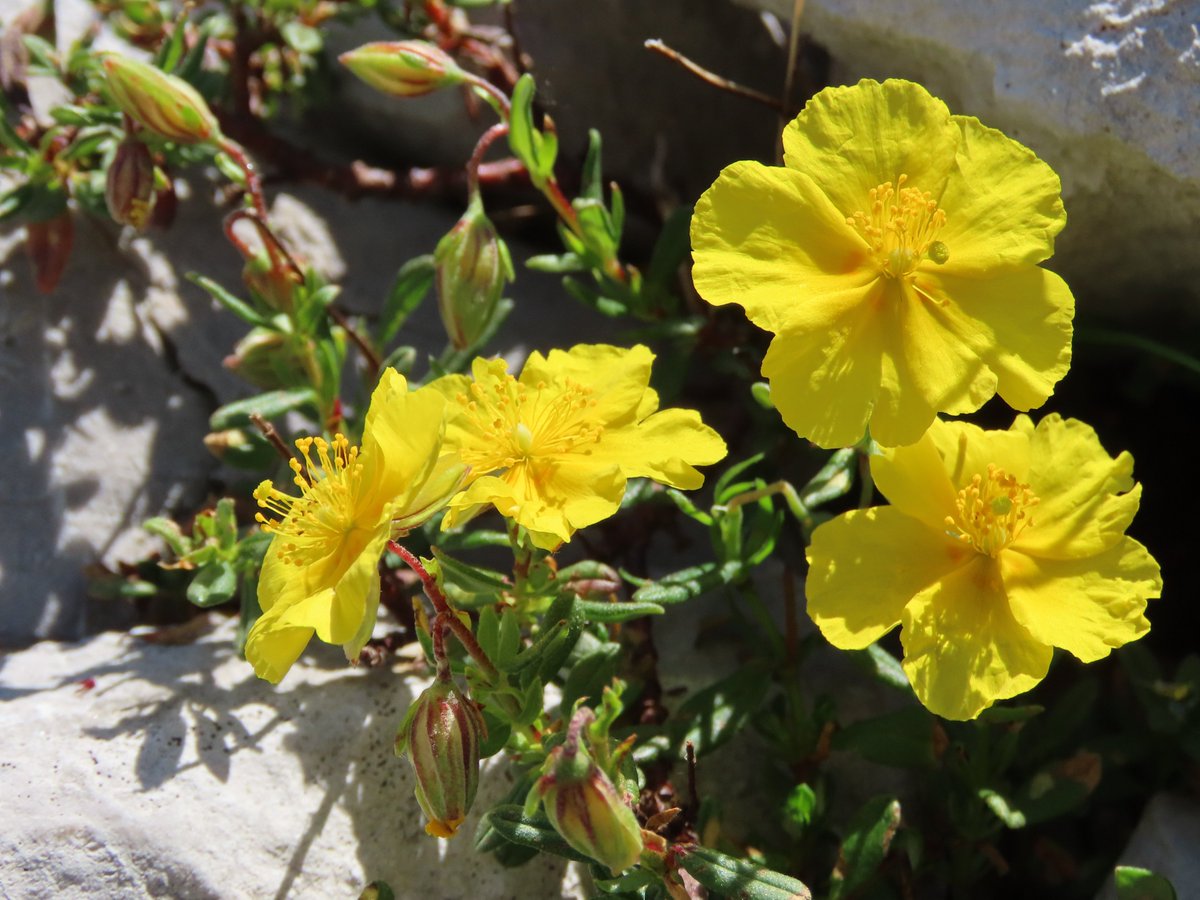
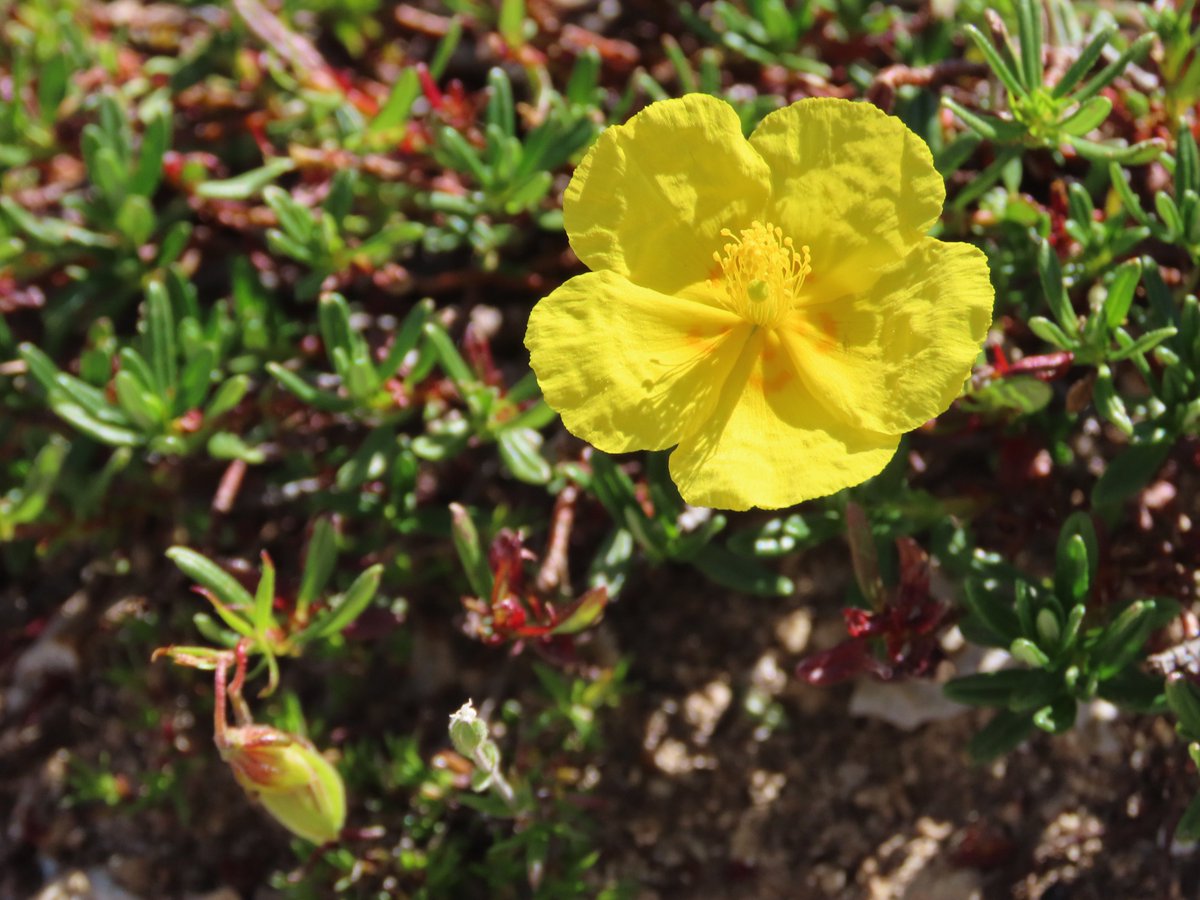
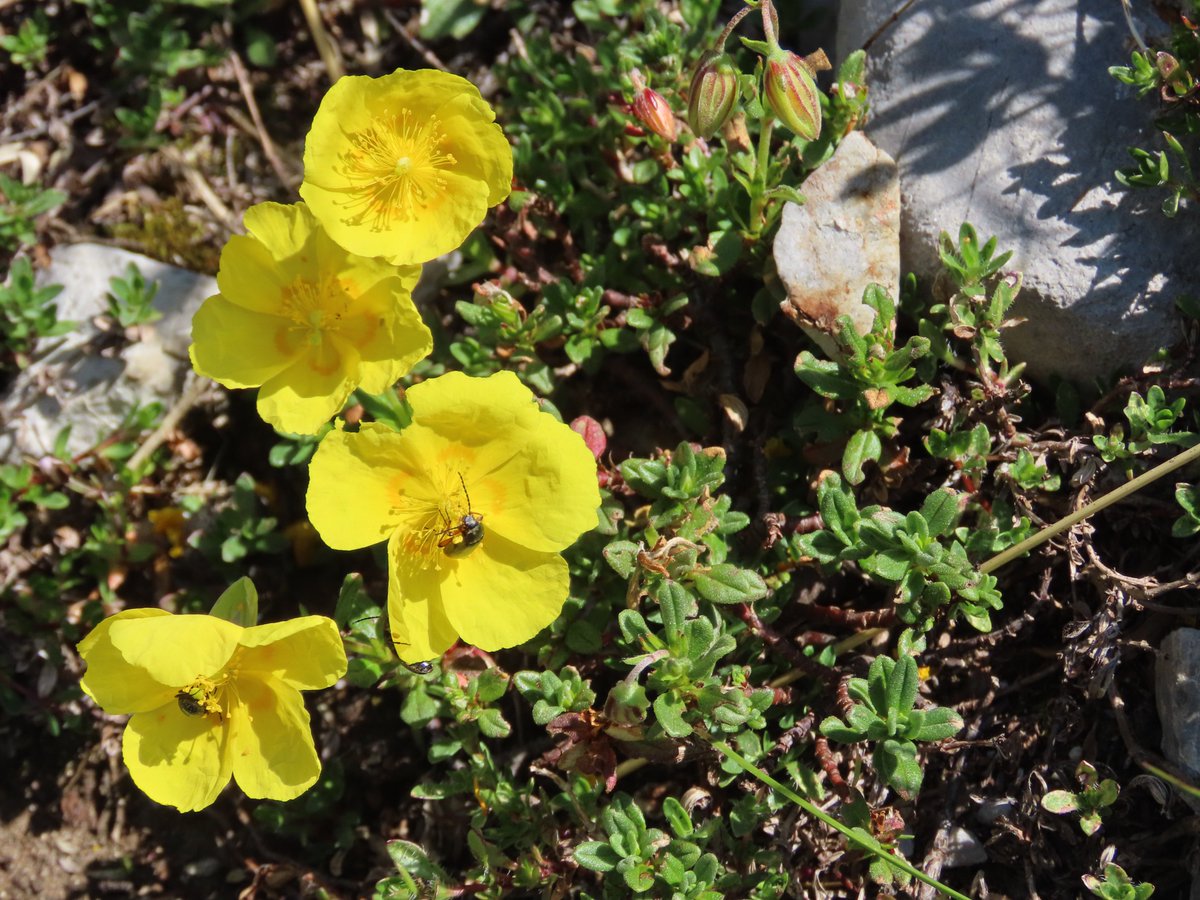
Its name “urrielense” refers to the Urriellu peak, also known as “Naranjo de Bulnes”, a limestone peak found in Picos de Europa. The name "Naranjo" comes from the orange hue this peak gets during the sunset (although the locals mainly use "Urriellu" to talk bout it).
seedecol7 tweet mediaseedecol7 tweet mediaseedecol7 tweet media
English
0
0
3
0
seedecol7
seedecol7@seedecol7·
Species #4. Helianthemum apenninum subsp. urrielense (M. Laínz) G. López is endemic to Picos de Europa, in the Cantanbrian Mountains, growing on limestone scree from 1750 to 2300 masl. It belongs to Cistaceae family.
seedecol7 tweet mediaseedecol7 tweet mediaseedecol7 tweet media
English
1
0
7
0
seedecol7
seedecol7@seedecol7·
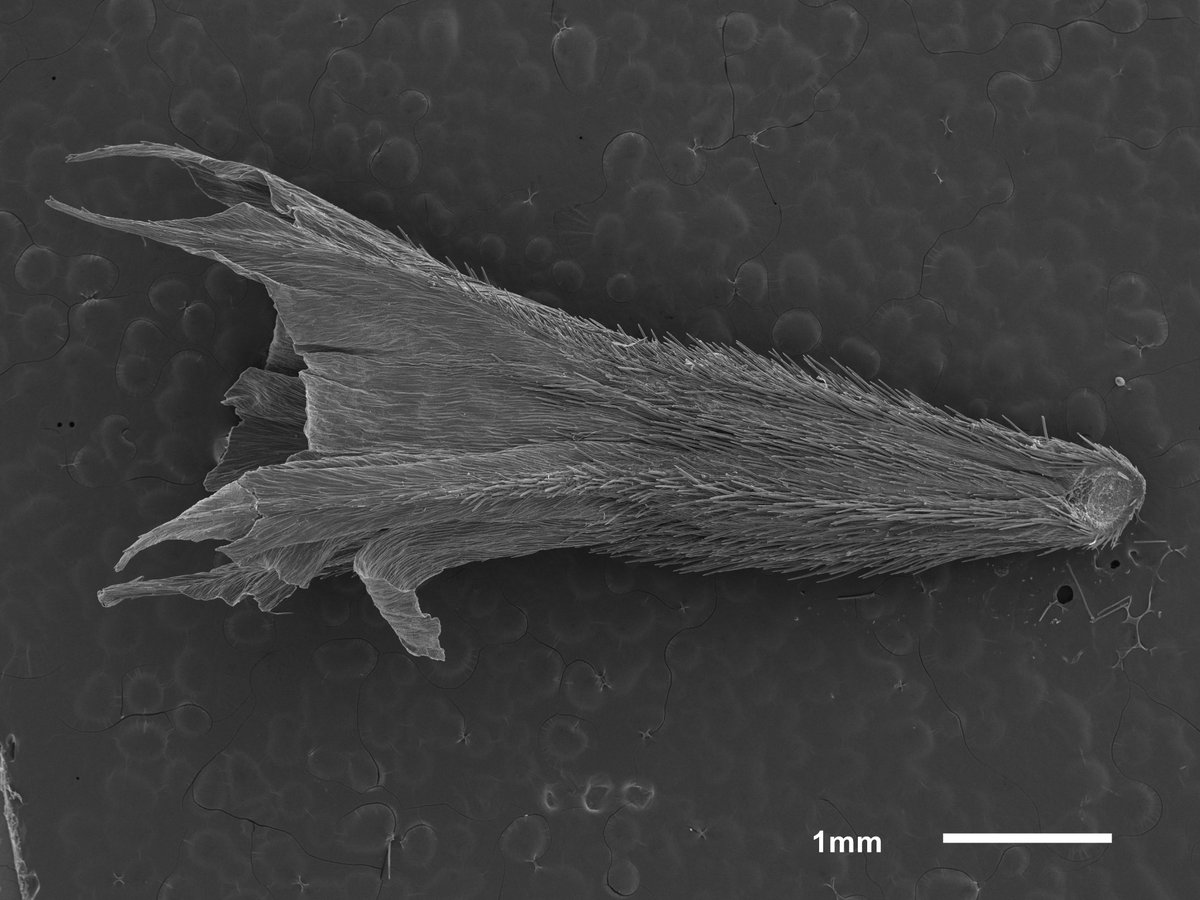
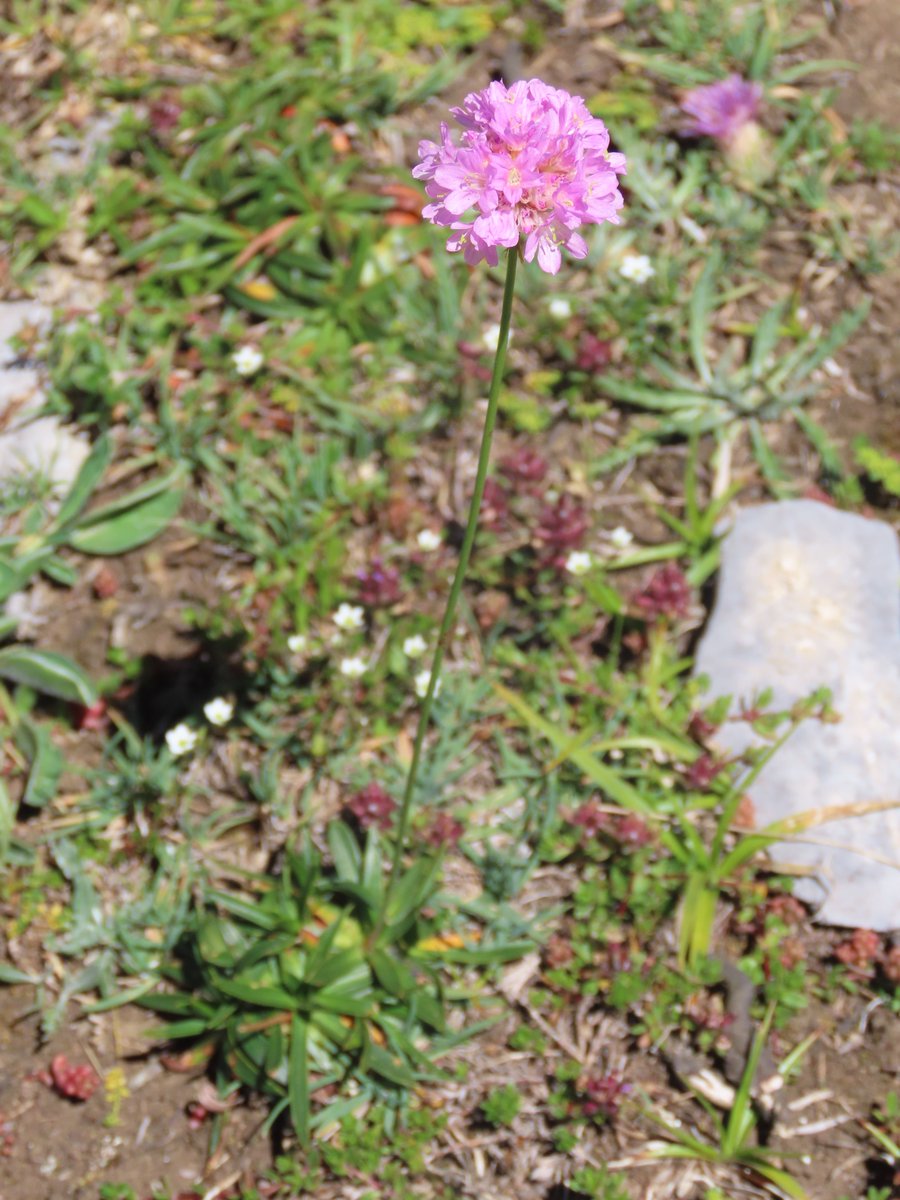
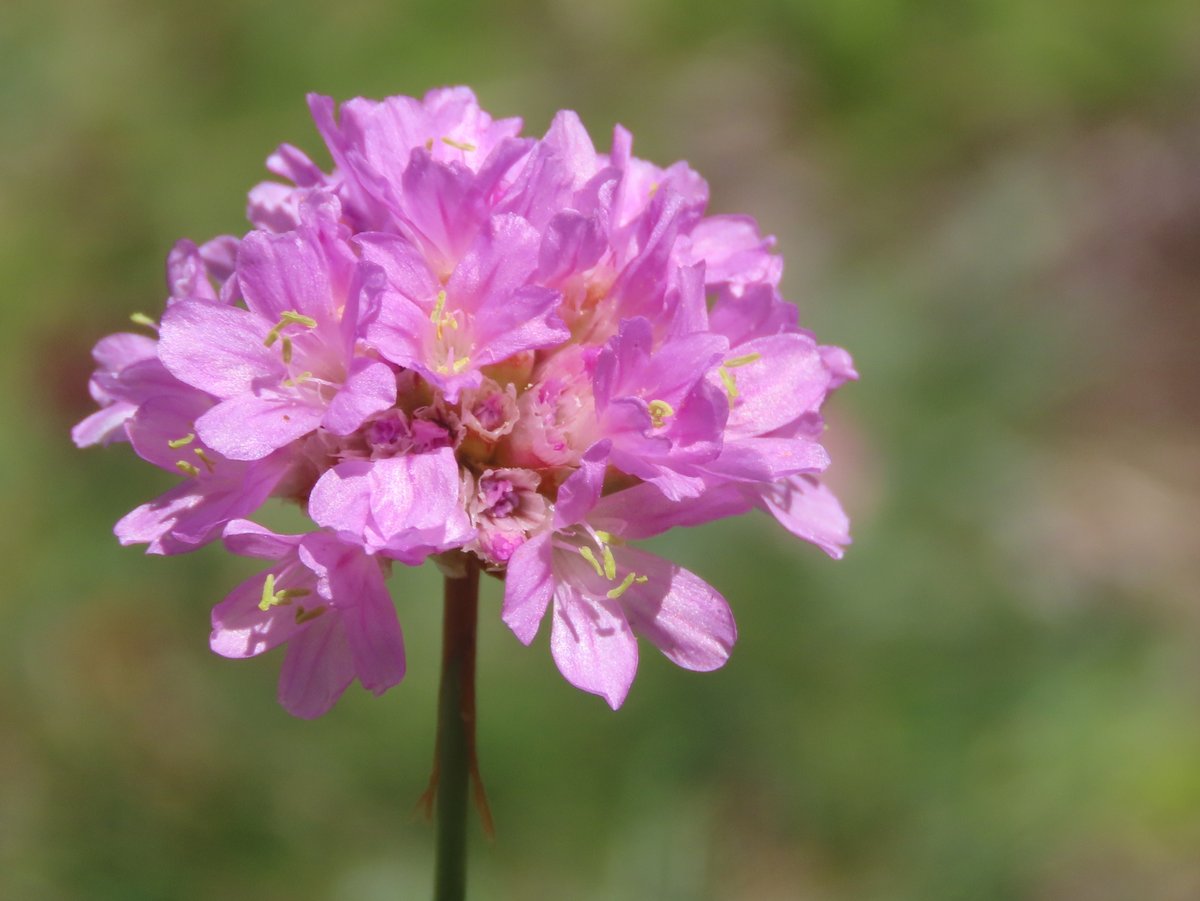
Although Armeria is a complex genus, they display very different ecological profiles. Armeria maritima is a close relative of A. cantabrica (formerly A. maritima subsp. alpina) from the coast and A. duriaei lives in the Cantabrian mountains too, but just on siliceous terrains.
seedecol7 tweet media
English
0
0
1
0
seedecol7
seedecol7@seedecol7·
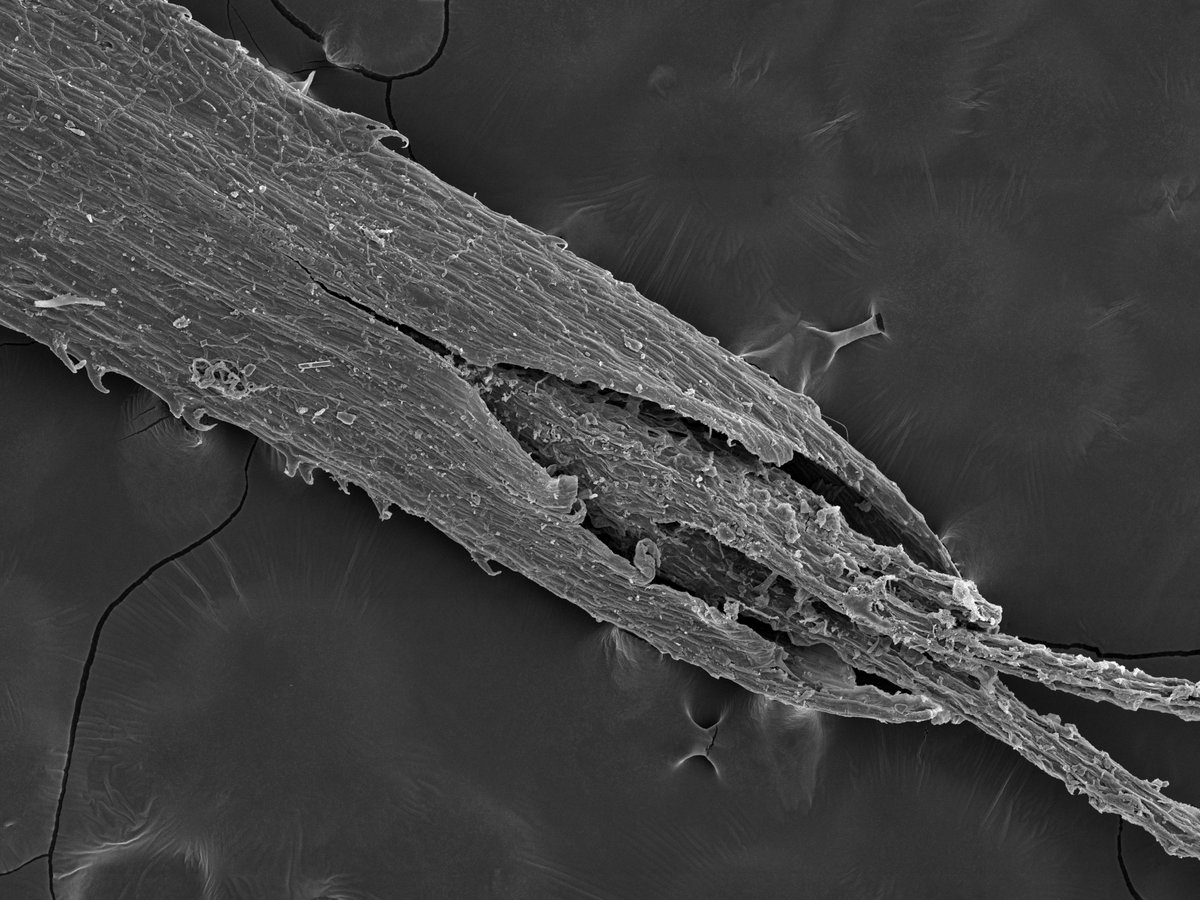
Species #3. Armeria cantabrica Boiss. & Reut. ex Willk. & Lange. is endemic to the mountains of the Northern Iberian Peninsula, growing on limestone ledges and screes from 1200 to 2400 masl. It belongs to the Plumbaginaceae family.
seedecol7 tweet mediaseedecol7 tweet media
English
1
0
5
0
seedecol7
seedecol7@seedecol7·
After the campaign, Durieu started to explore the western area of Asturias (mainly from Grado to Cangas del Narcea), where he discovered and described several plant species. Now, several species from this region have been named after this botanist.
seedecol7 tweet media
English
0
0
1
0
seedecol7
seedecol7@seedecol7·
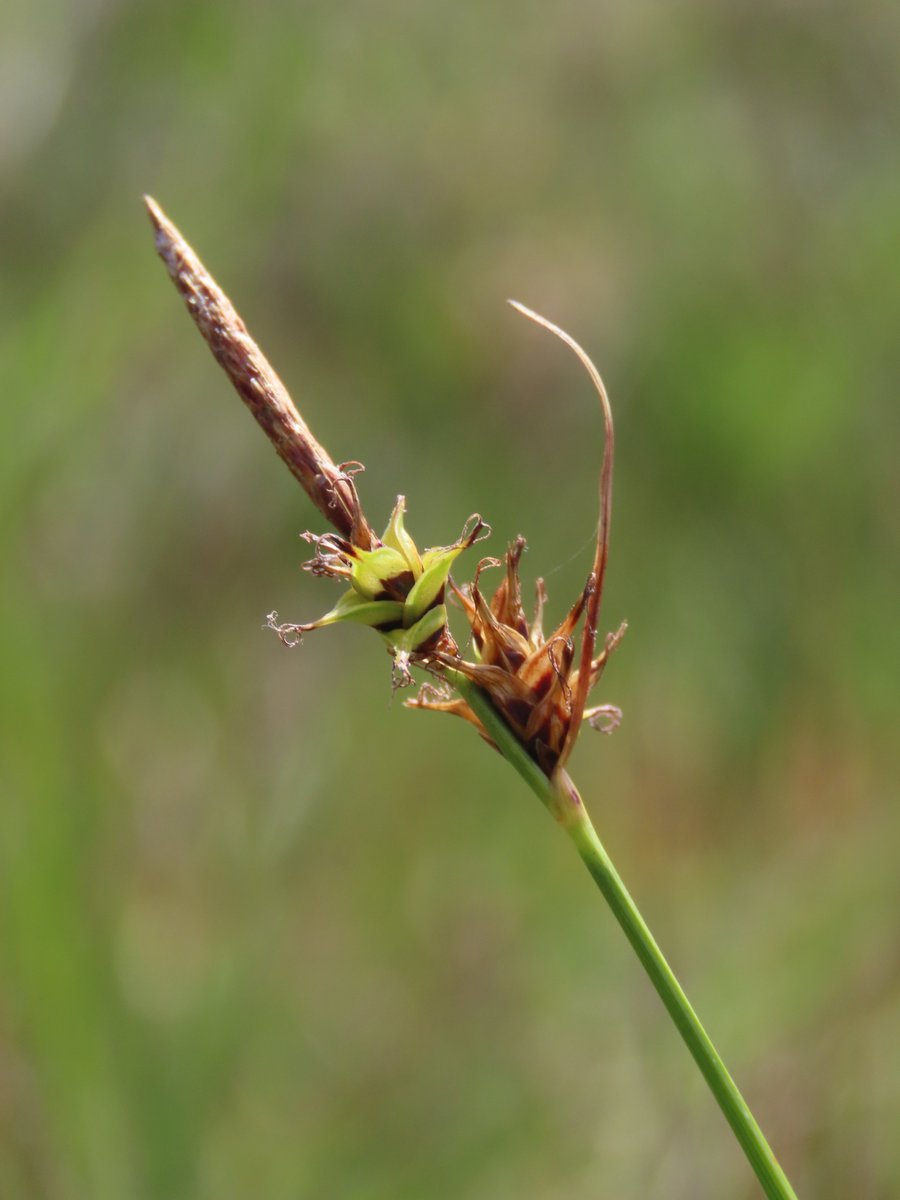
It is named after Michel-Charles Durieu de Maisonneuve, a French botanist and soldier that was member of the Hundred Thousand Sons of Saint Louis, an army sent to Spain in 1823 to restore the absolute power of King Fernando VII.
seedecol7 tweet media
English
1
0
0
0
seedecol7
seedecol7@seedecol7·
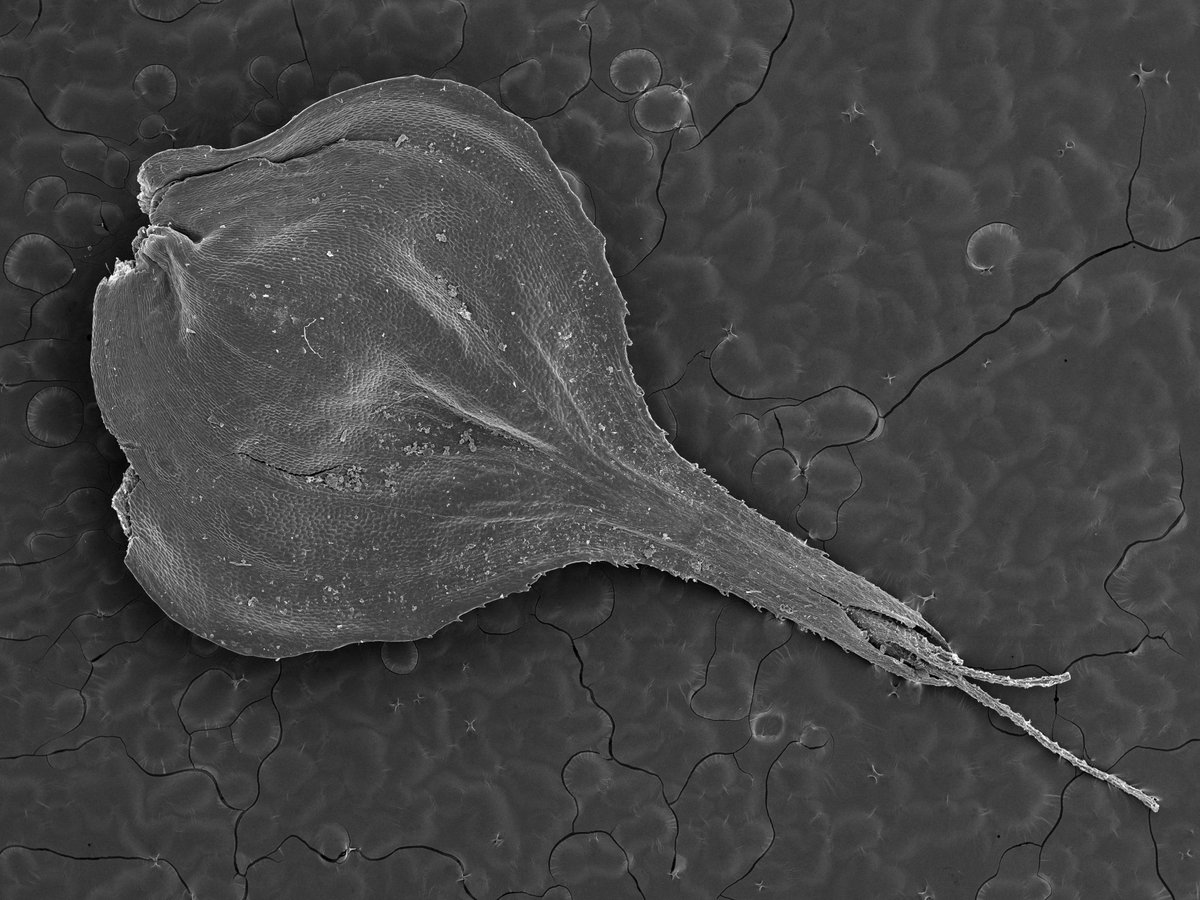
Species #2: Carex durieui Steud. ex Kunze is endemic to North-Western Iberian Peninsula and it belongs to the Cyperaceae family. It grows in peat bogs and wet meadows on acidic substrates, from sea level to 900 masl.
seedecol7 tweet media
English
1
0
3
0
seedecol7
seedecol7@seedecol7·
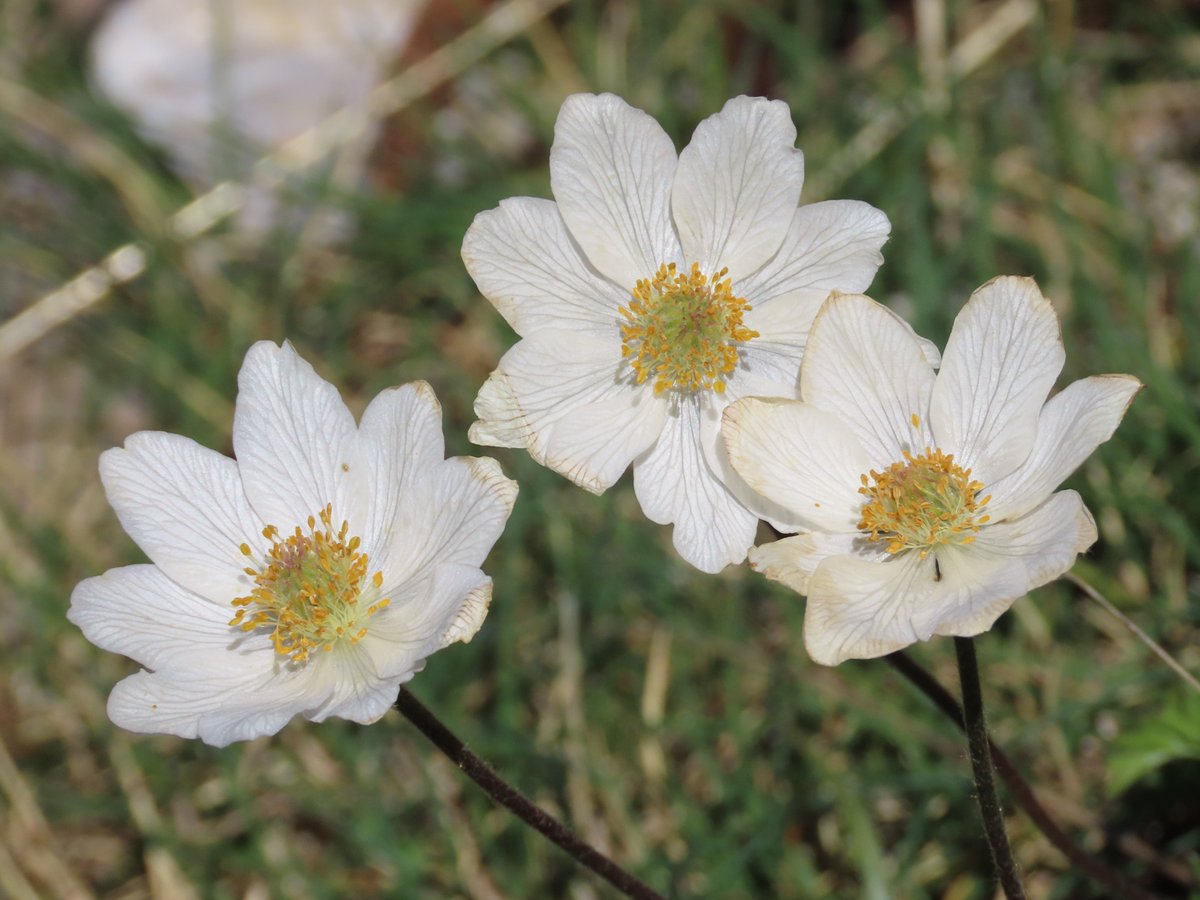
The name “Anemone” comes from ancient Greek too since their flowers are easily shaken by the wind (“Anemos”). However, in this species, wind plays another role, dispersing its fruits and #seeds, which are covered by woolly fibers.
seedecol7 tweet media
English
1
0
0
0
seedecol7
seedecol7@seedecol7·
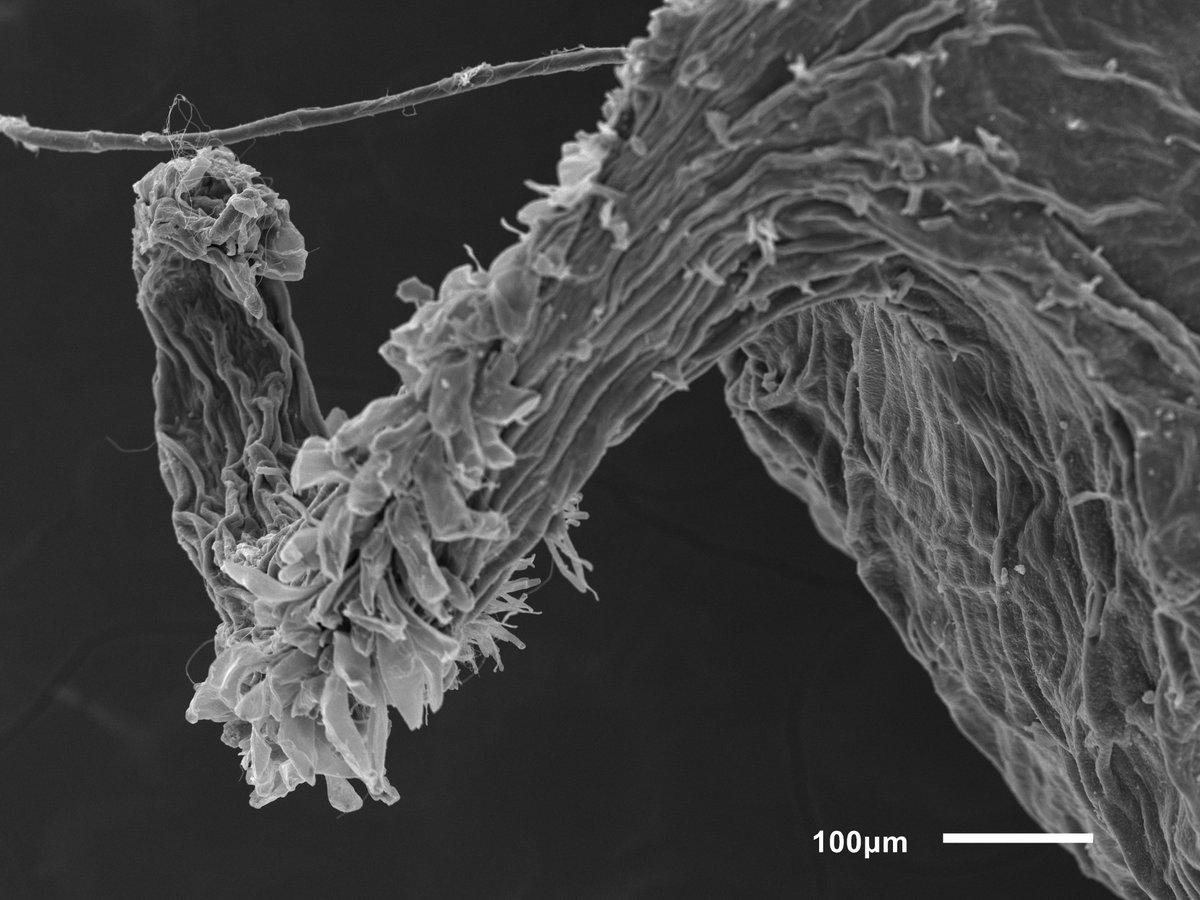
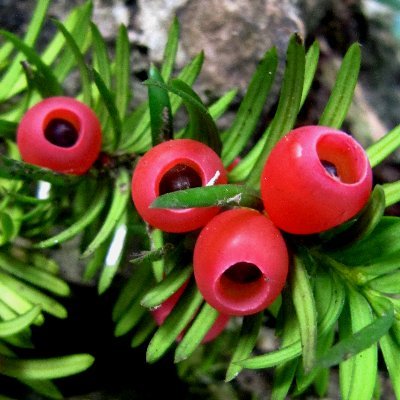
As the Seed Ecology VII congress is approaching let's start a series of tweets about cantabrian-pyrenean endemic flora!! Here we go...
seedecol7 tweet media
English
0
1
15
0