

em #toddjoshi
93.6K posts
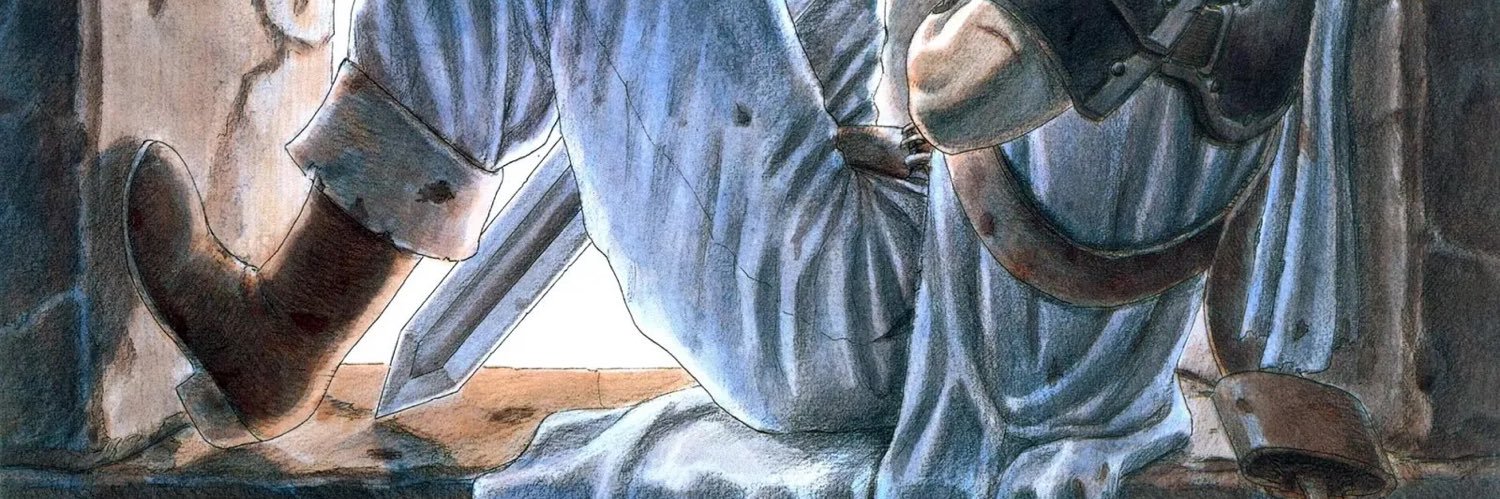

sebastiane (1976, dir. derek jarman)
𐀔@fraudfemme
the best queer cinema i’ve seen has actually never been in english.
Indonesia
em #toddjoshi retweetledi
(a little too loudly) i don't see what would be wrong with that
incredibly nice and correct angel@tragic_endings_
I think if a man dressed like a little boy while using his girlfriend’s card to buy stuff you guys would see how weird that is
English

em #toddjoshi retweetledi

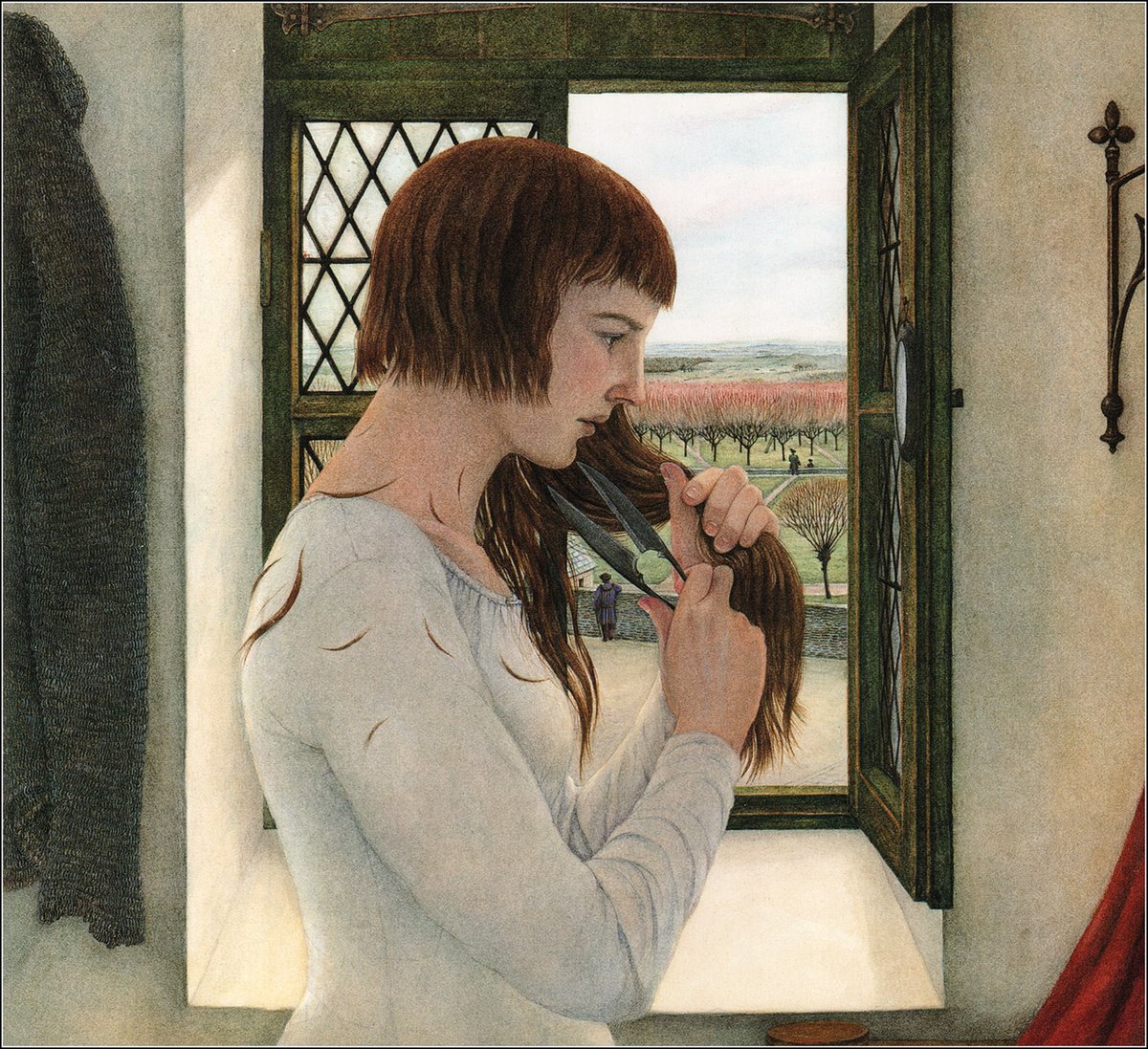
The scene of Joan of Arc cutting her hair. Artist: Angela Barrett. Medium: Watercolor, gouache, colored pencils, 1998. Book: Joan of Arc, author Josephine Poole. Publisher: Alfred A. Knopf / Random House, New York.
When Joan left Vaucouleurs in 1429, she had her hair cut above her ears, "round and like a young man's cut" (this description comes straight from the transcripts of her Inquisition interrogation). She took with her tightly laced hose and a short tunic, high boots, a sword, a dagger, a lance, a red velvet scabbard, and a sword sheath made of cloth of gold. Over this, she put on armor of the brightest steel; she commissioned a fringed white silk banner she'd designed herself, bearing the names of angels along with Jesus and Mary. When asked why she'd cut her hair like that, her answer was clear: she said she received this haircut as a divine command, and that the voices had ordered her to cut her hair, wear a doublet and hose, and save France.
Joan didn't use men's clothing just to express her identity, but as a form of protection. According to the Inquisition transcripts, her undergarments and hose were securely tied to each other and to her tunic with exactly twenty cords. The long, waist-high leather boots she wore over them were also fastened, practically locking the outfit together as a single piece and making it incredibly hard to take off. Joan herself explained why: throughout her imprisonment, this outfit was her only physical protection against attempted rapes by her English guards.
During the trial that started in Rouen on January 9, 1431, the charges against Joan were complex, but five of them were directly about her clothing and hair. Out of the first seventy-eight articles of accusation, her male clothing alone was the focus of several; furthermore, the first and fifth of the official twelve articles of condemnation were dedicated to this exact issue. The theological argument behind the accusation came from a prohibition in the Book of Deuteronomy: clothing that blurred gender lines was a rebellion against the Divine order, and in the Inquisition's eyes, this was a sign of demonic inspiration. They noted in the records, "She who cuts her hair has apostatized."
Joan was burned alive in the marketplace of Rouen on May 30, 1431. Technically, the official justification came down to a single act: wearing men's clothing.
During the 1456 rehabilitation trial, the same clergymen who took part in her conviction testified in person. They revealed that the process was biased, Joan's words were distorted, and presenting every intimate detail - right down to her undergarments - as evidence was procedurally irregular. Pope Callixtus III annulled the conviction; Joan was exonerated. In 1920, Pope Benedict XV canonized her as a saint.
English
em #toddjoshi retweetledi


no opinions on the take itself. just wanted to point out that this take is lukewarm at best😭😭
English




em #toddjoshi retweetledi

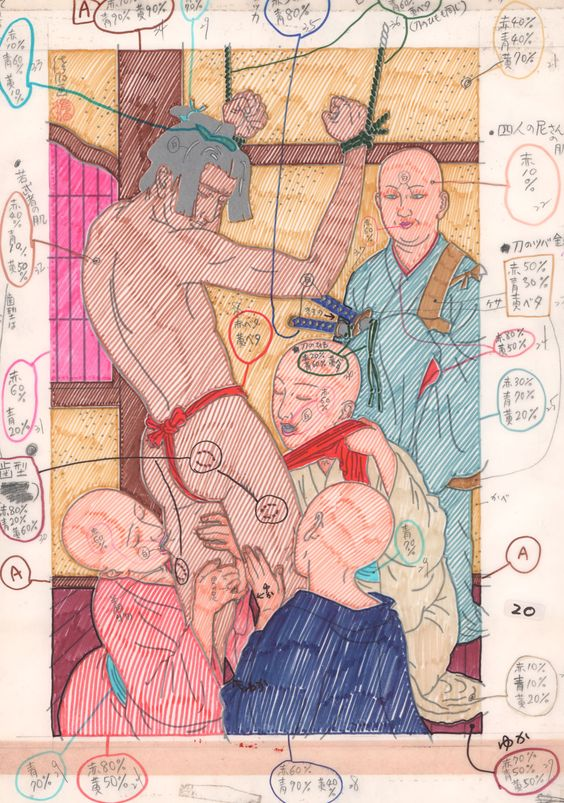
em #toddjoshi retweetledi


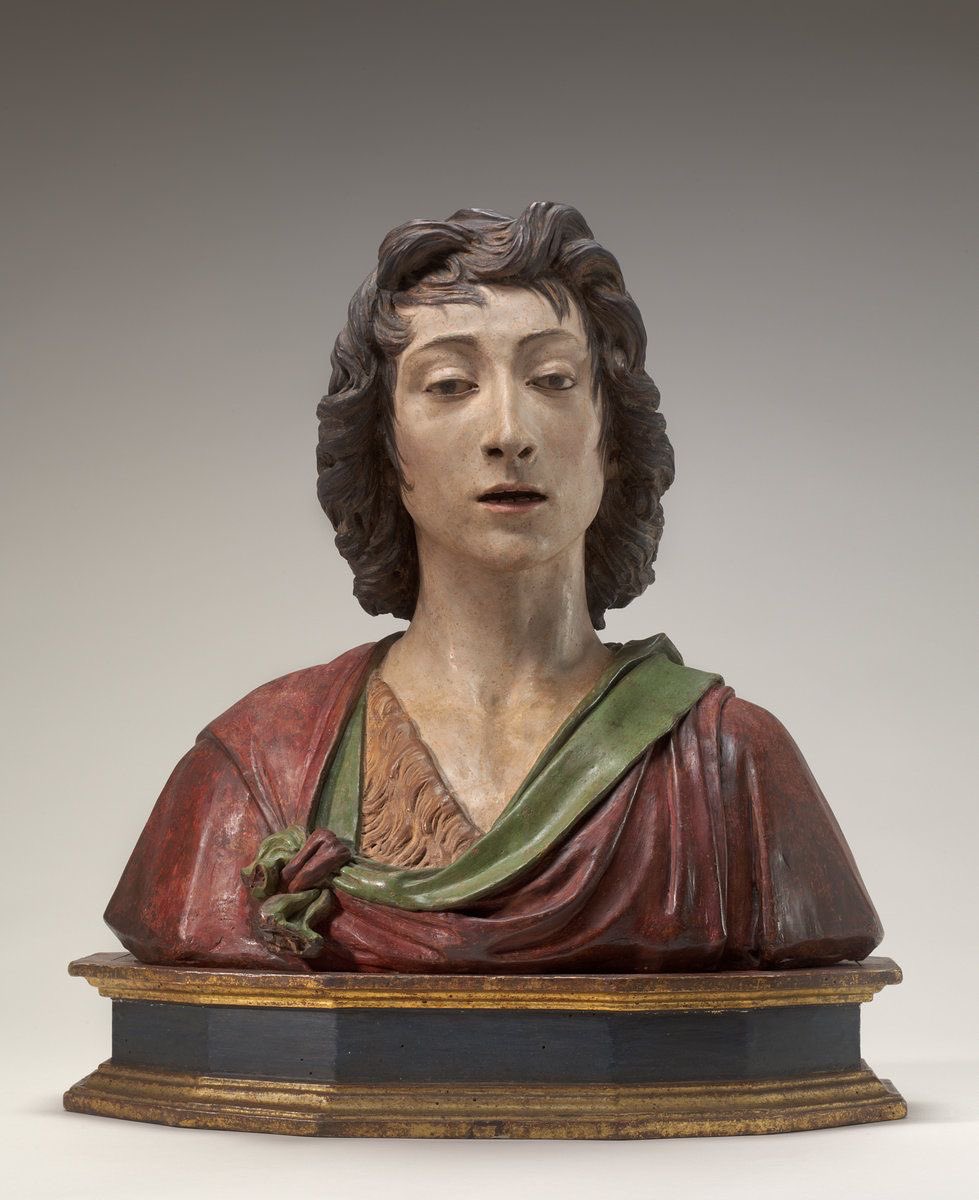
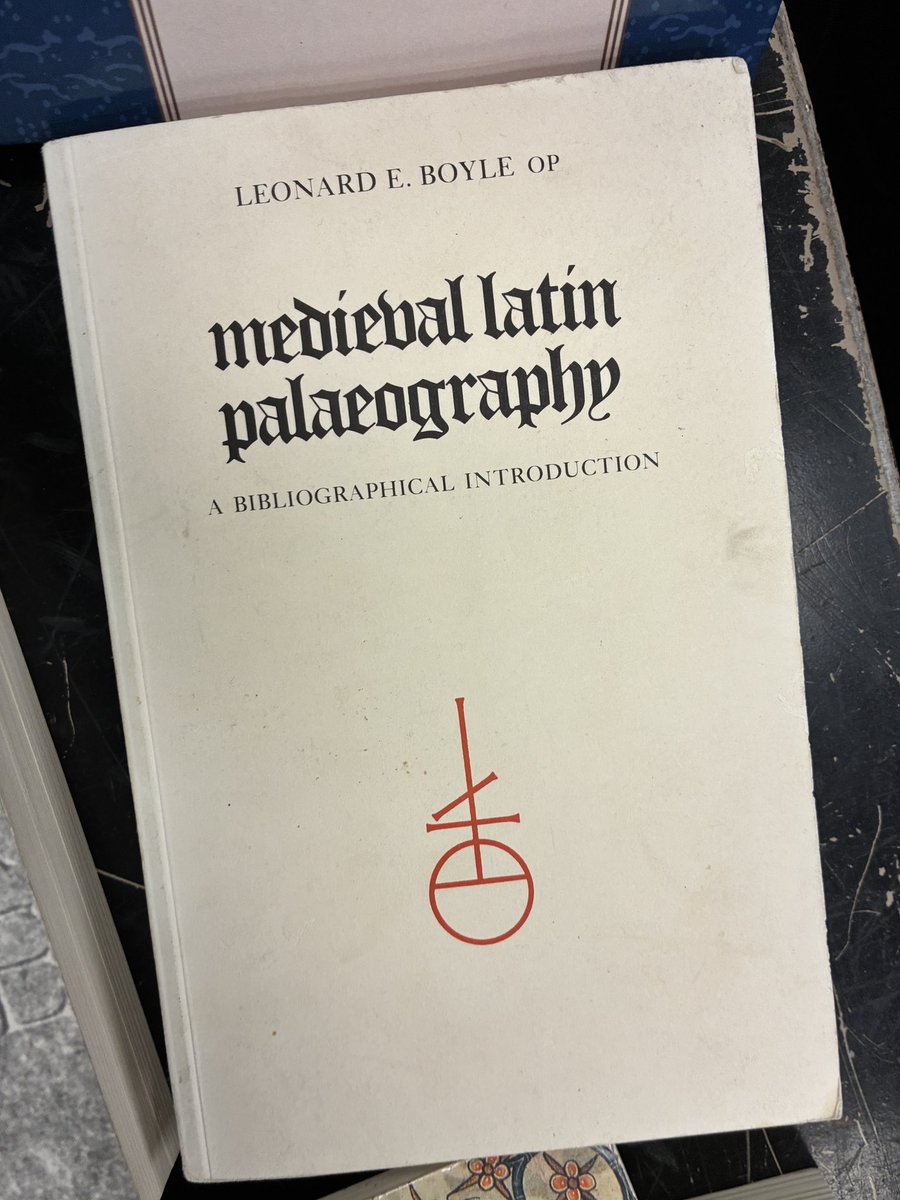
i saw this book at costco in the book pile
umar 🌾🍂🦬@uskglasses
one day you'll answer for the harm you've done
English
@snobdanshi idk why mizukami's stuff does that to you😭😭 also why are these tweets automated lol??
English

im ping pongiying between these two i dont knkw
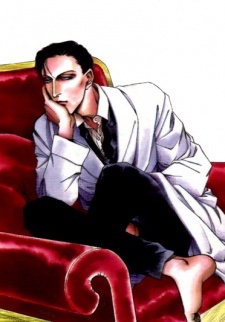
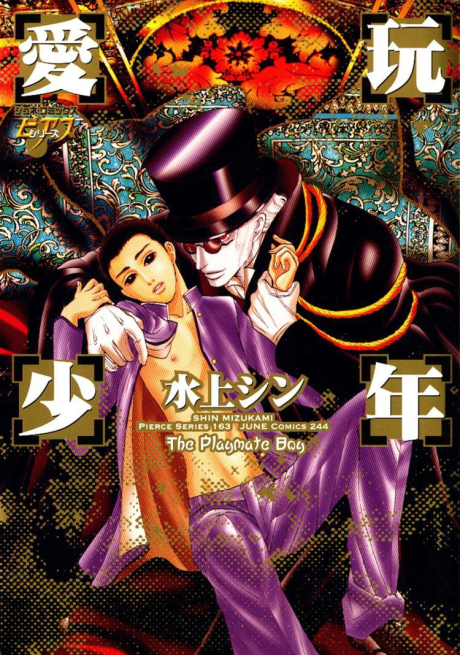
Rammie@snobdanshi
ok i know what seme is what is an ukr
English