
Sabitlenmiş Tweet
Seun 🇳🇬
10.6K posts

Seun 🇳🇬
@shemano
Stoic Man | Kingdom Citizen | Entrepreneur | Milanista | 6' 2 | Introverted Extrovert | Non-Conformist | Non-Religious | Non-Denominational | A work in progress
Kingdom of God Katılım Mart 2010
1.8K Takip Edilen1.1K Takipçiler


Seun 🇳🇬 retweetledi

A young man spotted in Brazil heading a ball while riding his bicycle
English
Seun 🇳🇬 retweetledi
“I Think At This Point, Peter Obi Is More Comfortable Being a Presidential Candidate Than Being President. Are We Trying To Excuse The Fact That Obi Didn’t Have The Foresight To Know That What Happened In ADC Could Happen?
I agree
English
@osasuo @GovWike @channelstv So whose to blame here? The man granting the interview or the press who collected money for the interview?
English

“You came here to interview me. Is it free? Am I not going to pay, for the live interview? It’s not free, so what am I benefitting? I pay.” - @GovWike to @channelstv. Hmmmm… 🚶🏽➡️🚶🏽➡️🚶🏽➡️
English
I heard this clown has been insulting himself not me. Someone who was behaving in this manner on a twitter space.
God forbid I join issues with this clown.
Obi won't win the election. He will lose before 12pm. Heaven won't fall 🤣🤣
English
Seun 🇳🇬 retweetledi

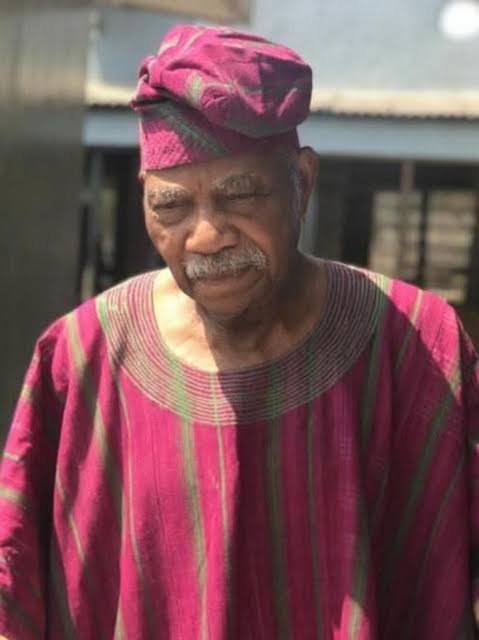
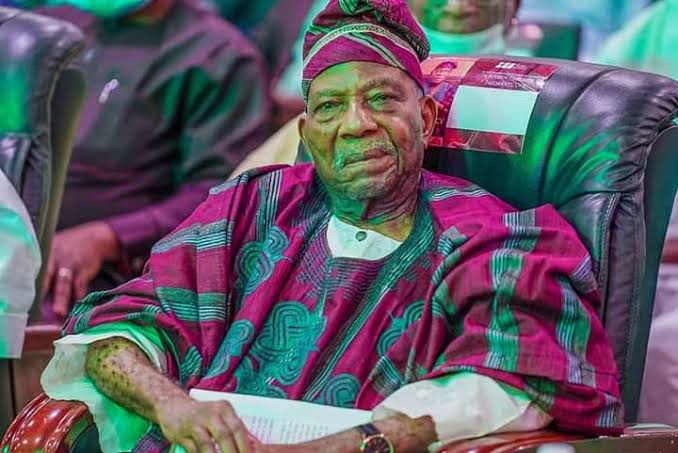
Happy 100th birthday to Pa Reuben Famuyide Fasoranti, the leader of the pan-Yoruba organisation, Afenifere 🖤
English
Seun 🇳🇬 retweetledi

Seun 🇳🇬 retweetledi

BREAKING: Honorary degree holders barred from using ‘Dr’ title
dailytrust.com/breaking-honor…
English
@Arugboboisi_Sam Hmmm…that’s a powerful submission you made some salient points especially at the later end of ur submission unfortunately if seem like a late call cos some are really cashing out through it and it’s looks like it’s boom with more entrants. Seems it’s come to say.
English
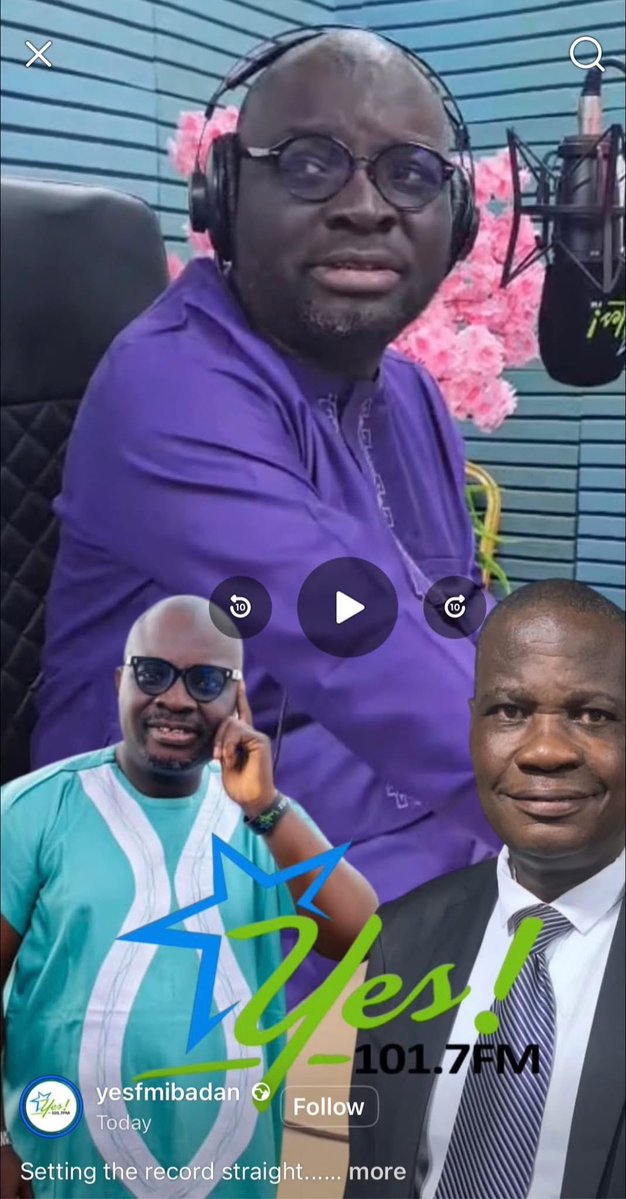
This is the tale of “Èṣúró padi, eré dà òun lè aja.”
(Like Nollywood like Broadcasting industry)
There was a time when the Yoruba Nollywood industry set the pace, long before trends and quick virality. From the days of Alárìnjó travelling theatre to deeply rooted films like 'Irú Ẹṣin' and 'Ìkà l’ọmọ Ejò', storytelling was sacred. These were not just movies; they were cultural imprints that stayed with us for years.
The broadcasting industry walked a similar path,rich beginnings, moments of internal adjustment, and a strong sense of purpose. In its early days, broadcasters found identity through association, ARAFEM(or so) then NUFIB, and eventually a more unifying body in FIBAN. Though the journey involved disagreements and realignments, it produced a structure that gave broadcasters pride, discipline, and belonging.
FIBAN grew into more than an association; it became a respected institution. Membership was worn with honor, and it fostered professionalism, mentorship, and growth across the industry.
At the heart of that golden era were pioneers who set the standard, voices like Gbenga Adeboye and Baba Olalomi Amole, alongside many others. They understood broadcasting as a responsibility, to inform, educate, and entertain with depth and integrity.
After the passing of Gbenga Adeboye, the best and most famous of them all, a gradual shift began. The vibrancy and collective identity that once defined the industry started to thin out. It didn’t disappear overnight, but the change was noticeable. Internal divisions resurfaced, and new factions such as ANBROAD emerged,echoing a pattern already seen in Nollywood.
In Nollywood, similar divisions led to camps under ANTP and later TAMPAN. Over time, focus drifted from storytelling to personal conflicts. Today, many conversations center about Actors are more on controversies and scandal than on the powerful stories that once defined the industry.
Now, a comparable shift is unfolding in broadcasting.
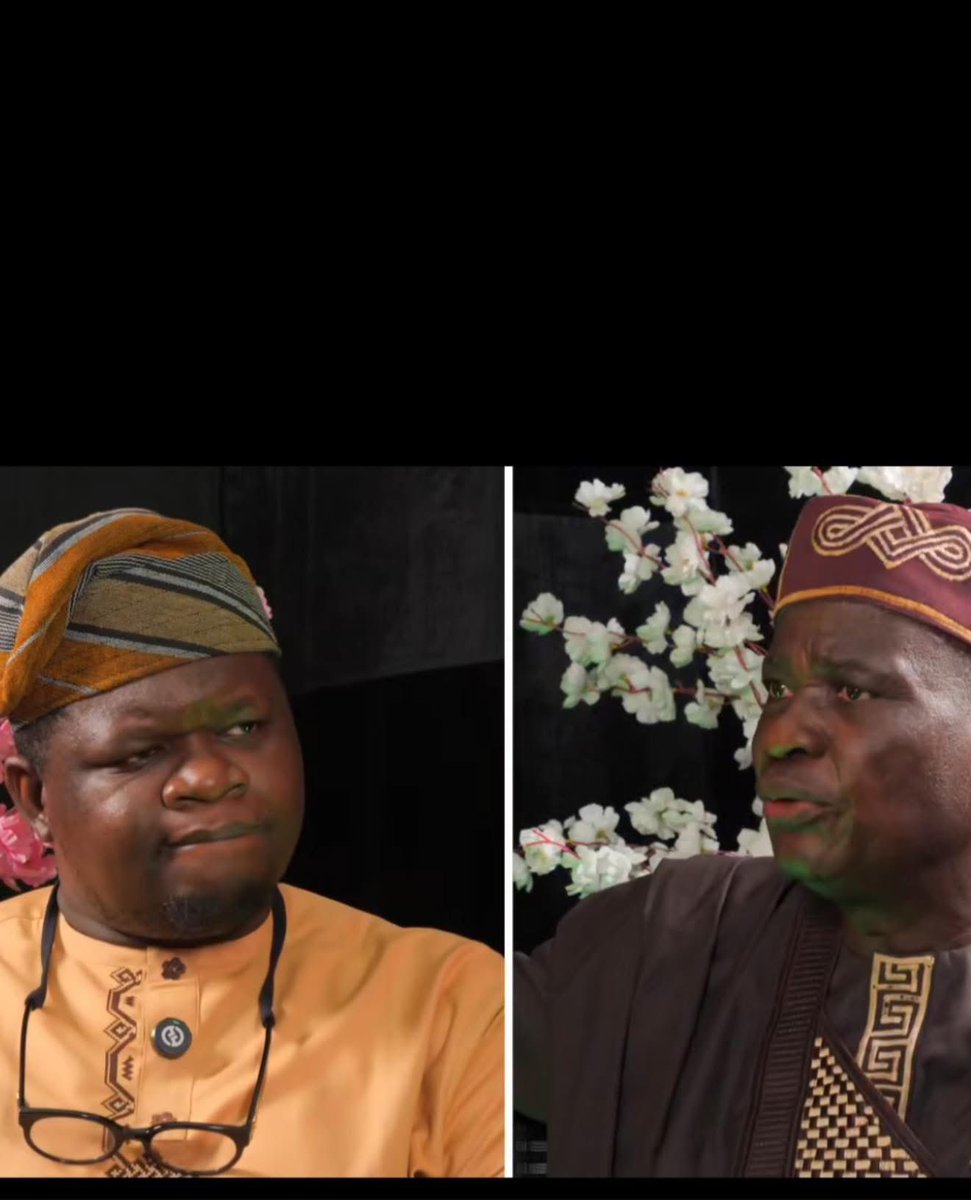
Where we once had well-researched programs, human-angle stories, investigative content, and meaningful interviews, there is now a growing tilt toward confrontation. With the rise of the podcast era, some interviews have become platforms for “dragging”filled with accusations, counter-accusations, and the reopening of old wounds.
Guests increasingly appear not just to share insight, but to respond, rebut, or call others out. One platform sparks it, another amplifies it, and gradually, conflict begins to overshadow content.
It is becoming 'gbas gbos' everywhere, and slowly, the essence of the craft is being diluted.
This is not a condemnation, but a call for reflection.
We have seen this pattern before, Nollywood is still navigating it. Broadcasting still has the opportunity to choose a different path.
Let us return to what made us respected.
Broadcasting is more than a platform for noise; it is a tool for nation-building, cultural preservation, and meaningful engagement. Our interviews should connect people, not divide them. Our conversations should enlighten, not inflame.
Let old feuds rest, Not every past disagreement deserves a new audience. When the microphone and light is on, the responsibility is bigger than personal battles.Some things are better left in the past. A broken mirror, when forced together, can only cause injury. We should not trade legacy for momentary attention.
To leaders, elders, and colleagues, this is a sincere appeal: let us guide the next generation with intention. Let us rebuild a culture rooted in professionalism and purpose, and protect the dignity of this craft.
Let us return to meaningful contents on radio, the kind that commands respect, builds lasting memory, and stands the test of time.
ArugboBoisi ń lookọ mi
Babamogba Ogundeji village, Ikereku Ibadan.
English
Seun 🇳🇬 retweetledi


Seun 🇳🇬 retweetledi
Seun 🇳🇬 retweetledi
Seun 🇳🇬 retweetledi

Super Mario, one of the most beloved video game characters of all time, was named after a real person.
In 1981, when the character first appeared in Nintendo’s arcade hit Donkey Kong, he was simply called “Jumpman.” At the time, Nintendo of America was renting a warehouse in Tukwila, Washington, from a local landlord named Mario Segale.
According to multiple accounts, Segale once showed up demanding overdue rent from Nintendo’s president, Minoru Arakawa. The tense exchange reportedly inspired the developers to rename their mustachioed hero after their no-nonsense Italian-American landlord.
Segale’s short, stocky build and dark hair also perfectly matched the image Nintendo had in mind for the character. Years later, in a 1993 interview with The Seattle Times, Segale jokingly remarked, “You might say I’m still waiting for my royalty checks.”
Mario Segale passed away in 2018 at the age of 84, but his name continues to live on through one of gaming’s most iconic figures.

English
Seun 🇳🇬 retweetledi


Seun 🇳🇬 retweetledi

🇮🇳📚Two million books, free for anyone to borrow and read.
That's what Anke Gowda, a retired sugar factory worker from India's southern Karnataka state, has accumulated over the past five decades.
"When you start reading books it is addictive, like tasting candy"
🎧 More about libraries bbc.in/4tKyTLb
English