Société d'Histoire Nord-Africaine

413 posts

Société d'Histoire Nord-Africaine banner
Société d'Histoire Nord-Africaine

Société d'Histoire Nord-Africaine

@shna_asso

Bienvenue sur le compte officiel de la SHNA ! Association 🇫🇷 loi de 1901. [email protected]

Paris Katılım Kasım 2022
76 Takip Edilen671 Takipçiler
Société d'Histoire Nord-Africaine retweetledi

Carles Múrcia
Carles Múrcia@CarlesMurcia·
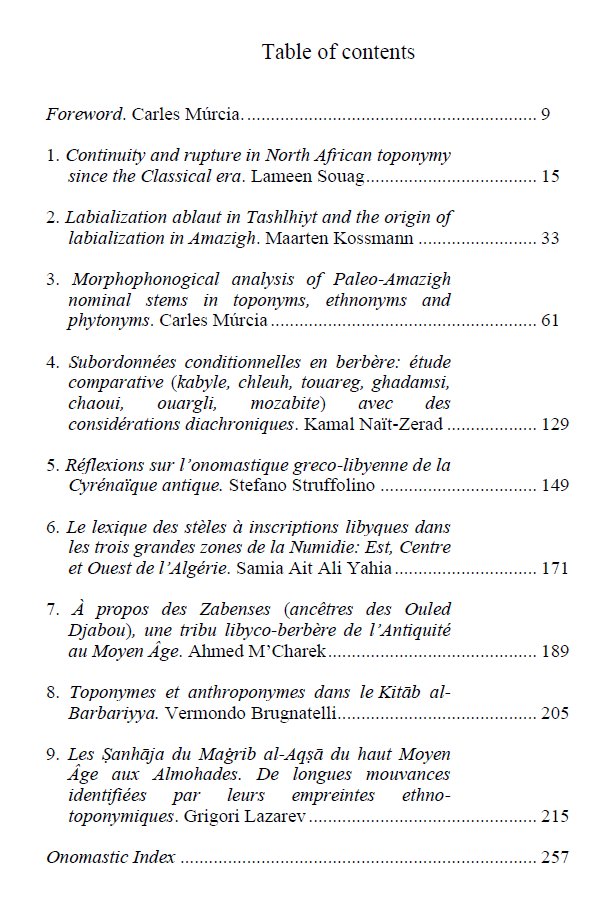
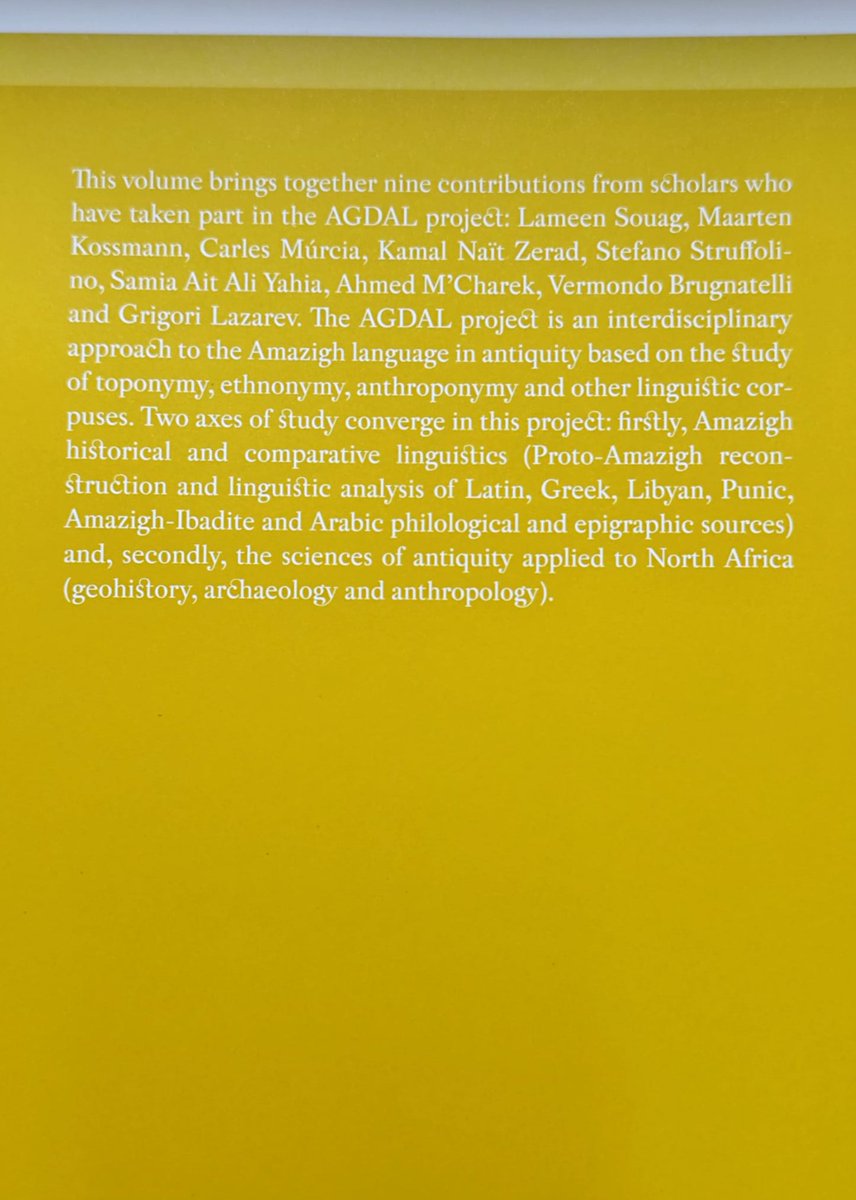
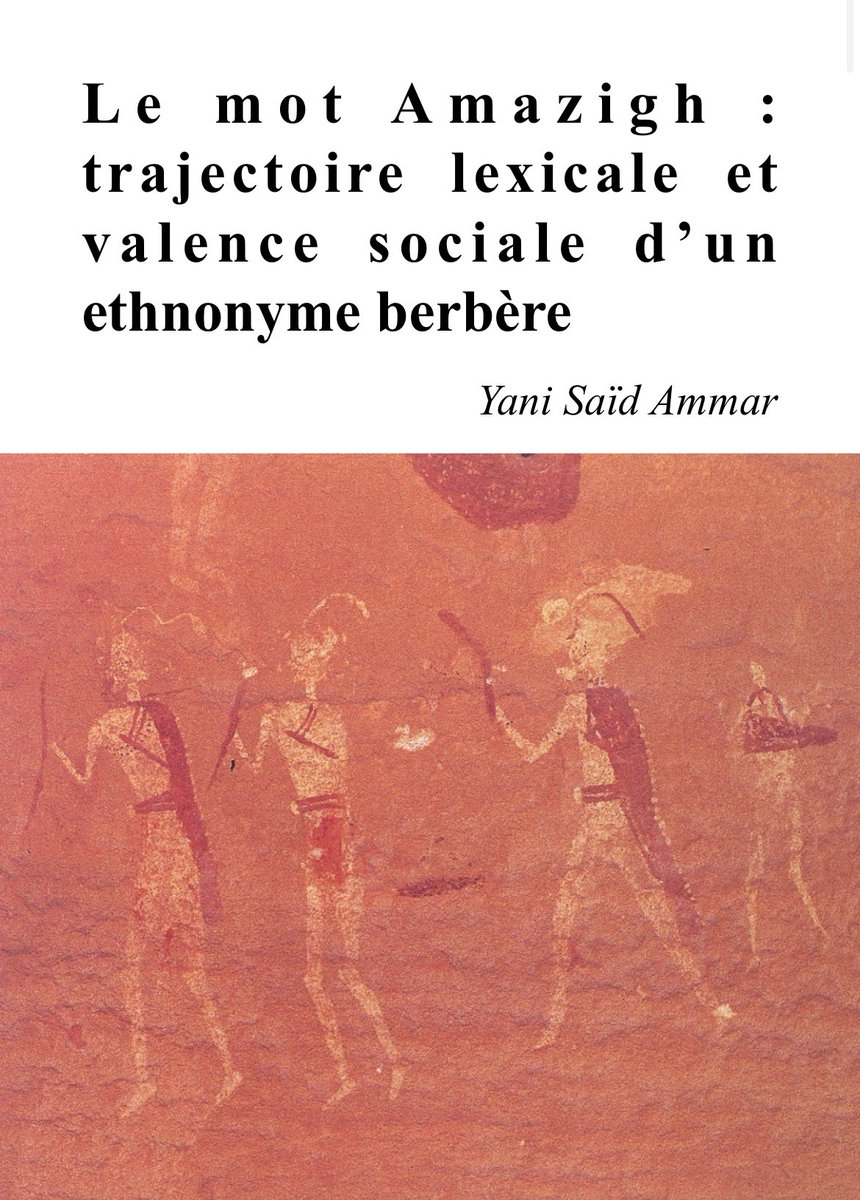
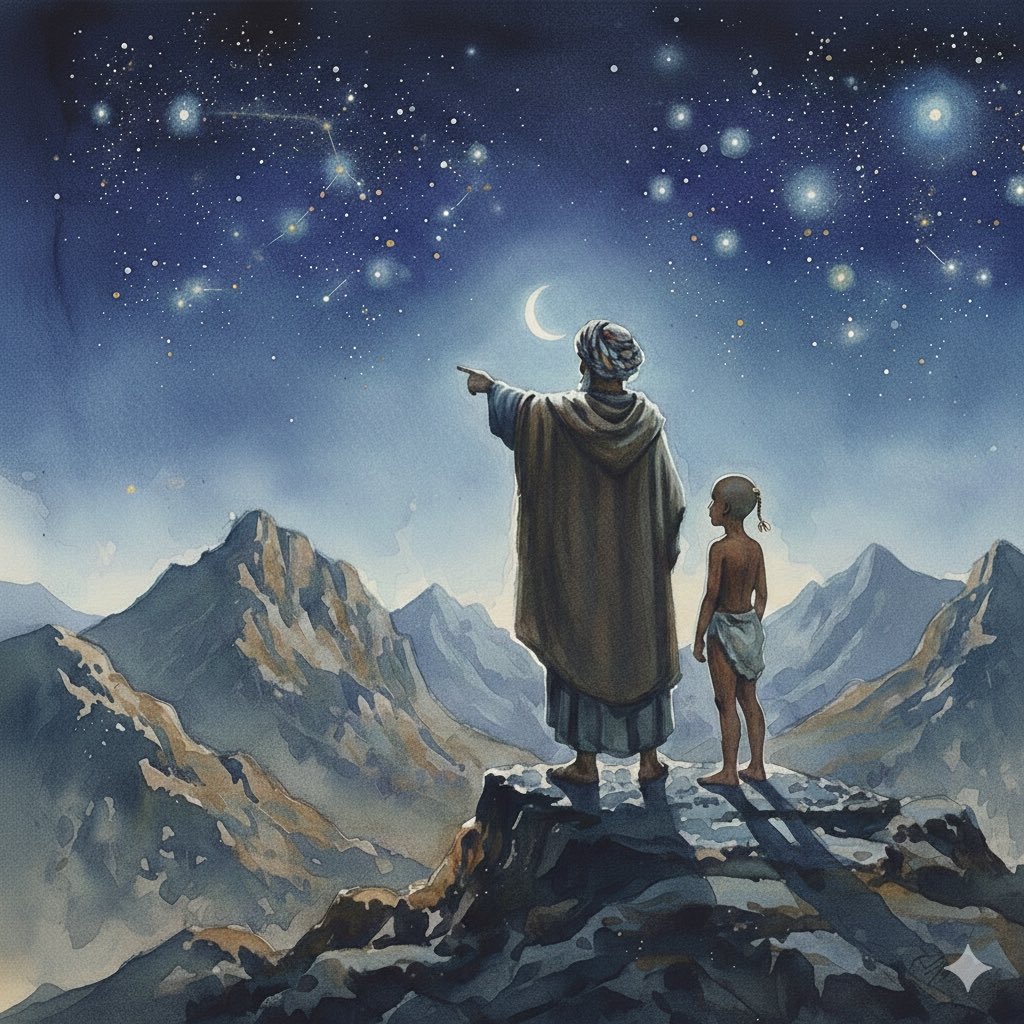
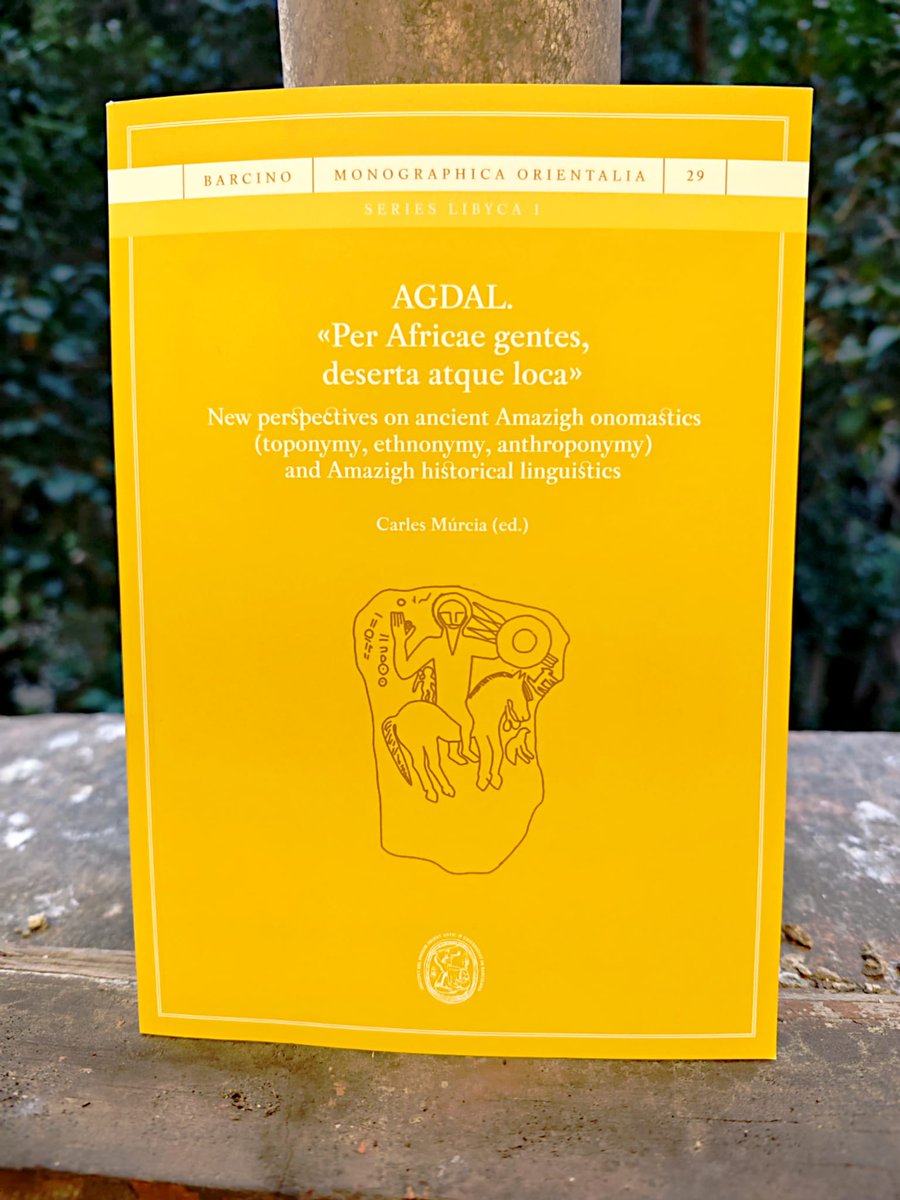
New book on ancient Amazigh onomastics (toponymy, ethnonymy, anthroponymy) and Amazigh historical linguistics.
Carles Múrcia tweet mediaCarles Múrcia tweet mediaCarles Múrcia tweet media
English
3
19
102
3K
Société d'Histoire Nord-Africaine
✨ L’article de Yani Saïd Ammar, récemment paru à la SHNA, est mis à l’honneur chez Taszuri Création ! 📚🔥 Un texte salué pour sa clarté, sa nuance et la manière dont il interroge enfin le mot « Amazigh » sans slogans ni raccourcis. 👏 À lire ici 👇 taszuricreations.com/blogs/le-blog-…
Français
0
1
3
219
Société d'Histoire Nord-Africaine
"Reich and his team discovered a unique genetic profile they classified as “Carthaginian,” composed predominantly of Greek, North African, and Sicilian ancestry, with only minimal Phoenician genetic input."
Archaeo - Histories@archeohistories

New research from Harvard University challenges long-held assumptions about the origins of the ancient Carthaginians. According to a study led by renowned geneticist David Reich, the people of Carthage—one of the most powerful cities of the ancient Mediterranean—were genetically more similar to Greeks than to Phoenicians. In a report published in Nature and highlighted by The Economist, the research team analyzed DNA from 17 skeletons unearthed in Carthage (modern-day Tunisia), along with 86 others from Carthaginian settlements across North Africa, Sicily, Sardinia, and Spain. They also included 25 individuals buried at Achziv and Beirut, major Phoenician sites near Tyre in present-day Lebanon. Although Carthage was founded in 9th Century BC as a Phoenician trading post and colony of Tyre—a major Semitic port city—the genetic data paints a more complex picture. While Carthage developed its own empire and distinct Semitic culture, the study reveals that its population did not share strong genetic ties with the Phoenicians as previously assumed. Instead, Reich and his team discovered a unique genetic profile they classified as “Carthaginian,” composed predominantly of Greek, North African, and Sicilian ancestry, with only minimal Phoenician genetic input. The presence of North African and Sicilian DNA is understandable, given Carthage's extensive colonies in those regions. However, the significant Greek genetic influence came as a surprise, particularly since Greeks and Carthaginians were often rivals, especially during their overlapping efforts to colonize Sicily. Their frequent military clashes in that region would suggest separation rather than intermingling. Even more intriguing is the relative lack of genetic material from Spain and Sardinia, despite both regions having hosted major Carthaginian colonies. This raises the question: did Carthaginian settlers intentionally avoid mixing with local populations, perhaps due to cultural or social biases? The study doesn’t offer a definitive answer, leaving this as one of the enduring mysteries. Carthage produced some of the most notable figures of the ancient world, including Hannibal, widely regarded as one of history’s greatest military commanders. In 218 BCE, during the Second Punic War, he famously led his army—including African war elephants—across the Alps to invade Roman territory. For 15 years, he ravaged Roman lands but ultimately failed to capture the city itself, retreating to North Africa. Carthage was eventually destroyed by Rome in 146 BCE at the end of the Punic Wars. However, the Romans later rebuilt the city, transforming it into a major hub of the Roman Empire. It remained a key center until its second destruction during the Muslim conquest in 698 CE. This groundbreaking genetic study not only reshapes our understanding of Carthaginian heritage but also highlights the intricate web of cultural and genetic exchange in the ancient Mediterranean—where even enemies left a lasting imprint on one another. 📷 : A paper in Nature suggests that the people of Carthage were genetically closer to Greeks than from the founding Phoenician culture. The findings shed light on the forces that shaped the origins of the Carthaginians and the acquisition of their culture. © The Archaeologist #archaeohistories

English
0
0
4
303
Société d'Histoire Nord-Africaine retweetledi
Archaeo - Histories
Archaeo - Histories@archeohistories·
New research from Harvard University challenges long-held assumptions about the origins of the ancient Carthaginians. According to a study led by renowned geneticist David Reich, the people of Carthage—one of the most powerful cities of the ancient Mediterranean—were genetically more similar to Greeks than to Phoenicians. In a report published in Nature and highlighted by The Economist, the research team analyzed DNA from 17 skeletons unearthed in Carthage (modern-day Tunisia), along with 86 others from Carthaginian settlements across North Africa, Sicily, Sardinia, and Spain. They also included 25 individuals buried at Achziv and Beirut, major Phoenician sites near Tyre in present-day Lebanon. Although Carthage was founded in 9th Century BC as a Phoenician trading post and colony of Tyre—a major Semitic port city—the genetic data paints a more complex picture. While Carthage developed its own empire and distinct Semitic culture, the study reveals that its population did not share strong genetic ties with the Phoenicians as previously assumed. Instead, Reich and his team discovered a unique genetic profile they classified as “Carthaginian,” composed predominantly of Greek, North African, and Sicilian ancestry, with only minimal Phoenician genetic input. The presence of North African and Sicilian DNA is understandable, given Carthage's extensive colonies in those regions. However, the significant Greek genetic influence came as a surprise, particularly since Greeks and Carthaginians were often rivals, especially during their overlapping efforts to colonize Sicily. Their frequent military clashes in that region would suggest separation rather than intermingling. Even more intriguing is the relative lack of genetic material from Spain and Sardinia, despite both regions having hosted major Carthaginian colonies. This raises the question: did Carthaginian settlers intentionally avoid mixing with local populations, perhaps due to cultural or social biases? The study doesn’t offer a definitive answer, leaving this as one of the enduring mysteries. Carthage produced some of the most notable figures of the ancient world, including Hannibal, widely regarded as one of history’s greatest military commanders. In 218 BCE, during the Second Punic War, he famously led his army—including African war elephants—across the Alps to invade Roman territory. For 15 years, he ravaged Roman lands but ultimately failed to capture the city itself, retreating to North Africa. Carthage was eventually destroyed by Rome in 146 BCE at the end of the Punic Wars. However, the Romans later rebuilt the city, transforming it into a major hub of the Roman Empire. It remained a key center until its second destruction during the Muslim conquest in 698 CE. This groundbreaking genetic study not only reshapes our understanding of Carthaginian heritage but also highlights the intricate web of cultural and genetic exchange in the ancient Mediterranean—where even enemies left a lasting imprint on one another. 📷 : A paper in Nature suggests that the people of Carthage were genetically closer to Greeks than from the founding Phoenician culture. The findings shed light on the forces that shaped the origins of the Carthaginians and the acquisition of their culture. © The Archaeologist #archaeohistories
Archaeo - Histories tweet media
English
55
173
889
131.5K
Société d'Histoire Nord-Africaine retweetledi
FamilyTreeDNA
FamilyTreeDNA@FamilyTreeDNA·
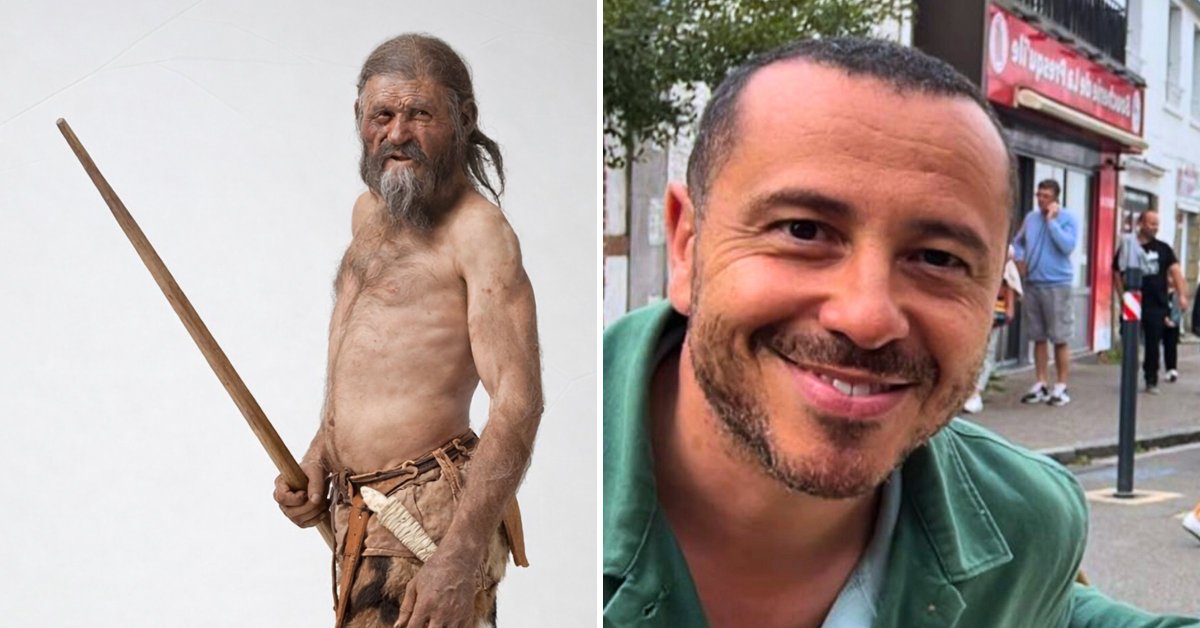
Ötzi the Iceman’s maternal lineage was believed extinct. FamilyTreeDNA researchers identified a living relative through mitochondrial DNA — 5,000 years later. Read Ötzi’s Story ➡️ bit.ly/4kVCNNt
FamilyTreeDNA tweet media
7
62
336
176.8K
Société d'Histoire Nord-Africaine
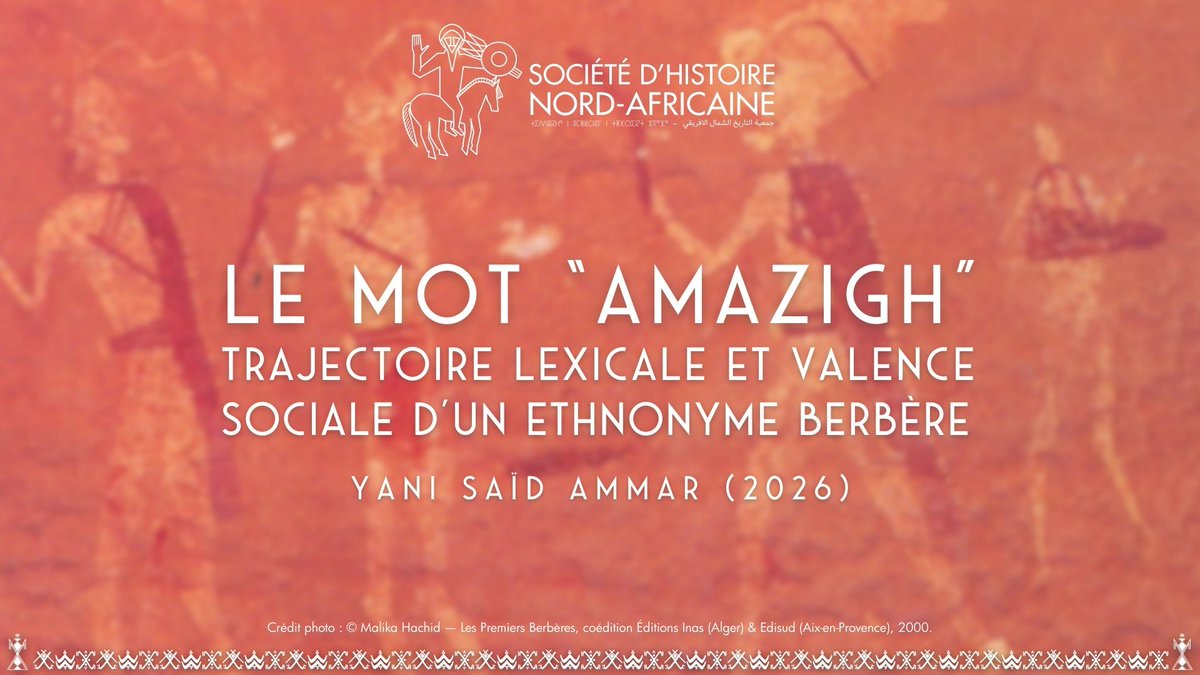
📢 Nouvelle parution #SHNA 📖✨ 🔍 On l’emploie partout… mais que désigne exactement “Amazigh” ? Yani Saïd Ammar remonte la piste du terme des sources antiques jusqu’à nos jours, pour clarifier ses usages et ses sens selon les époques et les régions. 🔗 shna-asso.fr/mot-amazigh-tr…
Société d'Histoire Nord-Africaine tweet media
Français
2
10
23
1K
Société d'Histoire Nord-Africaine retweetledi
_ ⵏⵤⵎⵔ_
_ ⵏⵤⵎⵔ_@_Anegmar_·
Continuez de vous abonnez et partagez, n’hésitez pas à suggérer des idées de projets ou des sujets à traiter, à échanger et à dire ce que vous en pensez. open.substack.com/pub/lemondeama…
_ ⵏⵤⵎⵔ_ tweet media
Français
0
10
15
1K
Société d'Histoire Nord-Africaine retweetledi
ⴰⵎⴻⵣⵔⵓⵢ ⵏ ⵉⵎⴰⵣⵉⵖⴻⵏ
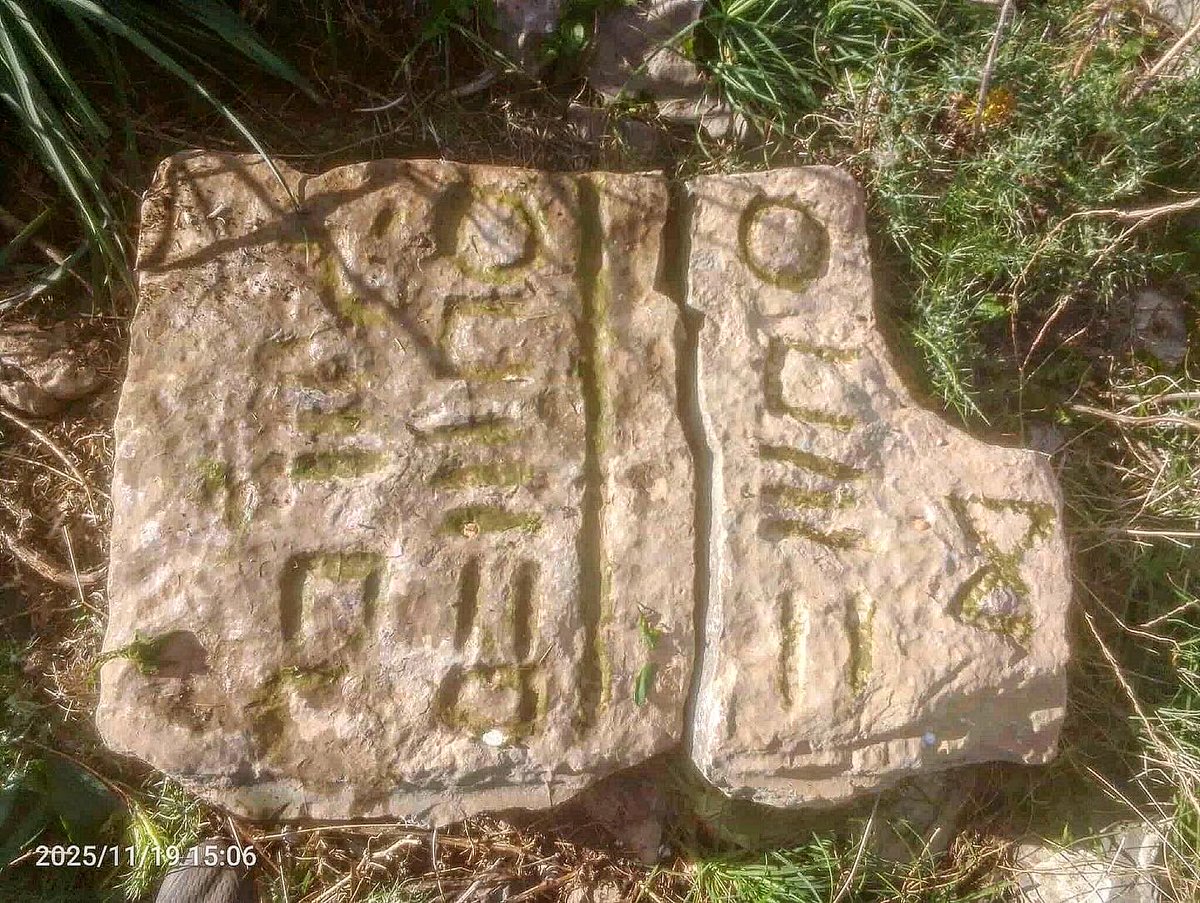
🔎 #Découverte d’une nouvelle stèle libyque dans la région de #Guelma, en #Algérie 🇩🇿 Une stèle #libyque inédite, mise au jour fin novembre 2025 dans la région de Guelma, vient enrichir le corpus des inscriptions libyques connues à ce jour.
ⴰⵎⴻⵣⵔⵓⵢ ⵏ ⵉⵎⴰⵣⵉⵖⴻⵏ tweet media
Français
1
13
40
1.7K
Société d'Histoire Nord-Africaine
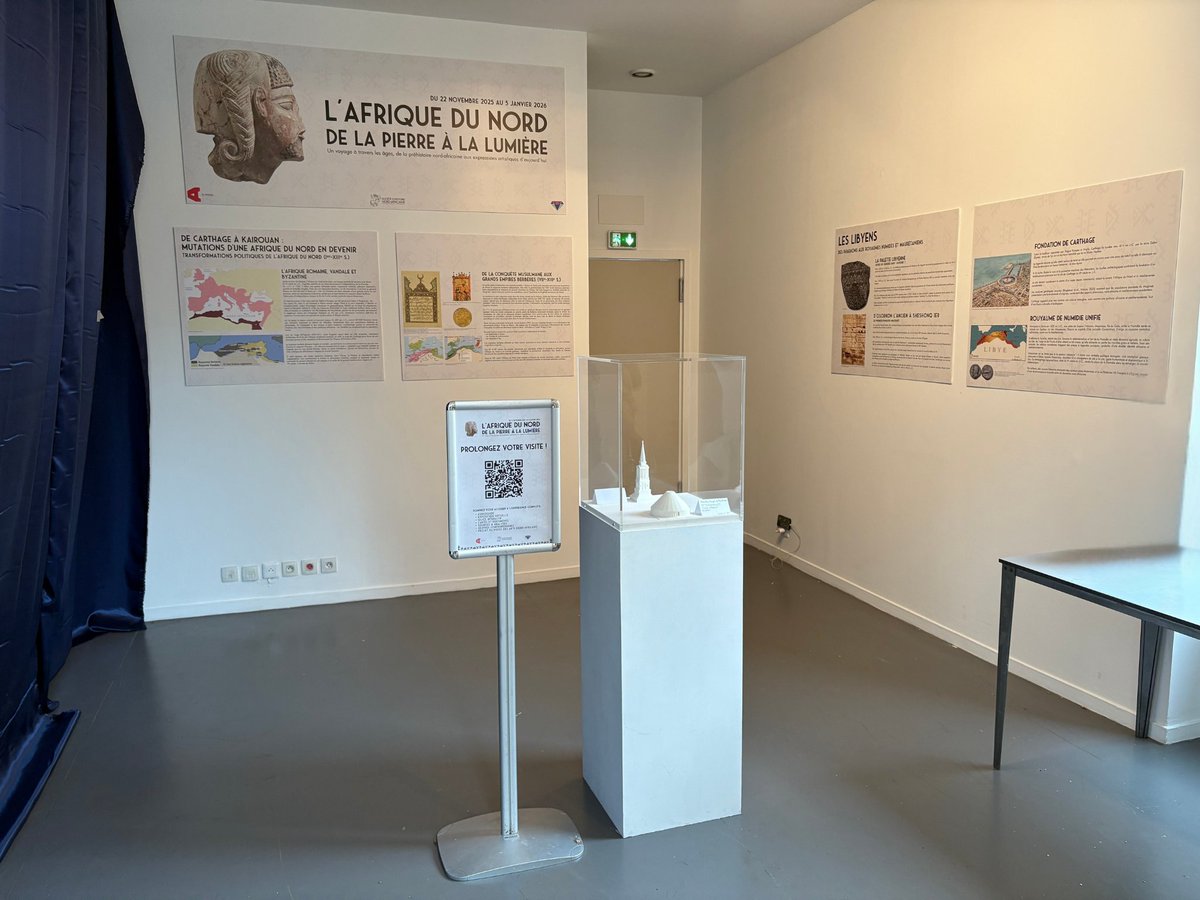
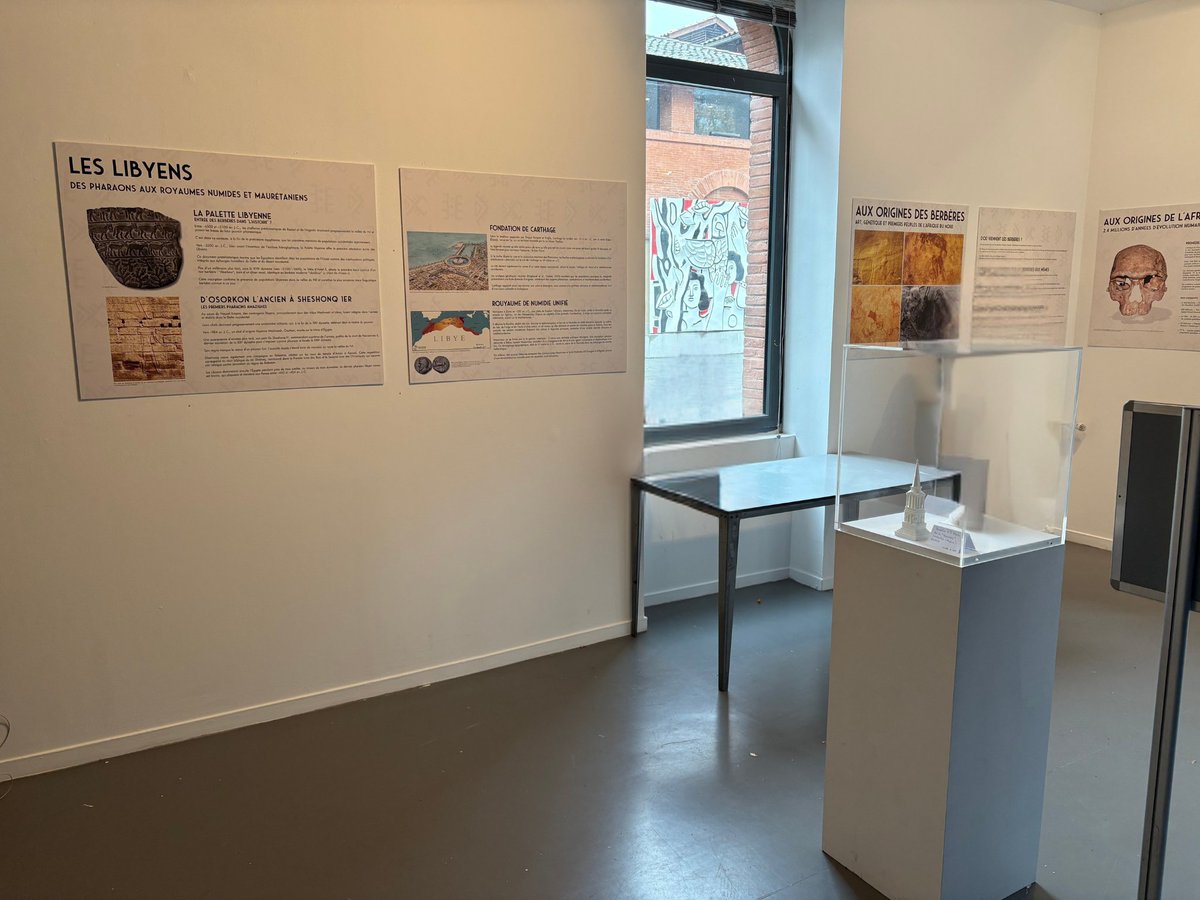
🏺 L’expo « L’Afrique du Nord de la pierre à la lumière » s’est achevée le 5 janvier dernier. La cagnotte a déjà atteint 53 % et il manque encore 90 € pour rembourser les frais de l’exposition. Chaque soutien compte 🙏 👉 Soutenir ici : helloasso.com/associations/s…
Société d'Histoire Nord-Africaine@shna_asso

📢 Retour en images sur « L’Afrique du Nord de la pierre à la Lumière » ✨ Un parcours du Paléolithique aux créations contemporaines retraçant l’histoire et les cultures de l’Afrique du Nord. 🔗 Expo virtuelle : shna-asso.fr/expo-virtuelle… 🧠 Quiz final inclus ! @lesabattoirs
Français
0
2
2
227
Société d'Histoire Nord-Africaine
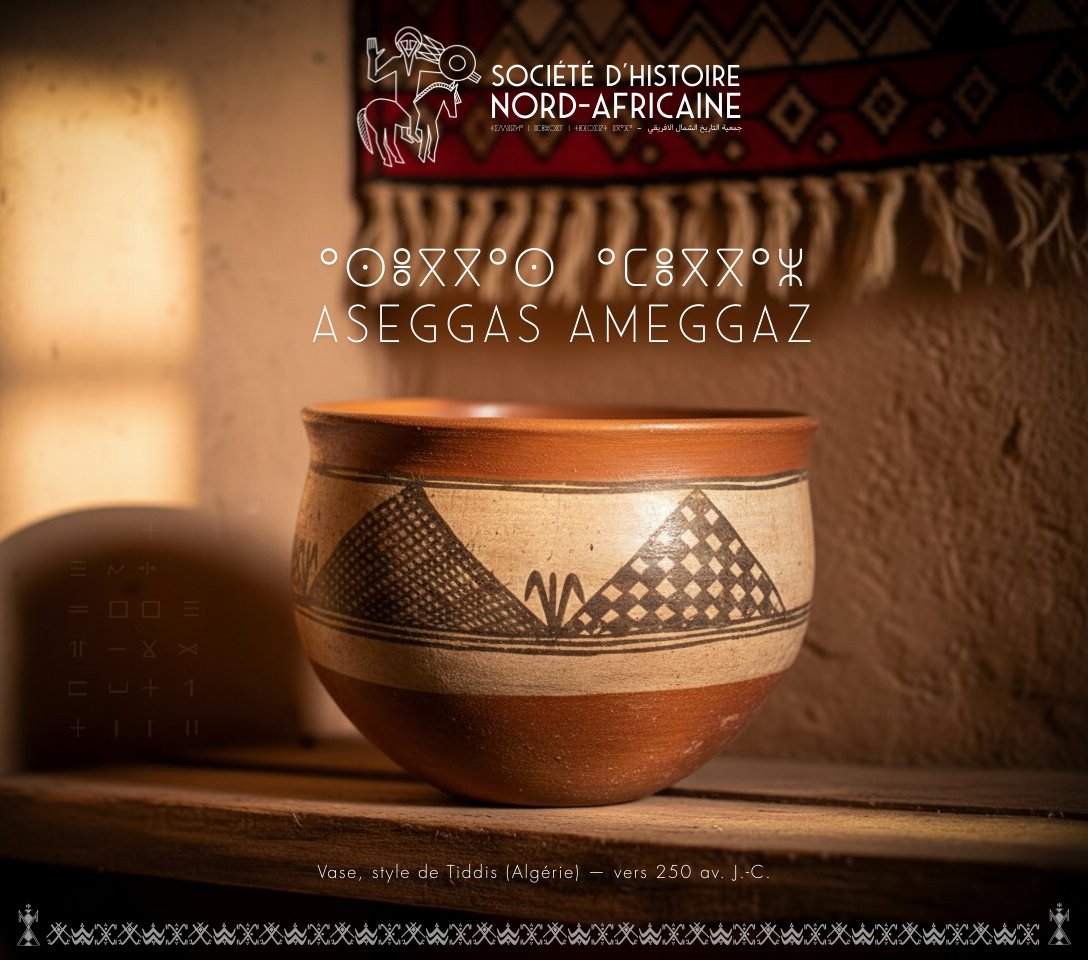
🎉 Yennayer 2976 🌾 Le 12 janvier, on célèbre Yennayer… et les 3 ans de la SHNA ! 🎂 3 ans à faire vivre l’histoire de l’Afrique du Nord et porter le projet de Musée des Arts nord-africains 🏛️ ⴰⵙⴻⴳⴳⴰⵙ ⴰⵎⴻⴳⴳⴰⵣ ! 📸 Vase de Tiddis, v. 250 av. J.-C. — SHNA
Société d'Histoire Nord-Africaine tweet media
Français
1
5
11
377
Société d'Histoire Nord-Africaine retweetledi
Cátedra Cultural de Estudios Bereberes de la ULL
¿Sabías que en Canarias se escribía sin vocales? ✍️🔤 Las consonantes marcaban generalmente el significado 🧠 y las vocales la gramática 📖. Descubre más sobre la escritura líbico-bereber con nosotros 🎓✨.
Español
0
4
7
157
Société d'Histoire Nord-Africaine retweetledi
Cátedra Cultural de Estudios Bereberes de la ULL
¿Sabías que los antiguos canarios usaban la escritura? En las 7 islas se documenta el líbico meridional, llegado con los primeros pobladores. Aunque se trata de un alfabeto bastante homogéneo, las inscripciones muestran variaciones entre islas e incluso dentro de una misma isla.
Español
0
5
7
204
Société d'Histoire Nord-Africaine retweetledi
Jean-Claude Golvin
Jean-Claude Golvin@JCGolvin·
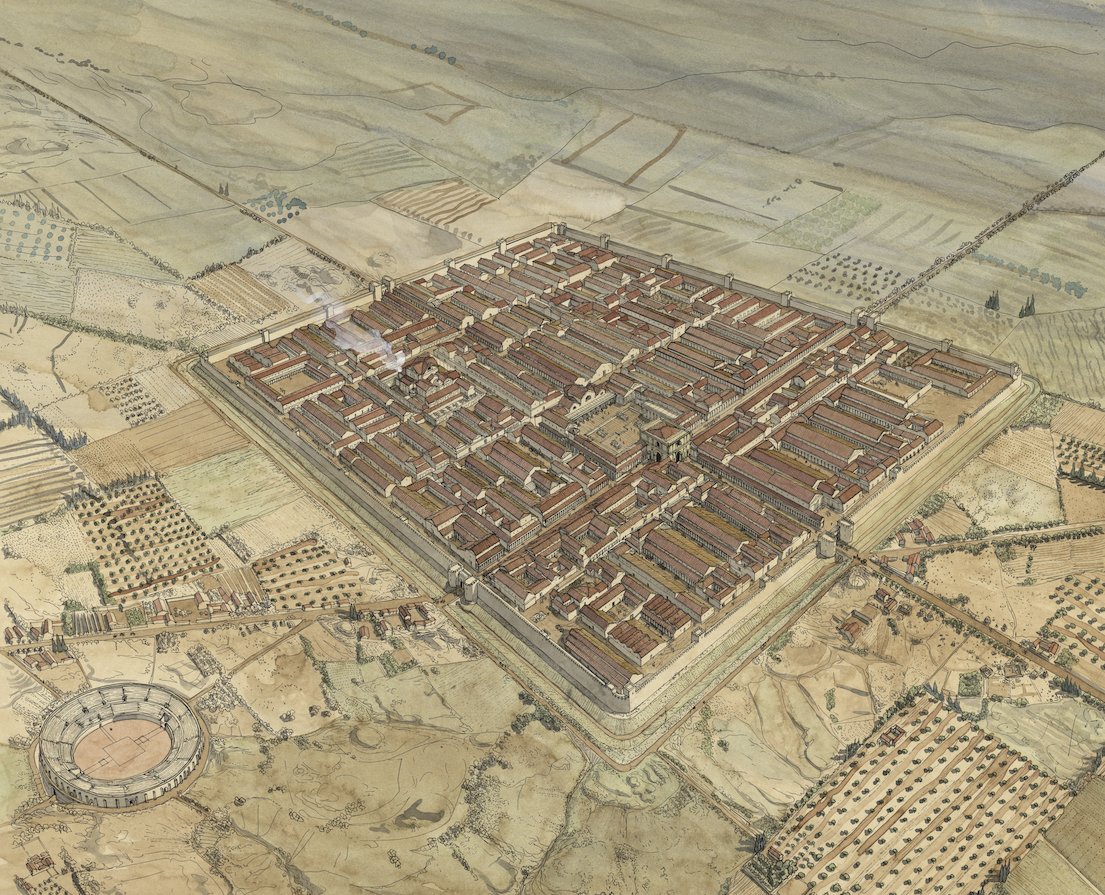
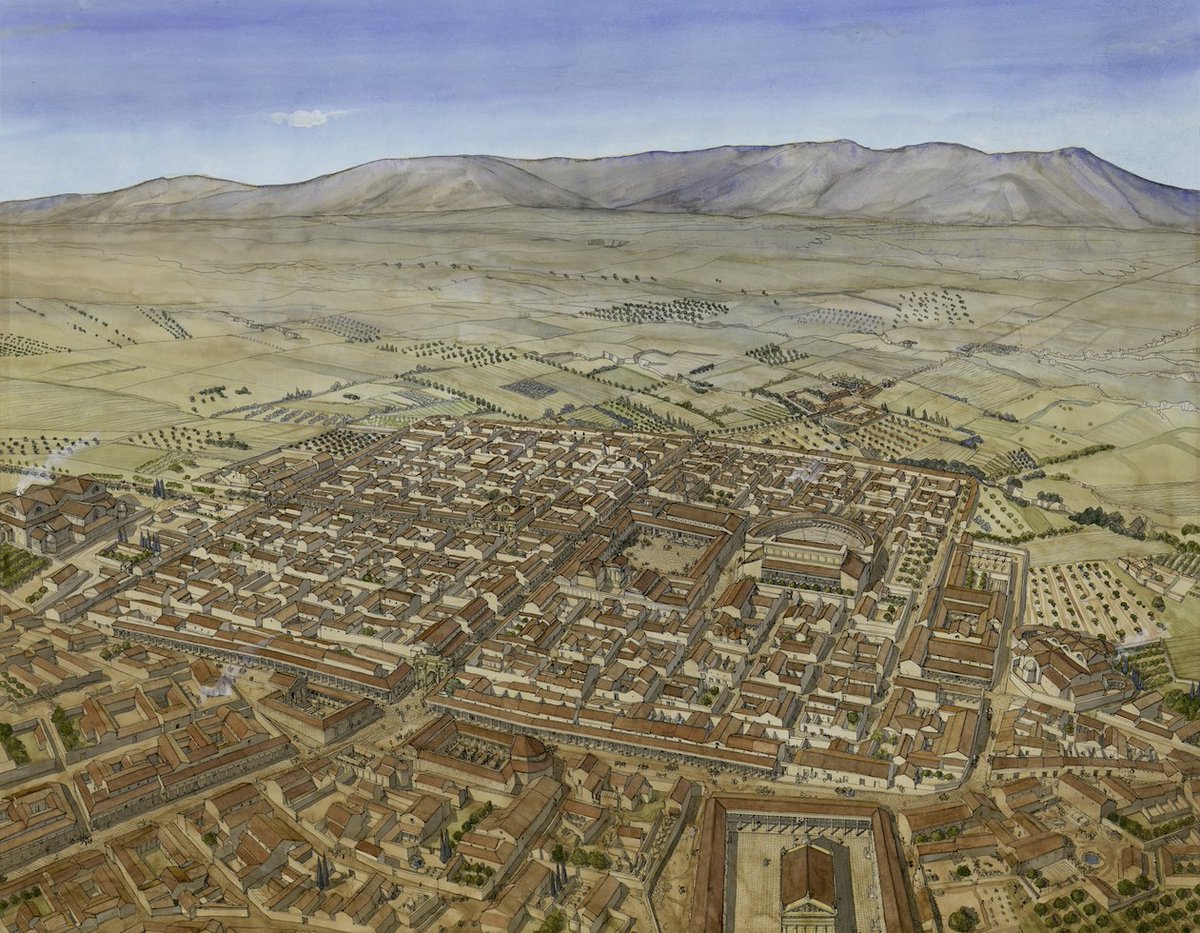
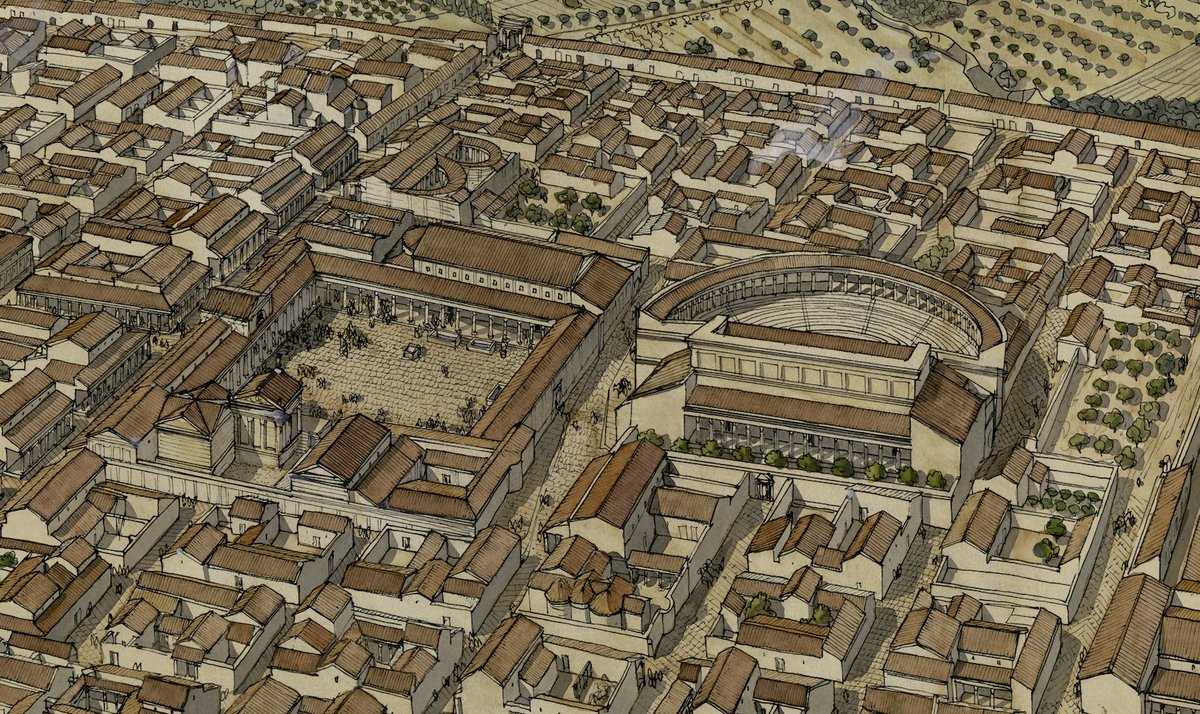
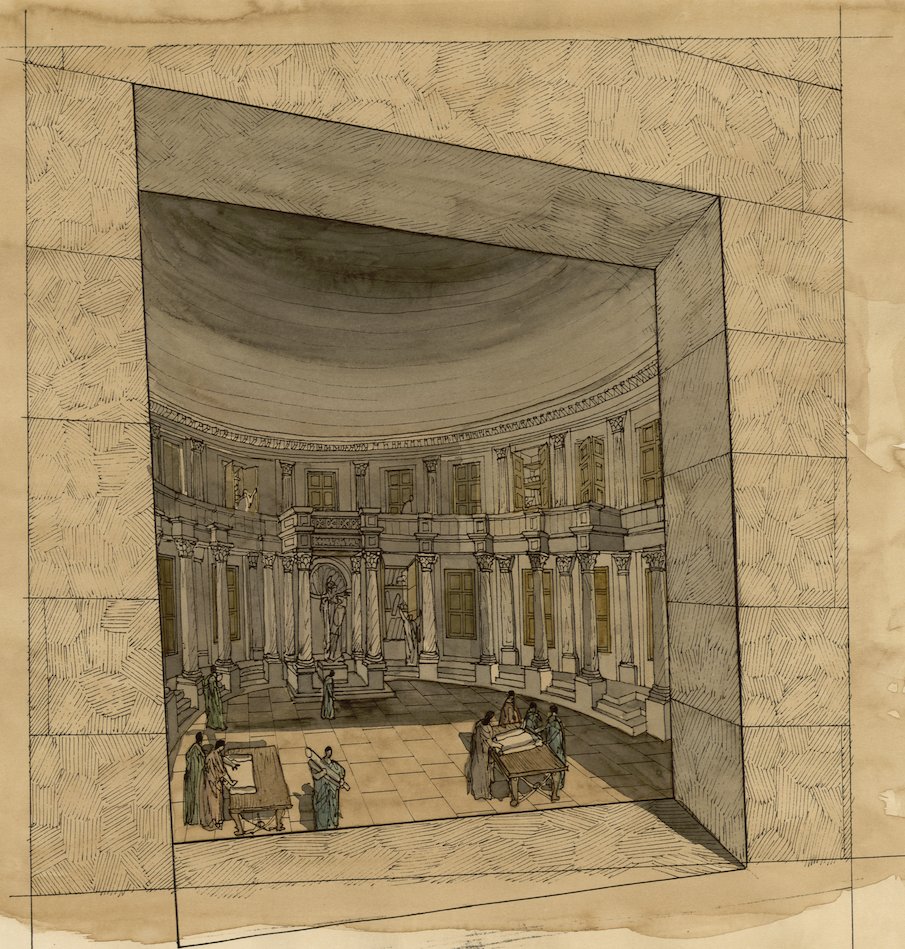
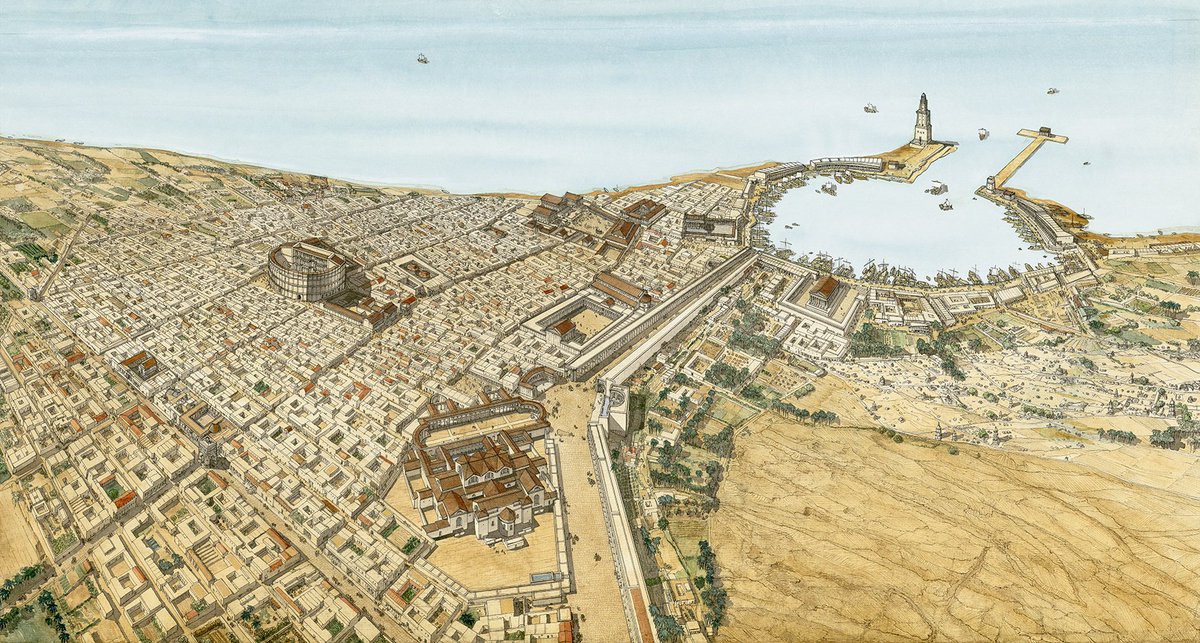
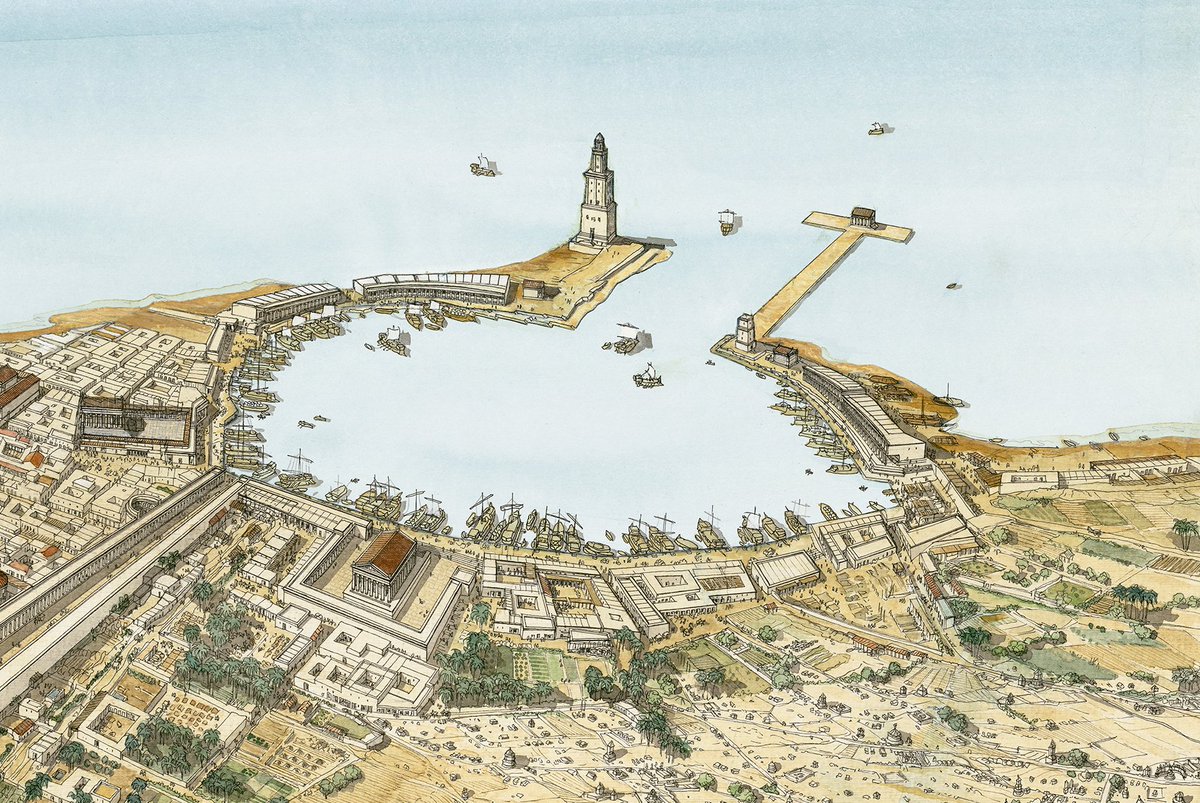
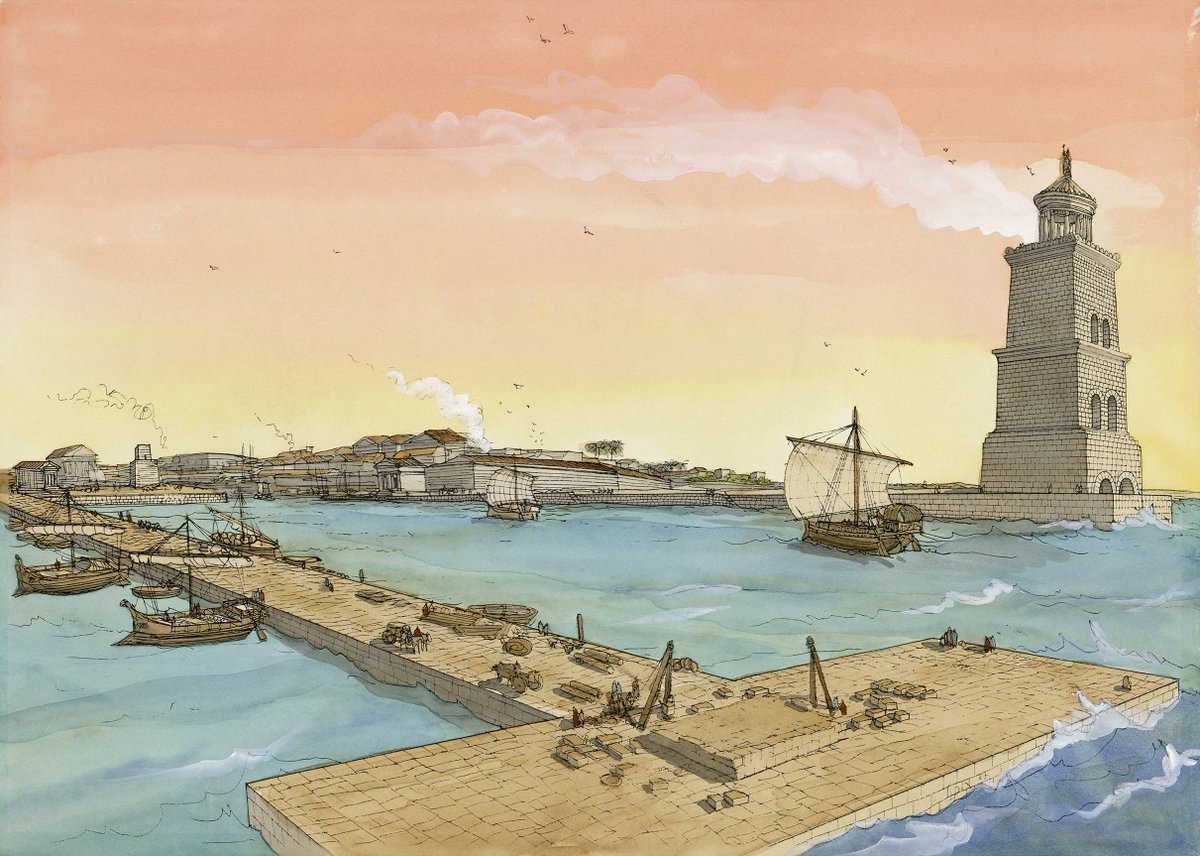
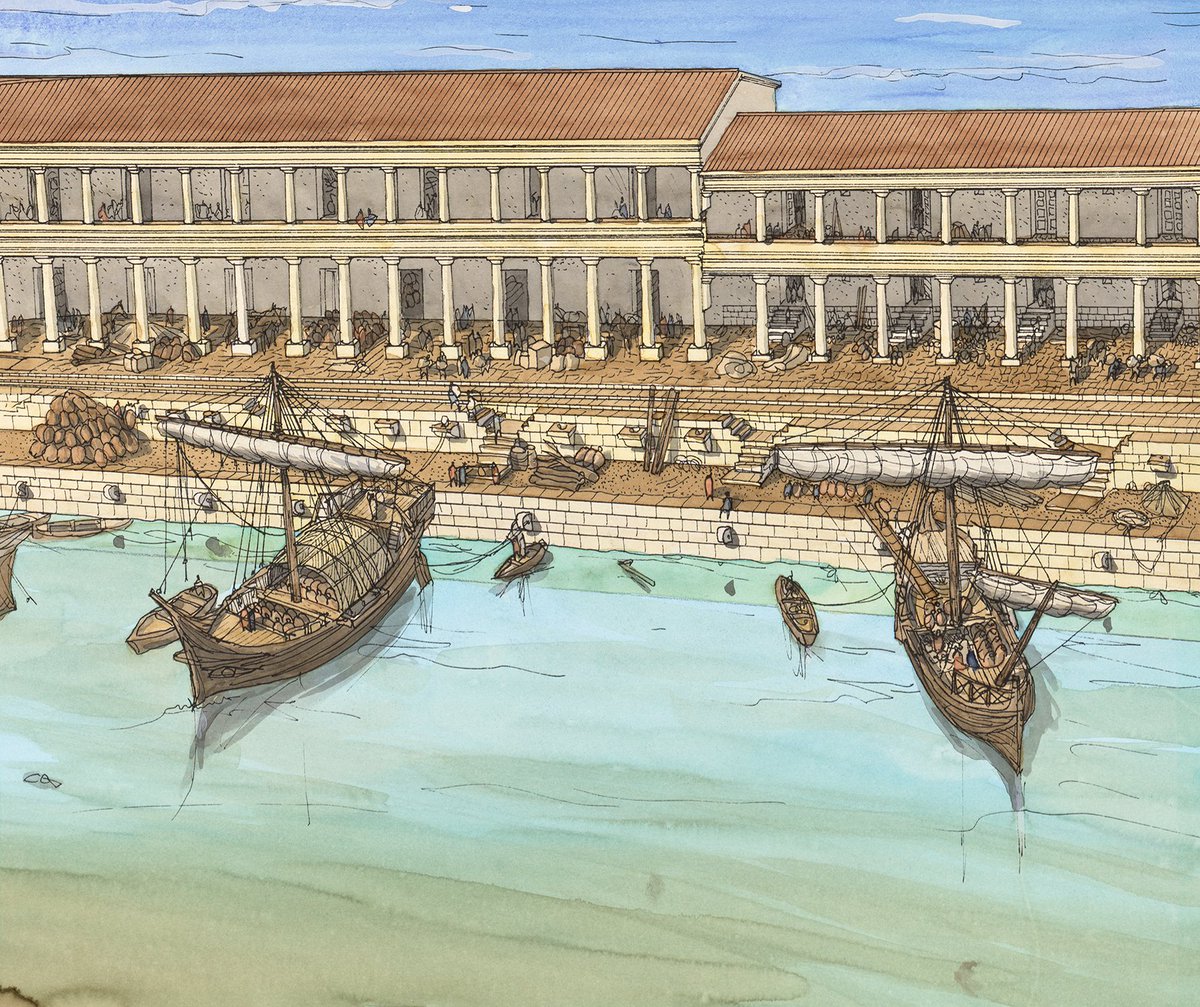
LAMBÈSE ET TIMGAD (ALGÉRIE) Près de la ville de Lambaesis (Lambèse) se trouvait le camp de la troisième légion Augusta. Il est un des mieux conservés du monde. [THREAD - 1/12]
Jean-Claude Golvin tweet mediaJean-Claude Golvin tweet mediaJean-Claude Golvin tweet mediaJean-Claude Golvin tweet media
Français
2
33
141
4.4K
Société d'Histoire Nord-Africaine retweetledi
Société d'Histoire Nord-Africaine
📢 Retour en images sur « L’Afrique du Nord de la pierre à la Lumière » ✨ Un parcours du Paléolithique aux créations contemporaines retraçant l’histoire et les cultures de l’Afrique du Nord. 🔗 Expo virtuelle : shna-asso.fr/expo-virtuelle… 🧠 Quiz final inclus ! @lesabattoirs
Société d'Histoire Nord-Africaine tweet mediaSociété d'Histoire Nord-Africaine tweet media
Français
1
7
14
1.2K
Société d'Histoire Nord-Africaine retweetledi
Jean-Claude Golvin
Jean-Claude Golvin@JCGolvin·
Pour aller plus loin sur “Le port de Leptis Magna” dans la golvinosphère : - Voir la restitution en grand format de “Leptis Magna à l’époque de Septime Sévère” (illustration 1) : jeanclaudegolvin.com/galerie/leptis… [THREAD - 6/9]
Français
1
2
23
506
Société d'Histoire Nord-Africaine retweetledi
Jean-Claude Golvin
Jean-Claude Golvin@JCGolvin·
LE PORT DE LEPTIS MAGNA (Libye) Le port romain de Leptis Magna est le mieux conservé du monde. La plus grande ville de Tripolitaine atteignit son apogée sous l’empereur Septime Sévère qui en était originaire. [THREAD - 1/9]
Jean-Claude Golvin tweet mediaJean-Claude Golvin tweet mediaJean-Claude Golvin tweet mediaJean-Claude Golvin tweet media
Français
5
42
209
10.7K