Sabitlenmiş Tweet
Si Gowing
6.3K posts

Si Gowing
@SiGowing
Helping busy professionals regain energy, clarity & confidence | Founder, Wellbeing Made Easy
Join 100+ Free members here ➡️ Katılım Mart 2012
2.8K Takip Edilen1.1K Takipçiler
Si Gowing retweetledi
"Jim Rohn once said:
‘Take care of your body. It’s the only place you have to live.’
With ~1 billion heartbeats, if lucky, I prioritise my health & help others do the same. Stop wasting yours.
1️⃣ Relax WELL
2️⃣ Sleep WELL
3️⃣ Eat WELL
4️⃣ Move WELL
5️⃣ Connect WELL
👇


English


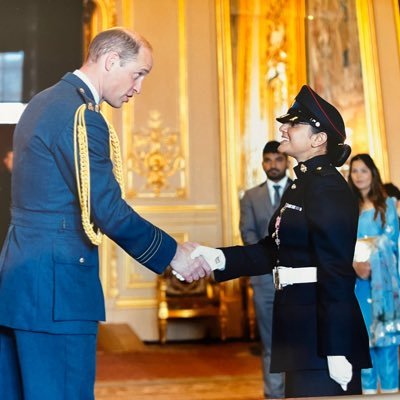
Great day at The National Running Show at the National Running show- The Home Of Runners! 🏃🏃🏃♀️🏃♀️
Exploring the latest in running tech, connecting with brands, and soaking up inspiration from fellow runners and industry experts. There’s something energizing about being surrounded by thousands of people who share the same passion for putting one foot in front of the other.
Attending with my husband made it even better comparing notes on gear, picking up training tips, and getting motivated for our next race goals.
If you’re passionate about running or looking to start your journey, events like this are a brilliant reminder of just how supportive and welcoming the running community is.
#NationalRunningShow #NEC #Birmingham #RunningCommunity #Fitness Wellness TheHomeOfRunners @themightysingh1


English
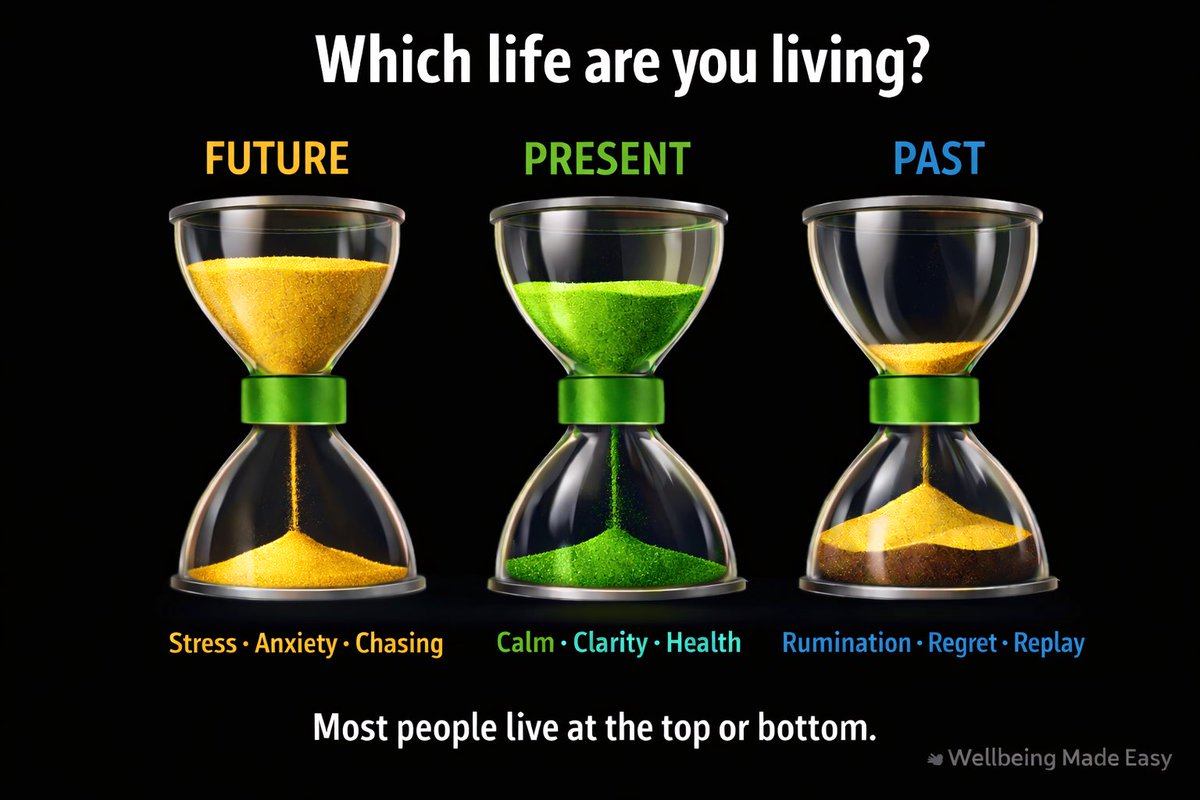
⏳Quick thought.
‼️Which life are you living most days❓
👉Top = future
👉Bottom = past
👉Middle = right now
Image or short video explains it better than words.
I’m working on spending more time in the middle ⏳
If you are too,share this. It might help someone else pause.♻️
English

Day 5/30
Will I make the 30Days!?
@sigowing on instagram
#30daysuperfans #30videos30days
@PatFlynn Challenge and Inspo 🎖️🙏
English
@drchatterjeeuk @Channel4News Great work and thanks! HNY and awaiting FB “4 Pillar” group post acceptance. Also registered for Do H and got your new book 🤛🏾👍⚔️🎖️
English
@SiGowing @Channel4News Thanks Si. Hope you enjoy 🙏🏾
English
8pm 🇬🇧 Tonight @Channel4News with @drchatterjeeuk 👇
Dr Rangan Chatterjee@drchatterjeeuk
We are an over-medicated country. The number of prescriptions we give out has increased by 80% over the past 20 years. That would be amazing news if all of these extra prescriptions were working and helping people improve the quality of their lives. But, in many cases, they are not. 80-90% of what we see as doctors is in some way related to our collective modern lifestyles. That is NOT putting blame on people. I understand that modern life is tough and many people find it hard to do the things that they would ideally do to promote good health and wellbeing. However, that does not mean that more pills is the answer. We will not medicate our way out of the current healthcare crisis. There is another way and tonight on @Channel4 at 8pm, I showcase part of the solution to the British public. I look at 3 chronic conditions that are costing the NHS a fortune: type 2 diabetes, depression & chronic pain, and show examples of people who have completely healed and reversed their conditions WITHOUT the use of medication and by making changes to their lifestyle. The term ‘lifestyle’ is possibly not ideal here. Many people take that to only mean eating healthily and exercising. And whilst food choices and movement are part of the picture, they are not the entirety of it. When I say 'lifestyle', yes I mean things like food and movement, but also things like sleep, stress, fasting, breathing techniques to regulate one’s nervous system, mindset shifts & finding purpose in your daily life. This topic seems to trigger a lot of people, so let me try and make a few things clear. When I say we are overmedicated, it does NOT mean that drugs have no use. Clearly they do. Modern medicine is fantastic at certain things. But it is not good at everything. In my view, where possible, we should not be using mediation as first line treatment for problems that are driven by the way we are living our lives. Of course, informed consent & patient choice is essential here. Secondly, this does not mean that poverty and socio-economic status do not play a role in health. Some people are absolutely going to find making changes more difficult because of their life situation. I am fully aware of the research showing the relationship between health outcomes and socio-economic status. However, we should NEVER assume that people cannot make changes because of their life circumstances. For 7 years, I worked in a practice in Oldham where the vast majority of patients were of low socio-economic status. They had difficult lives and were not earning much money. Despite that, I was still able to help many patients there reverse their type 2 diabetes and eliminate their depression and anxiety without using medication. It is absolutely possible and the narrative that only people living middle class lives can benefit from this approach is condescending and wrong. Never assume what changes a person is willing to make when they are treated like an equal human and given the right advice for them in a compassionate and respectful way. Will everyone be able to make those changes? Of course not. But a lot of people will. Yes, we should be advocating for social change that can improve the lives for all. And, at the same time, we can also teach people the simple, free things they can do which will help them with their health. These things are not mutually exclusive and can co-exist together. My new TV documentary is called ‘Live Well With The Drug Free Doctor’ and airs tonight on @Channel4 at 8pm. If you can’t watch live, you can go to Channel 4 On Demand and watch on catch up. What do you think? Are you planning on watching the show tonight? Let me know your thoughts below!
English
@pardeep19922328 Love it!!! Noted-watching, you got this- good luck and go for it!!!!
English
@HussainIbarra @thedankoe Wow! Well done pal, v inspiring! Thanks for sharing 🤛🏾 and huge congratulations!!! Q- if you would have followed the One Pager earlier on, what would this have done for you? 👈🏼
English
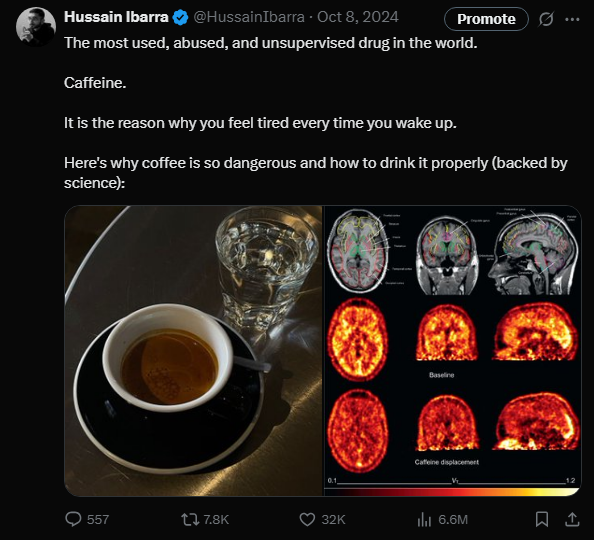
@thedankoe In 24 hours, my thread got:
• 6,600,000 views
• 2,000 followers
• 32,000 likes
I officially "cracked the code" of going viral.
Then I kept going viral week after week.
In 50 days, I gained 18,000 followers.
Nothing happens for a while, then everything happens at once.
English
I'm 23.
3 years ago I was broke and making less than $500/month.
But this year I've made over $30,000 writing on X.
Here's my story and 9 lessons that changed my life:🧵
(Story gets bumpy, wild, and crazy)...
English
@pardeep19922328 Well done champs, nice and steady wins the race, take your time, no rush- quality is better than nothing quantity esp at this early days, don’t let the new years goals force you to go faster! I’m doing 🎅 Aldershot ParkRun Xmas day if around. If not Merry Xmas and catch up in 26
English
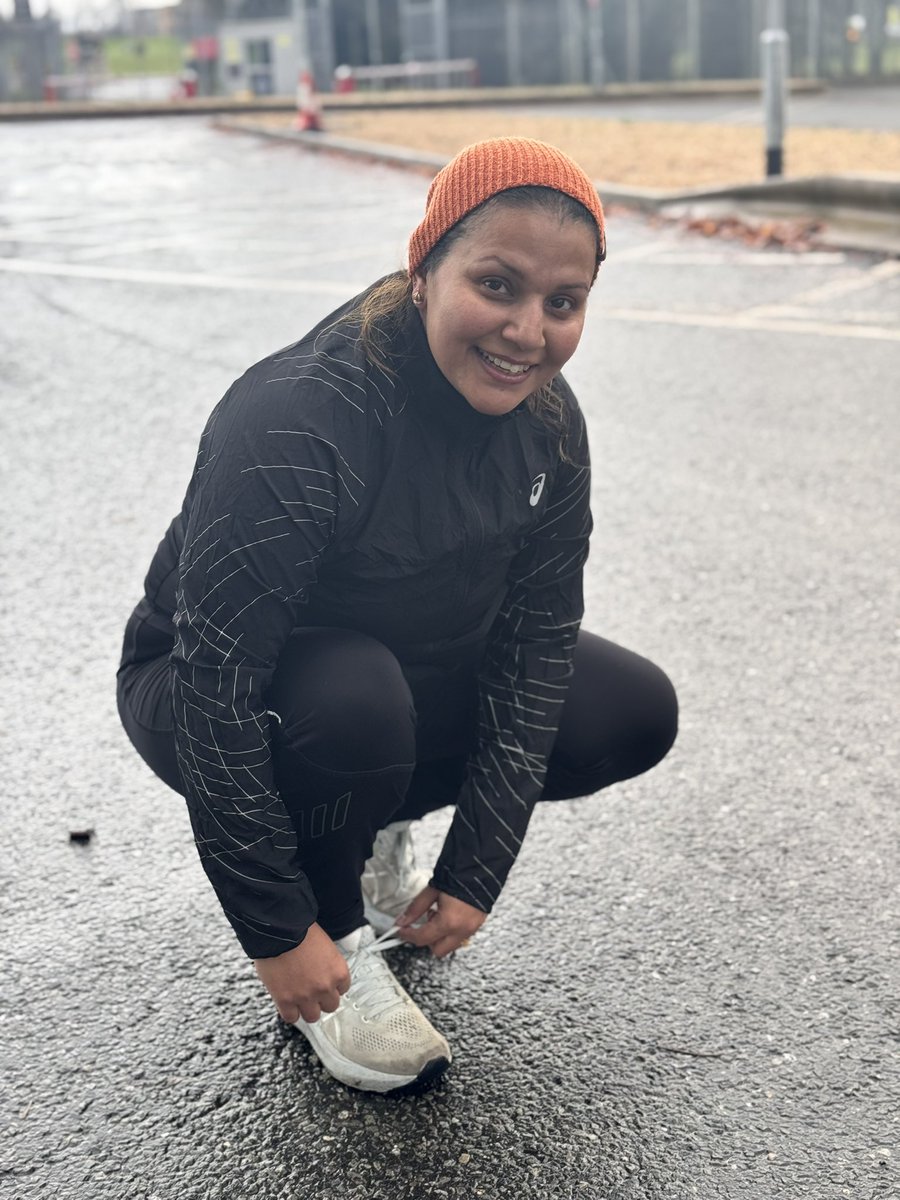
2 km run today. It was an amazing start to the day began with some path (prayer) time and then went for a run.
Running alongside my partner made it even more special. It feels really good to be getting back into running and rebuilding the routine.
What’s most motivating is that I’m slowly getting close to SCA timings (Soldier Conditioning Assessment – Army fitness test). Taking it step by step feels right.
Finished the session with core and strength work: dead bugs, shoulder taps, planks, heel taps, glute bridges, and sit-ups. #fitnesscheck #FitnessMotivation #postpartumfitness #runners
English
QME

@SiGowing @pardeep19922328 @AlastairBruce_ @ArmySgtMajor @ArmyInstrSchool @RMASandhurst Thank you for sharing 🙏 We’re glad you enjoyed it.
English
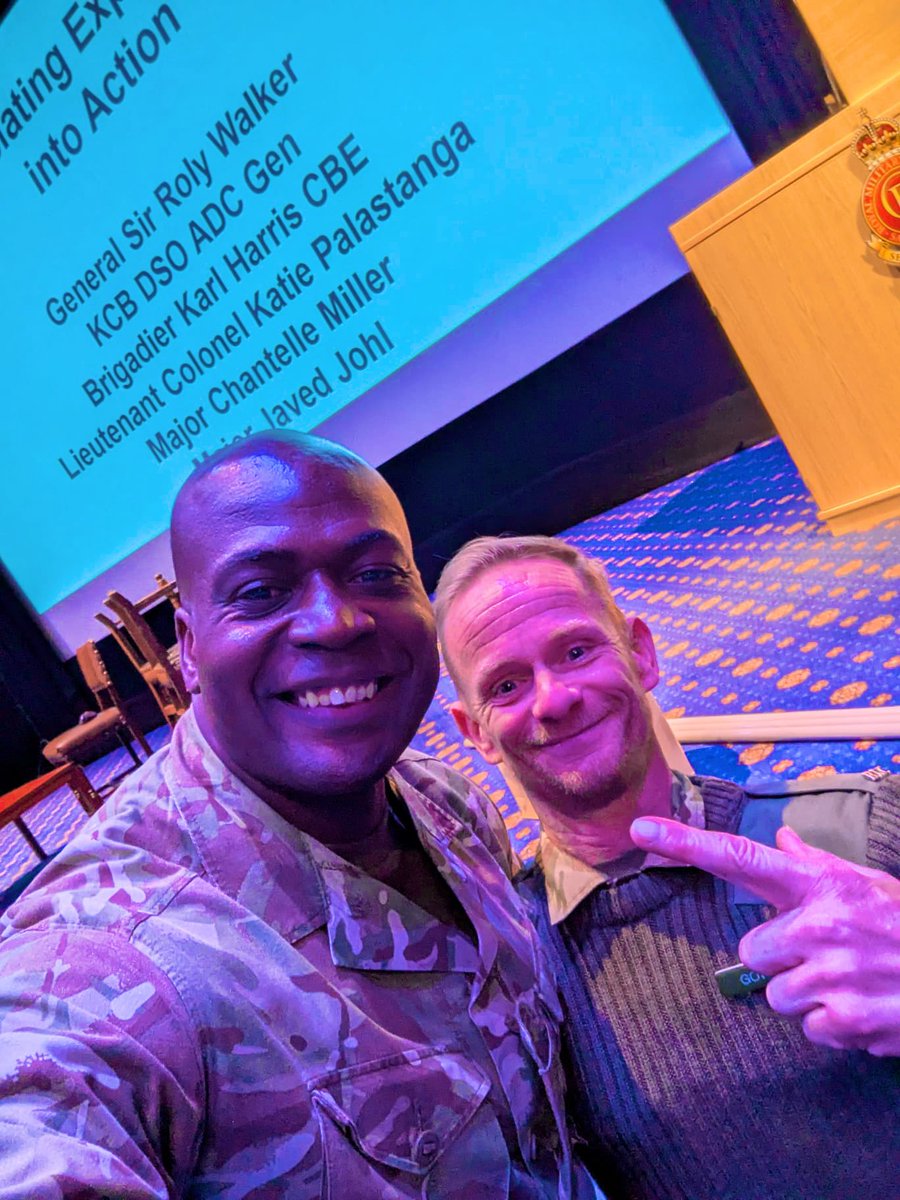
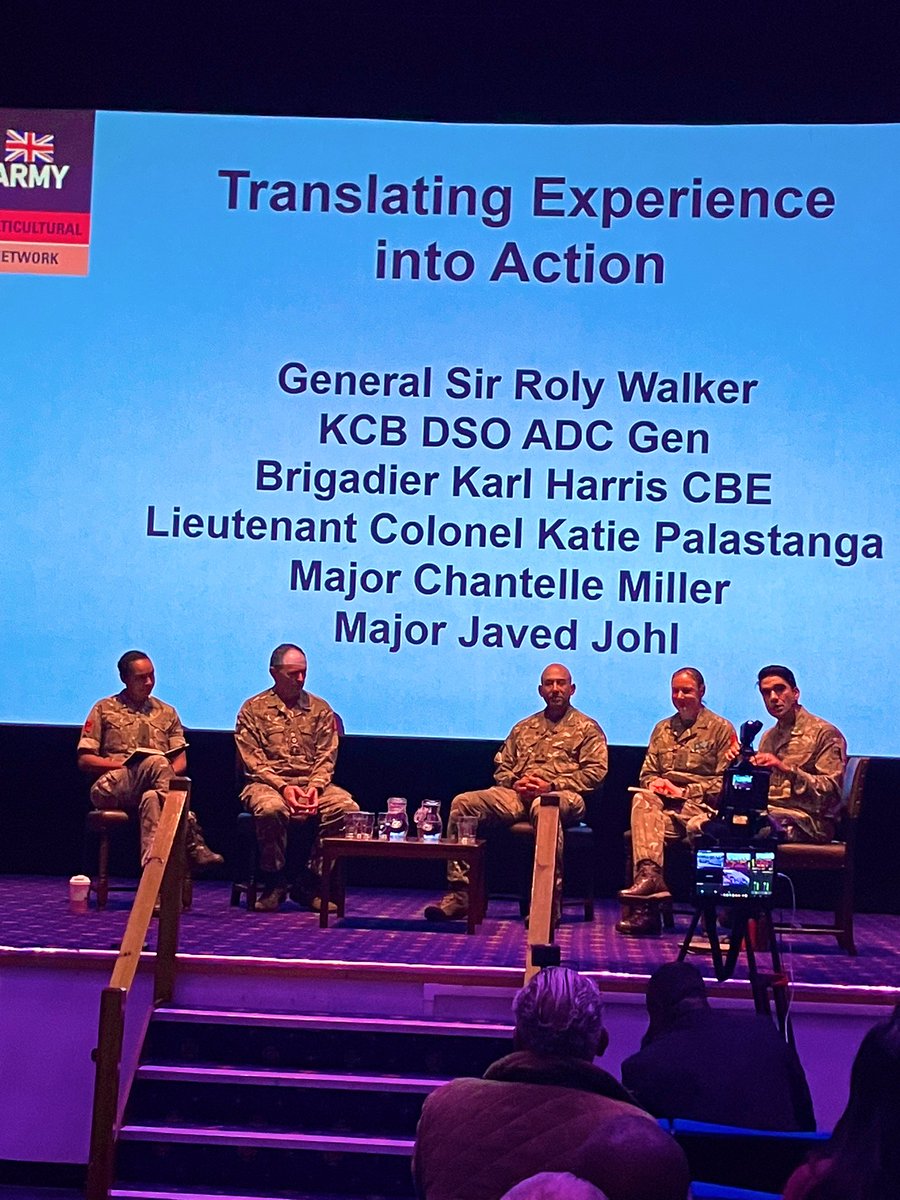
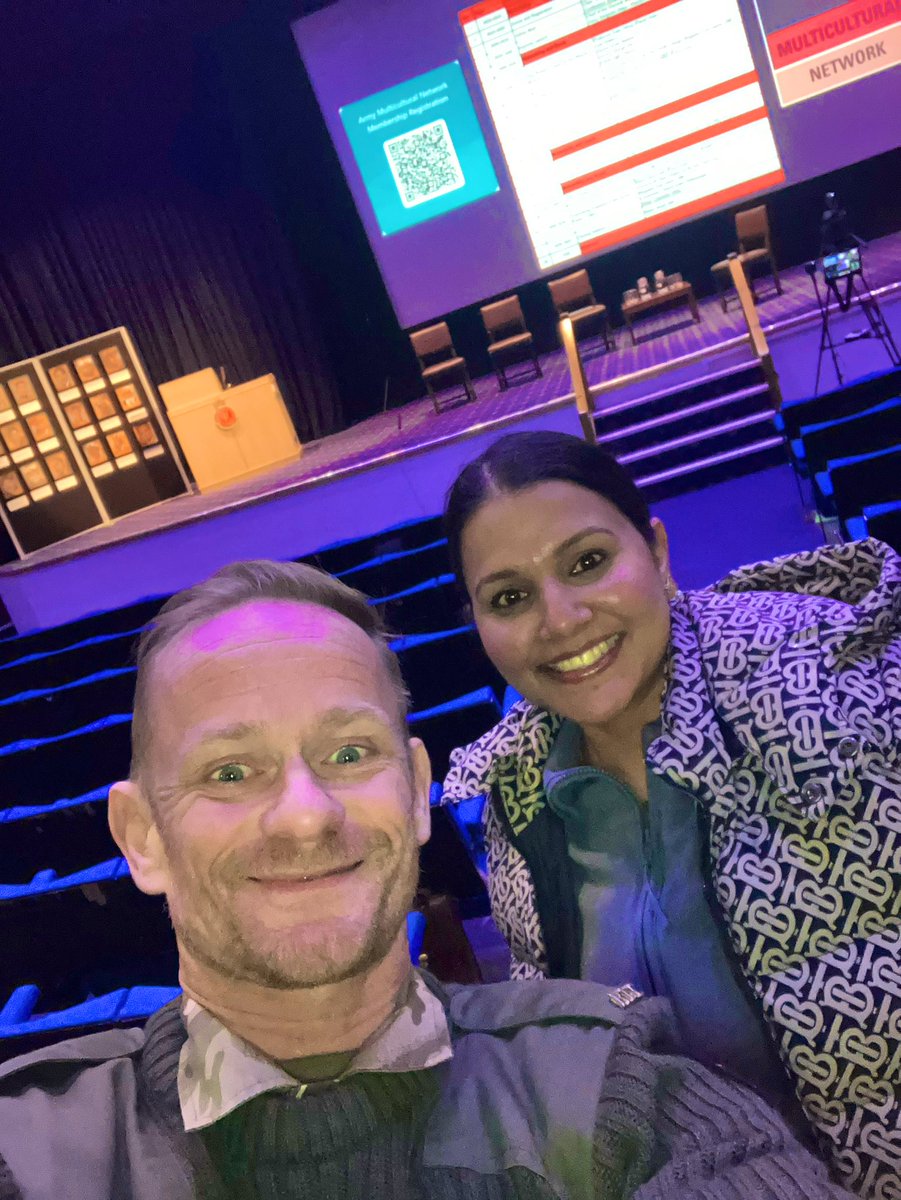
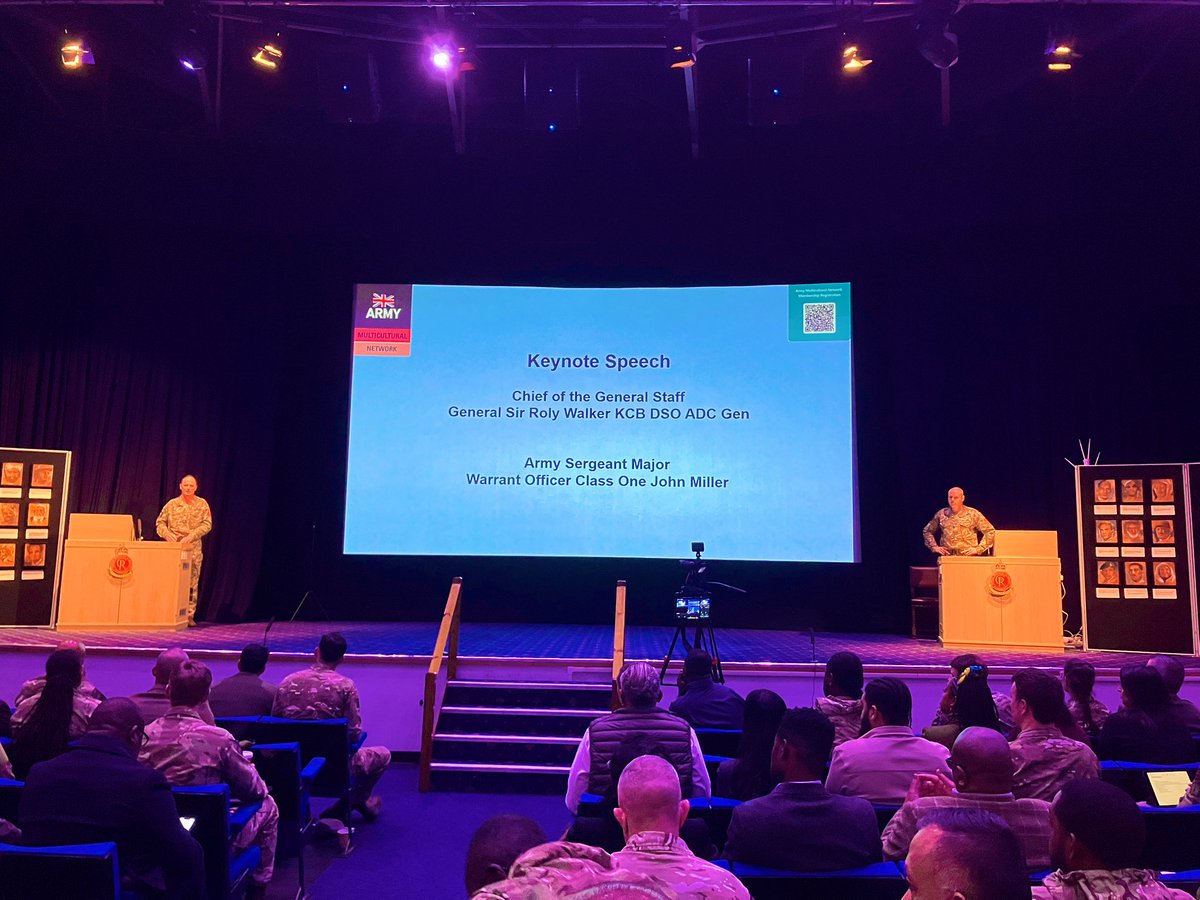
Still buzzing fm today’s @Army_MCN Conference RMAS.
Leadership = head, hand, heart.
Belonging = first principle.
MCN = no ego, just connection.
From Ypres to RMAS—2 events in 6 weeks. Not just a midlife moment (50 in April!)… this is community.
Let’s do more, for more ❤️🙌🧠
English