
Sabitlenmiş Tweet
Anke
84.9K posts

Anke retweetledi
On January 26, 1972, the cabin of JAT Flight 367 hums with the dull roar of engines at 33,000 feet. Passengers settle into their seats, the monotony of cruising altitude lulling them into that peculiar airborne calm. Then, without warning, the sky tears open.
An explosion rips through the fuselage. Metal screams. The aircraft doesn't descend. It disintegrates. Pieces of the DC-9 scatter across the frozen Czechoslovakian mountains like confetti in a blizzard. Forty-six souls aboard, vanished into the winter air.
Except one.
Vesna Vulović, 22 years old, barely a year into her job as a flight attendant, plummets six miles toward earth. No parachute. No wings. Just a young woman inside a fragment of twisted aluminum, falling through clouds at terminal velocity. Every law of physics, every precedent in aviation history, says she cannot survive this. The human body isn't built to withstand such forces. The impact alone should pulverize bone, rupture organs, extinguish life instantly.
But the mountain had other plans. The fuselage section containing Vesna slams into a steep, heavily wooded slope. Ancient trees absorb some of the kinetic energy. Deep snow cushions what the forest couldn't catch. When rescuers finally reach the wreckage, they find her wedged inside the debris, unconscious but breathing. Skull fractured. Spine shattered. Legs broken in multiple places. She's in a coma, teetering on the edge of death.
Yet she wakes up. And against every medical prediction, she survives.
The investigation pointed to a bomb, likely planted by Croatian extremists, though conspiracy theories swirled for decades. But the real mystery isn't political. It's biological. How does a human body endure what should be mathematically impossible? Vesna spent months in recovery, learning to walk again, piecing her life back together. She returned to work for the airline, not flying, but refusing to let the fall define her completely.
Guinness World Records immortalized her feat as the highest fall survived without a parachute. The record stands untouched, a testament not to luck, but to the astonishing, terrifying resilience hidden inside our fragile frames. Vesna lived until 2016, carrying the weight of that day, and the impossible story that made her a legend.
Vesna remained in a coma for 27 days after the crash. When she finally regained consciousness, she had no memory of the flight, the explosion, or the fall itself. Her last memory was greeting passengers as they boarded in Copenhagen. Doctors believed this amnesia may have been her mind's way of protecting itself from the trauma.
She was temporarily paralyzed from the waist down, but through grueling physical therapy, she eventually regained the ability to walk, though she walked with a limp for the rest of her life. Despite the horrific ordeal, she continued working for JAT Yugoslav Airlines for many years, though in an administrative role rather than as a flight attendant.
Bruno Honke, a Czech villager and former medic in World War II, was the first person to find Vesna in the wreckage. He heard her moaning and kept her alive until rescue teams arrived. Without his training and quick action in the remote mountains, she likely would not have survived long enough to reach a hospital. Another remarkable detail: Vesna was not originally scheduled to be on that flight. She was mistaken for another flight attendant with a similar name and was sent on the trip by error.
#drthehistories

English

@singdeinlied @destinyinfobase Mal schauen, ob ich die auf youtube finde.
Deutsch

Wie hieß die Fernsehshow die von Rudi Carrell moderiert wurde?

Deutsch
@berlin_esc @destinyinfobase Die Doku bis kurz vor seinem Tod lohnt sich auch.
Deutsch
@destinyinfobase Ich gucke mir gerade am laufenden Band alle Folgen auf youtube an.
Deutsch
Ich finde immer schade, wenn Frauen sich inszenieren. Das könnte sonst ein schönes Foto sein.
Art Encyclopedia@artenpedia
Archangel, oil on wood 24x30in, Catherine Graffam
Deutsch
Anke retweetledi


Anke retweetledi


Anke retweetledi

King George V and Tsar Nicholas II in German military uniforms, 1913.

Deutsch
Anke retweetledi

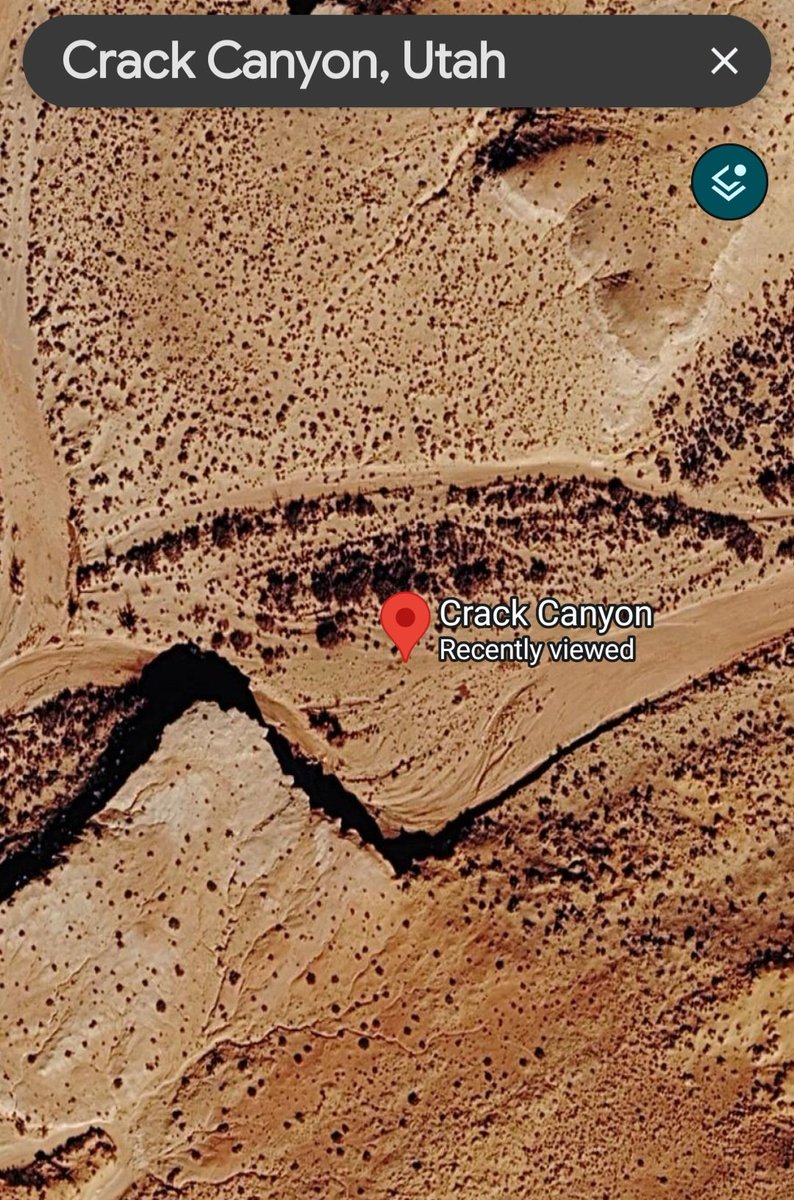
Anke retweetledi
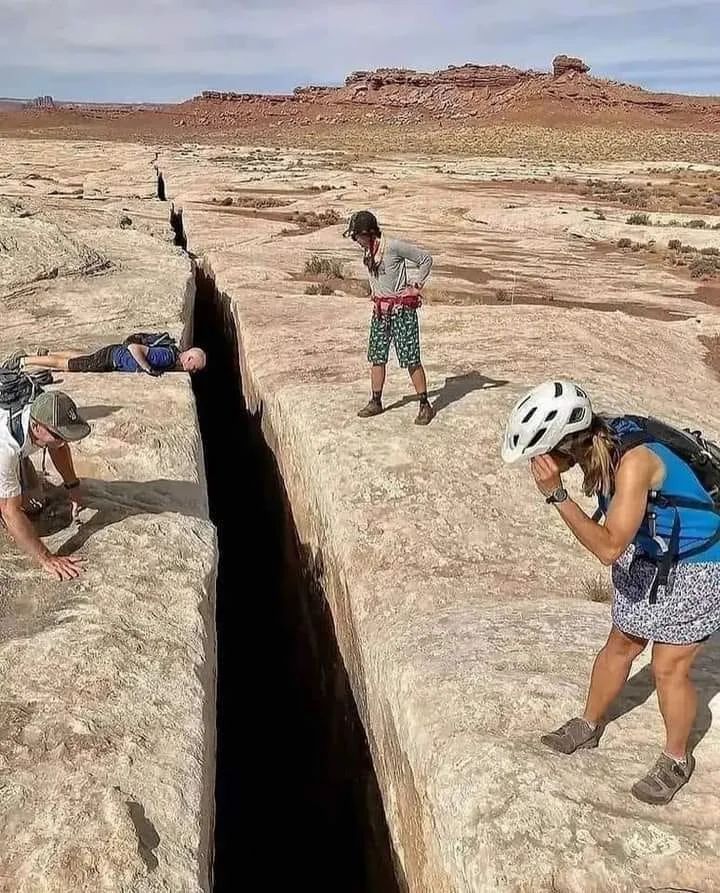
The Black Crack, a 65-foot-deep fissure along a trail in Canyonlands National Park in Utah.
English
Anke retweetledi

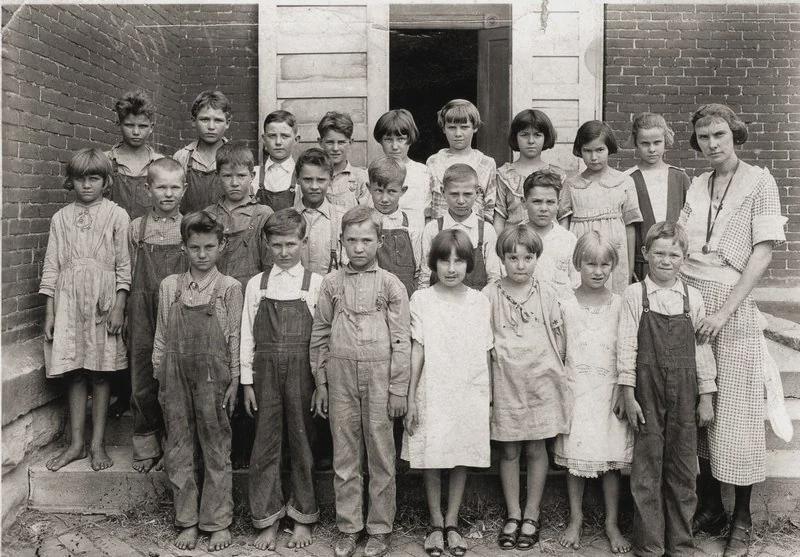
Class photo, Missouri rural school in the 1920s. Many bare feet.
English
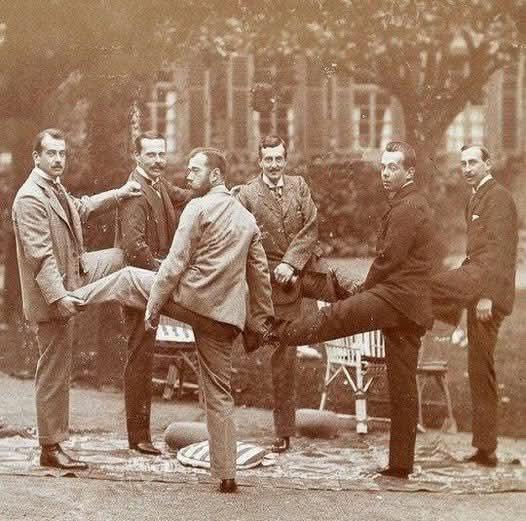
European Royalty, from left to the right Grand Duke Boris Vladimirovich, Grand Duke Ernst of Hesse, Nicholas II, Grand Duke Cyril Vladimirovich, Grand Duke Andrei Vladimirovich and Prince Nicholas of Greece & Denmark. Germany 1899....doing something
English

Anke retweetledi


Anke retweetledi


Anke retweetledi

Anke retweetledi


Anke retweetledi


Anke retweetledi

This is one of my favourite lanes in the Peak District, and I walk along it most weeks with my dog. He loves snuffling in the years of fallen leaves at the side of the walls; I love admiring the statuesque trees and soaking up the peace. It's the place where I see woodpeckers and rabbits and deer in the mornings, where I always hear my first cuckoos of the year, and where the trees change from hour to hour, not just season to season. We are so lucky to have thousands of such lanes in England. The joy is in finding yours, wherever you are, and I hope it always brings you as much peace as this one brings me.
©Peaklass, all real, no AI

English
Anke retweetledi

'Apple Blossoms at Winchester, Virginia'. Photographed in 1926.

English
@DoctorLemma ❤️Die Bilder zeigen allerdings, dass die Rettung anders vor sich ging. Alle wurden zusammen gerettet!
Deutsch

In June 2016, a dog fell into the Sayran reservoir in Almaty, Kazakhstan, and could not climb out. The concrete walls were too steep and too slippery.
A man climbed down to help. Then he could not get back up either.
Strangers stopped. Nobody organised anything. Nobody was asked. One person grabbed another person's hand, who grabbed another, who grabbed another, until a human chain stretched down the wall to the water below. The last person in the chain reached down and pulled the dog out. Then they pulled the man out.
Someone filmed it from the opposite bank. Nobody in the video was ever identified.
Last week, on March 22, 2026, a bronze sculpture was unveiled on the bank of that same reservoir at the exact spot where it happened. It was created by Yerbosyn Meldibekov, one of Kazakhstan's most celebrated contemporary artists, whose work is held in museums in Antwerp, Hong Kong, Singapore and beyond. The sculpture shows a chain of figures holding onto one another. The hand of the last figure extends deliberately beyond the railing so that any passerby can reach out and take hold of it.
English