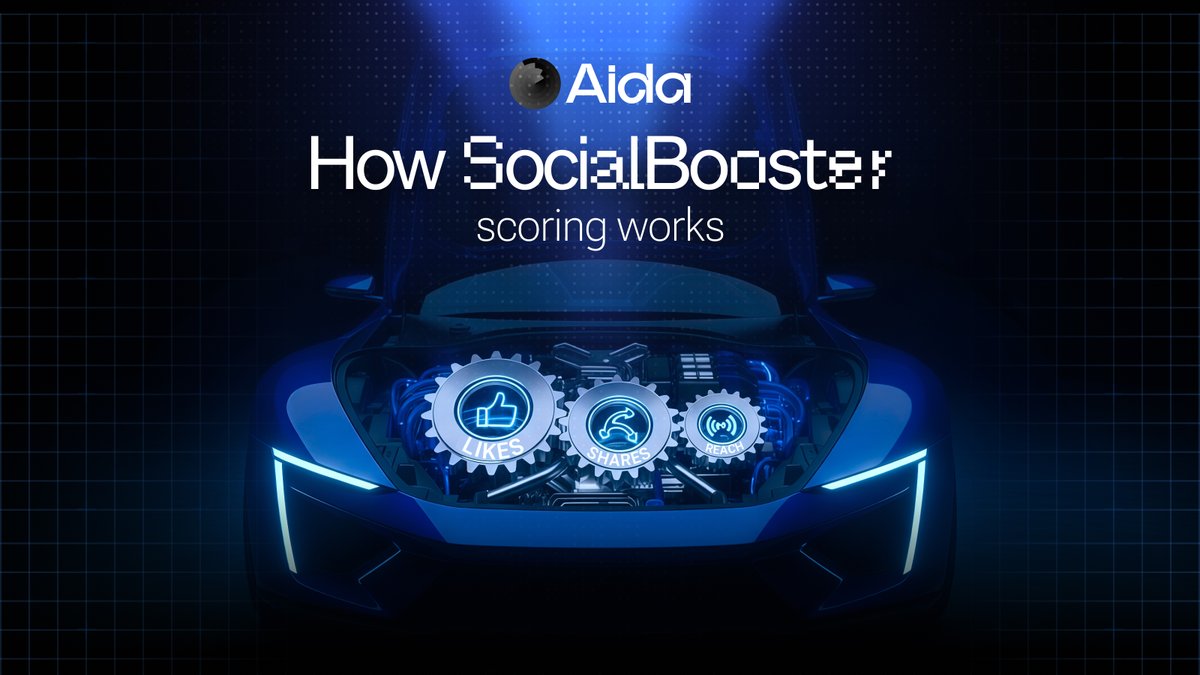
After using Social Booster for a bit, it is only natural to wonder how it really works underneath. If you have spent some time with it, you have probably asked yourself what is actually going on behind it.
A lot of people assume it is just about pushing content out, but that is not really the case.
Under the hood, it works more like a scoring system than a simple campaign tool.
Every profile builds a reputation over time based on what it actually does. Not just posting, but how that content performs, how consistent the activity is, and how real the interactions look.
There is a formula behind it that weighs all of this, so not every account is treated the same. Someone who has been active, consistent, and driving real engagement will naturally carry more weight than a fresh or low quality account.
We also track patterns that usually point to bots or artificial activity, so inflated numbers do not get rewarded the same way. The idea is to make sure visibility comes from real participation, not just volume.
In the end, it is less about who posts the most and more about who actually brings attention that matters.
You want to see how it works in practice or how your activities are evaluated in real time, you can try here - my.aidapp.com/social-booster/
A lot of people look at AIDA and think there is too much going on or that it might be complicated to understand at first.
But when you break it down, it is actually pretty straightforward.
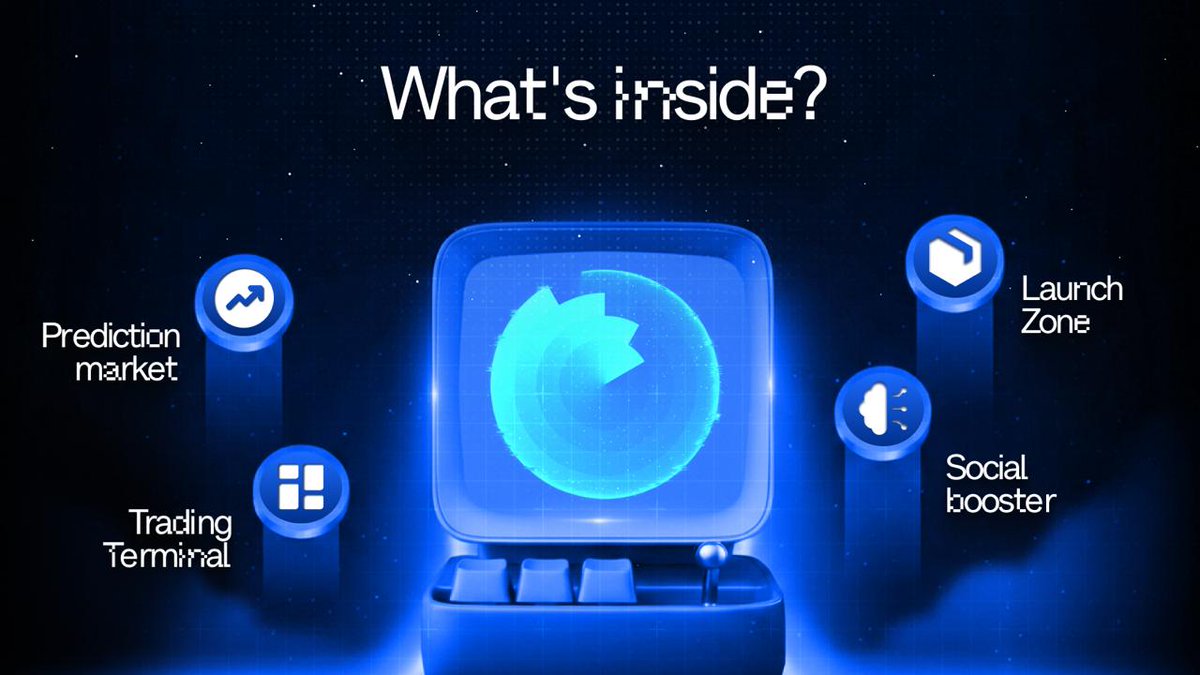
At the core, it comes down to four parts that all connect with each other in a simple way.
- LaunchZone is where things start, where you can create and launch.
- Prediction Markets are where people take positions and express what they think will happen.
- Social Booster is where attention builds and projects get visibility.
- And the Trading Terminal is where all the activity comes together and trades happen.
Each part has its role, and once you see how they fit together, the whole system starts to feel much more intuitive.
If you were wondering how AIDA works, this is really all there is to it.
Polymarket had it right all month.
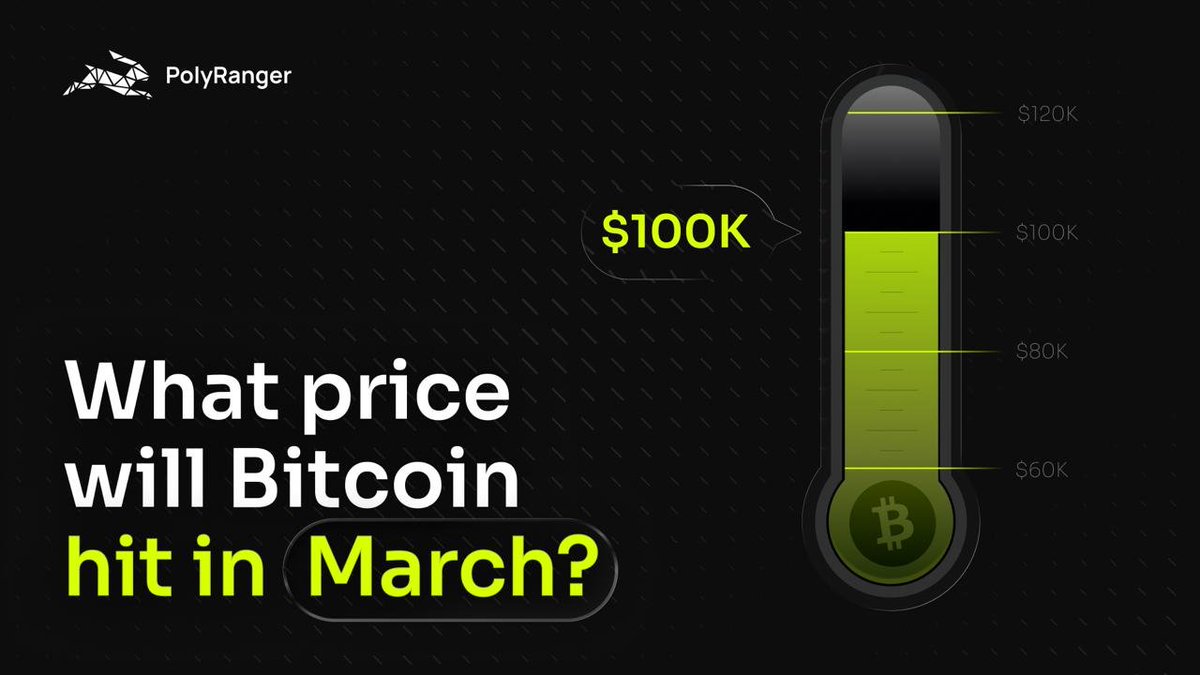
$75.5M said BTC hits $75K in March → 100%.
It did.
Now March 26:
→ Dipped below $70K → confirmed 100%
→ Recovery above $71K by midnight → 50/50
Market's telling you: support is being tested.
50/50 bounce = no conviction either way.
Perfect range to trade. $70K floor or break.
→ polyranger.io
Everyone argues about what's gonna happen next.
Prediction markets are when you actually put money behind it.
You buy shares in an outcome you believe in. The price shows what the crowd really thinks.
You're right = you earn. You're wrong = at least you find out fast.
Polymarket has been hitting 80-90% accuracy on major events btw. More accurate than polls, more accurate than analysts.
People get way smarter when their own money is on the line.
PolyRanger is here to see what people actually think about crypto, DeFi, and everything around it.
polyranger.com
We have SocialBooster on AIDA!
Attention in crypto moves quickly, and when more people start focusing on something, it often leads to actual participation. SocialBooster helps you see where that attention is building, how it is spreading, and what people are actually paying attention to.
It runs on AIDA’s system, which takes ideas that have worked on platforms like Zealy and Galxe and pushes them further.
AIDA has processed over $30M in trading volume and 400,000+ transactions, with hundreds of thousands of users actively posting, trading, and taking part every day, so what you see on the platform reflects ongoing user involvement, not just passive views.
SocialBooster makes it easier to see where attention is moving and what people are choosing to engage with.
my.aidapp.com/social-booster/
Prediction markets belong inside real ecosystems.
That’s why we’re partnering with @polyrangercom 🧠⚡️
We’re integrating PolyRanger directly into the AIDA ecosystem and bringing prediction markets into real user activity.
Trade native + external markets across chains without switching apps. Find opportunities, compare prices.
People here don’t just watch: they trade, click, launch and compete.
Now prediction markets become part of that flow.
More coming 🚀
Being early in a narrative market has always created an advantage. When a new idea starts gaining attention, the first people who recognize it usually benefit the most because prices have not yet adjusted to the level of interest that is about to arrive.
The pattern appears again and again in financial markets. When Bitcoin first crossed $1,000 in 2013, very few people believed it could become a trillion-dollar asset. Ten years later it passed $1T in market value, rewarding the earliest believers who acted before the wider market understood the narrative.
The same dynamic appears in prediction markets. Early traders often react to information before it becomes obvious to the broader public. As new data spreads through media, social platforms, and news cycles, more participants enter the market and prices begin adjusting to reflect the new consensus.
This is why narrative markets move so quickly. Attention forms first, belief follows, capital enters, and probabilities shift as more people participate. In active markets, even a 10-20% change in probability can happen within hours when new information spreads.
Understanding narratives early does not guarantee being right, but it gives participants more time to evaluate information, compare probabilities, and decide whether the market is mispricing an outcome.
You can follow how narratives evolve in real time by watching aggregated prediction markets directly inside AIDA and seeing how probabilities move as new information reaches the market.
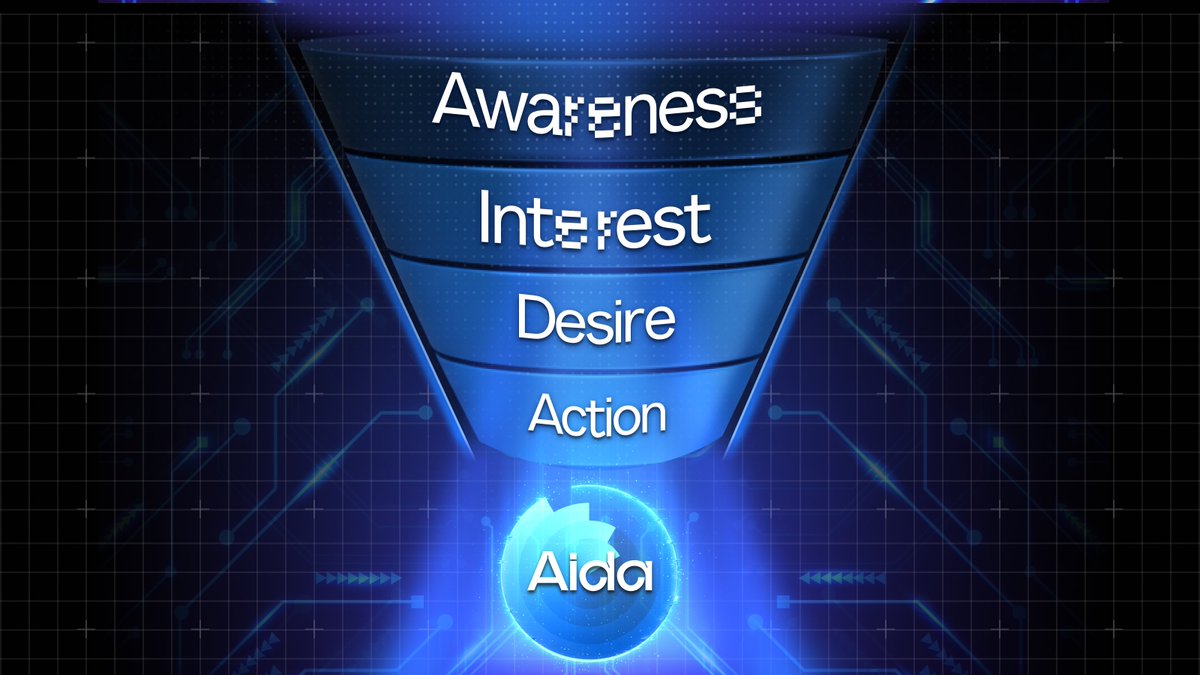
Markets usually move in a simple way. Something gets people’s attention, they form a view on it, put money behind that view, and the price starts to reflect what the market believes.
Attention is where it all begins. And events such as a political race, a championship game, a tech launch, or major breaking news can suddenly draw huge interest. On large social platforms, a trending topic can attract hundreds of thousands or even more than 1M views within a few hours, which means a large number of people are now focused on the same question.
As attention grows, people start forming their own views about what is likely to happen. Some believe the odds are lower, others think they are higher. In prediction markets, those views show up directly in prices, and when an outcome trades at 40%, 60%, or 75%, the market is simply showing how participants currently judge the probability.
Interestingly, those views turn into action when people start trading, and large prediction markets can attract tens of thousands of participants and generate millions of dollars in volume around a single question, and each trade reflects someone backing their judgment with capital.
As buying and selling continue, the price keeps adjusting and becomes a live signal of what the market believes at that moment. What began as attention eventually turns into a measurable probability shaped by thousands of independent decisions.
You can now see this process in action and follow aggregated prediction markets directly inside AIDA to watch how probabilities change in real time.
Analysts, influencers, and sentiment dashboards all try to predict what will happen next, but prediction markets often perform better because they gather information in a different way. Instead of asking people what they think, these markets ask them to trade on it.
In a prediction market, each outcome is represented by a price that reflects probability. If a contract is trading at 70%, the market is effectively saying there is a 70% chance that event will happen. As people buy or sell based on new information such as economic data, sports results, political developments, or technology announcements, that probability updates in real time.
Because every trade involves real money, participants tend to research more carefully and respond faster when facts change. This constant adjustment helps the market absorb new information quickly and turn thousands of independent views into a single probability.
The results are measurable, and the model has grown rapidly in recent years. Platforms such as @Polymarket have processed more than $1B in cumulative trading volume across thousands of questions covering politics, sports, entertainment, and global events. Instead of relying on a few analysts or trending posts, prediction markets combine the judgment of many participants and translate it into a live forecast.