
Sanjay
11.6K posts


Sanjay
@sn_jayyy
Building https://t.co/YnOuI2XBkl • Helping business owners add extra 10-15 qualified leads in 30 days
Book a call → Katılım Nisan 2023
194 Takip Edilen295 Takipçiler

10 ways we've used AI to run and scale our agency and the actual tools you need for each one.
All of these actually work.
Bookmark this.
𝟭. 𝗗𝗿𝗲𝗮𝗺 𝟭𝟬𝟬 𝗼𝘂𝘁𝗿𝗲𝗮𝗰𝗵
→ Pick 100 companies you'd love to work with.
→ Use Manus/Claude Cowork to research
→ Use Lovable to build a custom deliverable
→ Use Claude Cowork to write and send the personalised email sharing it.
"Built this for [Company]. Want it?"
Crazy reply rate. Works for any service.
𝟮. 𝗢𝗳𝗳𝗲𝗿 𝗰𝗿𝗲𝗮𝘁𝗶𝗼𝗻 𝗳𝗿𝗼𝗺 𝗰𝗼𝗺𝗽𝗲𝘁𝗶𝘁𝗼𝗿 𝗰𝗼𝗺𝗽𝗹𝗮𝗶𝗻𝘁𝘀
→ Use Claude Chrome extension to scrape your competitors' G2 and Trustpilot reviews.
→ Find what their customers hate.
→ Get 3-5 front-end offers that fix the gaps they're missing.
Stop guessing what to sell.
Let AI tell you what the market already wants.
𝟯. 𝗖𝗼𝗹𝗱 𝗲𝗺𝗮𝗶𝗹 𝗰𝗼𝗽𝘆 𝘃𝗮𝗿𝗶𝗮𝘁𝗶𝗼𝗻𝘀 𝘀𝗼 𝘆𝗼𝘂 𝗱𝗼𝗻'𝘁 𝗴𝗲𝘁 𝗳𝗶𝗻𝗴𝗲𝗿𝗽𝗿𝗶𝗻𝘁𝗲𝗱
Same email sent 3,000 times gets flagged.
→ Use Claude Cowork or Claude Code to connect to the Instantly MCP (or your sending tool)
→ It changes your copy variations for you through their API without you doing anything.
Keeps you out of spam. Zero manual work.
𝟰. 𝗦𝗮𝗹𝗲𝘀 𝗰𝗮𝗹𝗹 𝗿𝗲𝘃𝗶𝗲𝘄𝘀 𝗮𝗻𝗱 𝗼𝗯𝗷𝗲𝗰𝘁𝗶𝗼𝗻 𝗵𝗮𝗻𝗱𝗹𝗲𝗿𝘀
→ Use Claude or Manus to connect to Fathom or Fireflies.
→ Pull your call transcripts.
→ Extract the 10 most common objections. Get a one-sentence response to each that reframes it as a reason to buy.
Turn it into a cheat sheet. Use it on every call.
𝟱. 𝗔𝗜-𝗮𝘀𝘀𝗶𝘀𝘁𝗲𝗱 𝗿𝗲𝗽𝗹𝘆 𝗺𝗮𝗻𝗮𝗴𝗲𝗺𝗲𝗻𝘁
→ Connect Claude Cowork to your Gmail inbox. → Have it draft responses to replies so it's easier for you or an inbox manager to handle.
Saves hours a day if you're managing multiple client inboxes.
𝟲. 𝗦𝗰𝗿𝗮𝗽𝗲 𝗽𝗿𝗼𝘀𝗽𝗲𝗰𝘁 𝘄𝗲𝗯𝘀𝗶𝘁𝗲𝘀 𝗹𝗶𝘃𝗲
→ Connect Claude Cowork or Claude Code to a website scraper like Cloudflare or Firecrawl.
→ It pulls branding, products, case studies, positioning from any site in seconds.
→ Research prospects before writing outreach.
Find the right angle. Understand a new niche in minutes.
𝟳. 𝗙𝗶𝗻𝗱 𝗻𝗶𝗰𝗵𝗲 𝗹𝗲𝗮𝗱 𝗱𝗮𝘁𝗮𝗯𝗮𝘀𝗲𝘀 𝗻𝗼𝗯𝗼𝗱𝘆 𝗲𝗹𝘀𝗲 𝗶𝘀 𝘂𝘀𝗶𝗻𝗴
Stop using Apollo for all your leads.
Use Manus AI or Claude Cowork to find niche databases.
State bar directories for lawyers. Clutch for agencies. Store Leads for e-commerce.
Millions of contacts that aren't getting 50 emails a day.
𝟴. 𝗕𝘂𝗶𝗹𝗱 𝗶𝗻𝘁𝗲𝗿𝗮𝗰𝘁𝗶𝘃𝗲 𝗹𝗲𝗮𝗱 𝗺𝗮𝗴𝗻𝗲𝘁𝘀 𝗶𝗻𝘀𝘁𝗲𝗮𝗱 𝗼𝗳 𝗣𝗗𝗙𝘀
Nobody reads your PDF. Use Lovable to build actual tools the prospect can use.
Live audit. Calculator. Competitor teardown.
Takes 20 minutes. Conversions went through the roof.
𝟵. 𝗔𝘂𝘁𝗼𝗺𝗮𝘁𝗲𝗱 𝗰𝗹𝗶𝗲𝗻𝘁 𝗼𝗻𝗯𝗼𝗮𝗿𝗱𝗶𝗻𝗴
Client signs. Payment goes through. Use Claude Code or Lovable to build this.
→ Automatically added to Slack.
→ Welcome message sent.
→ Onboarding video delivered.
→ Timeline of deliverables emailed.
No manual steps. Runs forever.
𝟭𝟬. 𝗙𝘂𝗹𝗹 𝗴𝗼-𝘁𝗼-𝗺𝗮𝗿𝗸𝗲𝘁 𝘀𝘁𝗿𝗮𝘁𝗲𝗴𝘆
Offer positioning. Ad creatives. Cold email copy. Landing page. Lead magnet. List building. Distribution.
Used to take 3 people and 4 days. Now it takes one person and an afternoon.
AI and cold email move fast. New tools. New ways to get results every week.
If you want to stay on top of what's actually working and see this stuff get set up in real time, that's what we do inside Closing Clients Group.
Link in bio to join
English

R.I.P LinkedIn ghostwriters.
Now I just use 83 plug-and-play templates.
Here’s a template system that removes the guesswork:
→ DM Templates to start conversations with buyers
→ Lead Magnet Templates that drive engagement
→ Viral Hook Templates to stop the scroll
→ CTA Templates that convert followers to clients
→ Profile Headline Templates that attract your ideal customer
→ AI Prompting Templates to 10x your output speed
→ About Section Template that builds instant trust
These templates helped me:
Cut content creation time by 70%
Build real relationships with prospects
Drive consistent engagement on every post
Want all 83 templates for 2026?
Reply "TEMPLATES" and I'll send them
English

just generated this clip in 2 minutes
1. record a vertical video of me speaking
2. use AI to generate an AI character (ex. blonde girl)
3. use AI to convert my voice to match the girl's voice
4. replace the AI character with me on the video
comment "character" and I'll send you the full SOP
English

I just filmed a 54-minute video covering everything I know about cold email copywriting & what actually books meetings in 2025.
(Fundamentals that apply to any B2B industry)
Here’s what I cover in this video:
> How to write winning email copy for any offer
> Top cold email frameworks that’ve generated us 10,000+ B2B leads
> Cold email script writing checklist for what creates good copy
> Examples of email offers that actually work
> Offer tiers & KPIs to expect for each kind of offer
Want access to the video?
👉 Like + Comment “Copy” and I’ll DM you the video link.
(Must be following to receive DM)

English
In the masterclass doc, I’ve outlined the exact GTM strategy & AI frameworks we’ve used to create 1,000s of top 0.1% outbound campaigns for our B2B clients.
Here’s each layer of campaign strategy I cover (written & video):
> Our 6-step AI prompting process for creating winning campaigns strategy
> How we’re performing deep market research for B2B with GPT-o3
> How to craft a winning frontend offer/lead magnet for campaigns
> Our exact workflow for campaign creation from Clay to EmailBison
> How we approach auditing campaigns for improving results
Want access to this document?
👉Comment “STRAT” and I’ll DM you the doc.
[Must be following to receive]

English
I just filmed a 33-minute video covering our 115-step automated GTM playbook we've used to generate 10,000+ leads for our B2B clients.
Here's what I cover in this video:
> GTM Research & development
> Finding niche databases with GPT-o3
> Qualification + enrichment Clay workflow
> Cold outbound offer creation
> Messaging angles development
> Email copy prompting w/ Claude Sonnet 4
> Email infrastructure for 98% deliverability
> CRM syncing for outbound leads
> n8n reply management workflow
> Proprietary lead database setup
> "Interested lead" nurture workflow
> Pre-call workflow for 70%+ show rates
> AI sales call transcript routing
Want access to the video?
👉 Like + Comment "GTM" so I can DM you the video personally.
(Must be following to receive)

English

My agency clients might hate me for this…
But I don't care.
I’ve recorded a 2hr 36 mins video series where I build a complete $1M Facebook ad campaign for a random subscriber LIVE.
20+ ad scripts. Full creative strategy. Listicles, advertorials, the whole thing.
We charge $10k/month to do this for clients…
But I'm giving you the entire process for FREE.
Reply "BUILD" and I'll DM you the full series
(Must be following)

English

There are only 4 funnel types you can use to reach and surpass $10k a month.
1. The Ascension Model
Think of it like a pyramid.
You start with a low-ticket offer ($50–$100), then move buyers up to a mid-tier course ($100–$250), and finally a high-ticket mentorship or mastermind ($250–$1,000+).
Each step increases trust, price, and customer lifetime value (LTV). The goal: fewer “yes” decisions, less friction, more profit.
2. The Basic Funnel
One product. One path.
Opt-in → Sales Page → Checkout.
You bring people in through lead magnets, then sell a single offer, no upsells, no fluff.
It’s a simple, clean cashflow machine that works perfectly for beginners validating their first offer.
3. High Ticket → Higher Ticket
You sell a $2,000+ program, then upsell those buyers into a higher-level mastermind or exclusive experience.
It’s for established creators or consultants.
This is where you turn a $2k sale into $10k+ clients, leveraging trust and results you’ve already built.
4. Downsell Funnel
The reverse model.
You start with a high-ticket offer, and for those who don’t buy, you downsell a smaller, cheaper version ($200–$500).
This recovers lost sales, expands reach, and marginally boosts LTV, turning “no’s” into “not yet’s.”
If you want to get a more in-depth explanation of this, the ideal landing page and what tools to use, I have created a doc breaking it down.
retweet & comment "funnel" and i'll send it over. (must be following for dms)
English
@thedanielfazio do you accept figma & building with code?
the speed and quality will remain the same.
English

We're hiring a full time Framer/Figma designer to help me personally build funnels for Client Ascension. This is a full time role, and you will be working with me directly.
This is a FULL TIME role.
You should have an interest & skillset around design, building in Framer, and conversion rate optimization.
If you're interested in applying, watch this Loom video here: loom.com/share/6afb124a…

English

I created my LinkedIn 39 weeks ago.
Easiest algorithm to crack by a country mile.
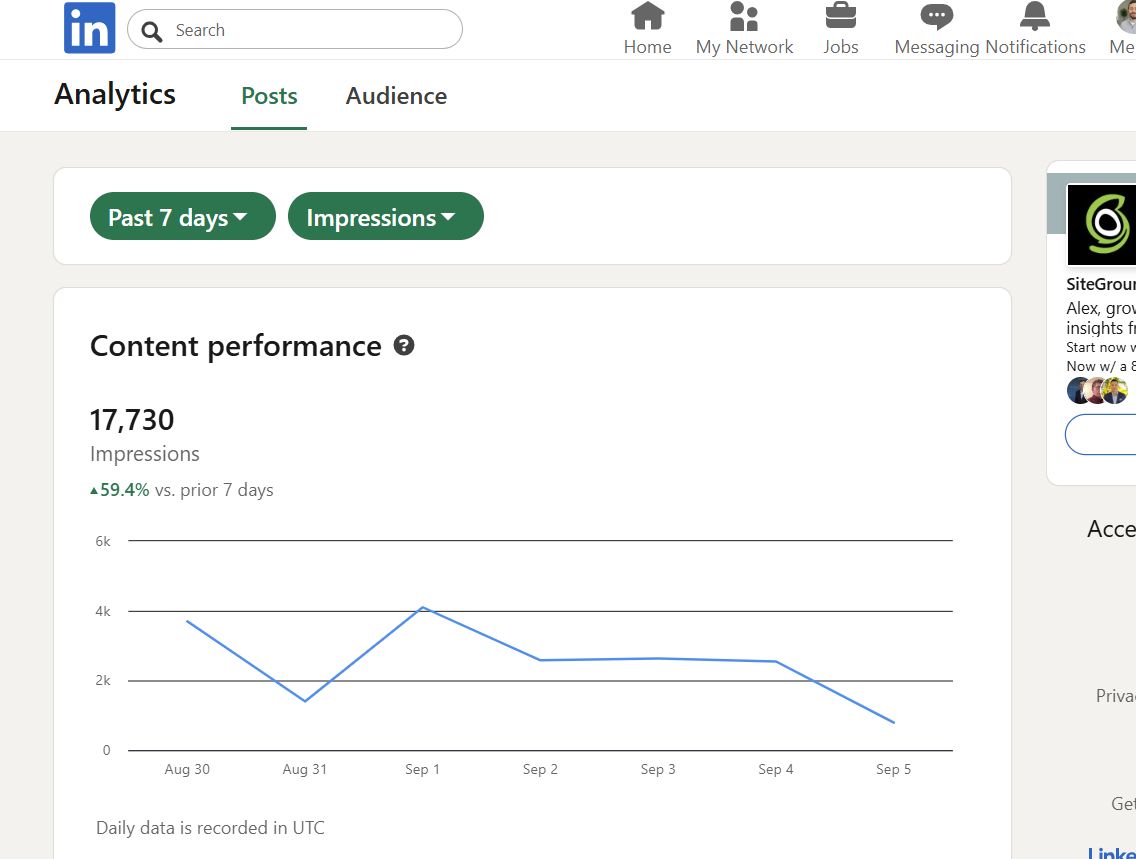
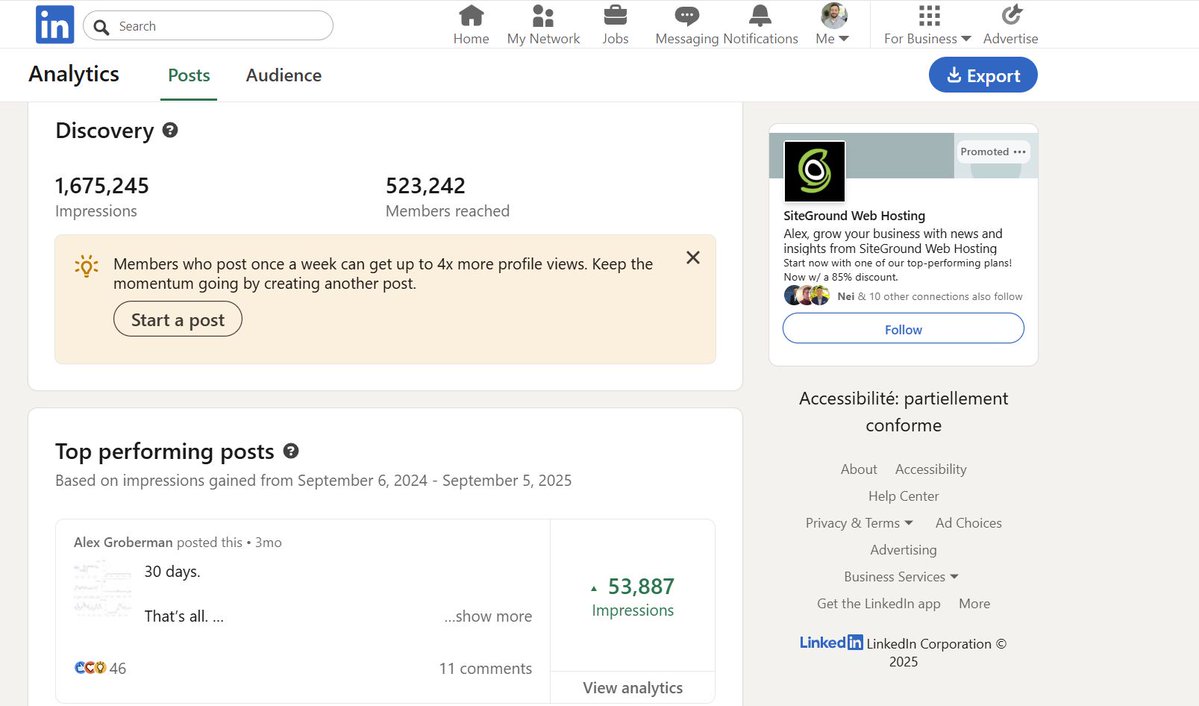
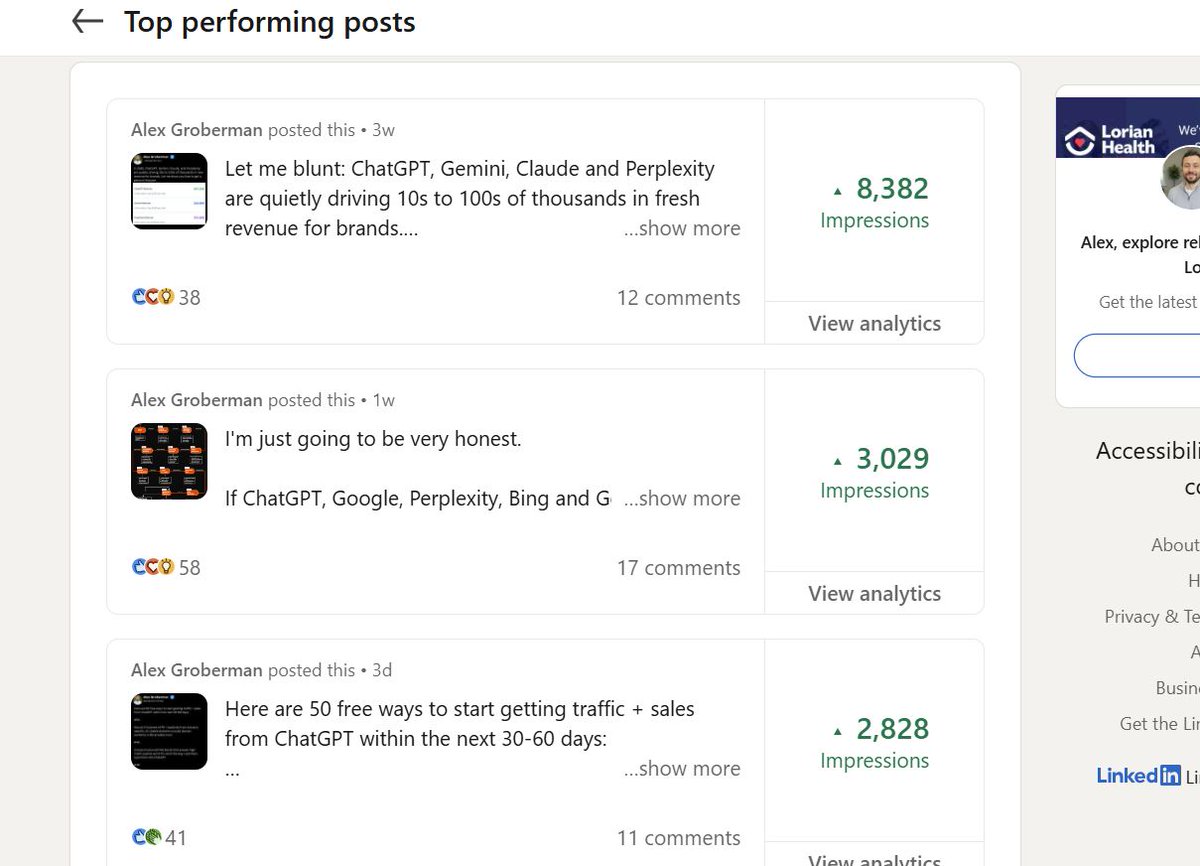
Since then I have added $70,000 to my agency pipeline, generated five figures this month for SEO Stuff, built 7,300+ connections, logged 1,675,245 impressions, and reached 523,242 members.
Steal my system and use it before they close the loopholes.
And if you want my full cheat sheet including updated engagement group templates, carousel strategy, and DM workflows:
Follow me
Repost this
Comment “X LinkedIn growth guide”
You must do all 3 to get the DM.
Alright, let's get into it,
LinkedIn keeps shifting. Here is what is driving growth today:
Proof plus POV remains the #1 driver of inbound.
Dashboards, analytics, and receipts combined with your unique perspective beat every other format.
Storytelling is outperforming pure how-tos.
Quick personal stories, client lessons, or small wins presented with proof are pulling stronger engagement than generic list-style advice.
First-hour engagement is now weighted more toward comments than likes.
Ten substantive early comments from unique accounts are worth more than 100 likes.
Conversation depth is being tracked.
Posts that spark replies inside the comments are getting extended reach.
Answering questions and creating dialogue is outperforming surface-level engagement.
Community overlap matters more than ever.
If you consistently share engagement with a few adjacent networks, your content gets boosted to those clusters.
My posting routine:
I post 3 times per day, 7 days per week.
Pausing for more than two days cuts impressions and inbound in half.
I'm traveling right now so my posting has been off-schedule and the numbers show.
But usually this is my routine:
Morning: Text post with POV, story, or market insight
Afternoon: Carousel, screenshot, or proof breakdown
Evening: Mini-thread, framework, or quick win
Consistency matters more than volume spikes.
Formats that work right now:
Carousels
Slide 1: bold headline tied to a pain point or result
Middle slides: clear numbered steps or key takeaways
Final slide: CTA (“Drop guide below if you want the SOP”)
Carousels that mix text, annotated screenshots, and visuals still outperform plain-text by 30–40 percent.
Short videos
Keep under 60 seconds
Hook hard in the first 3 seconds
Subtitles auto-preview, so the first line is crucial
Quick walkthroughs and proof demos are outranking polished production
Text posts
Hook with a question, bold claim, or counterintuitive angle
1–2 lines per paragraph
Mini-thread format with 3–5 bullets beats long blocks of text
End with a prompt or question to encourage comments
Proof breakdowns
Share a number or result
Break it into 3–4 short bullets explaining the “how”
This format blends authority with value
Conversation-driven posts
Framed as “open loops” or thought experiments
Designed to spark back-and-forth replies, not just reactions
Formats flopping right now
Pure AI-written content without personal spin
Metrics-only posts with no story or context
Long text walls with no whitespace
Posts with links in the body text
Timing sweet spots
7–8 AM for text or thought-leadership posts
1–3 PM for max impressions
Sunday evening for low-noise visibility
Tuesday and Thursday for lead-gen style CTAs
Engagement strategy:
Comment on 20+ posts daily with depth and context
Like 50+ posts daily, focusing on people who engage in your vertical
Reply to every comment within the first hour, ideally starting conversations
Repost top performers every 5–7 days with a new framing
DM 5–10 people daily with context from their own posts
LinkedIn is rewarding comment threads inside posts.
If your comments spark further replies between other people, LinkedIn keeps showing that post to new audiences.
Create conversation, not just reactions.
Hooks converting now:
“I started this account 40 weeks ago. Here is the exact revenue it has generated.”
“$10K this month from LinkedIn posts. Here is the breakdown.”
“This 7-slide carousel booked 3 calls in 24 hours. Slide 1 below.”
“If I had to rebuild my LinkedIn from zero in 2025, here is exactly what I would do.”
“The 3-post-per-day system I use to consistently generate inbound leads.”
Always back them with proof.
Screenshots, receipts, DMs, or client outcomes outperform text-only claims.
30-day checklist:
Post 3x/day
Comment on 20+ posts/day with substance
Like 50+ posts/day
Reply to every comment in the first hour
Repost top performers weekly
DM 5–10 people/day with value-first context
Track impressions, replies, lead flow, and comment thread depth weekly
LinkedIn is still the most underpriced growth channel in 2025.
Run this playbook for 30 days. Screenshot your Day 31 results. Tag me when the inbound starts.
And if you want the full cheat sheet with engagement group templates, carousel strategy, and DM workflows:
Follow me
Repost this
Comment “X LinkedIn growth guide”
You must do all 3 for the DM.
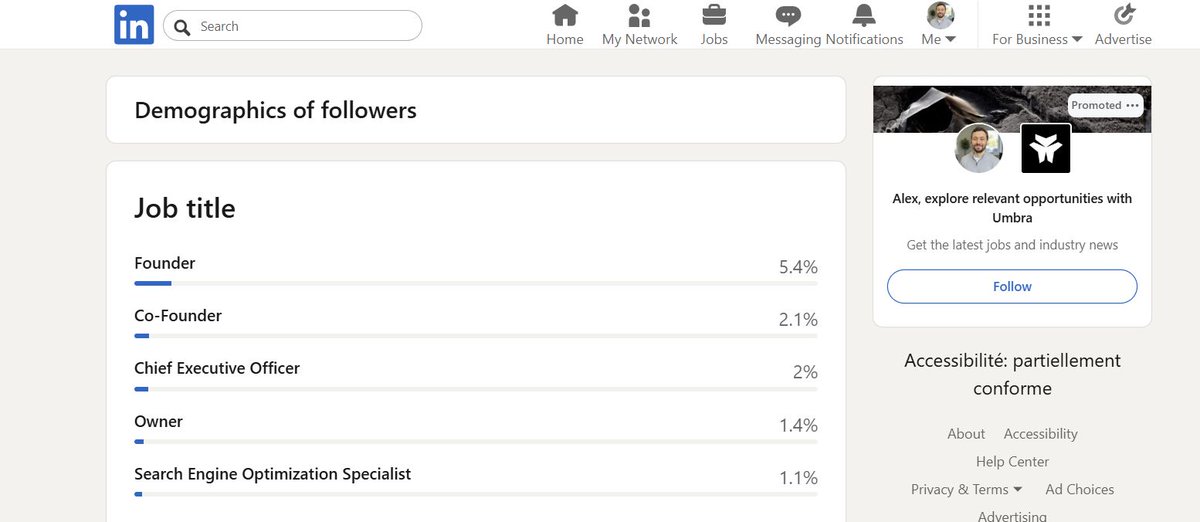
English

I learned something valuable this year.
Something I really didn't take serious enough.
I've always thought, I can do it all.
I can be the designer.
I can be the copywriter.
I can be the software engineer.
And on top of it all, I can take my business to $1M per year.
Look, it's amazing that I know how everything works.
I'm extremely greatful for that.
But the thing that I learned these past few months is this:
Your network REALLY is your net worth.
Never believed it, until it happended to me.
Put yourself out there.
Make new connections.
Get out of your comfort zone.
Don't just pitch your business to everyone.
Build valuable connections and delay instant gratification.
Because it's your circle of friends and business partners that will take you to your $1M, not you alone.

English


I got 20,000 followers on LinkedIn FAST.
Now, it is my #1 marketing channel...
So I made a full masterclass going over the exact strategy I used so you can replicate it for yourself.
Reply "VID" + follow for access

English
People don’t want to learn a topic.
They want to learn about themselves.
That’s why assessment funnels work so well.
They tap into 3 psychological triggers
Curiosity → “What will I discover?”
Validation → “Am I on the right track?”
Direction → “What’s my next step?”
When your funnel feeds back insights about them (not just information)
you get higher engagement, trust, and a natural path to your offer.
English

Your “Thank You” page is your most wasted asset.
99% say:
“Thanks for downloading. Check your inbox.”
A lead is never hotter than the 10 seconds after they say yes.
That’s a micro-commitment.
Your Thank You page is the elevator to the next level.
Here’s what it should do
- Confirm asset is coming → builds trust
- Give a next step → boosts deliverability
- Make a high-intent offer → drives revenue
Your Thank You page should be your most profitable page.
English