Sabitlenmiş Tweet
SOFIA Telescope
5.5K posts

SOFIA Telescope
@SOFIAtelescope
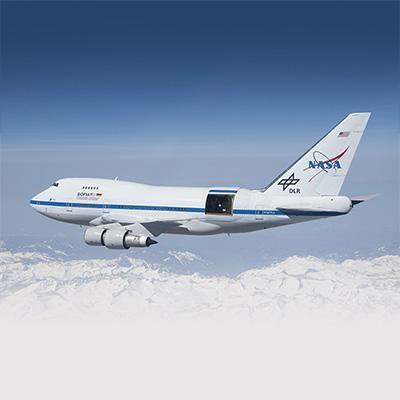
The world's largest flying observatory: a 2.7-meter telescope in a Boeing 747SP. Joint project of @NASA and @DLR_SpaceAgency. Verification: https://t.co/xBFAnHWjcz
California Katılım Ekim 2008
162 Takip Edilen112K Takipçiler

#SOFIAtelescope science is not disappearing into a black hole! It’s joining NASA Universe.
This will be our last post on this account, but we still have more science to share. Please follow our friends at @NASAUniverse to learn about more stories to come! #BlackHoleWeek
GIF
English

That's no moon! Or is it...?
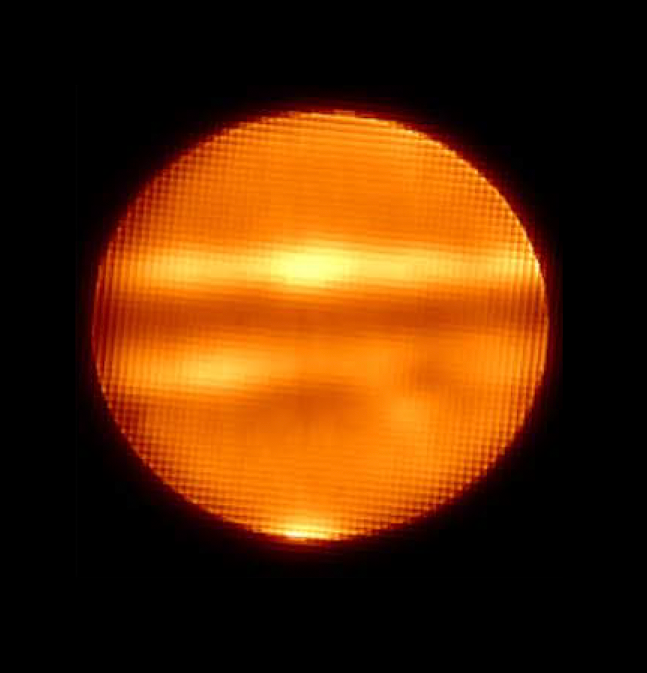
Hidden in this SOFIA image of Jupiter are its four largest moons: Io, Europa, Ganymede, and Callisto.
Read about how these satellites snuck into the data: go.nasa.gov/3LhvHTe
#StarWarsDay #MayThe4th

English

Tatooine may be fictional, but the twisted magnetic fields around binary stellar systems can reveal how Tatooine planets — real-life planets with two suns — come to be. ☀️☀️
More: go.nasa.gov/3LiutXY
#StarWarsDay #MayThe4th

English

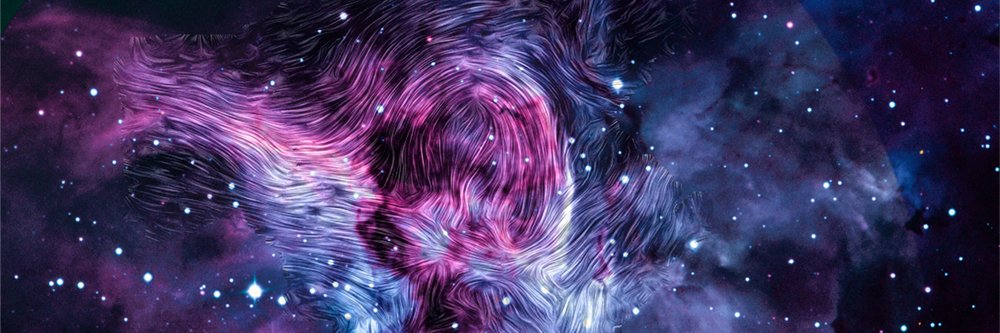
At home in the Milky Way, magnetic fields appear to be channeling the gas into an orbit around the black hole, rather than directly into it. This may explain why our galaxy’s black hole is not actively feasting.
More: go.nasa.gov/3USPfk1
#BlackHoleWeek

English

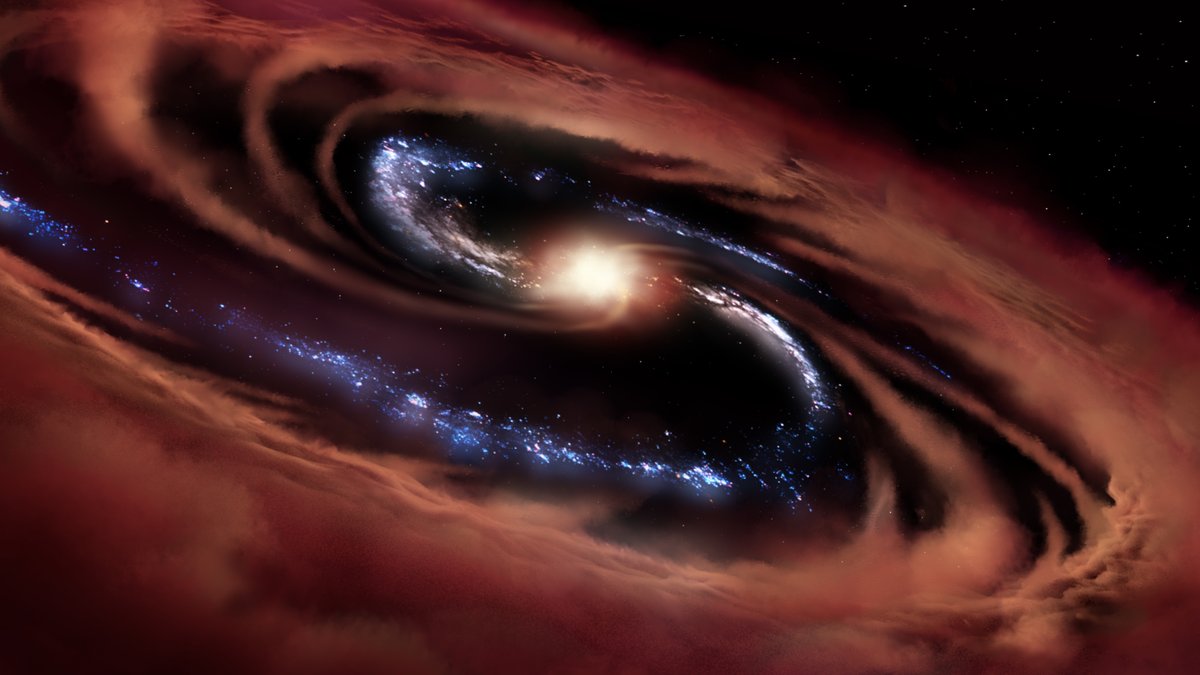
Billions of light-years away, SOFIA found a galaxy nestled in a brief window of time when continued star birth and a black hole’s ravenous feeding can coexist, challenging our theories of galactic evolution.
More: go.nasa.gov/3ou118F
#BlackHoleWeek

English

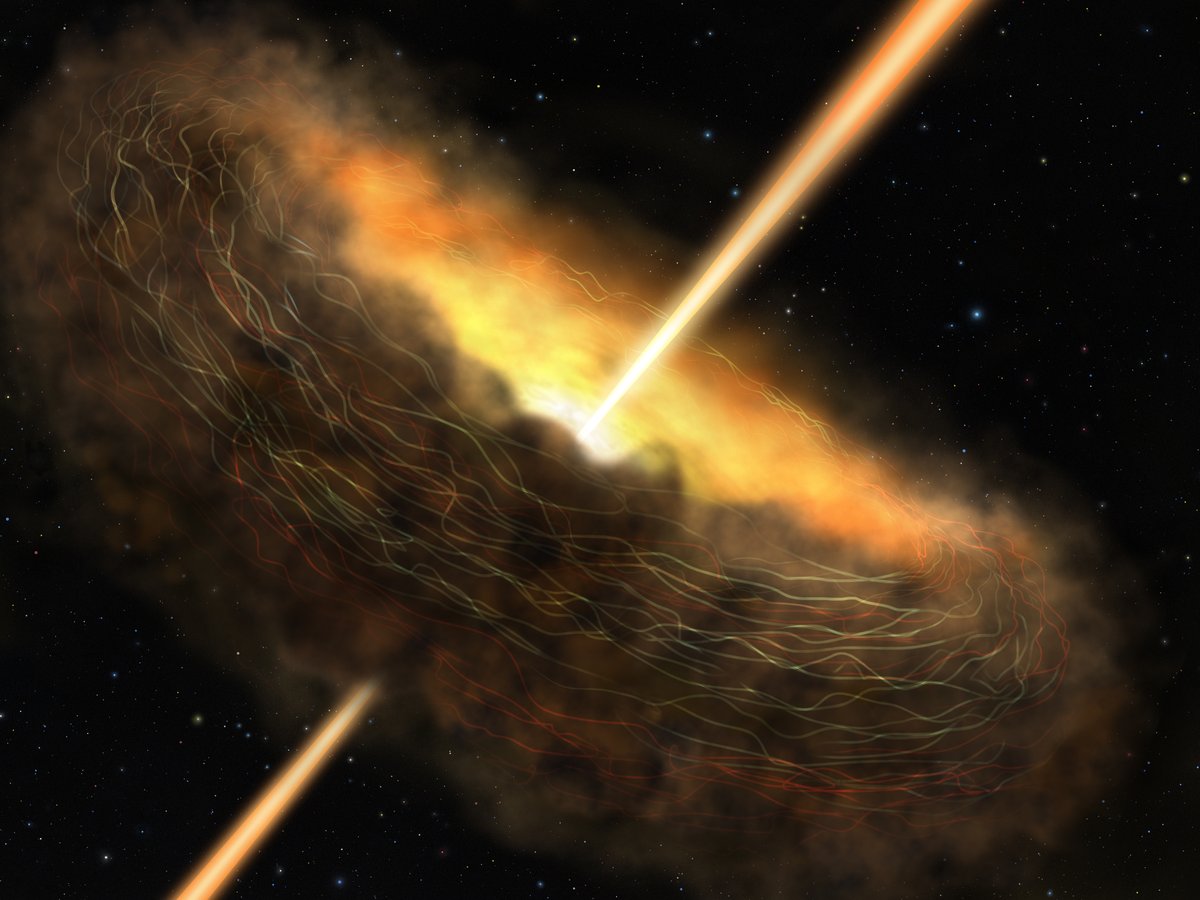
The magnetic fields in Cygnus A even help its black hole bridge larger distances, reaching deeper into the galaxy to find material to feed on! More: go.nasa.gov/3UNl1z5
#BlackHoleWeek
English

Why are some black holes feasting and others fasting? Magnetic fields may be the key. In the Cygnus A galaxy, magnetic fields are trapping material close to the black hole – where it can easily be devoured. More: go.nasa.gov/3GTgPIo
#BlackHoleWeek

English

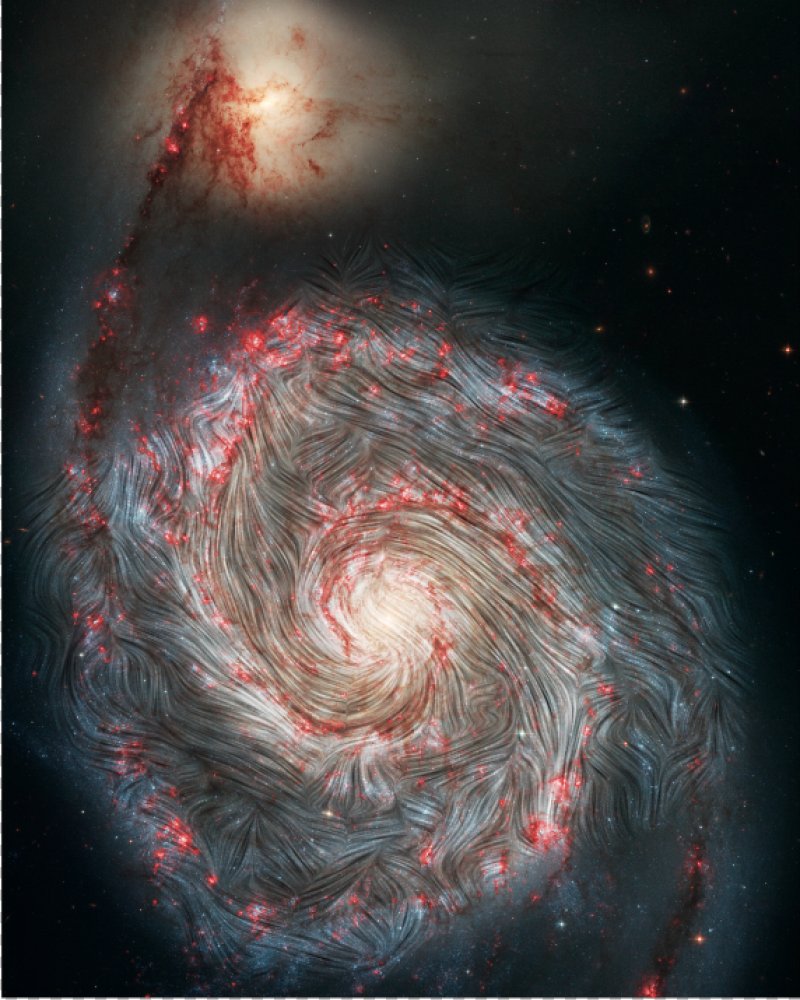
We need all wavelengths of light to study black holes! #SOFIAtelescope looked at infrared light, which tells us about the surrounding dust grains & magnetic fields. #BlackHoleWeek will be our last week on this account before joining @NASAUniverse, so follow along to learn more!
GIF
English

#ICYMI We’re closing this account soon. Our last post will be on May 5! After that, @NASAUniverse will be your place for #SOFIAtelescope news. We hope you'll join us at our new home!

English

Don't forget: We’re moving! Our last post here will be on May 5, follow @NASAUniverse for future #SOFIAtelescope stories.
English

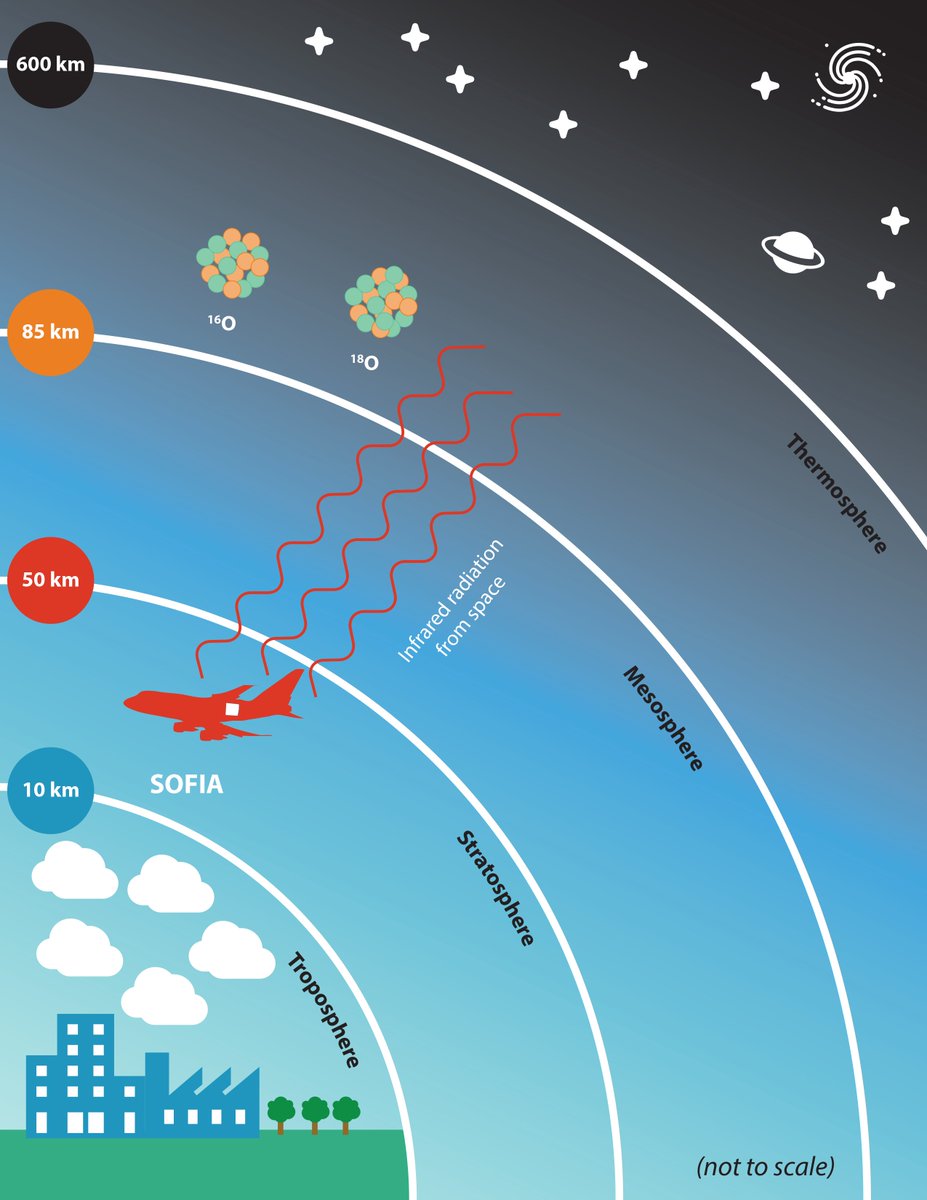
SOFIA mostly studied the sky beyond Earth’s atmosphere, but it also studied… well, the sky.
We detected a special type of oxygen in Earth’s upper atmosphere, which can have implications on climate change and biological activity: go.nasa.gov/3GTrByj
Happy #EarthDay!

English

Now that SOFIA’s mission has ended, it’s time for our news to take off from somewhere else. This account will stop posting on Friday, May 5. Make sure to follow our friends at @NASAUniverse for the most up-to-date #SOFIAtelescope stories!

English

During SOFIA’s final New Zealand deployment last year, a special citizen science instrument few onboard to observe aurora australis.
You can @DoNASAScience, too! Celebrate #CitizenScienceMonth by checking out some of the projects we can use your help on: go.nasa.gov/3ZOVGp5

English
SOFIA Telescope retweetledi

Here they are. @SenBillNelson announces the #Artemis II crew, the next astronauts to fly around the Moon:
@Astro_Christina
@Astro_Jeremy
@AstroVicGlover
@Astro_Reid
We go together. nasa.gov/specials/artem…
English

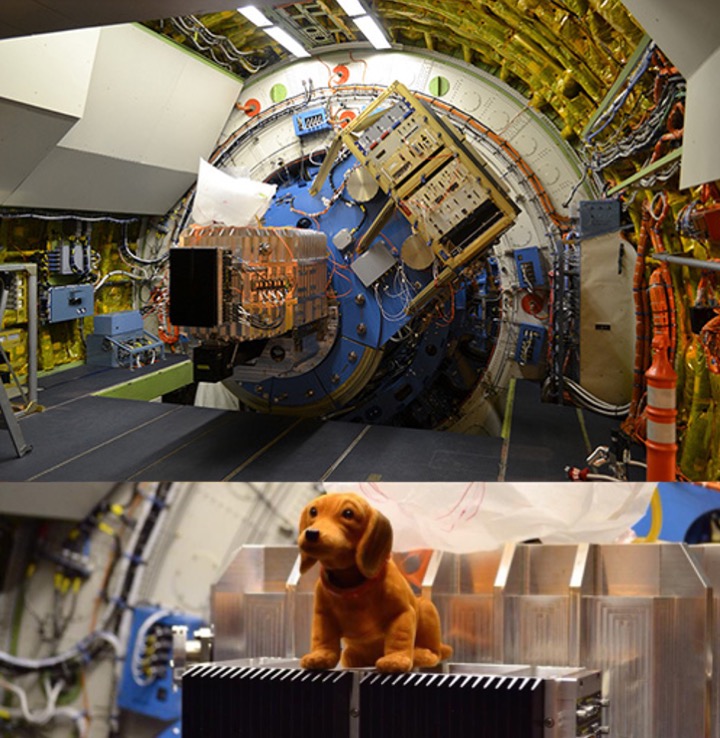
SOFIA’s FIFI-LS instrument was efficient at obtaining images and spectroscopic information simultaneously, studying the interstellar medium and star-forming regions in the Milky Way and its nearby galaxies.
It also had a special little mascot! Happy #NationalPuppyDay! 🐾

English

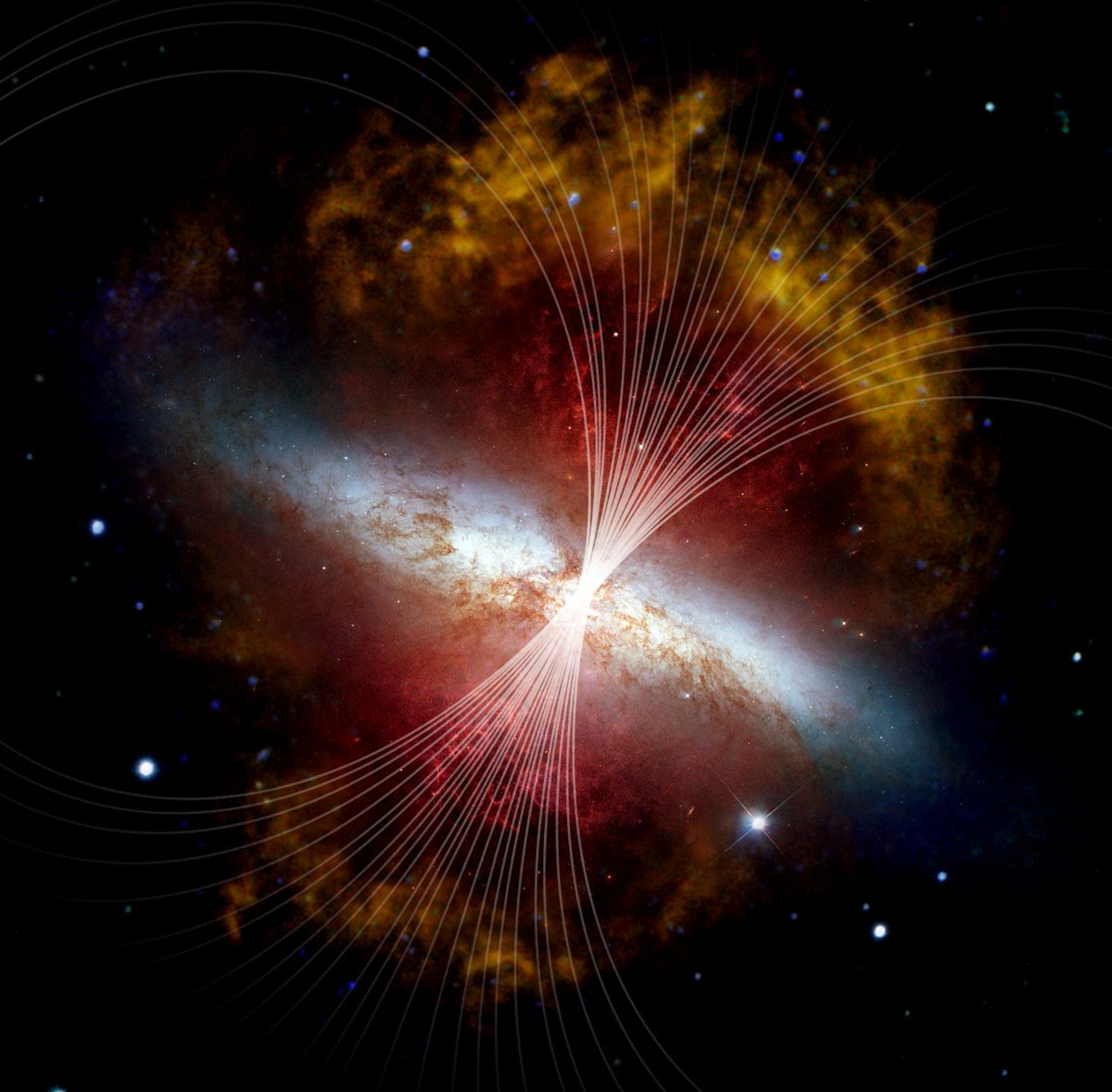
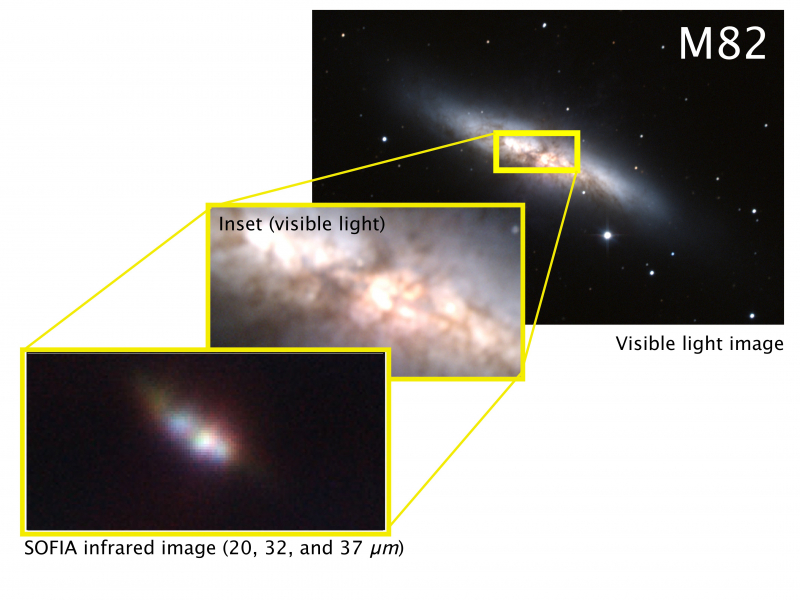
The first light flight wasn’t the only time SOFIA gazed at Messier 82! Years later, SOFIA discovered that the magnetic fields in Messier 82 provide a “highway” to channel material out of the galaxy.
Read more: go.nasa.gov/3LBind0
#MessierMarathon

English

#DYK In 2010, SOFIA achieved its “first light” — the first time the telescope observed the night sky during flight. It set its sights on two celestial objects: Jupiter and the galaxy Messier 82, also known as the Cigar Galaxy.
#MessierMarathon


English
SOFIA Telescope retweetledi

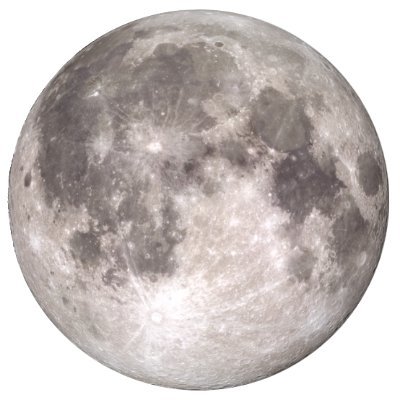
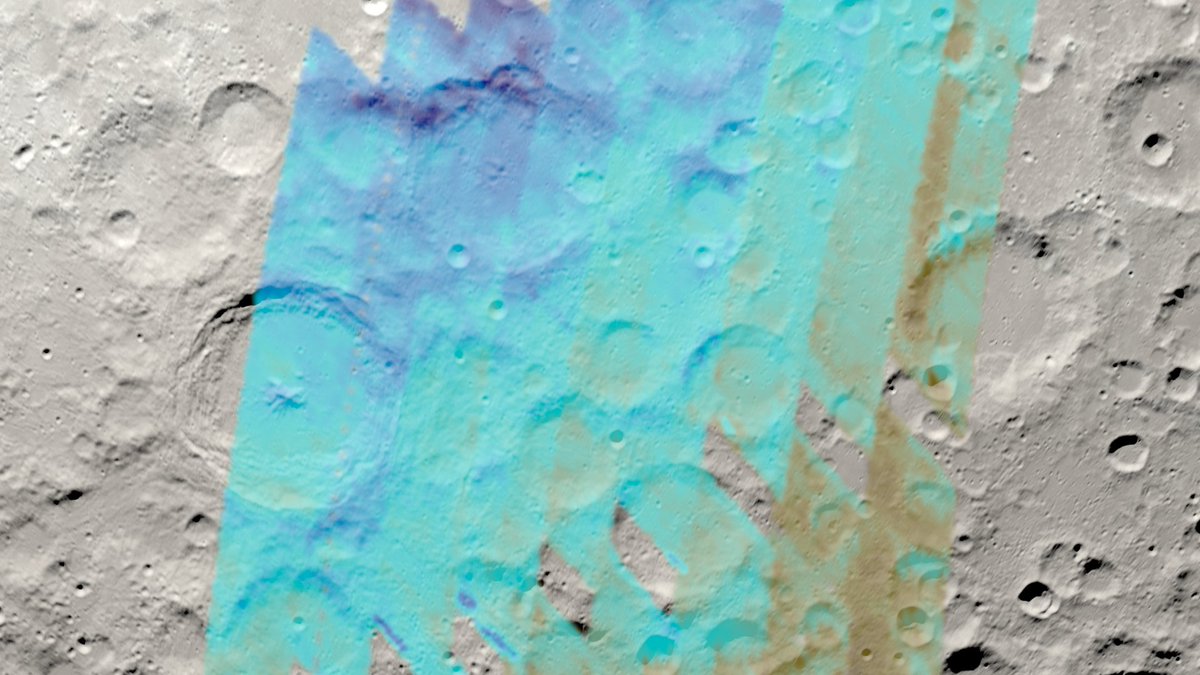
Researchers created the first detailed, wide-area map of water distribution on the Moon using data from the Stratospheric Observatory for Infrared Astronomy (SOFIA).
The map includes the Lunar South Pole & the future landing spot for our VIPER Moon rover go.nasa.gov/3mXbCrX
English
SOFIA Telescope retweetledi

In 2020, we announced the confirmation of H2O on the Moon, but we had remaining questions – how does the water behave? How can we access it? A new map of water distribution on the Moon provides hints about how water may be moving across the Moon’s surface. go.nasa.gov/3JkIEJL

English

SOFIA created the first detailed, wide-area map of the Moon’s water!
With more water found in cold, shadowy regions — like the sides of craters and mountains — the map provides hints about how water may be moving across the Moon’s surface.
More: go.nasa.gov/408usKF
English