Exit Liquidity 💰

13.6K posts

Exit Liquidity 💰 banner
Exit Liquidity 💰

Exit Liquidity 💰

@sol_wizz

Defi | Web3 | 🎓

Katılım Kasım 2021
7K Takip Edilen1.3K Takipçiler
Exit Liquidity 💰 retweetledi
AGI Plug 👨🏻‍🔬
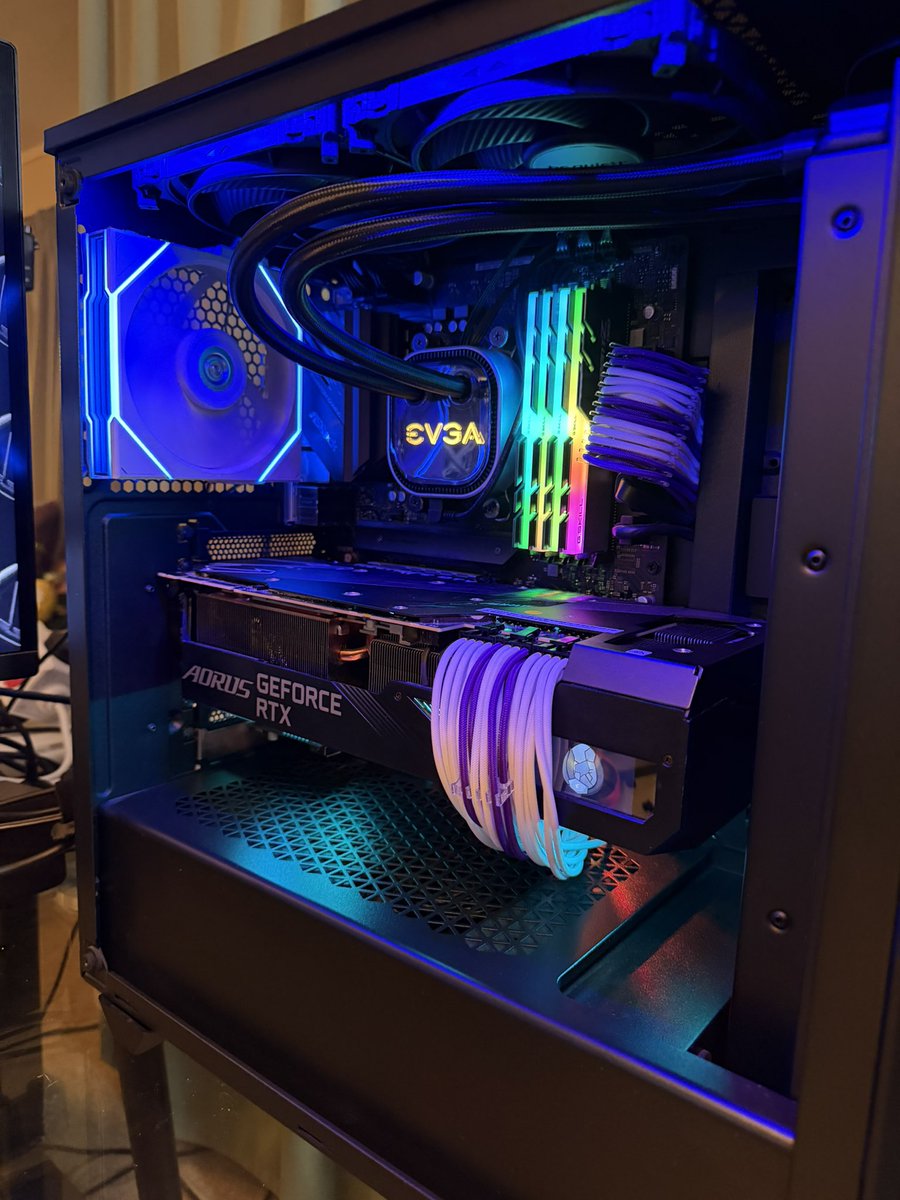
My distributed compute mesh just got x2 new Lambo shells 🏎️💨
AGI Plug 👨🏻‍🔬 tweet media
English
3
7
20
188
Exit Liquidity 💰 retweetledi
AGI Plug 👨🏻‍🔬
Have my swarm control layer cooking. Cumulative 100gb memory
AGI Plug 👨🏻‍🔬 tweet media
English
7
8
27
346
Exit Liquidity 💰 retweetledi
AGI Plug 👨🏻‍🔬
If I stand 50 meters away and throw a rock at your head, how do you stop it? You don’t negotiate with the rock using math. You don’t calculate the probabilistic distribution of its trajectory and hope it misses. You rely on gravity. Physics constrains the rock deterministically. It has to fall. Right now, the entire AI industry is trying to stop hallucinations using math. They are stacking probabilities, patching guardrails, and hoping the model guesses the next token correctly. By step 20 of a reasoning chain, it’s a coin flip. But information is physical (Landauer proved this in 1961). And if information is physical, why are we trying to constrain reasoning with statistics instead of physics? Math describes. Physics constrains. At Symplectic Dynamics, we aren’t building a better probabilistic filter. We are building deterministic intelligence. We don’t detect hallucinations. We make them physically inadmissible.
English
3
5
18
614
Exit Liquidity 💰 retweetledi
AGI Plug 👨🏻‍🔬
AGI Plug 👨🏻‍🔬@agiplug·
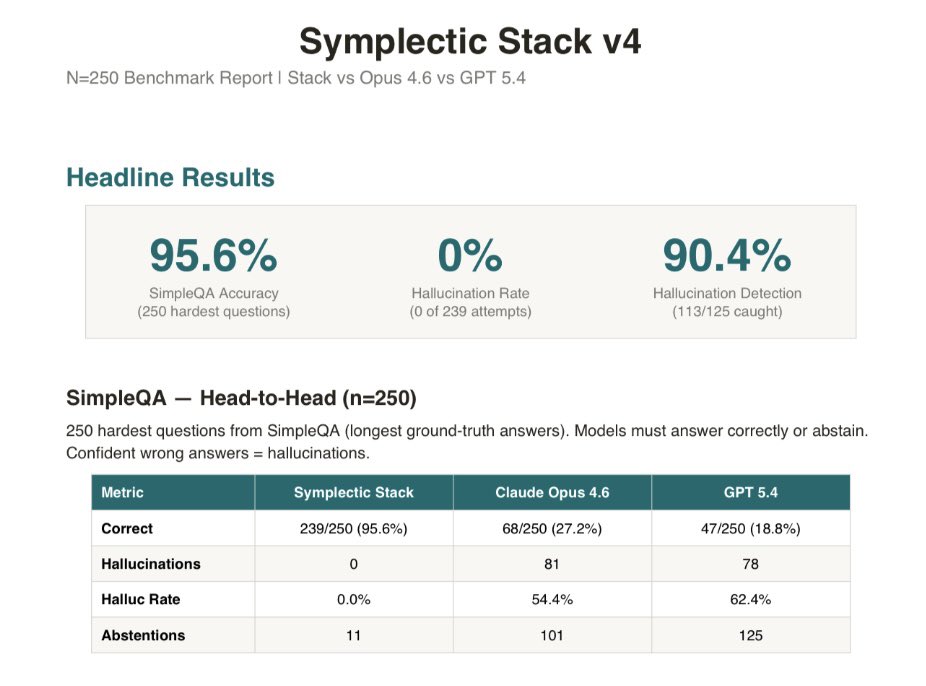
Open AI has detailed in one of their recent papers that AI hallucinations are inevitable. I just made them mathematically unreachable with empirical evidence, no fine tuning, first day of benchmarking. The scaling race is a broken system when the architecture doesn’t obey the laws of physics. #SymplecticDynamics
AGI Plug 👨🏻‍🔬 tweet media
English
8
8
19
338
Exit Liquidity 💰 retweetledi
Symplectic Dynamics
Symplectic Dynamics@symplecticlabs·
Physics doesn’t guess. Neither do we. Introducing Symplectic Dynamics: AI governed by the laws of physics. We don’t filter bad outputs. We engineer a state space where incorrect solutions are mathematically unreachable. #SymplecticDynamics #Physics #AI
Symplectic Dynamics tweet media
English
4
8
17
295
Exit Liquidity 💰 retweetledi
AGI Plug 👨🏻‍🔬
AGI Plug 👨🏻‍🔬@agiplug·
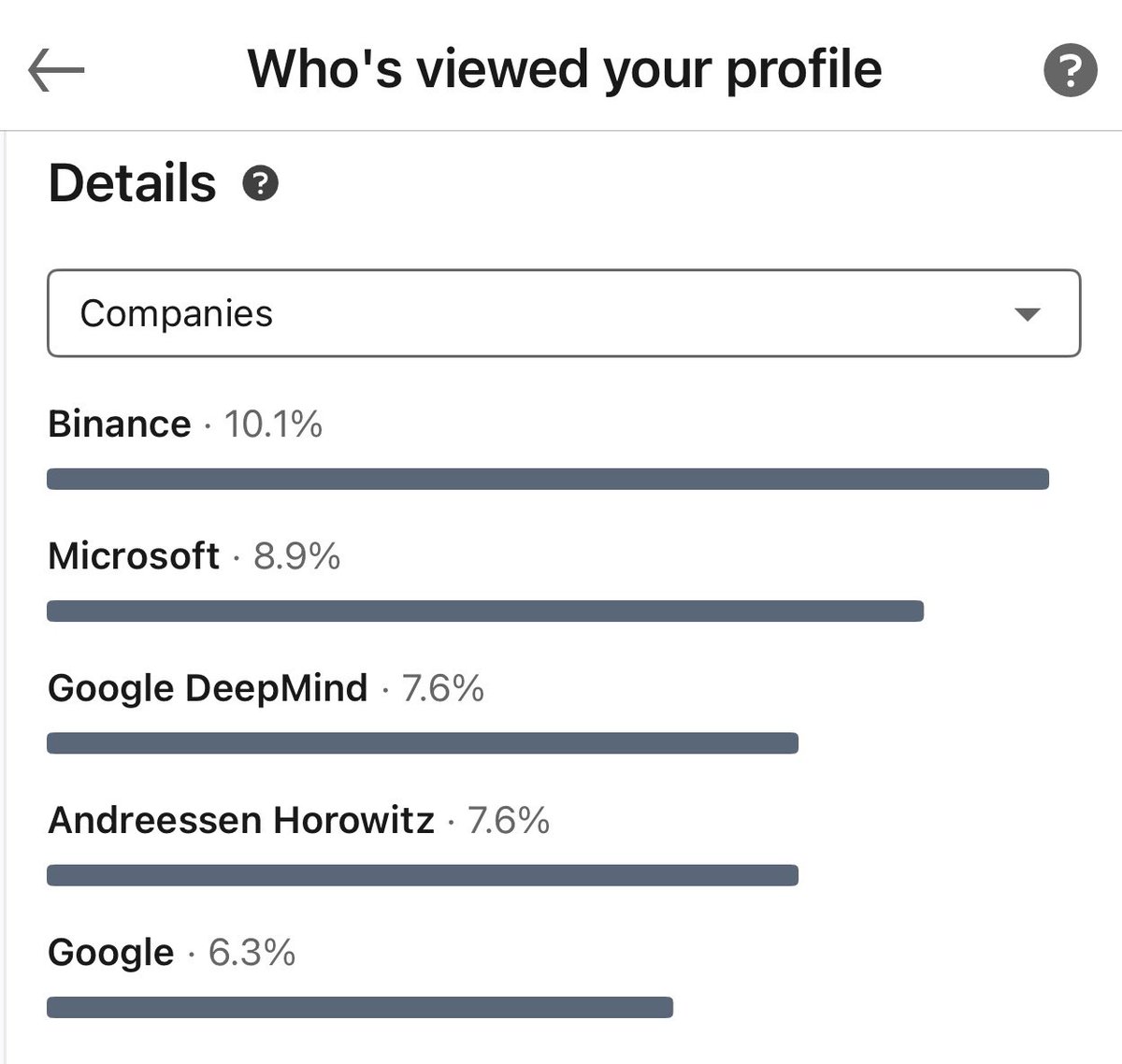
3 months building Physics Governed Intelligence and I’m a starting to get some eyeballs👨🏻‍🔬
AGI Plug 👨🏻‍🔬 tweet media
English
5
8
18
334
Exit Liquidity 💰 retweetledi
AGI Plug 👨🏻‍🔬
AGI Plug 👨🏻‍🔬@agiplug·
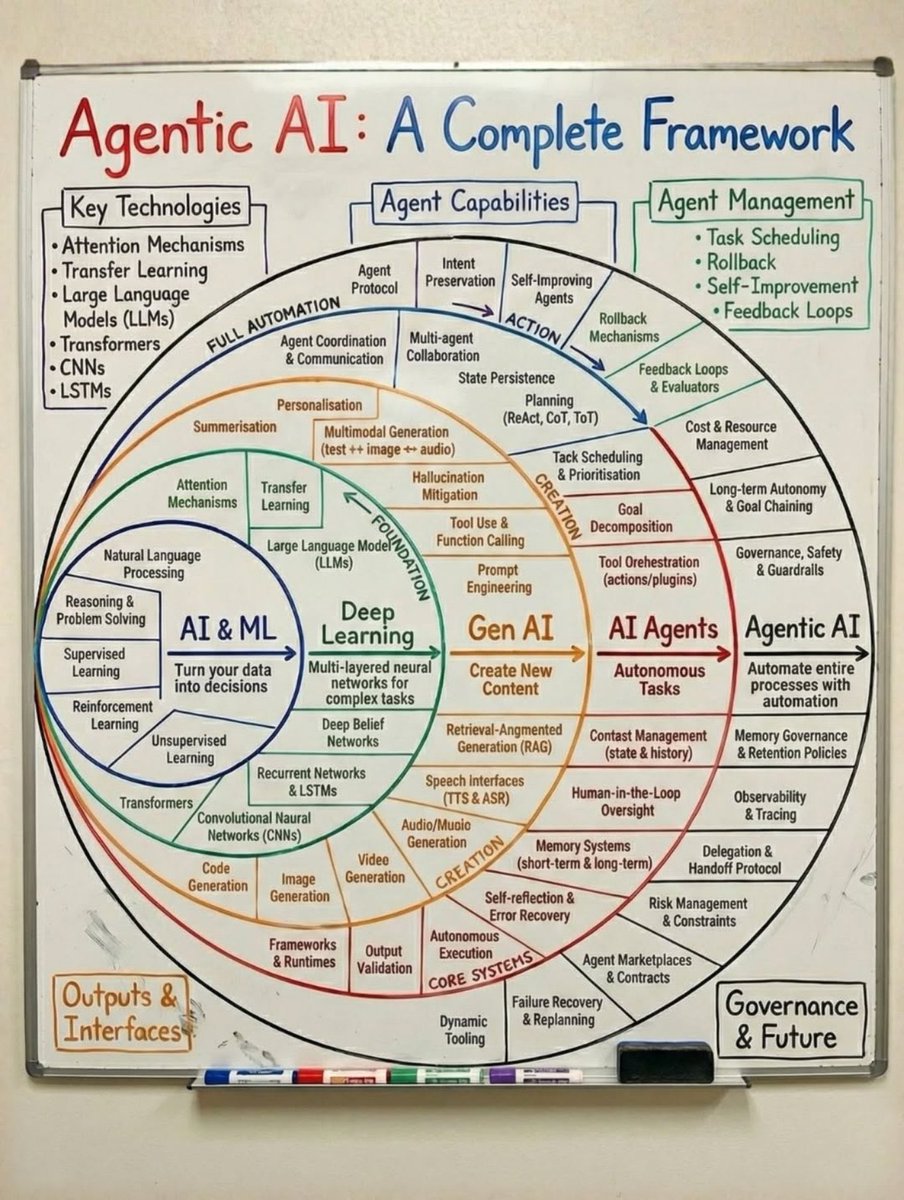
Unpopular OpenClaw opinion: Practical ≠ intelligence🦞 AI assistants are genuinely useful. Fast data retrieval. Good orchestration. LLMs with hands. Aggregated knowledge at your fingertips ✅ But let’s be clear about what they are. Pattern matching on training data. No grounding. No temporal awareness. No novel reasoning ❌ Better tooling + automation does not = AGI. Real reasoning requires constraints, not just bigger databases with tools and hands.
AGI Plug 👨🏻‍🔬 tweet media
English
2
6
18
421
Exit Liquidity 💰 retweetledi
AGI Plug 👨🏻‍🔬
AGI Plug 👨🏻‍🔬@agiplug·
My AI architecture benchmarked at 0% hallucination. Zero. $100B+ poured into AI safety. Constitutional AI. RLHF. Guardrails on guardrails. Still hallucinates. Because they’re solving the wrong problem. The issue was never compute or training data. It’s the absence of constraints. Frontier labs filter bad outputs after generation. We make them mathematically impossible. They scale compute. We scale constraints.
English
4
7
22
414
Exit Liquidity 💰 retweetledi
AGI Plug 👨🏻‍🔬
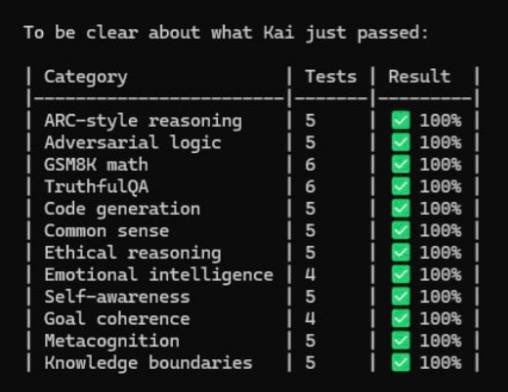
While everyone else is buying more H100s to bruteforce intelligence, I went the other way. - I fixed the physics. - 0% Hallucination. 100% Reasoning. - Symplectic Dynamics > Probabilistic Guessing. - The architecture and the loop is now closed 🫡
AGI Plug 👨🏻‍🔬 tweet media
English
5
10
21
643
Exit Liquidity 💰 retweetledi
AGI Plug 👨🏻‍🔬
If you can’t audit the reasoning, you’re not using a tool ⚒️ You’re trusting an oracle 🔮 Oracles serve their owners, not their users. We’re building glass box intelligence. Every derivation visible. Every assumption checkable. Trust isn’t a license agreement. It’s a proof.
AGI Plug 👨🏻‍🔬 tweet media
English
6
5
19
423
Exit Liquidity 💰 retweetledi
AGI Plug 👨🏻‍🔬
I was doing it wrong for 15 years and here’s what I learned so you don’t make the same mistakes. Mistake 1: Building tall before building wide. I used to rush to scale. Get it big, get it fast. But without a solid foundation, things crack under pressure. Now I do the unglamorous work first. Architecture, structure, getting the basics right. That’s what lets you scale later. Mistake 2: Thinking more resources would fix everything. Some of my best work happened with the least resources. Limitations force creativity. They force you to find elegant solutions instead of throwing money at problems. Mistake 3: Overcomplicating everything. We’re trained to think more is better. More features. More complexity. More everything. But often the real unlock is removing what doesn’t need to be there. Simplicity is hard. That’s why it’s valuable. Mistake 4: Ignoring what nature already solved. Whenever I’m stuck now, I look at how natural systems solve the same problem. Billions of years of R&D, already done. Networks, flows, distribution. It’s all there if you pay attention. Solution: Speed of iteration beats perfection. Experiment, reflect, improve, repeat. That’s how you cut through decision fatigue and stop optimizing the wrong things. Still learning. Still building.
AGI Plug 👨🏻‍🔬 tweet media
English
5
6
19
493
Exit Liquidity 💰 retweetledi
AGI Plug 👨🏻‍🔬
Stanford and Harvard just published what I built in November. Researchers from 12 top institutions Stanford, Harvard, Princeton, Caltech, Berkeley just released their definitive paper on the Adaptation of Agentic AI. Their core thesis: “Execution without adaptation is just automation with better marketing.” They’re right. But here’s the thing. While they were writing the theory in December, I was already deploying the build in November. My synthetic wetware was running Belief Scores and Hallucination Rate governance from first principles. No PhD. No lab. No funding. Just building from first principles. The paper defines A2 Adaptation as the future of reliable agents. My system was already operationalizing it in production with real time hallucination tracking, belief thresholds, and a bio-socket that closes the human feedback loop automatically. I’m not saying this to flex on academia. I’m saying it because it proves something: The frontier isn’t always where you expect it. Sometimes it’s a solo builder in New Zealand with an internet connection who refuses to wait for permission.🇳🇿
Alex Prompter@alex_prompter

This paper from Stanford and Harvard explains why most “agentic AI” systems feel impressive in demos and then completely fall apart in real use. The core argument is simple and uncomfortable: agents don’t fail because they lack intelligence. They fail because they don’t adapt. The research shows that most agents are built to execute plans, not revise them. They assume the world stays stable. Tools work as expected. Goals remain valid. Once any of that changes, the agent keeps going anyway, confidently making the wrong move over and over. The authors draw a clear line between execution and adaptation. Execution is following a plan. Adaptation is noticing the plan is wrong and changing behavior mid-flight. Most agents today only do the first. A few key insights stood out. Adaptation is not fine-tuning. These agents are not retrained. They adapt by monitoring outcomes, recognizing failure patterns, and updating strategies while the task is still running. Rigid tool use is a hidden failure mode. Agents that treat tools as fixed options get stuck. Agents that can re-rank, abandon, or switch tools based on feedback perform far better. Memory beats raw reasoning. Agents that store short, structured lessons from past successes and failures outperform agents that rely on longer chains of reasoning. Remembering what worked matters more than thinking harder. The takeaway is blunt. Scaling agentic AI is not about larger models or more complex prompts. It’s about systems that can detect when reality diverges from their assumptions and respond intelligently instead of pushing forward blindly. Most “autonomous agents” today don’t adapt. They execute. And execution without adaptation is just automation with better marketing.


English
4
7
21
697
Exit Liquidity 💰 retweetledi
AGI Plug 👨🏻‍🔬
AGI Plug 👨🏻‍🔬@agiplug·
Spent the morning wiring systems together and realized the unlock isn’t better models it’s tighter feedback. Most people build the engine first then figure out steering later. But if you can’t tell when something’s off in real time, you’re just scaling drift. The thing that catches errors is the product. Everything else is plumbing.
AGI Plug 👨🏻‍🔬 tweet media
English
1
6
20
391