Прикольная история. В 2005 году у Харри Кейна представилась возможность сфотографироваться с Дэвидом Бекхэмом вместе с девушкой из своей команды. Спустя 13 лет Кейн стал капитаном сборной Англии, а та девушка теперь — его жена.
t.me/exler443/18363
Поп РПЦ заявил, что демократия и гражданские права виноваты в том, что Россия напала на Украину.
А вот было-б крепостное право, так и войны бы никогда не было
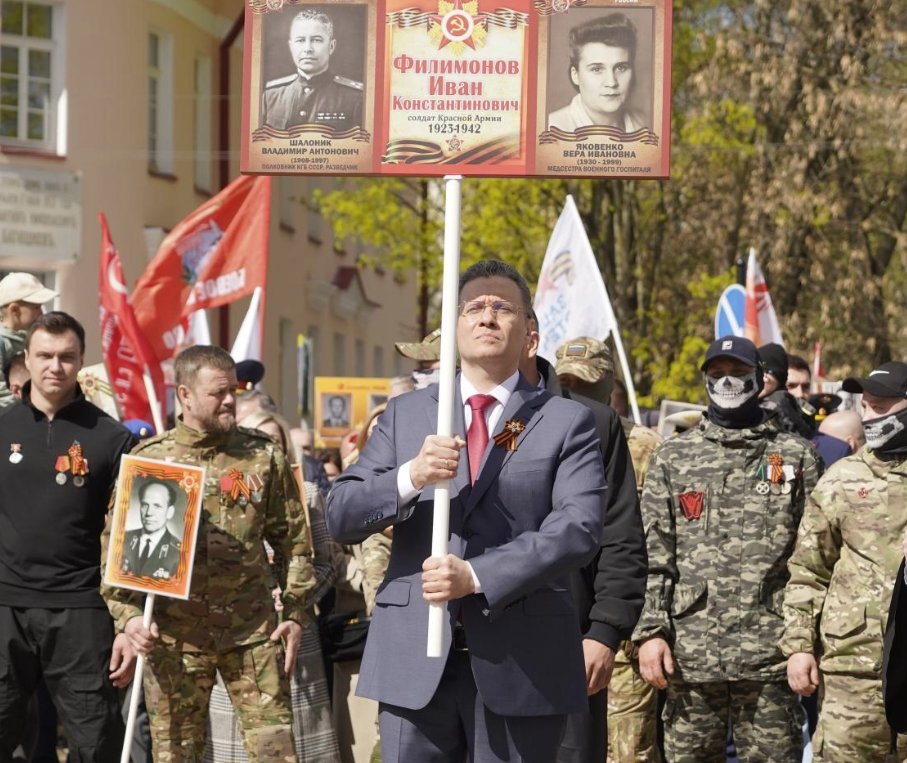
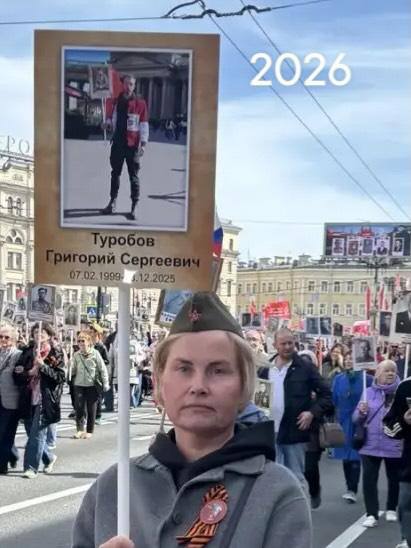
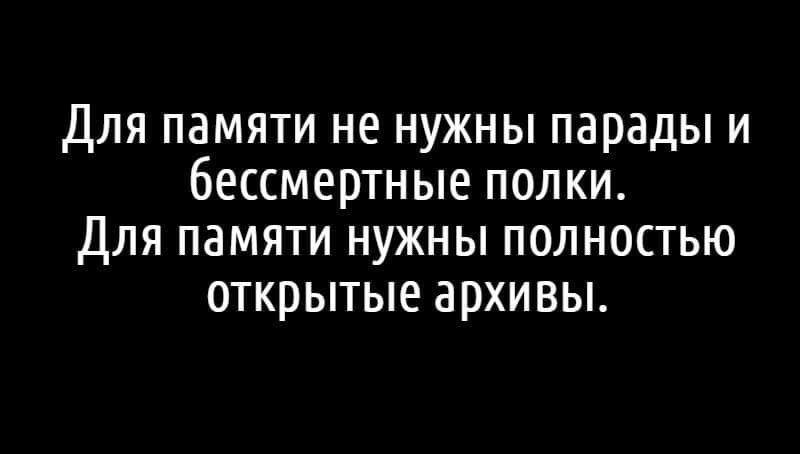
"Бессмертный полк", в центре - вологодский губернатор Филимонов.
На одном из фото, которые нёс Филимонов, его прадед, Владимир Шалоник.
Шалоник - нквдшник, в 1944-м отвечавший за депортацию чеченцев.
Вот такие теперь "герои-ветераны".
İtalya’da bir sığınmacının saldırısı sonucu hayatını kaybeden İtalyan adamın ailesi, sanığa verilen 12 yıllık hapis cezasını duyunca adeta çılgına döndü.
Mahkeme salonunda aile üyelerinin, “Bunun için sadece 12 yıl mı? Onu çıktığında kendi ellerimle öldüreceğim” diye bağırdı.
На Гаваях американский миллионер кинул булыжник в тюленя-монаха, их осталось всего 1500 особей. Он сказал "Мне плевать, выпишите штраф, любой оплачу".
После чего был избит местным активистом, и срочно покинул остров. Власти острова дали активисту награду 😀
He died with 200 children in a gas chamber, holding their hands until the end.
He was a father to 200 souls who had no one else in the world. As the soldiers shouted and the world collapsed into madness, he looked at his children and smiled, telling them not to be afraid because they were going on a trip together.
Janusz Korczak was a famous doctor and a brave Polish military officer who spent his entire life proving that children are the most important people on Earth. This wasn’t just a job for him—it was his life’s mission.
In 1912, he founded a very special place called the Orphans’ Home in Warsaw, designed specifically for children who had lost their parents and had nobody else to protect them. He didn’t just look after their health; he respected them as complete human beings with deep feelings and big dreams.
He even created a “Children’s Republic” inside the home, where the orphans had their own small government and even their own court to settle arguments fairly. To him, every child was a “precious gift” and a “creative flame” that adults were lucky enough to protect.
He lived by one simple, powerful rule: you haven’t done enough for a child until you have done everything you possibly can.
Because he lived by that rule, his responsibility grew even heavier when World War II began. When the Nazi occupation forced the Jewish population into the walled-off Warsaw Ghetto, Korczak moved all 200 of his children there to keep them together.
In a place filled with hunger and disease, he became their father figure, their doctor, and their only shield. He spent every day begging for food and medicine just to keep them alive.
Because Korczak was so famous and respected, he was offered several chances to escape to the “safe” side of the city and hide. He refused every single time.
He knew that if he abandoned those 200 children to save his own life, everything he had ever taught about loyalty and love would be a lie. He stayed because a father does not leave his children when the storm arrives.
The day they were taken away to the death camps, the streets witnessed something that looked more like a happy school parade than a march to a tragedy.
Korczak wanted to protect the children’s hearts from the terrifying truth, so he told them they were finally going on a trip to the countryside. He had them wash their faces and dress in their very best clothes. They marched through the ghetto singing songs and carrying a bright green flag.
Korczak walked at the very front of the line, standing tall in his military doctor’s uniform, carrying the two smallest children in his arms while the others clung to his pockets to stay close.
Even the enemy soldiers watching them at the train station were moved to silence by the sight of such incredible dignity. When a soldier recognized him and offered him one last chance to walk away, Korczak didn’t even hesitate.
“You do not understand,” he told the officer. “The children are not just my work. They are my life. I will not leave them now.”
In the end, he followed his children all the way into the dark gas chambers of Treblinka. He stayed true to his word until his very last breath, holding their hands so they wouldn’t be afraid of the dark.
When the chambers were opened later, they found him still leaning forward, surrounded by the sea of children who had huddled close to him for safety in their final moments.
Janusz Korczak was a man who had every excuse to run, every reason to save himself, and every opportunity to look away, yet he chose to stand in the fire so his children wouldn’t have to stand there alone.
Princess Diana was the ultimate royal rebel.
In 1991, she broke the royal protocol by participating in a Mother's Day race at Prince Harry's school. Although she didn't win the race, she showed her competitive spirit and her determination to be a part of her children's lives.
Back in 2009, United Airlines smashed Dave Carroll’s guitar and refused compensation. He answered with a diss track, and the company’s stock dropped 10%, wiping out nearly $180 million 😂🎸
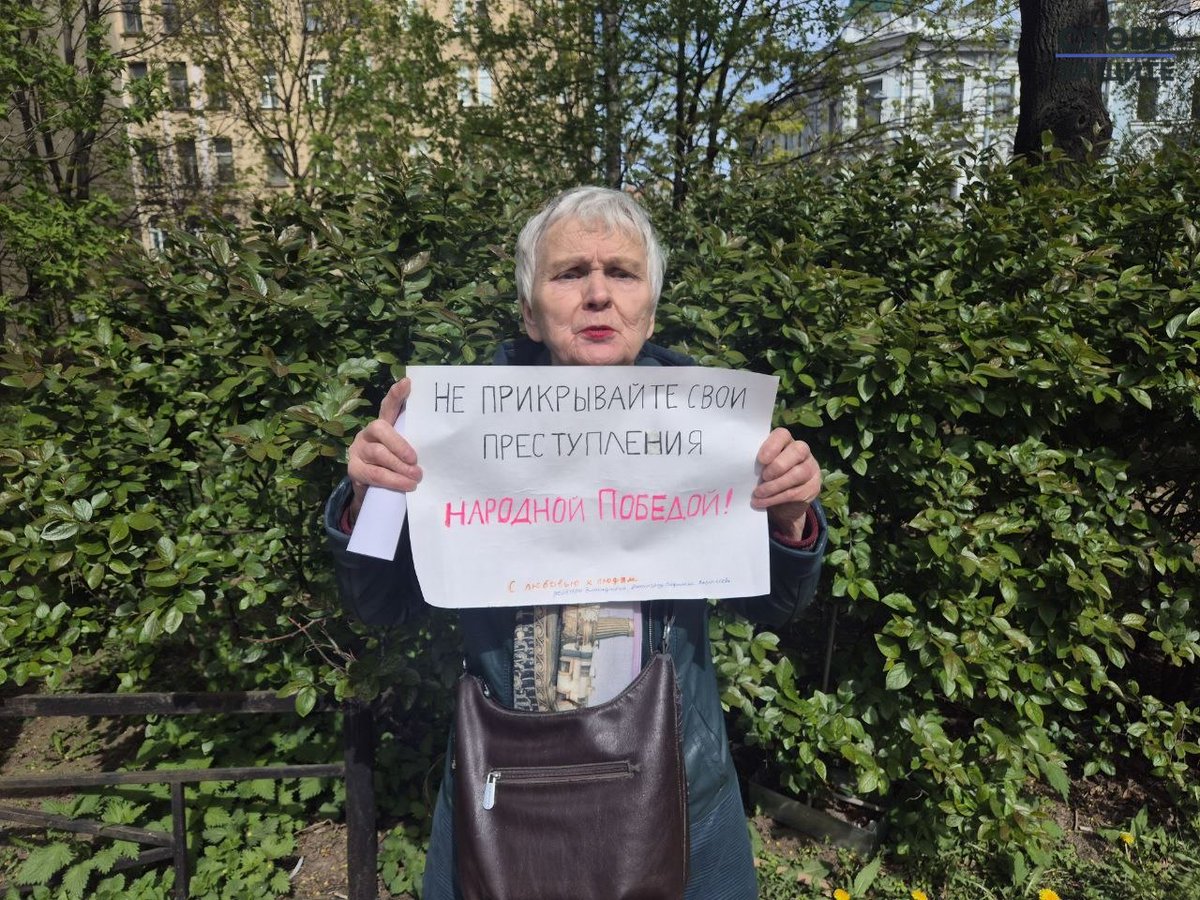
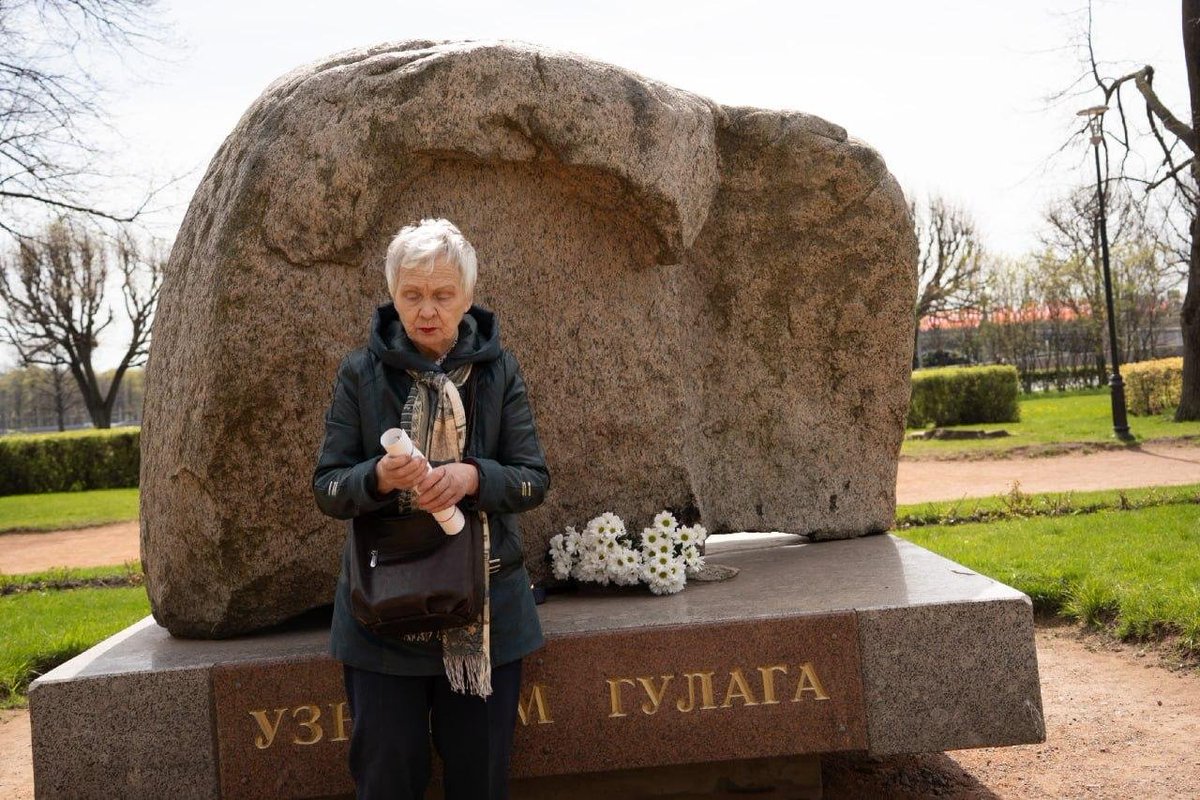
Отпущенная из петербургской полиции блокадница Людмила Васильева рассказала о своем отношении к 9 мая.
Блокадница была задержана во время попытки провести пикет у Соловецкого камня, однако после выхода повторила его в небольшом сквере.
«В блокаду, – рассказала Васильева, – погибли бабушка, дедушка, братья мамины погибли в войне, мамина сестра с двумя детьми в блокаду погибла, дяди моего мужа погибли. В общем, у меня очень много людей погибло. Для меня это не праздник, для меня это горе.
Я пришла к Соловецкому камню положить цветы, зажечь свечку в память, а не вот это грохотание победное, они не за это жизнь отдали, а за мирную жизнь, чтобы был мир, чтобы больше никогда не повторялось это, чтобы у молодежи будущее было, а не то, что у нас сейчас происходит.
Вся страна живет в ГУЛАГе, все запрещают, все, чего ни возьми, это нельзя, то нельзя. Поэтому мы и живем в ГУЛАГе».
Напомним, Васильева регулярно протестует против войны и пыталась выдвинуться с оппозиционной повесткой на последних выборах губернатора Петербурга.
Ближний круг фюрера выглядит как цирк уродов. Комсомольская тетка, вороватый поп, бывший секретарь - алкоголик и бывший маршал победы. Но сколько вреда принесли эти злые клоуны.
Блокадницу Людмилу Васильеву задержали в Петербурге за выход в одиночный пикет к Соловецкому камню
Женщина вышла с плакатом «Не прикрывайте свои преступления народной Победой».