
Sam

6.4K posts

Sam banner
Sam

Sam

@spanday31

Nottingham Katılım Nisan 2014
376 Takip Edilen287 Takipçiler
Sam retweetledi
Guilherme Teló
Guilherme Teló@guilhermehtelo·
🚨 Just published! We validated an ultrasound-based score combining VExUS + LUS to guide decongestion in acute heart failure. A step forward toward more precise, ultrasound-driven management. Proud of our team! Congrats Henrique! onlinelibrary.wiley.com/doi/epdf/10.10…
Guilherme Teló tweet media
English
6
42
125
5.6K
Sam retweetledi
Cardio Arena
Cardio Arena@CadioArena·
If you’re 35+ and want to stay strong, mobile, and pain-free… Do these 5 moves daily. Most people ignore this until it’s too late. 🧵 1. Deep Squat (2 minutes)
English
52
1K
9.5K
1.9M
Sam retweetledi
CardiovascularCorner
CardiovascularCorner@TrackYourHeart·
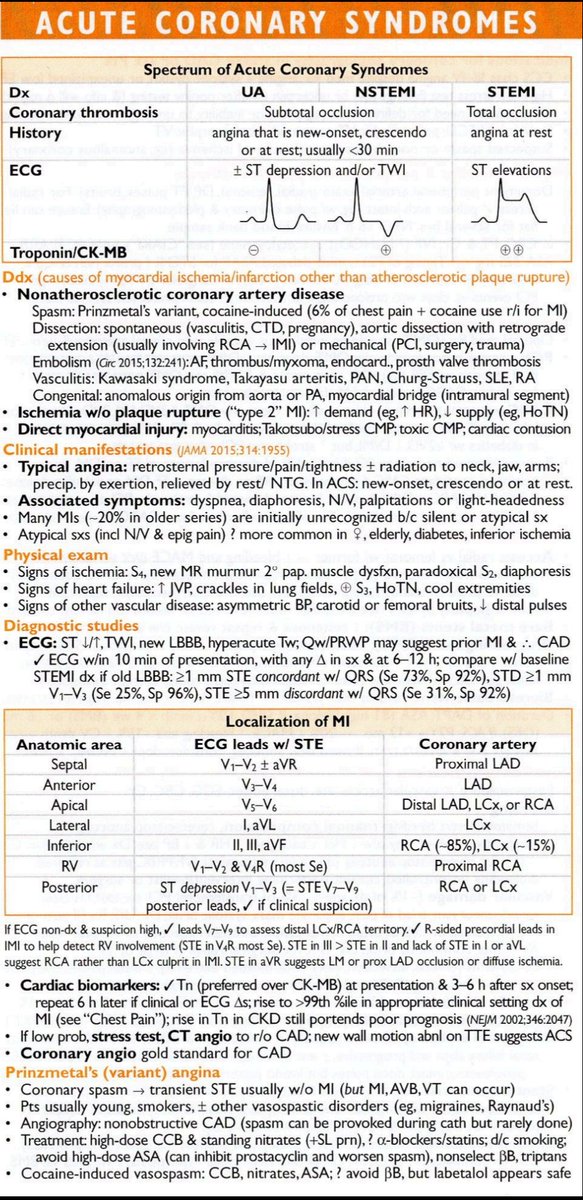
The Complete Guide to Acute Coronary Syndromes
CardiovascularCorner tweet media
English
4
31
151
3.9K
Sam retweetledi
Ahmed Ata
Ahmed Ata@Ahmedata7777·
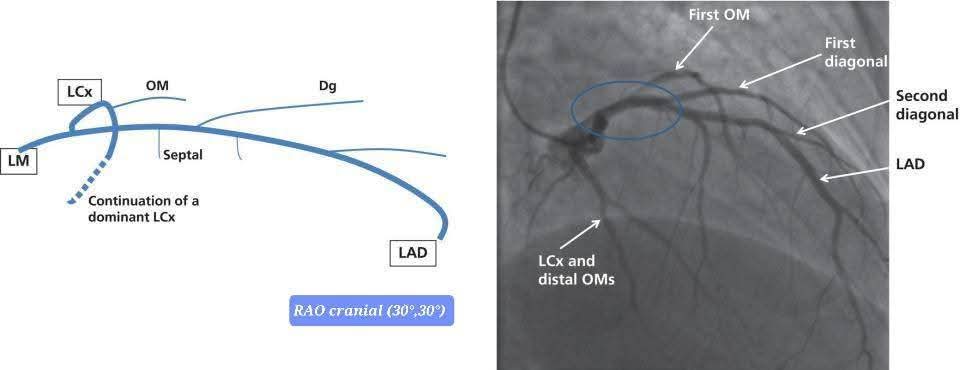
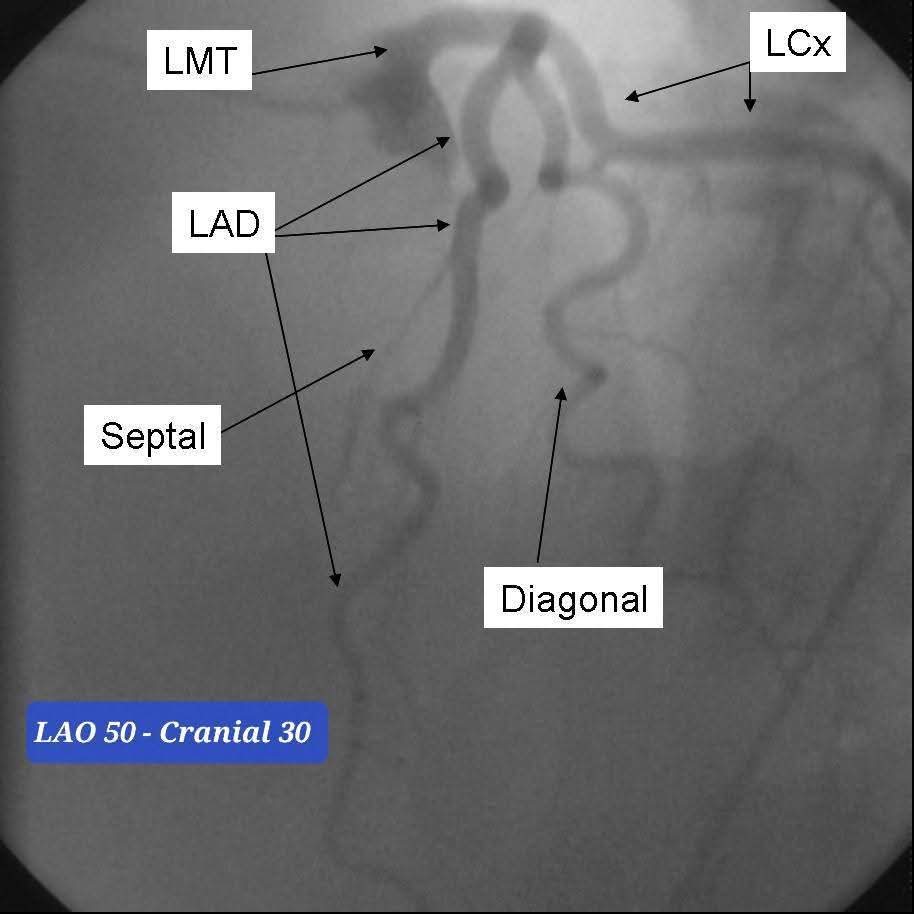
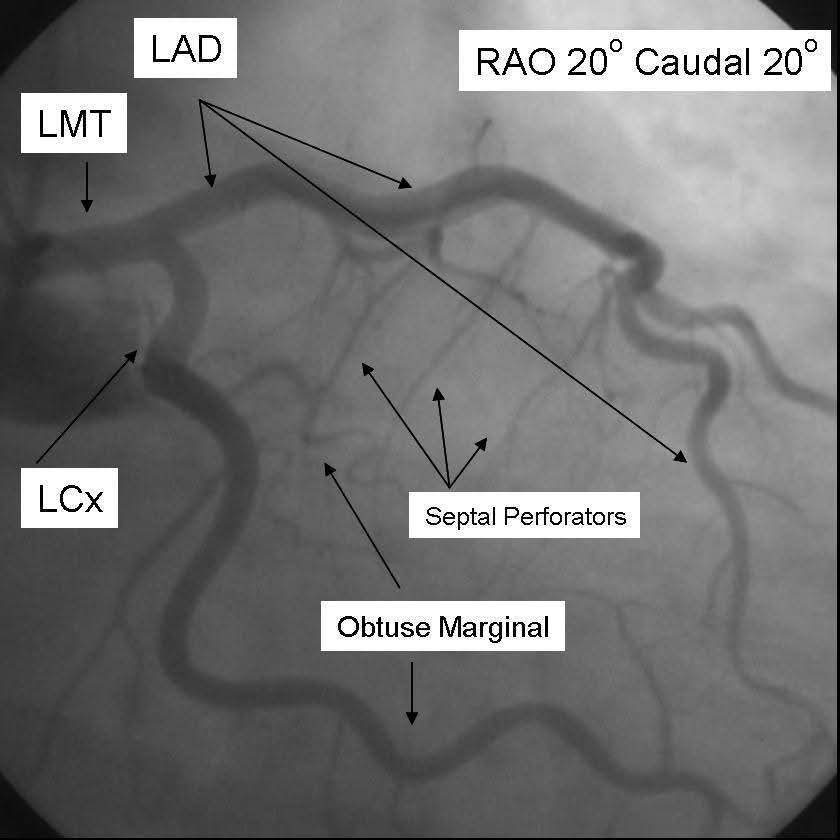
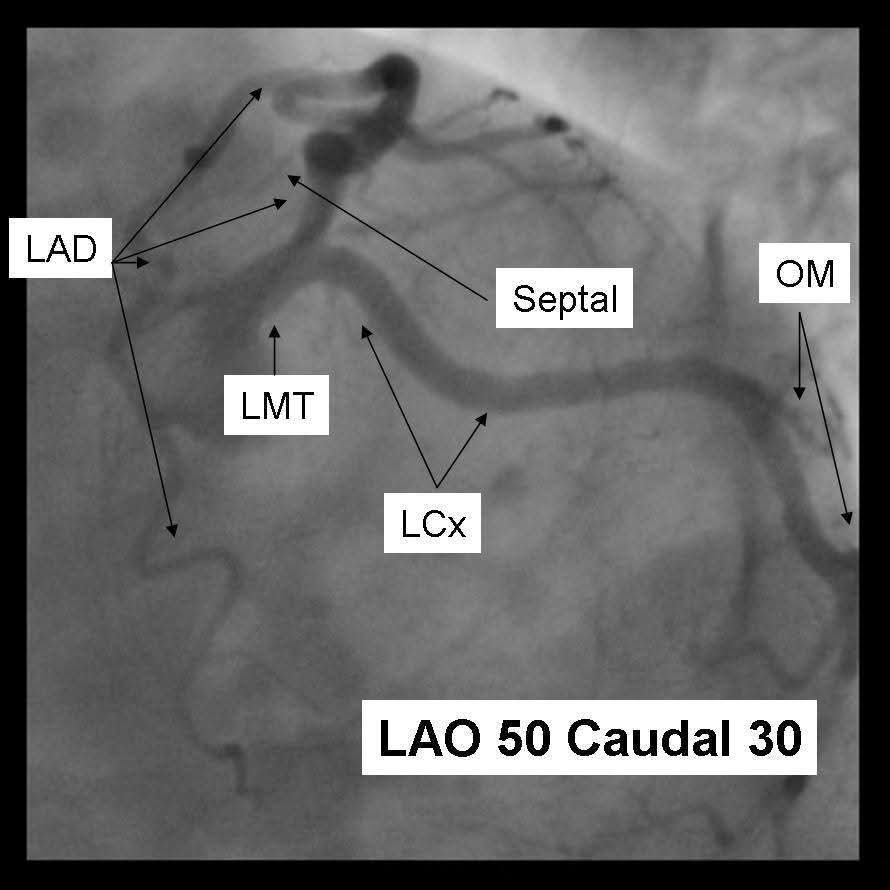
🧭 Left Coronary System – Angio View Map 🔵 1. RAO Cranial 👉 “LAD view” Best for: ▪︎ Left Anterior Descending Artery (proximal–mid) ▪︎ Septal & diagonal branches Use: ○ LAD lesions ○ Lesion length (less foreshortening). 🔵 2. LAO Cranial 👉 “LAD + diagonals spread” Best for: ▪︎ LAD entire course ▪︎ Diagonals clearly separated Use: ○ Bifurcation (LAD–diagonal). ○ Complex LAD PCI planning. 🔵 3. RAO Caudal 👉 “LCx view” Best for: ▪︎ Left Circumflex Artery ▪︎ Obtuse marginal (OM) branches Use: ○ LCx lesions ○ OM take-off and distribution. 🔵 4. LAO Caudal ⭐ 👉 “Spider view” Best for: ▪︎ Left Main Coronary Artery bifurcation ▪︎ LAD–LCx relationship Use: ○ Left main disease ○ Bifurcation PCI strategy. ⚡ Super Quick Memory Trick: ● Cranial = LAD ● Caudal = LCx ● LAO Caudal = Spider (LM bifurcation) #cardiology #medicine
Ahmed Ata tweet mediaAhmed Ata tweet mediaAhmed Ata tweet mediaAhmed Ata tweet media
English
1
23
91
2.9K
Sam retweetledi
CardiovascularCorner
CardiovascularCorner@TrackYourHeart·
Not every abnormal wall motion you see on echo means coronary artery disease. That’s an easy trap to fall into. Regional wall motion abnormalities can show up for many reasons, and some of them have nothing to do with blocked coronaries: ⭕ LBBB can make the septum move oddly and even mimic an acute MI ⭕ WPW syndrome may create patterns that look like inferior or posterior infarction ⭕ Pacemakers often change septal or apical motion ⭕ Prior cardiac surgery can leave behind septal hypokinesis ⭕ RV volume overload flattens the septum during diastole ⭕ RV pressure overload flattens the septum during systole ⭕ Constrictive pericarditis causes the classic septal “bounce” or wobble ⭕ Takotsubo cardiomyopathy gives apical ballooning with a hyperdynamic base ⭕ Myocarditis, dilated cardiomyopathy, and sarcoidosis can cause global or patchy LV dysfunction
CardiovascularCorner tweet media
English
0
41
191
6.4K
Sam retweetledi
Ahmed Ata
Ahmed Ata@Ahmedata7777·
FFR vs iFR Both are invasive physiological measurements used to assess the significance of coronary artery stenosis during coronary angiography. ● FFR (Fractional Flow Reserve): Ratio of the maximum achievable blood flow in a diseased coronary artery to the theoretical maximum flow in a normal coronary artery. ● iFR (Instantaneous wave-Free Ratio): Measures pressure gradient across a coronary stenosis during a specific part of the cardiac cycle (diastole's "wave-free period") when resistance is naturally low. When to Use Each? ✅ Use iFR for simpler, faster assessment without drugs. ✅ Use FFR when hyperemic data is critical or in borderline cases.
Ahmed Ata tweet media
English
0
35
127
6.6K
Sam retweetledi
CardiovascularCorner
CardiovascularCorner@TrackYourHeart·
The tricuspid valve is the largest heart valve, situated between the right atrium and right ventricle.
English
0
34
166
7.2K
Sam retweetledi
Ahmed Bennis MD 🫀
Ahmed Bennis MD 🫀@drbennisahmed·
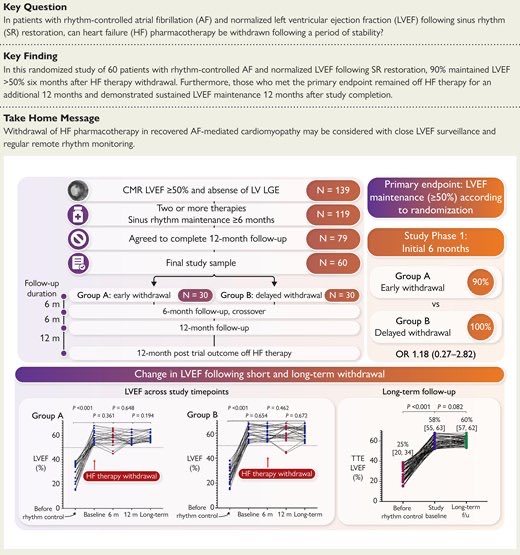
Withdrawal of heart failure therapy after atrial fibrillation rhythm control with ejection fraction normalization: the WITHDRAW-AF trial Withdrawal of HF therapy following AF rhythm control for prior AFCM and recovered LVEF was not associated with a decline in LVEF for most patients in the following 6 months. #Cardiology #MedTwitter #CardioTwitter #HeartHealth #Healthcare @mvaduganathan @hvanspall @DrMarthaGulati @dranulala @hfcollaboratory @SJGreene_md @gcfmd @AndrewJSauer @ESC_Journals @escardio academic.oup.com/eurheartj/arti…
Ahmed Bennis MD 🫀 tweet media
English
2
27
107
7.6K
Sam retweetledi
Davide Capodanno
Davide Capodanno@DFCapodanno·
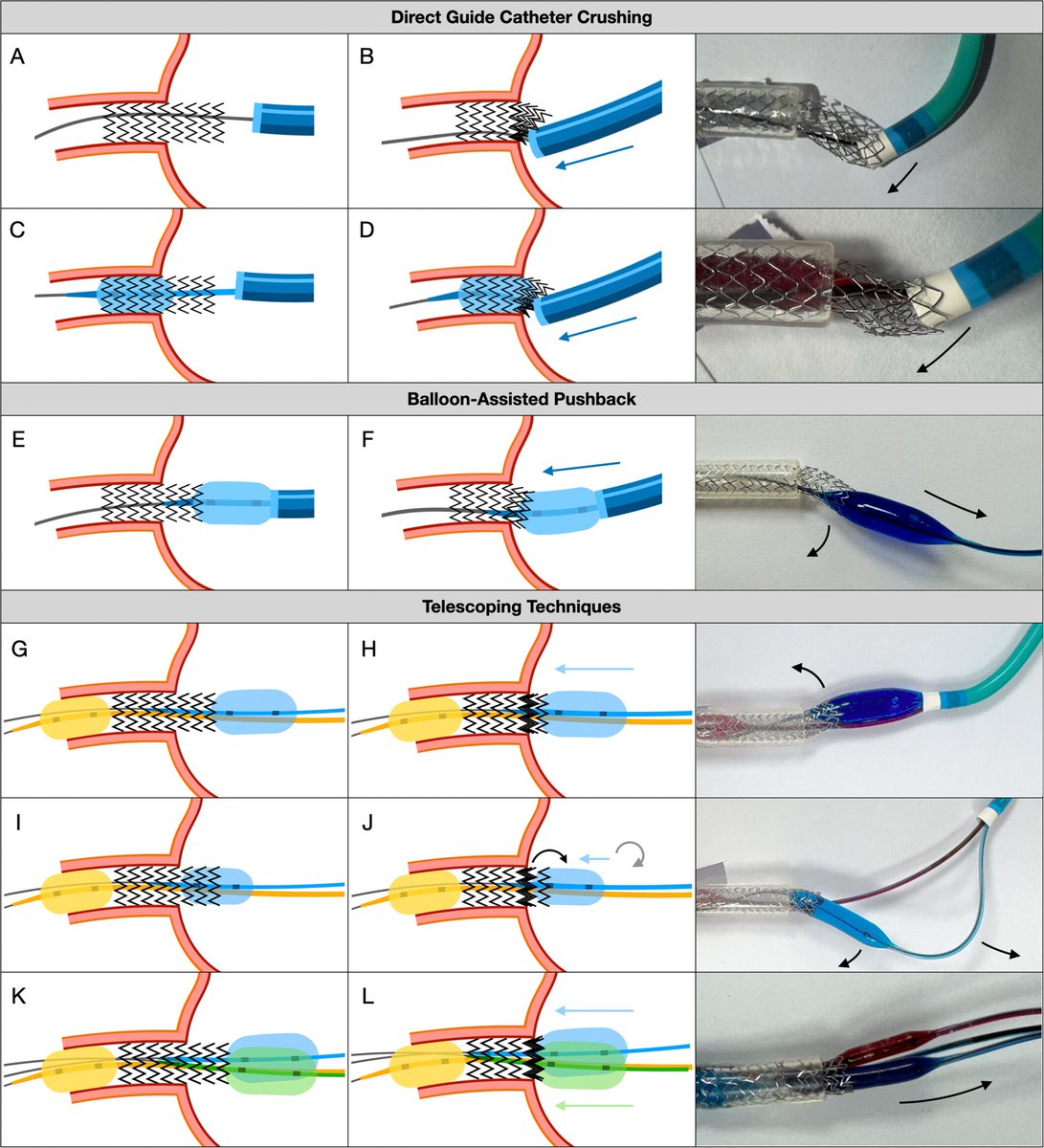
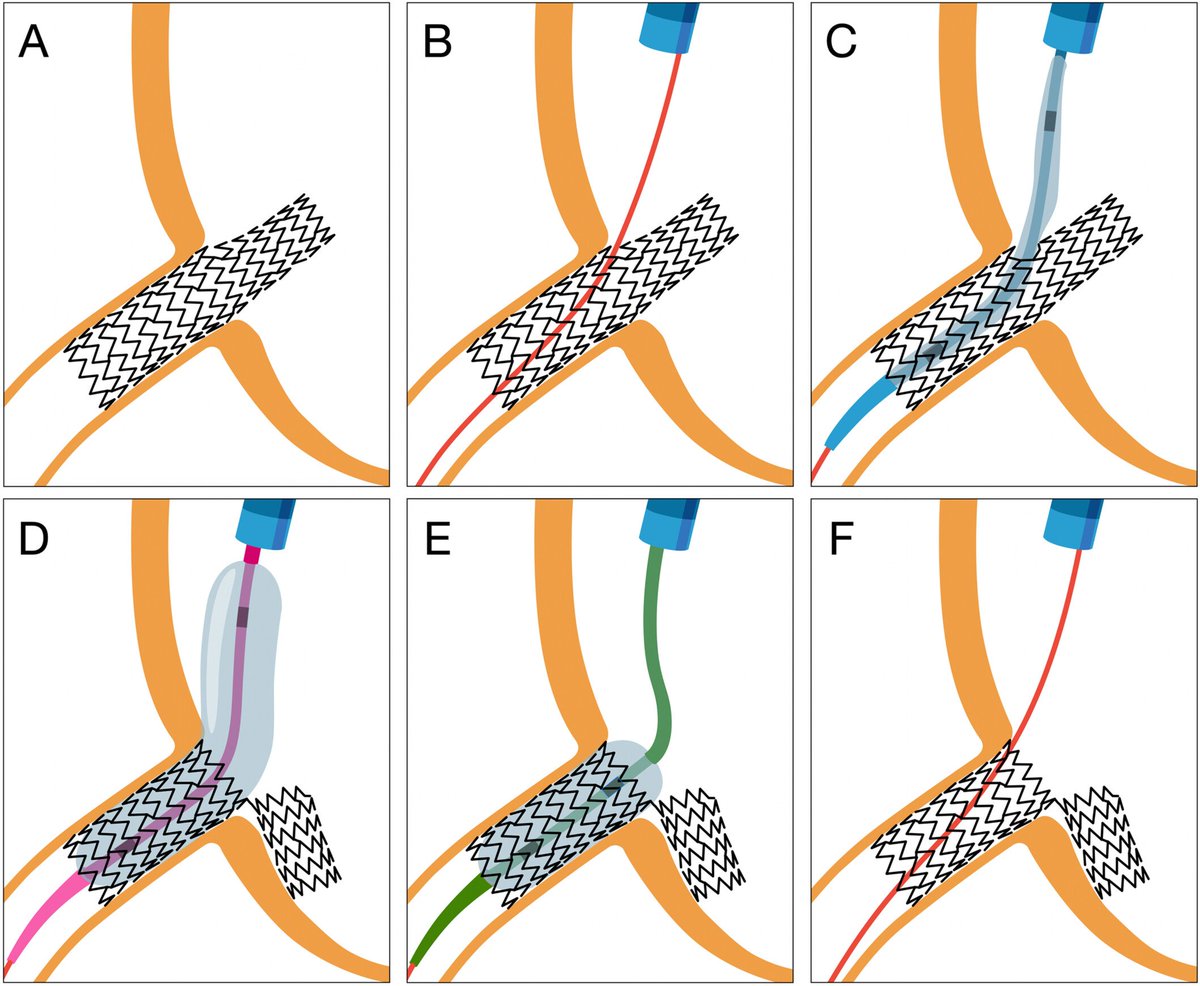
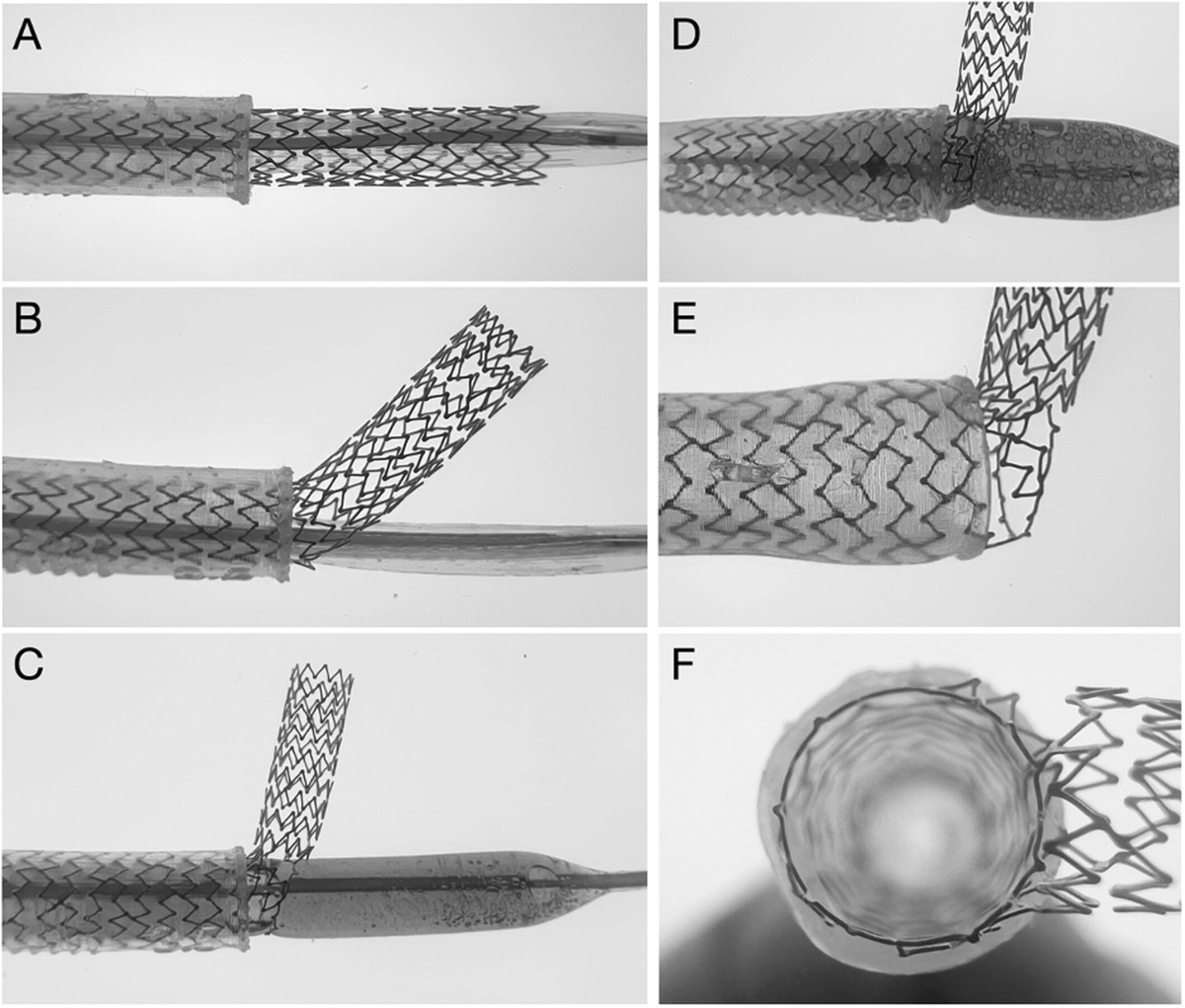
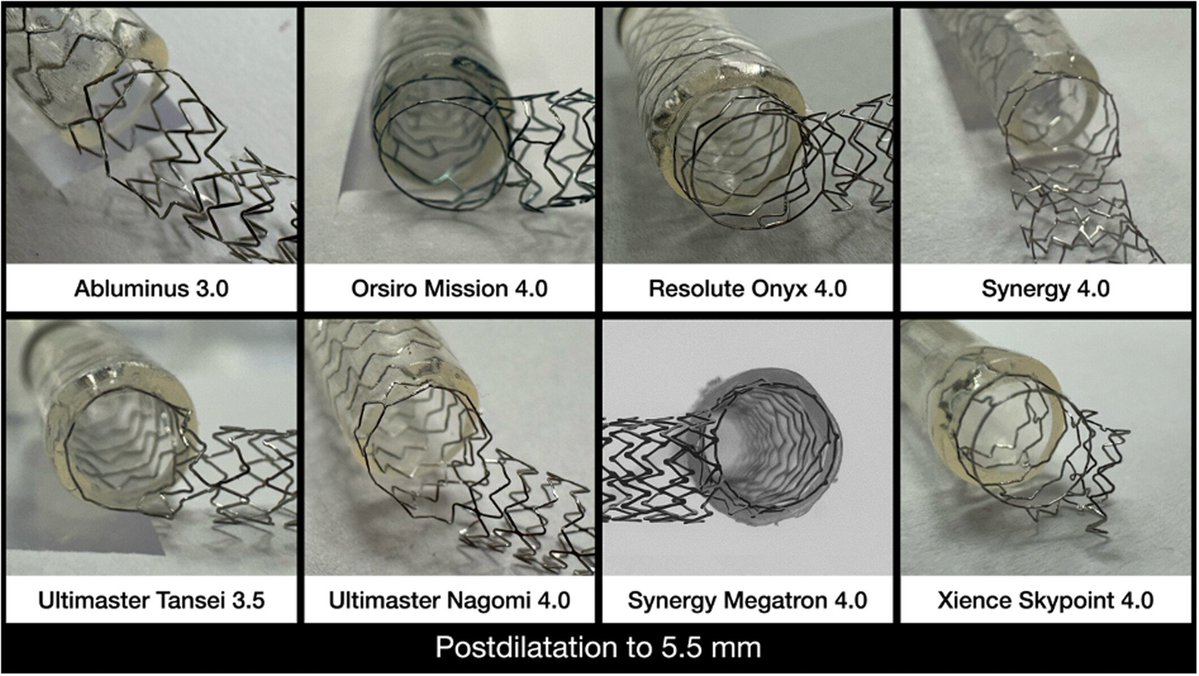
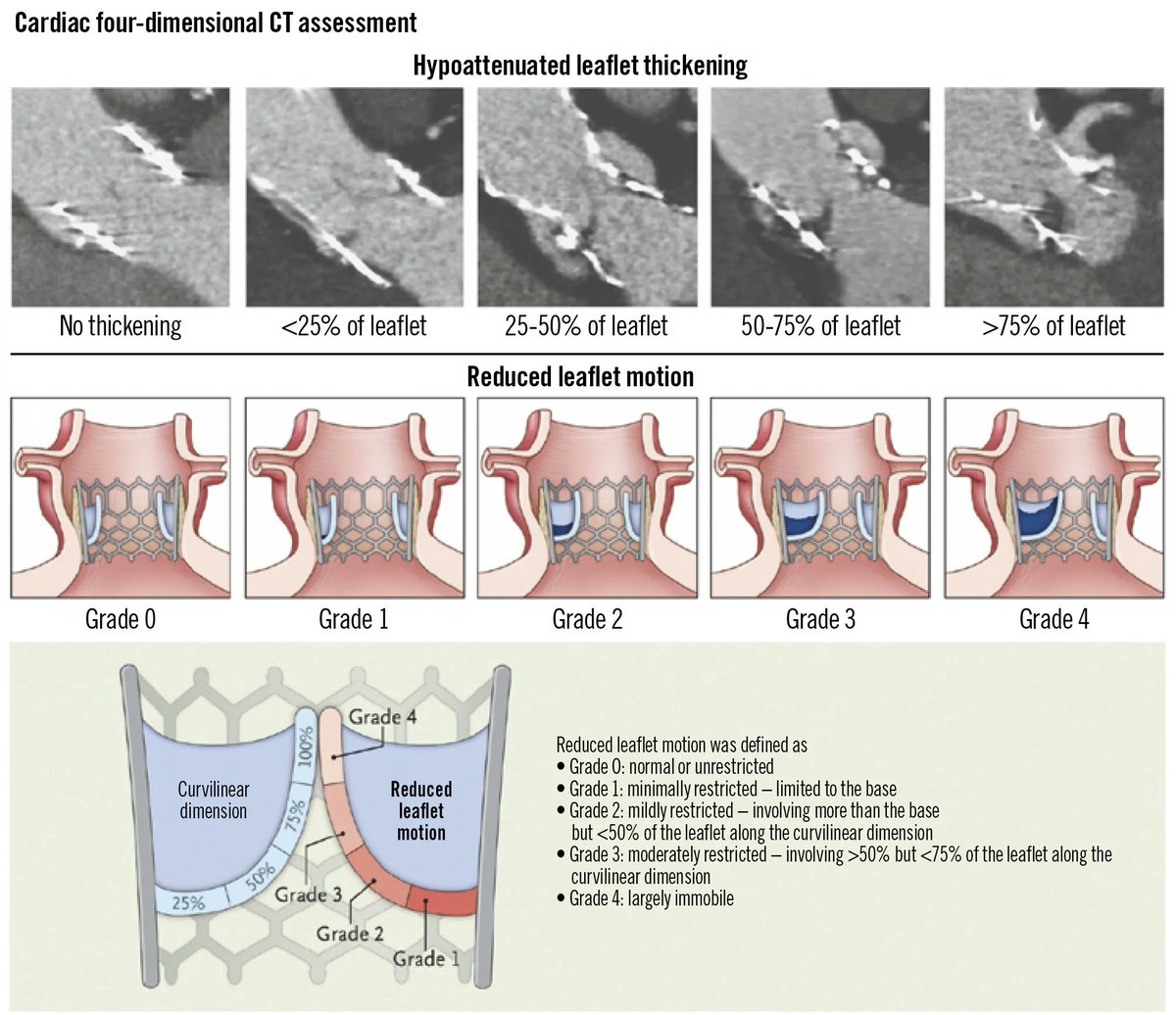
This state-of-the-art review outlines current evidence on the mechanisms, prevalence, clinical relevance, and management of TAVI thrombosis and highlights ongoing clinical trials investigating this condition. eurointervention.pcronline.com/article/transc…
Davide Capodanno tweet media
English
0
93
228
16.2K
Sam retweetledi
CardiovascularCorner
CardiovascularCorner@TrackYourHeart·
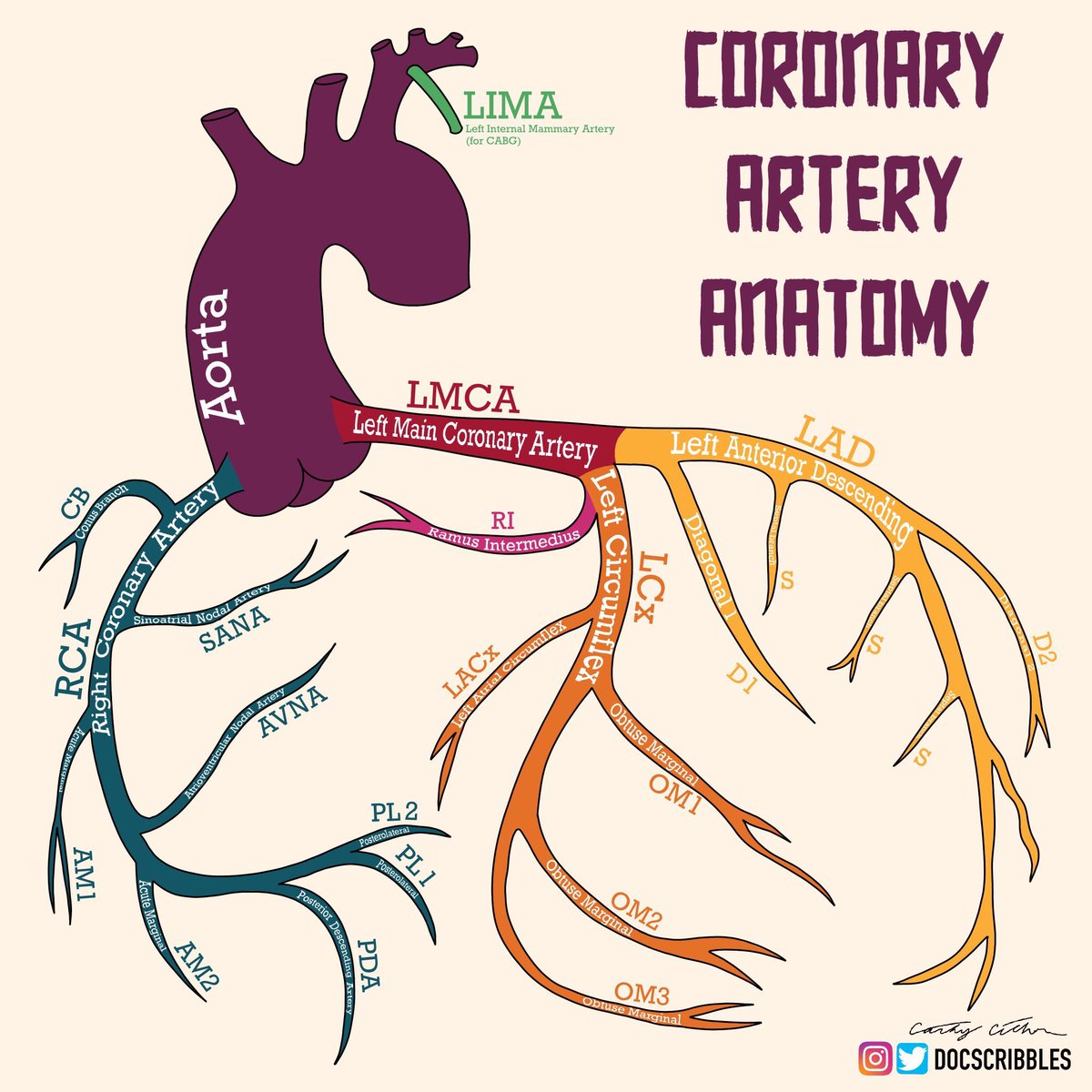
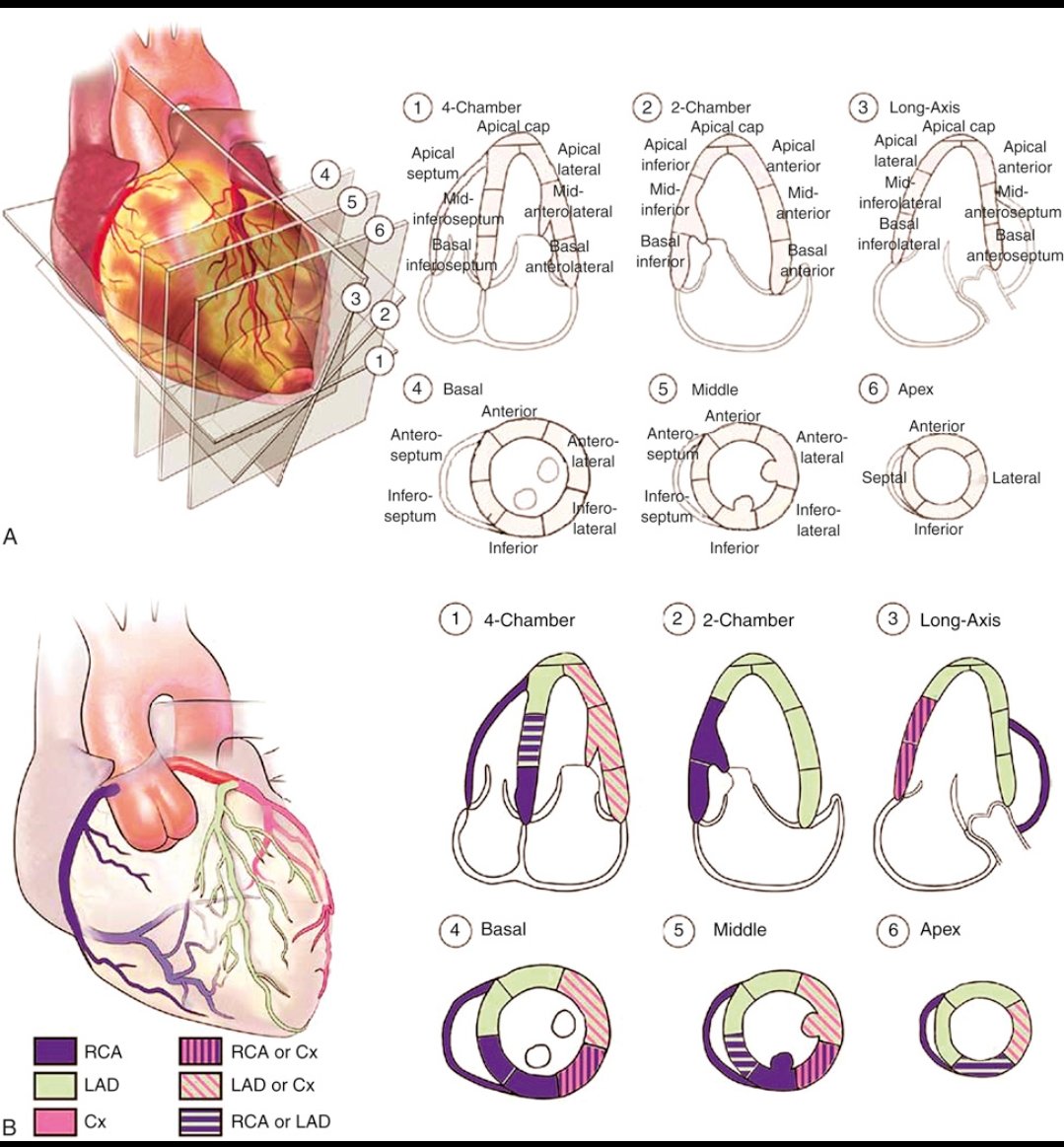
Site of coronary artery occlusion in STEMI
CardiovascularCorner tweet media
English
1
112
453
15.9K
Sam retweetledi
CardiovascularCorner
CardiovascularCorner@TrackYourHeart·
Impressive animation of the cardiac cycle = Rhythm of life😍😍
English
1
155
634
37.5K
Sam retweetledi
Dr. Filippo Cademartiri
Dr. Filippo Cademartiri@FCademartiri·
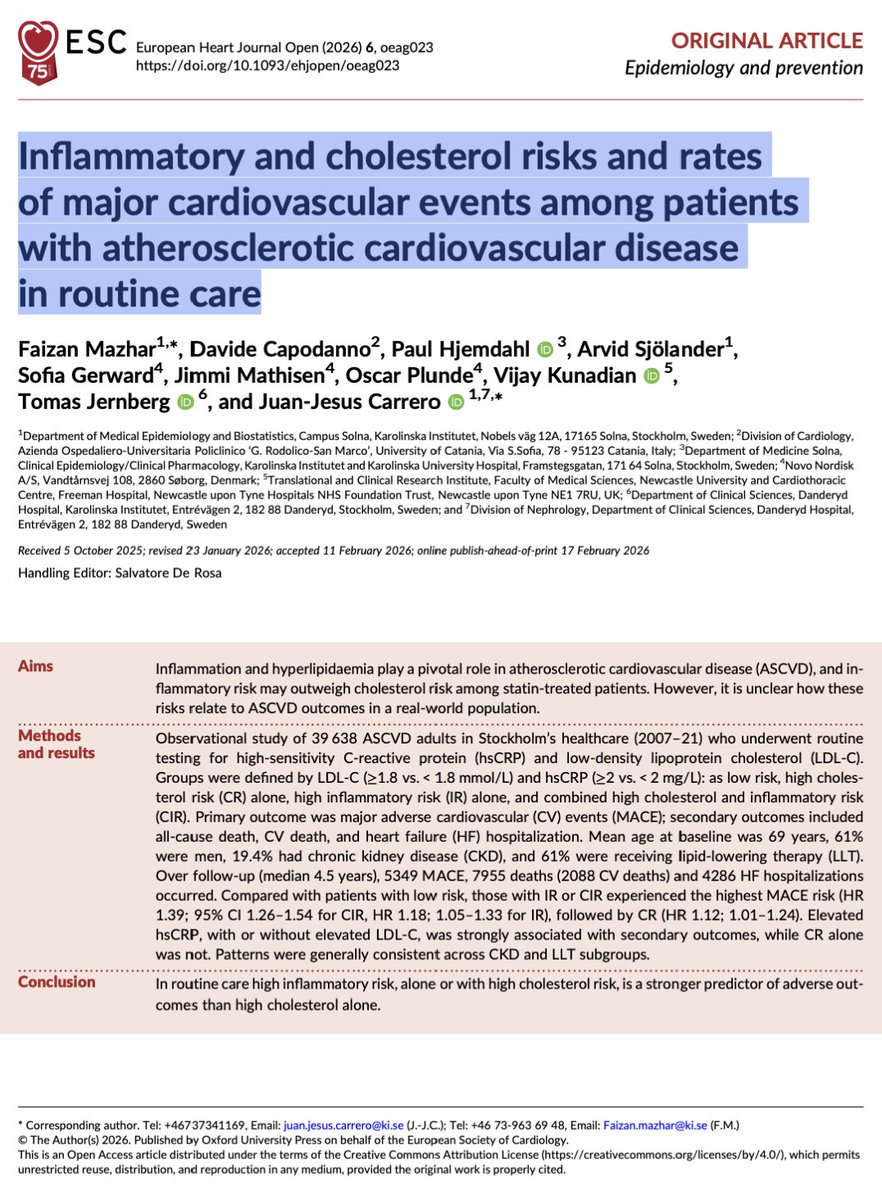
🫀 Inflammation vs cholesterol: which residual risk matters most in ASCVD? A large real-world study explored how cholesterol risk (LDL-C) and inflammatory risk (hsCRP) relate to cardiovascular outcomes in patients with established atherosclerotic cardiovascular disease (ASCVD). Researchers analyzed 39,638 patients with ASCVD in routine healthcare in Stockholm between 2007–2021. Patients were stratified into four groups based on LDL-C ≥1.8 mmol/L (≈70 mg/dL) and hsCRP ≥2 mg/L: • Low risk • High cholesterol risk • High inflammatory risk • Combined high cholesterol + inflammatory risk The primary endpoint was major adverse cardiovascular events (MACE), with additional outcomes including cardiovascular mortality, all-cause mortality, and heart failure hospitalization. 📊 Key findings 🔥 Inflammatory risk mattered more than cholesterol alone!!! Patients with high inflammatory risk (hsCRP ≥2 mg/L) had significantly higher rates of: • MACE • cardiovascular mortality • all-cause mortality • heart failure hospitalization 🧬 High cholesterol alone was associated with only a modest increase in MACE and was not strongly linked to other adverse outcomes. ⚠️ Another striking observation: ~39% of ASCVD patients were not receiving lipid-lowering therapy, highlighting persistent gaps in secondary prevention in routine care. 🧠 Why this matters The study reinforces a growing concept in cardiometabolic medicine: ➡️ Residual inflammatory risk remains a major driver of cardiovascular events even when cholesterol is treated. This helps explain why therapies targeting inflammation (e.g., colchicine, IL-1 pathways) are increasingly explored alongside lipid-lowering strategies. 📌 Take-home message ASCVD risk is not just about LDL-C. In real-world populations, inflammation appears to be an equally important — and often overlooked — driver of recurrent cardiovascular events. Future prevention strategies will likely need to target both cholesterol and inflammation.
Dr. Filippo Cademartiri tweet media
English
7
44
132
10.2K
Sam retweetledi
Aamir Laghari , MD, FACC
Aamir Laghari , MD, FACC@DrAamirLaghari·
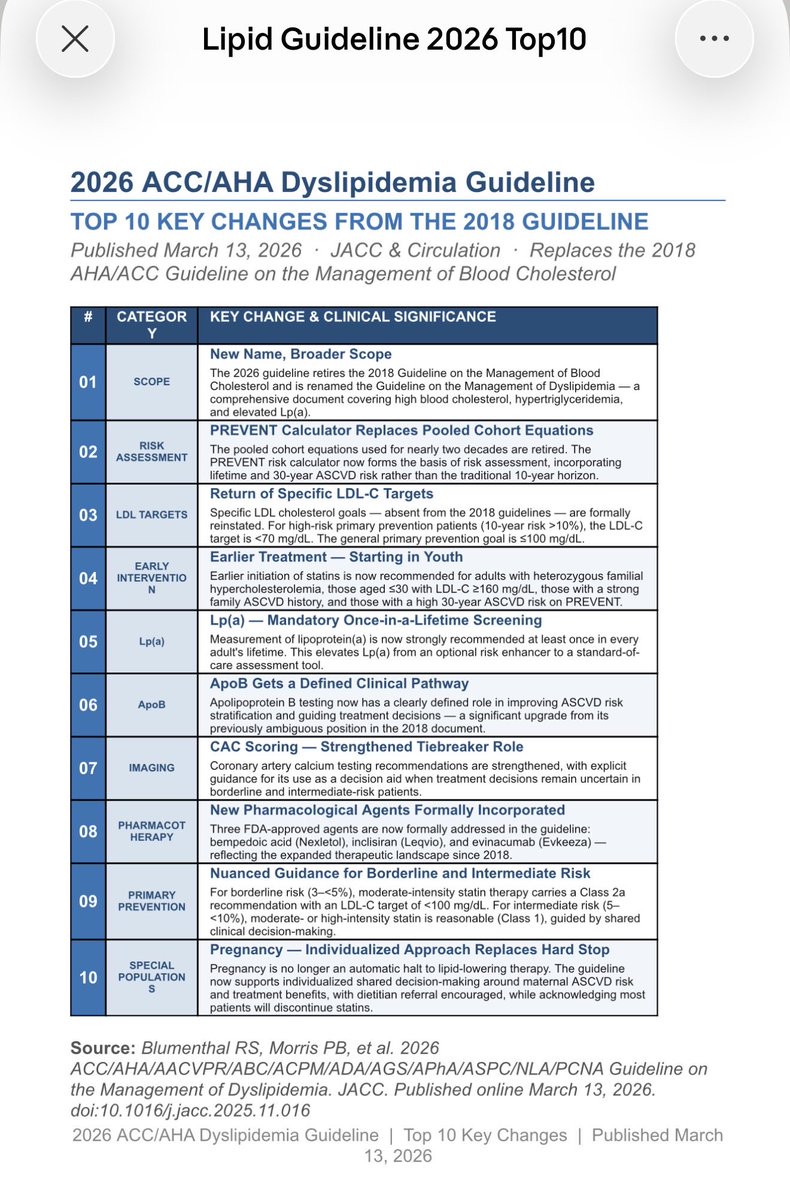
1 minute review for top 10 changes in 2026 lipid guidelines 🫀 Shared decision making always worked for me , patient compliance is great when you give them autonomy and a plan for decade ! @ACCinTouch
Aamir Laghari , MD, FACC tweet media
English
1
185
560
36.5K