

spenser
499 posts






Her: oh i love this music it's what my dad listens too
Me:
English
The last good song to come out of the 90s was Weird Al’s ‘It's All About the Pentiums’.
English


Who is your personal favorite third baseman of the 1990's?
Again, John Valentin is my favorite of all-time, so it's of course him. He moved to third in 1997.
Aside from him my answer would be Tim Naehring.


Scott F@TheFrizz87
Who is your personal favorite shortstop of the 1990's? Mine is John Valentin of course, my favorite player of all time.
English
You know, you think you can just ride a horse but that shit is hard. You dont just jump on a horse and ride around.
English



Who is your personal favorite third baseman of the 2000's? (2000-09)
I have to list a 1a and 1b here; I liked both Bill Mueller & Mike Lowell before they were Red Sox. Was happy when we acquired them, they both performed well & both won a World Series.

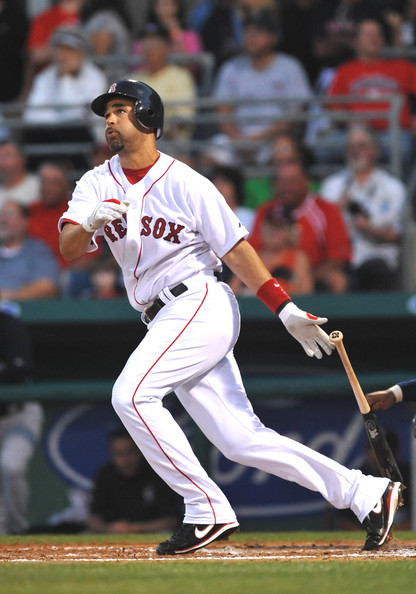
Scott F@TheFrizz87
Who is your personal favorite shortstop of the 2000's? (2000-09) Mine is Nomar Garciaparra, honorable mention to Orlando Cabrera.
English

My first act as president would be signing an executive order making it illegal to broadcast You Really Got Me without playing Eruption first
English


“Storm’s a-coming”
“How can you tell?”
“Listen—the dicks are angry tonight”
Archaeo - Histories@archeohistories
In the ancient Roman World, a 'Tintinnabulum' was a wind chime or assemblage of bells. A tintinnabulum often took the form of a bronze ithyphallic figure or of a fascinum, a magico-religious phallus thought to ward off the evil eye and bring good fortune and prosperity. A tintinnabulum acted as a door amulet. These were hung near thresholds at a shop or house, under the peristyles (around the inner courtyard or garden) by the bedroom, or the venereum, where the wind would cause them to tinkle. They were also made to ring like doorbells, a series of them being tied to cord attached to a bell pull. The sounds of bells were believed to keep away evil spirits. Hand-bells have been found in sanctuaries and other settings that indicate their religious usage, and were used at the Temple of Iuppiter Tonans, "Jupiter the Thunderer." Elaborately decorated pendants for tintinnabula occur in Etruscan settings, depicting for example women carding wool, spinning, and weaving. Bells were hung on the necks of domestic animals such as horses and sheep to keep track of the animals, but perhaps also for apotropaic purposes. Phallic charms often winged – invoking the Roman god Fascinus - were ubiquitous in Roman culture, from jewelry to bells and wind chimes to lamps. The fascinus was thought particularly to ward off evil from children, mainly boys, and from conquering generals. There was a custom of hanging a phallic charm on a baby's neck, and examples have been found of phallus-bearing rings too small to be worn except by children. As Christianity took hold over Rome, they wiped out any parts of the Roman religion deemed too sexual, hence not much is known about the god Fascinus. Christians also wiped out most references to a related minor god, the wonderfully named Mutunus Tutunus, most likely because of a marriage tradition in which Roman brides supposedly “straddled the phallus of Mutunus to prepare themselves for intercourse.” 📷 : Roman Bronze Tintinnabulum (1st-3rd Century AD) #archaeohistories
English
If I was going to steal tweets they would sure as hell be better than the crap I usually post
English
If those giant ribs were heavy enough to flip over Fred Flintstone's car, how did the waitress carry them
English
Wear a fez everywhere you go for a year, and then one day stop wearing the fez and everyone will wonder where the fez guy went
English



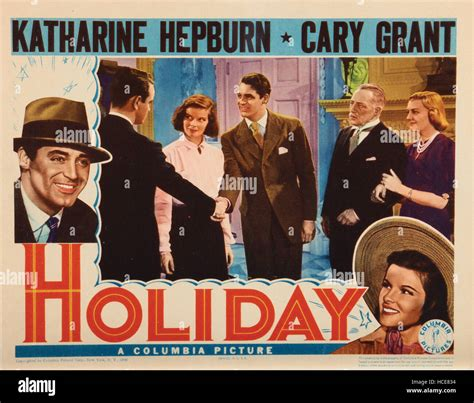

KATHARINE HEPBURN was born this day in 1907. Which is your favourite of hers?

English


I’m gonna make a 70s playlist!
Add one 70s Song in the comments🤘🏻
English
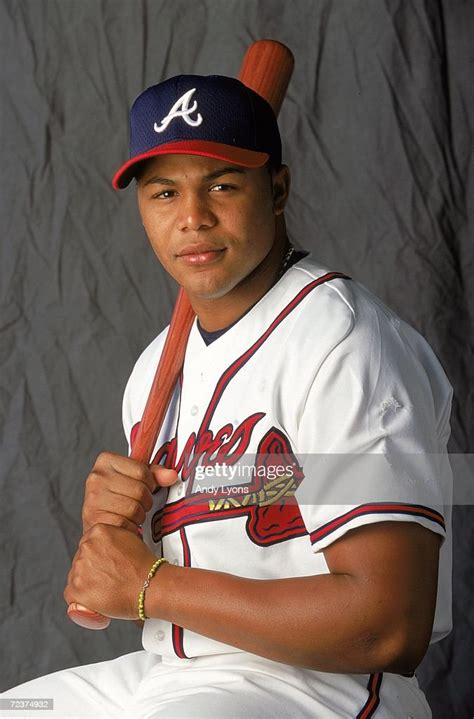

Who’s your all-time favorite center fielder that’s NOT a Tiger? I’ll go first … Willie Wilson … 👍⚾️

English