
Sabitlenmiş Tweet
Vi.
711 posts


Vi.
@spitfireaileen
cradles wishes time once curled. ♥️
She/Her. 🦦 Katılım Temmuz 2025
49 Takip Edilen25 Takipçiler

🪵 pacarku kebangun karna dia lupa belum kabarin aku... life is so good... i love him so much... semoga yang baca ini dapet ngerasain feeling sender dan ketemu orang baik yang cinta sama kalian juga huhuhu
Indonesia

@spitfireaileen Percayalah ini gapapa, cuma alaynya masih agak nyentil
Indonesia

SOCIALIZE TIME ⌚🪵
Drop a little greeting, card, letterboxd, or whatever and be friend with anyone who interacts with it. Be kind to everyone!
English
Vi. retweetledi

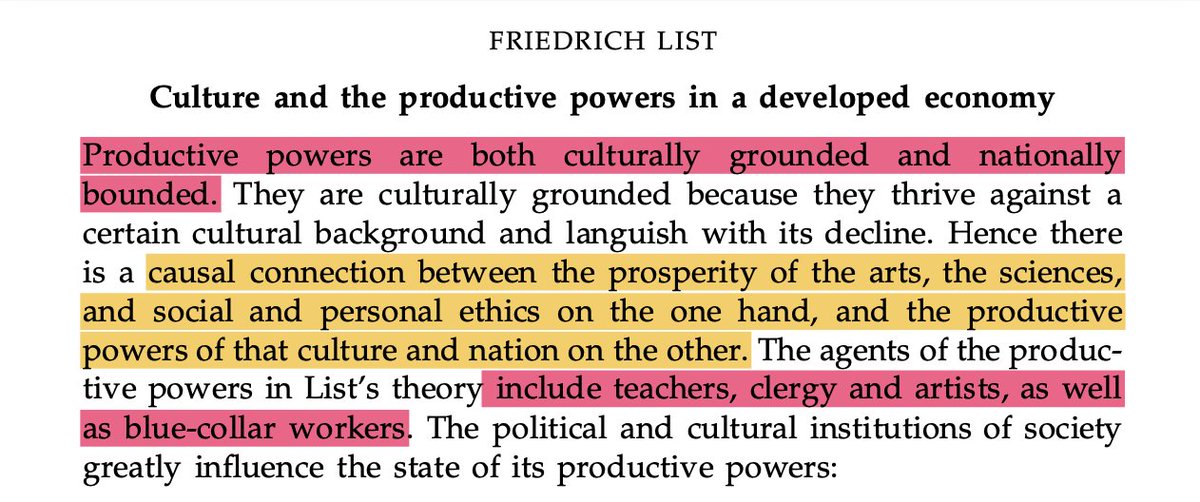
ralat = yang tak relevan dengan industri buruh murah. padahal kalau buka mata sedikit justru pendidikan, soshum, dan seni itu yang membuat mental capital (has better value than material capital)
tempo.co@tempodotco
JUST IN: Kemendikti Bakal Tutup Prodi yang Tak Relevan dengan Industri
Indonesia
Vi. retweetledi

Pernah merasa "Duh, kok saya bego banget ya?" saat di kelas, atau saat meneliti atau saat menghadapi kasus yang sulit?
Paper dengan judul "The Importance of Stupidity in Scientific Research" mencoba membedah fenomena tersebut.
Banyak orang mengira sains itu soal "pasti tahu". Padahal, sains itu sejatinya justru dibangun dari rasa "ketidaktahuan".
Tulisan Martin Schwartz, “The importance of stupidity in scientific research”, adalah bacaan wajib bagi mahasiswa dan peneliti.
Kenapa?

Dr. Filippo Cademartiri@FCademartiri
This article should be mandatory reading for every medical student, PhD candidate, researcher—and honestly, for anyone who mistakes expertise for certainty. “The importance of stupidity in scientific research” sounds provocative, almost offensive. But Martin Schwartz is not glorifying incompetence. He is describing the real operating system of discovery. Science is not built on knowing. Science is built on tolerating not knowing. That distinction matters. Most of education rewards correctness. School teaches us to answer. Exams reward speed, certainty, and precision. You feel intelligent when you get things right. Research is the opposite. Real research begins exactly where competence ends—at the frontier where nobody knows the answer, including the people you thought must know. That moment is psychologically brutal. You ask the expert. The expert shrugs. You assume you’re missing something. Then you realize: no—this is the work. You are not failing. You are standing at the actual boundary of knowledge. That feeling—“I must be stupid”—is often not a sign of inadequacy. It is often the first sign that you are finally asking an important question. Medicine struggles with this. We train doctors to avoid uncertainty, to fear being wrong, to perform confidence. But the best clinicians and the best scientists know how to sit inside ambiguity without collapsing into fake certainty. This is why AI in medicine also deserves caution. Systems trained only to reproduce established answers may become extraordinarily good at passing exams while being terrible at discovering what matters next. Guideline intelligence is not the same as scientific intelligence. Discovery requires productive stupidity: the willingness to stay with the uncomfortable, to look ignorant, to ask naïve questions, to be wrong repeatedly without protecting your ego. Most people want the authority of expertise. Very few want the humiliation required to earn it. But progress lives there. Not in certainty. Not in performance. Not in sounding smart. In the quiet discipline of saying: “I don’t know… yet.” And continuing anyway.
Indonesia
Vi. retweetledi



Vi. retweetledi



Vi. retweetledi

man just put my hudson burger and connor fries in the damn bag
Film Updates@FilmUpdates
The 2026 Met Gala is in one week. Beyoncé, Nicole Kidman and Venus Williams are set to co-chair alongside Anna Wintour.
English


