
Sabitlenmiş Tweet
Stephen Quadling
16.7K posts


Stephen Quadling
@squadling72
Love my wife. Love my boys. Love sport. Love music. Must try to work less and relax more. All views my own (unless I steal yours).
Katılım Nisan 2013
609 Takip Edilen153 Takipçiler
@LiamJKennedy23 I know it’s daft, but if we had won the two games against Sunderland (which we deserved to lose because we were terrible), we would have finished 7th on 55 points and Sunderland would be 13th on 48 points.
English
Correction (been a long day) only West Ham, Burnley & Wolves lost more PL games than Eddie Howe's NUFC this Premier League season. All were relegated.
Liam Kennedy@LiamJKennedy23
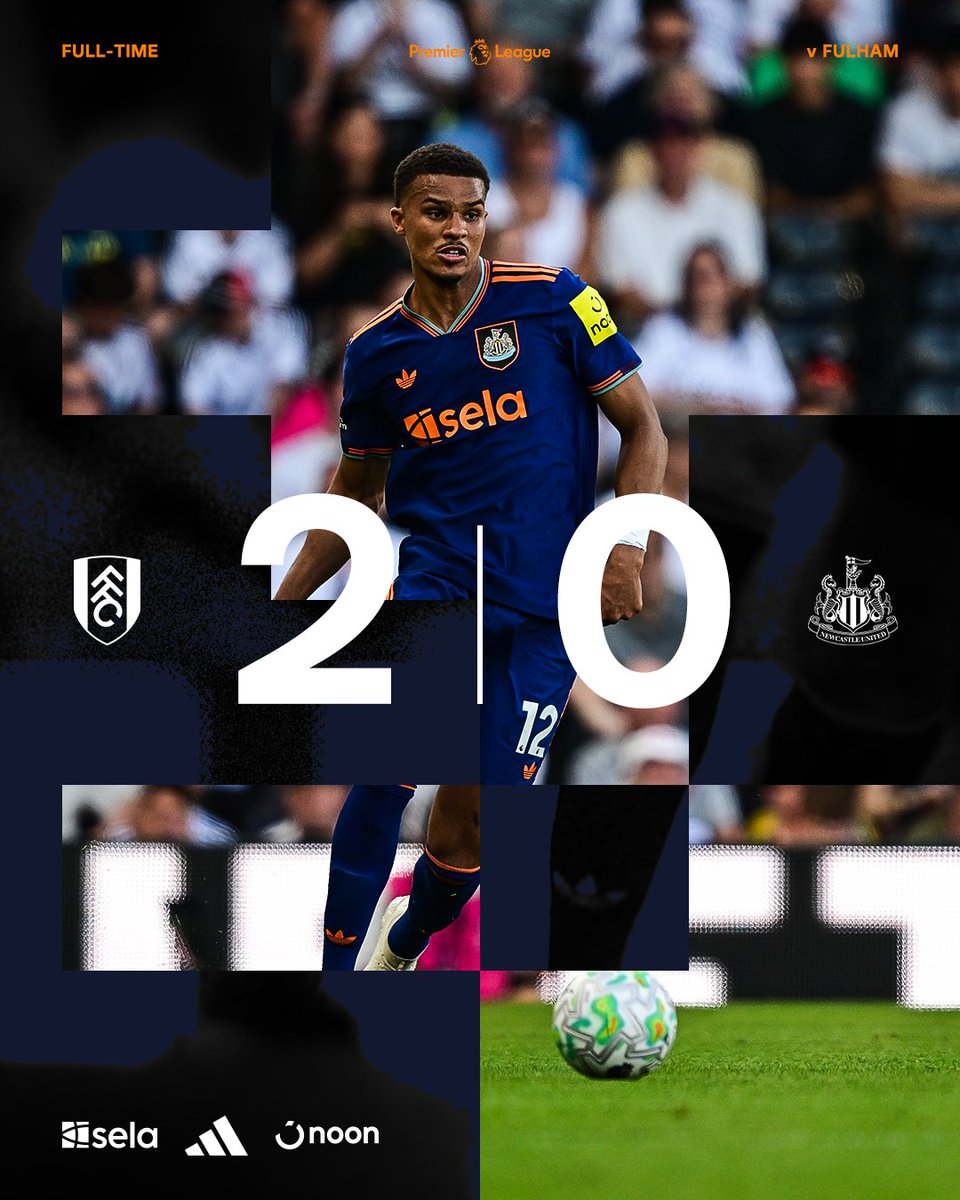
FT | Fulham 2 (Diop, Cairney) NUFC 0 Embarrassing, gutless performance to round off season many will want to forget. It can't be. This must be a place never revisited by club with upward ambitions. Only bottom 4 lost more (17/38). Totally unacceptable. Disgraceful, actually.
English
85 years ago today, in the freezing grey water between Iceland and Greenland, the most famous warship in the world sank in under three minutes.
Of 1,418 men aboard, three survived. #HMSHood
Hidden History@HiddenHistoryYT
HMS Hood in stunning color footage. What a beautiful ship she was 🇬🇧
English

HMS Hood in stunning color footage.
What a beautiful ship she was 🇬🇧
English
@NUFC Terrible end to a disappointing season. Lots of work to be done in the summer.
English

@thom_brooks It’s quite easy when you just approve them all 🙄
English

Labour delivers in government
Home Office@ukhomeoffice
Asylum decisions have quadrupled. The asylum backlog is now down from its peak of 175,000 to 49,000 people awaiting a decision - the lowest level since 2019. More decisions mean more asylum hotel closures and more illegal migrants removed or deported.
English
@Keir_Starmer Why is this match any different to any other match? TNT pay a huge amount of money for the tv rights, why should they give it away for free?
English

Football should bring people together, not shut them out.
For the first time since the competition began, fans won’t be able to watch the Champions League final for free. That’s not right.
This is bigger than wanting to watch Arsenal in this historic final. It’s bigger than one club.
Hardworking people shouldn’t have to fork out for a subscription to watch this match.
I urge TNT Sports to reconsider and make the final next Saturday free to watch.
English


Another Tuesday in Bradford. Milad Panjshiri, 22, an Afghan asylum seeker, walks into a Morrisons with a six-inch knife. He taps it against his leg. Waves it at a female worker. Knocks over the wine shelves and starts stabbing tinned goods. Staff pull the fire alarm and evacuate weeping customers.
His grievance, apparently, is with King Charles.
Police arrive. Panjshiri is arrested. In court his lawyer pleads mental health, and notes that no member of the public was actually attacked, only the cans. The judge calls it "a very troubling offence." Panjshiri declines to attend his own sentencing. He gets 18 months and will be out in nine.
This is the settlement Britain has arrived at. A man the country did not invite brandishes a blade in a Yorkshire supermarket, screams about the King, and walks out with a sentence shorter than a car lease. Staff go back to work. Customers go home and explain to their kids why mum was crying. Panjshiri understood the arrangement best of all, which is why he could not be bothered to show up to court.
English
Stephen Quadling retweetledi

Song is 57 years old and still has a fresh edginess to it. That's art.
England@England
Come Together.
English
Stephen Quadling retweetledi

@AllisonPearson This is what pisses me off, they take all of our money off of us, give us a little bit back, give themselves a massive big pat on the back and expect us to be grateful.
English

Does the Prime Minister know how many families are cancelling summer holidays because energy bills and increased taxes have cleaned them out?
A few bus fares for kids won’t touch the sides of the cost of living crisis caused by his criminalily inept government.
Keir Starmer@Keir_Starmer
Every family should enjoy the summer without having to think about the pressures of the cost of living. That’s what our Great British Summer Savings package is all about.
English
Stephen Quadling retweetledi

Harry Maguire's family have 100% booked a non refundable Villa for the World Cup this summer given the absolute meltdown from his entire family on socials…
Zoe Maguire@zoemaguires
Absolute disgusted
English
@Keir_Starmer In a civilised country this would not be necessary.
English
Nine years on from the Manchester Arena terror attack, my thoughts are with those who lost their lives, the survivors, and their loved ones.
Last year I was proud to deliver on my promise to Figen Murray to introduce Martyn’s Law, in memory of her son Martyn Hett.
Martyn’s Law will help save lives by making sure venues and event spots have clear plans in place and are ready to act if the worst happens.
English
@NUFC Well done lads. Gutted for Lewis Hall though, easily the best English left back.
English
🏴 Dan Burn
🏴 Anthony Gordon
🏴 Tino Livramento
Our Three Lions heading to the World Cup! 🙌
Congrats, lads! 🦁


English
Stephen Quadling retweetledi

Every British PM as told by The Inbetweeners
English
@ColinBrazierTV I assume that the British Police were totally unaware of this until they were informed by their Belgian counterparts 🤷🏼♂️
English
At what point does the British State realise that by circumscribing the word "invasion" it has denied itself the ability to respond to one.
GB Politics@GBPolitcs
🚨NEW: Belgian police have warned that "violent ex-soldiers from countries like Iraq and Afghanistan" are illegally crossing the North Sea into the UK
English