
Sabitlenmiş Tweet
تیسفون
1.5K posts


تیسفون
@ssa44567
بلوچ ،کرد،فارس و ترک و لر و...،ایران خانه ی ماست. یک دولت یک ملت،پادشاهی پارلمانی.شیعه هراس و نفرت پراکن علیه دشمنان ایران پیرو و pilgrim طریقه ی حق کوص ننت
occupied iran Katılım Mayıs 2019
571 Takip Edilen146 Takipçiler
@SassanidPrpgnda این اسم شاه طهماسب ایرانی اصیل نیست مگه؟اون چه فازی بود وسط اسماعیل و عااباس یهو اینو ول دادن ترکها؟
فارسی

@PahlaviComms قدرت برای من از آب بینی بزی هم بی ارزش تر است.(امام سیروس ع).
رهبری دوره ی گذار قدرت نیست چیه؟خوب کص گیر آوردی تو هم ملت رو.
فارسی

شاهزاده رضا پهلوی: هرگز در این سالها به دنبال مقام نبوده و نیستم.
بخشی از نشست آنلاین با شماری از فعالان و چهرههای رسانهای و هنری، ۱ خرداد ۲۵۸۵/۱۴۰۵
فارسی

@gghamari
عزیزم بحث نکته در ویدیو ترامپ شد ،تخصص خودت هست
maria@mayagorgh
ترامپ یک «ویدیو موسیقی» تولید شده توسط هوش مصنوعی را منتشر کرده که نشان میدهد همه عاشق ترامپ هستند.😂 یه نکته داره ویدیو #جاويدشاه
فارسی
@NaghizMind الگو سیدالشهدا شون هست.امامی که شیرخوار ۶ ماهه رو میبره جلوی تیر نشون میده،مرید و سگش هم وقت بمباران میره تو کون زنش قایم میشه.
فارسی

یارو وسط جنگ پاشده رفته تمام خانواده شو و فامیل رو دور خودش جمع کرده که سپر انسانی کنه که اسراییل نزننش
یه بیشرفی خاصی میخواد که فقط از رافضی بر میاد
Mina Ghorbani@minamonteguide
چطوری یه خانواده رو به خاک و خون کشیدن و بازماندههاشون رو تا ابد داغدار کردن. خانوادهی میرزائی که دوازده عضو آن در اصابت موشک به برج خانوادگی مسکونیشان در حمله جنگندههای آمریکا و اسرائیل به خیابان جاجرودی- میدان رسالت کشته شدند.
فارسی
@pouriazeraati حرف درست رو میزنی.کص شعرای این حمال های بی مصرفی دل سردت نکنه.
فارسی

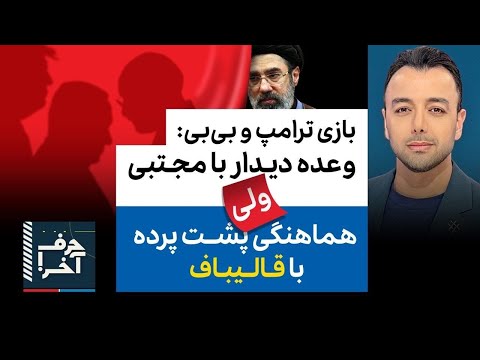
بازی ترامپ و بیبی:
مذاکرات پشت پرده با قالیباف.
حرف آخر این هفته
youtu.be/IF8Xpcell6E?si…
YouTube
فارسی

تیسفون retweetledi

@mahdi_aidi @arnaghshbandi جواب نمیخواد.ناله میکنی.اخوند عزیزت ضعیف و ضعیف تر میشه تا جشن ما روی نعش شما و پاسدار های شما هم شروع بشه.
فارسی

@ssa44567 @arnaghshbandi حتی ارزش جواب دادنم ندادی از صحبت کردنت مشخصع تو چه استبلی بزرگ شدی
فارسی
وقت آنست كه جهان مردم ما را مسلح كند .
پس از حملات هوایی به رژيم آخوندی و درهم شكستن هيمنه اين رژيم تبهكار ، وقت آنست كه جهان براي درهم كوبيدن اين رژيم و به نتيجه رساندن انقلاب ،هر چه سريعتر مردم ما را مسلح كند .
برای خشكاندن ريشه های رژيم ترور ، مردممان را مسلح كنيد .
فارسی

@arnaghshbandi بلوچ ره تا جای تخم هایشه کشیده فکر نکنم ,اگر تفنگ ندارید با پلخمان و نیزه بروید .
فارسی
@arnaghshbandi خاک بر سرت که در کنار یهود و اپستین باز هایی که علنا شیطان را میپرستن ایستاده ای
در مقابل کسانی ک قران و خدا و پیامبر و ائمه را قبول دارند
و خود را مسلمان داری
ننگ بر تو یهودی زاده
فارسی

@arnaghshbandi فعلا که اربابتون آمریکا و اسرائیل خوب داره پاره میشه. اگر خایه دارید بیایید تا جنازه هاتون برگرده
فارسی

@arnaghshbandi کثافت تروریست فراری. خاک بر سرت کنند مولوی فراری🤢🤮
فارسی
@theNewROS ی درخواست سفسکیم هم بده اونجا نسخه کنه اگه یوقتی گلوش سوخت سریع یدونه بخوره و برینه به قبر مرحوم فلمینگ
فارسی

الان میرم یه نوروبینم میخرم و ساعت ۴ صبح میرم اورژانس بیمارستان که پزشک کشیک به صورت اورژانسی تزریقش کنه سرحال بشم!
بهار ایران@baharIran_100
چرا دیگه بیشتر پزشکا تو ویزیت شون نبض آدمو نمیگیرن؟زبون آدمو نگاه نمیکنن؟به سفیدی و مردمک چشم کاری ندارن؟ سریع میگن چی شده تا خودمون شرح حال بدیم؟ و سریع آزمایش و سونو و عکس و ... مینویسن؟ ویزیت های جلسه اول شده مخصوص نوشتن آزمایش و سونو و .. همش یاد سریال ابن سینا و یانگوم میفتم
فارسی


رنگ سفید در پوشش شاهدخت نور تنها یک انتخاب زیباییشناسانه به نظر نمیرسد بلکه مرتبط به هویت بصری او در رویدادهای سیاسی و اجتماعی مربوط به ایران است
independentpersian.com/node/420749
فارسی

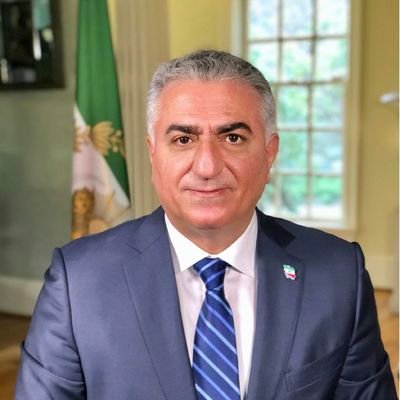
بُرد دلچسب #تیم_ملی مقابل مراکش در اولین بازی جامجهانی را به همه هممیهنان به ویژه بازیکنان سختکوش تیم تبریک میگویم. بچهها متشکریم! شما عالی هستید!
#TeamMelli #MARIRN
فارسی
@khoniyagarr @sag_koshi هیچ راه کم هزینه ای نمونده.با واقعیت کنار بیا.هر وغی زودتر بهتر
فارسی

@sag_koshi جنگیدن مسلحانه غیر ممکن داخل ایران
کی میخواد بجنگه کدوم سرباز کدوم تشکیلات
کی میخواد به این مردم اموزش اسلحه بده؟
مسلح کردن مردم در داخل یعنی جنگ داخلی رعب وحشت حملات تروریستی به مراکز عمومی از بین رفتن امنیت شهری از بین رفتن امنیت مرزها
فارسی
مهمترین چیزی که ملت ایران از دست داده "زمان" است.
"زمان"ی که باید صرف تغییر گفتمان و پارادایم شیفت میشد از دست رفته است.
مردم ایران برای دههها بین گفتمانی پرس شدند که هم ج.ا و هم اپوزوسیون ج.ا مبلغش بودند.
پیشنیاز اسلحه، مسلط کردن گفتمان مبارزه مسلحانه در جامعه است.
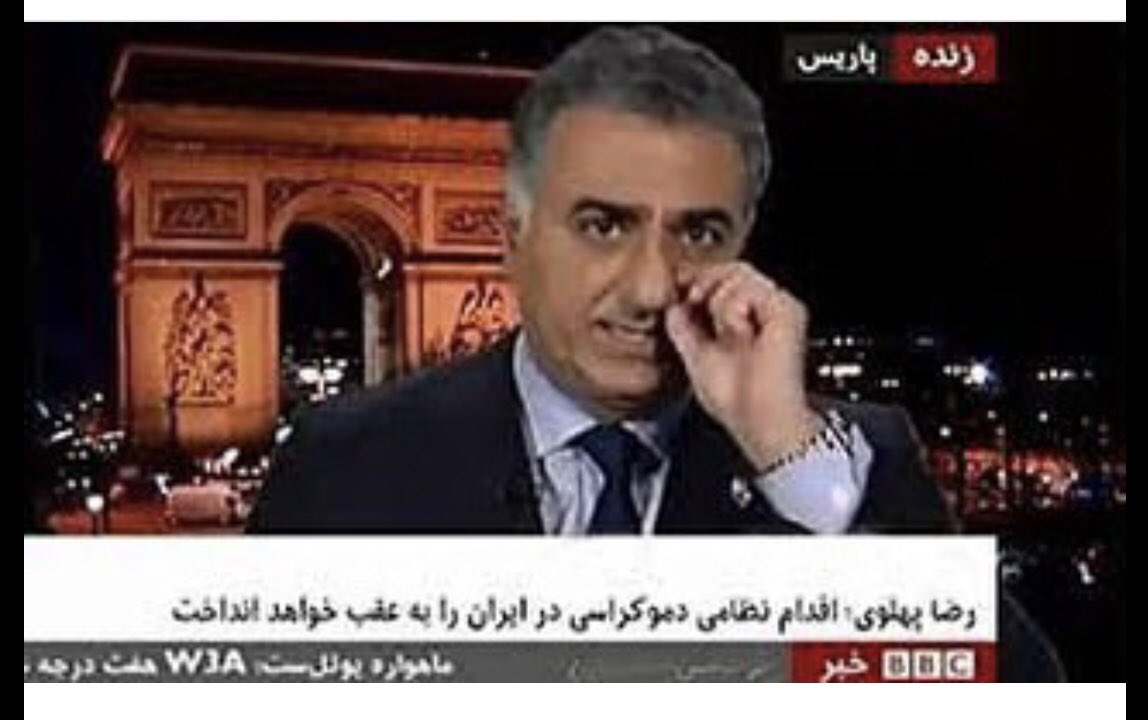
مطمئن باشید نبرد مسلحانه از هر نقطهای که شروع شود اولین کسی که محکومش میکند همین رضا پهلوی خواهد بود.


فارسی
@OppositionHead معدود استثنا های موجود رو بر میداره بعنوان اثبات یک ادعای کص شعر خرج میکنه.بله یک جمعیت شیعه ای مخالف جمهوری اسلامی هست که اونم ۹۹٪ اسمشون (مجاهدین خلق)هست.ایرج مصداقی احتمالا بخاطر همین آورده ور دلش نشونده.سیرکی هست برا خودش...
فارسی
