

Stéphane Benoit 👽
3.6K posts

Stéphane Benoit 👽
@stefb69
old timer, kube, docker, perl, python, rust, c, network, 40+ years in hacking anything with a cpu. shitpost de temps en temps.
Lyon Katılım Eylül 2011
611 Takip Edilen142 Takipçiler

Pinterest CEO calls on governments to ban social media for users under 16 techcrunch.com/2026/03/20/pin…
English
@nextgenai_fr @siliconcarnesf surement que toi t'es plus utile, le vibe coder de mes 2
Français

@siliconcarnesf il sert vraiment a rien ce type avec sa boîte rincer
Français
Donc voilà le résultat quand l’État met ses entrepreneurs sous cloche et leur apprend à nouer des cravates : ils préfèrent taxer que créer.
Moins de compétition, plus de fiscalité. Classique.
Emmanuel Pernot-Leplay@PernotLeplay
In the FT, @MistralAI CEO Arthur Mensch suggests a European tax on AI companies to compensate their use of publicly available content. That would be 1% of their revenues, used to support new content creation. In exchange, it would shield AI companies from US-like huge fines related to content training.
Français

Français

Non, les EnR ne sont pas directement responsables du blackout : elles y ont contribué à cause d’une vieille réglementation espagnole qui leur interdisait d’intervenir sur la tension alors qu’elles en étaient techniquement capables.
Paradoxalement les inverters, loués par les pro-EnR pour leur réactivité sur la fréquence, ont réagi sans aucune inertie face à la surtension et leurs protections se sont déclenchées, amplifiant la cascade au lieu de l’amortir comme une turbine de centrale classique.
Ce que ce rapport confirme, c’est que le déploiement massif d’EnR nécessite des adaptations profondes du réseau. C’est un coût important, documenté par RTE et ENTSO-E, qui n’apparaît pas dans le LCOE affiché.
JDL@jdl288
Les pseudo-consultants à cravates colorées et les lobbyistes à lunettes flashy vont pouvoir se planquer. Le photovoltaique incontrôlé a bien été à l'origine du blackout ibérique d'avril 2025. (RES= Renewable Energy Source) Lien vers le rapport complet: …publicdownloads.blob.core.windows.net/public-cdn-con…
Français
@bfmbusiness Je roule en bagnole electrique alors leur limitation de -10km/h ils ont qu'a l'appliquer aux voitures thermiques.
Français

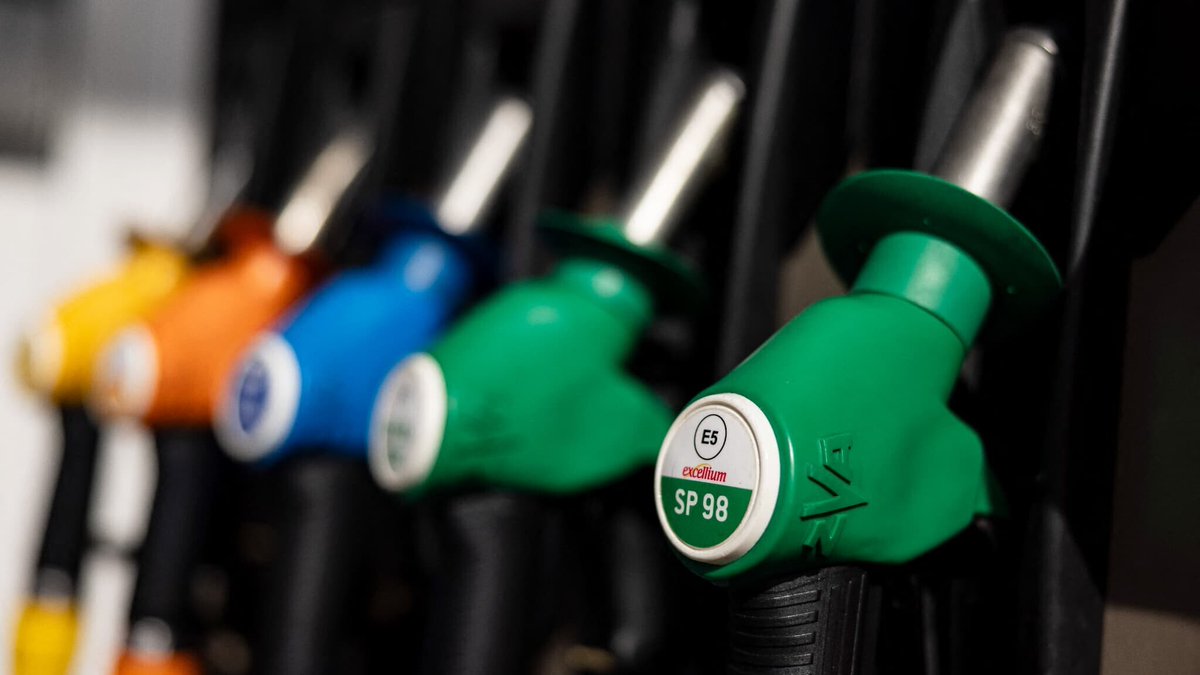
Plus de télétravail, 10km/h en moins sur l'autoroute, moins de vols d'affaires...: les conseils de l'Agence internationale de l'énergie pour réduire la consommation de pétrole
l.bfmtv.com/L8NE
Français
@ThenHeardNoMore @EmmanuelRuimy Sauf erreur de ma part, tu n'es qu'une experte de plus de twitter...
Français

@EmmanuelRuimy A quel moment le "sauf erreur de ma part" qui veut juste dire "là je vous relance mais si ça se trouve c'est moi qui ai loupé un truc donc au cas où : au temps pour moi" est-il devenu une formule agressive, comme si un courrier/mail/texto qui n'arrive pas était chose impossible ?
Français

Je me suis amusé à demander à Claude de me coder une app de traduction automatique : français → mail passif-agressif de bureau.

Français
@MishaalRahman @techdroider and we should be happy about that ?
English

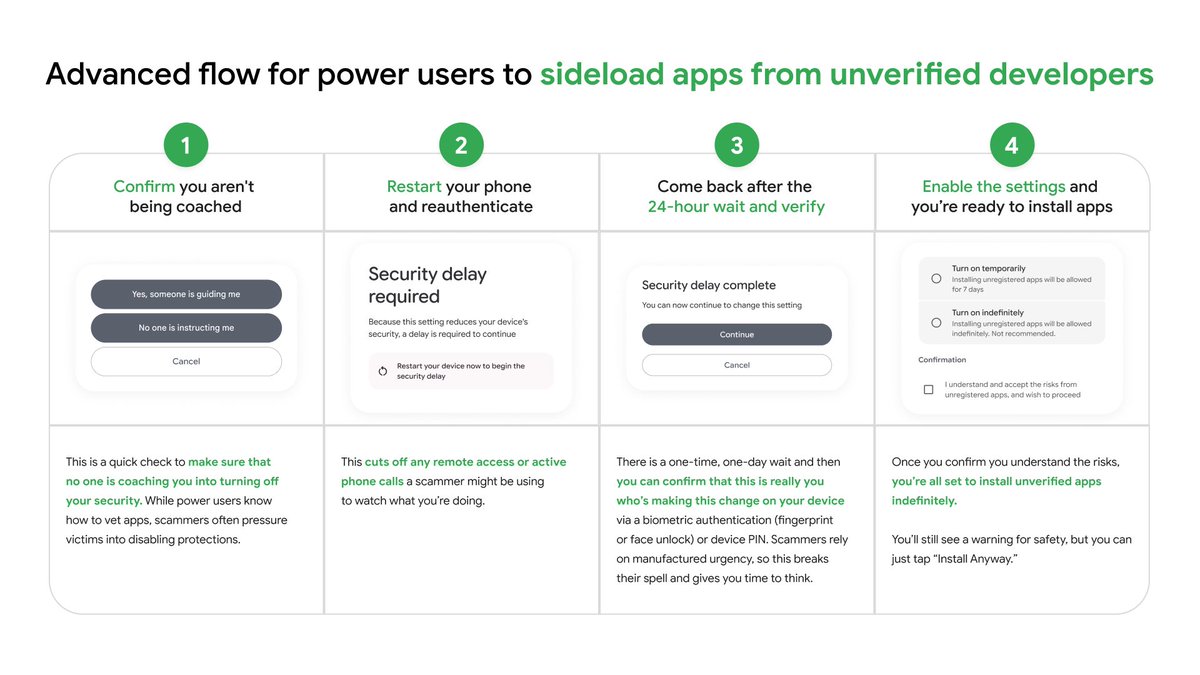
@techdroider There is not a 24-hour security delay to "install apps" - the vast majority of apps can be installed without completing this (one-time) waiting period!
This ONLY applies to installing unregistered apps, ie. apps distributed by developers who choose not to undergo verification.
English

24-hour security delay to install apps… are you serious, Google?
English
@NPolony mais en même temps l'implémentation de cette taxe est complètement con
Français

Les cas Shein et Temu révèlent l’impuissance de l'UE face au contournement organisé de ses propres règles : la taxe française sur les petits colis instaurée depuis début mars est ainsi déjà contournée par la Belgique. Le double-jeu de nos partenaires est une donnée du problème.

Français
@siliconcarnesf ils vont te faire sauter ta green card ou t'as la nationalité ? 😋
Français
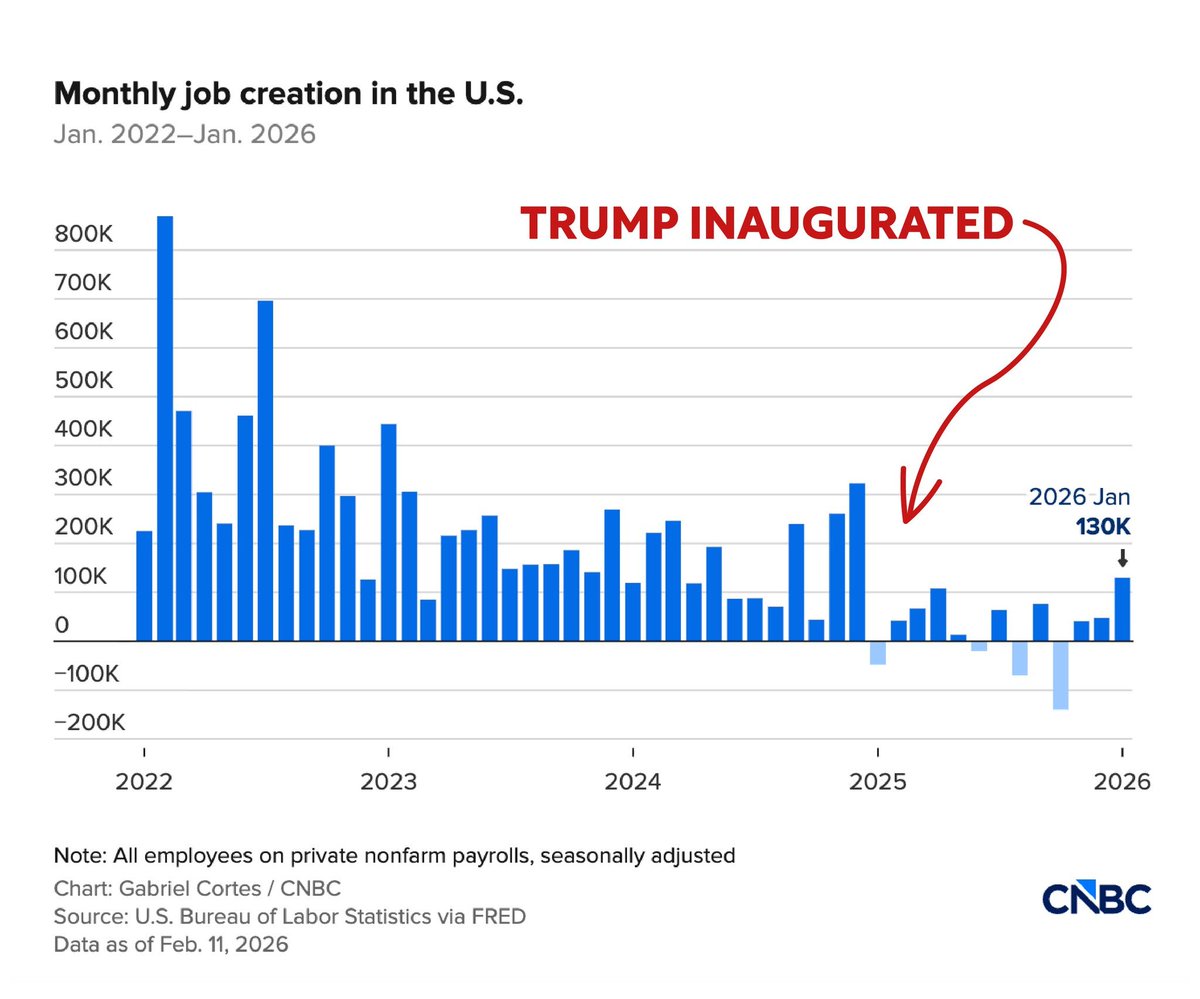
La creation de jobs aux US est catastrophique mais çà n'a rien à voir avec l'IA... c'est juste que le gouvernement est plus con qu'une chaise 🪑
Français
@TheTrueSchleima @RMCInfo @DenisEstelle ces reportages sont sponsos par le qatar, mais ca a mal vieilli 😝
Français

@RMCInfo Je me souviens d’un reportage de @DenisEstelle très à charge sur le VE, dommage alors que l’immense majorité des utilisateurs ne reviendraient jamais au thermique.
A l’époque on payait plus cher un véhicule diesel pour se rattraper sur le prix à la pompe, c’est pareil avec le VE
Français

🚗 Face aux prix des carburants, les Français optent pour l'électrique
l.rmc.fr/BnK
Français
Meta annonce 16 000 licenciements. En interne, on parle plutôt de 22 000.
Depuis 8 mois, les équipes documentent tout : décisions, debug, archi… Officiellement pour “mieux partager la connaissance”. En réalité, ces données ont servi à entraîner des agents IA internes.
Aujourd’hui, ces systèmes gèrent déjà ~70% des modifs de code.
La consigne côté management est simple : garder les “AI multipliers”… et virer les autres, considérés comme des “legacy dependencies”.
Le nouveau modèle ?
1 senior par équipe + IA + offshore sous Cursor à 28k$/an vs 240k$ dans la Bay Area. Le calcul est vite fait.
Les équipes les plus “AI-first” livrent 3x plus vite avec 60% de personnes en moins visiblement.
Le plus ironique dans l’histoire ?
Ceux qui sont virés en premier sont souvent ceux qui ont construit ces outils.
Deux ans à automatiser leur propre job.
Le futur du travail est brutal... On reviendra sur ces licenciements semaine prochaine dans Silicon Carne.
Français

I see one pattern in almost all companies with 10k+ employees.
They document every single step of their processes. Then they fire people and build long-term AI infrastructure.
And usually, engineers in those companies aren’t even active on LinkedIn.
If you were hit by layoffs from Amazon, Uber, Block, etc., here’s what I would do:
1. Put Ex-Uber / Ex-Block / Ex-… in your LinkedIn bio
2. Target smaller companies in the specific industry you worked in
3. For 30 days, leave your honest point of view as comments on decision makers’ posts
4. Position yourself to lead AI integration -> act like a fractional Head of Engineering
Best thing: you can do this for 2 companies at the same time...
I share more on my profile.
English

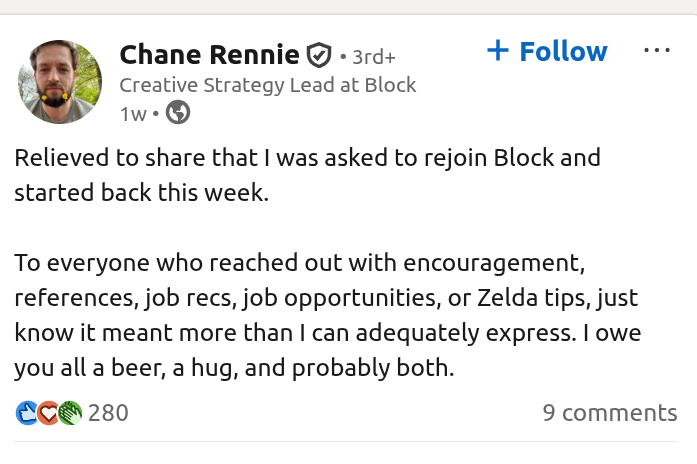
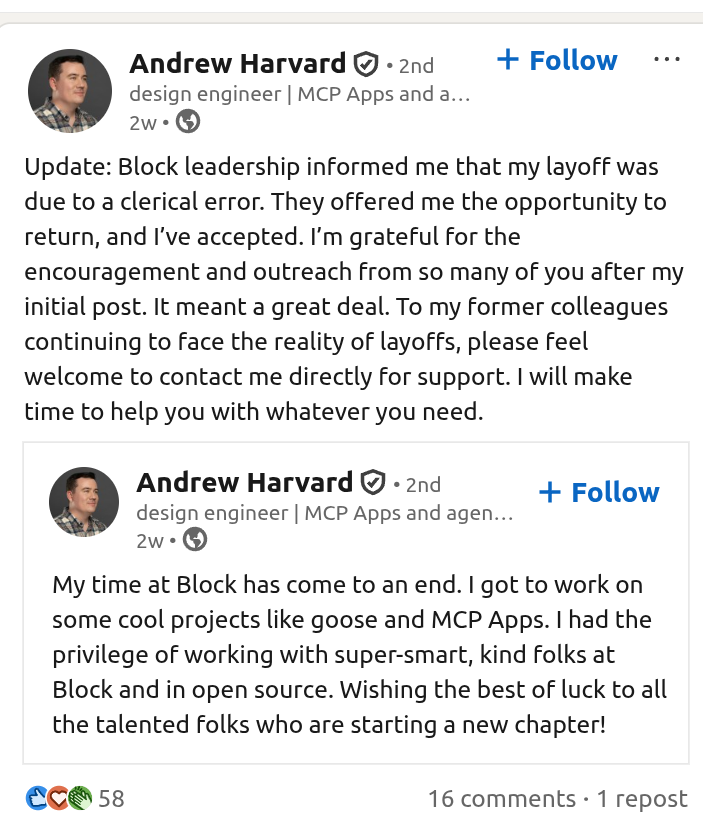
Jack Dorsey’s Block quietly rehires few from 4,000 fired staff according to LinkedIn posts.


English
@zdnetfr mais le screenshot est un mac... ca montre a quel point windows devient inutile ?
Français


English

@DrEricDing @mgubrud You are full of shit, the US is the top helium producer in the world and has a huge reserve stockpile, your propaganda is weak
English

FUN FACT—helium cools the superconducting magnets in more than 14,000 MRI machines used in hospitals worldwide. We lost the largest helium extraction plant in the world in Qatar. US reserves running low. Helium cannot be produced de novo. Any helium escape is permanent.
Shanaka Anslem Perera ⚡@shanaka86
Helium is the only element that escapes Earth’s atmosphere permanently. Once released, it rises through the troposphere, passes the stratosphere, and leaves the planet. It cannot be manufactured. It cannot be synthesised at industrial scale. It accumulates over billions of years in the same geological reservoirs as natural gas. And one third of the world’s supply just went offline because Iran hit the facility that extracts it. Qatar produced roughly 63 million cubic metres of helium in 2025, accounting for 30 to 36 percent of global supply from a total of approximately 190 million cubic metres. QatarEnergy’s three large helium purification plants at Ras Laffan form the world’s biggest helium production base. When LNG production stopped after Iranian drone strikes on March 2 and the subsequent missile damage on March 19, helium extraction stopped automatically because helium is recovered during natural gas liquefaction. You cannot produce helium without producing LNG. The byproduct dies with the primary product. Spot helium prices have roughly doubled since the crisis began. Industry consultants warn that prolonged disruption could push contract prices toward $2,000 per thousand cubic feet. A major industrial gas supplier has already begun assessing customers a helium surcharge. Phil Kornbluth, the most cited helium market consultant, stated the assessment directly: the world cannot compensate for the loss of a third of its helium supply. South Korea imports 64.7 percent of its helium from Qatar. SK Hynix and Samsung operate high-volume fabs producing the DRAM and high-bandwidth memory that power every AI accelerator, every data centre GPU, and every cloud computing cluster on Earth. Helium cools silicon wafers during fabrication. It serves as a carrier gas in deposition and etching tools. It enables leak detection in vacuum systems. Modern extreme ultraviolet lithography requires helium-cooled environments for precise temperature control. Without helium, the fabrication process degrades or stops. SK Hynix and Samsung hold two to three months of helium inventory. Two to three months is not a buffer. It is a countdown. If Ras Laffan remains offline beyond that window, South Korean memory production faces rationing. TSMC in Taiwan is somewhat more diversified but still uses Qatar-linked supply chains. The entire AI hardware supply chain, from HBM3E memory stacks to advanced logic chips, sits inside helium-dependent ecosystems. Beyond semiconductors, helium cools the superconducting magnets in more than 14,000 MRI machines operating worldwide. It pressurises rocket fuel tanks and purges propulsion systems in aerospace. CERN’s Large Hadron Collider depends on helium cryogenic systems. There is no substitute for helium in any of these applications at industrial scale. The United States and Qatar together account for more than 70 percent of global production. The US federal helium reserve and private suppliers offer partial relief, but global prices and spot availability are still governed by Qatar’s market share. Japan’s Iwatani has drawn on US reserves. Canada and the Rockies are seeing renewed investor interest. None of this replaces 63 million cubic metres in weeks. The war hit uranium first. Then oil. Then nitrogen. Then water. Then plastic. Then medicine. Then sulfur. Now helium. Eight layers. Each one deeper. Each one closer to the infrastructure that sustains modern civilisation. The chip that processes your data, the magnet that scans your body, and the rocket that launches your satellite all depend on an atom that leaves the planet when you lose it. open.substack.com/pub/shanakaans…
English
@DrEricDing @skdh dunno if it's really a fun fact, or incredibly sad...
English
@alphaSG472ciri @lauhaim Singapour si t'as envie de vivre dans un reduit a l'air conditionné obligatoire pour survivre...
Français

@lauhaim Lol pk venir en france avec ces impots délirants et son insecurite..son système scolaire qui est une honte
La coree du sud le japon ou singapour...c'est beaucoup mieux
Français

To the American followers
If you want to leave the USA....
A French Official statement this week
Ministère de l'Économie et des Finances@Economie_Gouv
🇫🇷
English
@pbeyssac Un telephone tesla beta. 🤣 numerama.com/tech/2175005-n… (ou un starlink de campeur)
Français

Très bizarre, le CDG aurait un accès direct à Internet ? Incidemment, je me demande ce que vaut une indication de vitesse de course relevée par GNSS sur un navire lui-même en déplacement...
Raphael Grably@GrablyR
La localisation du porte-avions français Charles de Gaulle rendue possible grâce à l'imprudence d'un marin utilisant l'application de running Strava, rapporte Le Monde. En faisant son footing sur le pont, il révélait la présence du navire.
Français
Stéphane Benoit 👽 retweetledi

A quick update on the infamous EU “ChatControl” 🇪🇺
What a turn of events in EU tech policy: from potential mandatory mass scanning of data (“ChatControl”) → to even voluntary scans losing their legal basis (for now).
Just months ago, fears were growing around mandatory scanning of private communications in the EU (incl. pictures and videos).
Now, talks between the EU Council (Member States) and the European Parliament have collapsed - and the result is a complete reversal.
As of April 3, even voluntary scanning of data by platforms loses its legal basis under EU privacy (ePrivacy & GDPR) rules, as the temporary exemption was not extended.
A striking example of how fast EU tech policy can turn - and a big win for European privacy advocates.

English

@Beatrice_Rosen @berto20523240 Si je peux me permettre, tu vaux mieux que ça Béatrice
Français

🤡Ils n'ont pas encore compris qu'avec la PPE3 et les prix du gaz qui explosent, les prix de l'électricité vont exploser ?
BFM@BFMTV
Avec la hausse des prix du carburant, de plus en plus de Français envisagent de passer aux véhicules électriques
Français