
Sabitlenmiş Tweet
ja
3.4K posts


ja
@stillhan4u
bns x fa 4 svt . . . . ৻ https://t.co/5uIkcrAJ1L
she/her Katılım Nisan 2022
160 Takip Edilen64 Takipçiler
ja retweetledi

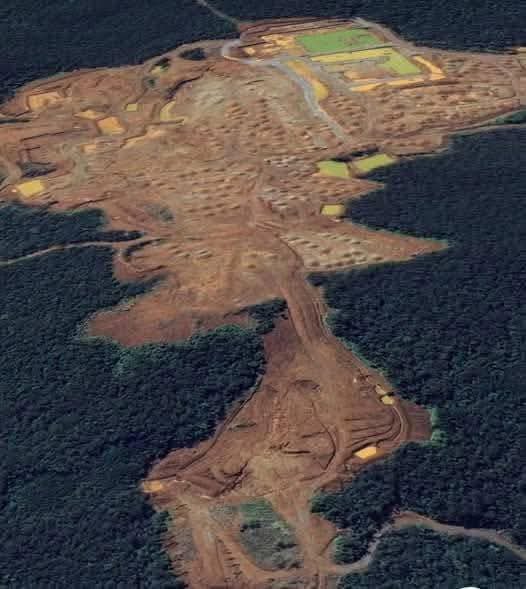
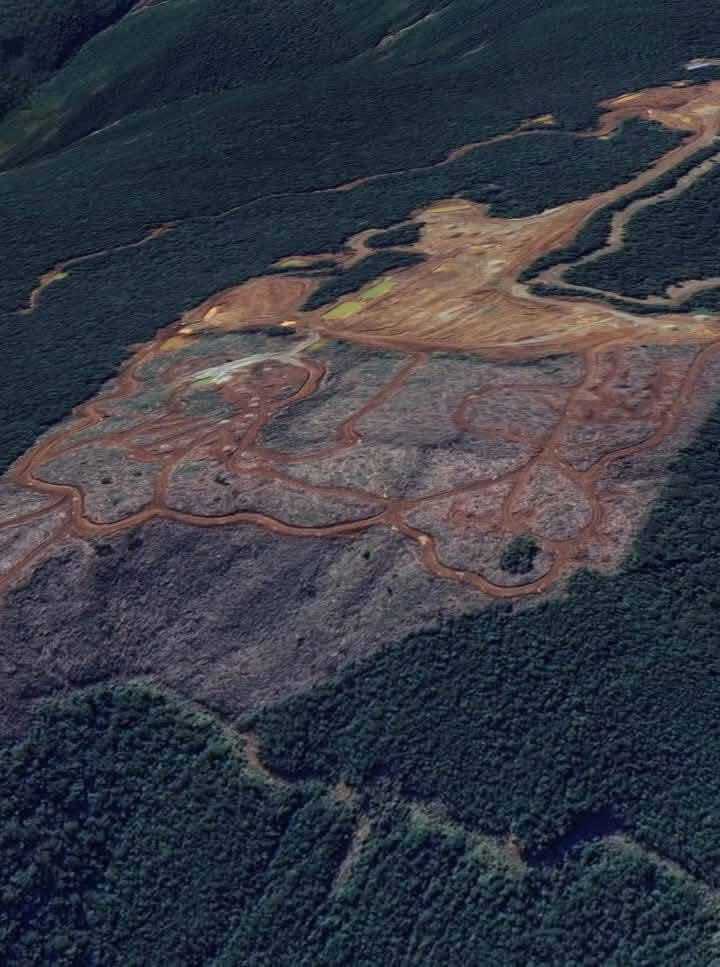
SAVE THE TREES IN PALAWAN!
Defend our last frontier!


English
ja retweetledi



ja retweetledi

bata pa lang ako may plunder case na si jinggoy taina kada dekada meron
Filipino
ja retweetledi

ja retweetledi

Panahon ni Arroyo, may kaso ng plunder dahil sa jueteng.
Panahon ni Aquino, involved sa Pork Barrel Scam.
Panahon ni Duterte, nahuli dahil sa paglabag ng covid protocol.
Panahon ni Marcos, involved sa flood control scam.
Kada Presidente ba?




Filipino
ja retweetledi




ja retweetledi



ja retweetledi

ja retweetledi


ja retweetledi


ja retweetledi

ja retweetledi

It becomes worrisome when the agency (DENR) tasked to protect the trees would rather participate in their destruction rather than preservation. The trees have no voice; they can only speak via the DENR. When the DENR would rather see them go away, these trees are in big trouble.
radar PH@radarph_media
Metro Manila’s rapidly disappearing tree cover is raising alarm among environmental advocates as infrastructure projects continue to remove some of the capital’s remaining green spaces despite worsening floods, rising temperatures, and dangerous air pollution levels. A recent tree cover map released by ScienceKonek showed that much of Metro Manila now has little to almost no remaining vegetation, with only scattered green patches left across the heavily urbanized region. The densest concentration of trees remains in the northeastern portion of the capital, while most cities appear overwhelmingly built-up and barren. The issue gained renewed attention after 225 trees were cut down for the construction of the nearly four-kilometer Southern Access Link Expressway Project (SALEX). According to the Department of Environment and Natural Resources – National Capital Region (DENR-NCR), one of the trees removed was a narra tree believed to be more than 50 years old. Environmental experts have repeatedly warned that the continuous loss of vegetation in Metro Manila directly contributes to severe flooding. DENR Undersecretary Carlos Primo David previously said that reduced vegetation cover caused by urbanization has made Metro Manila more prone to floods because rainwater can no longer be absorbed properly by the ground. Data cited by the DENR Forest Management Bureau showed that Metro Manila now has only around 6 percent tree cover remaining, equivalent to about 3,565 hectares across the entire region. Between 2001 and 2022 alone, the metropolis lost around 89 hectares of tree cover. The loss of trees also worsens the urban heat crisis and air pollution in the capital. Trees naturally cool cities, absorb carbon emissions, and filter harmful pollutants produced by vehicles and industries. Without adequate green spaces, Metro Manila experiences stronger heat buildup commonly associated with the urban heat island effect, where concrete and asphalt trap heat for longer periods. DENR itself has acknowledged the environmental dangers tied to shrinking forest and vegetation cover. In recent flood mitigation plans, the agency emphasized the need to expand green spaces, restore waterways, and increase forest cover to reduce flooding risks in Metro Manila and nearby provinces. The cutting of mature trees for major infrastructure projects has also sparked criticism online, with many residents questioning whether rapid urban development is being prioritized at the expense of environmental sustainability. Social media users expressed concern over the loss of decades-old trees along Quirino Avenue, warning that Metro Manila is becoming increasingly unlivable due to extreme heat and worsening floods. (✍️: Kieth Earl Rebaño) #radarPH
English
ja retweetledi

dream ko talaga na ganito itsura ng kalye sa metro manila tas puro parks, outdoor seating and community-centric third places
Melissa@nouvelleyou
The most pleasant drives always involve trees
Filipino
ja retweetledi

Ang tanong, saan napunta ang lahat ng mga narra trees na na-cut? Sino ang kumuha? Binenta ba o ginamit sa paggawa ng mga highly-priced furniture? Sino ang nakinabang?
Tanungin si mayor at seguradong alam niya yan.
Angie Gutierrez@1moreangie
Ang yaman ng SMC, di man lang makapag invest ng machine na ginagamit sa pagtransfer ng mga matured trees . 8300+ trees din ang matured trees na karamihan ay narra at acacia ang pinutol ng SMC sa SLEX. #SaveTheTrees
Filipino
ja retweetledi

Tagal pa naman lumaki ang mga puno na ganito.
Awa na lang talaga.
Salamat San Miguel Corporation.

ScienceKonek@sciencekonek
#SciFeature 𝗠𝗔𝗡𝗜𝗟𝗔 𝗔𝗡𝗗 𝗢𝗧𝗛𝗘𝗥 𝗦𝗢𝗨𝗧𝗛𝗘𝗔𝗦𝗧 𝗔𝗦𝗜𝗔𝗡 𝗖𝗜𝗧𝗜𝗘𝗦 𝗔𝗥𝗘 𝗟𝗢𝗖𝗞𝗘𝗗 𝗜𝗡 𝗙𝗢𝗥 𝗠𝗢𝗥𝗘 𝗘𝗫𝗧𝗥𝗘𝗠𝗘 𝗛𝗘𝗔𝗧 𝗕𝗬 𝟮𝟬𝟱𝟬 A new ASEAN Centre for Energy report warns that those in Manila (Philippines) and other densely populated cities in the region could experience 𝗹𝗼𝗻𝗴𝗲𝗿 𝗮𝗻𝗱 𝗺𝗼𝗿𝗲 𝗲𝘅𝘁𝗿𝗲𝗺𝗲 𝗵𝗼𝘁 𝗱𝗿𝘆 𝘀𝗲𝗮𝘀𝗼𝗻𝘀 (tag-init) in the coming years due to climate change. Extreme heat is becoming a long-term crisis across Southeast Asian cities due to rapid urbanisation and climate change, especially with #Bangkok, #HoChiMinh, #Manila, #Jakarta, #KualaLumpur, and #Singapore. ☀️ In Manila, 𝗲𝘅𝘁𝗿𝗲𝗺𝗲𝗹𝘆 𝗵𝗼𝘁 𝗱𝗮𝘆𝘀 𝗰𝗼𝘂𝗹𝗱 𝗻𝗲𝗮𝗿𝗹𝘆 𝘁𝗿𝗶𝗽𝗹𝗲, 𝗳𝗿𝗼𝗺 𝗮𝗯𝗼𝘂𝘁 𝟯𝟴 𝗱𝗮𝘆𝘀 𝗶𝗻 𝟮𝟬𝟮𝟱 𝘁𝗼 𝗮𝗿𝗼𝘂𝗻𝗱 𝟭𝟭𝟬 𝗱𝗮𝘆𝘀 𝗯𝘆 𝟮𝟬𝟱𝟬. 🌡️ While today's peak temperatures in Manila rarely exceed 37°C even in the hottest months, projections suggest that 𝗯𝘆 𝗺𝗶𝗱-𝗰𝗲𝗻𝘁𝘂𝗿𝘆, 𝘁𝗲𝗺𝗽𝗲𝗿𝗮𝘁𝘂𝗿𝗲𝘀 𝗮𝗯𝗼𝘃𝗲 𝟯𝟳°𝗖 𝗰𝗼𝘂𝗹𝗱 𝗯𝗲𝗰𝗼𝗺𝗲 𝗮 𝗿𝗲𝗴𝘂𝗹𝗮𝗿 𝗼𝗰𝗰𝘂𝗿𝗿𝗲𝗻𝗰𝗲. 🥵 The assessment may underestimate risk, as it only measures temperature and 𝗻𝗼𝘁 𝗵𝘂𝗺𝗶𝗱𝗶𝘁𝘆, 𝘄𝗵𝗶𝗰𝗵 𝗰𝗮𝗻 𝘀𝗶𝗴𝗻𝗶𝗳𝗶𝗰𝗮𝗻𝘁𝗹𝘆 𝘄𝗼𝗿𝘀𝗲𝗻 𝗵𝗲𝗮𝘁 𝘀𝘁𝗿𝗲𝘀𝘀 and make conditions more dangerous than projected. In the next 25 years, this rising extreme heat across Southeast Asia could trigger public health crises, strain energy and water systems, and reduce productivity, especially for vulnerable groups. Experts strongly warn that it is an escalating disaster risk that will reshape urban life. 𝗛𝗼𝘄 𝗮𝗿𝗲 𝘄𝗲 𝗴𝗲𝘁𝘁𝗶𝗻𝗴 𝗿𝗲𝗮𝗱𝘆? #ASEAN #climatechange #heat #summer #TagInit
Filipino
ja retweetledi

ja retweetledi

Pangarap ko talaga magka national gardens/parks and botanical gardens sa pilipinas filled with local flowering trees. Ang kukulay ng mga puno sa pilipinas 😭😭😭
what can't she do?@jericrustia
18 Narra trees can be found in our street alone here in Mandaluyong. This time every year I look forward to their flowers blanketing our street yellow. Today I just saw another big one behind our studio office (still in the same baranggay!)
Filipino
ja retweetledi

Endangered pala ang Narra. DENR really means Destroying the Environment and Natural Resources. Whoever thought of this, you are right!
nyie@lloyd_tan30
@jericrustia @rmspicyboi Ganito IUCN status ng Narra pero walang pake DENR. This country lacks patriotism at hindi yun nakukuha sa simpleng pagkahumaling sa kamay na bakal o ROTC. Awareness at more comprehensive history & culture subjects ang kailangan. If walang pake DENR at tao. Edi goodluck.
English
ja retweetledi

rebrand of fcking what??
jo@mpreghani
not a fan of the rebrand... but whatever makes my goat happy ❤️
English