
Stokdog
29.8K posts


Stokdog
@stokdog
Markets▪️Stocks▪️Energy▪️Nuclear▪️Uranium▪️Electrification ▪️Data▪️AI ▪️Cellular Medicine▪️Music▪️Commentary
Global Katılım Nisan 2019
1 Takip Edilen45.4K Takipçiler

An island nation as large and as isolated as Australia, that imports nearly all its refined fuel from China, is holding an 🚨cabinet meeting today because they had ZERO geopolitical foresight on national security to protect their citizens from fuel shocks.
Jerry cans lol
English
Australia sells coal to China who use it to generate reliable cheap electricity.
Australia takes the money from coal sales and buys Chinese wind turbines and solar panels that aren't reliable and makes expensive electricity.
I don't think Australia has thought this through 🤔
English

@stokdog The iconic Philips color TV test signal, often known as the Philips Circle Pattern (PM5544), was developed in 1966–67 by Danish engineer Finn Hendil at the Philips TV & Test Equipment laboratory in Copenhagen🇩🇰 It was designed for PAL color broadcasting.
English

@stokdog Is literally my Greek father.
(plus the stash under his pillow)
English

Energy Minister Chris Bowen says it is un-Australian to buy jerry cans from Bunnings and panic buy petrol because it will only make the situation worse.
English
It's back bitches.
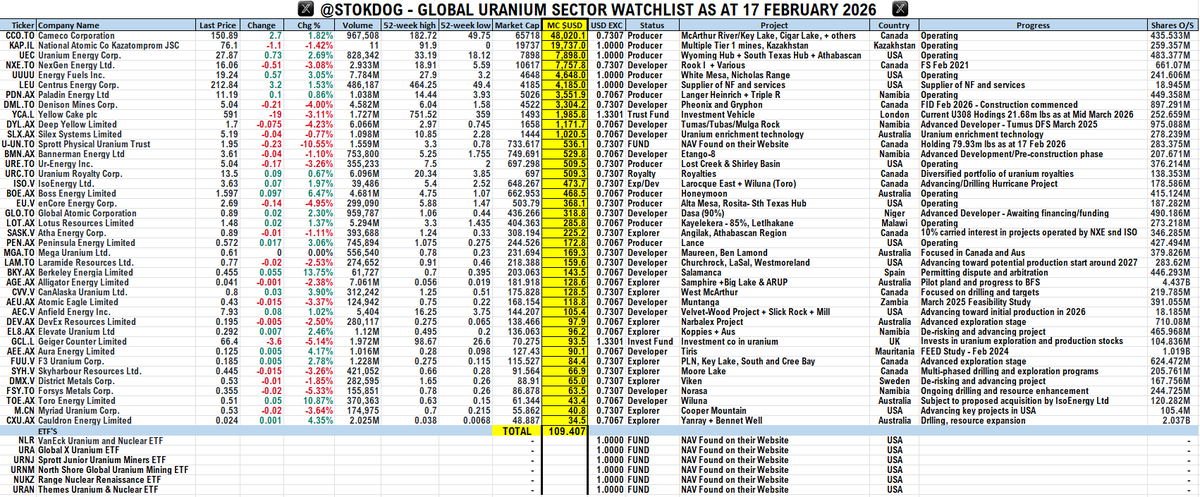
My global #uranium watchlist (sorted by USD).
Time to keep a closer eye🧐DYOR
It's not exhaustive, so don't break em
I tacked on ETF's
Spot US$86.50/lb
Feedback in the thread
It's not advice
Follow me for updates
#StokdogUraniumMkCapList
English
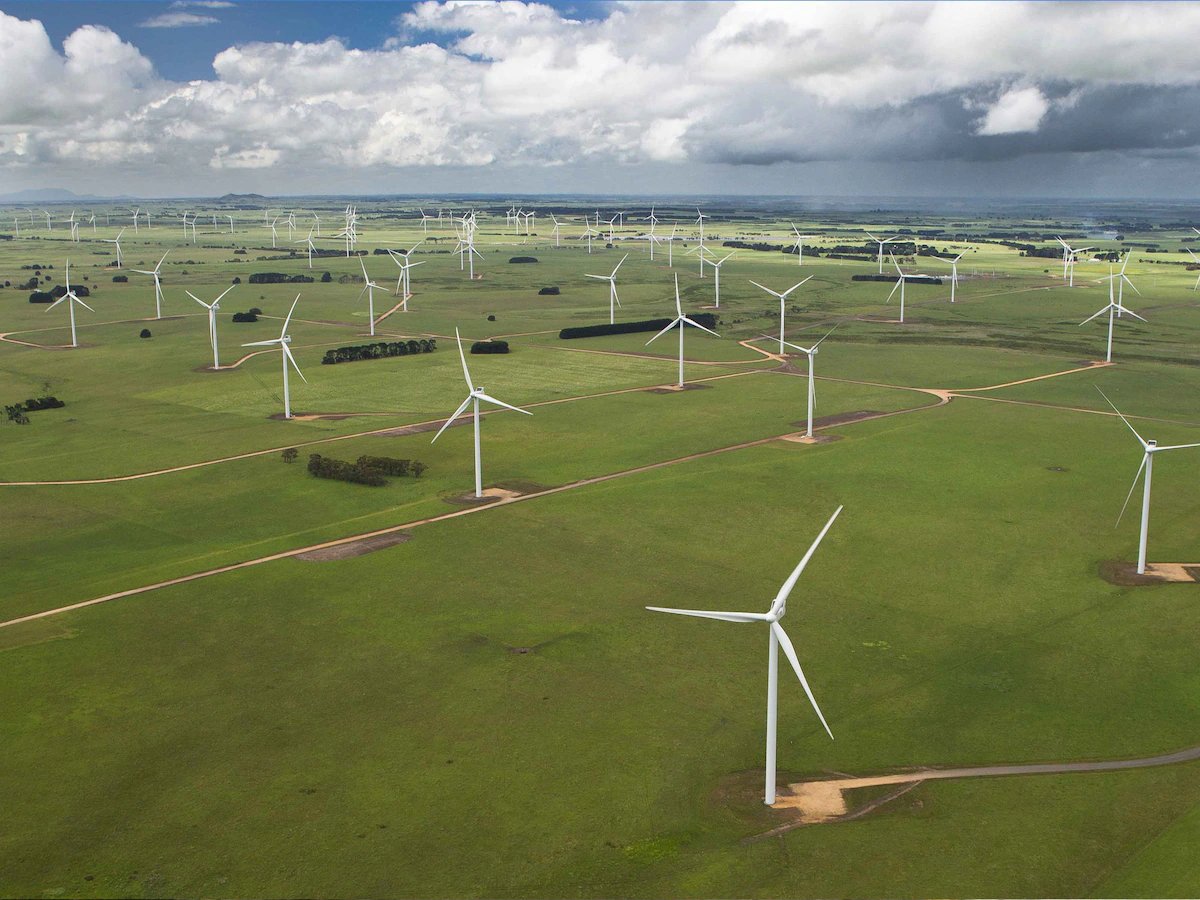
The world doesn't need more of this unsightly useless rubbish. It's a waste of farmland, destroys habitats and creates expensive unreliable electricity which ends up in landfill every 15-20 years. IT'S NOT GREEN.
Hit ♥️ if you are absolutely DONE with this SCAM
English
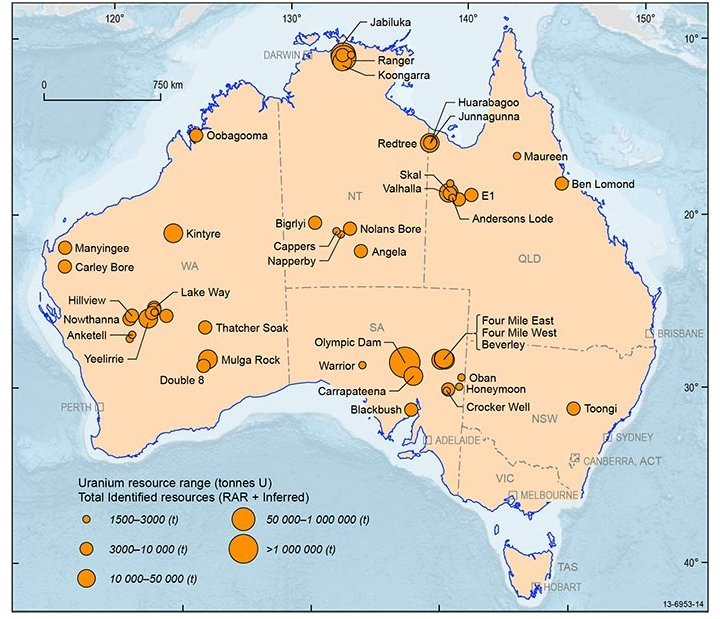
Australia has 30% of the world's #uranium. In a 🌏 that demands energy independence & national security, a world that is becoming increasingly electrified, it refuses to lift mining prohibitions in key regions & refuses to lift the ban on #nuclearenergy
MIND BLOWING STUPIDITY
English
Elon Musk
"So, they're not dangerous. They're a great source of energy. And I think we should do a lot more #nuclearpower. I think it's a smart move.”
Pittsburgh, October 20, 2024
English
You'd think a country the size of Australia that imports nearly all its refined fuel would stockpile way more than 36 days of petrol, 32 days of diesel, and 29 days of jet fuel for national security given recent years of geopolitical escalations.
Labor are a joke 🤡's
English


56% Of Americans Now Suspect COVID-19 'Vaccines' Caused Mass-Deaths zerohedge.com/covid-19/56-am…
English