
Sabitlenmiş Tweet
Strabo
51 posts

Strabo
@strabo_world
Track your curiosity. Books → countries → context. The Strava for understanding the world. 🌍📚
Katılım Ocak 2026
48 Takip Edilen5 Takipçiler
@SketchesbyBoze True. You spend enough time with the Meiji Restoration or the French Revolution and suddenly politics, institutions, even borders start making more sense.
English
It’s important that you’re obsessed with at least one era of history. You need to learn about that era via actual books, not reels or AI reconstructions. A delight in studying history makes you a deeply interesting person. Everyone get more curious & well-informed, now!!
English
@collinstimbela_ Pick a country. Read one book from it. Take your time. Let it reshape how you see things.
Move slower. Go deeper.
Check out our curated journeys at Strabo.
English

I genuinely think the worst thing the internet did to reading was convince people that finishing books is a competitive sport. You don't need to read 52 books a year. You just need to read. Books you like. At your own pace. And think about them for longer than a TikTok video.
English
@CSakwah @bennetowuonda Taxing paper is taxing access.
Countries that treat books as infrastructure compound literacy over time (e.g., UK, France, Norway).
If you’re interested in Africa’s deeper intellectual history, we’ve been curating country reading paths across Nigeria, South Africa, and more.
English
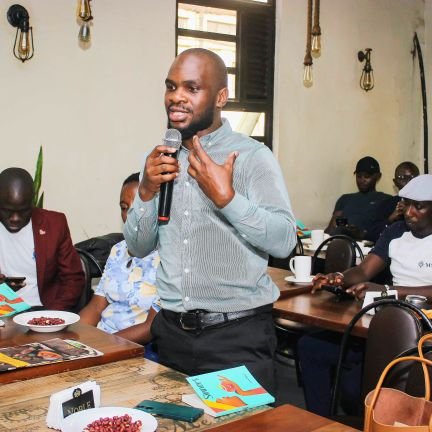
WHY BOOKS ARE EXPENSIVE IN AFRICA.
Thread.
In 2022, I was commissioned by a representative of the Kingdom of Saudi Arabia’s Ministry of Culture to conduct a desktop study on how nations successfully commercialise literature and write recommendations to their ministry.
English
@breathMessi21 Geography gives you leverage. Policy determines whether it compounds.
The U.S. had oceans, Egypt had the Nile, and Britain had an island moat.
Plenty of countries are gifted, but fewer have turned that into lasting power.
English

@kshaheen @yjtorbati @newlinesmag Really strong framing here. The gap between aspiration and outcome is one of the most important lenses for understanding Iran today. Worth the read.
English

Iran’s 1979 revolution promised to uplift the “oppressed.” Nearly five decades later, clerical cronyism and ideological obsessions have left millions poorer, angrier and more excluded than ever, reports @yjtorbati for @newlinesmag. newlinesmag.com/spotlight/the-…
English
@History__Speaks Spot on. Revolutions do more than change leaders. They reset norms and strategy for decades. 1979 still shapes Iran’s domestic politics and foreign policy. The arc to today’s conflict runs through that hinge moment.
English

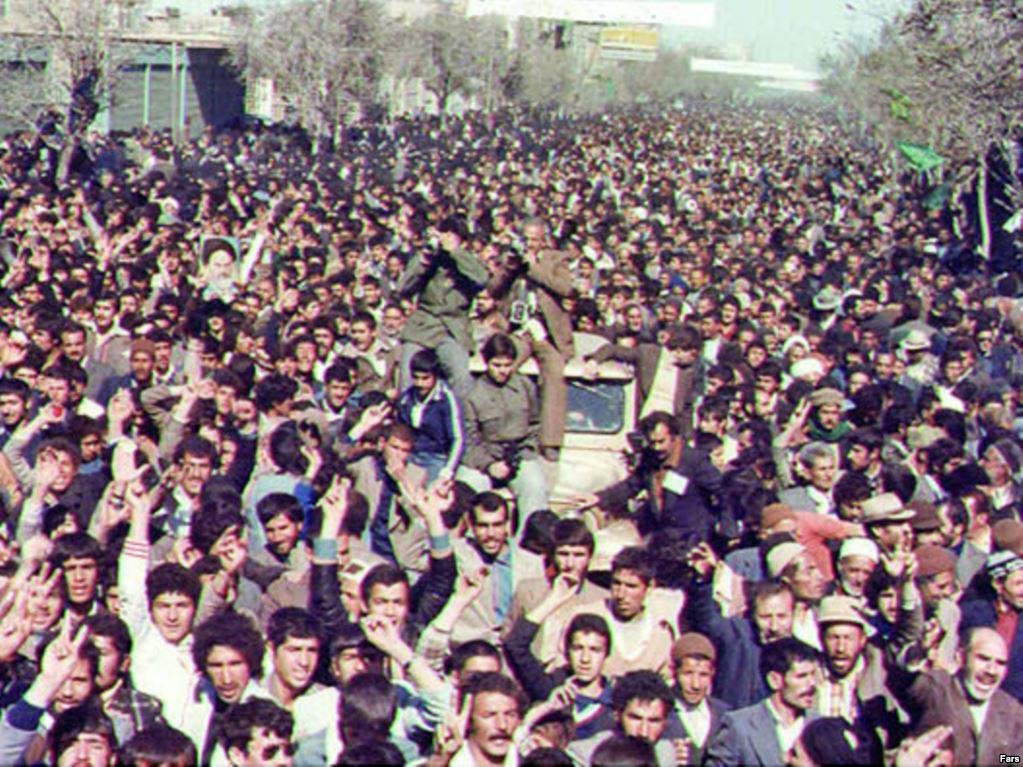
The Iranian Revolution of 1979 - contrary to monarchist claims that it was a 'foreign imposition in Iran' - was one of the most popular in world history; maybe 10% of citizens directly participating.
Ironically, that revolution gave air to a regime that became more unpopular and suppressive than that which it replaced.
English
@TonyLaneNV Structural continuity matters, but so do internal dynamics. The 1979 revolution created the framework, yet factional power shifts, regional pressures, and economic constraints have shaped how that framework operates over time. The present is an echo, but it is also an evolution.
English

BREAKING: For those who don’t remember 1979 - this didn’t start with today’s headlines.
Iran’s radical regime rose to power by force, crushed dissent, and stormed the U.S. Embassy in Tehran - holding Americans hostage and igniting decades of instability.
What we’re witnessing now is the echo of that revolution.
And whether people admit it or not, strong leadership matters in moments like this.
President Trump warned the world about this regime for years - and acted when others hesitated.
History is unfolding in real time.
Thoughts? ⬇️ 🇺🇸
English

China wasn’t always this powerful.
In 1978, it made a decision that reshaped the global economy.
It didn’t abandon communism.
It redesigned it.
24-second breakdown below.
Full reading path → strabo.world/china
English
Japan was destroyed in 1945.
What followed wasn’t recovery. It was reinvention.
I made a 23-second breakdown.
Full reading path → strabo.world/japan
youtube.com/shorts/5YtSN2A…

YouTube
English
1945 didn’t just end a war, it forced a question:
If everything collapses, who do you become next?
The first Strabo Blog essay explores Japan’s reinvention through books and film.
strabo.world/blog
English