Steve Rubick

466 posts

Steve Rubick banner
Steve Rubick

Steve Rubick

@stu9402

Horned Frog

Katılım Şubat 2012
63 Takip Edilen78 Takipçiler
Steve Rubick
Steve Rubick@stu9402·
@SpyHards Roger Moore was a fantastic ambassador for the franchise but he should have bowed out after “For Your Eyes Only.”
English
0
0
0
4
SpyHards - A Spy Movie Podcast
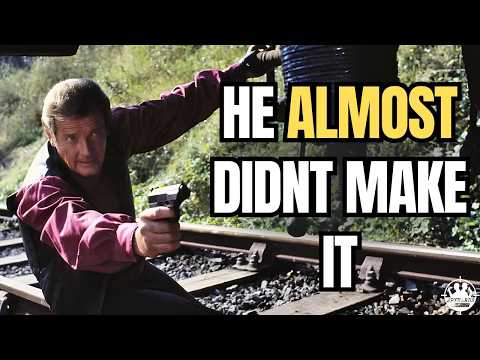
OCTOPUSSY gets mocked for the clown suit… but the train chase is one of the most thrilling sequences of the Roger Moore era… A sequence so serious it almost ended the life of Roger Moore’s stunt double! Hear the full story: youtu.be/wVLXDgLsMcM?si…
YouTube video
YouTube
English
23
30
297
17.6K
Steve Rubick
Steve Rubick@stu9402·
@Uzonna7 The movie started well, it was midway through where you could tell studio executives decide to start messing around with things…
English
0
0
0
17
BlueBriefing🎬🍿
Will Smith turned down The Matrix to make Wild Wild West. Let that sink in. Neo could have been fresh, but we got a giant mechanical spider instead. 🎬🎥 Wild Wild West 🔥❤️
English
8
86
111
15.3K
Steve Rubick
Steve Rubick@stu9402·
@exjon That’s all well and good but when will the sequel to “Sink the Rising Sun” be released?
English
0
0
0
3
Jon Gabriel
Jon Gabriel@exjon·
Since my diagnosis, people say I’ve grown far more thoughtful and wise. Mostly because I pose like this and only say stuff like “mmm, quite” and “indubitably.”
Jon Gabriel tweet media
English
113
23
1K
12.1K
Q Moe Dee
Q Moe Dee@NotABBWLover·
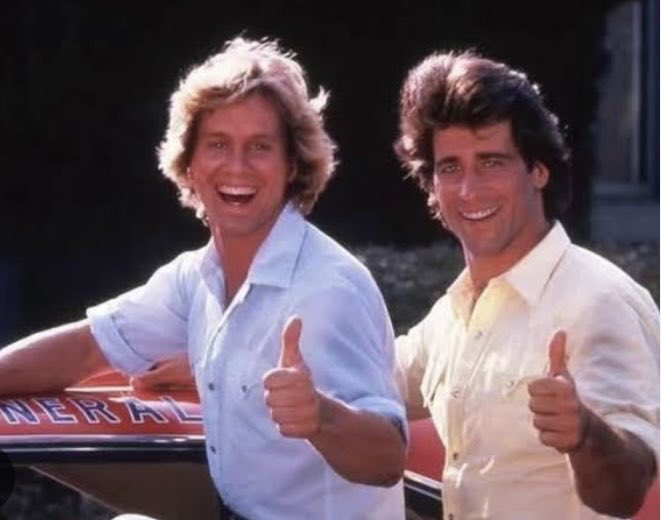
Just bought all 7 seasons of The Dukes Of Hazzard Hell yeah

English
61
10
512
11.5K
Steve Rubick
Steve Rubick@stu9402·
@ok6ixx Yes, you’re the only one. That page should be at the front of the book.
English
0
0
0
15
6ɪx✦
6ɪx✦@ok6ixx·
Am I the only one that thinks novels should have a page near the back that lists all the main characters and a brief synopsis so that i am not constantly flipping through pages to figure out who someone is?
English
574
137
4.1K
110.8K
Crazy Vibes
Crazy Vibes@CrazyVibes_1·
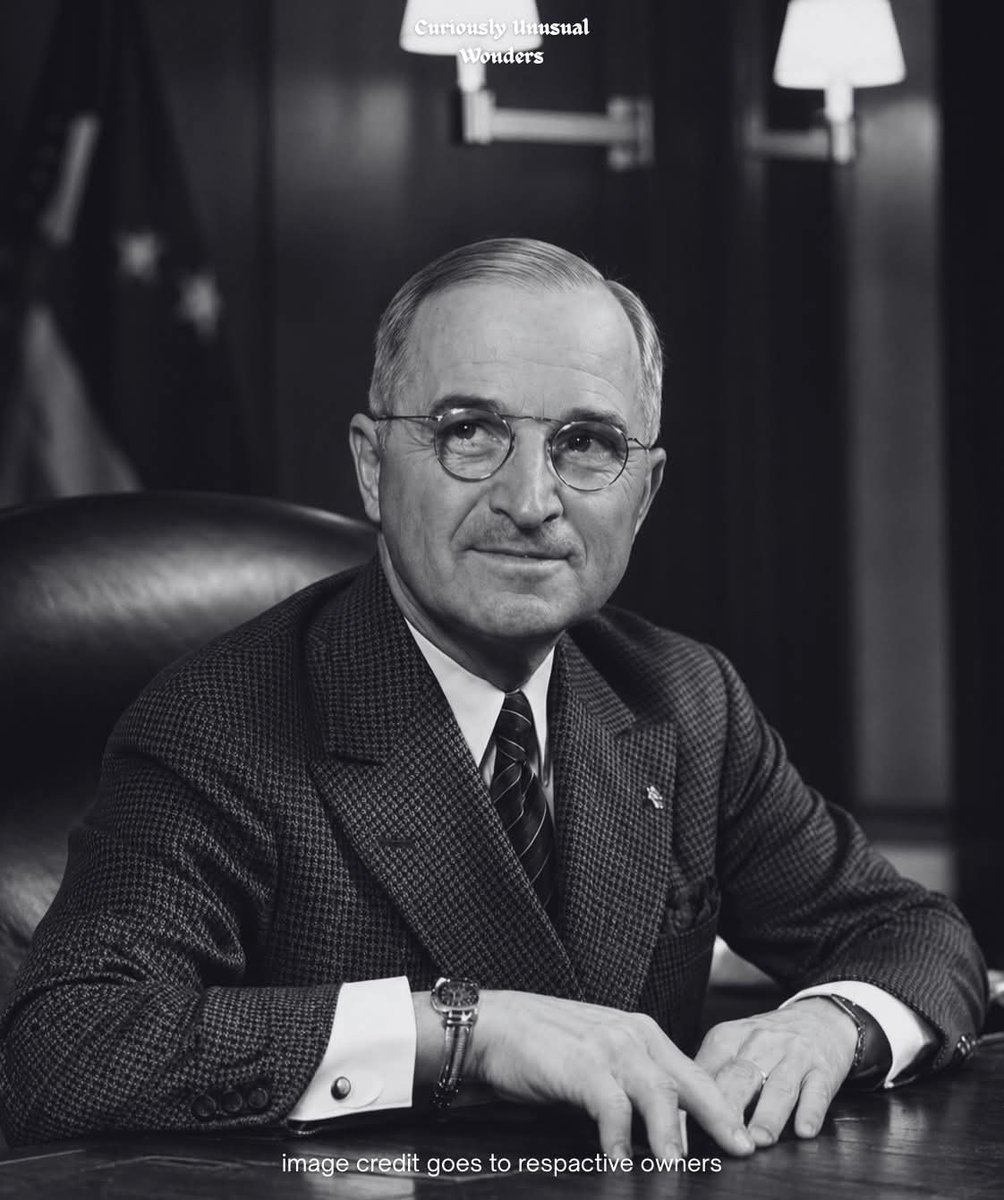
At 7:09 a.m. on April 12, 1945, Harry S. Truman was having breakfast with congressional leaders inside the Speaker’s dining room at the Capitol when a messenger entered quietly and whispered that he needed to come to the White House immediately. No explanation. Just urgency. Truman stood so quickly his chair scraped sharply across the floor. Minutes later, his car sped through Washington while newspaper headlines about the war filled the streets outside. Europe was still burning. American soldiers were still dying across the Pacific. And Franklin D. Roosevelt had been president for more than twelve years. Most Americans could barely imagine another man leading the country. Then Truman entered the White House and saw Eleanor Roosevelt waiting for him. Her face told him before her words did. “The president is dead.” For a moment, Truman simply stared at her. Then he quietly asked: “Is there anything I can do for you?” Eleanor Roosevelt reportedly answered with a sentence history never forgot: “Is there anything we can do for you? For you are the one in trouble now.” She was right. Harry S. Truman had been vice president for only eighty-two days. Roosevelt had largely excluded him from the deepest wartime decisions. He knew little about military strategy discussions at the highest level. He had never been fully briefed on the Manhattan Project. And suddenly, almost without preparation, a former Missouri farmer and failed haberdashery owner inherited the most dangerous job on Earth in the middle of the largest war in human history. Witnesses later remembered how stunned he looked that first day. His shoulders tightened. His face drained of color. But there was no time to process fear. Within hours, generals, cabinet officials, and intelligence officers surrounded him waiting for decisions capable of affecting millions of lives. Then they told him about the bomb. Not an ordinary weapon. Something entirely different. A device powerful enough to erase an entire city. In the weeks that followed, Truman sat through relentless briefings about the Pacific war. American forces had already witnessed catastrophic fighting at Battle of Iwo Jima and Battle of Okinawa. Thousands of bodies covered beaches. Japanese kamikaze pilots deliberately crashed aircraft into American ships. Military planners warned that invading mainland Japan could cost hundreds of thousands of American lives and potentially millions of Japanese casualties. The projections were horrifying. But so was the alternative now sitting before him. In July 1945, while attending the Potsdam Conference alongside Winston Churchill and Joseph Stalin, Truman received coded confirmation that the atomic test in New Mexico had succeeded. Witnesses said he became unusually quiet afterward. Because now the weapon was no longer theoretical. It was real. Inside Washington, debates intensified rapidly. Some scientists argued for a demonstration explosion away from civilian populations. Others believed only overwhelming force would end the war quickly. Military leaders debated invasion timelines, surrender conditions, and casualty projections. Every path forward contained unimaginable death. But the final authority rested with Truman. On August 6, 1945, the United States dropped an atomic bomb on Atomic bombing of Hiroshima. Three days later came Atomic bombing of Nagasaki. Entire sections of both cities vanished beneath heat, fire, radiation, and shockwaves unlike anything humanity had ever witnessed before. People disappeared instantly. Children wandered through ruins burned beyond recognition. Many died immediately. Many more died slowly afterward from injuries and radiation sickness. Around the world, reactions collided all at once. Horror. Relief. Celebration. Fear. Moral outrage. And from that moment forward, Harry S. Truman became permanently attached to the decision. To many Americans, he had ended the war and prevented an invasion that might have killed millions more. To others, he had introduced humanity to nuclear devastation against civilians. The argument followed him for the rest of his life. People close to Truman later noticed how sharply he reacted whenever critics discussed the bomb casually, as if it were only an abstract political debate. Because he had seen the casualty projections personally. Read battlefield reports himself. Spoken directly with commanders preparing for invasion. But he also understood exactly what the bombs had done. He carried both realities simultaneously. Near the end of his life, Truman reflected on the presidency with a phrase that became part of American political history itself: “The buck stops here.” People often quote the line as confidence. As toughness. But for Truman, it sounded more like burden. Because after the summer of 1945, the weight of that decision never truly left him. The war ended. The world changed. And one man spent the rest of his life carrying responsibility for a choice no human being before him had ever been forced to make. Harry S. Truman inherited the presidency in a single morning. What followed changed human history forever. Follow for more You should see this
Crazy Vibes tweet media
English
15
94
489
56.5K
Echoes of War
Echoes of War@EchoesofWarYT·
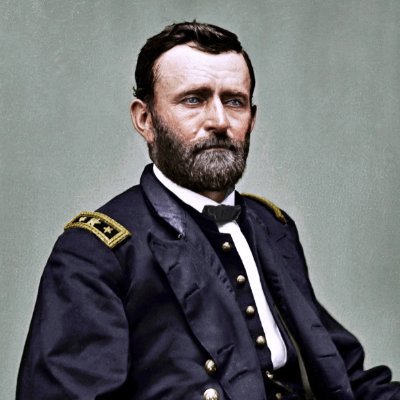
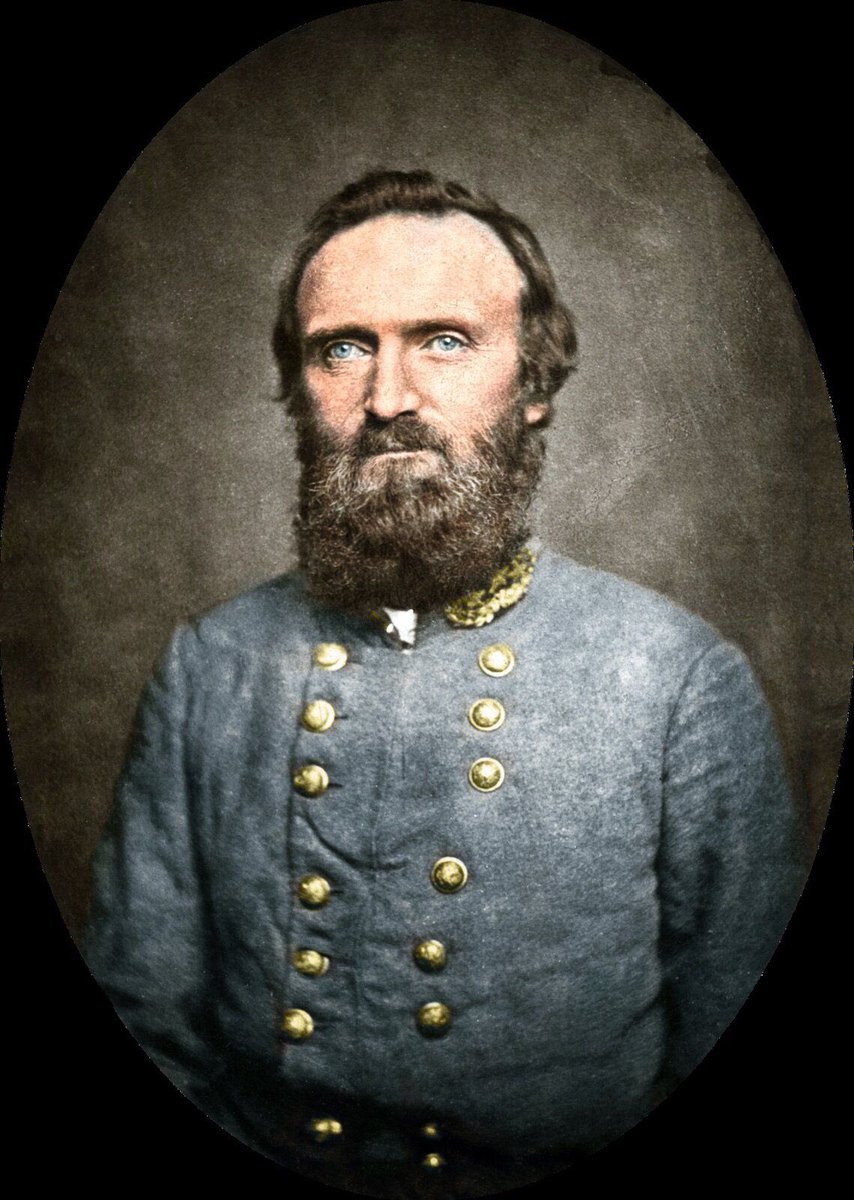
Describe Stonewall Jackson in 1 word
Echoes of War tweet media
English
345
18
416
42.8K
Jörg Hillebrand
Jörg Hillebrand@gaghyogi49·
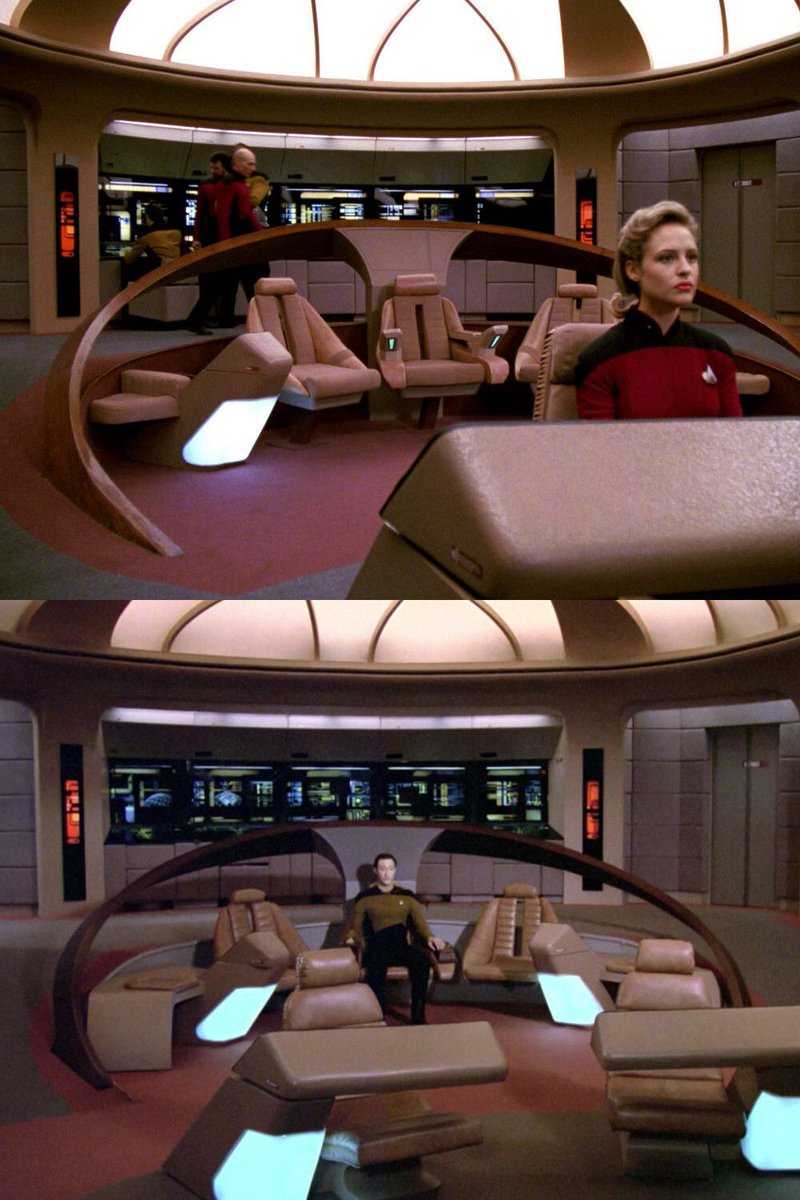
Here's a comparison of the USS Enterprise-D bridge, as seen in #StarTrekTNG's season 1 episode "Angel One"⬇️ and in a similar shot in the late season 4 episode "In Theory"⬆️.
Jörg Hillebrand tweet media
English
15
7
184
13.2K
Steve Rubick
Steve Rubick@stu9402·
@HoosierHaze IU may win another national title someday but there will never be another team as uniquely special as this one…
English
0
0
4
82
Indiana Pacers
Indiana Pacers@Pacers·
Unforgettable 😈 On this day in 1995, Reggie Miller shocked The Garden by scoring 8 points in 9 seconds to beat the Knicks 107-105 in Game 1 of the Eastern Conference Semifinals.
English
26
279
1.6K
58.1K
Steve Rubick
Steve Rubick@stu9402·
@Stunt_ManMik3 Plus, comic Carol was a recovering alcoholic whose entire life was stolen by Rogue — a very interesting character who overcame everything. Movie Carol is basically Hal Jordan…
English
0
0
6
410
Stuntman Mike
Stuntman Mike@Stunt_ManMik3·
Glad to see you’re getting dunked on in the comments “The same reasons” Carol is an egotistical asshole who blames everyone else. Even the two pictures you posted showcases exactly how different they are
Ashe@GerrardSimoly

They hated Carol for the same reasons they love Steve Rogers. Both share that relentless spirit, refuse to give up, and are willing to sacrifice. The only real difference between them Steve started small, and Carol is a woman. Yet he’s inspiring, while she’s labeled as Mary Sue.
English
9
102
1.8K
25.8K
ThePersistence
ThePersistence@ScottPresler·
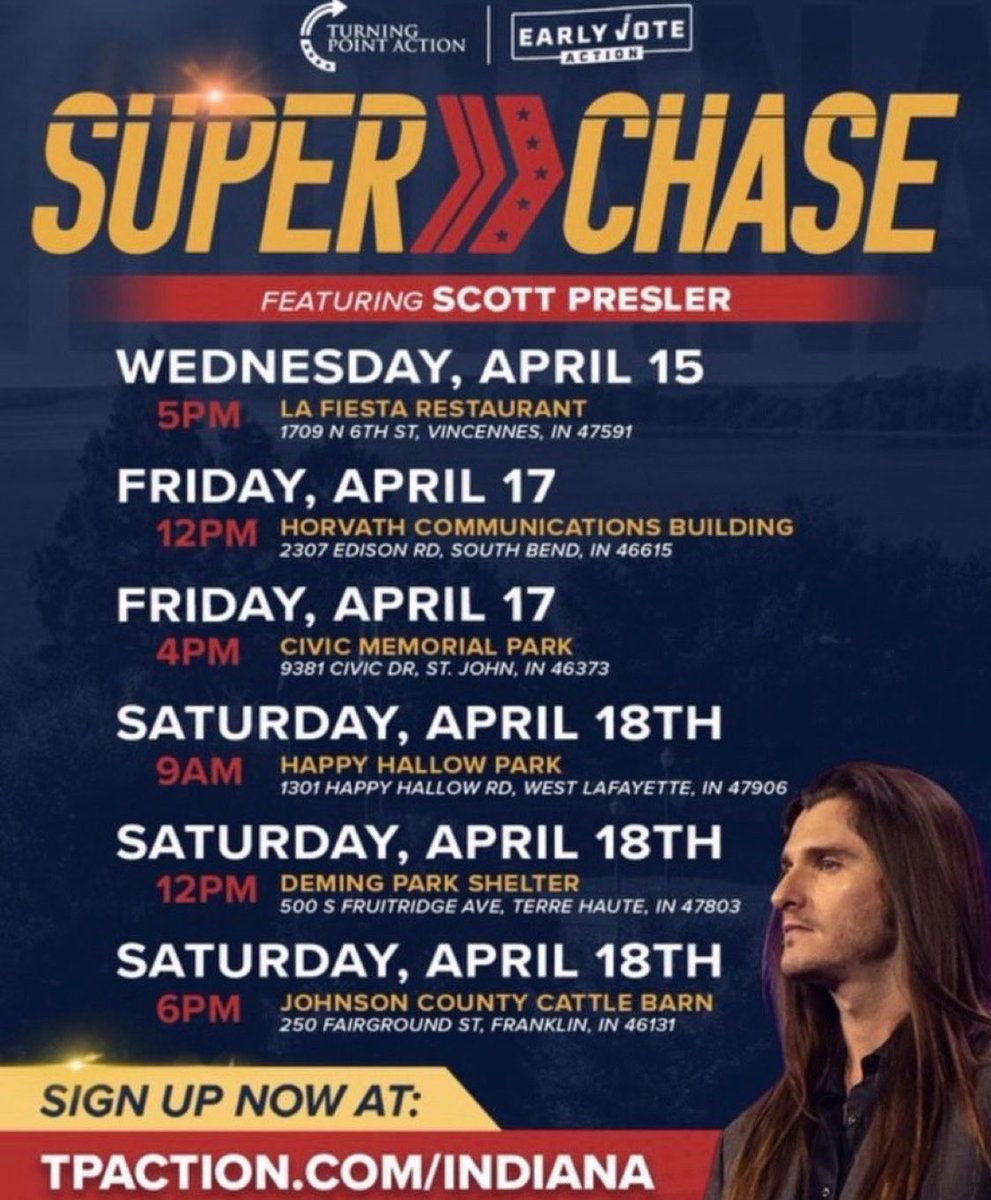
See you TODAY, Indiana! 3 stops across the Hoosier State + Fox News. Working all day — every day.
ThePersistence tweet media
English
42
272
1K
23.4K
Steve Rubick
Steve Rubick@stu9402·
@OrdnancePackard They knew exactly what they were doing to the fanbase when they wrote the gay Klingon storyline. Fans had no issue with the gay couple in “Discovery” or the bi main character in “Lower Decks.” They tried to be provocative for the sake of provocation and it cost them the series.
English
0
0
1
30
Jörg Hillebrand
Jörg Hillebrand@gaghyogi49·
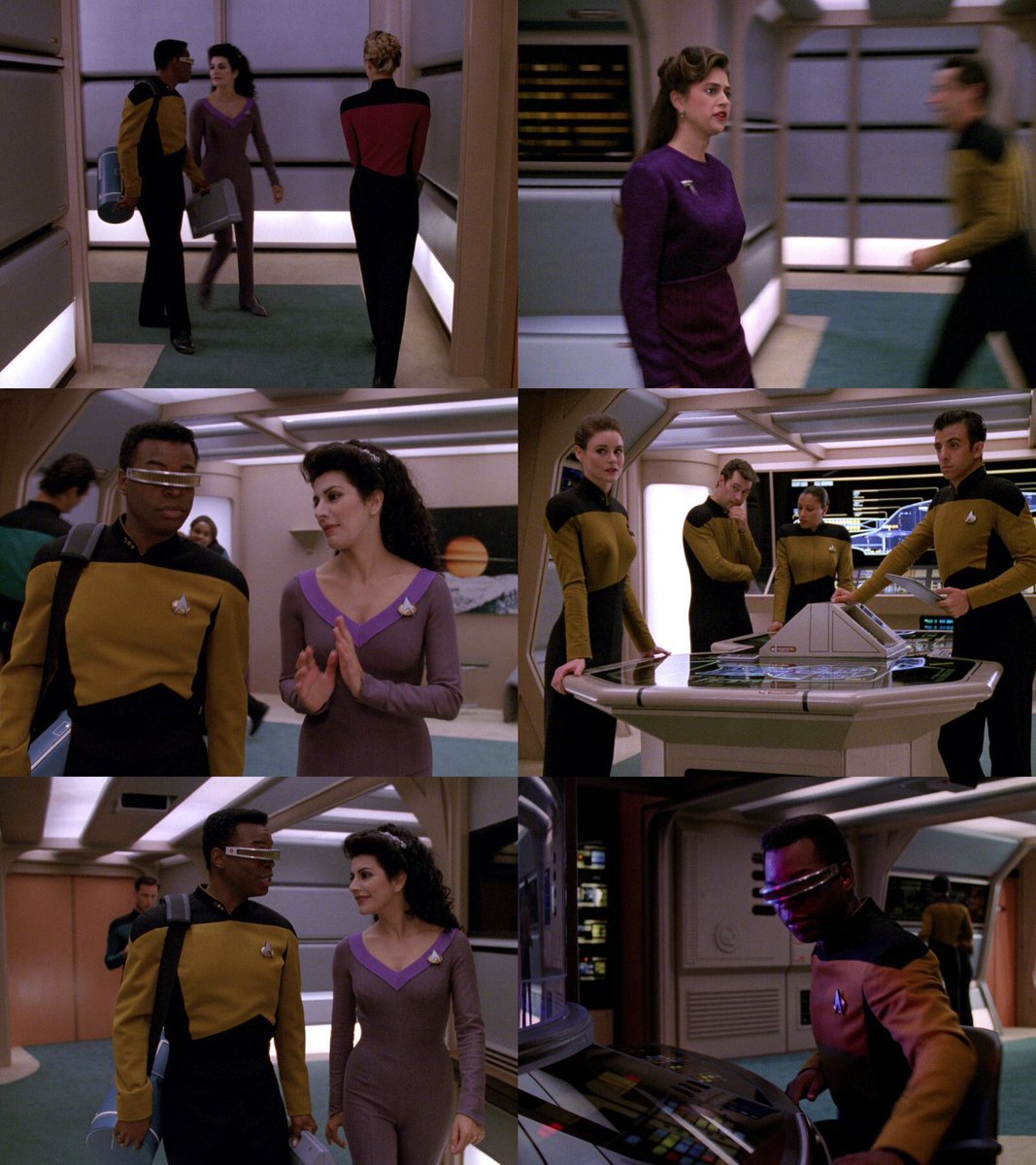
When Geordi returns early in #StarTrekTNG's "The Mind's Eye"⬅️, he takes a corridor walk with Troi, starting from a rarely seen section of the set. The comparison screenshots ("Galaxy's Child"↗️, "The Nth Degree"➡️, "Brothers"↘️) show what the set (during the early part of their corridor walk) looks like when doubling as engineering.
Jörg Hillebrand tweet mediaJörg Hillebrand tweet media
English
5
4
107
6.7K