

Stephen Steele
2.4K posts

@stutefc
Minister @StranraerRPC. Chaplain @StranraerFC. Contributor @GenReformation Side project: https://t.co/MWemwnPgFH // Jesus, RPC, Stute, GAWA


It's possible to be a zealous defender of Reformed orthodoxy, a vigorous apologist, and a stalwart polemicist against error and heresy -- AND have a kind and gracious heart, filled with the love and mercy of Jesus!


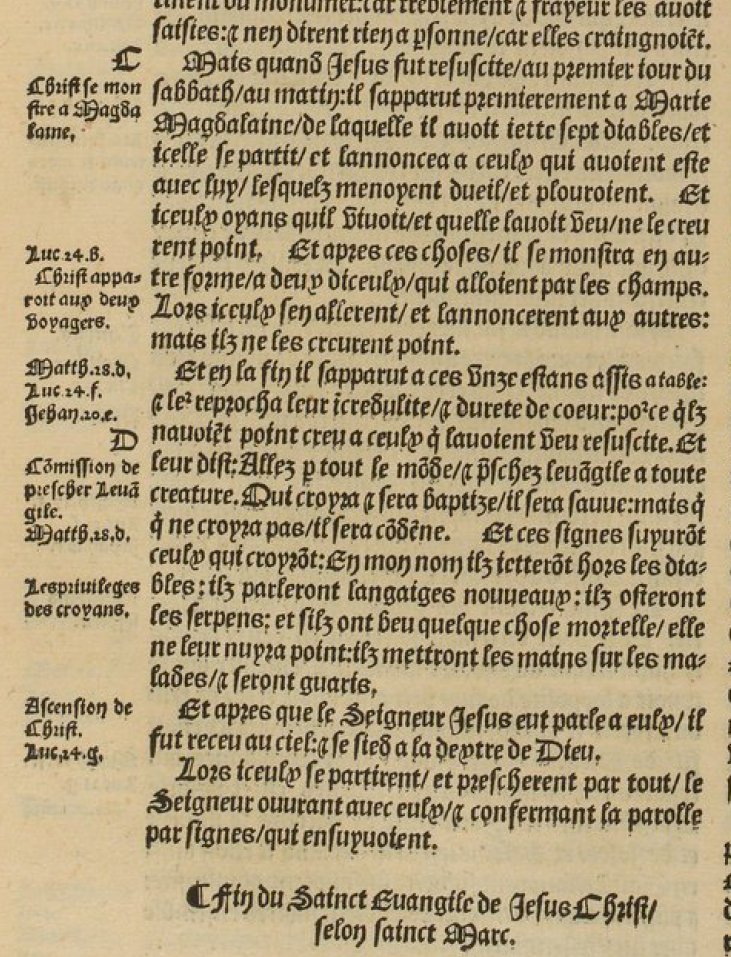
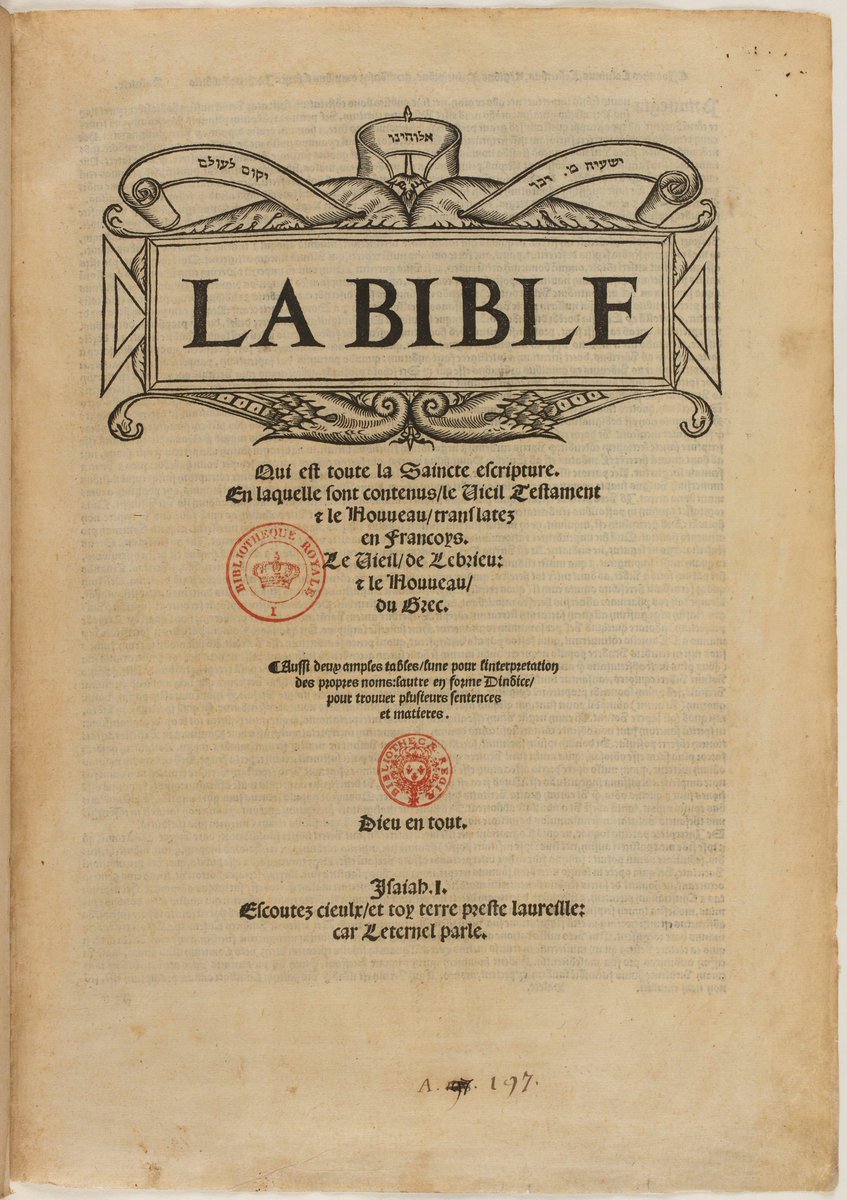
“For God so loveth the worlde / yͭ [that] he hath geven his only sonne / that none that beleve in him / shuld perisshe: but shuld have everlaſtinge lyfe.” (John 3:16) Tyndale’s skill in shaping the English Bible we still read 500 years later is utterly remarkable. A true giant in Church history.

We have a moral duty to preserve everything we reasonably can. We use original 17th century manuscripts rather than copying 19th century edited versions. I diligently check everything. We reproduce Hebrew and Greek characters rather than transliterating them. We will send you the original manuscripts for comparison if need be. This is a consistent standard across all our products. It is also our duty under 9th commandment. We never excise material for content. The only things I've ever left out: - A Latin preface to Cheynell, before we had a Latin translator. - Some inappropriate images from Orbis Pictus (2CVs and 7CVs). - Footnotes that are illegible.

We did not. Our editing conventions for The Works of Thomas Watson are as follows: • Original words are left intact, not changed into modern synonyms. Some archaic terms are explained in footnotes. • Spelling, capitalization, and punctuation were updated for consistency with modern usage. • Old forms (“thou dost”) are changed to the modern equivalent (“you do”), except in Scripture quotations and references to God. • Watson’s Scripture quotations are not conformed to any modern translations. • The heading and subheading styles were standardized to reconcile the differences between various print editions. • Original marginal notes in Latin, Greek, and Hebrew are translated into English using editorial footnotes It should be noted that one treatise has been omitted not for content, but because its authorship is uncertain: The Witnesses Anatomized; or Sanctity in Its Suffering (1661). Donald G. Wing includes it in his list of Watson’s published material. However, it is not mentioned in the catalog of Watson’s works that is found in A Body of Practical Divinity (1692). Furthermore, it is notably different in terms of style and content from Watson’s other works.


One for @craig_killie but at 10:43pm is this latest ever finish to a Scottish Cup match?