Suze M

23.2K posts

Suze M banner
Suze M

Suze M

@suzemargar

Interests: Dylan lore; 'Mythologies'; Phenomena. Studied: Critical Humanities @ UoLeeds. Proud to be w.class 3rd ager, SpLD, Lived experience MH @ Leedswellweb

Leeds, England Katılım Ağustos 2011
4.2K Takip Edilen1.1K Takipçiler
Suze M
Suze M@suzemargar·
@Cooperdavis Some taking psych.meds may be all too aware of the possible risks which have come to outweigh any apparent short term 'benefits'. They've been left unsupported, long-term, on so called maintainence doses. Few GPs seem sufficiently informed to help with tapering guidance.
English
0
0
1
12
Cooper Davis
Cooper Davis@Cooperdavis·
People who find benefit in their medication should never feel ashamed of their choice there’s a difference between wanting them to have access to all the relevant information needed to make an informed choice, vs disrespectfully hammering them with unsolicited information or assuming they are ignorant or unconcerned about risks The relationships people have with these drugs are very personal, and very intimate, and very complex, and just because they are willing to share publicly that they experience benefit, does not mean that they welcome A dialogue with strangers about the context behind their choices and feelings. Let’s keep it about principles and remember that nobody knows the whole picture here. Dont lord over people, and also remember that you never need someone else to change in order for you to feel ok yourself.
Tilly@tillytog01

Why is there so much anger towards people who take meds for MH? We’re just trying to get along and cope with the hand we’ve been dealt just like everyone else. Without meds my life is pretty horrible. Tortured by voices like screaming babies I can’t console. Completely severely..

English
10
5
33
3.5K
Suze M retweetledi
Anish Moonka
Anish Moonka@anishmoonka·
Many of them didn't. Your great-great-grandmother was probably drinking opium for her nerves, sold at the corner shop as cheap as a pint of beer. It was called laudanum, a mix of opium and alcohol that doctors handed out for anxiety, sleeplessness, and "women's troubles." Mothers fed it to crying babies. The babies often stopped crying because they stopped breathing. The men drank. By 1830 the average American was putting away almost two bottles of liquor a week. Whiskey cost less than coffee or milk. People started their day with a shot and ended it with another. Toddlers drank from their parents' rum mugs. ADHD has a long paper trail. A Scottish doctor described kids who couldn't focus in 1798. By 1846 there was a popular German children's book about a boy called Fidgety Philipp who couldn't sit still. In 1902, a London children's doctor named George Still wrote a famous paper on the same kids and called it a "defect of moral control." Same kid, three different centuries. Depression and anxiety had old names too. Melancholia, hysteria, the vapors. Treatments included bloodletting, ice baths, and chaining people to a wall. By 1937, American mental hospitals held 451,672 patients and took up more than half of every hospital bed in the country. Inside the walls, about 1 in 10 patients died each year. Then came the lobotomy. Between 1949 and 1952, around 50,000 Americans were strapped to a chair while a doctor hammered an ice pick through the thin bone above their eye and wiggled it around inside their brain. It took about ten minutes. Sixty percent of the patients were women. About 1 in 20 died from the procedure. Many of the ones who lived came out with no personality left. The man who invented the procedure won a Nobel Prize. Britain's male suicide rate hit 30.3 per 100,000 in 1905. The lowest rates ever recorded in British history are happening right now. Plenty of our ancestors didn't make it. They drank themselves dead. They overdosed on shop-bought opium. They got locked in asylums and never came out. They had picks driven through their eye sockets. They killed themselves in numbers we don't see today. The conditions were always there. The treatments just used to be worse than the disease.
Jenni@hashjenni

How did our ancestors survive without ADHD medication or depression pills and anxiety meds? Can anyone explain?

English
186
3.4K
15.8K
563.7K
Suze M retweetledi
Nicolas Badre
Nicolas Badre@BadreNicolas·
“Anything MAHA touches today will be studied by scholars in coming decades as the health rhetoric of twenty-first-century American fascism.” Did Awais suggest that those of us who are concerned with overprescribing and overmedicalizing are fascist adjacent? Look, I get how a critique of overdiagnosing would be on a spectrum where Szasz represents one pole. However, I personally do not find it hard to admit that mental illness exists, is prevalent, and benefits from treatment while simultaneously decrying the current state of psychiatry. But “fascist”? If fascism means authoritarian, I don’t see a movement empowering people to see themselves as less mentally ill, more resilient, and able to live with less chemistry as particularly fascist. What particularly concerns me is how he suggests that MAHA is using the “right” words yet means the opposite. He claims that MAHA using reasonable and moderate language is somehow evidence of their deeper-seated distrust. While anything is possible, if we no longer trust that people mean what they say, we don’t have much left, do we?
Awais Aftab@awaisaftab

The Szaszian Heart of MAHA Psychiatry Moderate-sounding entry points to an unpopular agenda psychiatrymargins.com/p/the-szaszian…

English
21
11
76
16.7K
Suze M retweetledi
Angie Peacock, MSW, CPC
Angie Peacock, MSW, CPC@angpeacock1111·
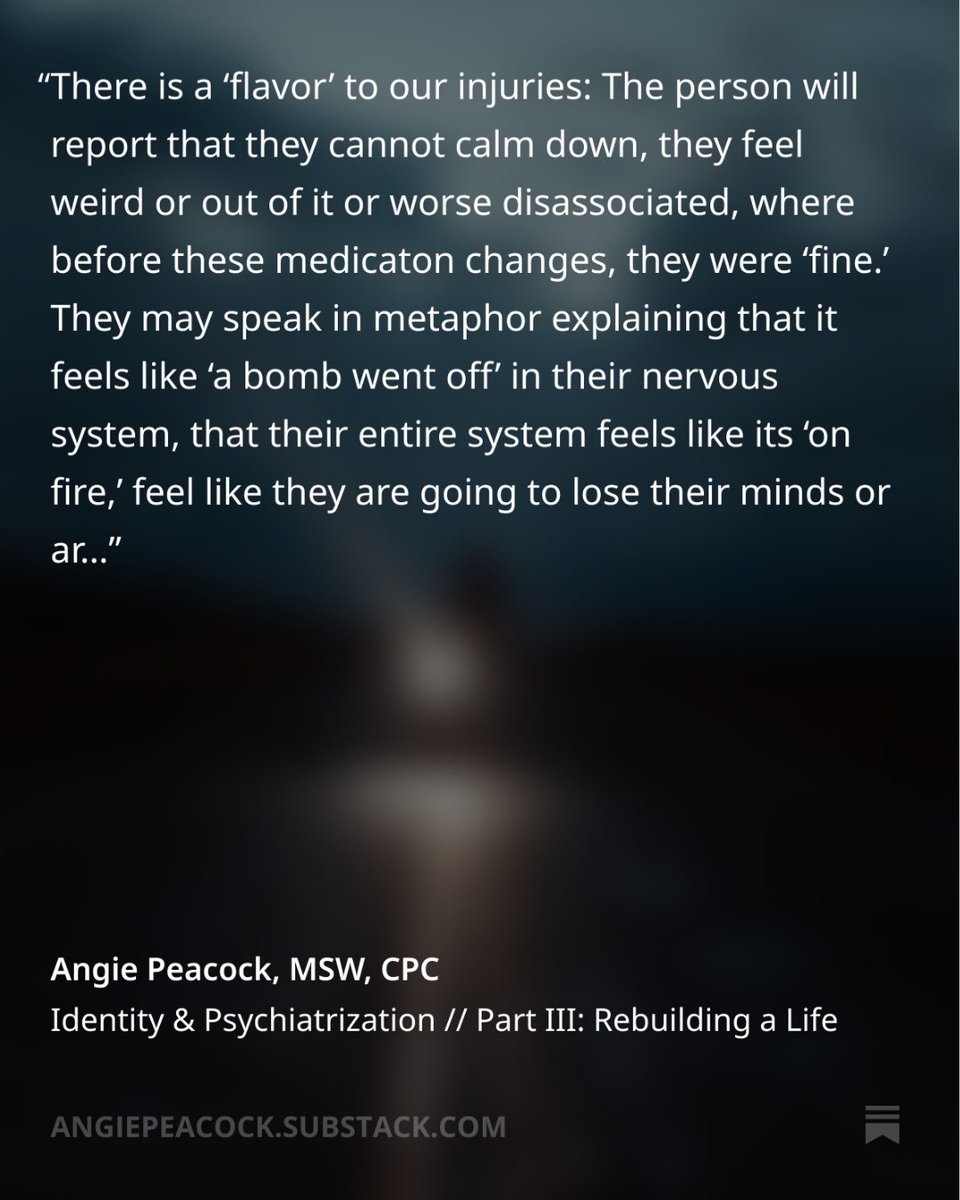
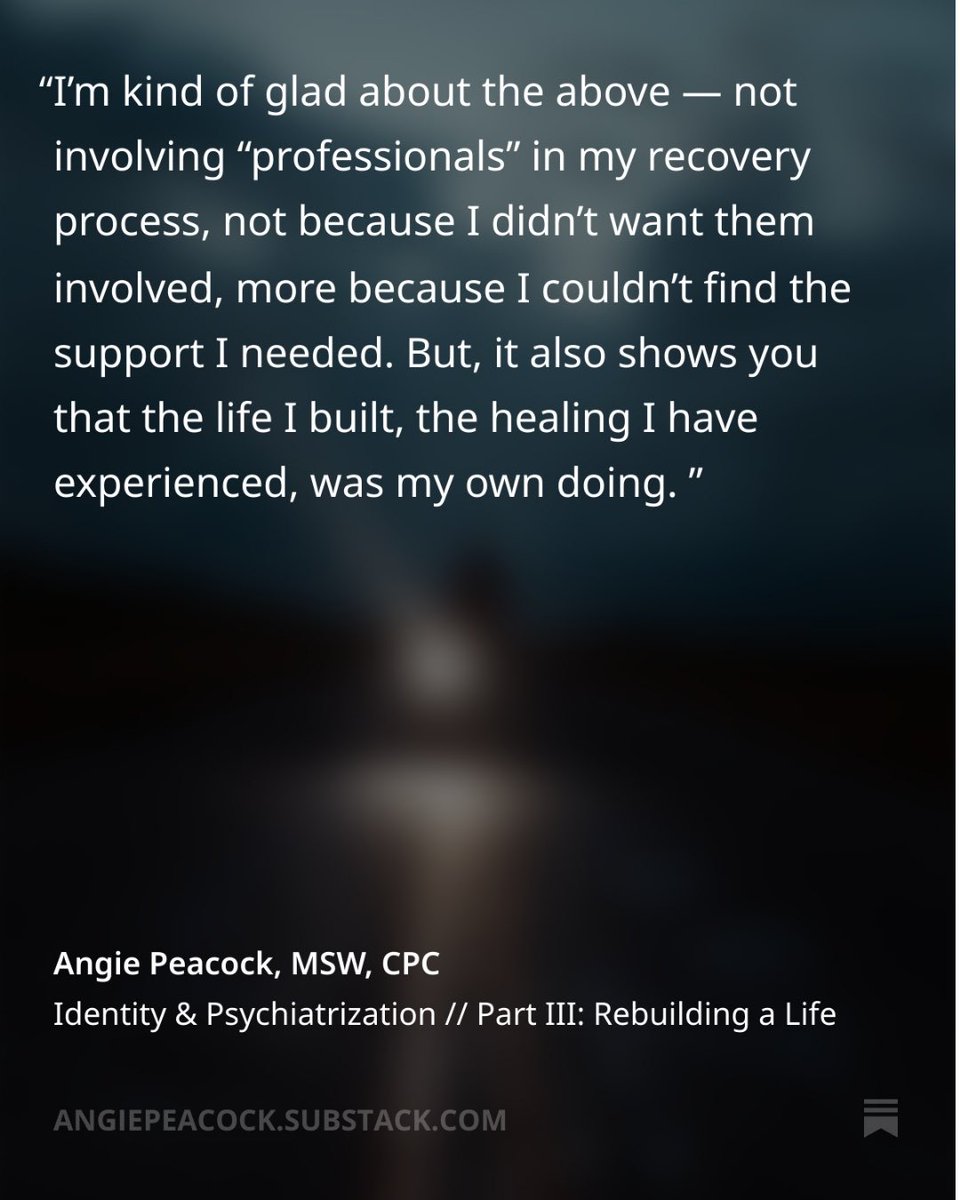
I post an article to Substack weekly and am working my way through exploring psych dis-identification and recovery.. This week I explore my healing process and the phenomena I see while others are recovering from psych med injury/ withdrawal. Link to read below.
Angie Peacock, MSW, CPC tweet mediaAngie Peacock, MSW, CPC tweet mediaAngie Peacock, MSW, CPC tweet media
English
2
2
16
576
Cooper Davis
Cooper Davis@Cooperdavis·
All this should be obvious but it isn’t
English
2
0
4
271
Suze M
Suze M@suzemargar·
Whatever 'camp' one slots own experience eg. meds useful/meds harmful, this is an interesting thread! In the many years I've had the privilege knowing people with mental/emotional distress & dx, few if any talk about it as 'chemical imbalance'. Neither have I heard Drs say it.
Laura Delano@LauraDelano

Chris I hear you, and I'm glad you've found benefit in antidepressants. A lot of people share this experience. But a lot of people who once felt similarly have now drawn very different conclusions-- me included. We've discovered that the "chemical balance" theory is not based in any valid, reliable science. We've discovered that these meds we were once told we'd need for life were approved on the basis of very short-term (i.e. 6-8 week) trials-- and that the worsening issues we once thought were "mental illness" were actually adverse effects of long-term meds. We've discovered that getting off these meds can be far from easy-- even, for some, seemingly impossible-- because they are dependence-forming and can cause brutal withdrawal symptoms when stopped too quickly. @SecKennedy's @HHSGov is the first U.S. health authority to meaningfully address this. Acknowledging that more people than ever before take SSRIs and other psych meds in our country, at the same time as more people than ever before are killing themselves, is not an attack on anyone who's been helped by these drugs. It's about fighting for all the people who haven't been so lucky. I would love the opportunity to connect more with you on this!! @chriscuomo

English
0
0
0
59
Suze M retweetledi
Jonathan Shedler
Jonathan Shedler@JonathanShedler·
"What you have been told is nothing but a myth... intended to ensure funding for researchers, at the expense of false hopes for the seriously ill. The ultimate lesson is that science isn’t special—at least not anymore. Maybe back when Einstein talked to Niels Bohr, and there were only a few dozen important workers in every field. But there are now three million researchers in America. It’s no longer a calling, it’s a career. Science is as corruptible a human activity as any other. Its practitioners aren’t saints, they’re human beings, and they do what human beings do—lie, cheat, steal from one another, sue, hide data, fake data, overstate their own importance, and denigrate opposing views unfairly. That’s human nature. It isn’t going to change.” —Michael Crichton
English
0
9
32
1.6K
Suze M
Suze M@suzemargar·
@Cooperdavis @awaisaftab Some excellent points here for lay people to use with medics if when seeking deprescribing from any long-term prescribed so called maintenance meds, they face doing so without adequate professional or peer support.
English
0
0
1
35
Suze M
Suze M@suzemargar·
@TheVoiceNews Only viewed a few female celebs 'outfits', it left me shocked. It wasn't the near nakedness, that's not new, but the objectification of female 'bits' arranged for the 'male gaze'. Female celebs didn't do selves or other females any favours.
English
0
0
0
62
Suze M retweetledi
Pumping Marvellous Foundation
Pumping Marvellous Foundation@pumpinghearts·
We want to highlight some of the priorities for Heart Failure care during this Heart Failure Awareness Week. The first priority is to improve recognition of Heart Failure and its symptoms with things like: - National symptom awareness (such as our BEAT HF campaign) - Mandatory Heart Failure education across primary care - Using clear, simple language that patients actually understand #BEATHF #HeartFailureAwarenessWeek Read more here 👇 buff.ly/TNVJXJb
Pumping Marvellous Foundation tweet media
English
0
8
9
312
Still On The Road
Still On The Road@StillOnTheRoad_·
27 years ago, the all-star tribute for Johnny Cash was broadcast (April 18, 1999). Among others, Bob Dylan performed with his band, playing the song “Train of Love.” Cash wrote in a letter afterwards: „Thank you Bob, for doing my song. You looked great and sounded great.“
English
8
68
369
20.6K
Suze M retweetledi
The Reader
The Reader@thereaderorg·
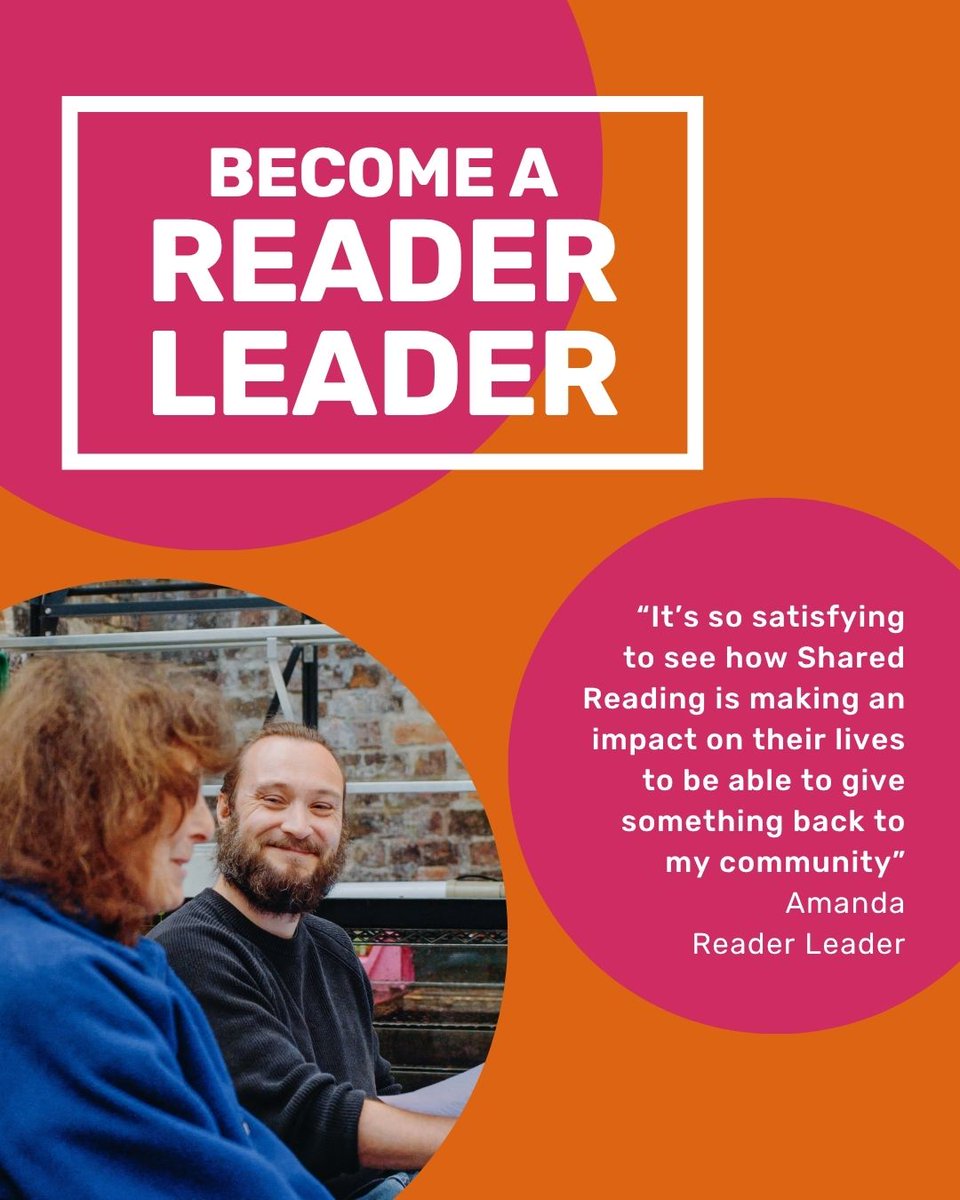
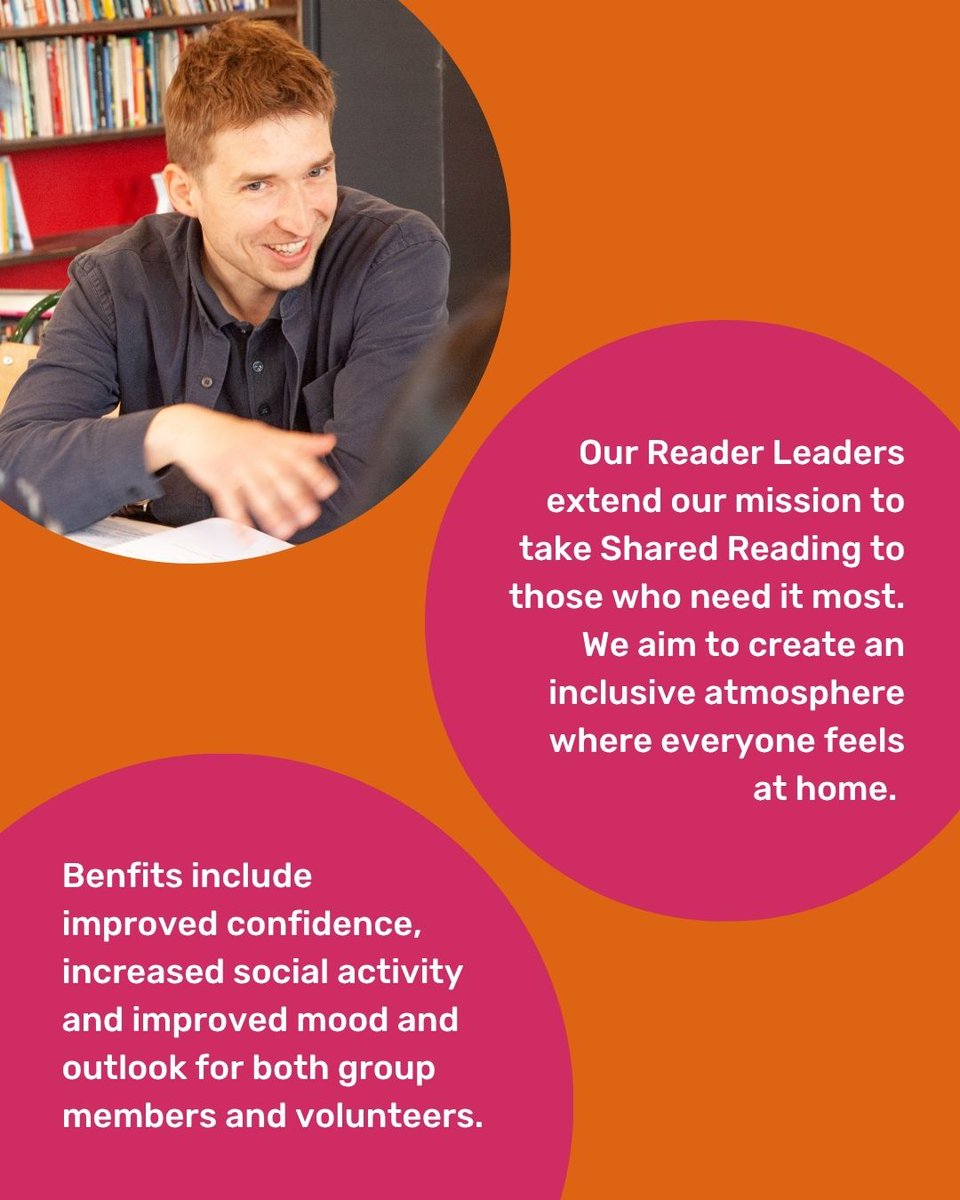
Becoming a Reader Leader lets you make a real difference, helping others discover the joy of reading and the many wellbeing benefits that Shared Reading brings. Find out more at thereader.ticketsolve.com/ticketbooth/sh…
The Reader tweet mediaThe Reader tweet mediaThe Reader tweet media
English
0
1
3
97
Suze M
Suze M@suzemargar·
@citoyennetomate The @thereaderorg @MichaelRosenYes for many years, and ongoingly, do good work around literacy in groups, I welcome it. Reading aloud to myself helps me to better concentrate on hard copy, but scroll (skim) reading text on small digital screens remains a valuable aid to literacy
English
1
1
1
22
Beryl Eeman's Ghost 爱文艺工作者,不爱人造人
Yes, this is important work. Lots of free group literacy classes around. Unfortunately, due to shame and stigma, many prefer to be tutored 1:1, which is understandable, but meaning there are very few low-cost options at that point
Michael Rosen 💙💙🎓🎓 NICE 爷爷@MichaelRosenYes

Not a revolutionary idea: to help people of any age to read, you can use audio or someone reading aloud, while the learner reads along with a book or text that they have in front of them. Could we do more of this, do you think?

English
2
0
5
131
Suze M
Suze M@suzemargar·
@MichaelRosenYes Yes! It's an excellent idea not only for learners of any age but also for those people for whom reading printed text is hard work, either because of visual impairment or disability etc.
English
0
1
2
1.4K
Michael Rosen 💙💙🎓🎓 NICE 爷爷
Not a revolutionary idea: to help people of any age to read, you can use audio or someone reading aloud, while the learner reads along with a book or text that they have in front of them. Could we do more of this, do you think?
English
33
35
264
8.2K
Suze M retweetledi
Anita Leirfall
Anita Leirfall@anitaleirfall·
Drawing on Nietzsche's idea that creativity should be the means by which we reshape the world, Jill Marsden argues that we should move from self-improvement to self-realisation. We should change a world that is making us sick. iai.tv/articles/nietz… #Nietzsche #philosophy
English
1
6
14
725