
Sabitlenmiş Tweet
Sylexus
2.5K posts


Sylexus
@sylexus_
enthusiast of all things gem and profound teapot enjoyer.
they Katılım Mart 2024
366 Takip Edilen36 Takipçiler
Sylexus retweetledi

Sylexus retweetledi


Sylexus retweetledi

Sylexus retweetledi

Experience the magic of our Moon mission wherever you go! ✨
Download free, mobile wallpapers and bring your device into the new era of exploration: go.nasa.gov/4bYzen1

English
Sylexus retweetledi
:Before stepping aboard the most powerful rocket ever built, Artemis II commander Reid Wiseman took his two daughters, Ellie and Katherine, for a quiet walk — and had one of the hardest conversations any parent can face.He spoke openly about his will, the trust documents, and the practical steps they would need to take if he didn’t come home. It was a moment of raw honesty, preparing his teenage girls for the worst-case scenario on a mission that would carry him farther from Earth than any human had ever traveled.Since losing his wife, Carroll, to cancer in 2020, Wiseman has raised Ellie and Katherine as a single father while training for NASA’s first crewed lunar mission in more than 50 years. Through it all, he has approached both fatherhood and his astronaut duties with the same quiet strength and transparency.Just before launch, he shared a heartfelt selfie with his daughters in front of the towering SLS rocket at Launch Pad 39B. His caption captured the mix of pride and love: “Dad, we can’t leave the rocket without a .5 together!! I love these two ladies, and I’m boarding that rocket a very proud father.”At 50 years old, Wiseman became the first commander of a lunar mission since Gene Cernan on Apollo 17 — and the oldest person ever to travel beyond low Earth orbit. His daughters watched with pride as their father lifted off toward the Moon on April 1, 2026.This deeply human story reminds us that behind every historic achievement lies profound personal sacrifice. Reid Wiseman’s courage — as both a dedicated father and a pioneering astronaut — beautifully embodies love, resilience, and the unbreakable human spirit that continues to reach for the stars.

English
Sylexus retweetledi

Sylexus retweetledi
Sylexus retweetledi

Sylexus retweetledi

Sylexus retweetledi

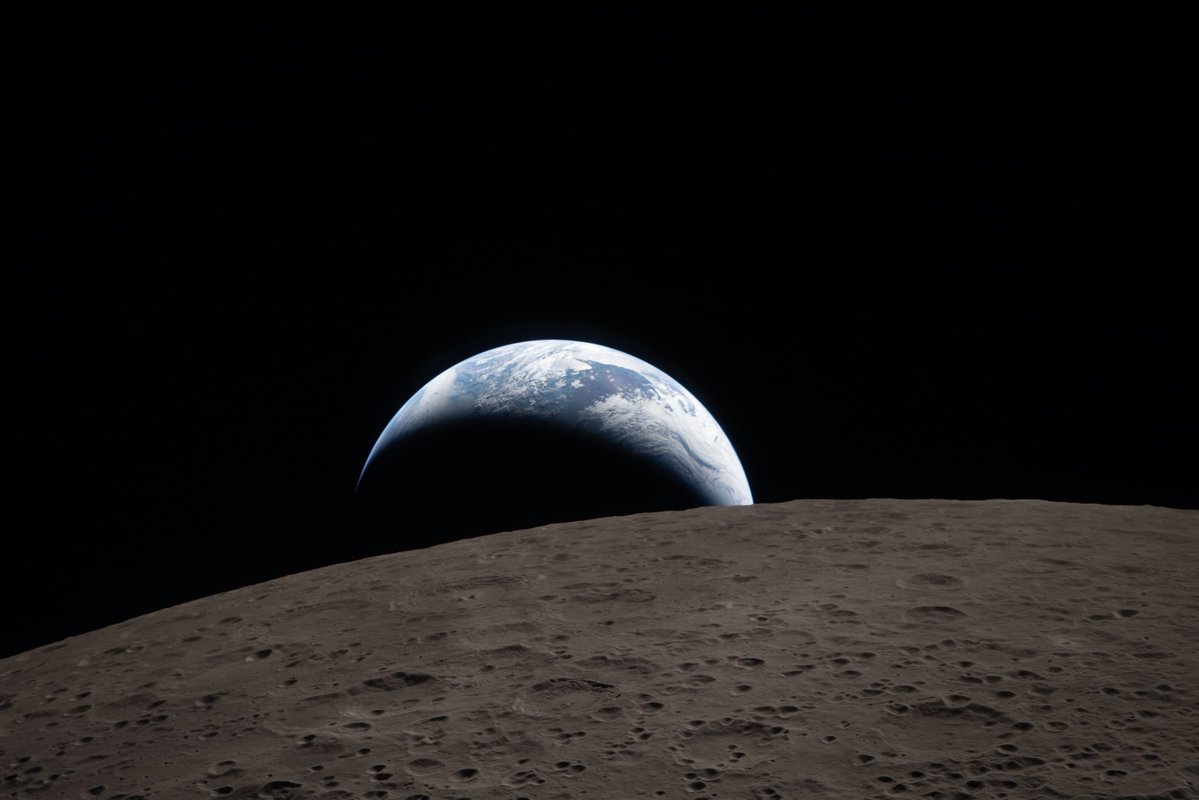
For the first time in over 50 years, humans saw the Moon from up-close. 🌕✨ Science is beautiful!
More photos here: nasa.gov/gallery/lunar-…

English
Sylexus retweetledi
Sylexus retweetledi

Sylexus retweetledi

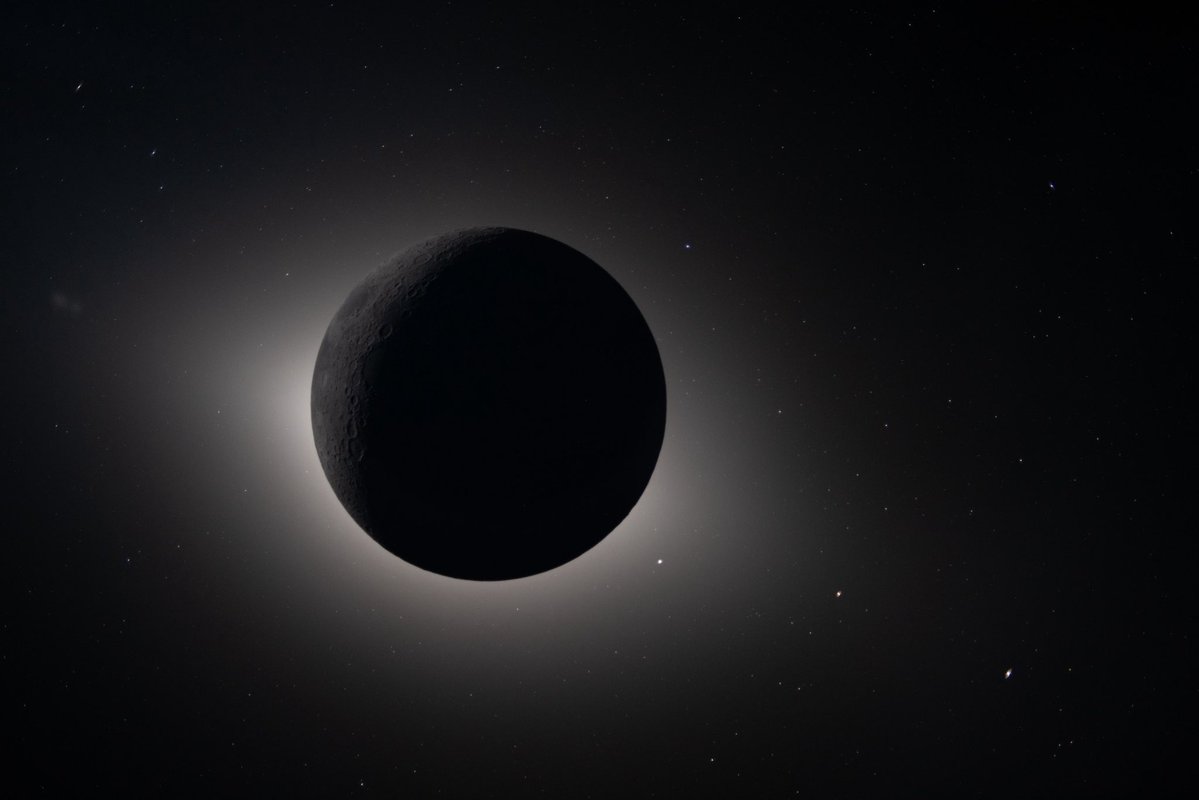
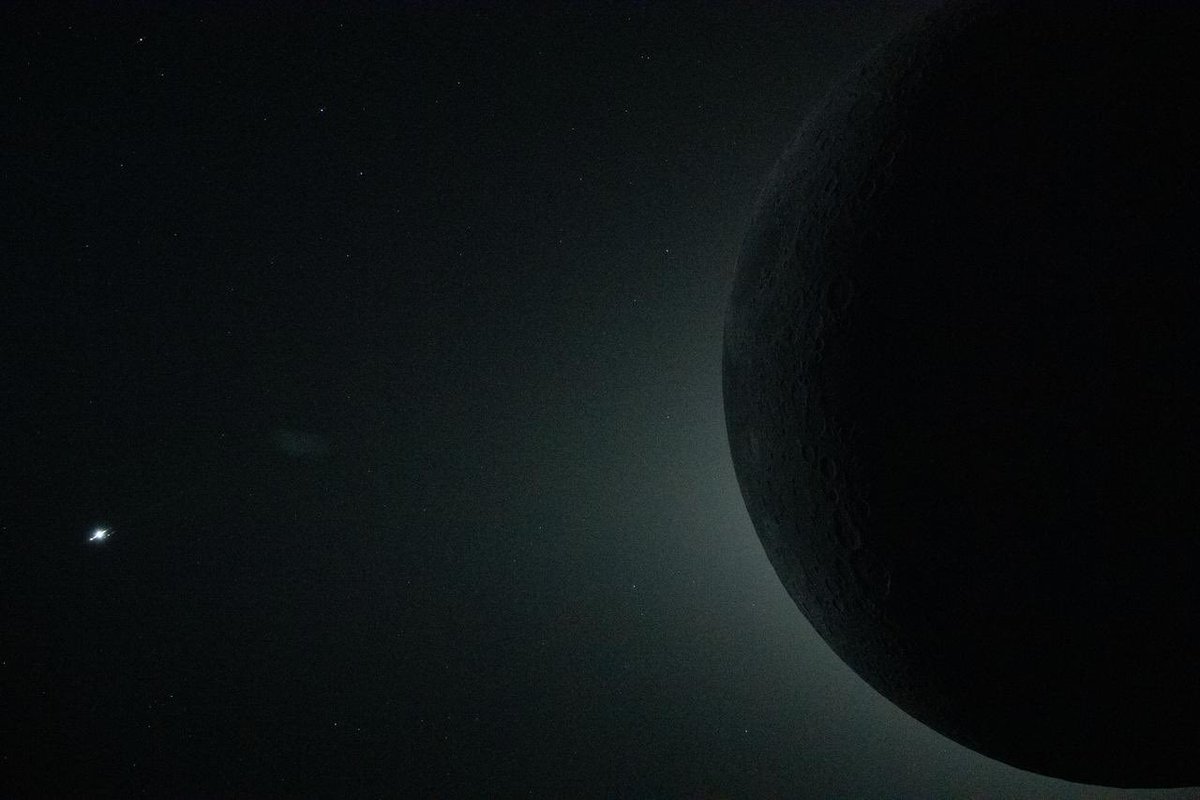
NASA has 32 cameras on the Artemis II spacecraft. The top science priority during the Moon flyby was the four astronauts looking out the window and talking about what they saw.
NASA's lunar science lead confirmed it. What the crew says out loud about the Moon's surface matters more to the science team than anything the cameras capture. NASA trained this crew in Iceland's volcanic highlands and at an impact crater in Labrador, Canada, teaching them to read rock textures and spot geological details at 25,000 mph.
There's a reason NASA trusts human eyes over cameras. In 1972, Apollo 17 astronaut Harrison Schmitt was walking near a small crater called Shorty when he scuffed the dirt with his boot. The soil underneath was orange. Schmitt was the only trained geologist to ever walk on the Moon, and he got so excited he blurred most of his own photos. That orange soil turned out to be tiny glass beads from a volcanic eruption 3.64 billion years ago, one of the biggest finds of the entire Apollo program. A boot and a pair of trained eyes caught what no camera did.
For this flyby, NASA sent the crew a final list of 30 surface targets. They killed all the cabin lights to cut window reflections. They worked in pairs, rotating every 55 to 85 minutes, calling out craters and lava flows while scientists at Johnson Space Center analyzed everything in real time. Pilot Victor Glover reported that the Moon's south pole, where NASA wants to land astronauts by 2028, looked "more jagged" than the north with much steeper terrain. One observation from a human eye at 4,070 miles could shape where the next crew touches down.
At 6:44 PM Eastern, Orion slipped behind the far side and went radio silent for 40 minutes. Four people, completely cut off from every other human alive, the Moon blocking every signal back to Earth. The last time humans experienced that was December 1972.
They broke the all-time distance record on the way. Apollo 13 held it for 56 years at 248,655 miles from Earth. Artemis II passed that mark and kept going to 252,760. Jim Lovell, who commanded Apollo 13 and held that record his whole life, died last August at 97, eight months before these four beat it. Before he died, Lovell recorded a message for the crew. "Welcome to my old neighborhood," he told them. "Don't forget to enjoy the view."
The crew named two craters during the flyby. One for their spacecraft, Integrity. The other, Carroll, for Commander Reid Wiseman's late wife, a nurse who cared for newborns and died of cancer in 2020 at 46. Wiseman has raised their two daughters alone since. When Jeremy Hansen read the name to Mission Control, his voice broke. The crew hugged. Wiseman and Koch wiped tears. Then they got back to work, because they still had hours of Moon left to map with their eyes.
NASA@NASA
LIVE: Watch with us as the Artemis II astronauts make their closest approach to the Moon, traveling farther from Earth than ever before. twitter.com/i/broadcasts/1…
English
Sylexus retweetledi

The Artemis II crew captured this image showing the rings of the Orientale basin during their lunar flyby on April 6.
At the 10 o’clock position of the Orientale basin, the two smaller craters – which the Artemis II crew has suggested be named Integrity & Carroll – are visible.

English
Sylexus retweetledi

Sylexus retweetledi

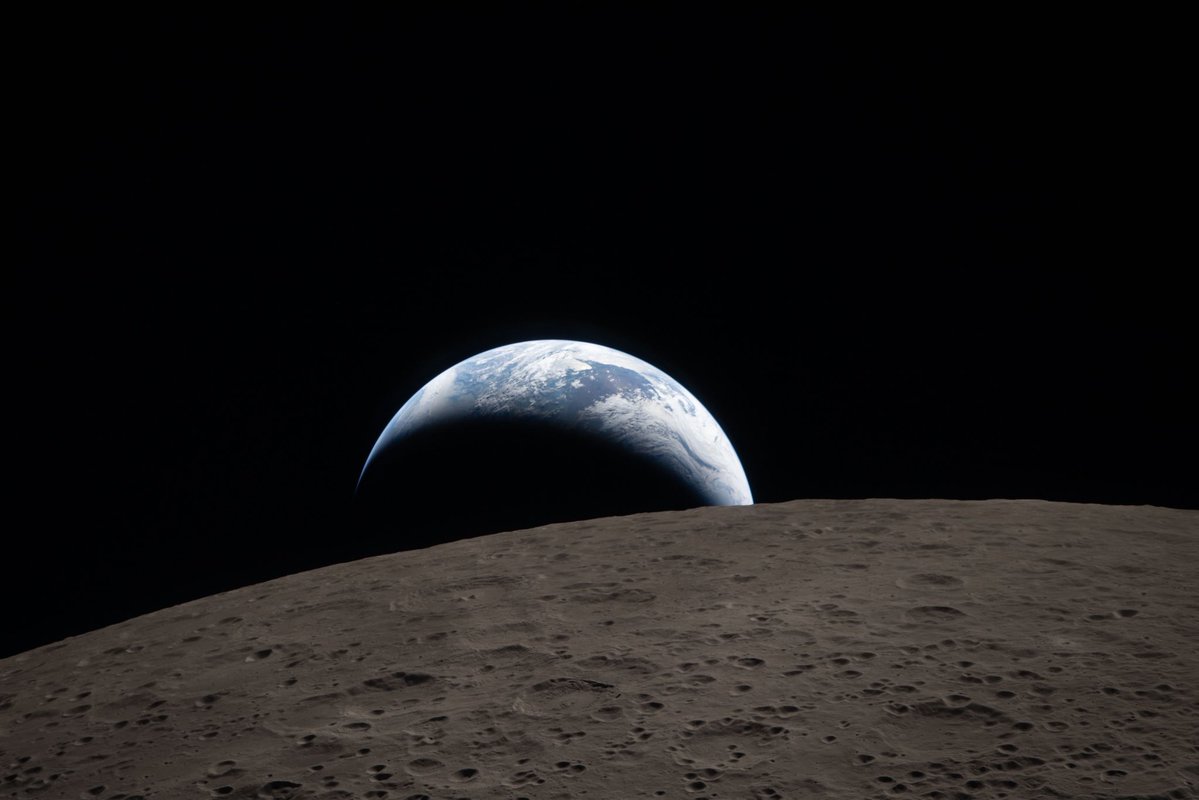
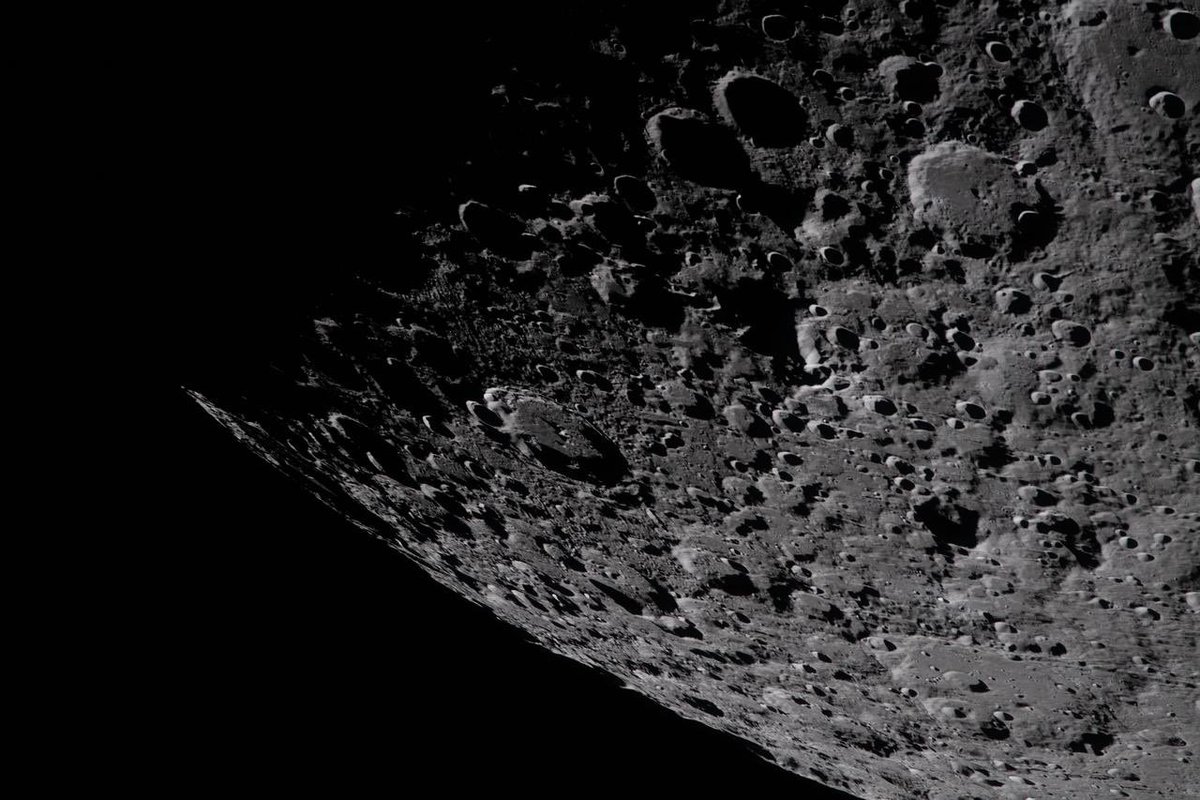
New look at the Moon.
(Source: Artemis II Crew)

English
Sylexus retweetledi
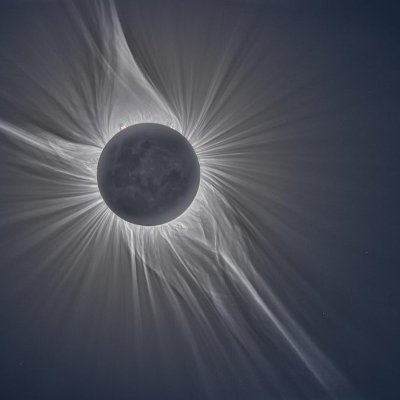
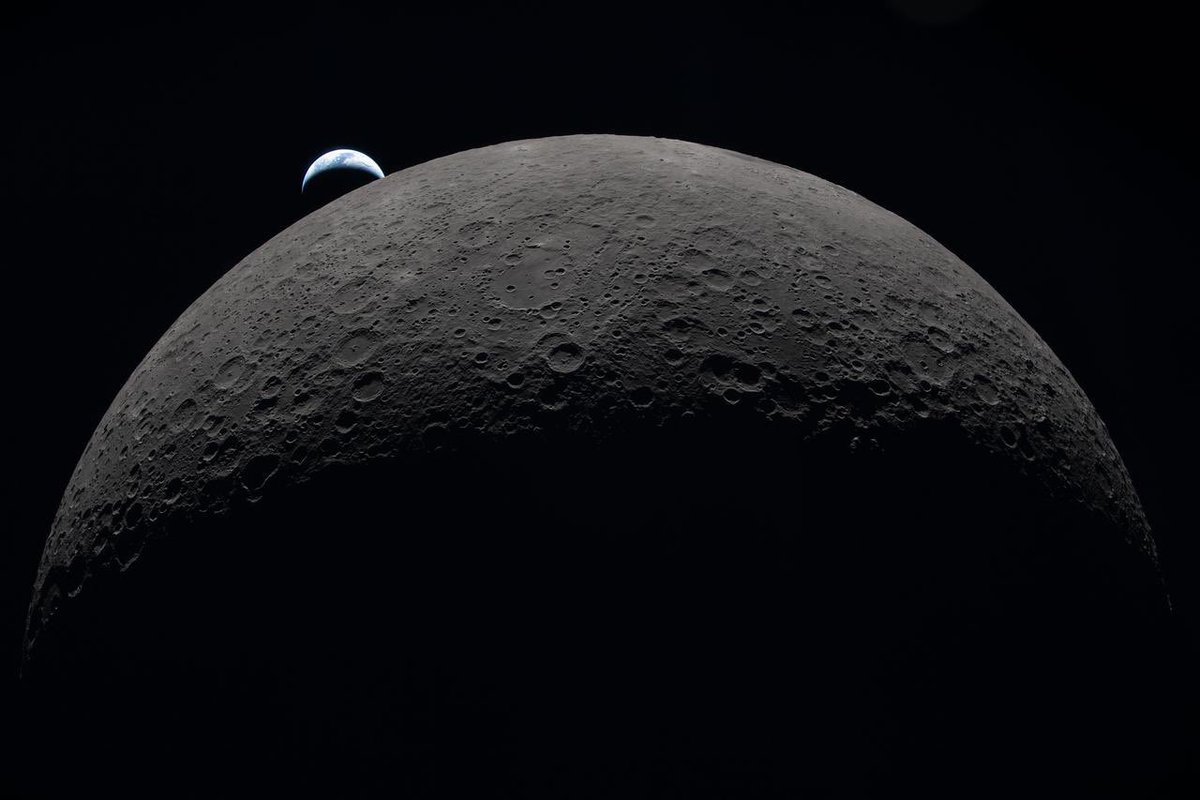
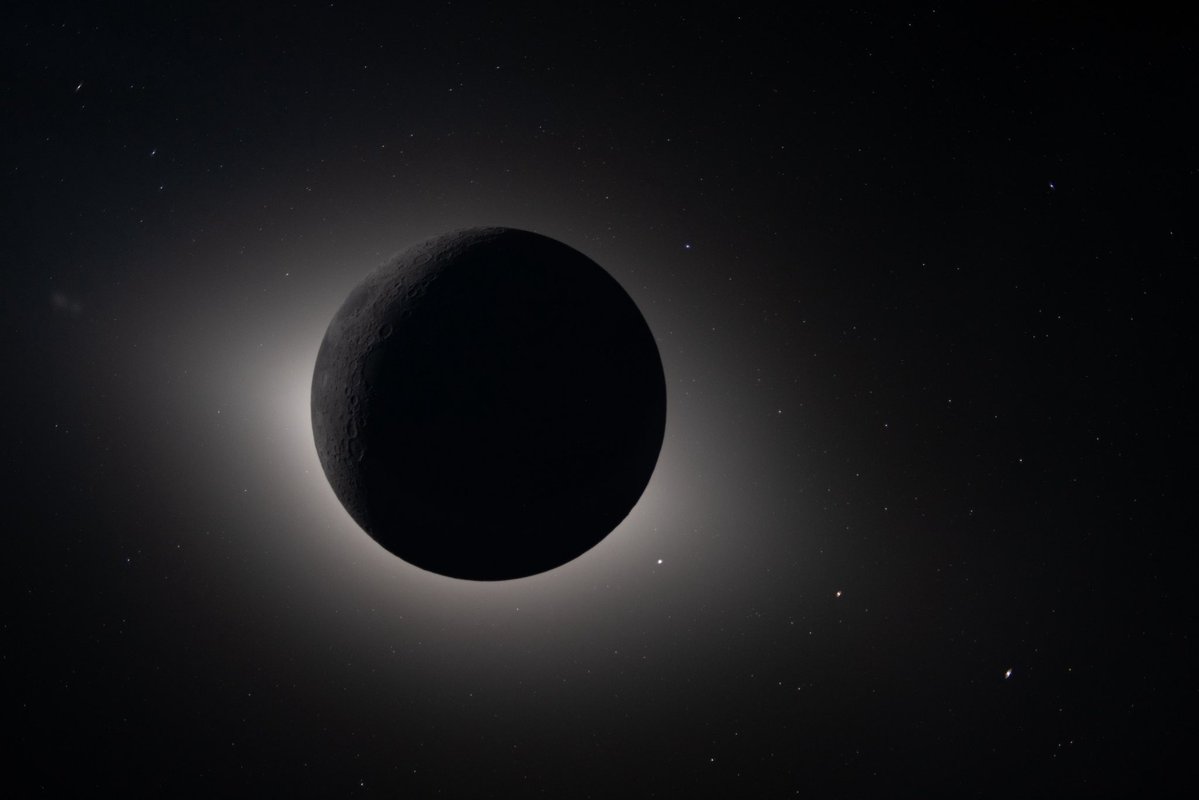
First photo of The Artemis II eclipse.
A rare alignment where the Moon slips directly between the Sun and Earth, creating this eclipse.
English
Sylexus retweetledi

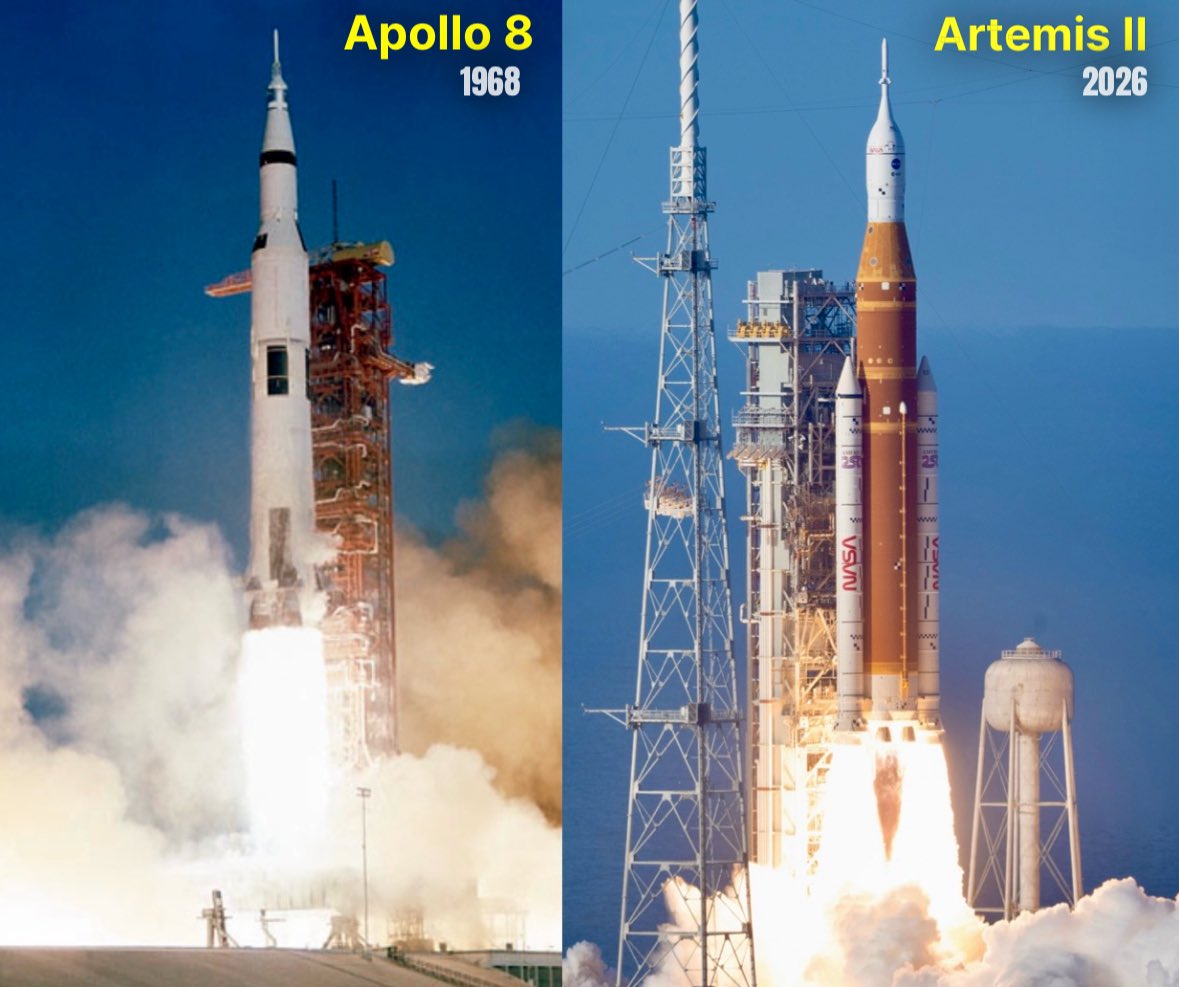
Here’s a better slopless version with a little more accuracy towards the mission goals
Black Hole@konstructivizm
Apollo vs Artemis
English
Sylexus retweetledi
A newly found bright spot on the moon has been named Carroll by the Artemis II crew.
This is named after astronaut Reid Wiseman's late wife.
English
Sylexus retweetledi
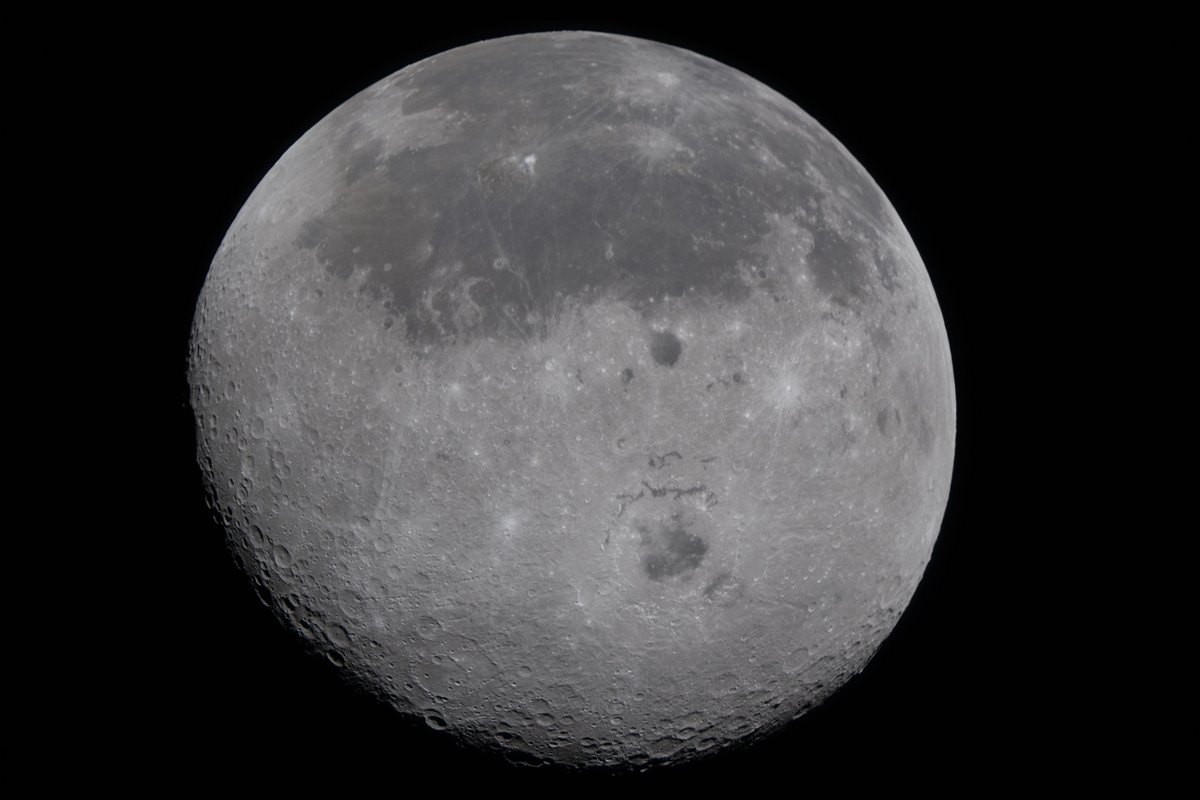
Approaching the near side of the Moon.
The Artemis II astronauts have surpassed the record for the distance from Earth at 1:56 ET (1756 UTC). This record was previously set during the Apollo 13 mission when the astronauts traveled 248,655 miles from Earth. The Moon continues to grow larger and larger in the windows of the Orion spacecraft as the Artemis II mission gears up to observe the far side. The astronauts are predicted to make their closest approach of the Moon around 7:02pm ET (2302 UTC).
English