take retweetledi

NVDAのNVL72ラックの構成からみる
日本の有力メーカー
イビデン/味の素/日東紡績/TDK/村田製作所/太陽誘電

Aaron@Aaronwei3n
Sheesh. $NVDA VR200 Bom Analysis from MS.
日本語
take
916 posts


Sheesh. $NVDA VR200 Bom Analysis from MS.

Norway consistently wins the most medals at the Winter Olympic Games, with a population of just 5.6 million people. A big part of their success is how they treat youth sports—and it’s the opposite of what we do in the US. Here’s what we can learn from Norway: 1. Scorekeeping: In the US: Youth sports tend to be hyper competitive even at early ages. Leagues almost always keep score. In Norway: Scorekeeping isn’t even allowed until age 13. Removing winners and losers keeps the focus on the process not outcomes. It keeps kids engaged longer because it minimizes pressure (and tears) and maximizes fun, learning, and growth. The goal isn’t to win a third grade championship. It’s to love sport and keep playing. 2. Trophies: In the US: If you give everyone a trophy, you’re creating snowflakes who will never gain a competitive edge. In Norway: Whenever trophies are awarded, they are handed out to everyone. If getting a trophy makes young kids feel good, we should give them trophies. Maybe they’ll come back and play again next year!! As for the creation of snowflakes with no competitive edge—Norway’s athletes are tough as nails and all they do is win. 3. Prioritizing Fun: In the US: Far too often, the goal is to win. In Norway: The national philosophy is “joy of sport.” Youth sports in the US are driven by adults, ego, and money. Youth sports in Norway are driven by fun. Only half of kids in the US participate in sports. The number one reason they drop out: because they aren’t having fun anymore. In Norway, 93% of kids participate in youth sports. Fun is the foremost goal. 4. Playing Multiple Sports: In the US: There’s pressure to specialize early and play your best sport year round. In Norway: Try as many sports as you can before specializing as late as college. Norway encourages kids to try all types of sport. This reduces injury and burnout and increases all-around athleticism. It also helps promotes match quality, or finding the sport you are best suited for as your body develops, which is impossible if you commit to a single sport too early. 5. Affordability In the US: There is increasingly a pay-to-play model with high fees for leagues, equipment, and travel. This excludes many kids from playing. In Norway: It’s a national priority to keep youth sports affordable and therefore accessible for all. Kids aren’t priced out, which creates opportunities for everyone to participate (and develop into athletes), regardless of their parents’ income level. We could learn a lot from Norway: In the US, 70% of kids drop out of youth sports by age 13. This not only diminishes an elite-athlete pipeline, but it also destroys an opportunity for healthy habits and all the character lessons kids can learn from sport. In Norway, lifelong participation in sport is the norm. The goal isn’t to have the best 9U team. It’s to develop the best athletes. Those are two very different things. And Norway has the gold medals to prove it.



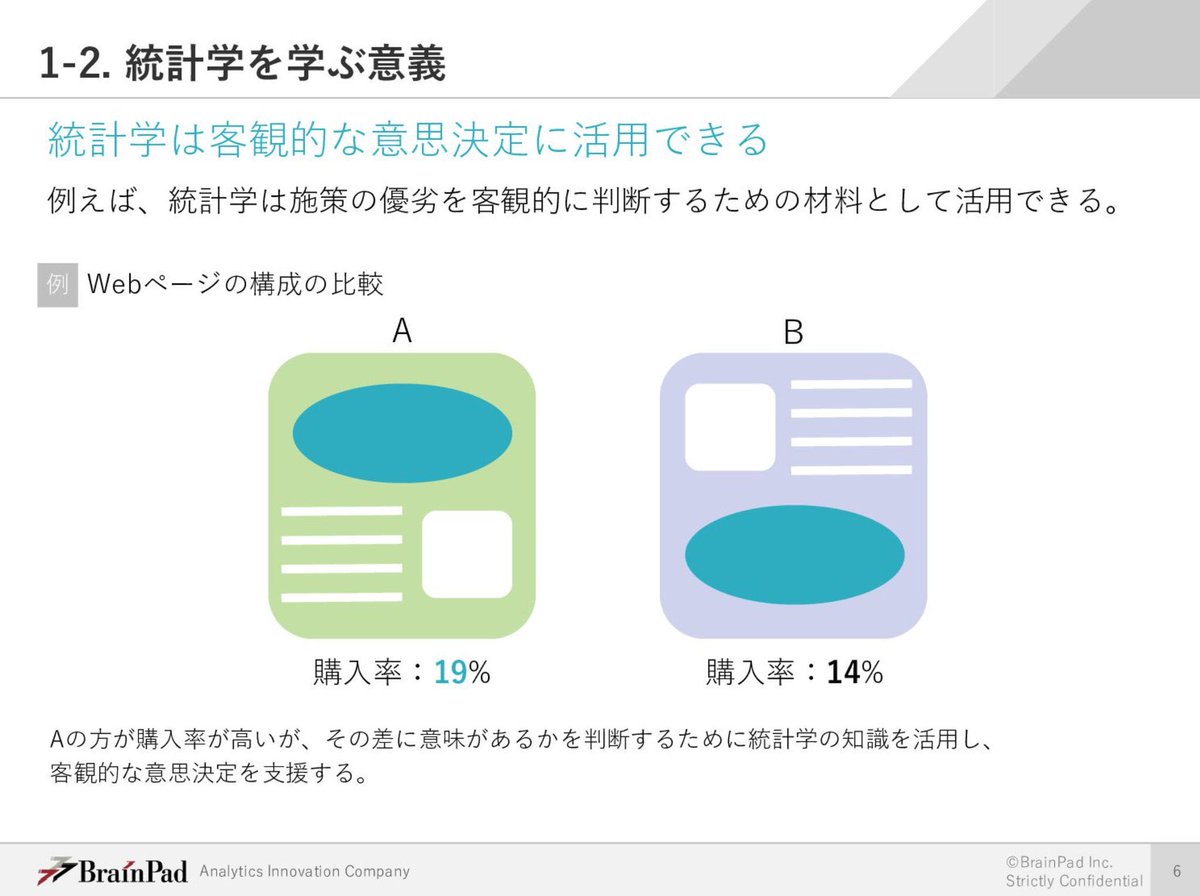
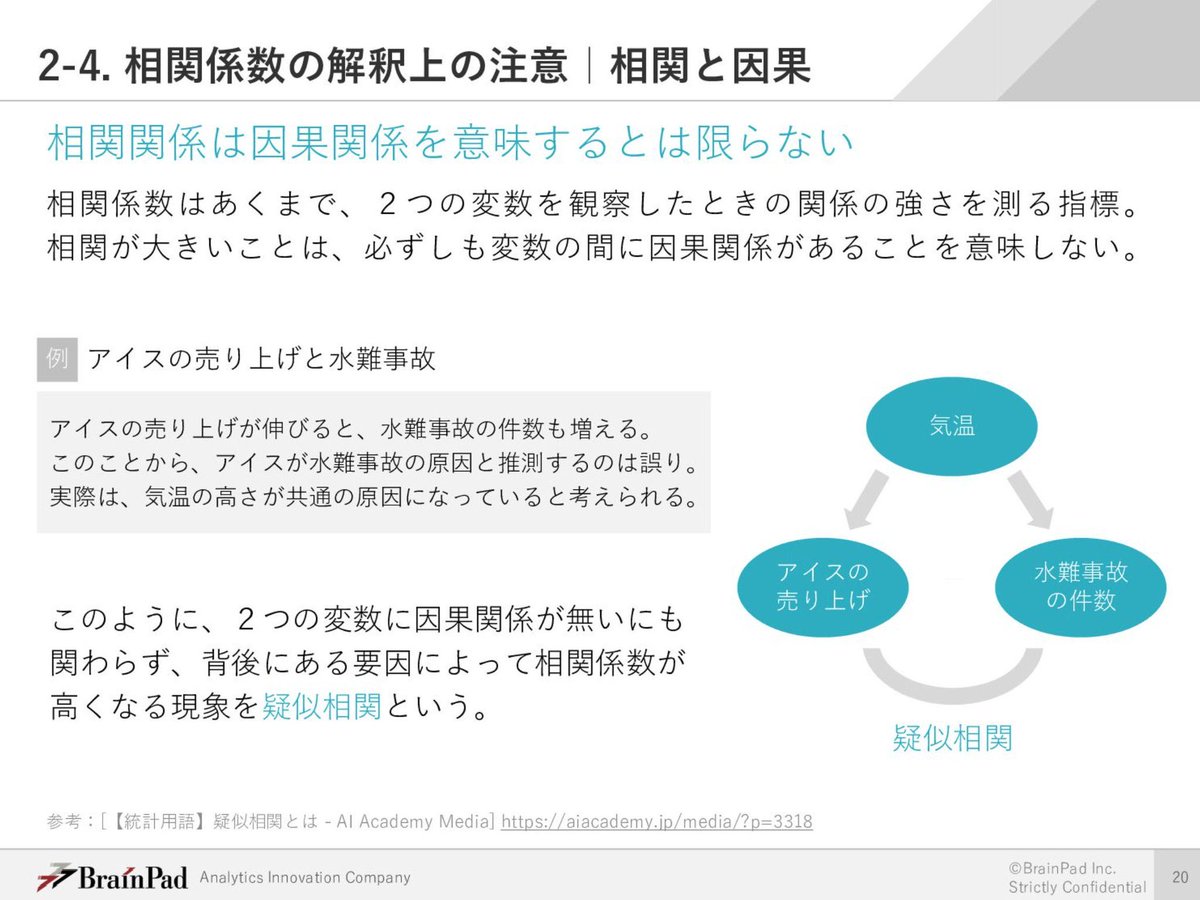

京大院医学研究科が無料公開してる動画「大学生のための統計学入門」が超有益。 平均/分散/標準偏差/回帰直線を中心に、データサイエンスでも重要な記述統計学の基本が学べる。 「統計で容疑を晴らす」、「地球の大きさを測る」等のストーリーで学べるのも楽しい


【取締役になって8ヶ月】 もとは「超ポンコツ」でした でも、マーケティングにのめり込んだ結果 ✔︎事業の反響は20倍に成長 ✔︎アルバイトから取締役に。 「専業主婦が夢」だった私の人生が180度 変わった出来事をnoteに書いてみました! ↓ぜひ読んでください!↓ note.com/est_smuul/n/n2…


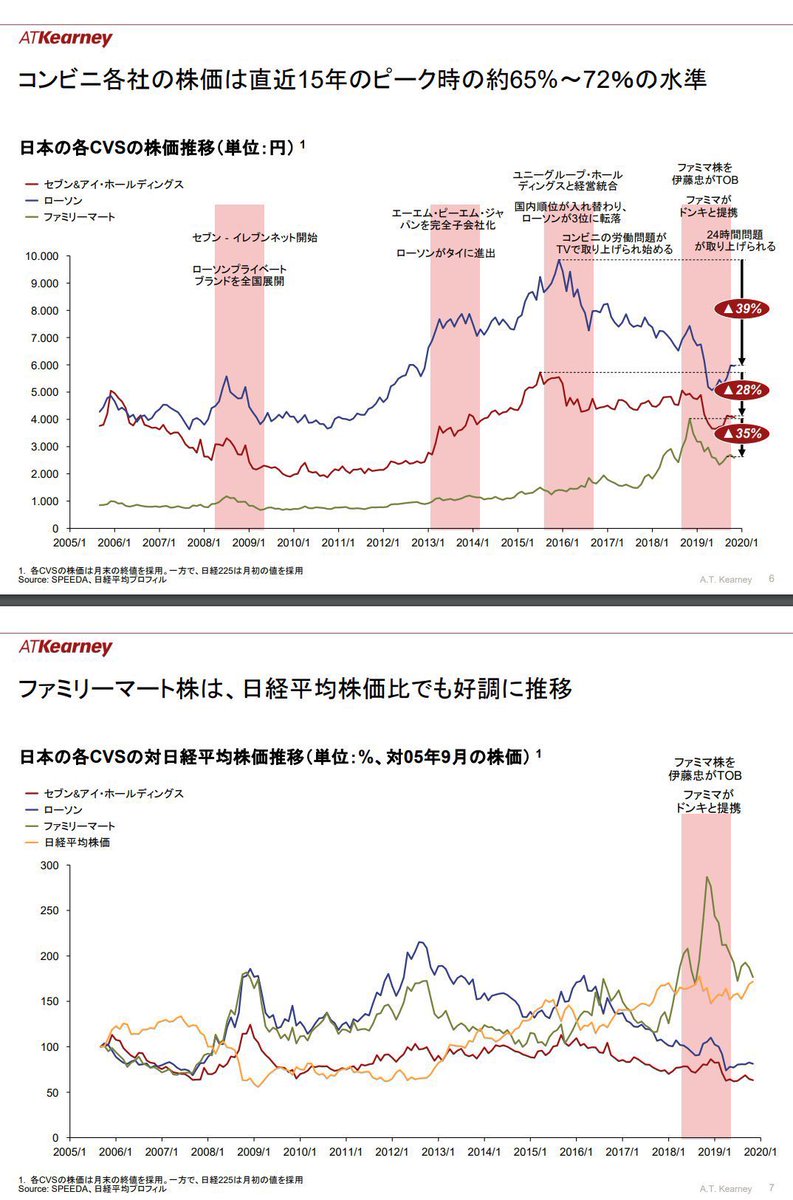
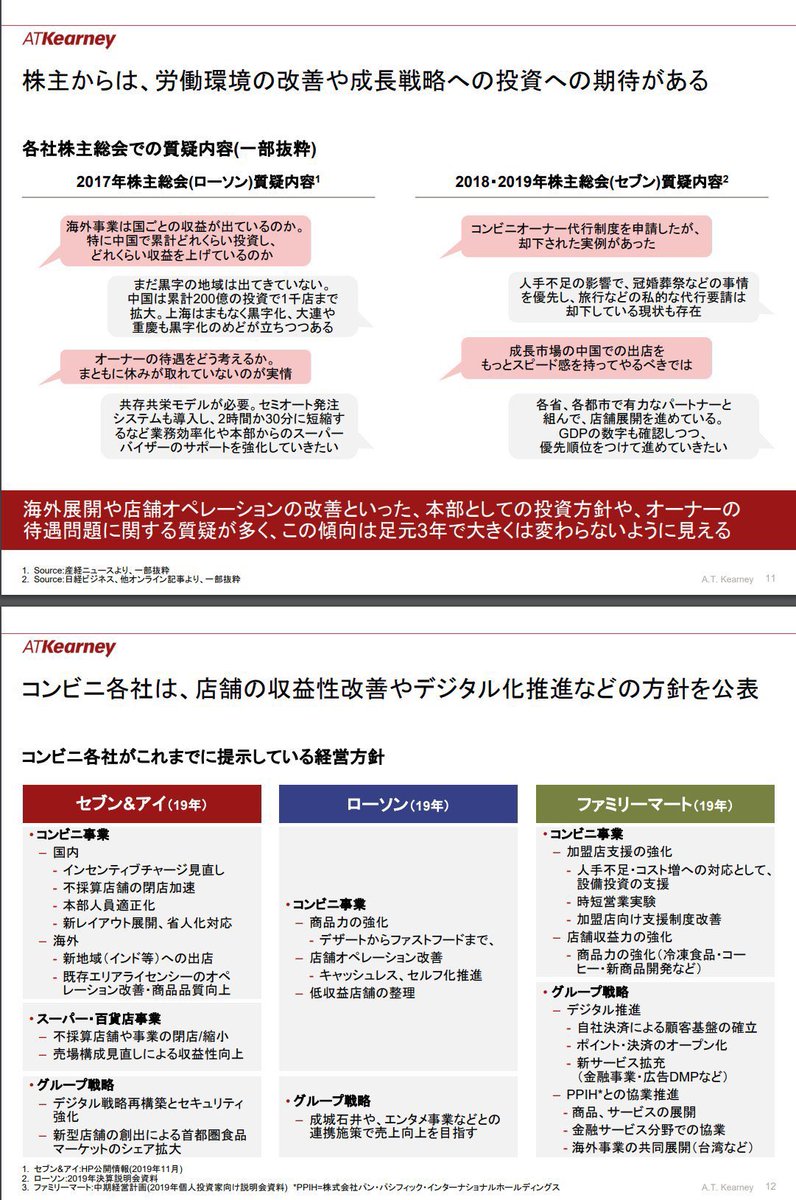
特に提案書書くときは本当に重宝する 始めて見る業界でもまずはDeep Researchで3C分析を行い、そこを手掛かりに有料DB(Speeda, Euromonitor等)や社内外のエキスパートインタビューを行うことで、業界常識のキャッチアップと初期仮説の立案がめちゃくちゃ早くなった

とある著名マーケッターの新刊を楽しみに読み始めたのだが、 「売れるためにはプロダクトよりブランドの方が重要。 プロダクトはブランドを作るための手段にすぎない」 というところでいきなり違和感を覚えた。 ん?いつの時代の話なんだ? 『人は「キリン」というブランドを選んでからでないと「一番搾り」を選べない』 『トヨタを選ばない消費者は「プリウス」を選ばない』 『パンを買うという選択肢を選び、そのパン屋で買うという判断があって初めてそのメロンパンが選ばれる』 と書かれていたが、 ・今はビールの単品で選んでて、メーカーがどこかなんて意識してないのでは? 例えば私は「豊潤」が大好きだけど、メーカーなんて意識していない(今確認したらキリンだった)。 ・プリウスを買う人はトヨタとホンダで迷ってるのではなく、プリウスとフィットハイブリッドで悩んでいるのではないか? ・すごく美味しいメロンパンがバズったことによってその店(ブランド)が有名になるということが多々ある。 「ブランド>プロダクト」だったのは情報入手が困難だったインターネット普及以前のマーケティングであり、プロダクト情報がネットを通じて直接簡単に手に入る現代では「ブランドの重要性」は相対的に堕ちている。 その証拠に大手アパレルブランドなどは10年ほど前からセカンドブランドなどを統廃合して集約していっている。 昔は同じブランドで服をそろえたりしだか、今はネットで簡単に大量の服を比較検討できるので、それぞれのアイテムで気に入ったものをチョイスしており、ブランドにこだわらなくなったからだ。 また「SNSでバズる」のも「ブランド」ではなく「プロダクト」だ。 スイーツなどでは「この店(ブランド)は美味しい」ではなく、「この〜味のマカロンが美味しい!」という「単品」のバズりによってその店(ブランド)が認知される。 「ブランド>プロダクト」という古典マーケティングが通用するのはインターネットの影響が及びにくいごく僅かのビジネスに限られるのではないかと思う。 少なくともwebでのマーケティングを主軸としたビジネスをやる人がこれを鵜呑みにしてしまうと大失敗すると思う。 事業として利益を上げたいのなら、ごく一部を除き、今は完全に 「プロダクト>ブランド」だ。 私の尊敬するマーケッターの西口さんも「P&G流マーケティングはD2Cには向かない」と言っているので、本書で謳われている「ブランド>プロダクト」は少なくともD2Cにはあてはまらないと思う。 あまり他者の著作に口出しをするのは良くないが、多くのWebマーケッターの方々も読まれる大人気の方の著作なので、おせっかいにも注意喚起の発言をあえてしてみました。 とはいえ、違和感を覚えたのは上記の一部だけであって、そこ以外はとても勉強になる本だったので気になる方は、ぜひ買って読んでみて感想を聞かせてください。(いやいや木下さん、わかってないよと言う感想でもウェルカムです) ※営業妨害になってはいけないのであえて書名は言いませんので、わかる人だけぜひ読んでみて下さい。