Tamami

3K posts

Tamami banner
Tamami

Tamami

@Tamami101

Capital moves before headlines. Trade finance | Private credit | Digital assets Oman → GCC → Asia

Katılım Mart 2009
268 Takip Edilen476 Takipçiler
Sabitlenmiş Tweet
Tamami
Tamami@Tamami101·
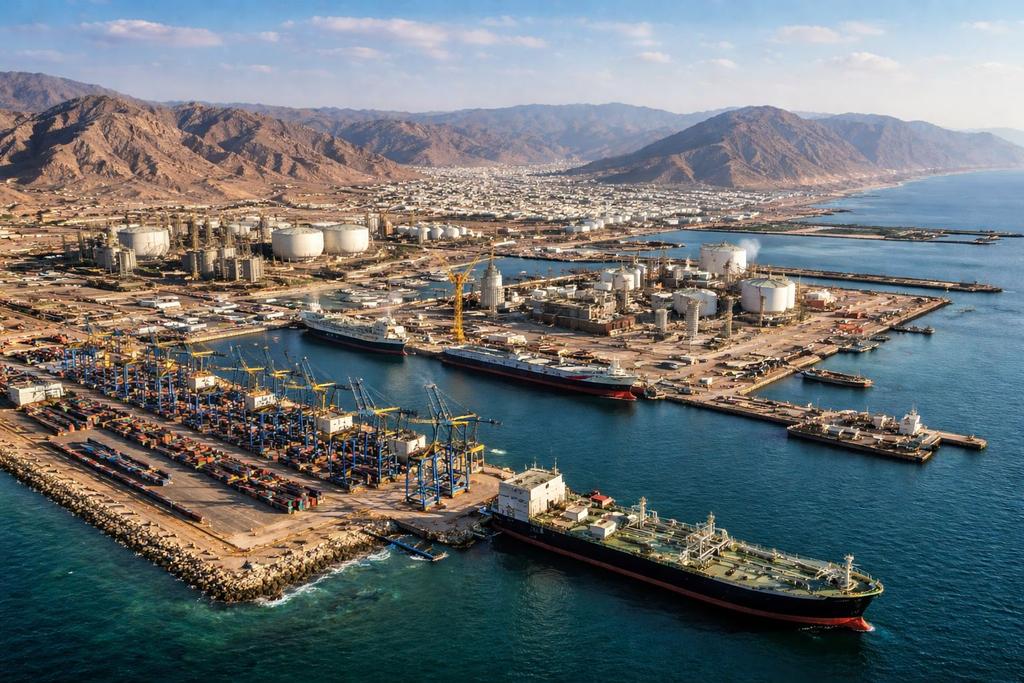
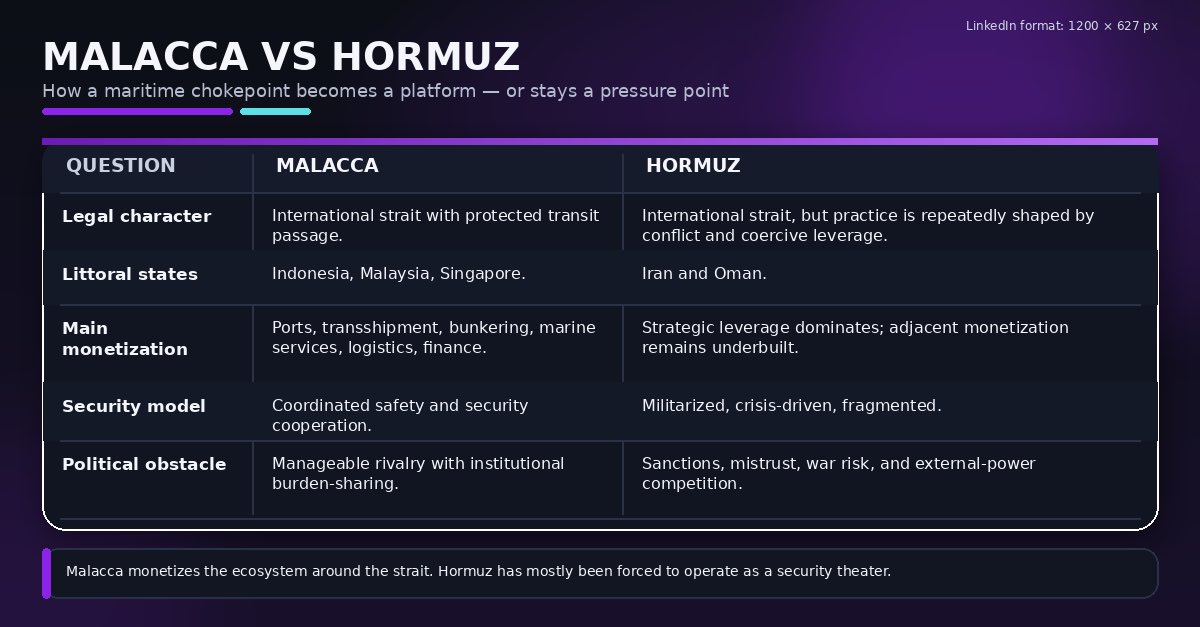
Hormuz does not need to be internationalized. It needs to be institutionalized. For years, the world treated the Strait of Hormuz like a permanent utility. Always open. Always flowing. Always someone else’s problem. Until war reminded everyone that geography is not neutral. Chokepoints are territorial. Political. Economic. And when war comes, they become leverage. This is where most commentary becomes lazy. It jumps straight to panic. Tolls. Closure. Collapse. But the more interesting question is not what Hormuz looks like in war. It is what it could have — and should have — looked like before the war. But here we are. And perhaps now, finally, it is time to correct that. Because the better comparison for Hormuz was never a canal. It was the Strait of Malacca. Malacca shows something people often miss: A strategic waterway does not need to become a toll booth to become an economic engine. It can become a platform. The littoral states around Malacca did not build prosperity by charging every passing vessel for the right to cross. They built clusters. Ports. Fuel. Transshipment. Repair. Logistics. Warehousing. Finance. Insurance. Services. They monetized adjacency. Trust. Safety. And the ecosystem around the passage. That is the model Hormuz never fully developed. Not because the geography was wrong. Not because the traffic was insufficient. But because Hormuz was never allowed to live as infrastructure. It was trapped as a security theater. For decades, the conversation around Hormuz has been dominated by fleets, threats, sanctions, deterrence, escalation, and disruption. Too little was built around the idea that this strait could also become a governed commercial corridor. Oman has confirmed talks with Iran on options to ensure smoother passage through the Strait of Hormuz under current regional conditions. That matters. Because it means the framework conversation is no longer theoretical. It has begun. The future value of Hormuz is probably not in turning it into a crude toll road. It is in building the economic architecture around it: Ports. Bunkering. Ship services. Storage. Trade finance. Marine insurance. Logistics zones. Industrial clustering. The real opportunity is not to charge the world for crossing. It is to become indispensable to the world because it crosses. There is a lot of noise around recent passage, tolls, and shutdown claims. Some of it is exaggerated. The more accurate picture is that war created disruption, Iran used the strait as leverage in wartime conditions, and selective passage and negotiation have existed alongside that reality. Hormuz is not only a place where disruption happens. It is also becoming a place where a new framework could be negotiated. Not to internationalize the strait. Not to strip sovereignty. But to institutionalize it in a way the region and the world can actually live with. Malacca offers the comparison. Hormuz offers the urgency. Oman and Iran may now be offering the beginning of a framework.
Tamami tweet media
English
1
1
5
1K
Tamami
Tamami@Tamami101·
أتفق تمامًا مع هذا الطرح. تأخر تنفيذ ميناء صور التجاري لم يعد مجرد “فرصة استثمارية مؤجلة”، بل أصبح فجوة استراتيجية في قدرة عُمان على امتصاص صدمات سلاسل الإمداد الإقليمية. الأحداث الأخيرة أثبتت أن المنطقة تحتاج أكثر من منفذ بديل، وتحتاج أكثر من ميناء عميق. تحتاج شبكة موانئ متكاملة على بحر العرب وخليج عُمان، قادرة على استقبال البضائع، تفريغها، إعادة توزيعها بريًا، وربطها بالأسواق الخليجية دون الاعتماد المفرط على نقطة عبور واحدة. اليوم نرى صحار وسلالة تتحملان جزءًا مهمًا من هذا الدور. صحار وحده سجل نحو 943 ألف حاوية في 2024، وارتفع إجمالي مناولاته إلى قرابة 72 مليون طن بنهاية 2025، وهذا يؤكد أن البنية العُمانية ليست نظرية بل تعمل وتستوعب ضغطًا حقيقيًا. لكن لو كان ميناء صور التجاري منفذًا جاهزًا، مفعّلًا، ومربوطًا بريًا بشكل قوي مع الداخلية والبريمي وباقي الخليج، لكان جزءًا من الطاقة الاحتياطية التي تحتاجها المنطقة في أوقات التعطل. كان يمكنه دعم إعادة توجيه الشحنات، تخفيف الضغط عن الموانئ القائمة، وخلق بوابة إضافية على بحر العرب تخدم الأمن الغذائي، الصناعات، واحتياجات السوق الخليجي. عُمان لا تملك فقط موقعًا جغرافيًا. تملك فرصة لبناء “مرونة لوجستية” للمنطقة كلها. والمرونة لا تُبنى وقت الأزمة، بل قبلها. ميناء صور كان يمكن أن يكون أحد أعمدة هذه المرونة
العربية
0
1
0
37
د. علي بن خميس العلوي
إغلاق مضيق هرمز تماماً تصبح جميع الموانيء الخليجية شبه معزولة عن المحيط الهندي، أما ميناء صور المرتقب فسيكون البوابة البديلة الوحيدة الجاهزة لدول الخليج حيث يمكن تفريغ البضائع فيه ثم نقلها براً إلى دول الخليج عبر منفذ البريمي.
د. علي بن خميس العلوي tweet media
العربية
3
2
8
377
Tamami
Tamami@Tamami101·
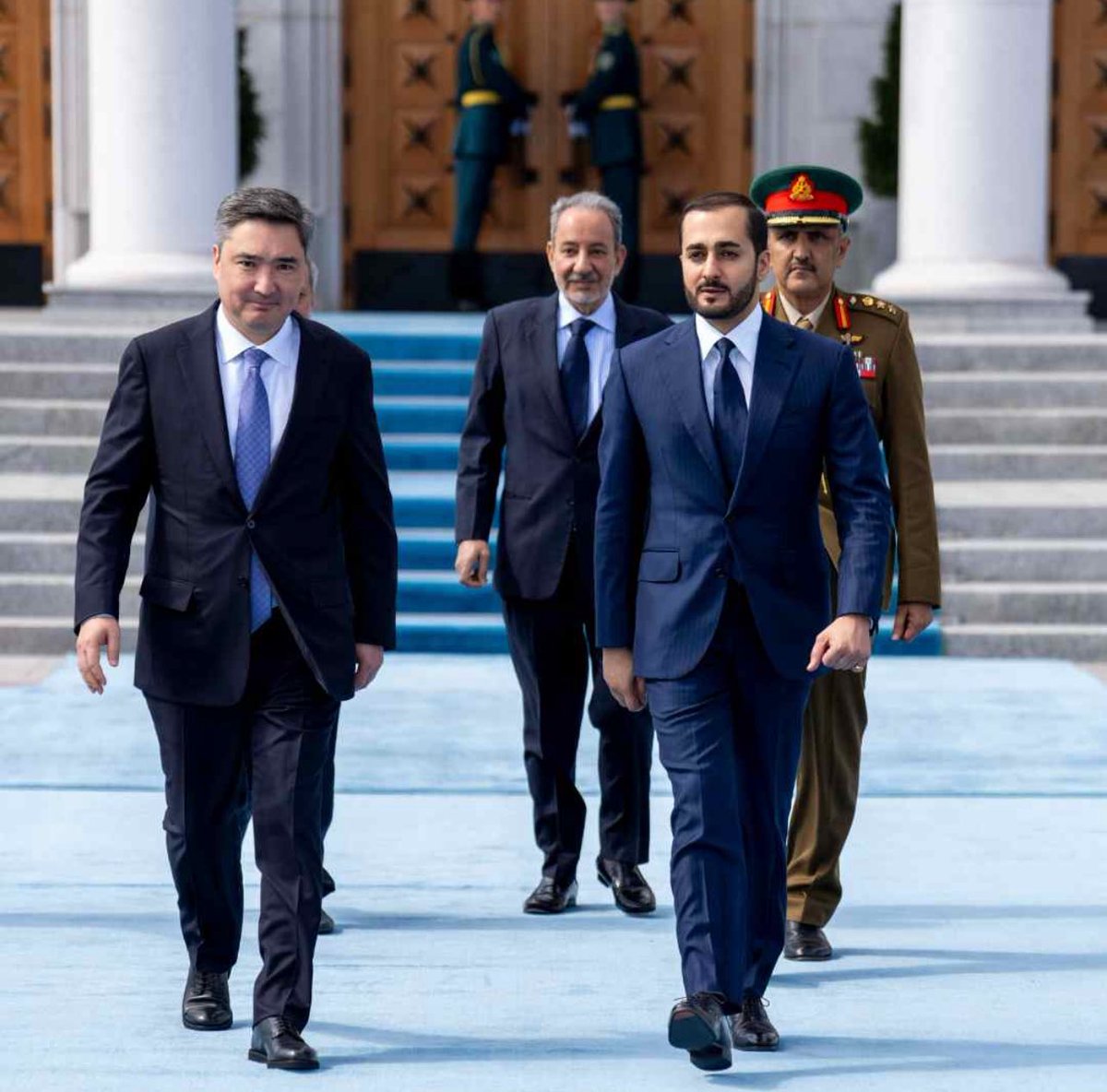
Oman’s official visit to Kazakhstan is not just another diplomatic headline. The interesting story is in the sequence: 2024: Oman’s FSA and Astana Financial Services Authority sign a cooperation roadmap. 2025: Oman’s FSA and Kazakhstan’s regulator sign an MoU on financial cooperation and market connectivity. Jan 2026: Oman approves its own international financial centre. Apr 2026: H H Sayyid Theyazin visits Kazakhstan, engages with the Astana International Financial Centre, and OIA moves toward a strategic partnership with Samruk-Kazyna. That sequence matters. It looks like Oman is quietly assembling the architecture of a new capital corridor. Not just goods through ports. But capital, regulation, sovereign investment, Islamic finance and market infrastructure aligning around a wider map. Kazakhstan gives Oman a Central Asian anchor. Oman gives Kazakhstan an Indian Ocean-facing partner with sovereign capital, logistics infrastructure, political neutrality and a financial centre thesis now forming. That is the story. Not Oman visiting Kazakhstan. Oman connecting another point on the map.
Tamami tweet media
English
0
1
2
168
Tamami retweetledi
Hafedh Al Ghannami
Hafedh Al Ghannami@hafedhghannami·
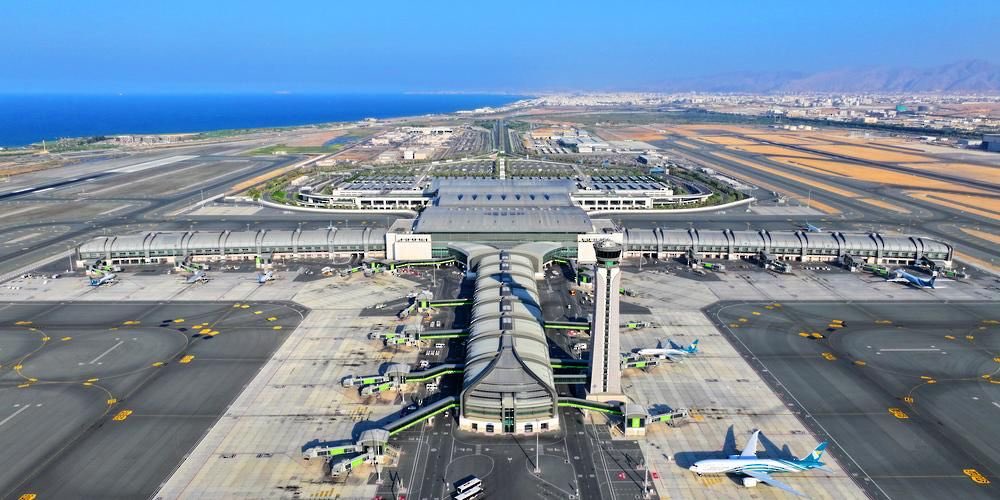
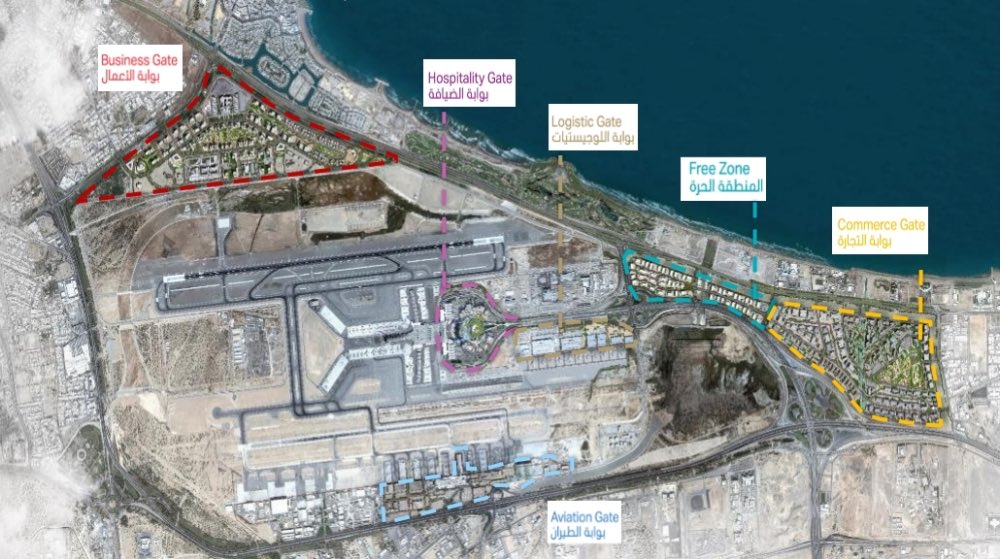
Muscat is one of the most attractive air cargo hubs in the region. Here’s why airlines should consider expanding their cargo operations into Oman 🇴🇲👇
Hafedh Al Ghannami tweet mediaHafedh Al Ghannami tweet mediaHafedh Al Ghannami tweet mediaHafedh Al Ghannami tweet media
English
3
23
106
14.4K
Tamami
Tamami@Tamami101·
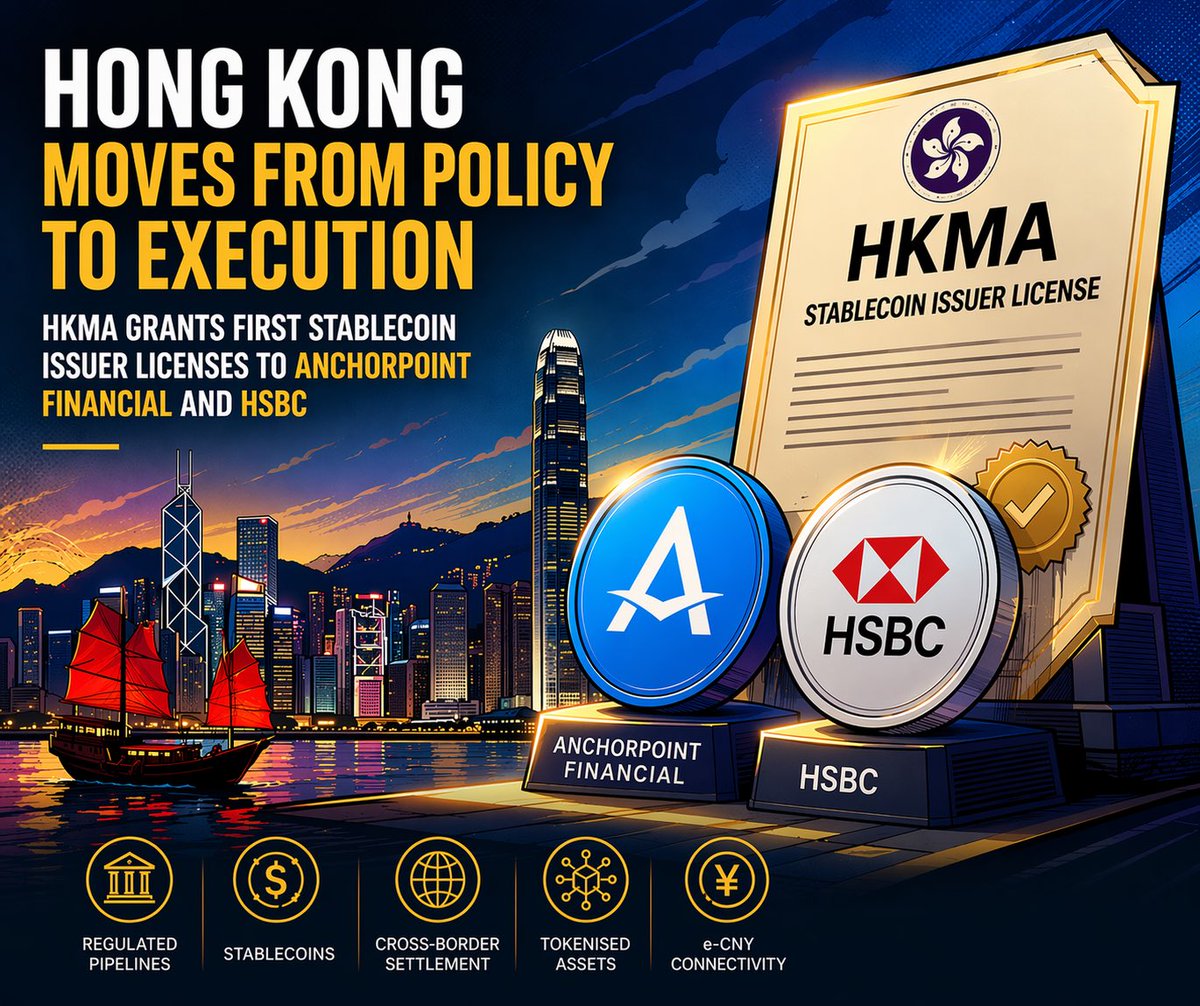
Hong Kong just made its move. HKMA has granted its first stablecoin issuer licences to Anchorpoint Financial and HSBC. And Anchorpoint itself is telling: Standard Chartered Hong Kong + HKT + Animoca Brands. Banking. Telecom. Digital assets. That is not a crypto headline. That is regulated infrastructure taking shape. The real story is bigger than stablecoins. Hong Kong is building a full digital-asset stack: exchanges, stablecoins, dealing, custody, tokenised bonds, and real-world assets. It is also already plugged into cross-border digital money experimentation through e-CNY, while pushing e-HKD toward wholesale and trade-settlement use cases. This is not about chasing hype. It is about building the next regulated rails for capital, payments and settlement. Stablecoins are not the destination. They are one part of the plumbing. And plumbing is where power accumulates.
Tamami tweet media
English
0
0
0
52
Tamami
Tamami@Tamami101·
Bitcoin did not suddenly become “unsafe.” Volatility was always the price of admission. What changed is who is in the room. Now that institutions, ETFs, celebrities and mainstream capital are here, people want to rename market risk as a moral problem. But economics will continue to be economics. The wrapper changed. The incentives did not.
English
1
0
1
74
Randi Hipper
Randi Hipper@missteencrypto·
We need to make Bitcoin safe for everyone, not just the rich and famous I’m done with the games. Let’s speak truth. We all have that responsibility
English
31
15
160
4K
Tamami
Tamami@Tamami101·
A few weeks ago, I wrote that Oman’s equity rally should not be dismissed as noise. MSX30 had crossed 8,000. The market was re-rating. And the bigger story was not excitement. It was credibility. Since then, another signal has become harder to ignore. Today, Oman News Agency reported that industrial companies posted positive performance in Muscat Stock Exchange trading last week, pushing the industrial sector index above 10,100 points with a weekly gain of 187 points. That matters. Because it suggests this is not just an index story anymore. It is also becoming a sector story. And sectors do not move sustainably on narrative alone. Let’s be honest about the sequencing. This rally did not suddenly appear because of war. And it did not begin as a geopolitical trade. A meaningful part of Oman’s re-rating was already underway before the conflict lens intensified. It was being built on firmer fiscal policy, stronger sovereign confidence, sound government management, and years of structural work that the market is now pricing more aggressively. That is why the sovereign story matters. The market did not wake up one morning and decide to believe in Oman. That confidence had to be earned. Gradually. Institutionally. And over time. The war, if anything, did something else. It forced capital to become more selective. It exposed which markets were fragile narratives, and which markets had enough underlying credibility to still command confidence during regional stress. That is where Oman becomes interesting. Because once you combine fiscal discipline, improving sovereign perception, better market plumbing, and an economy increasingly linked to logistics, production, and regional trade resilience, the market starts to behave differently. And when industrials begin to participate meaningfully, the signal gets stronger. Not every stock is cheap. Not every move is fundamental. And some names will always run ahead of themselves. But the broader point remains intact: Oman’s rally is not best understood as a temporary war reaction. It is better understood as a structural repricing that was already building before the war, and which the war merely stress-tested, accelerated, and revealed. Instability did not build this story. It revealed which story had already been built.
Tamami tweet media
English
0
0
1
53
Tamami retweetledi
Kim Dotcom
Kim Dotcom@KimDotcom·
Told my wife to have dinner ready at 6 or I will obliterate her entire civilization. She now charges me a fee to use the bathroom, that used to be free, and I didn't get dinner. WTF
English
1.4K
10.7K
81K
1.9M
Tamami
Tamami@Tamami101·
The most important thing about this ceasefire is not that fire paused. It is that passage became the priority. Because if you strip away the headlines, what emerged was not some grand peace architecture. It was a temporary arrangement around flow. Around transit. Around the urgent need to keep the Strait of Hormuz functioning. Iran’s own framework references a safe-transit protocol through the strait. Oman has already confirmed discussions with Iran on ensuring smoother maritime traffic under current conditions. That matters. Because it means the conversation has already moved beyond the old binary of disruption versus stability. Something more structured is beginning to form. Not a finished system. Not a stable one. But a system nonetheless. And that is the shift. For years, Hormuz was treated as a permanent utility. Always open. Always flowing. Always someone else’s problem. Until war reminded everyone that geography is not neutral. Chokepoints are territorial. Political. Economic. And under pressure, they become leverage. This is where most commentary becomes lazy. It jumps to extremes. Closure. Collapse. Tolls. But the more important question is not what Hormuz looks like in crisis. It is what it should have looked like before one. Because the better comparison for Hormuz was never a canal. It was Malacca. Malacca did not become valuable by charging passage. It became valuable by building around it. Ports. Fuel. Transshipment. Logistics. Services. Finance. It monetized the ecosystem, not the crossing. Hormuz never fully made that transition. Not because the geography was wrong. Not because the traffic was insufficient. But because it was never allowed to evolve as infrastructure. It remained trapped as a security theater. What we are seeing now is the beginning of a correction. Not through design. But through pressure. Not through long-term planning. But through necessity. The ceasefire is not a solution. It is a signal. A signal that even in the middle of escalation, the system defaults to one priority: Keep the corridor functioning. And once that priority becomes explicit, everything else follows. Protocols. Monitoring. Negotiation. Governance. The language of infrastructure begins to emerge. Oman’s role here is not accidental. It sits inside the geography. It understands the channel. And it is now actively engaged in shaping how passage is discussed, not just preserved. That is the beginning of institutional logic. Not international control. Not imposed oversight. But something more grounded. A regional structure that allows the world to rely on the strait without pretending it runs on autopilot. So no, this ceasefire did not resolve the problem. It clarified it. The ceasefire did not create the framework. It revealed the absence of one. And forced the first outlines of it into view.
Tamami tweet media
English
0
0
0
35
Tamami
Tamami@Tamami101·
Civilizations used to decay locally. Now they decay globally. In real time. Through algorithms, addiction, narrative warfare, and mass self-fragmentation.
English
0
0
0
21
Nick Valentine
Nick Valentine@nicksummy·
@Tamami101 @MetaMona_ I struggled to even see what the argument was. Malacca is about 5 times the size. Hormuz is 100% territorial waters of Iran and Oman
English
1
0
0
142
MetaMona
MetaMona@MetaMona_·
Instead of controlling Hormuz through fear or tolls, the region should turn it into a major economic hub like Malacca, and now that conversation is finally starting. This is what my good friend @Tamami101 suggests in this write-up. what do you think?
Tamami@Tamami101

Hormuz does not need to be internationalized. It needs to be institutionalized. For years, the world treated the Strait of Hormuz like a permanent utility. Always open. Always flowing. Always someone else’s problem. Until war reminded everyone that geography is not neutral. Chokepoints are territorial. Political. Economic. And when war comes, they become leverage. This is where most commentary becomes lazy. It jumps straight to panic. Tolls. Closure. Collapse. But the more interesting question is not what Hormuz looks like in war. It is what it could have — and should have — looked like before the war. But here we are. And perhaps now, finally, it is time to correct that. Because the better comparison for Hormuz was never a canal. It was the Strait of Malacca. Malacca shows something people often miss: A strategic waterway does not need to become a toll booth to become an economic engine. It can become a platform. The littoral states around Malacca did not build prosperity by charging every passing vessel for the right to cross. They built clusters. Ports. Fuel. Transshipment. Repair. Logistics. Warehousing. Finance. Insurance. Services. They monetized adjacency. Trust. Safety. And the ecosystem around the passage. That is the model Hormuz never fully developed. Not because the geography was wrong. Not because the traffic was insufficient. But because Hormuz was never allowed to live as infrastructure. It was trapped as a security theater. For decades, the conversation around Hormuz has been dominated by fleets, threats, sanctions, deterrence, escalation, and disruption. Too little was built around the idea that this strait could also become a governed commercial corridor. Oman has confirmed talks with Iran on options to ensure smoother passage through the Strait of Hormuz under current regional conditions. That matters. Because it means the framework conversation is no longer theoretical. It has begun. The future value of Hormuz is probably not in turning it into a crude toll road. It is in building the economic architecture around it: Ports. Bunkering. Ship services. Storage. Trade finance. Marine insurance. Logistics zones. Industrial clustering. The real opportunity is not to charge the world for crossing. It is to become indispensable to the world because it crosses. There is a lot of noise around recent passage, tolls, and shutdown claims. Some of it is exaggerated. The more accurate picture is that war created disruption, Iran used the strait as leverage in wartime conditions, and selective passage and negotiation have existed alongside that reality. Hormuz is not only a place where disruption happens. It is also becoming a place where a new framework could be negotiated. Not to internationalize the strait. Not to strip sovereignty. But to institutionalize it in a way the region and the world can actually live with. Malacca offers the comparison. Hormuz offers the urgency. Oman and Iran may now be offering the beginning of a framework.

English
5
1
14
768
Tamami
Tamami@Tamami101·
@GeorgFoerster @MetaMona_ It was a Pirate Bay that reformed, excellent leadership and enough peace over enough period of time and voila 👍
English
1
0
2
18
FoGe25
FoGe25@GeorgFoerster·
@MetaMona_ @Tamami101 65 years ago Singapore was basically a village surrounded by swamp. It is crazy how this people developed this small piece of soil. They don't have any minerals there.
English
1
0
2
40
Tamami
Tamami@Tamami101·
@nicksummy @MetaMona_ Sure Nick, but fact check and challenge the argument. Yes I used AI to stitch the text together.
English
1
0
1
19
Tamami
Tamami@Tamami101·
In times of geopolitical risk, I am always amazed by humanity’s collective ability to forget and remember at the same time.
English
0
0
0
42
Tamami
Tamami@Tamami101·
A while back I wrote about Tayyar Systems — an Omani startup building counter-drone tech capable of disabling UAVs mid-air. Today, we’re seeing a different layer emerge. Serb , the platform behind Oman’s drone infrastructure (registration, licensing, airspace management), has introduced “Shihab” — an operational intelligence system for UAS. This is not about hardware. It’s about turning fragmented signals into structured, real-time intelligence. From: detection → tracking To: interpretation → prediction Airspace is no longer clean. It’s noisy, decentralized, and increasingly unpredictable. Which means raw visibility is no longer enough. Understanding becomes the capability. What’s interesting is not any single company. It’s the direction: One builds the ability to stop drones. Another is building the ability to understand them. Different layers. Same evolution. And we’re still early.
Tamami tweet media
English
1
1
2
115
Tamami
Tamami@Tamami101·
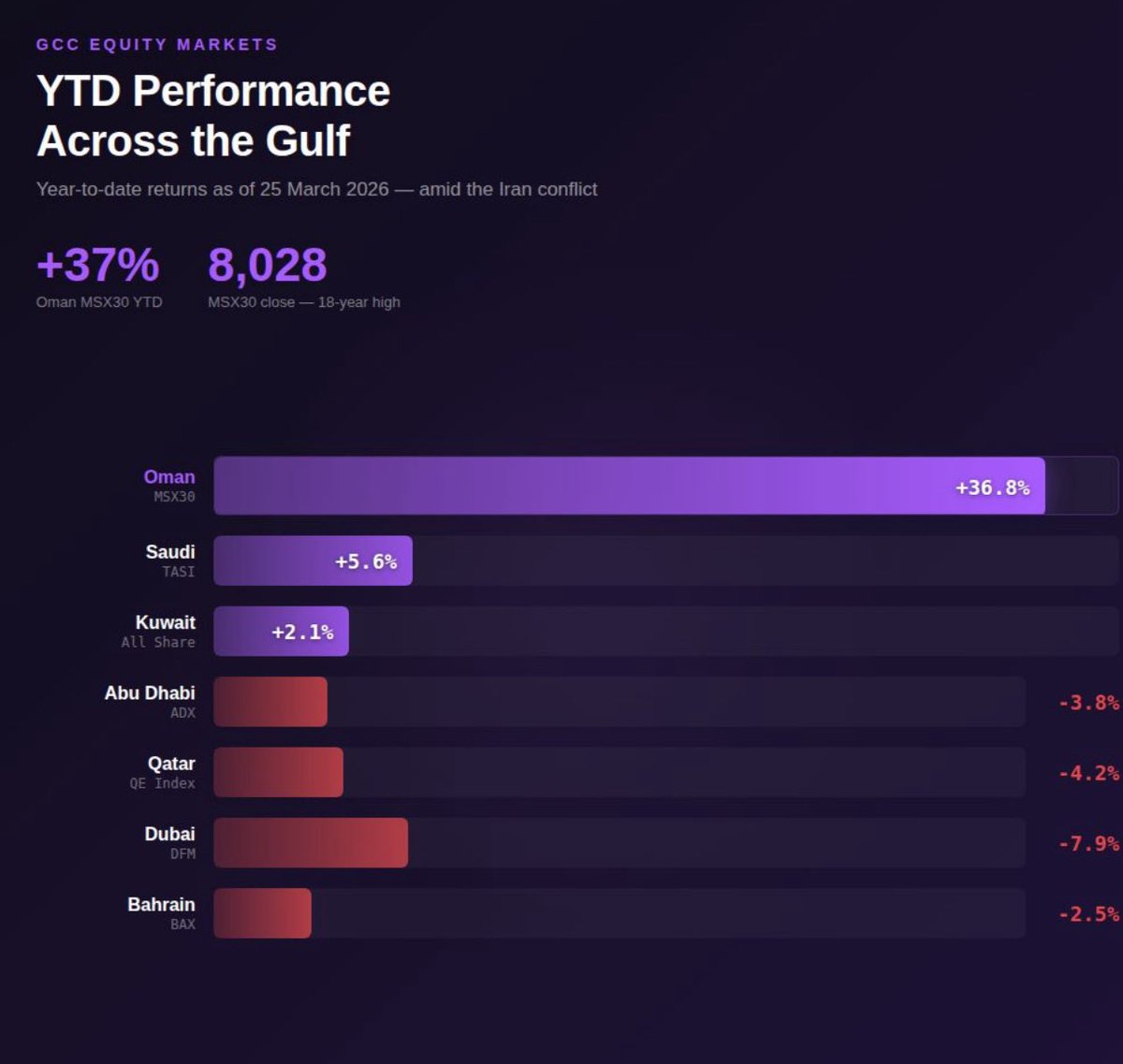
MSX30 crossed 8,000 yesterday. Pause on that. January: 6,200 February: 7,100 Now: 8,028 — an 18-year high ~+37% YTD… while the region navigates its most serious geopolitical disruption since 2003. Meanwhile: Dubai ↓ ~8% Abu Dhabi ↓ Qatar ↓ Saudi → mid-single digits (helped by oil / Aramco) Oman is doing something different. And it’s not random. What’s driving it: -Structural reform is real OIA, MoF, FSA — years of quiet upgrades: IPO pipeline, liquidity, market-making, settlement -Valuation gap finally closing 5% dividend yields ~20% P/E discount vs GCC ~38% P/B discount vs peers -MSCI / FTSE upgrade narrative is now live Maybe 2026, maybe 2028 — doesn’t matter Direction moves capital before the event But let’s be honest: Some names are ahead of fundamentals Market-making is accelerating moves Not everything today has the same margin of safety as 6 months ago This is no longer a “cheap market” story It’s a selective opportunity story What’s actually happening here: This is capital formation. A market that struggled to hold 4,000 is now: → attracting institutional attention → improving depth → building trust for foreign capital That doesn’t happen by accident. It’s years of unglamorous execution finally compounding. To everyone building this — MSX, regulators, listed companies, analysts, market makers, early investors: Well played. Pullbacks will come. They should. But the structural story? Intact. If you’re watching the GCC through the lens of this conflict: Watch which markets held. That’s your signal for the next decade. @MSX_Oman
Tamami tweet media
English
1
0
0
199