

Al Tant
2.1K posts


Looking back through these pictures from the other night with Sir are making me 💦 all over again! I’m so happy B and I found a dominant gentleman to satisfy my submissive side.😈 #subhotwife #submissive #betahubby #cuckoldingislove #bdsm #sharedwife

English
@paramourwife @samglovelover How is Cucky taking not being able to see or touch you?
English
Had an impromptu offer from Sir for some drinks this afternoon! How could a girl resist? Great way to start the weekend 🥰 #Cucky will get the kids and finish the errands!
#hotwifesummer #gentlemandom #cuckoldingislove #milf


English
@HotWife23558669 Do you and your husband still fuck? Or is sex with him consist of the intense pleasure he gets from being cucked?
English

I cheat on you so you can grow into a stronger, more devoted husband.
Any questions?
English
@paramourwife Is this indefinite? I love the idea of his having to beg your bull for permission to kiss.
English
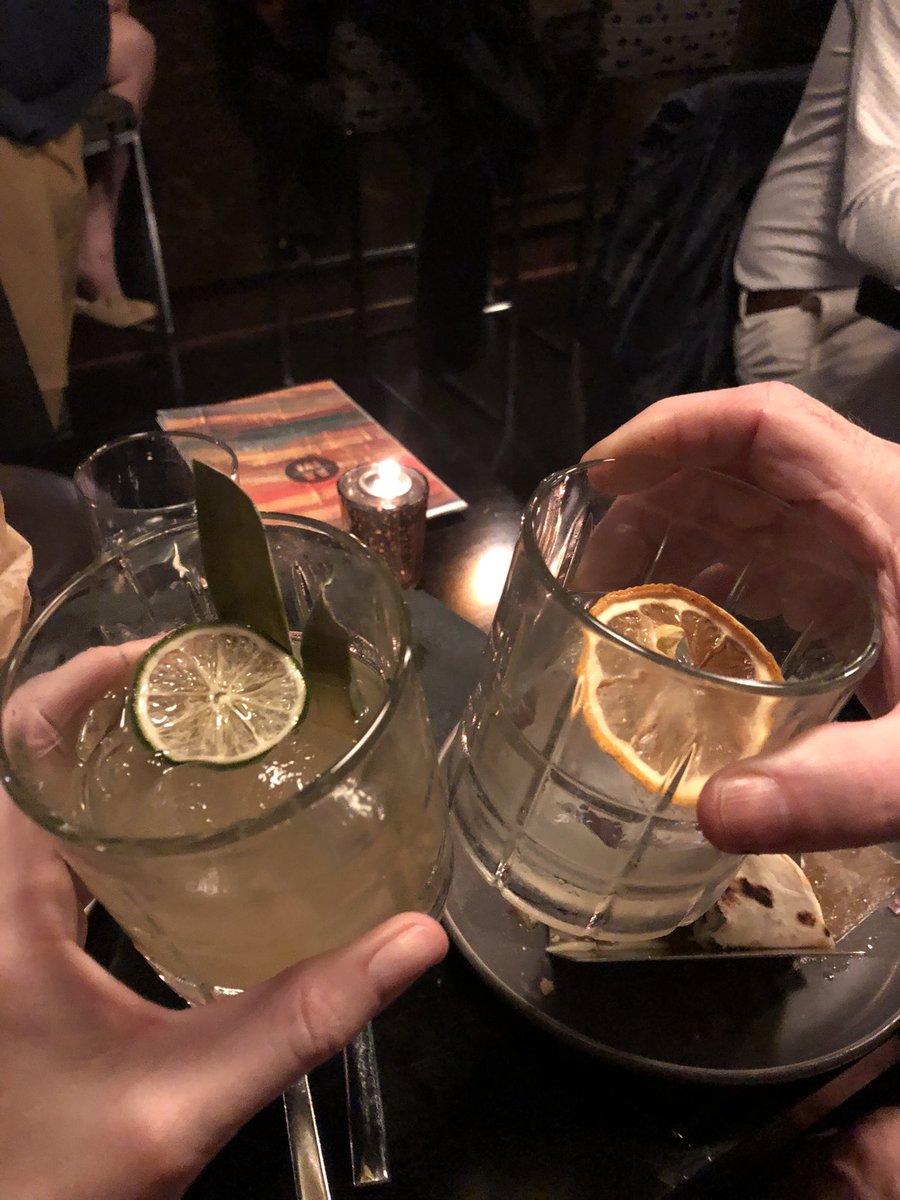
I don’t know why but it really makes my 🍑💦when another man tells my husband that he is not allowed to see me naked and is not allowed to touch me…better keep your eyes on the floor and hands to yourself hubby! Time for some wet dreams courtesy of Sir! #subhotwife #gentlemandom

English
If your girl was going on a date with another man, would you help her get ready?
English

Un homme peut-il être fier d’être soumis sans perdre confiance en lui ?
Oui ou non ?
Français
@VERITY_HQ My husband sits down and thinks of how many men I have slept with since he married me.
English

@MistressChloeNY You are the member they had in mind when they buy this.
English
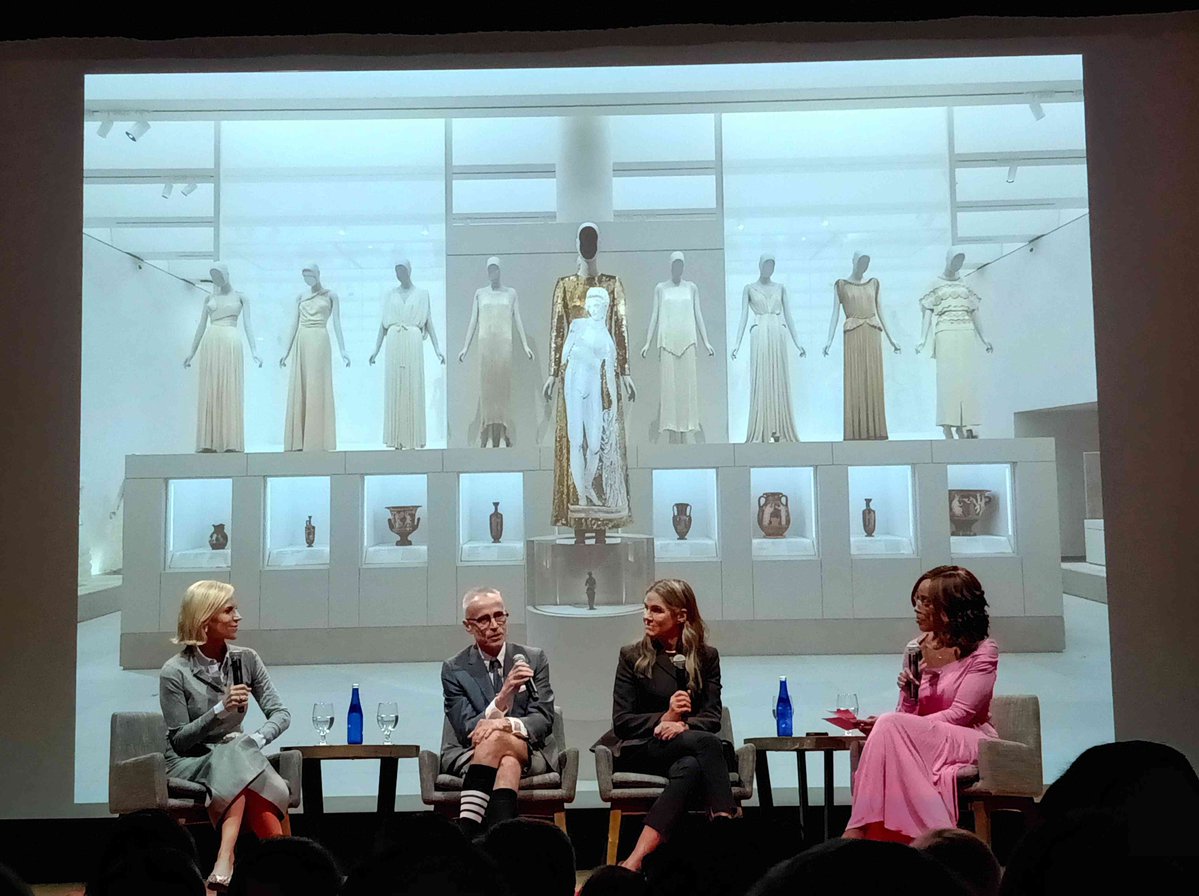
Panel discussion and viewing of the new Conde Nast Gallery and "Costume Art" exhibit at the Met. It opens to the public on Sunday. Worth a visit if you're in #NYC!

English

Posting pics like this is very intimidating. I obviously don’t have the “perfect” feminine body and there’s parts of me I don’t like. I’m always afraid of nasty comments but I’m always very thankful of the nice things that people say. Thank you for making me feel beautiful ❤️

English
@irvoneil @TheCinesthetic Great list. It does leave out Georges Delerue, Paul Mizrahi, Michel Legrand, and Alexandre Desplat. Not to mention Ennio Moriconne and Nino Rota (for The Leopard and Godfather) as well as David Raksin.
English
@TheCinesthetic Bernard Herrmann, Miklos Rozsa, Elmer Bernstein, Alfred Newman, Erich Wolfgang Korngold; Alex North (for Spartacus), Howard Shore (Ed Wood); Dmitri Tiomkin (Land of the Pharoahs); Dominic Frontiere (12 O'Clock High, tv); Pete Rugolo (The Fugitive, tv).irvoneil.wordpress.com/2025/11/11/noi…
Deutsch
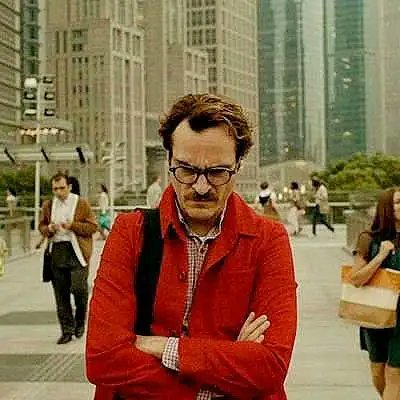
Name your favorite film composer. You cannot say Hans Zimmer or John Williams. Go!
English


Excited to have signed another 1-year chastity contract with a favourite little pet. We've done this before, and we had a great time with it.💕
English
@irvoneil @Mr_Husky1 Spalding Grey became an actor because of dyslexia. He could listen to plays on records so took theatre courses.
English

Henry Winkler was born on October 30, 1945, in Manhattan, just one day after his parents escaped Nazi Germany.
Most of his extended family didn’t survive.
That history shaped everything—growing up in a household built on survival, pressure, and expectation.
His parents ran a lumber business and assumed he would follow.
Instead, he struggled through school, unable to understand what he was reading.
No one knew why.
Teachers called him lazy.
At home, the label was harsher—his father called him “dumb dog.”
He spent years watching words blur on the page.
But while reading failed him, something else didn’t.
He could memorize.
That became his way through.
Listen carefully, remember everything, and fill in the gaps with confidence.
By sixth grade, something shifted when he saw a performance at Madison Square Garden.
A few years later, West Side Story made it clear—this was his way out.
He applied to 28 colleges.
Only two said yes.
He made it to Emerson College, graduated in 1967, and then took a shot at Yale Drama School.
During the audition, he forgot his entire monologue.
So he improvised.
And still got in.
By 1973, he moved to Los Angeles with just enough money to last a month.
Within two weeks, he landed the role that would define him—Arthur “Fonzie” Fonzarelli.
The coolest man on television.
Played by someone who, behind the scenes, was still struggling.
He didn’t even know he had dyslexia until he was 31.
By then, he had already built a career around adapting—having scripts read to him, memorizing everything, turning anxiety into performance.
Reading didn’t come easy.
So when he finally could, he made it count.
Every book became a victory.
Every page, proof.
He kept rejection letters too.
A reminder of where he started—and what people got wrong.
The boy they called lazy wasn’t broken.
He just needed time.
Over decades, he stayed.
Won awards. Built a lasting career.
But more importantly, he changed the conversation.
He wrote books for kids like him, spoke openly about learning differences, and told them what no one told him.
You’re not less.
You’re just different.
He spent his childhood being misunderstood.
And his life making sure others aren’t.
Because the real story wasn’t becoming the Fonz.
It was refusing to believe what they called him.

English

To all the guys out there: If your woman asked you nicely, would you wear a pair of tights for her? Of course, not for public eyes. Curious to know what you think!
English