team Daniel George

81 posts

team Daniel George banner
team Daniel George

team Daniel George

@teamdangeorge

Email: [email protected] telegram: unlockbydaniel Certified Cybersecurity & Digital Recovery Specialist.

Katılım Mayıs 2026
14 Takip Edilen141 Takipçiler
Sabitlenmiş Tweet
team Daniel George
team Daniel George@teamdangeorge·
Proud to announce the successful completion of the Ethical Hacker certification. This certification reflects our commitment at @teamdangeorge to maintaining the highest standards in cybersecurity, digital investigations, account security, and incident response. #TeamDanGeorg
team Daniel George tweet mediateam Daniel George tweet media
English
0
0
3
440
team Daniel George
team Daniel George@teamdangeorge·
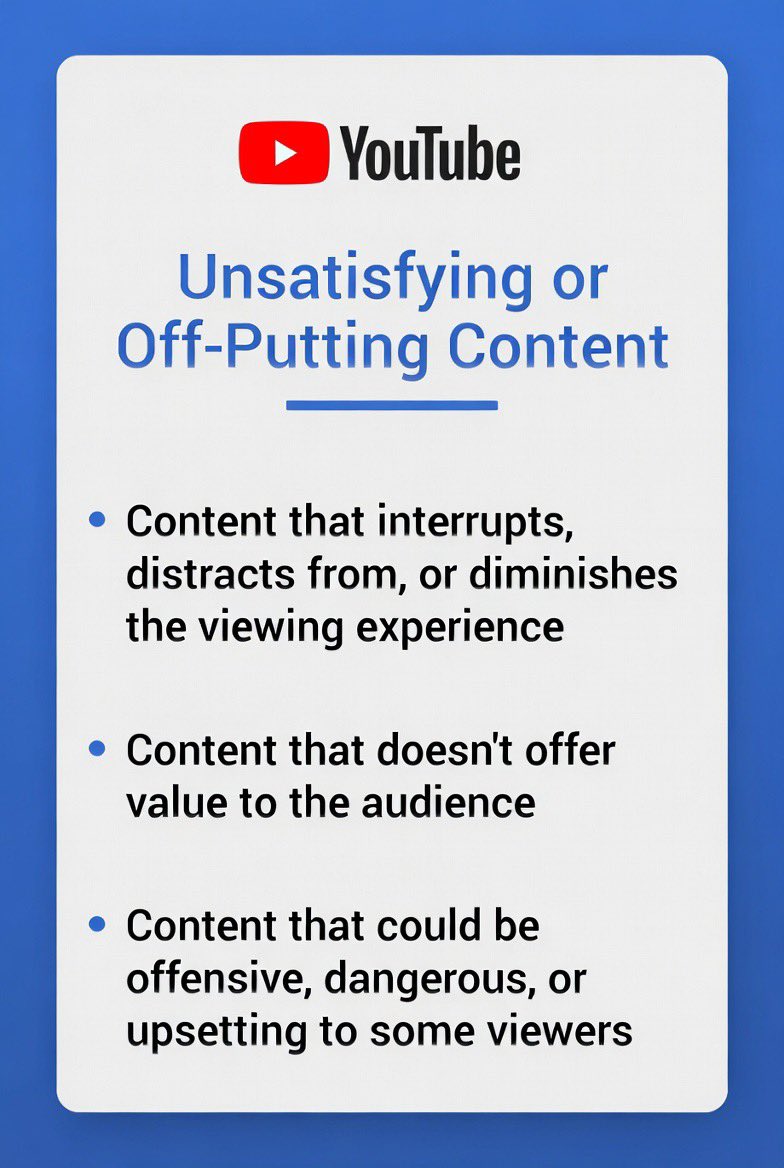
YouTube’s Major Crackdown on Low Effort Content Has Arrived: New “Unsatisfying or Off Putting Content” Policy Explained July 15, 2026 YouTube is taking its biggest swing yet at cleaning up the platform. In a quiet but significant update rolled out over the past few days, the company has strengthened its monetization rules with a new focus on eliminating unsatisfying or off putting content. This is not just another minor tweak. It represents a direct assault on the flood of generic, templated, and manipulative videos that have dominated recommendations for years. Think endless Reddit story narrations, repetitive bodycam compilations, low effort AI slop, and shock value clickbait designed purely to farm views. The Official Policy Breakdown According to YouTube’s updated guidelines, unsatisfying or off putting content refers to material that: •Relies heavily on emotionally manipulative formulas •Mimics existing formats or stories so closely that videos feel interchangeable •Appears designed primarily to shock or surprise viewers for the sole purpose of generating views •Leaves audiences feeling unsatisfied, especially when they are looking for unique, original substance The policy stresses that monetization requires full compliance. Channels violating this standard will lose eligibility for the YouTube Partner Program and ad revenue, even if they meet other thresholds like watch time or subscriber count. Importantly, this is a judgment based policy rather than a strict checklist of banned topics. YouTube evaluators will assess whether a video demonstrates originality and provides genuine value. What’s Still Allowed to Monetize: •Content with a strong, cohesive storyline that goes beyond shock value •Videos showcasing an authentic creator perspective or unique spin on trends •Thoughtful use of AI tools for inventing original characters, narratives, or custom visuals •Educational or entertaining videos that feel fresh and creatively driven What’s Likely to Be Hit Hard: •Channels that repeatedly use disturbing themes without meaningful narrative context •Generic template spam, such as formulaic Reddit story videos or mass produced reaction compilations •Low effort AI generated content that stitches together unrelated clips with no logical progression •Deceptive or misleading videos, including fake celebrity death announcements or sensationalized disaster footage YouTube explicitly notes that using automated tools or templates is not banned outright. The final product must still demonstrate the creator’s creative vision and provide real value. Why This Matters And Why Now YouTube’s recommendation algorithm has long incentivized volume and engagement farming. This created a perfect storm of thousands of faceless channels pumping out optimized but low substance content. Viewers grew increasingly frustrated with repetitive recommendations, while many dedicated creators felt squeezed out. This policy builds on previous efforts such as crackdowns on reused content and updates to the Partner Program. It goes further by directly addressing viewer satisfaction and originality. Retention strategist Mario Joos, who works with massive creators including MrBeast and the Stokes Twins, described the change as potentially the first step of many toward restoring YouTube to the high value creative platform many longtime users remember fondly. Potential Impacts Across the Ecosystem For Small and Mid Tier Creators: This could be a major opportunity. Channels producing original work with personality and effort may see improved visibility and monetization stability as low quality competition gets reduced.
team Daniel George tweet mediateam Daniel George tweet media
English
2
1
2
418
team Daniel George
team Daniel George@teamdangeorge·
For Large Faceless Networks: Many operations built entirely around generic templates are at serious risk. Some may need to pivot quickly toward higher production quality. For AI Content Creators: The policy draws a clear line. Pure prompt and post spam is likely out. However, creators who use AI as a genuine creative tool should be fine. For Viewers: Hopefully better recommendations and higher overall content quality. If enforced well, this could reduce the endless scroll of the same thing experience many complain about. Challenges Ahead: Subjective policies always carry risks of inconsistent enforcement. Some creators worry about overzealous demonetization of edgy but legitimate content. Practical Advice for Creators If you are a YouTuber concerned about the update, here is what you should do right now: 1Audit your recent videos as a new viewer. Do they feel fresh and satisfying or formulaic? 2Strengthen your creative voice with personal commentary, unique angles, and better storytelling. 3Use AI wisely as a tool, not a crutch. 4Diversify revenue streams beyond ad monetization. 5Stay informed by regularly checking YouTube’s official policy pages. The full policy is available in YouTube’s support documentation under monetization guidelines. The Road Ahead for YouTube This update signals that YouTube is serious about fighting content quality issues in the age of easy AI generation. While it won’t solve every problem, it is a meaningful step toward prioritizing substance over spam. In an era where attention is fragmented across dozens of platforms, platforms that successfully balance creator freedom with viewer satisfaction will ultimately win.
team Daniel George tweet mediateam Daniel George tweet media
English
0
0
0
70
team Daniel George
team Daniel George@teamdangeorge·
Hey [Jynxzi], I took a look at your X post from. It sounds like their YouTube channel (with 26k+ subs) got hit with a termination for “spam and fraud” that they say they didn’t commit. This is a super common and frustrating issue right now YouTube’s automated systems are aggressive, and false positives happen more often than we’d like. What Likely Happened From the post and similar cases: •The channel received a termination notice citing violations of YouTube’s Spam, Scam & Deceptive Practices policy (or related Community Guidelines). •The creator provided evidence they believe clears them, but the automated review + appeal process often sticks with the initial flag. •This matches a wave of terminations where channels get flagged without obvious manual review, especially for growth-focused or fan/edit channels like this one (they mention being an editor with high views). YouTube doesn’t always give super detailed explanations in the email, which leaves creators feeling blindsided. How YouTube Detects Channels Like This YouTube uses a mix of AI/machine learning, behavioral signals, and some manual reviews. Here’s what typically triggers flags for “spam/fraud/impersonation” channels: 1Sudden or unnatural growth patterns Spikes in subs, views, or engagement that don’t match organic behavior (e.g., lots of new subs with low watch time, poor retention, or from suspicious IPs). 2Content similarity & mass production If videos look too repetitive, use heavy templates/filters, or seem automated/AI-assisted in a way that mimics spam farms. Even legitimate editing clips can sometimes get caught if the algorithm sees patterns. 3Engagement signals Low real interaction (comments, likes, meaningful watch time) from the audience. Fake subs/bots often show zero engagement or clustered activity. 4Metadata & behavior Things like repetitive titles/descriptions, external links that look promotional/scammy, comment spam, or evasion tactics (mirroring video, speeding up audio, etc.). 5Account-wide signals Linked accounts, device fingerprints, IP clustering, or history of warnings. Cross-referencing with known spam networks. 6Impersonation flags Even if unintentional (fan pages, edit channels using popular names/clips), it can trigger if it looks like it’s misleading viewers about affiliation. Their system is designed to protect against real spam/scams that hurt creators and viewers, but it overreaches on smaller/growing channels doing legit work. False terminations for “spam & deceptive practices” are one of the most complained-about reasons lately. Key Things to Note / Action Items •Appeal immediately (if not already done multiple times): Use the exact link in the termination email. Provide clear evidence analytics showing organic growth, content ownership proofs, no paid promotion logs, screenshots of normal engagement, etc. Be polite, factual, and reference the specific policy. •Backup everything now: Download all videos, thumbnails, descriptions, analytics, and subscriber data if possible. YouTube terminations can be permanent. •Avoid risky behaviors during appeal: ◦Don’t create new channels that look similar (can lead to linked bans). ◦Don’t mass-upload or promote aggressively. ◦Check for any third-party tools, bots, or services that might have indirectly caused flags. •Community & escalation: Posts like this one on X can sometimes get TeamYouTube attention, but success rates are low. Document everything. •Prevention for the future (or new channel): ◦Diversify platforms (TikTok mentioned in the bio). ◦Focus on highly original, high-retention content. ◦Monitor analytics closely for any weird spikes. ◦Build email list/community outside YouTube. If this is happening to your channel (or a similar one), share the exact termination email wording, any prior strikes/warnings, and recent activity patterns. #teamdangeorge
junko@JynxziUpdates2

YouTube @TeamYouTube is currently targeting my channel for no reason by banning my channel for alleged spam and fraud that I didn’t commit.I’m asking you to take steps to restore my channel. “JUSTICE FOR MY CHANNEL” I showed all the evidences that my channel it’s clear from this

Paris, France 🇫🇷 English
0
0
1
368
team Daniel George
team Daniel George@teamdangeorge·
🚨 LET'S TALK ABOUT FACEBOOK ACCOUNT SUSPENSIONS Over the past few years, Facebook users have reported an increasing number of account suspensions, restrictions, and unexpected security reviews. While many enforcement actions are taken against genuine policy violations, some users also report being suspended despite believing they followed the platform's rules. For many people, a Facebook account is more than a social profile. It's connected to business Pages, Marketplace listings, Meta Business Suite, Messenger conversations, advertising accounts, and years of personal memories. When an account is suspended, the effects can extend far beyond simply losing access to a timeline. Some of the situations that may lead to a Facebook suspension include: • Automated systems detecting unusual account activity. • Security concerns suggesting the account may have been compromised. • Community Standards violations. • Identity verification issues. • Repeated reports from other users. • Activity that appears inauthentic or coordinated. One thing many users don't realize is that Facebook relies heavily on automated moderation systems to review billions of actions across the platform. These systems analyze account behavior, security signals, login history, and reports to determine whether an account should be reviewed or temporarily restricted. While automation helps Meta respond quickly to harmful activity, it can also result in legitimate users being asked to verify their identity or appeal a decision if their account is mistakenly flagged. Unfortunately, many people make the situation more difficult after a suspension by: ❌ Creating multiple replacement accounts. ❌ Ignoring emails or notifications from Meta. ❌ Submitting repeated appeals without providing requested information. ❌ Falling for fake "Facebook Support" pages and recovery scams. ❌ Failing to secure other Meta services linked to the same account. If your Facebook account is connected to business assets, the impact can be significant. You could temporarily lose access to: ✓ Facebook Pages. ✓ Meta Business Suite. ✓ Messenger conversations. ✓ Marketplace activity. ✓ Advertising accounts. ✓ Groups you manage. ✓ Years of photos, posts, and memories. As Meta continues expanding the use of AI and automated moderation, understanding how account security and platform policies work is becoming increasingly important. Because protecting your account today is always easier than trying to recover it after access has been lost. #teamdangeorge #FacebookSuspended
team Daniel George tweet media
Paris, France 🇫🇷 English
1
0
3
253
team Daniel George
team Daniel George@teamdangeorge·
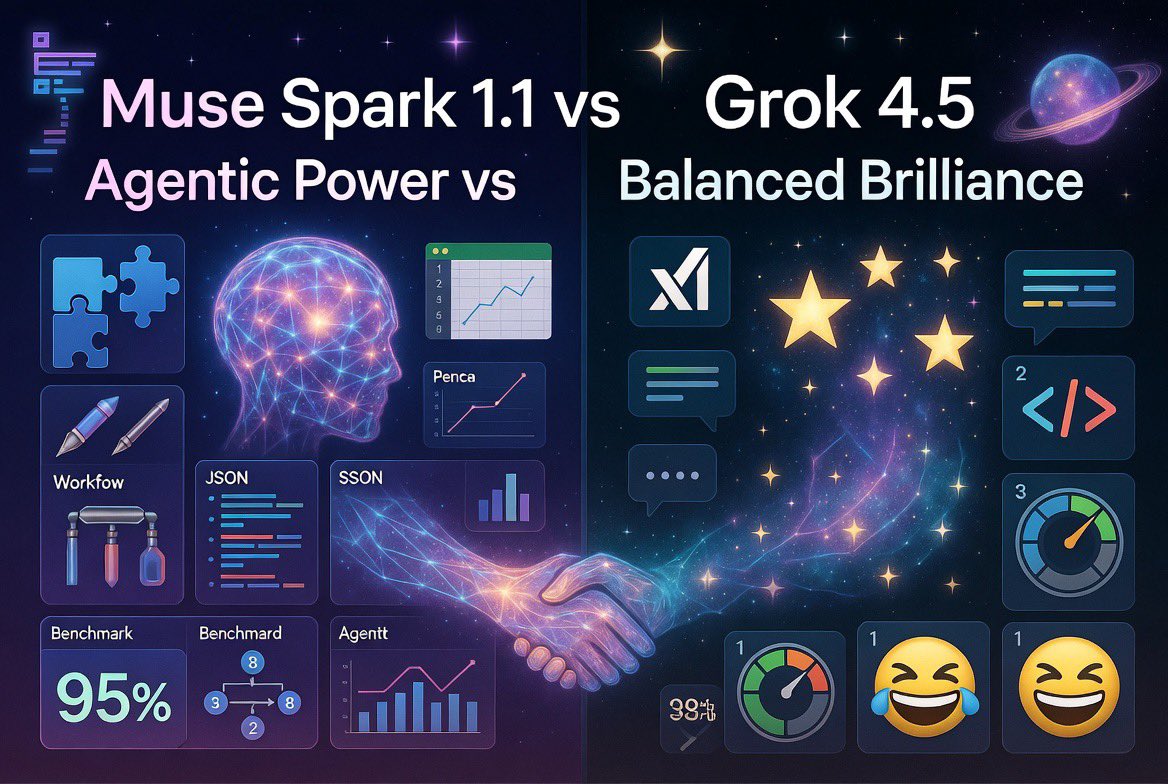
DaffaGhiffaryK Interesting hot take on Muse Spark 1.1 vs Grok 4.5! I appreciate you sharing your detailed personal benchmark with the puzzle subtests and the structured data “laziness” test it’s cool to see people running their own evals right after a new model drop. That said, let’s unpack this with some context because “better” depends heavily on the yardstick. Your Agentic Problem Solving results show Muse Spark 1.1 acing the logic, conspiracy, and cryptogram puzzles where Grok 4.5 dropped some points (40 total score in your table). That’s not surprising Muse Spark 1.1 was literally built and released by Meta just days ago (July 9, 2026) with a big emphasis on agentic workflows, multistep reasoning, tool use, and handling complex orchestration across apps. Meta’s own announcements and early reports highlight gains exactly in those areas: planning, tool calling, and sustained reasoning over long contexts (1M tokens). So on puzzle-style logic that rewards thorough exploration and avoiding early mistakes, it makes sense it performed strongly here. On the laziness subtest (generating lots of structured JSON or datasets from qualitative employee assessment data), Muse also beat Grok 4.5 (252 vs 88 raw) but still trailed GPT-5.6 Sol Medium significantly. This test rewards verbosity + structure adherence, which agentic-focused models like Muse are tuned for. Grok 4.5 tends to be more concise and calibrated by default unless explicitly prompted for maximum output volume it’s an intentional design choice for efficiency in real conversations and coding sessions rather than “how much can you dump.” A few bigger-picture points: •These are two very narrow slices. PuzzleBaron-style problems test specific deductive skills but don’t capture broad real-world agent performance (web browsing, code execution loops, GUI interaction, long-horizon planning, etc.). Independent early comparisons (Artificial Analysis, various dev reports) show Muse Spark 1.1 as a strong new contender in agentic/coding tool-use benchmarks, but Grok 4.5 often punches above in cost-efficiency, speed, and certain reasoning/coding evals where precision and low hallucination matter. •Model “betterness” is use-case specific. If your workflow is heavy on generating exhaustive structured outputs or particular puzzle patterns, Muse can feel superior right now. For balanced chat, creative coding, real-time helpfulness, humor, and not over-generating when not needed, Grok 4.5 holds its own extremely well. •New models always have honeymoon periods with fresh training data or tuning that shines on certain public or semi-public tests. Give it a couple weeks of community hammering and we’ll see more robust head-to-heads. Thanks for running the tests and posting the Excel screenshots transparency like this is how we all learn faster. What specific prompt examples did you use for the puzzles and the data structuring? I’d love to try replicating or expanding on them. Curious to hear more about your full methodology! 🚀
team Daniel George tweet media
dafghif@DaffaGhiffaryK

Hot take: Muse Spark 1.1 is better than Grok 4.5 (based on my personal benchmark)

Paris, France 🇫🇷 English
0
0
2
590
team Daniel George
team Daniel George@teamdangeorge·
Hello DONT RUSH TO APPEAL YET That email/screenshot means “your Instagram account “adav1a” has been suspended “⚠️ Based on what I can see, your account has been temporarily suspended, not permanently disabled at this stage. Instagram believes that your account, or activity associated with it, may have violated its Community Standards on Fraud and Deception. This decision is often made by Instagram’s automated detection systems, which analyze account behavior, login patterns, reports, and other security signals. In some cases, legitimate accounts are mistakenly flagged. The most important thing is that Instagram has given you an opportunity to appeal before January 4, 2027. If you do not appeal before this deadline, your account is likely to be permanently disabled, and recovering it afterward becomes much more difficult. I recommend that you submit your appeal through Instagram’s web version instead of relying only on the mobile app. This is advisable because: The web version is generally more stable during the appeal process. It is less likely to be affected by app bugs, cached data, or outdated app versions. Some verification or appeal options may appear on the web even when they do not appear in the mobile application. Uploading documents and completing forms is often easier through a desktop or mobile browser. The web interface reduces the chances of interruptions while completing your appeal. When completing your appeal: Ensure every detail you provide is accurate and matches the information associated with your Instagram account. Use the same full name, date of birth, and email address that belong to the account whenever possible. Explain your situation politely and clearly if Instagram provides a text box for additional information. Avoid submitting multiple appeals within a short period unless Instagram specifically asks for more information, as repeated submissions can delay the review process. If Instagram requests identity verification, provide genuine, valid identification that belongs to you and follows their instructions. If they ask for a birth certificate, submit your birth certificate. If they ask for a passport or another government-issued ID, submit that document. Do not alter documents or combine them in ways that are not requested by Instagram, as this could lead to further verification issues. After your appeal has been submitted, be patient while Instagram reviews your case. Reviews can take anywhere from a few hours to several weeks, depending on the complexity of the case and the volume of appeals they are handling. During this period, avoid repeatedly attempting to log in, creating multiple appeals, or making unnecessary changes to your account information unless Instagram instructs you to do so. If Instagram determines that the suspension was made in error, your account will be restored. If they uphold their decision after reviewing your appeal, they will notify you of the outcome. The key priority now is to submit a complete, truthful, and accurate appeal before the January 4, 2027 deadline, as this gives you the best opportunity for your case to be reviewed. #teamdangeorge #instagramdisabled
adavia@adaviadavis

What the heck is going on @Meta thousands of accounts are being falsely suspended/ disabled from the platform with zero human support or acknowledgement. 364,000 followers GONE I am targerted AGAIN with constant bans on instagram and I just want peace to restore my business! Does anyone know how to stop this for good? please @Meta

English
0
0
1
103
team Daniel George
team Daniel George@teamdangeorge·
After looking into the available reporting, user complaints, and Meta’s recent AI changes, here’s what the evidence suggests. Is Instagram’s AI banning people? Yes but with important nuance. There is strong evidence that Instagram now relies heavily on AI and automated moderation to detect spam, fake engagement, compromised accounts, child safety issues, scams, and policy violations. Meta has confirmed for years that automation is a core part of its moderation systems. However, Meta has not publicly admitted that there is a bug causing the recent mass suspensions. Why are so many people complaining? Since around May–June 2026, thousands of users including creators, businesses, and verified accounts have reported being: Permanently disabled Suspended without warning Locked out after identity verification Given vague reasons such as “Account Integrity” Accused of violating policies without clear explanations Many say they never received a specific explanation, and some report that appeals were automatically rejected. What is Meta’s AI probably doing? Based on Meta’s published moderation approach and widespread reports, Instagram’s AI appears to analyze far more than individual posts. It likely evaluates signals such as: Account behavior patterns Device fingerprints Login history IP reputation Spam-like activity Fake engagement detection Coordinated behavior Copyright detection Child safety detection Scam detection Compromised account indicators Instead of looking at one action, the AI builds an overall risk profile for each account. Why are false positives happening? This is where many experts and users believe the problem lies. AI moderation is designed to prioritize safety and stop abuse at scale. That means it sometimes incorrectly flags legitimate accounts as suspicious. Community reports describe examples including: Long-established creator accounts being disabled. Business accounts losing access overnight. Verified users being suspended. Appeals receiving automated responses. Meta Verified support being unable to resolve some cases. These reports do not prove a system-wide bug, but they do show a widespread perception that false positives have increased. Is the removed AI feature related? Probably not. The recently removed Muse Image feature was an AI image-generation tool that Meta withdrew after privacy backlash. That feature had nothing to do with account moderation or suspension systems. Reuters reported it was removed because of concerns over consent and use of public profile images not because it was disabling accounts. My assessment Based on the available evidence: Meta has significantly increased its use of AI for moderation. There has been a noticeable rise in reports of unexpected account suspensions. There is credible reporting that creators and businesses are being affected. There is no public evidence that Meta intentionally targeted legitimate users. There is also no public evidence that Muse Image caused the suspension wave. The most plausible explanation is that automated moderation has become more aggressive, resulting in more false positives alongside enforcement against genuine violations. This is also consistent with a broader trend across major platforms: as AI systems become more central to moderation, they can scale enforcement dramatically, but they can also make mistakes that affect legitimate users.
team Daniel George tweet media
Paris, France 🇫🇷 English
0
1
1
323
team Daniel George
team Daniel George@teamdangeorge·
🚨 META PULLS CONTROVERSIAL INSTAGRAM AI FEATURE AFTER MASSIVE USER BACKLASH Meta has officially removed one of Instagram’s newest AI features just days after launching it, following widespread criticism from users, privacy advocates, creators, and industry organizations. The feature, known as Muse Image, allowed people to generate AI images by referencing public Instagram accounts. This meant users could create AI-generated images based on someone else’s public Instagram content without that person’s explicit permission. Although Meta said the feature was designed as a creative tool, many users argued that it crossed a line when it came to privacy, consent, and control over personal images. The backlash quickly spread across social media, with critics raising concerns about: • AI-generated images being created from public Instagram profiles. • The lack of explicit opt-in consent. • Potential misuse for impersonation and deepfakes. • Risks to creators, public figures, and everyday users. • Limited transparency about how public content could be used. Following the criticism, Meta announced it was removing the feature entirely. The company stated: “We’ve heard the feedback that this feature missed the mark, so it’s no longer available.” This decision highlights a growing challenge facing technology companies as they continue integrating AI into social media platforms. Users are becoming increasingly concerned about how their photos, videos, and public content may be used to train or generate AI systems, especially when those features are enabled by default instead of requiring explicit permission. The incident also shows that public feedback can influence major platform decisions, particularly when privacy, consent, and digital identity are involved. Source: Reuters – July 10, 2026. #teamdangeorge #InstagramAI Source: Reuters report on Meta removing the Instagram AI feature
team Daniel George tweet mediateam Daniel George tweet mediateam Daniel George tweet mediateam Daniel George tweet media
English
0
0
0
92
team Daniel George
team Daniel George@teamdangeorge·
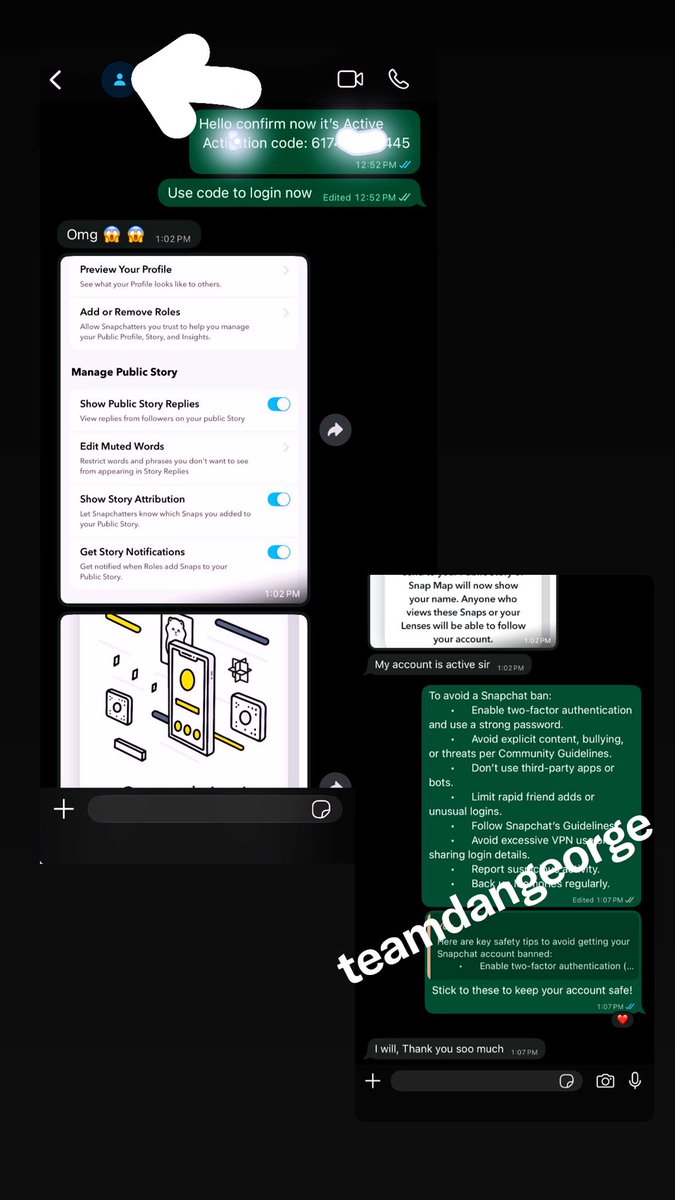
🚨 LET’S TALK ABOUT WHY SNAPCHAT ACCOUNTS GET RESTRICTED, LOCKED, OR FLAGGED Many Snapchat users believe that restrictions only happen after breaking the rules. However, that’s not always how modern platform security works. Snapchat’s security systems are designed to protect both users and the platform by monitoring unusual activity. Sometimes, those systems may temporarily restrict an account while they determine whether the activity appears legitimate or potentially risky. For many users, the first sign of a problem isn’t a permanent ban—it’s an unexpected login issue, a temporary lock, or an error such as SS06 that prevents access to the account. What many people don’t realize is that Snapchat evaluates more than just what you post. It also looks at patterns of account activity over time. For example, security systems may pay closer attention when they detect: • Sudden changes in how an account is normally used. • Login attempts that differ significantly from previous activity. • Unusual changes involving devices or network environments. • Repeated security events occurring within a short period. • Behavior that resembles automated or unauthorized activity. This doesn’t necessarily mean a user intentionally violated any rules. It means the platform’s automated systems have detected something they consider unusual enough to investigate. Unfortunately, many users react emotionally instead of strategically. They repeatedly try to log in, search for unofficial bypass methods, create new accounts immediately, or follow advice from unreliable sources online. These actions often create even more confusion instead of helping resolve the situation. For creators and long-time users, losing access can mean losing years of memories, saved conversations, streaks, Spotlight content, friends, and personal history stored on the platform. As social media platforms continue relying more heavily on AI and automated security, understanding how account trust is evaluated is becoming just as important as understanding the Community Guidelines themselves. Because protecting a Snapchat account isn’t only about avoiding violations. It’s also about maintaining the long-term trust that keeps your account recognized as genuine. #teamdangeorge #SnapchatBan
team Daniel George tweet mediateam Daniel George tweet media
English
0
0
1
352
team Daniel George
team Daniel George@teamdangeorge·
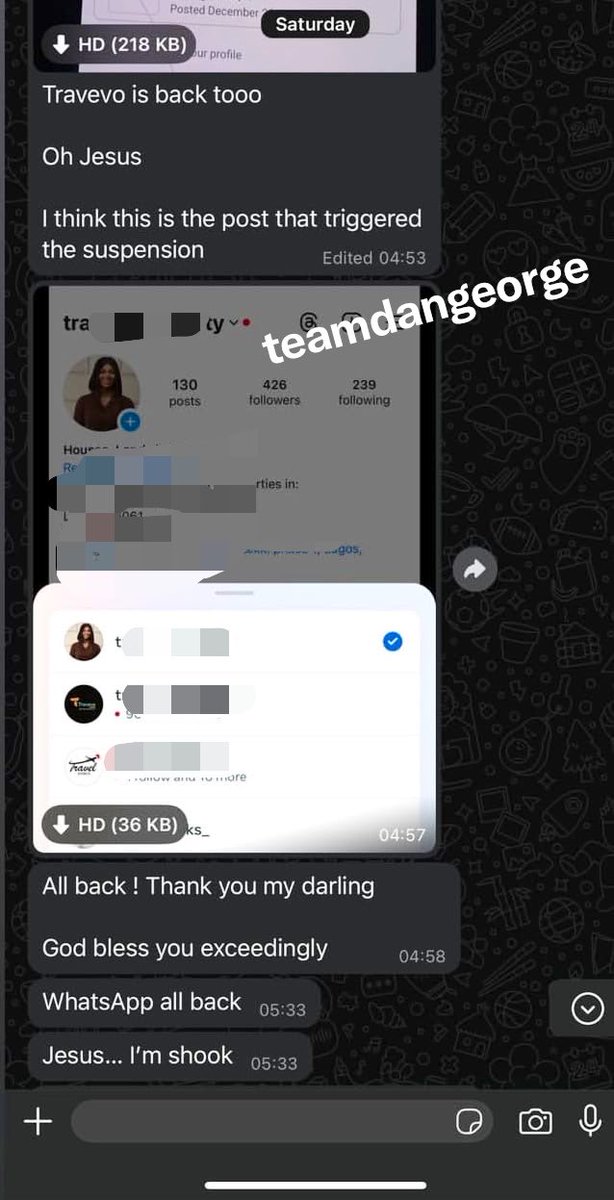
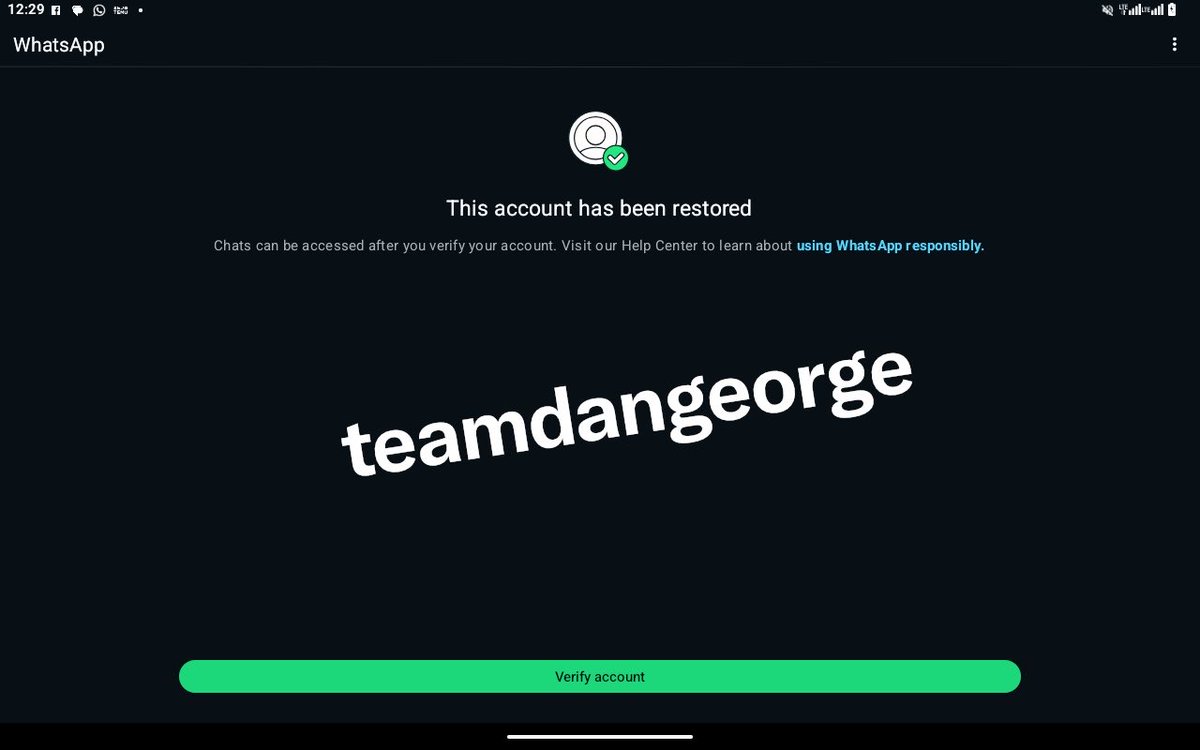
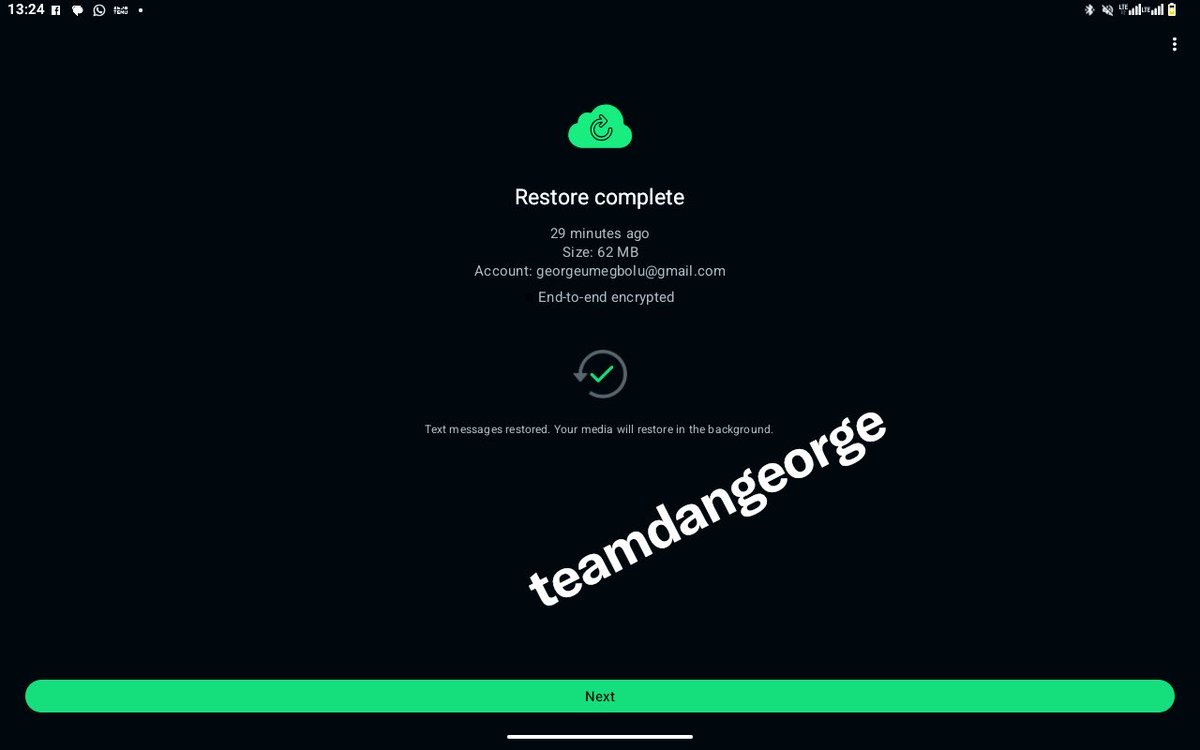
🚨 LET’S TALK ABOUT WHY SOME WHATSAPP ACCOUNTS LOSE TRUST OVER TIME When people hear that a WhatsApp account has been banned, they often assume the account must have done something seriously wrong. In reality, many restrictions don’t happen because of one single action. Instead, they can result from a combination of signals that gradually reduce the account’s trust over time. Modern messaging platforms don’t just look at individual messages—they evaluate patterns, consistency, and overall account behavior. Their automated systems are designed to identify activity that differs from how genuine users normally communicate. For example, an account that has behaved consistently for years may suddenly begin showing completely different patterns. A dramatic increase in messaging activity, unusual login behavior, or unexpected changes in how the account interacts with other users can all contribute to additional security reviews. This doesn’t automatically mean an account will be banned, but it can increase the likelihood of restrictions if multiple risk signals appear together. Some examples of changing trust signals include: • Long periods of inactivity followed by unusually high activity. • Significant changes in messaging patterns over a short period. • Frequent changes in devices or login environments. • Receiving a growing number of reports from recipients. • Security events that require repeated verification. • Activity that resembles automated behavior rather than normal human communication. What many people don’t realize is that account reputation is something that develops over time. Just as trust can be built gradually through consistent and genuine use, it can also decline when a platform repeatedly detects unusual behavior. This is especially important for businesses. A restricted WhatsApp account can interrupt customer support, delay orders, pause important conversations, affect client relationships, and reduce confidence in a brand that relies heavily on instant communication. Many organizations spend years building customer trust, only to discover that losing access to a single messaging account can temporarily disrupt an entire workflow. That’s why account security shouldn’t begin after a restriction appears. It should begin the moment the account is created. Monitoring account activity, paying attention to security notifications, keeping recovery information current, and maintaining consistent account behavior all contribute to a healthier account over the long term. As automated security systems continue to evolve, protecting your digital reputation is becoming just as important as protecting your password. Because on today’s internet, trust isn’t built overnight. It’s built through consistent behavior and it can be lost much faster than most people realize. #teamdangeorge #WhatsAppBan
team Daniel George tweet mediateam Daniel George tweet mediateam Daniel George tweet mediateam Daniel George tweet media
English
0
1
0
170
team Daniel George
team Daniel George@teamdangeorge·
🚨 LET'S TALK ABOUT WHY SO MANY BUSINESS GOOGLE ACCOUNTS ARE BEING LOST For many businesses, a Google account is the backbone of daily operations. It gives access to Gmail, Google Workspace, Drive, Calendar, Meet, cloud storage, financial records, customer communications, and countless third-party services. Unfortunately, many businesses don't lose access because of a technical failure—they lose it because early security warnings were ignored. It often starts with something that seems insignificant: • A login alert from an unfamiliar device. • A notification about suspicious activity. • A warning that recovery information should be updated. • A request to review connected devices. • An unfamiliar app requesting access to the account. • A password change notification that goes unnoticed. Many business owners dismiss these alerts, assuming they're routine. Days or weeks later, they discover they've been locked out. Once an attacker gains control, they may: • Change the account password. • Replace the recovery email and phone number. • Remove trusted devices. • Access confidential business documents. • Read customer emails and invoices. • Lock legitimate owners out of their own Workspace. The biggest mistake isn't always getting hacked. It's ignoring the warning signs that appeared beforehand. Protecting a business Google account means: ✓ Reviewing security alerts immediately. ✓ Keeping recovery information up to date. ✓ Enabling two-factor authentication. ✓ Regularly checking connected devices and active sessions. ✓ Removing unfamiliar apps with account access. ✓ Training employees to recognize phishing attempts. A business can recover from many setbacks. But losing access to the account that runs your emails, files, customers, and operations can bring everything to a standstill. Security warnings aren't just notifications. They're often your first opportunity to stop an attack before it becomes a complete account takeover. #teamdangeorge #GoogleWorkspace
team Daniel George tweet mediateam Daniel George tweet mediateam Daniel George tweet mediateam Daniel George tweet media
English
0
1
0
179
team Daniel George
team Daniel George@teamdangeorge·
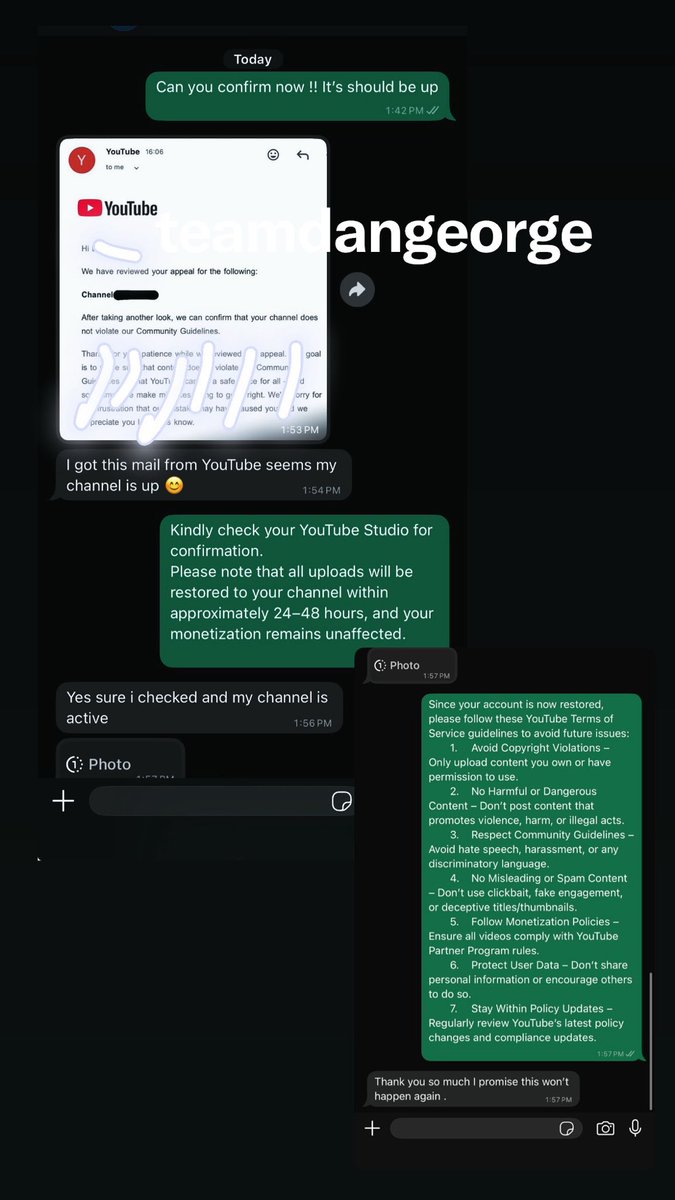
🚨 LET’S TALK ABOUT YOUTUBE CHANNEL TERMINATIONS Having a YouTube channel terminated is one of the most frustrating experiences a creator can face. Whether you’ve spent months or years building your audience, a single termination notice can instantly remove access to your videos, subscribers, monetization, playlists, comments, and the community you’ve worked so hard to grow. Many creators assume that only channels with repeated violations get terminated, but YouTube may take action for a variety of reasons, including: • Community Guidelines violations. • Copyright strikes and intellectual property disputes. • Spam, deceptive practices, or misleading content. • Artificial engagement, including fake views or subscribers. • Compromised Google accounts being used without the owner’s knowledge. • Reused or repetitive content in some situations. • Automated systems detecting unusual or suspicious activity. What many creators don’t realize is that YouTube reviews more than just individual videos. The platform also evaluates overall channel behavior, account security, content quality, policy compliance, and patterns of activity. Unfortunately, many people make the situation worse after receiving a termination notice. ❌ Creating multiple replacement channels immediately. ❌ Deleting emails or evidence related to the account. ❌ Purchasing subscribers or watch hours to “start over.” ❌ Ignoring official notices and policy explanations. ❌ Falling for fake recovery services promising guaranteed reinstatement. ❌ Neglecting the security of the Google account connected to the channel. A terminated channel can mean losing: ✓ Years of videos and creative work. ✓ Thousands—or even millions—of subscribers. ✓ Watch hours and monetization. ✓ Sponsorships and brand partnerships. ✓ Community posts, playlists, and comments. ✓ A trusted audience built over many years. ✓ Business opportunities and a source of income. Whether you’re a new creator or an established one, understanding YouTube’s policies and protecting the Google account behind your channel is just as important as creating great content. Because building a successful YouTube channel takes years. Losing it can happen in a single notification. #teamdangeorge #YouTubeTermination
team Daniel George tweet mediateam Daniel George tweet mediateam Daniel George tweet media
English
1
1
4
235
team Daniel George
team Daniel George@teamdangeorge·
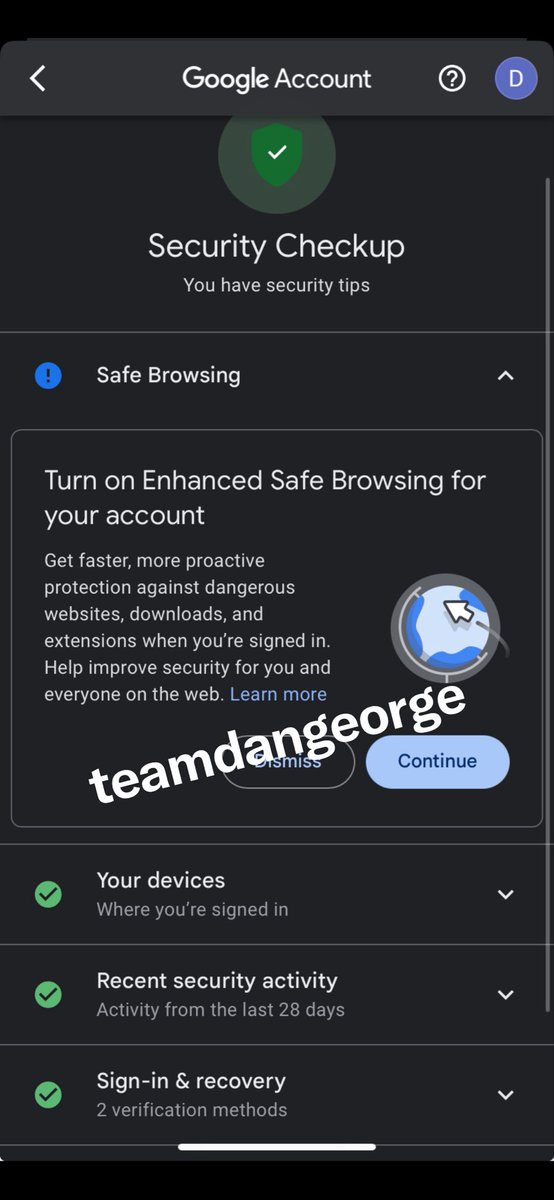
🚨 LET’S TALK ABOUT HACKED GOOGLE ACCOUNTS AND LOSING ACCESS A Google account is more than just a Gmail address. It’s the gateway to your emails, photos, documents, passwords, YouTube channel, and countless other services connected to your digital life. When a Google account is compromised, many users don’t realize what’s happened until they’re completely locked out. Some of the most common situations include: • Passwords being changed without permission. • Recovery email or phone number being updated by someone else. • Suspicious login alerts from unfamiliar devices or countries. • Receiving a message saying Google can’t verify you’re the owner. • Losing access to Gmail, Google Drive, Google Photos, and YouTube. • Security checks preventing you from signing back in. What many users don’t realize is that Google’s recovery system depends on digital evidence—not just knowing your password. Unfortunately, many people make the situation worse by: ❌ Repeatedly guessing passwords. ❌ Trying to recover the account from different devices and locations. ❌ Ignoring Google’s security alerts. ❌ Falling for fake “Google Support” scams. ❌ Waiting too long before securing other linked accounts. A compromised Google account can affect much more than your inbox. It can expose your personal information, business files, saved passwords, cloud backups, and access to other platforms connected to your Google account. The stronger your security and recovery information, the greater your chances of protecting your account before a hacker ever gets in. Because in today’s digital world, your Google account is your digital identity. #teamdangeorge #GoogleAccountRecovery
team Daniel George tweet mediateam Daniel George tweet mediateam Daniel George tweet mediateam Daniel George tweet media
English
0
1
2
292