Tria is building a self-custodial neobank that brings wallets, payments, trading, and yield into a single unified balance across 200+ chains.
No bridging. No gas complexity. No fragmented UX.
At the core is BestPath, an AI-powered routing engine that automatically finds the most efficient way to execute swaps, payments, and yield strategies across ecosystems.
This is what seamless cross-chain infrastructure should look like.
Adoption is already translating into real usage:
$380M+ in futures volume
$3.9M+ weekly card spend
$10M+ in earn vaults
150K–250K users early
The Tria Visa card is a key unlock, enabling global crypto spending with cashback and minimal friction, turning on-chain balances into everyday purchasing power.
Beyond users, Tria is building infrastructure for AI-driven finance, enabling agents to execute transactions, manage capital, and optimize yield across chains.
$TRIA sits at the center of this system through routing fees, staking, and governance, directly tied to platform usage.
Since TGE, price action has reflected the underlying growth:
~$0.040 current price
+134% over the past 30 days
Strong product. Real revenue signals. Growing adoption.
This is the direction finance is moving.
6/6 Backed by Polygon, Polychain advisors, Wintermute angels, UAE Royal Family, ex-Binance/OpenSea/OKX team, two prior exits, and $12M raised.
The infrastructure is live. The card is live. The future of everyday money is live.
5/6 The $TRIA token powers it all:
• Settles BestPath routes • Cuts gas, card, and trading fees
• Staking → rewards + governance
• Protocol fees → buy-and-burn
TGE on Tier-1 exchanges end of 2025. Legion Sale incoming (post-YieldBasis oversub). Early communities like Plasma did 100–1000× — Tria is next in line.
Centralized neobanks still own your keys. @useTria doesn’t.
Self-custodial, multi-chain, zero-fee. Spend, trade, and earn — all in one app, all under your control.
🧵
Cycles reveal structure. They show where attention holds and where it breaks.
Most teams chase the reaction. We study the pattern.
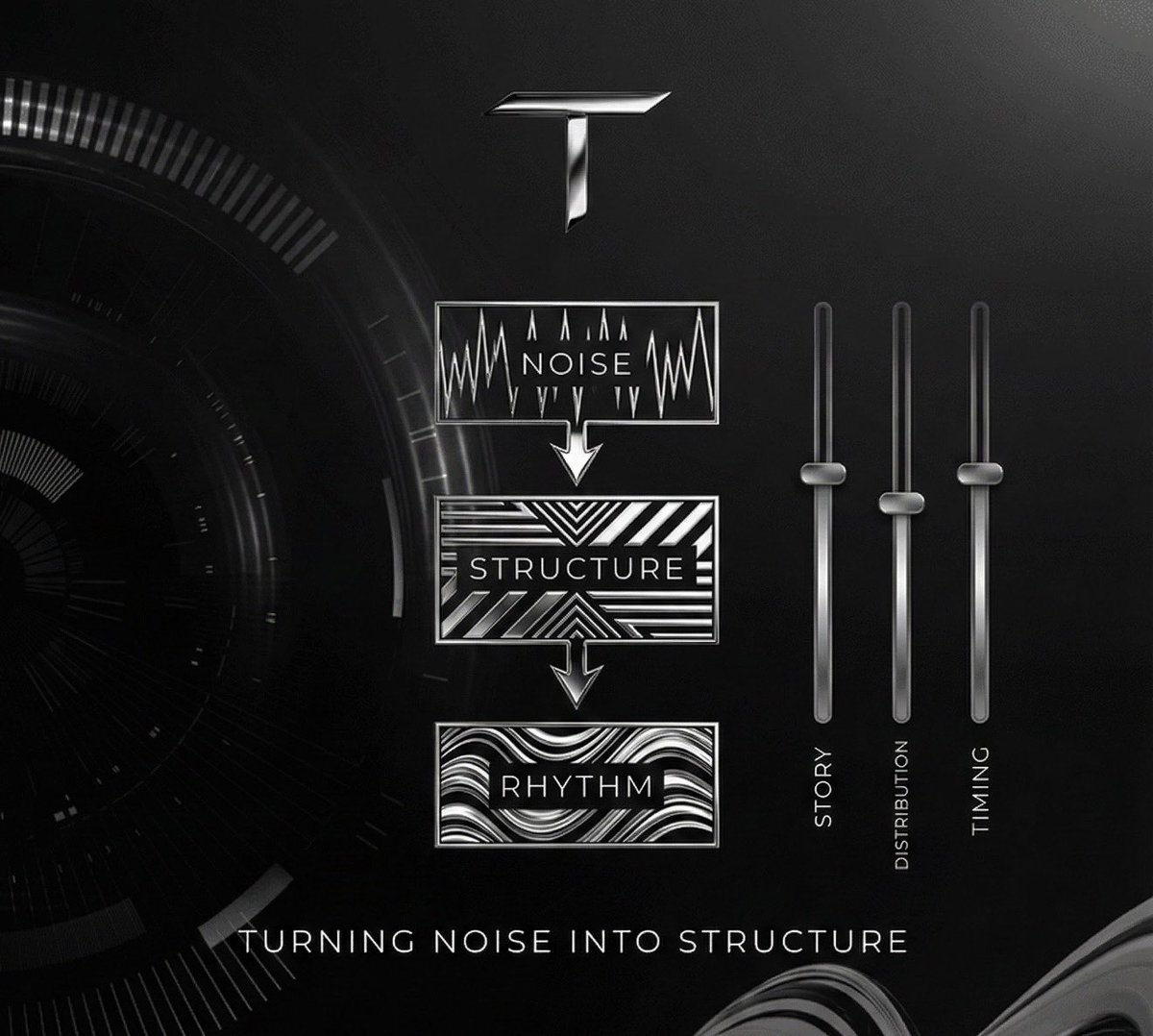
Story, distribution, and timing shape how a market moves. When they align, noise settles and the path becomes clear.
Builders who understand this flow do not force momentum. They guide it.
This is how motion becomes strategy and how teams stay in rhythm even when the cycle resets.
In every cycle, attention fragments, trends pull projects in different directions.
Tempo steps in to realign story, structure, and timing so builders can move with precision, not pressure.
We turn reaction into rhythm, and noise into strategy.
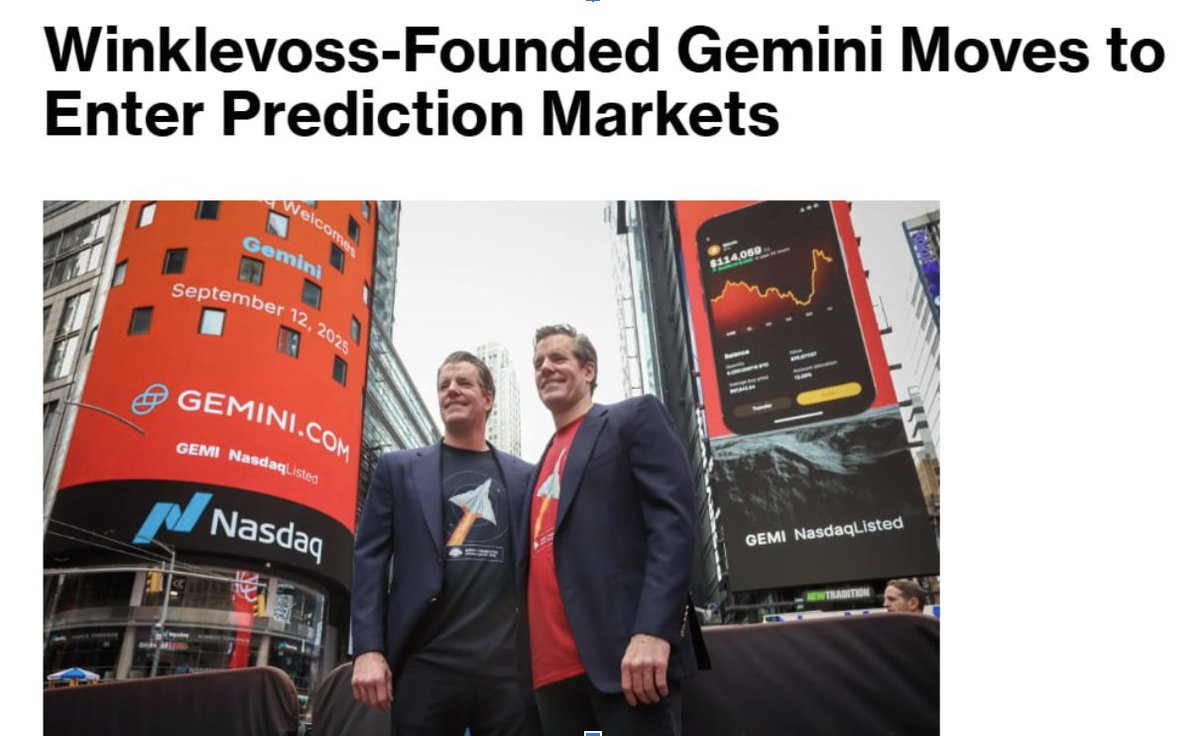
Gemini Crypto Exchange Seeks CFTC Approval to Launch Prediction Market Contracts
Bloomberg reported on November 4 that Gemini Space Station Inc., the crypto exchange founded by the Winklevoss twins, filed with the CFTC in May to launch “Gemini Titan,” a regulated derivatives platform offering event contracts across politics, sports, economics, and finance. The company aims for a rapid U.S. debut without relying on third-party infrastructure, positioning the platform to compete in a sector exceeding $50B in size and generating roughly $2B in weekly volume. The move places Gemini in direct competition with Kalshi and Polymarket’s U.S. relaunch, adding further momentum to the prediction-market narrative as larger institutions look to capture share in a fast-growing category.
38-Day U.S. Government Shutdown Stalls CLARITY Act
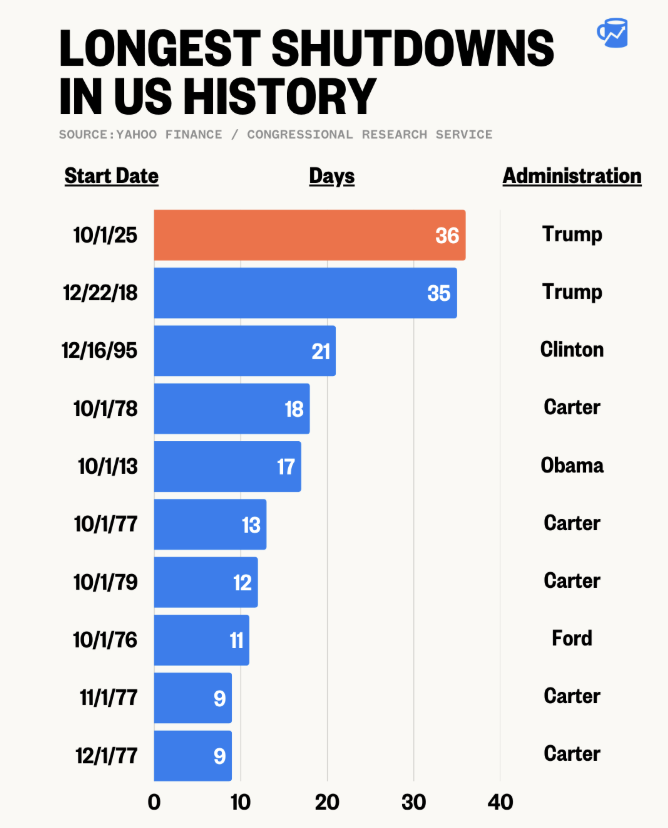
The U.S. government shutdown has now reached day 38, surpassing the 2018–19 record and resulting in the furlough of roughly 650k federal employees. The prolonged stoppage is estimated to be shaving about $30B off weekly GDP, with the government taking on roughly $600B in short-term borrowing to maintain essential operations. The disruption has also stalled progress on the CLARITY Act, a House-approved bill that would divide crypto and stablecoin oversight between the SEC and CFTC. With key Senate committees such as Agriculture and Banking halting votes and operating with staffing levels near 6%, regulatory movement has effectively frozen. Economists warn that, if the impasse extends into mid-November, recession risks could rise. A resolution, however, may set the stage for a sharp relief rally, potentially unlocking trillions in sidelined capital ahead of a politically charged midterm cycle.
It was a noticeably quieter week across crypto, with sharp early-week pullbacks prompting investors to question whether a broader market downturn is starting to take shape. A few assets broke the trend. Zcash continued to defy market pressure with strong performance in the privacy sector, WLFI made headlines by accumulating the leading USD1 ecosystem token, and CZ deployed personal capital into YZi Labs–backed Aster. Avici also pushed to a new all-time high, even as the U.S. government entered the longest shutdown in its history. Here’s a closer look at what moved the market.
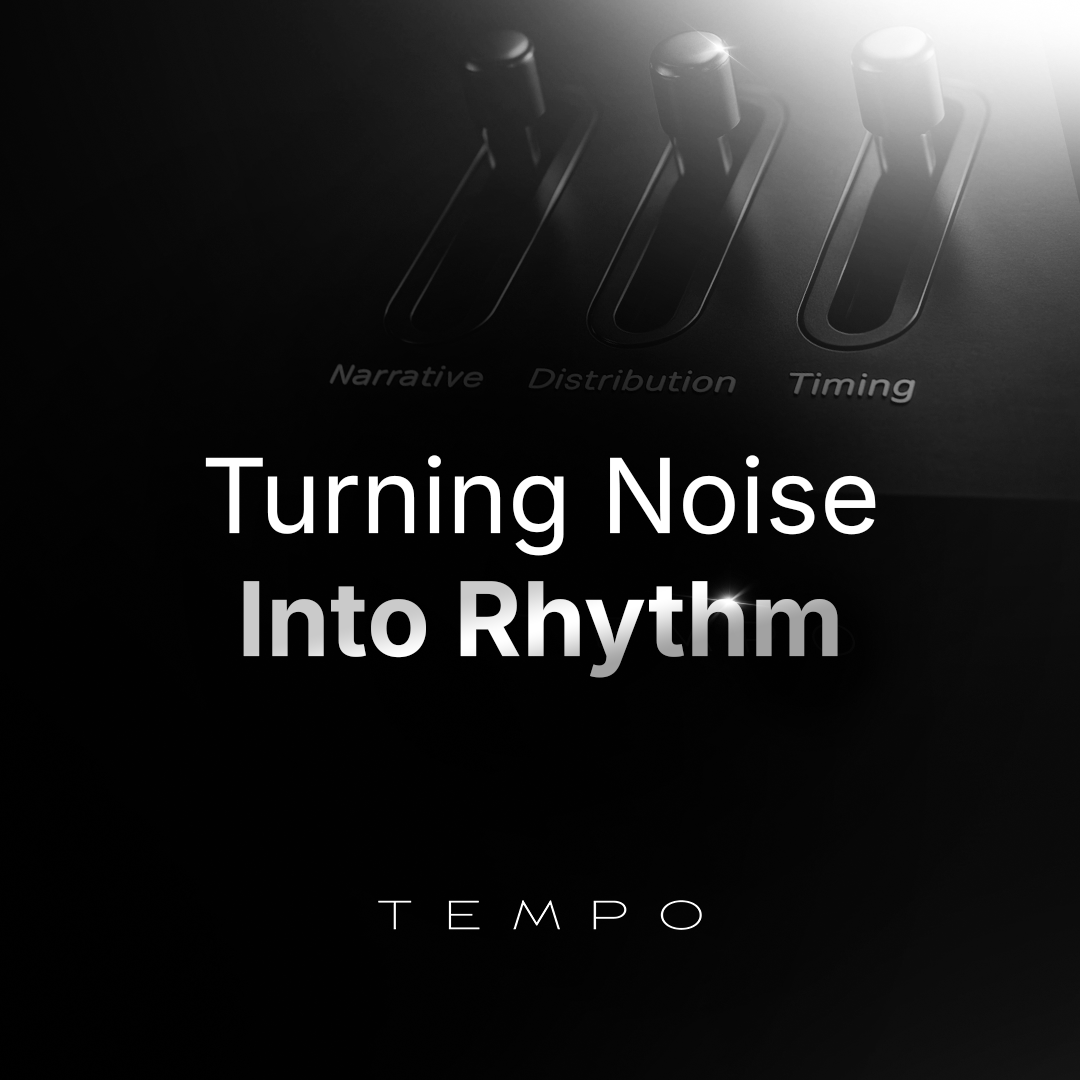
Narrative, distribution, and timing aren’t luck. They’re levers.
Tempo exists to pull them in sync, turning noise into rhythm, and attention into systems that last.
5/5 Because markets don’t move in straight lines.
They breathe.
And the builders who understand that rhythm, they don’t just survive cycles.
They define them.
4/5 Tempo doesn’t design for moments, we design for motion.
Across hype, silence, and reset, the rhythm holds.
The work doesn’t chase the chart; it aligns with it.
Cycles aren’t random, they’re rhythm.
The market moves in patterns, and every time it resets, it exposes who was reacting and who was prepared.
Let’s talk about designing for cycles.🧵