Sabitlenmiş Tweet
Teppo Felin
1.5K posts

Teppo Felin
@teppofelin
ion endowed prof | university of utah | cognition AI theory-based causal reasoning economics strategy https://t.co/0rVBADr6A6

Katılım Temmuz 2010
16K Takip Edilen16.1K Takipçiler

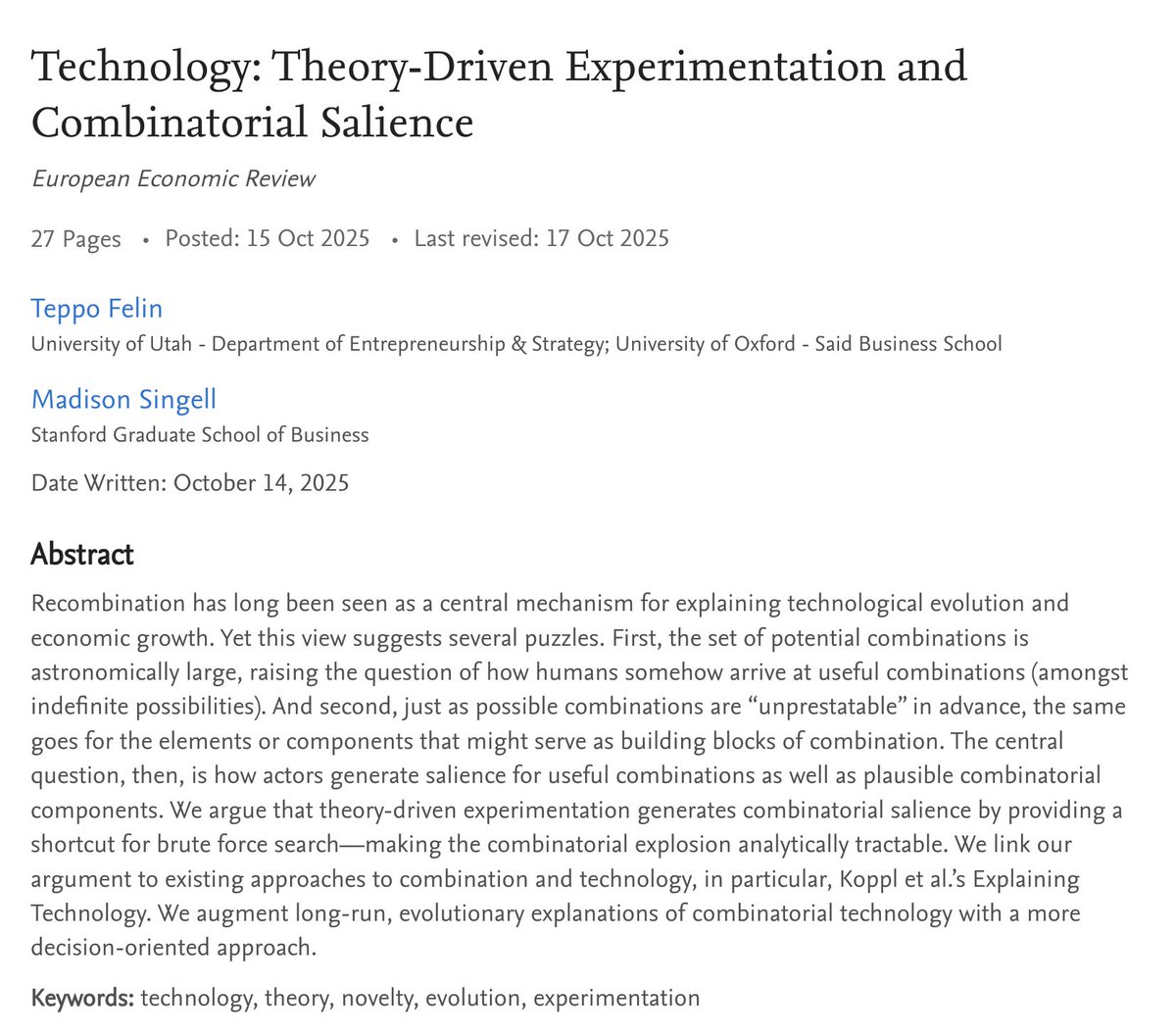
full paper downloadable on @SSRN here papers.ssrn.com/sol3/papers.cf…
English
Teppo Felin retweetledi

Check out the latest from the SSRN #blog which includes the top downloaded papers on #AI in Finance for Q2 of 2025.
Read more: spkl.io/6011A8T4t
#FInanceTwitter #AICommunity
English

I started a new job today: I'll be the Ion Foundation Endowed Prof at the University of Utah - also Co-Director of the Ion Management Science Lab with Todd Zenger. Very excited to work with Todd and brilliant colleagues. @UUtah
English
Teppo Felin retweetledi

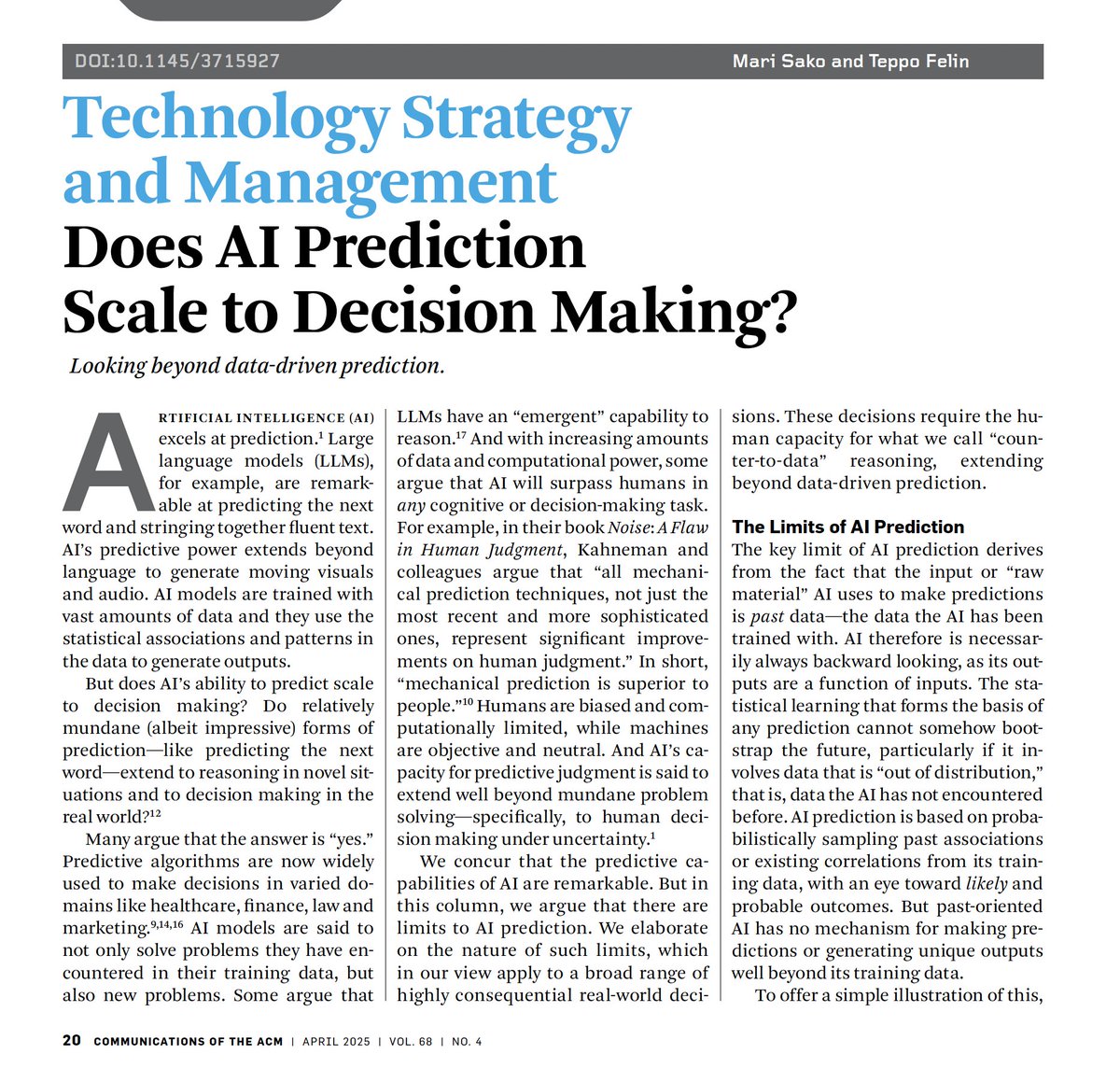
LLMs are good at predicting—does that scale to decision making?
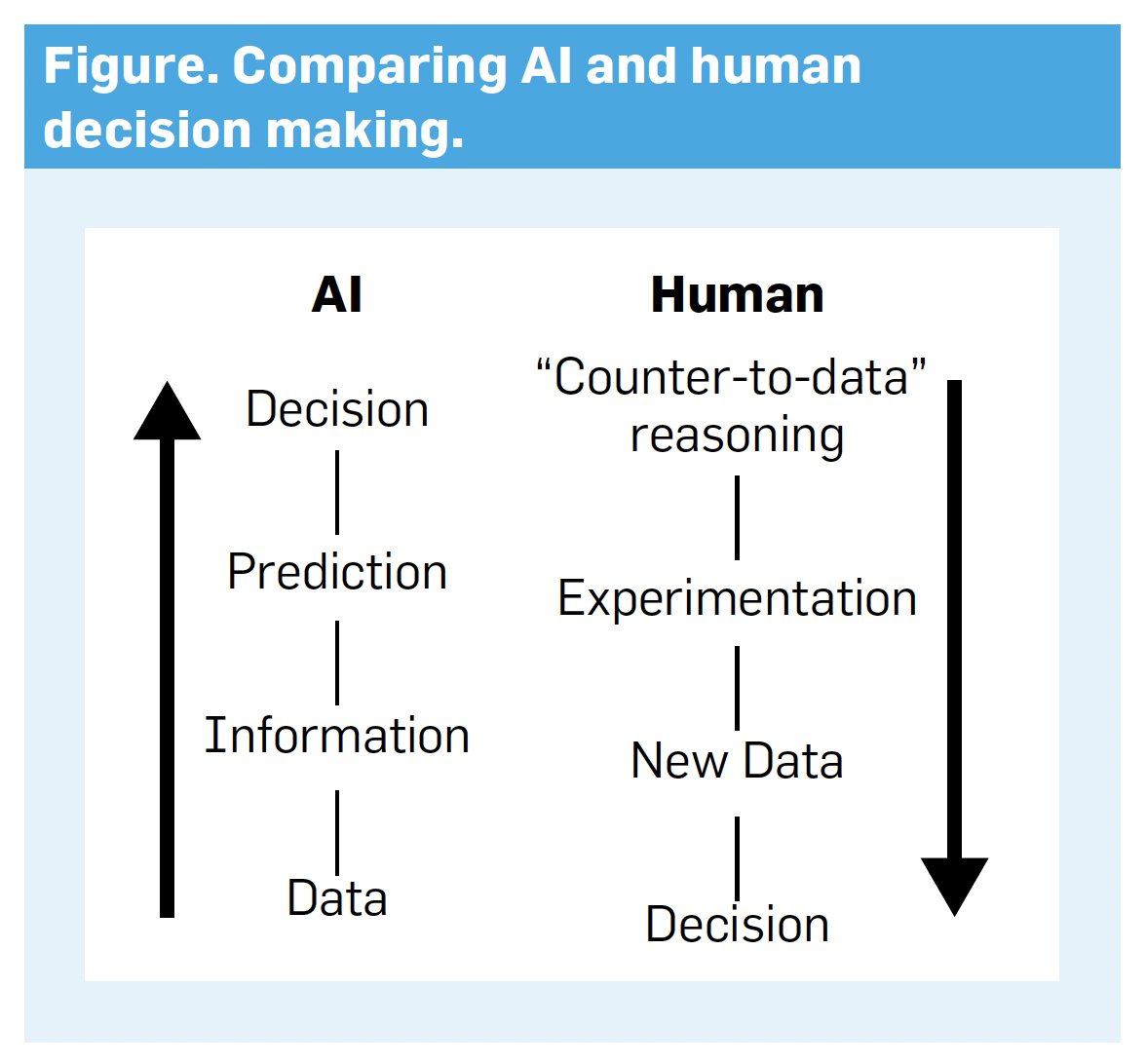
No, argue Sako & @teppofelin, they cannot envision possibilities beyond existing data, generate new hypotheses or run experiments to get new data—essential for general real-world decisions:
buff.ly/anm2HPQ


English
Teppo Felin retweetledi

Artificial Intelligence and Actor-Specific Decisions: this article explores the limitations of #AI in decision-making, and introduces a criteria for determining when human judgment remains essential.
spkl.io/6010f7GTI
@teppofelin @JessicaHullman

English
Teppo Felin retweetledi

Super important paper on the limits of AI in decision-making, especially as the "AI first" trend escalates and we try to understand cases where AI should NOT be used. Key takeaways from the paper:
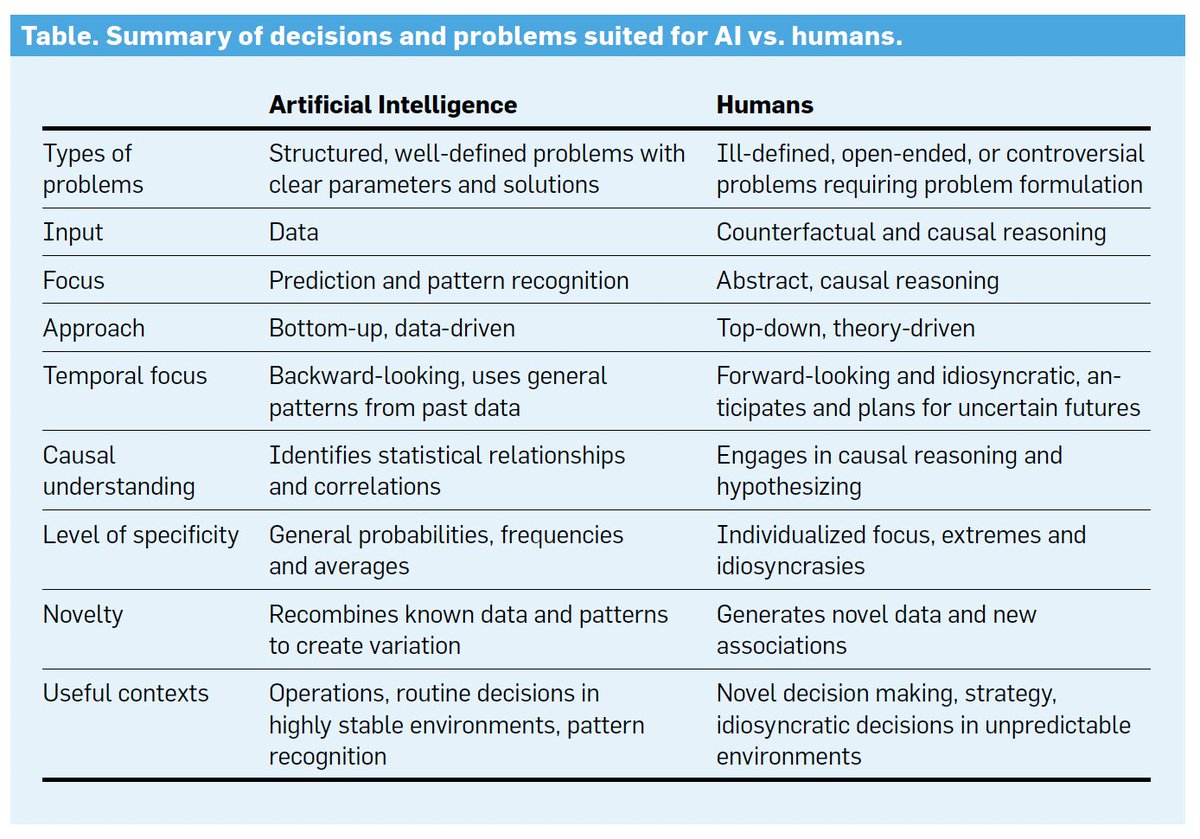
- AI and humans have comparative advantage in different types of decisions.
- AI is well-suited to decisions grounded in historical regularities and population-level patterns.
- AI is ill-equipped to handle actor-specific decisions.
- Actor-specific decisions are defined by four interrelated criteria (FIRE). They are:
1. Forward-looking
2. Individual and idiosyncratic
3. Rooted in causal reasoning
4. Dependent on some form of experimental intervention
- For effective decision making, the challenge is not merely the bounded rationality of humans, but their capacity to frame new problems and to construct the relevant models and data needed to solve them.
- There are conditions under which decision making must rely on uniquely human capacities, particularly:
1. In settings where the future cannot be inferred from the past
2. Where individuality matters and idiosyncrasy reigns
3. Where problem solving requires theory-based reasoning and experimental intervention rather than pattern replication.
- Human rationality is bounded, but AI is bounded as well, especially when:
1. Navigating novelty
2. Constructing futures
3. Creating value through actor-specific paths
-
*Congratulations to the paper authors @teppofelin, Mari Sako, and @JessicaHullman!
👉 Download the paper below.
👉 Never miss my updates and paper recommendations: join my newsletter's 63,600+ subscribers (link below).

English
Teppo Felin retweetledi

Does #AI Prediction Scale to #DecisionMaking?
The authors argue that there are fundamental limits to AI’s predictive paradigm.
Authors: Mari Sako & Teppo Felin
Read More: spkl.io/6010fAN9s
#AcademicTwitter

English

When should you use AI, and when not? This paper—with Mari Sako and @JessicaHullman—provides some criteria:
papers.ssrn.com/sol3/papers.cf…
Comments on the paper are definitely welcome. Just DM me.
English

Congrats to our daughter Dr Emma Felin! She just successfully defended her doctoral thesis @UniofOxford

English
Teppo Felin retweetledi

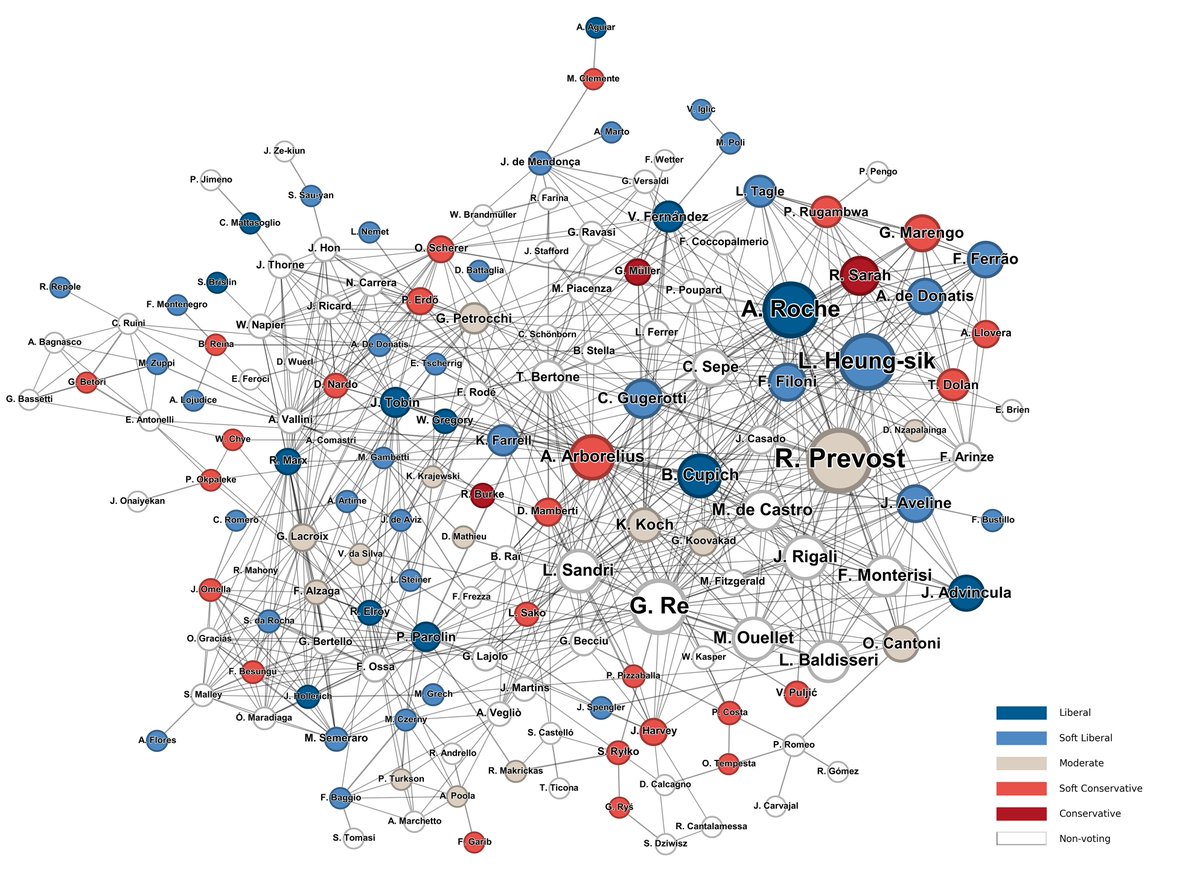
How we "guessed" the Pope using network science: inside the cardinal network. A study by me, Beppe Soda and Alessandro Iorio. Article: unibocconi.it/en/news/networ… @Unibocconi

English

11 years later, I still think the frame problem is a knock down argument against AI (when it comes to novelty)
See this 2014 piece with Stuart Kauffman et al: drive.google.com/file/d/1yrIDZR…
Teppo Felin@teppofelin
I think the "frame problem" is a knockdown argument for why human rationality > artificial intelligence (contingencies/uses apply - see here: doi.org/10.1002/sej.11…) but here's a nice piece on "updating the frame problem for AI research" by @LMiracchi philarchive.org/archive/MIRUTF…
English

@ummodern Absolutely - theory-driven experimentation is central.
English


@ummodern I think you have a different definition/conception of positivism.
English

@ummodern The right-hand side aligns more with a theory-driven, generative, and causal-interventionist view of science.
English