Sabitlenmiş Tweet

JOHN DRAMANI MAHAMA will succeed as PRESIDENT of GHANA. He will outperform Nkrumah.
English
ANYAKO BOY😍
116.8K posts

@teri_devon
|DevonSteps|Entrepreneur|Editor|Politician|Economist|#MUFC Fanatic|ManUtd Fan|100% Ayigbe|MHRS|NDC.


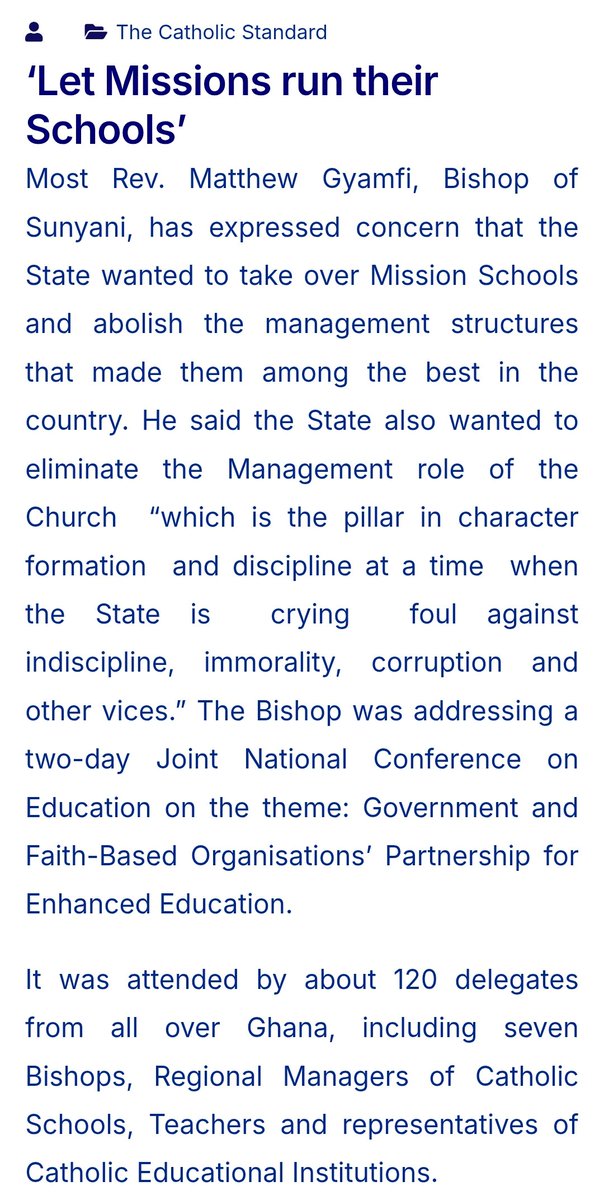


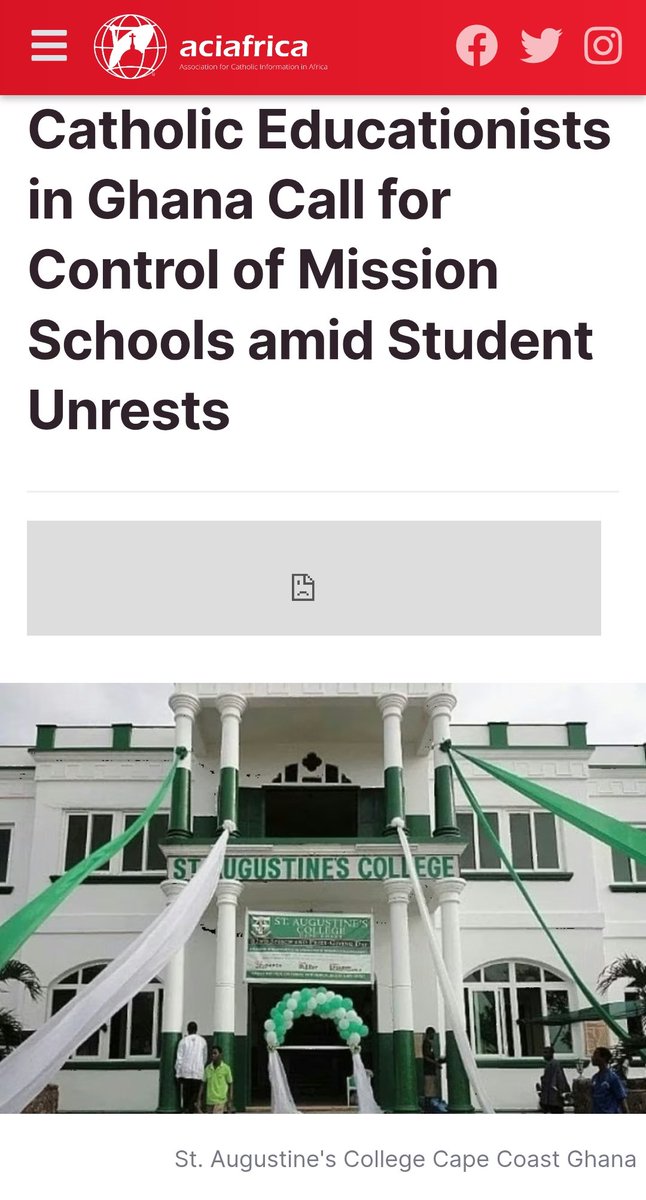

The use of the word ‘PREVENT’ in this context is what my problem is..how does the concept of secularism enshrined in our constitution not apply here in a publicly funded institution? Someone please explain because I don’t understand..



🚨𝐁𝐑𝐄𝐀𝐊𝐈𝐍𝐆 💰 Manchester United are now the second most valuable club in the world, valued at around $6.6B. 🏟️ They generated $834M in revenue last season, making them the most valuable club in the Premier League. (@Forbes / @Deloitte)

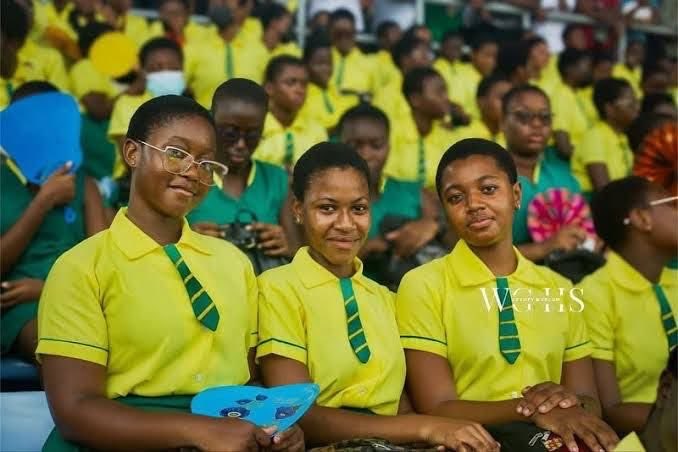
Wesley Girls has the right to practice its Methodist Christian Faith and prevent other religious practices - AG argues in Shafic Osman's suit against Wesley Girls Follow our WhatsApp channel for all the breaking stories: tinyurl.com/JoyNews-WhatsA… #JoyNews
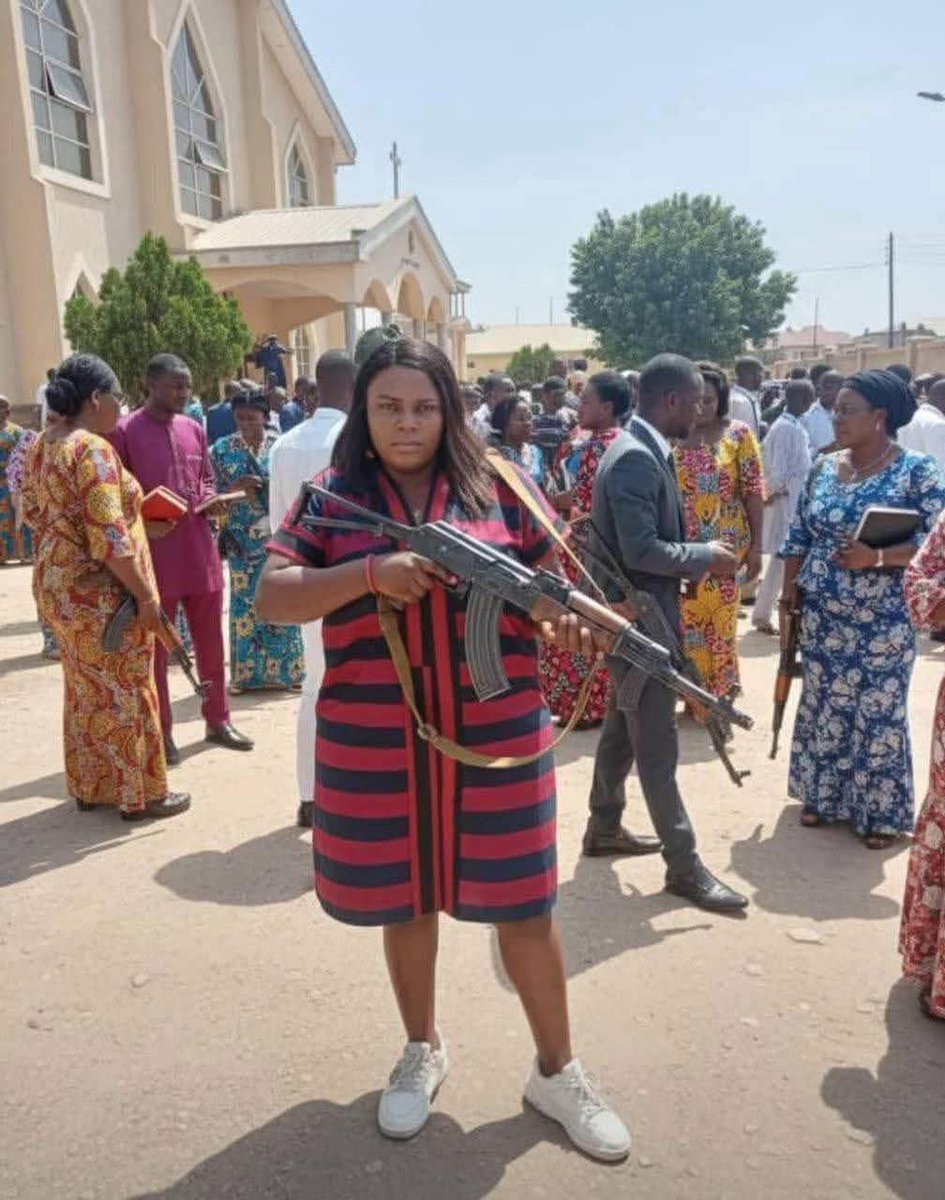
Happy Sunday from church in kwara guide yourself..... No wait for security