Sabitlenmiş Tweet
terrefebiruk.bsky
8.3K posts

terrefebiruk.bsky
@terrefebiruk
let’s move this conversation to Bluesky
Katılım Temmuz 2016
1.4K Takip Edilen7K Takipçiler

@GunuKofi @benwansell @egocantos @jonasbunte @rhodes_trust @NuffieldCollege @Politics_Oxford Congrats Kofi!!! 🙏🏾
Català
terrefebiruk.bsky retweetledi

We just rolled out a new app update (version 1.94), just in time to celebrate 20 MILLION users on Bluesky!
bsky.app/download
20 fun facts for 20M users:
English
terrefebiruk.bsky retweetledi

"I didn't realize how much I missed interacting with real humans"
many people are saying this
bsky.app/download

English
terrefebiruk.bsky retweetledi

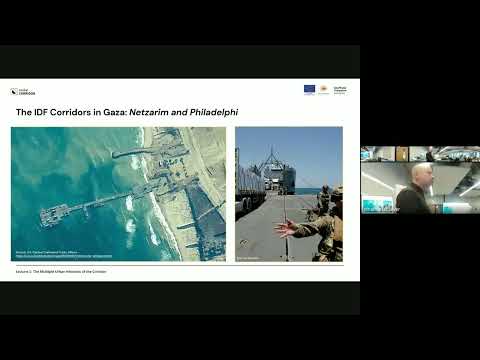
My first Sheffield Urbanism 2025 lecture
'The multiple urban histories of the corridor'
is now up online on the @Urban_Inst channel to watch for those that couldn't make it...
Link youtube.com/watch?v=yBbLYL…

YouTube

English

@SolomonADersso @BarnabyJDye @TC_Africa @CrASJournal One of the sub-sections of the introduction explains this (its open access): #d1e290" target="_blank" rel="nofollow noopener">tandfonline.com/doi/full/10.10…
And the term emerges from 2013 work on "illiberal state-builders" by Will jones, Harry Verhoeven and @S_de_Oliveira: rsc.ox.ac.uk/files/files-1/…
English

@terrefebiruk @BarnabyJDye @TC_Africa @CrASJournal This problematic label of 'illiberal', what is it that it is meant to communicate epistemically speaking?
English

'Visions of development have shifted in Africa over the past two decades: study explores how Rwanda & Ethiopia tried to shape the future'
@BarnabyJDye & I write for @TC_Africa about the 2023 Special Issue in @CrASJournal on the 'illiberal modernisers.'
theconversation.com/visions-of-dev…
English

"A pragmatic high modernism? rural development and state building in the Ethiopian lowlands, c. 1960–2019." - Luca Puddu tandfonline.com/doi/full/10.10…
English

"Modernisation in isolation: the nature and roots of Eritrea’s defining economic ideology" - @senaiwoldeab tandfonline.com/doi/full/10.10…
English
terrefebiruk.bsky retweetledi

Are there common ideas and policies across illiberal states in Africa? How much does ideology matter? A special issue explores just this theme, analysing a return to modernist development ideology in the last 20 years
tandfonline.com/toc/rcaf20/14/3
Intro: tandfonline.com/doi/full/10.10…
1/7
English
terrefebiruk.bsky retweetledi

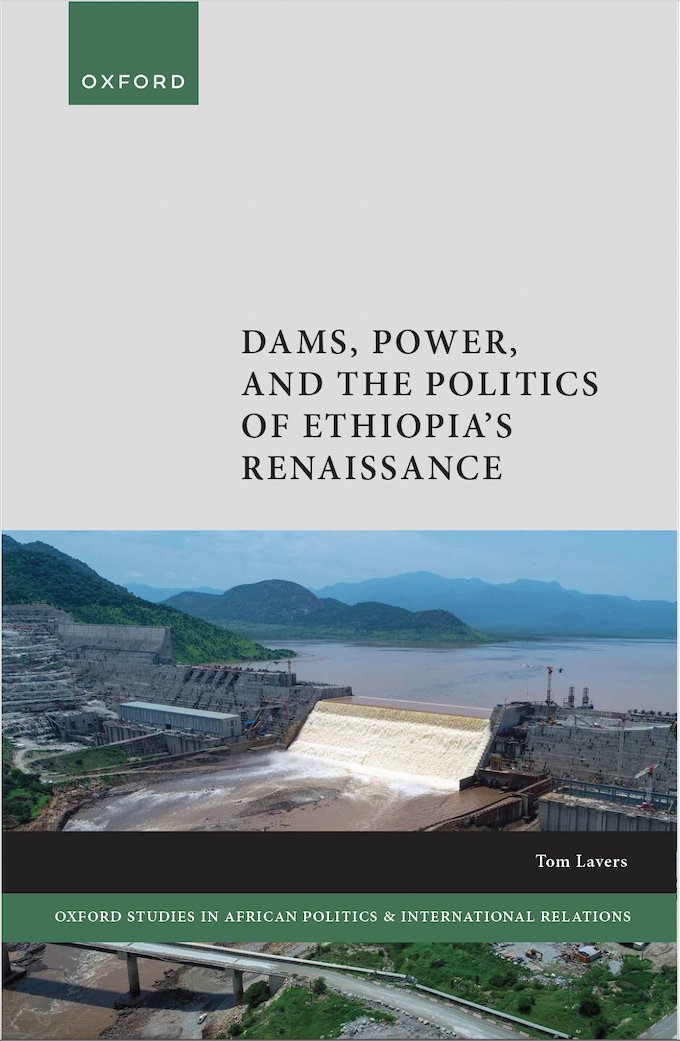
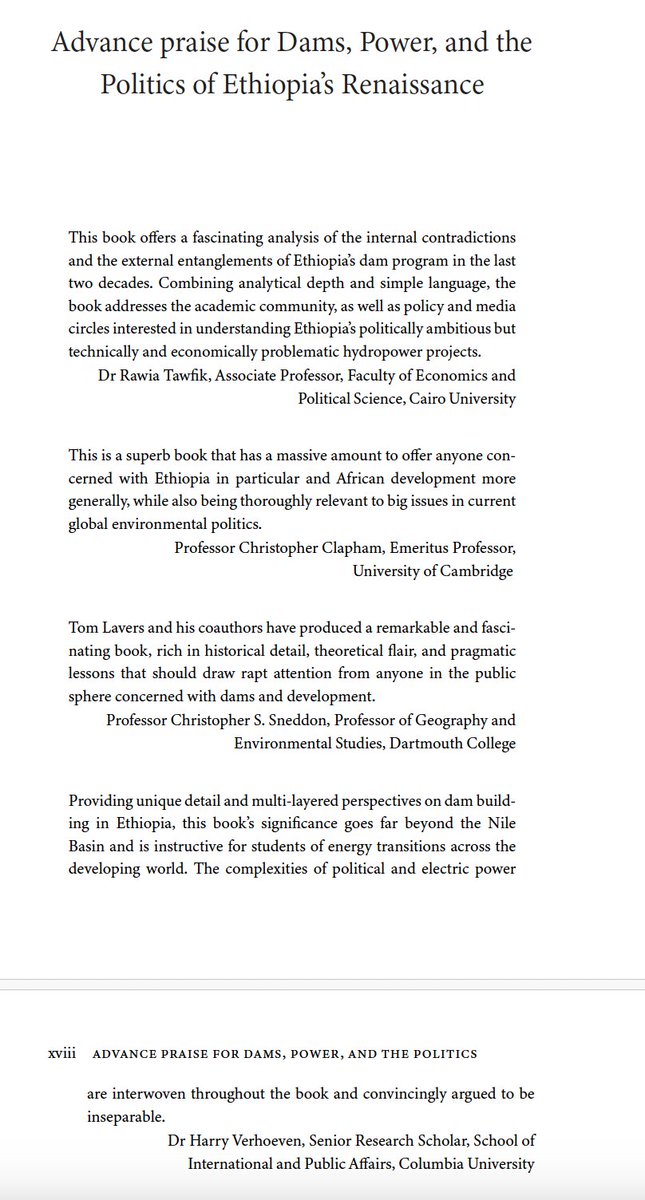
New open access (free!) book on the politics of Ethiopian dam building, 'Dams, Power and the Politics of Ethiopia's Renaissance', out now global.oup.com/academic/produ… @terrefebiruk @emanufanti @GlobalDevInst @IPSS_Addis @OUPAcademic


English
terrefebiruk.bsky retweetledi

Please join on 7 Nov, 3:30pm. Joint book launch & discussion w/African Studies (In person)
Wealth, Power & Authoritarian Institutions: Comparing Dominant Parties & Parliaments in #Tanzania & #Uganda
w/author Michaela Collord
& discussant @EllieGadjanova
africanstudies.ox.ac.uk/event/african-…

English
terrefebiruk.bsky retweetledi

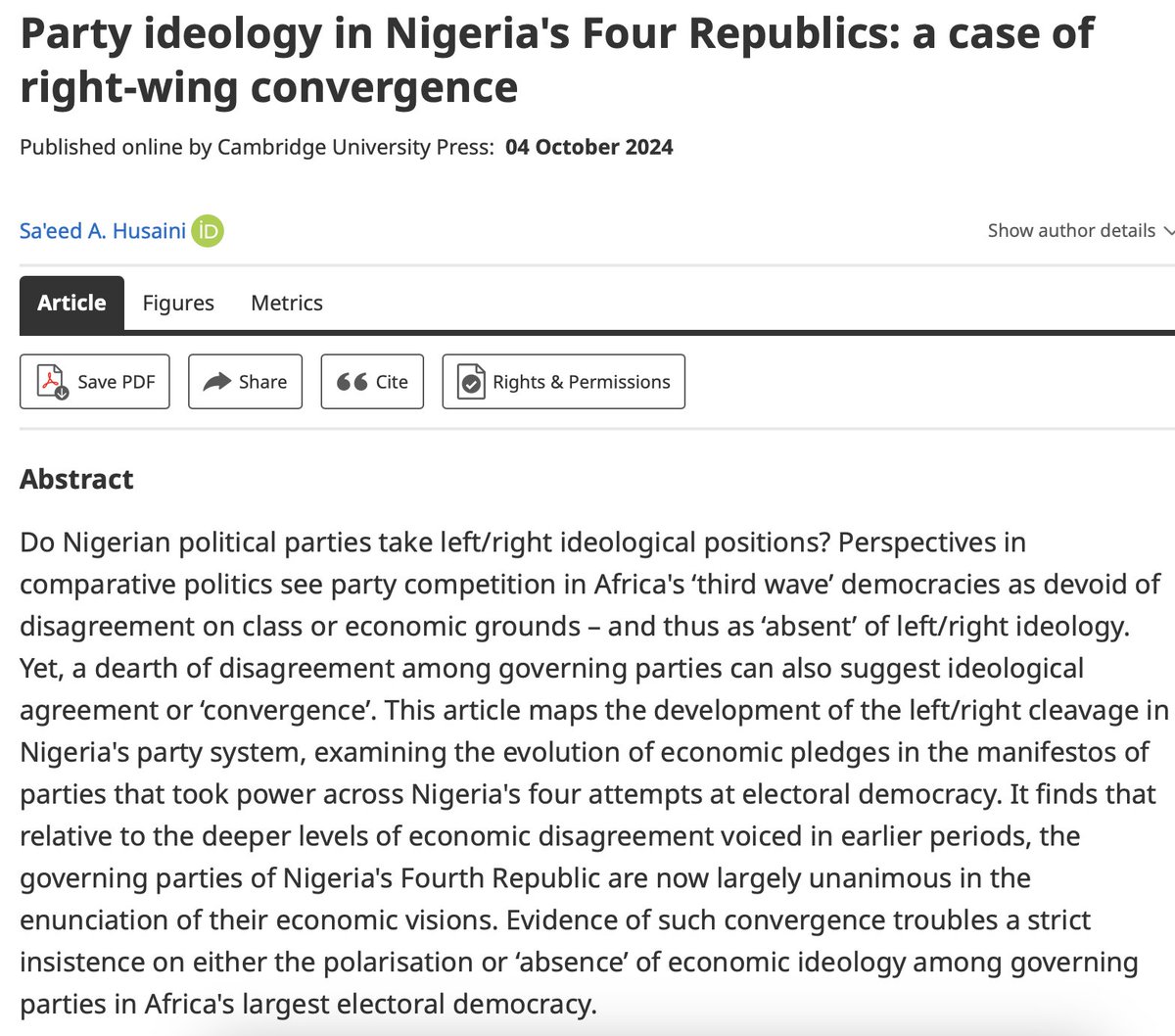
Glad to share my article “Party ideology in Nigeria's Four Republics” published in @jmodafstudies.
I find that the left/right economic spectrum remains *very* relevant in Nigerian party politics, even if it has evolved since independence. Open Access.
cambridge.org/core/journals/…

English
terrefebiruk.bsky retweetledi

The argument of this forthcoming book looks timely and fascinating: “Their Future: A History of Ahistoricism in International Development” by Michael Gubser: “ Foreign aid planners rarely consider the history of the societies in which they work, an oversight noted but underexamined in the development literature. Aid programs costing billions of dollars operate largely in a historical vacuum, divorced from the knowledge of what succeeded or failed in the past. This ahistoricism is not new. Not only were development programs in twentieth-century Asia, Africa, and Latin America frequently conceived in Western institutions, but they also took European and American modernity as normative, mapping the patterns of Western industrialization onto poorer countries seeking to “catch up.”
In this book Michael Gubser chronicles the varieties of ahistoricism in international development theory and practice since 1945. He traces the history of development ideas, analyzing key theoretical and policy statements to highlight the marginalization of history in favor of technical solutions to economic and social problems; and he examines aid programs in several developing countries to show how Western models of social and economic development have been applied and misapplied.” yalebooks.yale.edu/book/978030027…

English