
Sabitlenmiş Tweet
danielle
28.3K posts


danielle
@terrysupremacy
derek xiao, tiffany mitchell, hannah chaddha, claire rehfuss ♛ she/her
25 y/o Katılım Ağustos 2020
1K Takip Edilen1.3K Takipçiler
danielle retweetledi

whatever happens tonight will never beat this moment in the season 2 premiere
English
danielle retweetledi


danielle retweetledi

danielle retweetledi

danielle retweetledi

POV: You're flying by the Moon.
This visualization is designed to show you what exactly the Artemis II astronauts will see outside their window during their lunar flyby.
Here, the seven-hour visualization is compressed into 28 seconds. ⬇ (1/4)
English
danielle retweetledi


danielle retweetledi

Mission Control woke the astronauts this morning with a message recorded by Apollo 8 astronaut Jim Lovell. Lovell, who was on the first crew to circle the Moon in December 1968, and commanded the ill-fated Apollo 13 mission, died in August 2025.
English
danielle retweetledi

danielle retweetledi

danielle retweetledi

danielle retweetledi

A live shot from Artemis.
Behind it? The moon.
The earth, with all of us, is behind.

English
danielle retweetledi

danielle retweetledi

“We love you…from the moon” - parting words from Orion Integrity Pilot @AstroVicGlover prior to the planned Loss of Signal around the far side of the Moon
English
danielle retweetledi
danielle retweetledi

danielle retweetledi


danielle retweetledi

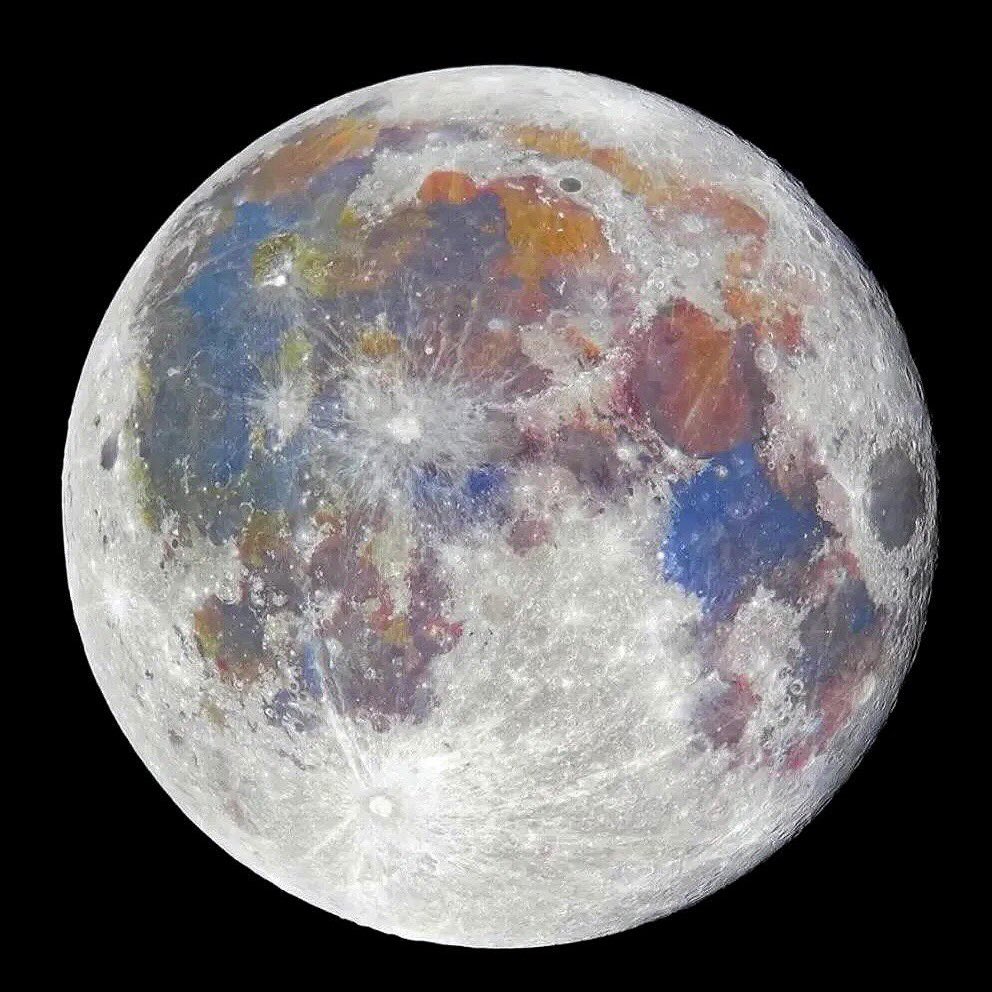
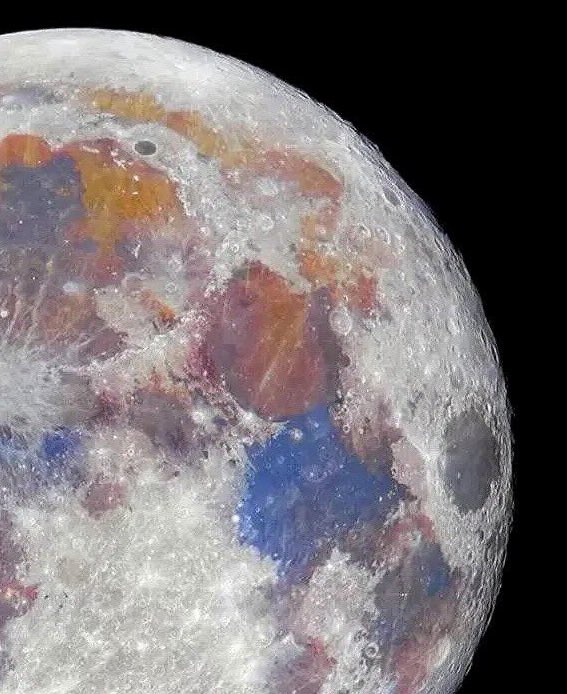
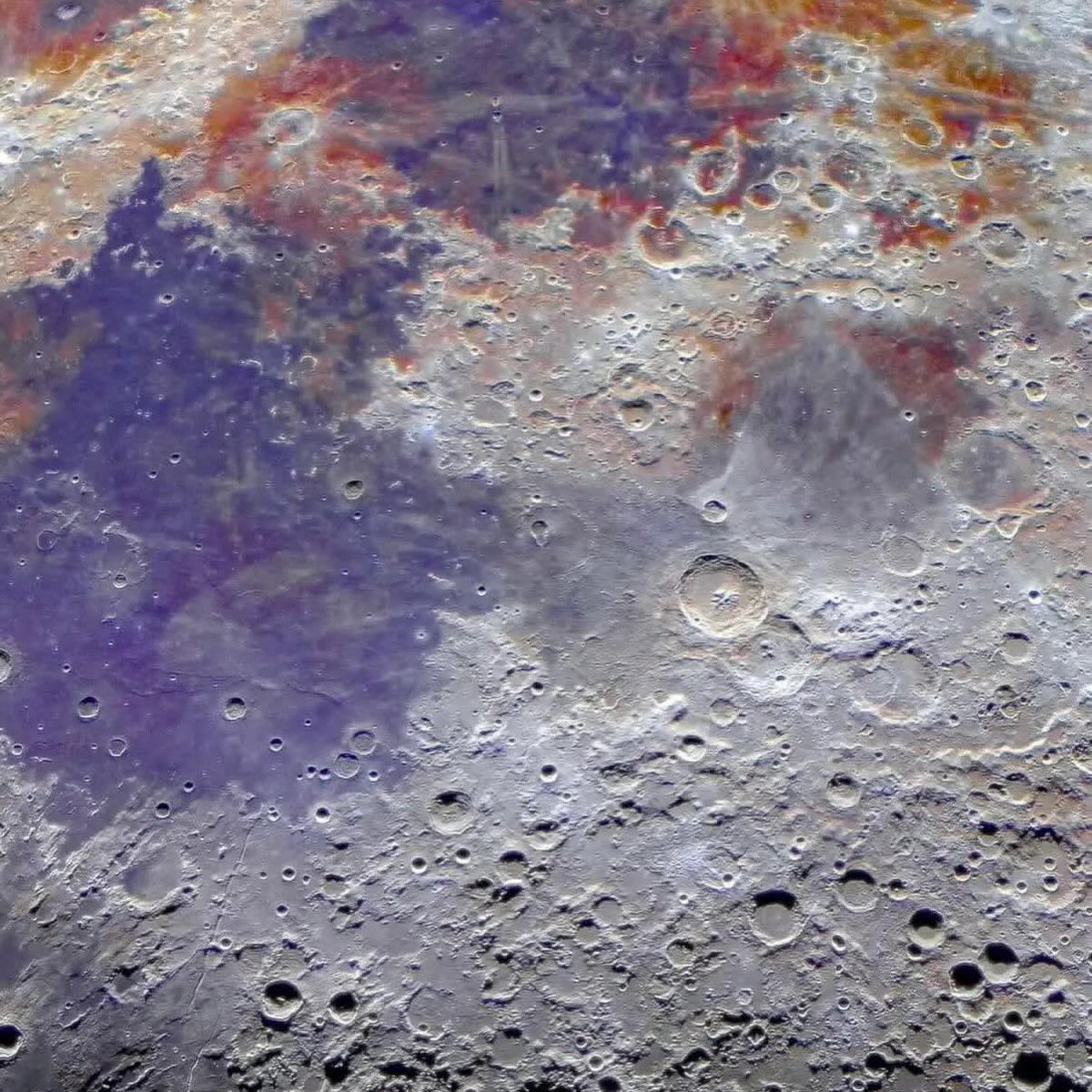
NASA has 32 cameras on the Artemis II spacecraft. The top science priority during the Moon flyby was the four astronauts looking out the window and talking about what they saw.
NASA's lunar science lead confirmed it. What the crew says out loud about the Moon's surface matters more to the science team than anything the cameras capture. NASA trained this crew in Iceland's volcanic highlands and at an impact crater in Labrador, Canada, teaching them to read rock textures and spot geological details at 25,000 mph.
There's a reason NASA trusts human eyes over cameras. In 1972, Apollo 17 astronaut Harrison Schmitt was walking near a small crater called Shorty when he scuffed the dirt with his boot. The soil underneath was orange. Schmitt was the only trained geologist to ever walk on the Moon, and he got so excited he blurred most of his own photos. That orange soil turned out to be tiny glass beads from a volcanic eruption 3.64 billion years ago, one of the biggest finds of the entire Apollo program. A boot and a pair of trained eyes caught what no camera did.
For this flyby, NASA sent the crew a final list of 30 surface targets. They killed all the cabin lights to cut window reflections. They worked in pairs, rotating every 55 to 85 minutes, calling out craters and lava flows while scientists at Johnson Space Center analyzed everything in real time. Pilot Victor Glover reported that the Moon's south pole, where NASA wants to land astronauts by 2028, looked "more jagged" than the north with much steeper terrain. One observation from a human eye at 4,070 miles could shape where the next crew touches down.
At 6:44 PM Eastern, Orion slipped behind the far side and went radio silent for 40 minutes. Four people, completely cut off from every other human alive, the Moon blocking every signal back to Earth. The last time humans experienced that was December 1972.
They broke the all-time distance record on the way. Apollo 13 held it for 56 years at 248,655 miles from Earth. Artemis II passed that mark and kept going to 252,760. Jim Lovell, who commanded Apollo 13 and held that record his whole life, died last August at 97, eight months before these four beat it. Before he died, Lovell recorded a message for the crew. "Welcome to my old neighborhood," he told them. "Don't forget to enjoy the view."
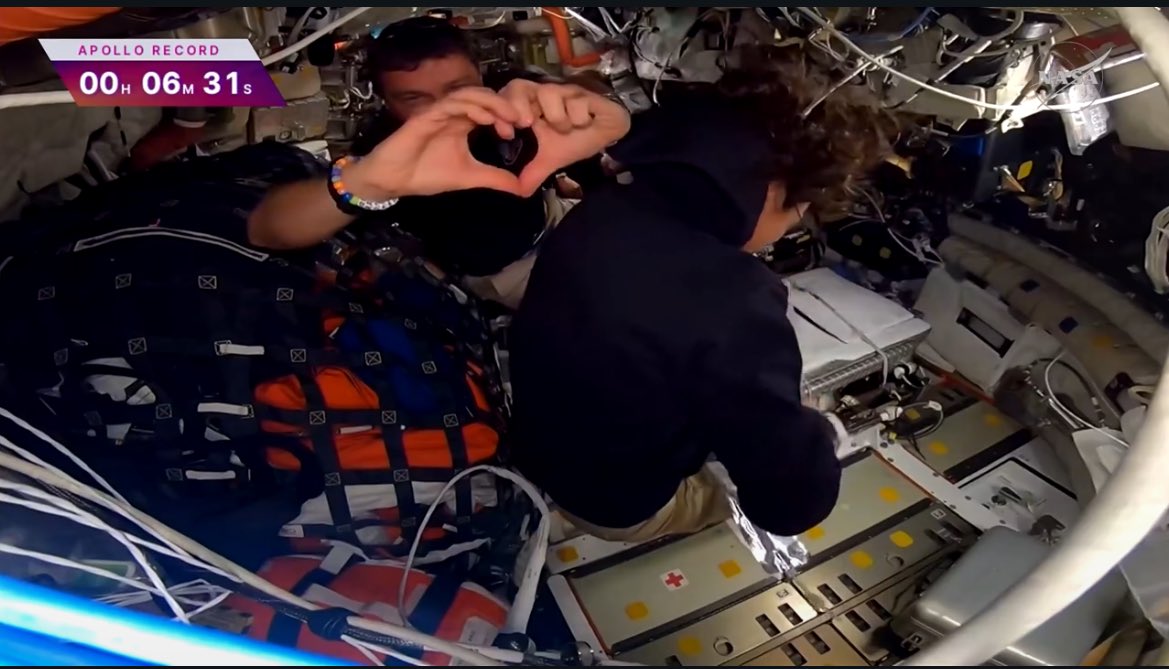
The crew named two craters during the flyby. One for their spacecraft, Integrity. The other, Carroll, for Commander Reid Wiseman's late wife, a nurse who cared for newborns and died of cancer in 2020 at 46. Wiseman has raised their two daughters alone since. When Jeremy Hansen read the name to Mission Control, his voice broke. The crew hugged. Wiseman and Koch wiped tears. Then they got back to work, because they still had hours of Moon left to map with their eyes.
NASA@NASA
LIVE: Watch with us as the Artemis II astronauts make their closest approach to the Moon, traveling farther from Earth than ever before. twitter.com/i/broadcasts/1…
English
danielle retweetledi

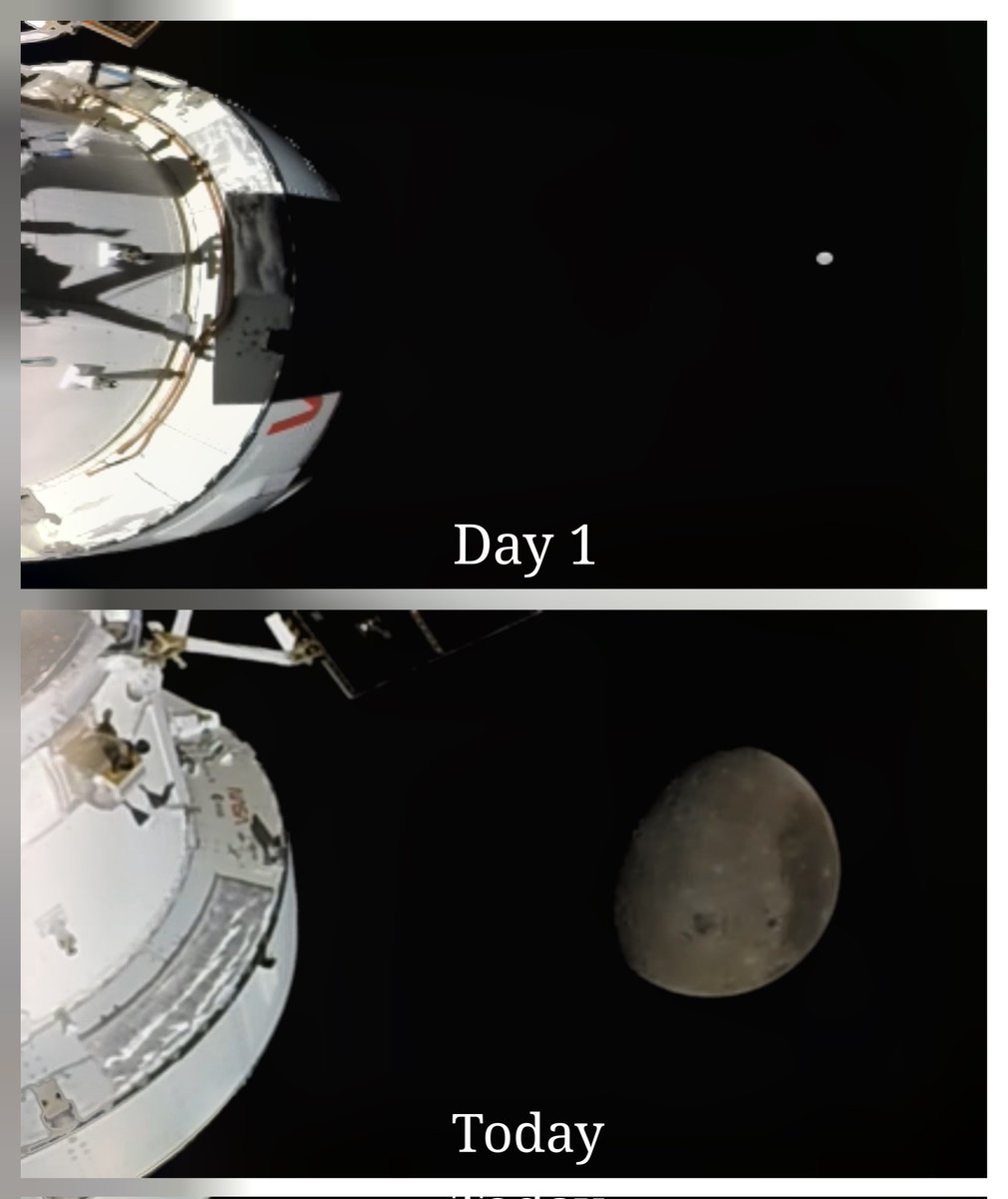
Comparing the size of the Moon as seen by Artemis' exterior cameras on Day 1 with the size of the Moon on images taken today...
English
danielle retweetledi

the artemis crew wearing friendship bracelets, quoting project hail mary, blasting chappell roan like thats oomfchella on the other side of the moon
Swifties HQ@SwiftiesHQs
OMG!!!
English