

Sohan Singh Thakur
59 posts

Sohan Singh Thakur
@thakurstance
Faculty at GDC, Doda | JKAS' 2024🏔🌲
Basohli, Jammu and Kashmir Katılım Mart 2026
30 Takip Edilen10 Takipçiler
Sohan Singh Thakur retweetledi

Today, India takes a defining step in its civil nuclear journey, advancing the second stage of its nuclear programme.
The indigenously designed and built Prototype Fast Breeder Reactor at Kalpakkam has attained criticality.
This advanced reactor, capable of producing more fuel than it consumes, reflects the depth of our scientific capability and the strength of our engineering enterprise. It is a decisive step towards harnessing our vast thorium reserves in the third stage of the programme.
A proud moment for India. Congratulations to our scientists and engineers.
English
Sohan Singh Thakur retweetledi


Sohan Singh Thakur retweetledi

The battle between Asian honeybees and hornets is remarkably scientific.
Asian honeybees can survive temperatures up to 48–50°C. Hornets can only withstand up to 45–46°C. That 3-degree gap makes all the difference.
When a hornet enters a hive to steal honey or larvae, thousands of honeybees swarm it and form a tight ball. By vibrating their flight muscles collectively, they raise the temperature inside to 46–47°C — just enough to cook the hornet alive. At the same time, CO₂ concentration inside the ball rises to near-toxic levels.
A 3-degree advantage is literally weaponised.
Aren't honeybees masters of thermodynamics?
National Geographic@NatGeo
Intruder alert! 🚨 Murder Hornets eat bees and their larvae, but these Asian honey bees aren't going to let their hive be destroyed without a fight. #SecretsOfTheBees is now streaming on @DisneyPlus and @hulu
English
Sohan Singh Thakur retweetledi

I speak for everyone when i say leave them tf alone!!!
Redd@ReddCinema
🚨: Scientists say a protein found in whales could help humans live up to 200 years.
English
Sohan Singh Thakur retweetledi

The Himalayan region and the Mishmi Hills can only feel this.
English
Sohan Singh Thakur retweetledi
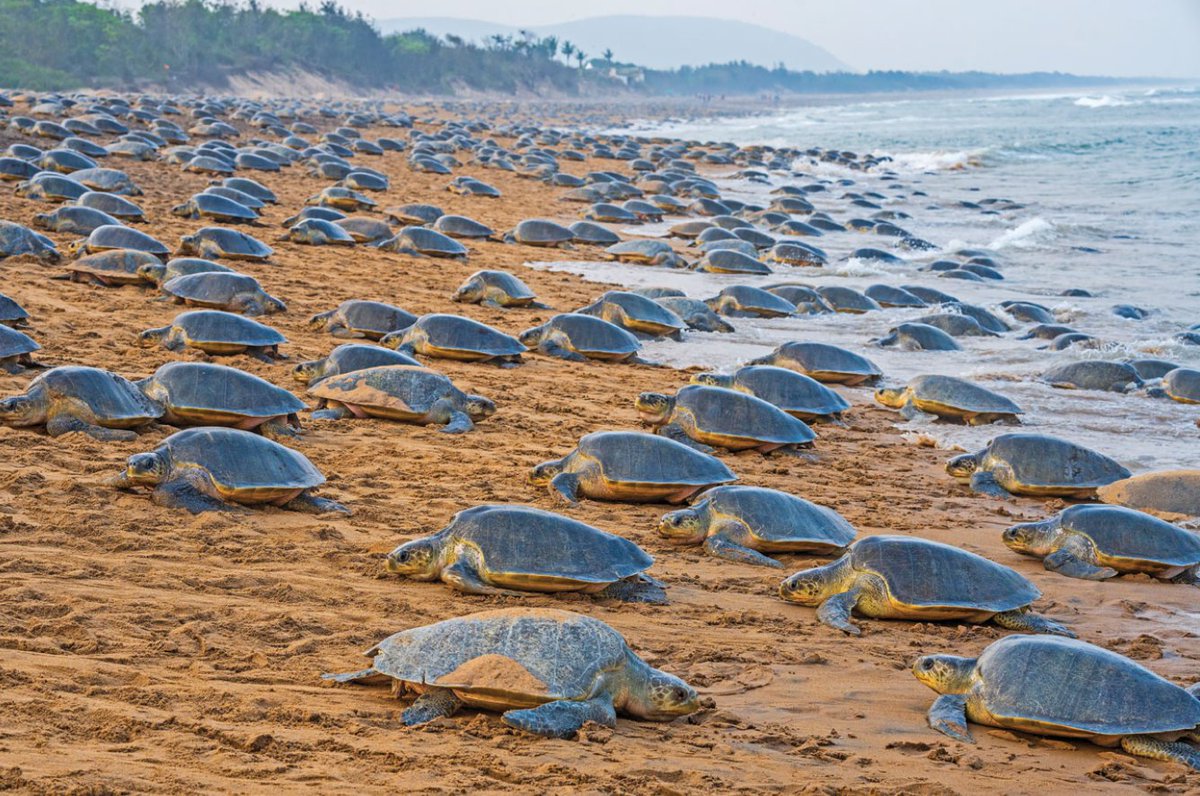
Only 1 in 1,000 olive ridley turtles born survive to adulthood. Their mother lays her eggs and returns to the sea—her job done, the rest left to instinct and fate.
Eggs hatch naturally in ground nests. To overwhelm predators, females nest collectively in their thousands—a strategy of sheer numbers (#arribada), where the odds of survival improve simply because there are too many hatchlings to catch.
Even the sex of the hatchling is decided by #nature. Warmer sand produces females; cooler sand produces males—a delicate balance now increasingly disrupted by rising temperatures.
At night, hatchlings emerge and make their way to the sea, guided entirely by the moonlight/starlight reflecting on the water. On the shore, dogs, crabs, and hyenas await.
Those that reach the water face sharks and whales. And in today's world, many never make it past plastic nets and marine debris.
Yet those who survive carry something extraordinary within them. When females reach maturity, instinct guides them back to the very same shore where they were born—to lay their own eggs.
The cycle completes.
What other creature navigates its entire life, across vast oceans, purely by instinct?
English
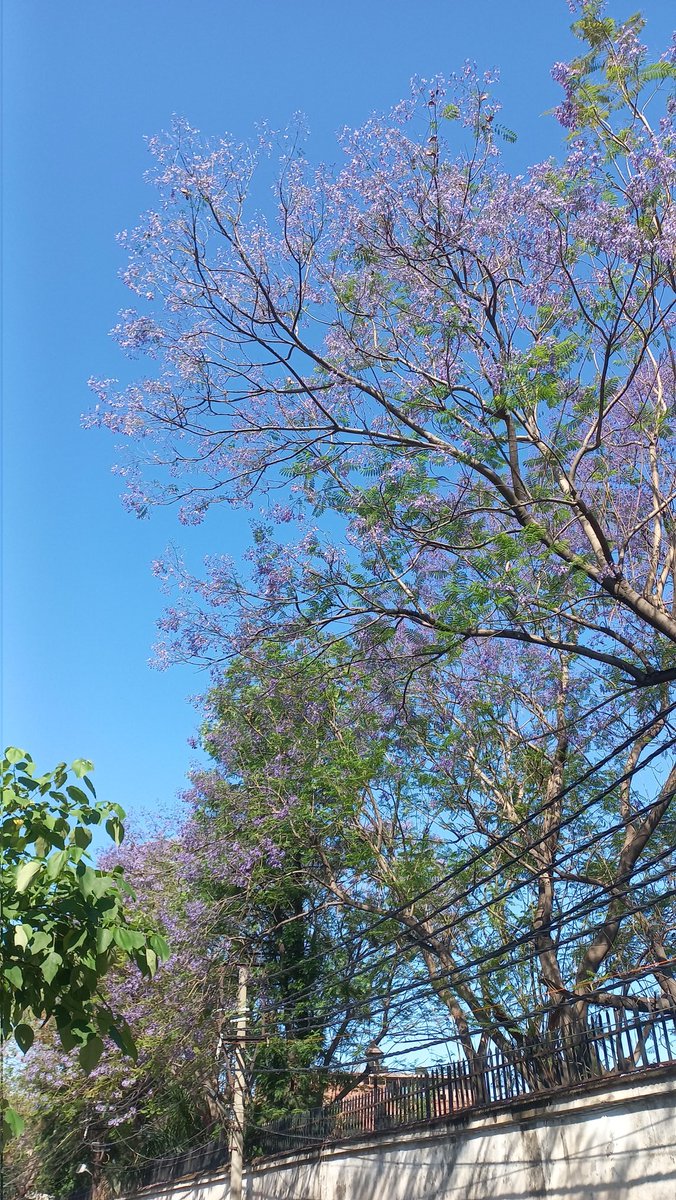
Let's see your nature landscape ⛰️

Mohan Pargaien IFS🇮🇳@pargaien
Let’s see your nature landscape 🌿
English
Sohan Singh Thakur retweetledi


Sohan Singh Thakur retweetledi


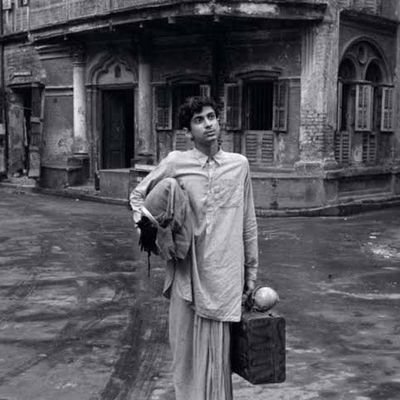

Across North India, cooking at functions and large gatherings by men is a well-established practice. However, this cannot be taken as a basis for interpreting that such societies are not patriarchal.
आलोक | Pahadi Vibe@alokntyl
Don't tell any pahadi they believe in patriarchy. We grow up with this #Uttarakhand
English
Sohan Singh Thakur retweetledi


Sohan Singh Thakur retweetledi
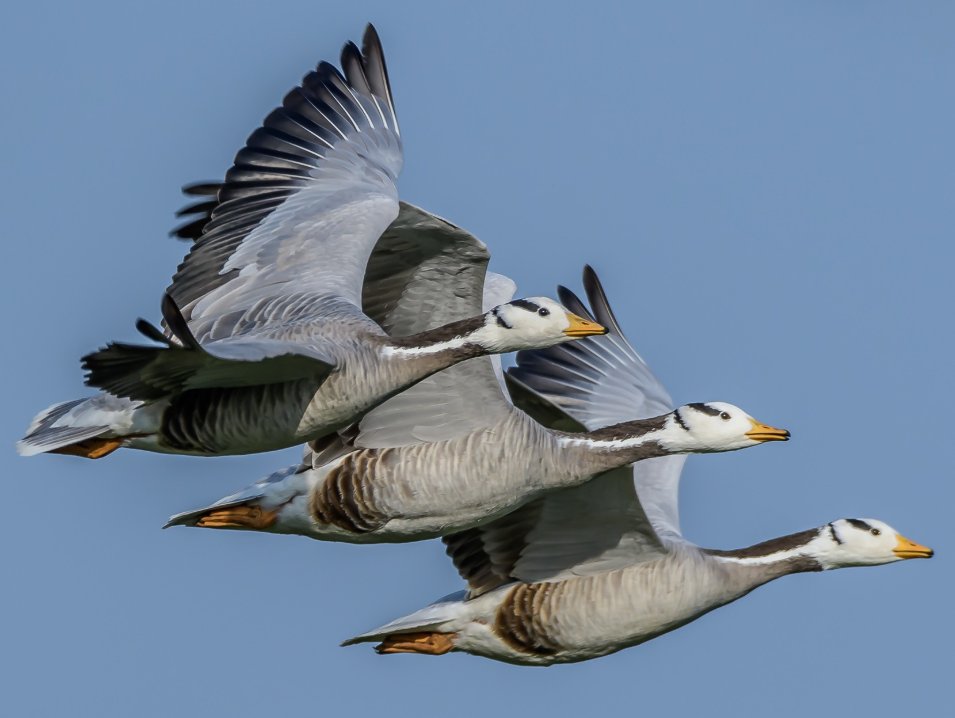
Measuring 75 cm in length and weighing around 3 kg, the Bar-headed Goose is one of the highest-flying birds in the world. Twice a year, it crosses the highest peaks of the Himalayas — breeding in Central Asia and wintering in India.
With bold black bars on its otherwise white head, it makes the familiar honking call typical of geese as it flies. New Zealand climber George Lowe once claimed to have spotted these birds flying over Mount Everest itself, at 8.848 km.
They have specialised haemoglobin that binds oxygen more efficiently, larger lungs, and a greater density of capillaries in their hearts—all adaptations that allow them to breathe and perform at high altitudes. It crosses the Himalayas in a single unbroken flight of just 7-8 hrs.
What makes this even more remarkable is how it flies — not by gliding or soaring on thermal currents, but by flapping its wings continuously throughout the entire crossing. No shortcuts, no rest.
English
Drop a photo you clicked.
No text.
Let it speak.

Avijeet | Personal Branding Strategist@avijeet_writes
Drop a photo you clicked. No text. Let it speak.
English
Sohan Singh Thakur retweetledi
The Indian Gaur (left) is found in hilly, dense forests and grasslands. India's largest wild cattle, it ranges in colour from black to brown, with distinctive white patches on its head and legs. It is currently classified as vulnerable and typically lives in groups of 5 to 12.
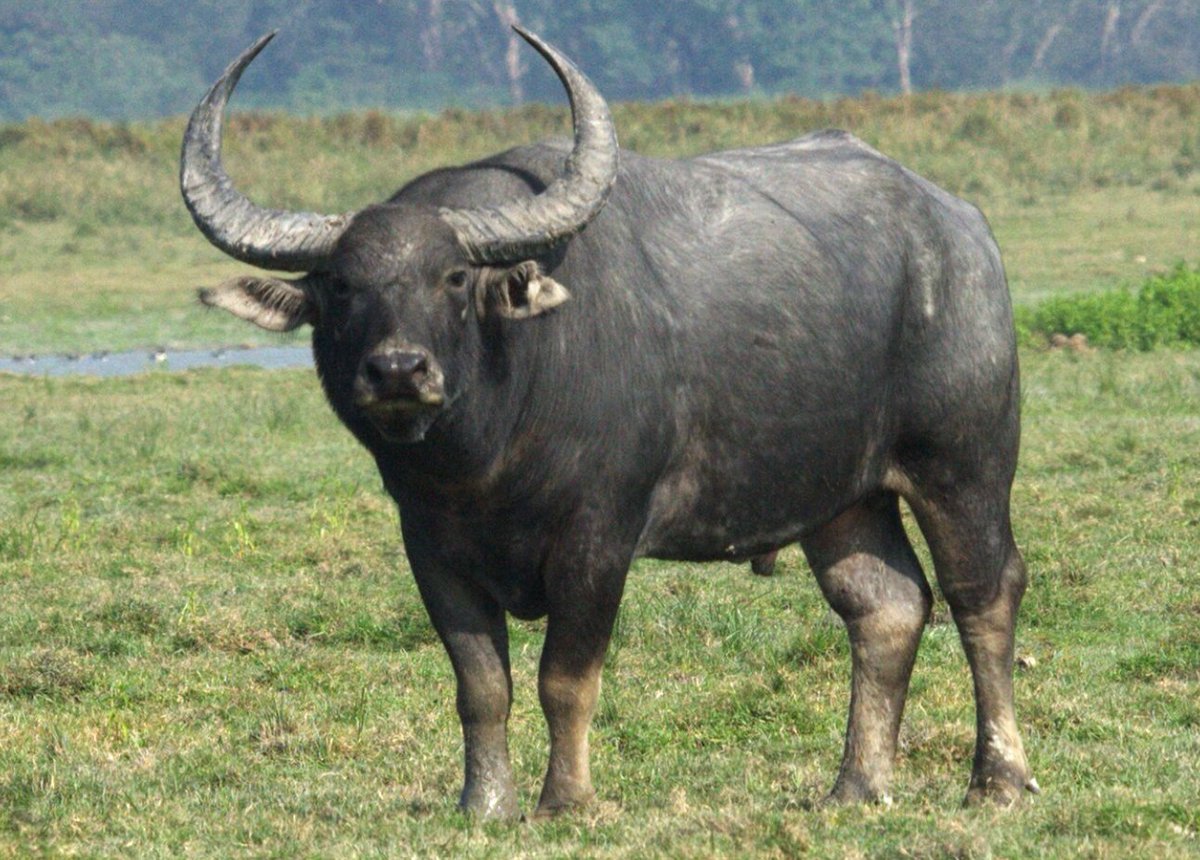
The Wild Buffalo (right), by contrast, inhabits wetland areas and river valleys. India's second largest wild cattle, it is almost entirely black, with impressively large horns, and lives in much larger groups. It is the ancestor of the domestic buffalo and is classified as endangered.

English

You enter a photo contest with the theme of “Tranquillity”, what photo would you submit?
Let’s see them!! 📸 📷 #tranquility #photography

Mohan Pargaien IFS🇮🇳@pargaien
You enter a photo contest with the theme of “Tranquillity”, what photo would you submit? Let’s see them!! 📸 📷 #tranquility #photography
English