GGTC

6.2K posts

GGTC banner
GGTC

GGTC

@TheGGTC

GGTC collaborates with advocates, governments, and institutions worldwide to tackle: #tobaccoindustryinterference

Bangkok, Thailand Katılım Ağustos 2018
432 Takip Edilen1.7K Takipçiler
GGTC
GGTC@TheGGTC·
Tobacco use results in an estimated US$1.4 trillion in annual economic costs globally — including US$422 billion in direct healthcare expenditure and approximately US$1.0 trillion in productivity losses. These costs are borne by governments, health systems, and households. Globally, tobacco excise revenues do not fully offset this burden. This series brief examines how illicit trade narratives are used in regulatory debates and their implications for enforcement and fiscal policy. 📘 Download the full brief in your language: globaltobaccoindex.org/brief-factshee… #GlobalTobaccoIndex2025 #GTI2025 #TobaccoIndustryInterference
GGTC tweet mediaGGTC tweet mediaGGTC tweet mediaGGTC tweet media
English
0
0
0
29
GGTC
GGTC@TheGGTC·
Kids. Nicotine branding. Global stage. Youth advocates of the @GYV_movement have written to @Formula1 —twice (2021 & now)—calling for a full ban on tobacco & nicotine sponsorships. Yet here we are- embedding nicotine brands in youth-facing spaces under the guise of sport. Children wearing nicotine branding is exactly why this must end. Time for F1 to act. No partial measures, no loopholes. #ProtectYouth #BanTobaccoSponsorship #F1 #EndTobacco
Campaign for Tobacco-Free Kids@TobaccoFreeKids

How low can Big Tobacco go? At the recent Formula 1 race in Japan, little kids wore race suits featuring the Zyn nicotine pouch logo while meeting their driver heroes—imagery shared on F1’s official social media platforms and viewed by millions of followers. It’s laughable for Philip Morris International to claim its F1 sponsorship isn’t marketing Zyn to kids.   This is why over 160 organizations have called on F1 to end all tobacco sponsorships. It’s time for F1 to stop helping Big Tobacco peddle addiction to kids.   @Charles_Leclerc, @LewisHamilton, is this the example you want to be setting for young fans?

English
0
0
1
56
GGTC
GGTC@TheGGTC·
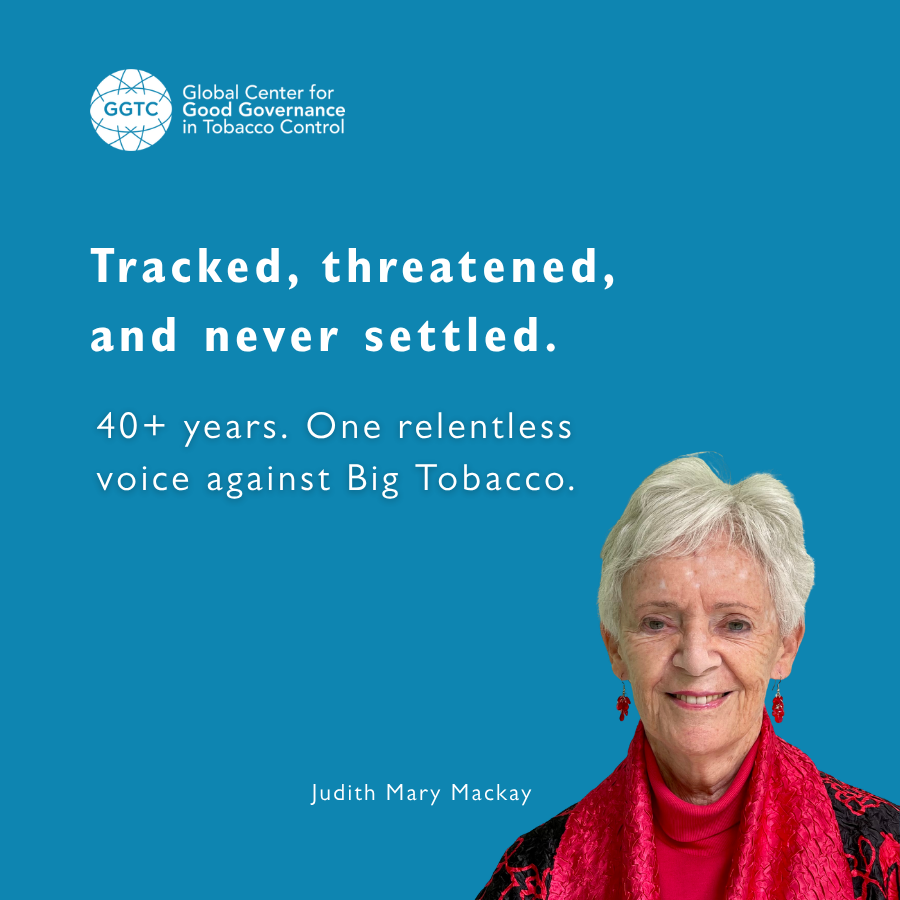
Big Tobacco profits. Society pays. In her latest China Daily article, Judith Mackay calls for a long-overdue shift—holding the tobacco industry financially accountable through compensation funds, levies, and other non-judicial mechanisms grounded in the “polluter pays” principle. Drawing from global policy developments, the article highlights practical pathways for governments to recover costs and deliver justice—moving from principle to implementation. These ideas were also central to discussions in the recent tobacco industry liability webinar moderated by Dr. Mackay. 🔗 Read more: #A-tobacco-compensation-fund-is-long-overdue-2026-04-22" target="_blank" rel="nofollow noopener">chinadailyhk.com/hk/article/632… #MakeTIPay #WHOFCTC #Article19 #TobaccoLiability #PolluterPays @taiqiwoman
GGTC tweet media
English
0
0
1
383
GGTC
GGTC@TheGGTC·
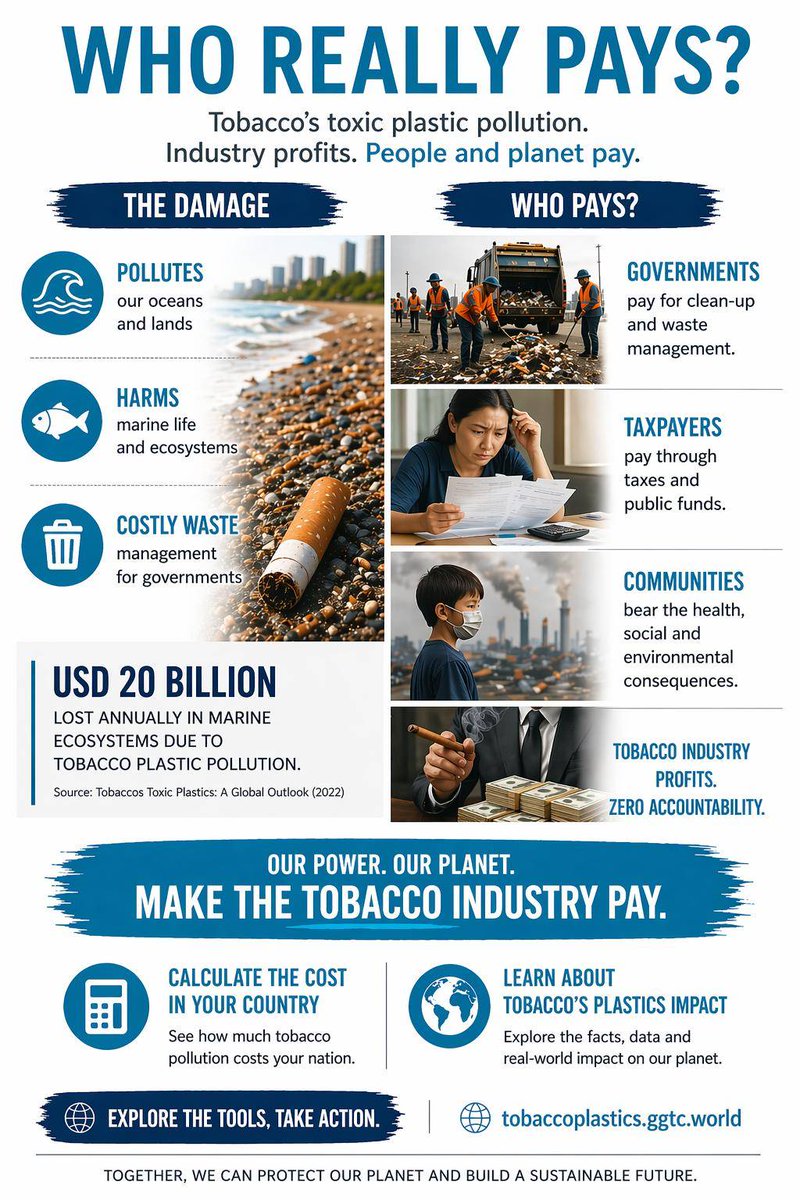
This Earth Day, the message is clear: Our Power. Our Planet. But protecting our planet means holding polluters accountable—not partnering with them. Tobacco’s toxic plastics are among the most pervasive forms of pollution. Cigarette filters—made of plastic—are the most littered item on the planet, releasing toxic chemicals into our ecosystems and costing governments millions in clean-up. And yet, the industry continues to evade responsibility. At GGTC, we are changing that. 🔎 Explore the Environmental Cost Calculator. Quantify the cost of tobacco’s plastic pollution in your country Because our collective advocacy has power—and it’s time the tobacco industry pays for the damage it causes. 🔗 tobaccoplastics.ggtc.world #EarthDay2026 #OurPowerOurPlanet #MakePollutersPay #TobaccoLiability #SavePlanetFromTobacco
GGTC tweet media
English
0
0
0
46
GGTC
GGTC@TheGGTC·
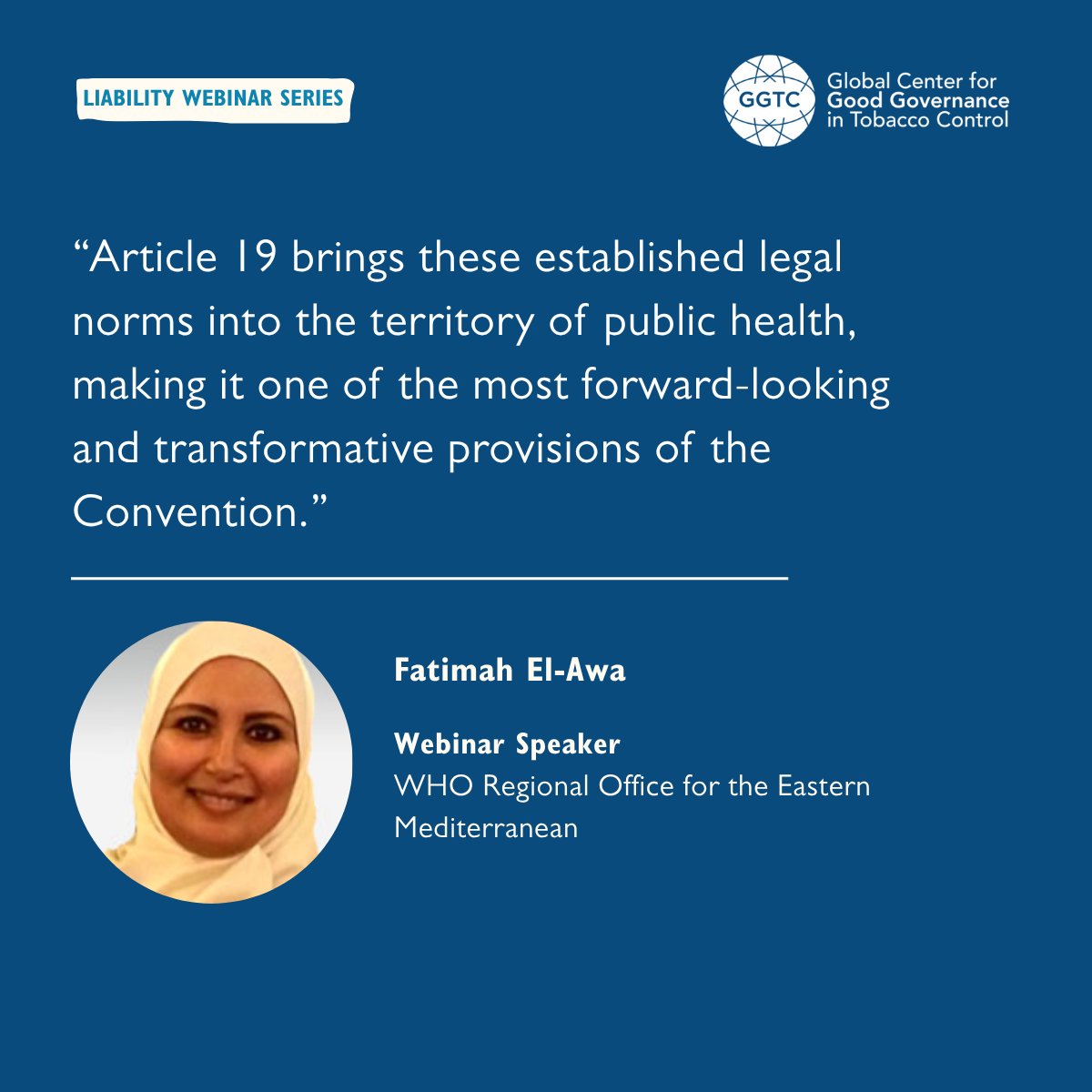
Liability and accountability are well-established legal principles—Article 19 brings them into public health. Realizing its full potential requires coordinated action across governments, legislators, civil society, and the judiciary. Highlighting the forward-looking importance of Article 19 in addressing emerging challenges, including new nicotine products targeting younger populations, Fatimah stressed the need for stronger legal preparedness, cross-sectoral capacity, and global collaboration to advance implementation. Making tobacco pay starts now. Visit tobaccoliability.ggtc.world to learn more #Tobaccoliability #Tobaccocontrol #WHOFCTC #Article19 #MakeTobaccoPay @WHOEMRO
GGTC tweet media
English
0
0
0
34
GGTC
GGTC@TheGGTC·
Tobacco industry liability is not abstract—it can be measured. Discussing Thailand’s tobacco surcharge model, Viroj noted that true cost of tobacco liability can be estimated by combining national health expenditure on tobacco-related diseases with losses in productivity and economic growth. This provides a clear basis for determining what the industry should be liable to pay. As discussed, advancing this work requires political commitment, cross-sector collaboration, and careful use of existing legal frameworks to implement Article 19. Access detailed resources on calculating tobacco industry liability at: tobaccoliability.ggtc.world #Tobaccoliability #Tobaccocontrol #WHOFCTC #Article19 #MakeTobaccoPay
GGTC tweet media
English
0
0
0
46
GGTC
GGTC@TheGGTC·
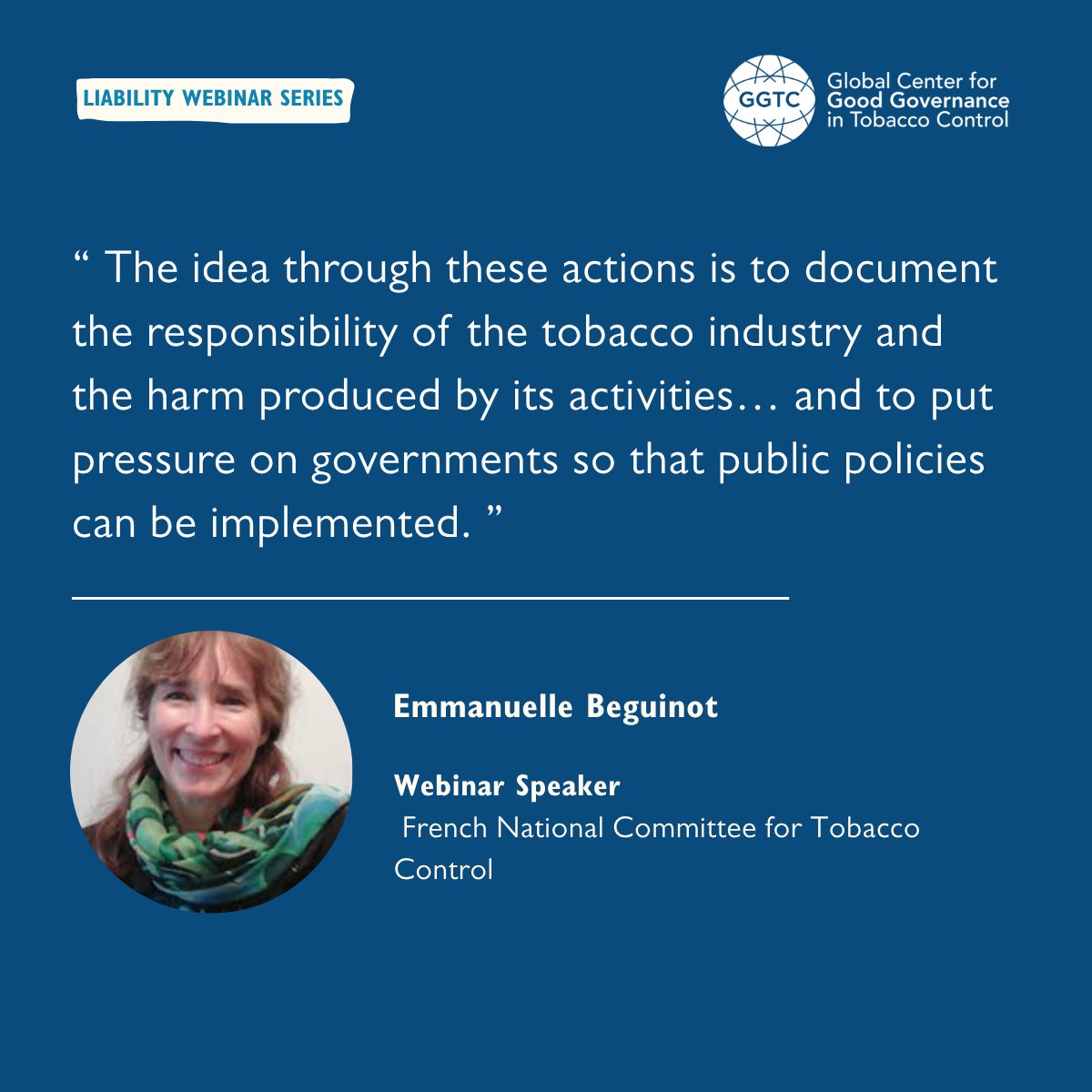
Civil society plays a critical role in advancing tobacco industry liability. From documenting harms and exposing industry tactics to working with journalists and partners, NGOs can help build pressure for stronger public policies and accountability. For example, in France, civil society-led cases have secured financial accountability from tobacco companies, demonstrating that liability does not depend solely on government action. These efforts help document harm, expose industry practices, and apply pressure for stronger enforcement and accountability. The webinar recap can be accessed at bit.ly/4bUAWo5 #Tobaccoliability #Tobaccocontrol #WHOFCTC #Article19 #MakeTobaccoPay
GGTC tweet media
English
0
1
4
90
GGTC
GGTC@TheGGTC·
Advancing tobacco industry liability requires moving beyond courtroom-based approaches. As highlighted by Dr. Swasti Sharan, countries can expand their actions beyond litigation by leveraging existing systems across sectors. In India, this has been demonstrated through a whole-of-government approach—integrating tobacco-related harms into environmental governance. Actions by institutions such as the National Green Tribunal and pollution control authorities have enabled tobacco waste to be recognised as an environmental concern, opening new entry points for liability. This reflects a practical pathway for implementing Article 19 of the WHO FCTC: using existing administrative systems, reframing harm beyond health, and expanding the scope of accountability. The webinar recap can be accessed at bit.ly/4bUAWo5 #Tobaccoliability #Tobaccocontrol #WHOFCTC #Article19 #MakeTobaccoPay
English
0
0
1
38
GGTC
GGTC@TheGGTC·
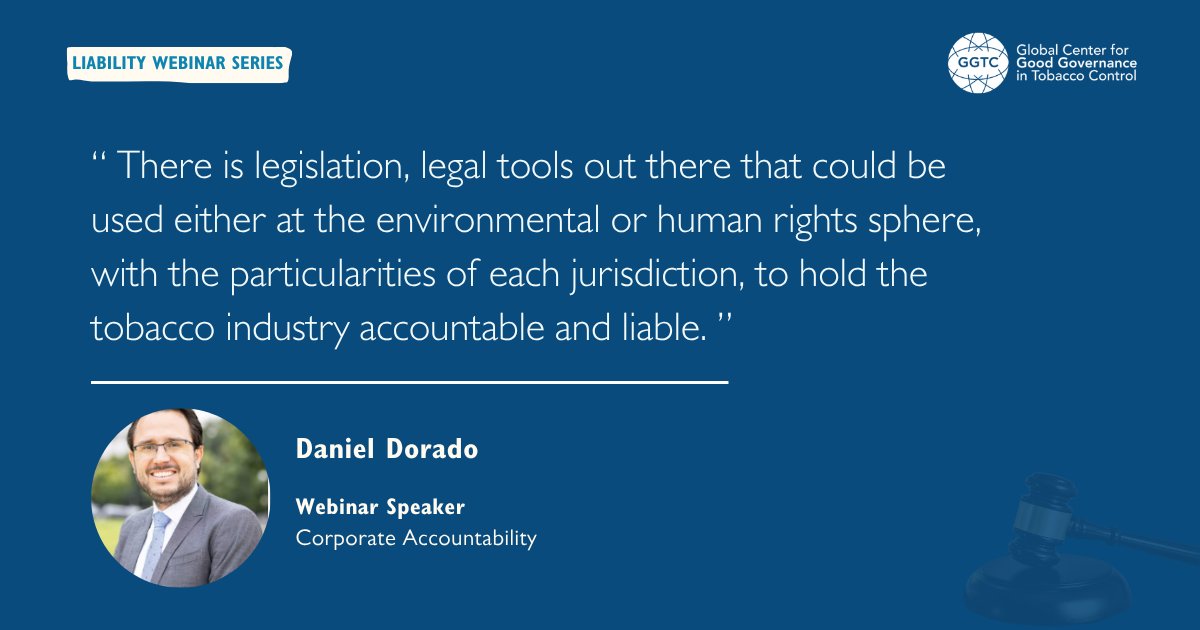
Existing legal frameworks already provide pathways to advance tobacco industry liability. As highlighted by Daniel, environmental and human rights mechanisms can be used to hold the tobacco industry accountable for the harms it causes. Across jurisdictions, legal tools exist to address violations related to environmental damage—including tobacco product waste—as well as human rights impacts, such as the right to health, life, and a healthy environment. Recent developments at the Conference of the Parties have further strengthened recognition of these approaches. Leveraging these existing mechanisms can support countries in advancing liability through administrative and non-judicial pathways, in line with Article 19 of the WHO FCTC. Find out more about these mechanisms at tobaccoliability.ggtc.world #Tobaccoliability #Tobaccocontrol #WHOFCTC #Article19 #MakeTobaccoPay @StopCorpAbuse
GGTC tweet media
English
0
2
3
184
GGTC
GGTC@TheGGTC·
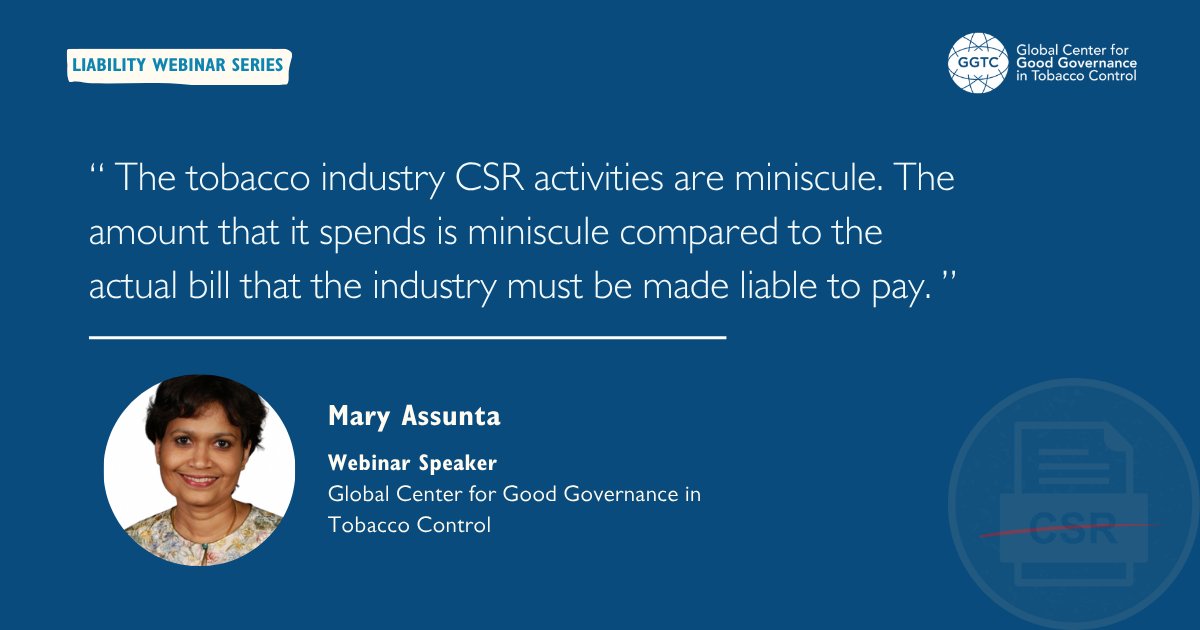
Tobacco industry CSR is not accountability—it is greenwashing. As highlighted by Mary Assunta, penalties for violations—including those linked to sponsorships and so-called CSR activities—are often negligible compared to the scale and reach of transnational tobacco companies. Despite widespread bans, the industry continues to use CSR as a tool for visibility and influence—often with little to no consequence. These activities not only function as greenwashing but can also undermine enforcement when endorsed or tolerated at high levels. Strengthening administrative measures—including effective, proportionate, and dissuasive penalties—is critical to ensuring that CSR violations are met with real accountability. Learn more about tobacco CSR and greenwashing at globaltobaccoindex.org/greenwashing #Tobaccoliability #Tobaccocontrol #WHOFCTC #Article19 #MakeTobaccoPay
GGTC tweet media
English
0
2
4
100
GGTC
GGTC@TheGGTC·
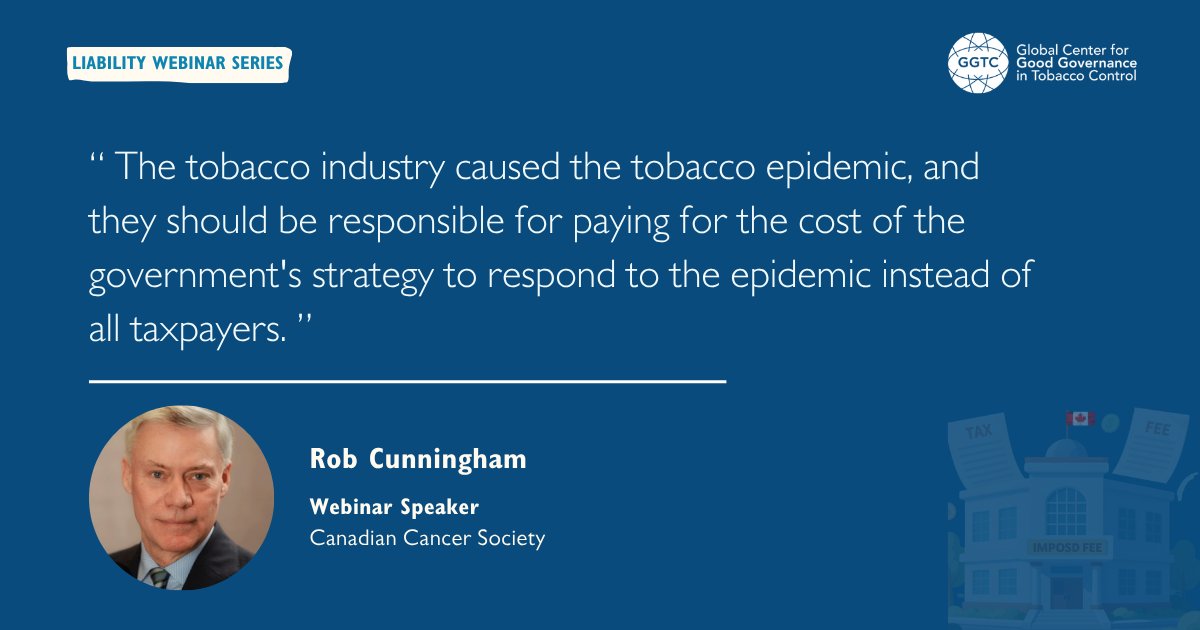
Canada shows that making the tobacco industry pay is not theoretical—it is already happening. As highlighted by Rob, Canada has introduced a tobacco manufacturer cost recovery fee that requires companies to reimburse the government for the annual costs of its national tobacco control strategy. It's not an earmarked tax, but a fee. Grounded in polluter pays principle: instead of taxpayers bearing the burden, tobacco companies are required to cover the costs of responding to the harms they cause. The fee is calculated based on each company’s market share and applies across all tobacco products. Importantly, this approach demonstrates that liability can be implemented through non-judicial mechanisms—offering a practical pathway for countries to recover costs and strengthen accountability. Learn more about Canada's liability mechanism at bit.ly/4bUAWo5 #MakeTobaccoPay #FCTC #Article19 #TobaccoControl
GGTC tweet media
English
0
1
1
68
GGTC
GGTC@TheGGTC·
The continued failure to impose effective liability allows the tobacco industry to expand harm with impunity. As highlighted by Debby, Article 19 of the WHO FCTC provides a clear legal basis for holding the tobacco industry accountable—not only through litigation, but through administrative and other non-judicial measures. COP10 and COP11 have called on Parties to apply the highest standards in liability, including effective, proportionate, and dissuasive sanctions, as well as cost recovery measures that reflect the full scale of harm across sectors. Yet in practice, penalties and charges remain largely symbolic, while the industry continues to evade accountability and introduce new products targeting young people. Strengthening administrative liability frameworks—aligned with Article 5.3 and Article 19—is essential to ensure that the tobacco industry is held responsible and made to pay for the damage it causes. 🎥 The full webinar, along with key resources on Article 19 and non-judicial liability mechanisms, is available upon request. bit.ly/4bUAWo5 #MakeTobaccoPay #FCTC #Article19 #TobaccoControl
GGTC tweet media
English
0
0
1
50
GGTC
GGTC@TheGGTC·
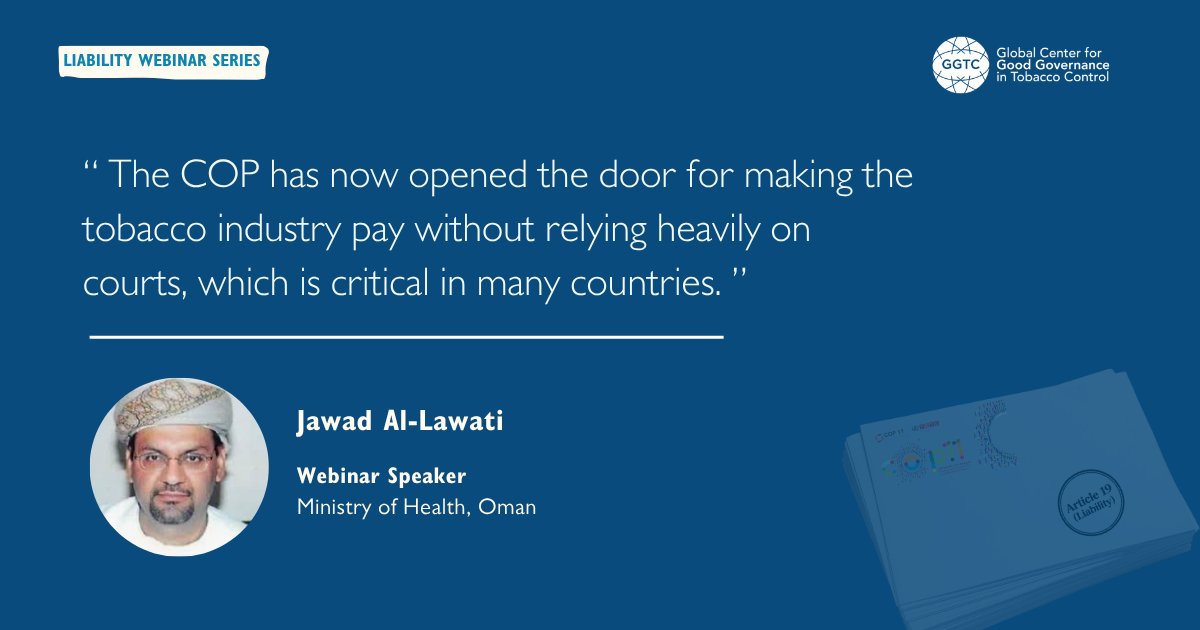
A significant shift is underway in advancing tobacco industry liability. As highlighted by Jawad, decisions at COP11 have created new pathways for holding the tobacco industry accountable—beyond complex and often inaccessible court-based litigation. This includes progress toward administrative and cost-recovery measures that can support countries, particularly low- and middle-income settings, in making the industry pay for the harm it causes. 📷 Key resources on advancing tobacco industry liability are available at tobaccoliability.ggtc.world #MakeTobaccoPay #FCTC #Article19 #TobaccoControl
GGTC tweet media
English
0
0
1
55
GGTC
GGTC@TheGGTC·
@taiqiwoman highlights a fundamental imbalance at the heart of the #tobaccoepidemic. While the tobacco industry generates enormous profits, the costs—health, environmental, social, and economic—are borne by individuals, families, employers, and governments. She further emphasized that pursuing #liability through litigation remains costly, complex, and often inaccessible—particularly in low- and middle-income countries. This underscores the need to shift toward more practical, non-judicial approaches, including administrative sanctions, levies, and cost recovery mechanisms that can both deter harm and support compensation. 🎥The full webinar, along with key resources on advancing tobacco industry liability, is available upon request. bit.ly/4bUAWo5 #Tobaccoliability #Tobaccocontrol #WHOFCTC #Article19 #MakeTobaccoPay
English
0
0
0
15
GGTC
GGTC@TheGGTC·
@taiqiwoman highlights a fundamental imbalance at the heart of the #tobaccoepidemic. While the #tobaccoindustry generates enormous profits, the costs—health, environmental, social, and economic—are borne by individuals, families, employers, and governments. She further emphasized that pursuing #liability through litigation remains costly, complex, and often inaccessible—particularly in low- and middle-income countries. This underscores the need to shift toward more practical, non-judicial approaches, including administrative sanctions, levies, and cost recovery mechanisms that can both deter harm and support compensation. 🎥The full webinar, along with key resources on advancing tobacco industry liability, is available upon request. bit.ly/4bUAWo5 #WHOFCTC #TobaccoLiability #Tobaccocontrol
English
0
0
0
20
GGTC
GGTC@TheGGTC·
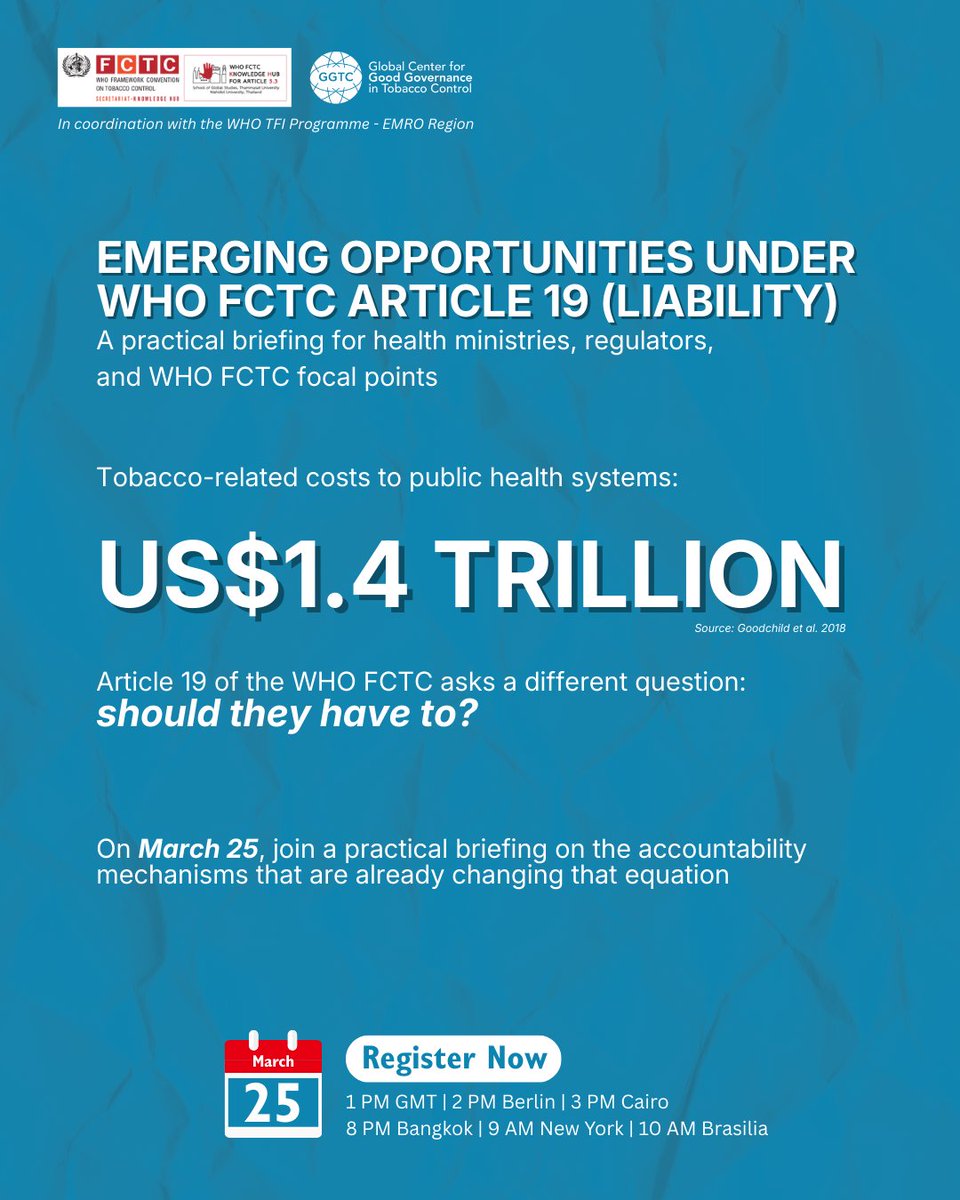
A distinguished panel of experts and practitioners will come together on 25 March to discuss emerging opportunities for the health sector under WHO FCTC Article 19. Bringing perspectives from global health, government, academia, civil society, and accountability advocacy, this briefing will offer a grounded discussion on how liability can be better understood and advanced in practice. Interpretation in Spanish and French are available. Register here: ggtc.world/actions/webina… #MakeTobaccoPay #FCTC #Article19 #TobaccoControl
GGTC tweet media
English
0
0
3
43
GGTC
GGTC@TheGGTC·
Looking at how other countries approach accountability can clarify what’s possible and what isn’t. During the discussion, we will take a closer look at the Canadian experience and what it tells us about designing cost recovery mechanisms in practice. If you’re considering similar approaches, this session will be useful. Register now to join: ggtc.world/actions/webina… #MakeTobaccoPay #FCTC #Article19 #TobaccoControl @FCTCofficial
GGTC tweet media
English
0
0
0
25
GGTC
GGTC@TheGGTC·
We already know the scale of harm. The question is how governments can respond in ways that go beyond absorbing the costs. This session looks at how Article 19 can support more structured accountability, particularly on cost recovery and environmental impacts. If this is part of your policy discussions, join us. Register here: ggtc.world/actions/webina… #MakeTobaccoPay #FCTC #Article19 #TobaccoControl @FCTCofficial
GGTC tweet media
English
0
2
3
81