Sabitlenmiş Tweet
63.3K posts

@the_anke
mum to Anna @garblefart, the guardian angel of the bastion of the Turbofish. She/her. Also now working again, learning and using UX Design skills
Rostock Katılım Kasım 2008
3.1K Takip Edilen3.5K Takipçiler
[email protected] retweetledi

She kept finding women in laboratory photographs from the 1800s. Then she read the published papers—and every single woman had vanished. Someone had erased them from history.
Yale University, 1969.
Margaret Rossiter was a graduate student studying the history of science. She was one of very few women in her program.
Every Friday afternoon, students and faculty gathered for beers and informal conversation. One week, Margaret asked a simple question: "Were there ever any women scientists?"
The faculty answered firmly: No.
Someone mentioned Marie Curie. The group dismissed it—her husband Pierre really deserved the credit.
Margaret didn't argue. But she also didn't believe them.
So she started looking.
She found a reference book called "American Men of Science"—essentially a Who's Who of scientific achievement. Despite the title, she was shocked to discover it contained entries about women. Botanists trained at Wellesley. Geologists from Vermont.
There were names. There were credentials. There were careers.
The professors had been wrong.
But Margaret's discovery was just the beginning. Because as she dug deeper into archives across the country, she found something far more disturbing.
Photograph after photograph showed women standing at laboratory benches, working with equipment, listed on research teams.
But when she read the published papers, the award citations, the official histories—those same women had disappeared. Their names were missing. Their contributions erased.
It wasn't random. It was systematic.
Women who designed experiments watched male colleagues publish results without giving them credit. Women whose discoveries were assigned to supervisors. Women listed in acknowledgments instead of as authors. Women passed over for awards that went to male collaborators who contributed far less.
Margaret realized she was witnessing a pattern that stretched across centuries.
Women had always been present in science. The record had simply pushed them aside.
She needed a name for what she was documenting.
In the early 1990s, she found it in the work of Matilda Joslyn Gage—a 19th-century suffragist who had written about this exact phenomenon in 1870.
In 1993, Margaret published a paper formally naming it: The Matilda Effect.
The term captured something that had been hidden in plain sight for generations. Once you knew the term, you saw it everywhere.
Her dissertation became a lifelong mission.
For more than 30 years, Margaret researched and wrote her landmark three-volume series: Women Scientists in America. She examined letters, institutional policies, individual careers. She gathered undeniable evidence that women in science had been consistently under-credited and structurally excluded.
Her work faced resistance. Many dismissed women's history as political rather than academic. Others insisted she was exaggerating.
Margaret didn't argue emotionally. She presented data. Documented cases. Patterns repeated across decades and institutions.
Eventually, the evidence became undeniable.
Her research helped restore recognition to scientists who had been erased:
Rosalind Franklin, whose X-ray work revealed DNA's structure—credit went to Watson and Crick.
Lise Meitner, who explained nuclear fission—omitted from the Nobel Prize.
Nettie Stevens, who discovered sex chromosomes—received little credit.
Cecilia Payne-Gaposchkin, who discovered stars are made of hydrogen—initially dismissed.
And countless others whose names had nearly vanished.
Margaret changed the narrative. Science was no longer just the story of solitary male geniuses. It became a story of collaboration that included women who had been written out.
The Matilda Effect became standard terminology. Scholars used it to examine how credit is assigned, how authors are listed, who receives awards, who gets left out.
English
Is there a reason the @guardian does not call the German tabloid BILD a tabloid in this article on the Axel Springer bid for the Daily Telegraph? I find the phrase "mass-market newspaper" at least questionable. (Also, hello Twitter, I miss you) theguardian.com/media/2026/mar…
English
[email protected] retweetledi

Was wir für unsere @zdf Doku “ Gefährliche Verbindungen - Trump und seine Geschäftspartner” schon 2016 recherchiert hatten wird jetzt anscheinend durch die #Epsteinfiles bestätigt. Niemand wollte den Fakten damals glauben. 10 Jahre kollektives Wegschauen. Frustrating!
Mykhaïlo Golub@golub
Jeffrey Epstein explained how Donald Trump was a front for Russian money laundering:
Deutsch
[email protected] retweetledi

genuinely is wild seeing every single left wing political theory being proven absolutely right over the space of a few days.
English
So this week I got to an agreement to make Collaboration part of the Business Capabilities in my 11K+ organisation. I am now calling what I do Collaboration Architecture. Nice.

English
I celebrated samhain by opening up my Anna's archives that I have not managed to look into. I have a full archive of her 60K+ tweets and am assembling those that meaningfully represent who she was. All the links still work and some of time images. I am honestly grateful to Elon.
English
[email protected] retweetledi
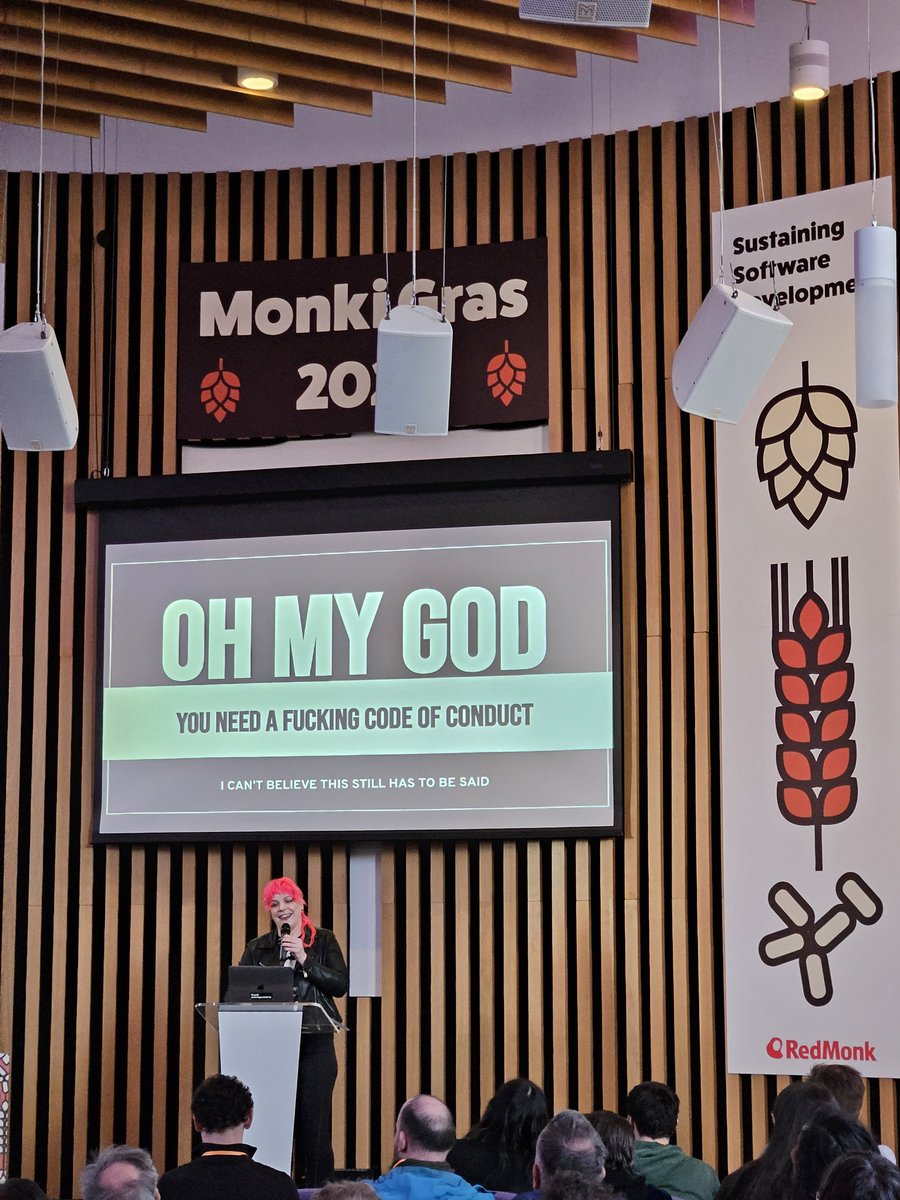
Oh my god, you need a fucking Code of Conduct. I can't believe this still has to be said #monkigras
English
[email protected] retweetledi


Gerade einen Film- und Fernsehalmanach aus der DDR gefunden. Gedruckt 1987. ‚Grablegung des Westens‘ hat mich amüsiert. Mitgenommene hab ich es aber wegen dem jungen Ulrich Mühe auf dem Einband (als Hölderlin im DEFA Film Hälfte des Lebens)

Deutsch
[email protected] retweetledi

Oh I don't know, I think that territory is actually very well charted

English
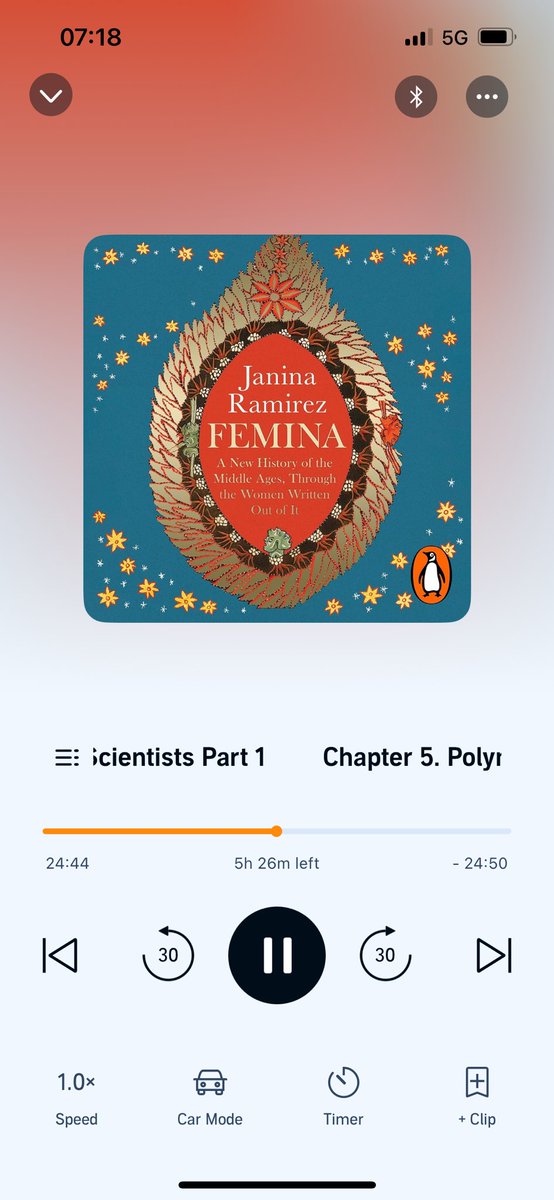
I #ThankTwitter for letting me follow the wonderful @DrJaninaRamirez whose book Femina I am listening to and loving a lot
English
[email protected] retweetledi

That growing intersection between social media and national security. Investigation by WIRED:
David Gilbert@daithaigilbert
SCOOP: TikTok's algorithm helped promote the extremist Alternative for Germany party to younger voters ahead of the EU elections wired.com/story/tiktok-g…
English
[email protected] retweetledi
Where would a registered Republican ever get such a heinous idea as to carry out a political assassination?
Oh.
PatriotTakes 🇺🇸@patriottakes
5 months ago, Alex Jones and InfoWars guest Ivan Raiklin discussed how assassinating Trump would be beneficial, according to them, because it would lead to retaliatory “in kind” assassinations of a “deep state” list which includes President Joe Biden. Ivan Raiklin: “If they [assassinate Trump], option 2, behind Trump, is going to be so much better for us and so much worse them.” Alex Jones: “I was about as to say, If they kill him, that’s best case scenario from a sick level. From a sick level medium, ‘Oh, please kill him.’ I mean, it’s so good after that.” Raiklin: “Oh, it’s going to be the best cleansing and the fastest cleansing that we’ve ever seen in my lifetime. I guaran—, I access, with almost certainty, with the highest level of confidence, that if they assassinate Trump, it is so game over for them.”
English
I bought a new domain! I am building a website on github! Installing Ruby as we speak!
I've built websites writing html before but the internet and web tech has changed a lot since. I bowed out when I could not get CSS. We shall see.
English
[email protected] retweetledi
JULIAN ASSANGE IS FREE
Julian Assange is free. He left Belmarsh maximum security prison on the morning of 24 June, after having spent 1901 days there. He was granted bail by the High Court in London and was released at Stansted airport during the afternoon, where he boarded a plane and departed the UK.
This is the result of a global campaign that spanned grass-roots organisers, press freedom campaigners, legislators and leaders from across the political spectrum, all the way to the United Nations. This created the space for a long period of negotiations with the US Department of Justice, leading to a deal that has not yet been formally finalised. We will provide more information as soon as possible.
After more than five years in a 2x3 metre cell, isolated 23 hours a day, he will soon reunite with his wife Stella Assange, and their children, who have only known their father from behind bars.
WikiLeaks published groundbreaking stories of government corruption and human rights abuses, holding the powerful accountable for their actions. As editor-in-chief, Julian paid severely for these principles, and for the people's right to know.
As he returns to Australia, we thank all who stood by us, fought for us, and remained utterly committed in the fight for his freedom.
Julian's freedom is our freedom.
[More details to follow]
English
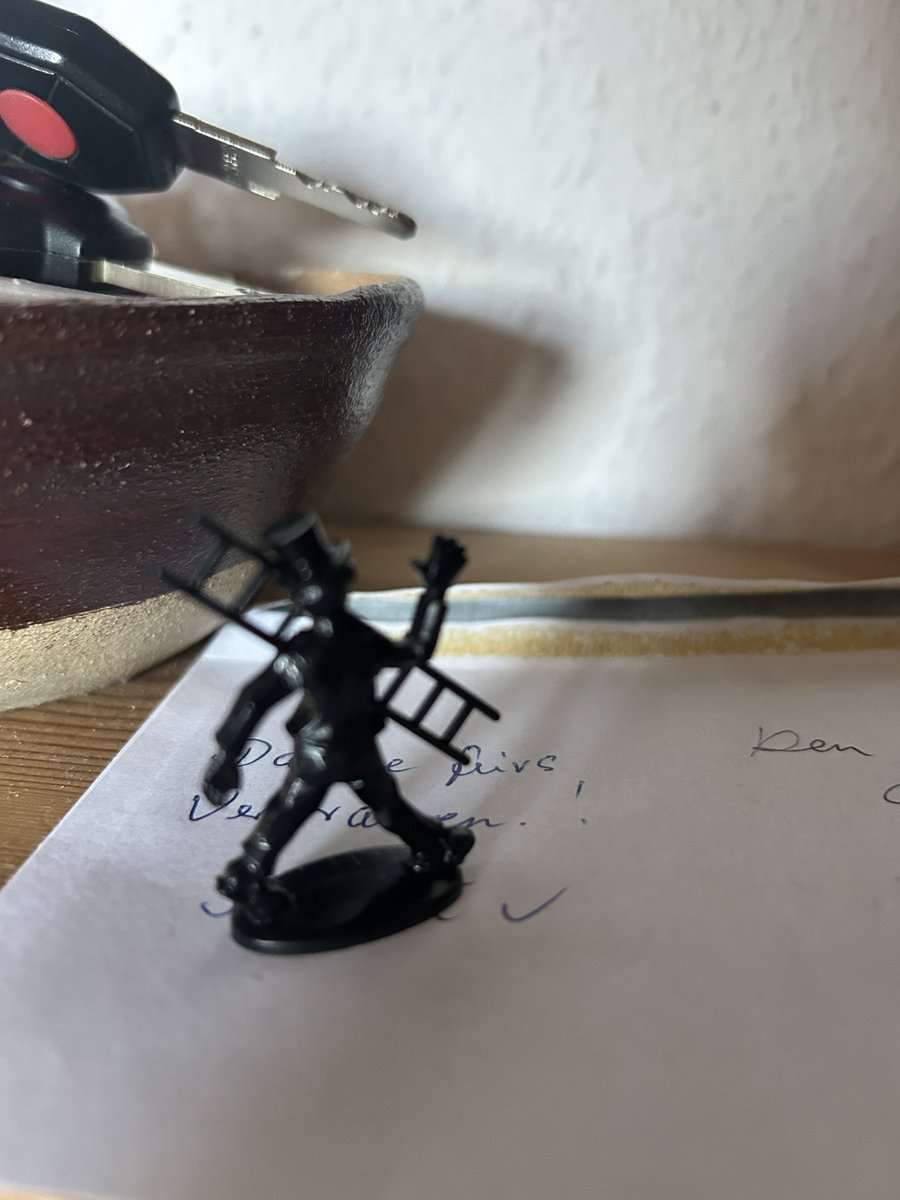
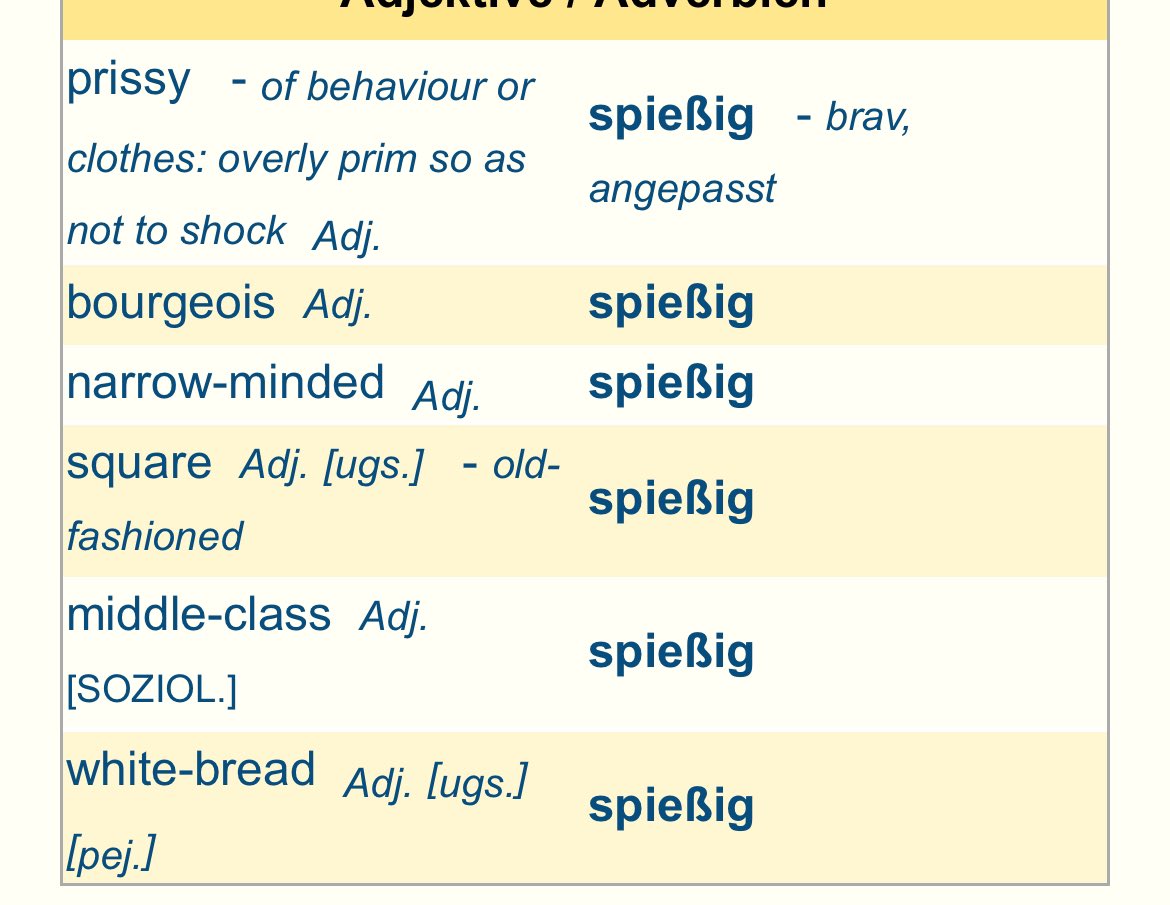
Yesterday: first proper day in the new job (yay!), new commute, chimney sweep visit, then cooked for a friend who called my very cool mid-century style ‘spießig’ and won’t be invited again lol 😄

English
[email protected] retweetledi

When @carolecadwalla published stories about potential links between Brexit and Putin's Russia she was hounded as a mad fantasist.
She was always right.
BBC News (UK)@BBCNews
West provoked Ukraine war, Nigel Farage says bbc.in/3zlreeI
English

[email protected] retweetledi

I think I've asked this before, but can you give me suggestions for films that depict Eastern Europe at the time of the fall of the Eastern Bloc around 89/90/91? I'm trying to organise cinema screenings around 9 November this year.
English