Sabitlenmiş Tweet

Ian Robinson
7.7K posts

@thedodgydriver
The Moving Line OUT NOW; https://t.co/sG3BrFDkjD https://t.co/SFYETTpICW https://t.co/bNPOBxWgtn


Unai Emery: "This achievement is really fantastic." 🙌





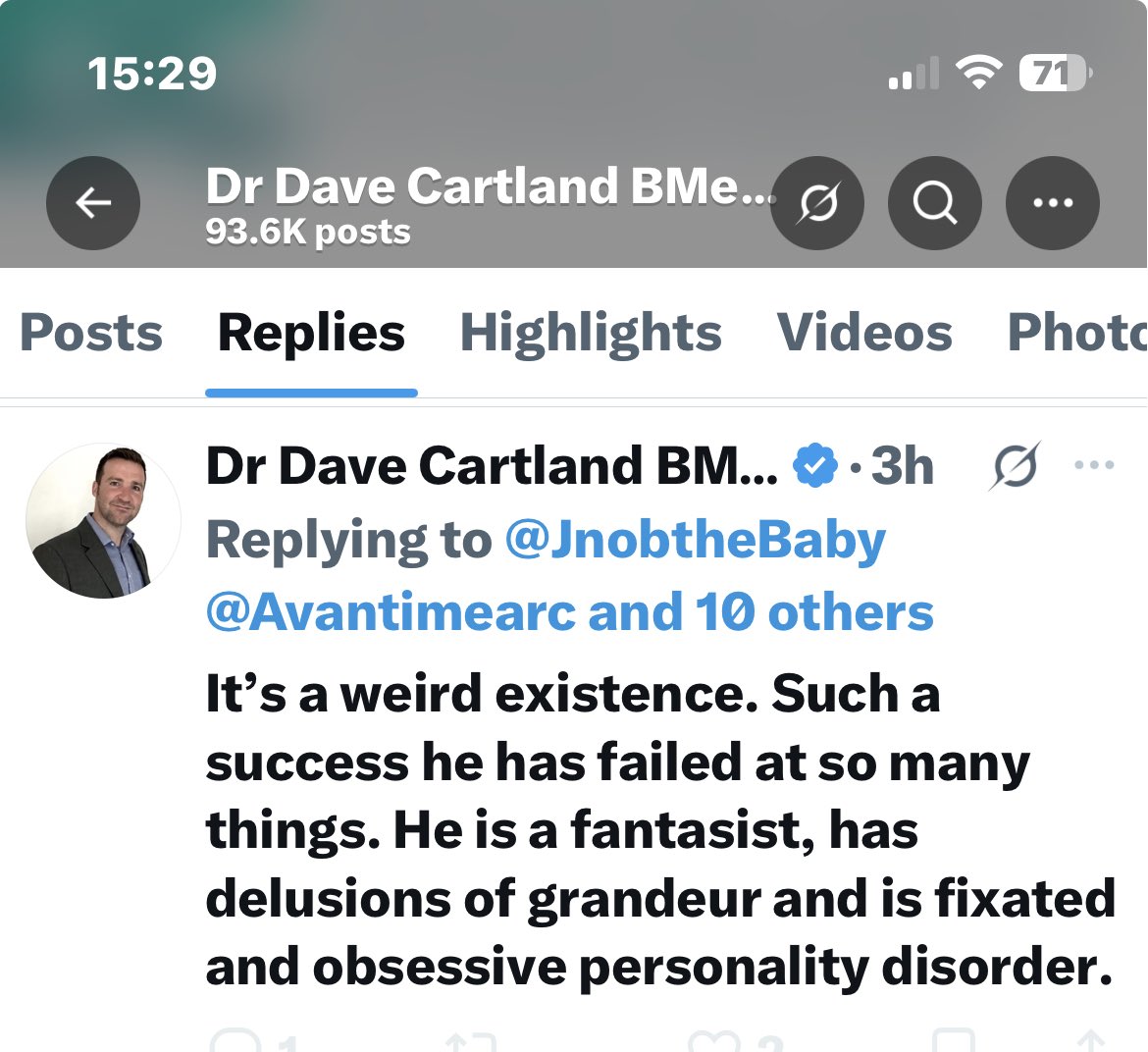


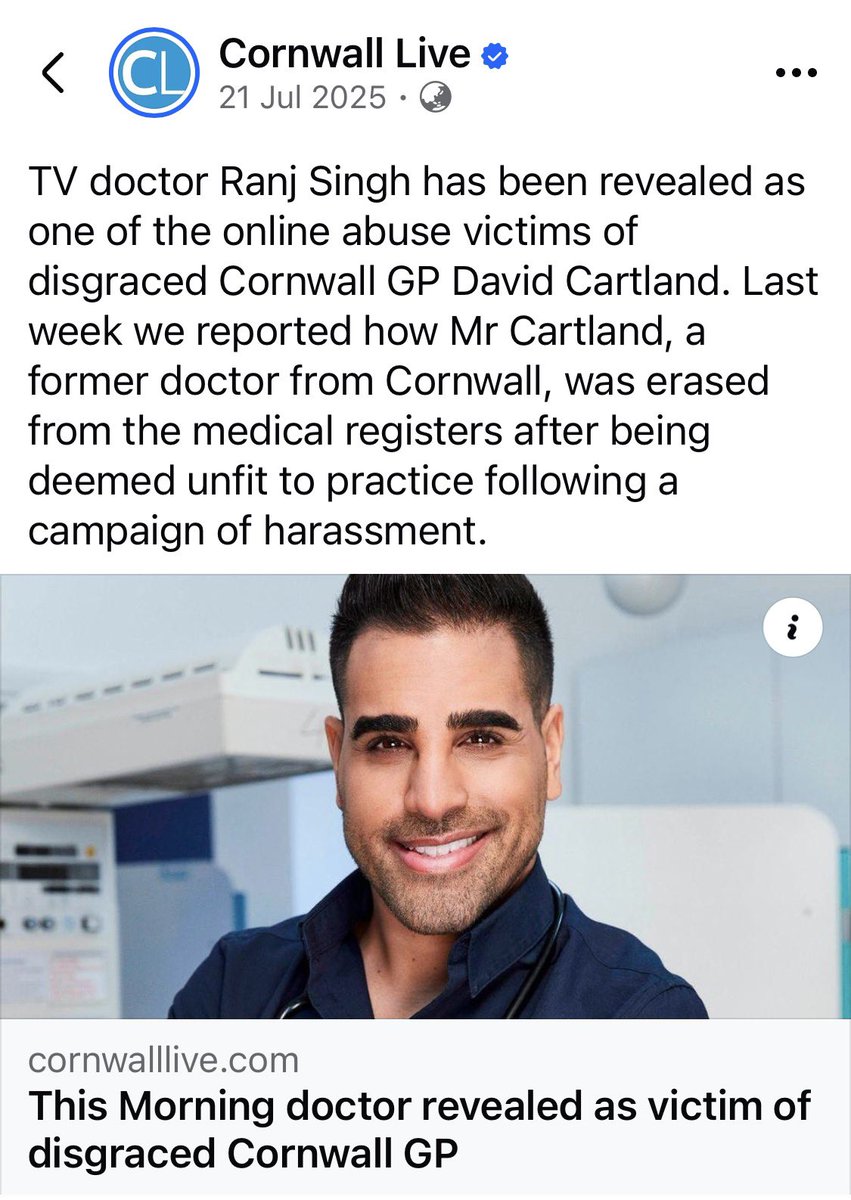
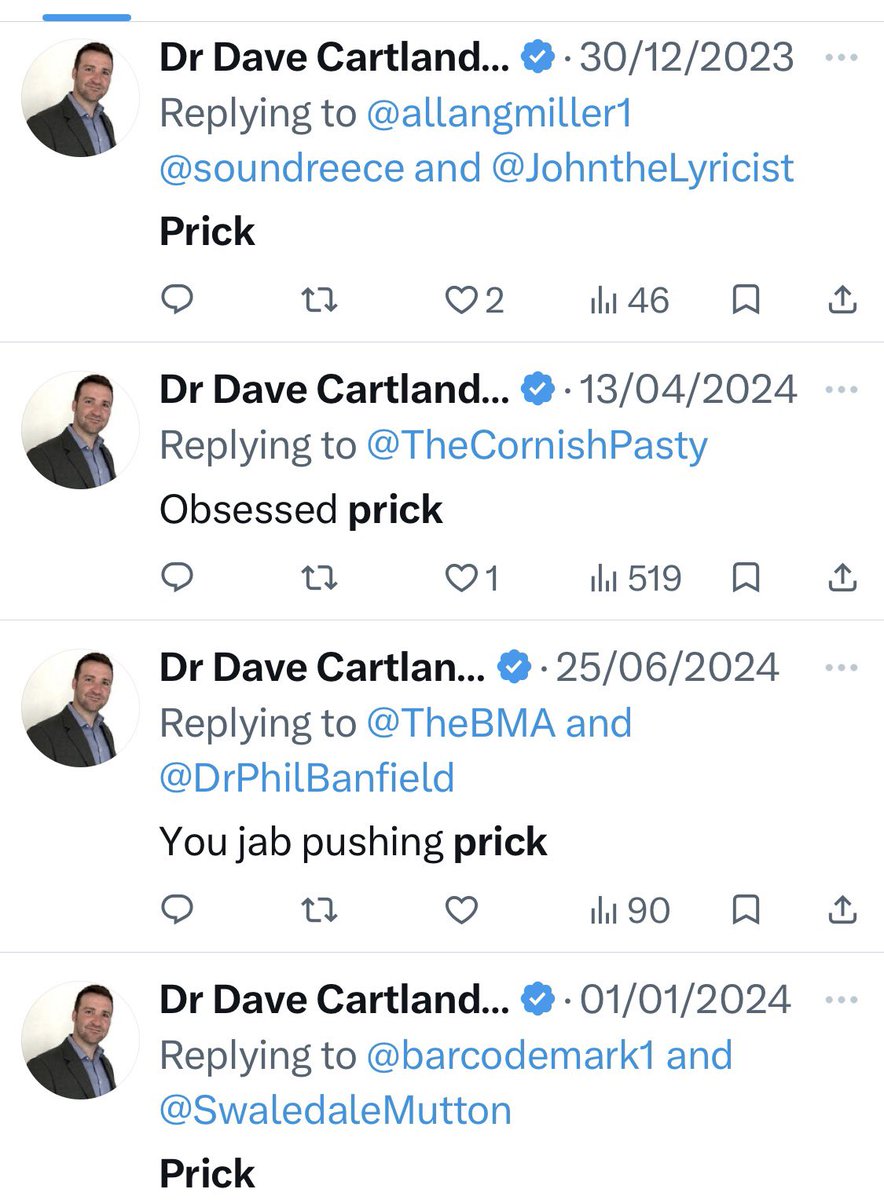
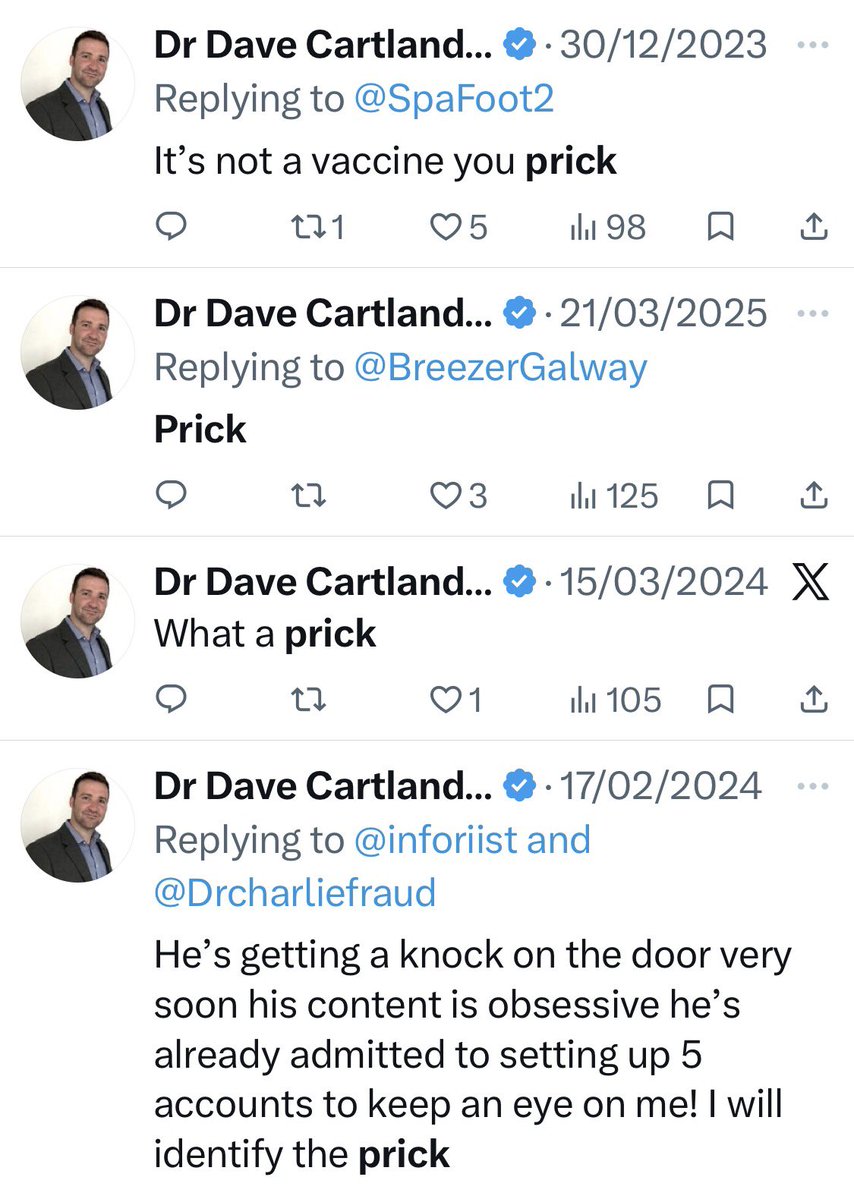
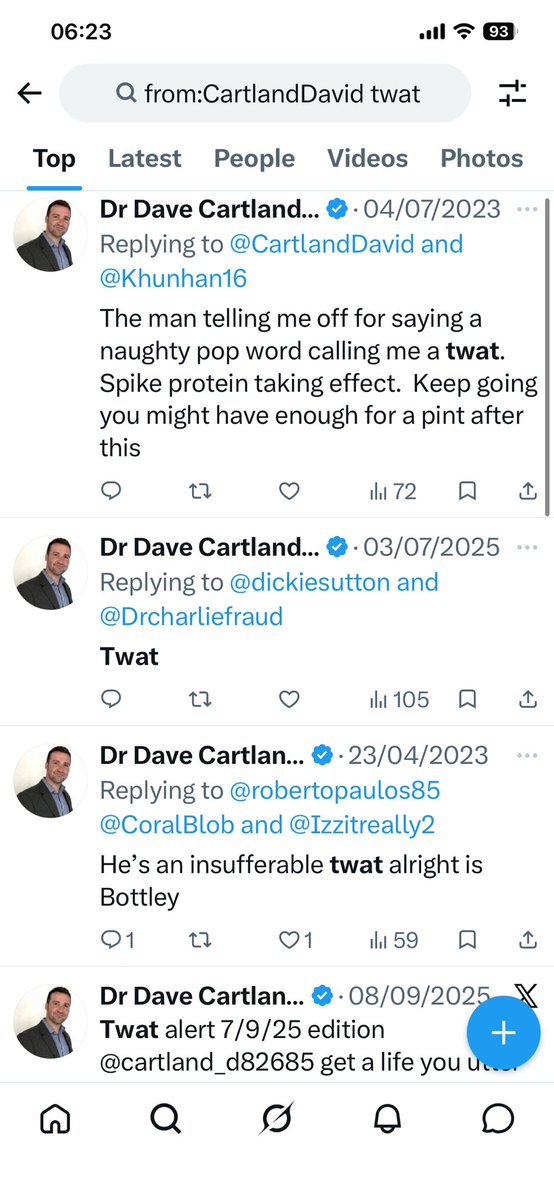
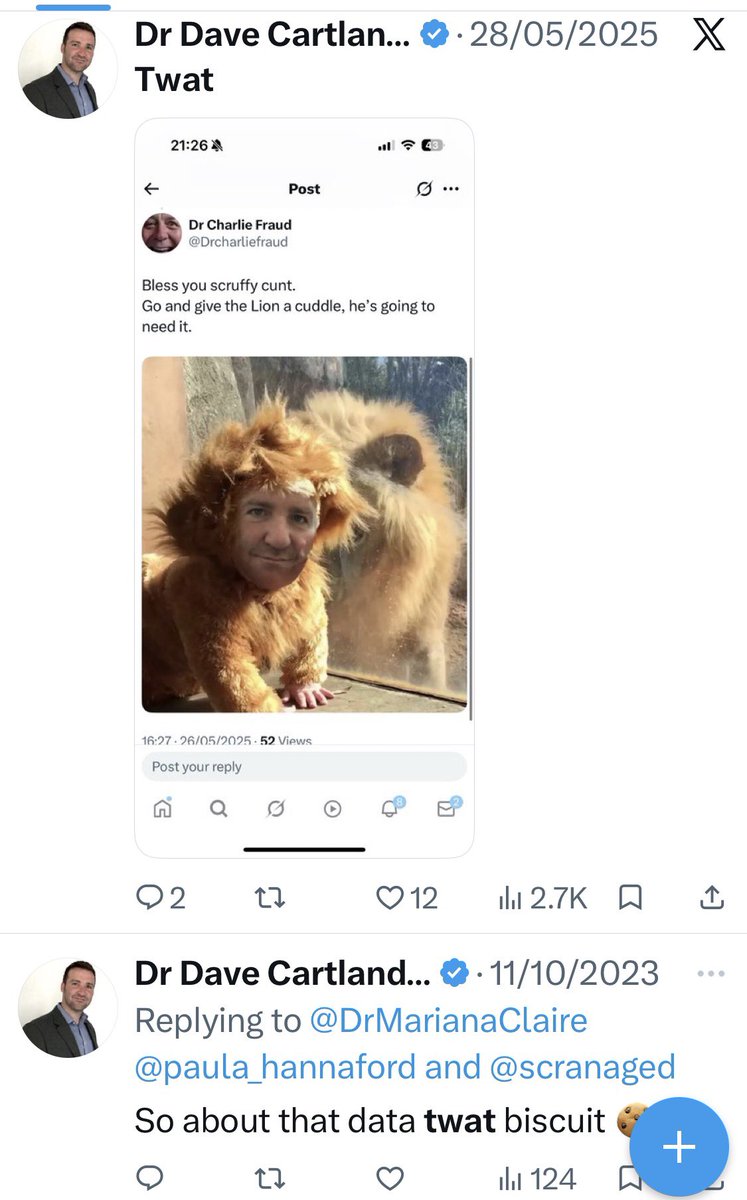
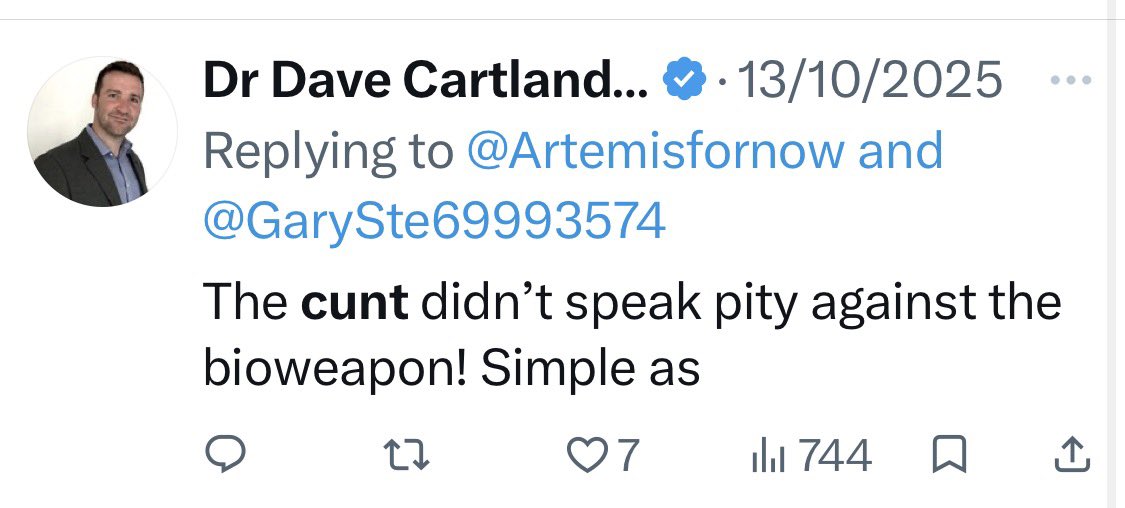
Post 1. @KDenkWrites The Striking-Off of Dr Dave Cartland: A Case Study in Regulatory Overreach, Online Feuds and Selective Journalism When Dr Dave Cartland, a former Cornwall GP with a reputation as a diligent and well-liked clinician, hit “send” on his X account on 15 May 2026, he wasn’t merely sharing another screenshot. He was laying bare what he sees as the latest chapter in a relentless campaign to silence a doctor who dared to question pandemic-era orthodoxies. The email, from journalist Katherine Denkinson writing for iNews, arrived with a tight deadline and five questions framed not as neutral inquiries but as presumptions of guilt. Cartland’s response was swift and combative: he published the full exchange, complete with screenshots, and labelled it a “hit piece” laced with DARVO tactics, deny, attack, reverse victim and offender. To understand why this email matters, one must go back to June 2025. That month the Medical Practitioners Tribunal Service (MPTS) erased Cartland from the medical register after finding 17 allegations of online misconduct proven on the balance of probabilities. The charges centred not on clinical failings or patient harm, the tribunal explicitly noted evidence that he was “a good doctor” respected by patients, but on posts and reposts directed at fellow professionals between 2022 and 2025. He had used pseudonymous accounts, criticised pro-mandate doctors, and, the panel ruled, encouraged followers to contact some of them. Cartland did not fully engage with the hearing; he maintains the process itself was a politicised exercise in narrative enforcement rather than impartial justice. The GMC, critics argue, had become an instrument for punishing dissent rather than safeguarding patients. Fast-forward to May 2026. Denkinson’s email, sent from a ProtonMail account, opened politely enough before pivoting into accusatory territory: 1. Why have you repeatedly shared posts which falsely claim that Ian Robinson… is a criminal, a paedophile, and wanted by the police? 2. Why, when Ian asked you to stop sharing such content, did you tell him to “make [you] an offer?” 3. Why have you repeatedly shared negative content about Janet Wendleken… and falsely claimed that she is corrupt? 4. You asked your followers to identify Ian & Janet then shared posts doxxing their addresses. What were you hoping to achieve? 5. Why have you promoted Andrew Horler’s business despite one of his patients dying… and the chemicals he sells having no proven cancer treating abilities? The loaded phrasing, “falsely claim”, “no interaction prior”, the implication of extortion and doxxing, reveals more about the narrative being advanced than about open journalistic inquiry. A close examination of the public record paints a far more complex picture: a sustained, mutual online conflict that began in the turbulent aftermath of the tribunal and has since escalated into a war of screenshots, police reports and competing claims of victimhood. The Feud: Not a One-Way Street Public X posts show Cartland first referencing Ian Robinson (@thedodgydriver) in October 2025, describing him as “creepy” and linking him, via publicly available Companies House filings, to a string of dissolved or troubled UK businesses (D Media Ltd, Dodgy Drivers Ltd, SocialKind Ltd). By January 2025, direct interaction is documented: an anonymously supplied photograph prompted Cartland to post; Robinson identified himself; and a public exchange followed. No primary posts from Cartland in the searchable record explicitly brand Robinson a “paedophile” or “wanted by police”, though sarcastic commentary on his behaviour and business history is recurrent. Robinson, for his part, has posted extensively about Cartland, dismissing his claims and defending associates.