
Jamyang Jamtsho Wangchuk retweetledi

“The speed of oncoming glacier melt in high-altitude regions is transforming life for people in the mountains,” writes Erin X. Wong (@erinxy) in ‘The Voice from the Mountains’ an essay on ICIMOD in @AtmosMag Volume 09: whose theme is KINSHIP.
“Protecting life in the mountains depends on keeping global temperature rise below 1.5 degrees Celsius above pre-industrial levels… [but] disasters [are] already starting to imperil mountain life today,” propelling “once-hidden mountain communities into the global spotlight”, Wong writes.
These include Wong’s interviewee @icimod glaciologist and founder of #SaveOurSnow Tenzing Chogyal Sherpa (@ten10zing92), whose childhood was intimately intwined with frozen reserves of ice in the mountains. He remembers “making tea with water drawn from reservoirs of melting ice, playing outside in the snow until his face turned red, building snowmen with his brother, and stumbling after monks as they skied expertly down the gentle slopes.
“It was only when Chogyal moved to Kathmandu and studied environmental science that he really saw the stark reality of how global temperature rise was impacting his mountains. ‘My home-town, my way of life, the Sherpa people—they’re all at risk,’ Chogyal tells Wong.
“Mountain communities’ traditional beliefs are in line with science: Changes in the environment are the direct result of pollution and overuse. Returning to a symbiotic relationship with the natural landscape can protect them,” says Chogyal.
“Unlike small island developing states, where sea-level rise impacts the entire country, mountain communities often live in rural, less populous regions of much larger countries, like China or India. They hold no seat at the United Nations, and they may be minorities in their own countries,” writes Wong.
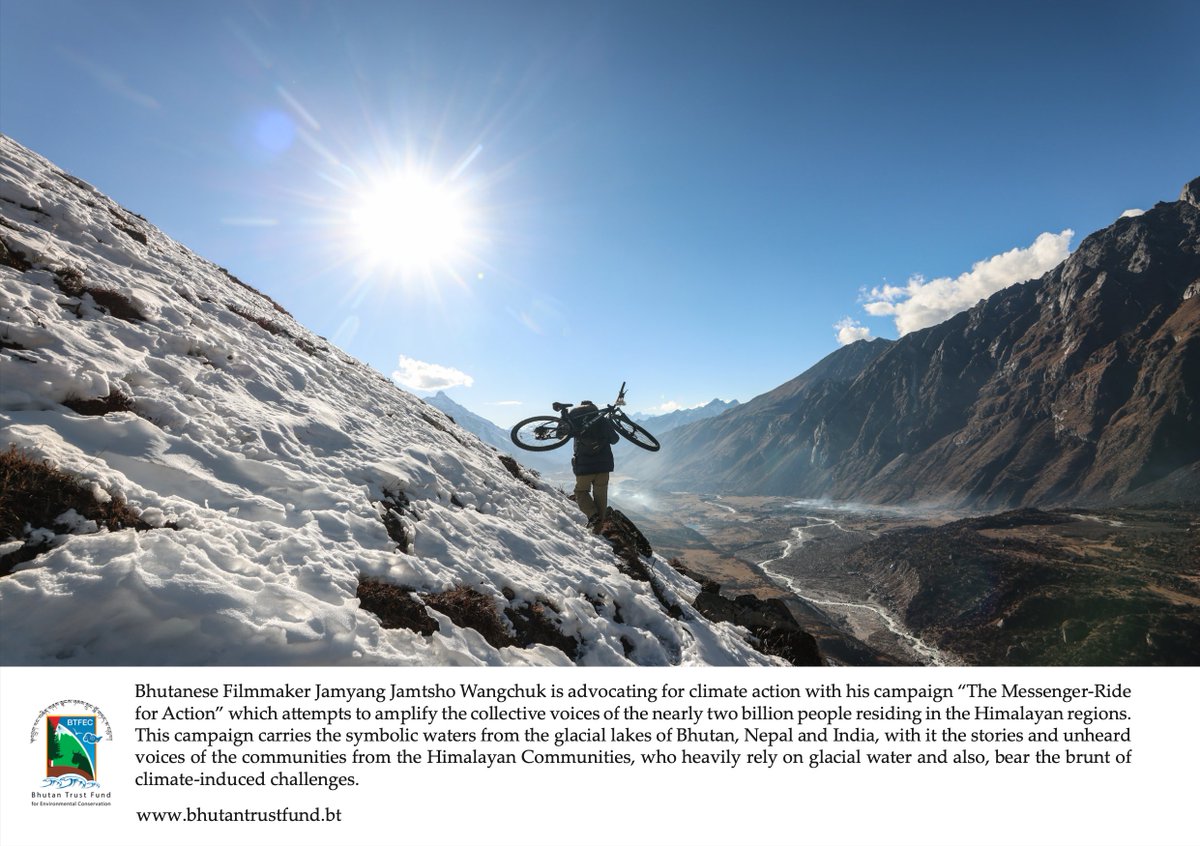
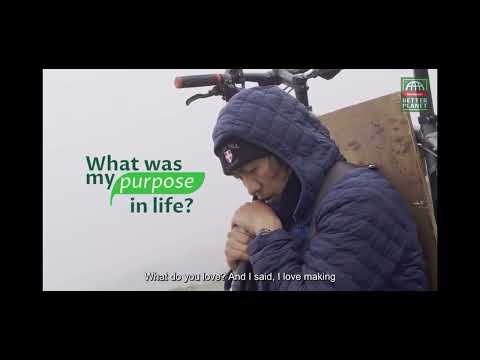
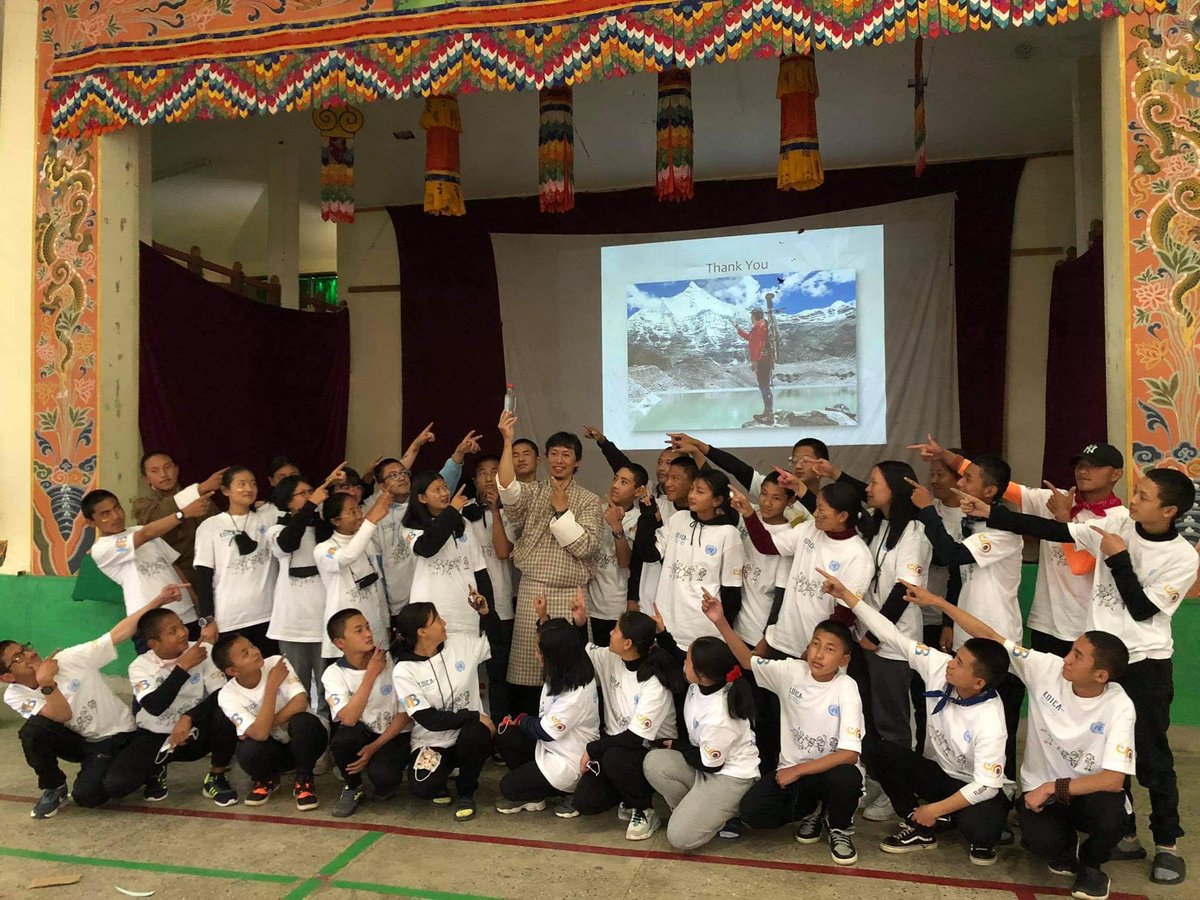
“We’re in a very precarious position,” said Jamyang Jamtsho Wangchuk (@themessengerbt), who cycled from Thimpu to Everest and back to collect meltwater from a glacial lake, then cycled towards COP28 in Dubai, documenting the scars of other climate disasters he saw along the way.
“What we’re now seeing is this diversity of voices coming through—of experiences, of languages, of expertise, and an increase [valuing of] Indigenous and local knowledge,” said Carolina Adler (@drcarolinadler), of Mountain Research Initiative (@MtnResearchMRI).
“Saul Luciano Lliuya, a Peruvian farmer and mountain guide whose family lives below the glacial lake of Palcacocha in 2015 filed a lawsuit against German energy company RWE for its contributions to climate change, arguing that it should help pay for adaptation measures to avoid a future #flood.” The case will continue this year. “As a mountain resident who has chosen to fight for the future of his home, Lliuya has become an icon in climate advocacy.”
Follow SaveOurSnow to fight for the future of homes in the mountains in the Hindu Kush Himalaya: saveoursnow.earth
Read the full article: atmos.earth/the-line-of-sh…
#ClimateChange #Sherpa #Himalayas #Glaciers #SaveOurSnow
English