WG

25.7K posts

WG banner
WG

WG

@thistoomustpass

Politics (BA). Photography (MA). 📷 usually support the underdog 🌑⚪️🌑⚪️

not far from where it started Katılım Ekim 2009
2K Takip Edilen1.2K Takipçiler
WG retweetledi
Clive Lewis MP
Clive Lewis MP@labourlewis·
Westminster may finally be about to have the argument it has spent 40 years avoiding. If Andy Burnham returns to Parliament, the political class will know how to cover it. A leadership drama. Who is up, who is down, whether Keir Starmer can survive, whether Labour is once again turning inward. The familiar machinery of Westminster psychodrama will whirr into life. That framing misses the larger point. Burnham’s possible return matters not because of what it says about Labour’s leadership, but because of what it reveals about the British state: what it can still do, what it has forgotten how to do, and what kind of country it must become if it is serious about resilience. Britain is finally having a more serious conversation about national security. The Strategic Defence Review, the pivot back towards Europe, the recognition that hybrid warfare turns citizens, infrastructure and civic institutions into part of the front line: all of it marks a real shift in how the state thinks about its own survival. But at the centre of that conversation lies a question that the defence establishment, and most of Westminster, still does not want to answer. What kind of society do you need to be before resilience is possible? Finland is now the model everyone cites. Comprehensive security. Whole-of-society defence. Civilian preparedness woven into military planning. British strategists admire the Finnish system and ask how it might be copied. But the admiration stops short of the uncomfortable question: why does it work there? The answer is not geography or history or some mysterious quality of Finnish national character. It is structural. Nearly 80% of Finns say they would defend their country if attacked. In Britain, the figure is closer to 33%. That gap is not an accident. It exists because Finland has spent decades building a society in which people have a genuine stake in what they are being asked to defend. Energy is affordable. Housing is available. Public services function. Institutions command trust. The Nordic welfare state is not a sentimental add-on to Finnish security policy. It is the foundation of it. You cannot ask people to defend a country that does not work for them. Britain has spent 40 years building the opposite. The privatisation of essentials – energy, water, transport, housing – transferred wealth upwards from households to shareholders while making the basics of everyday life more expensive. The state, stripped of the tools to control costs at source, has been reduced to compensating after the fact. Out of every pound the Government spends on housing, 88p goes to subsidising private rents. Just 12p goes to building homes. When energy prices spiked in 2022, the Government spent £40bn in a single winter cushioning the blow, not because it had a resilient energy system but because it lacked one. Debt interest now consumes more than £100bn a year. Britain has the highest debt servicing costs in the G7: the compounding price of financing failure rather than eliminating it at source. This is what bond market dependency actually looks like. It is not an abstract fiscal condition. It is the consequence of a state that has been stripped of the supply-side tools that would let it cure the problems it now pays, indefinitely, to manage. And here is the paradox the Treasury refuses to confront. The countries that borrow most cheaply are often those that have retained the public investment model Britain abandoned. The spread between UK and Dutch borrowing costs has widened sharply not because markets fear public investment, but because they have lost confidence in a model that borrows to subsidise private failure while never addressing its causes. This is the connection Britain’s defence debate is missing. The familiar framing, that social spending is what must be sacrificed to meet the NATO target, is not merely politically toxic. It is strategically illiterate. Cutting the foundations of social cohesion to fund the hardware of national defence is self-defeating. You end up with planes and no pilots, submarines and no crew, an army that cannot recruit because the society it is meant to protect has stopped believing in itself. I think Burnham understands this. That is why his programme is more interesting than the leadership gossip suggests. What he has been building in Greater Manchester – public control of transport, expanded social housing, investment in the productive foundations of the city economy – is not a nostalgic rerun of postwar nationalisation. It is a proof of concept for a different kind of state. The Bee Network is the most visible example, but the argument behind it travels. A state that can shape markets is not condemned to subsidise their failures. A state that produces affordable energy through public generation does not need to spend tens of billions cushioning every price shock. A state with a serious public housebuilding programme does not need housing benefit to rise endlessly in line with private rents. A state that builds institutions people can see, use and trust begins to restore the civic confidence on which resilience depends. The real constraint on Britain is not money. It is capacity: the workers, institutions, supply chains and public purpose needed to turn national will into national renewal. Britain’s tragedy is not that it has run out of money. It is that after 40 years of hollowing out the state, it has made itself less able to act. Burnham’s critics will reach for the familiar warning. Borrow more, spend more, spook the gilt markets, repeat the Truss disaster. But this misunderstands both the problem and the opportunity. Bond markets do not have ideological preferences. They have functional ones. They prefer clarity, credible revenue streams, productive investment, and a state with a plan. What they punish is not public ambition but incoherence. A properly designed productive state programme would not be a leap into fiscal fantasy. It would be an attempt to end the much costlier fantasy that Britain can keep borrowing to compensate for broken markets while refusing to repair them. The defence conversation and the economic conversation need to become the same conversation. Finland did not build national resilience by choosing between welfare and security. It built resilience by understanding that they are inseparable: that a country in which the basics work, where people trust one another and the institutions around them, is one that can face danger with something more than anxiety. That is the deeper argument Burnham represents. Westminster will be tempted to treat him as a leadership story. It should resist the temptation. The question is not whether Burnham can return to parliament. It is whether Britain can return to the idea that the state should make life work. Because a country that cannot command the confidence of its people cannot truly defend itself.
Clive Lewis MP tweet media
English
235
216
838
490.6K
Clive Lewis MP
Clive Lewis MP@labourlewis·
Simon, with respect, you’re diagnosing the wrong patient. Nobody serious is proposing tax & spend into a leaking bucket. The argument is about stopping the leak. Running a bath with the plug open doesn’t get fixed by turning down the tap. 40 yrs of outsourced energy, water, housing, transport & care extract rent from every household before a single unit of real economic activity happens. Your “80-year tax high” is partly the state compensating through welfare, housing benefit and NHS crisis spending for costs that privatised provision imposes but never internalises. This isn’t old Labour. It’s about ending rampant and inappropriate outsourcing. Public corporations borrowing against their own revenues, like the model that built the National Grid, don’t add to sovereign debt. The Dutch kept more of their economic foundations in public hands, built more of them, and generate higher productivity as a result. Britain sold the foundations off. The growth constraint you name, high energy, building and capital costs, is the privatisation settlement aka premium. You can’t solve a supply-side cost crisis by leaving the supply-side institutional structure intact.​​​​​​​​​​​​​​​​ That’s what we’re talking g about here.
Simon French@Frencheconomics

I would suggest this diagnosis from Rayner is for an economy some parts of the Labour Party believe exists - not the reality of one where the tax take is already at an 80 year high, concentration of tax on high earners & on assets is already high by international standards. The minimum wage has moved way higher than the international benchmark, and growth is clearly impaired by the frictions of the high cost of energy, building & capital. I would predict that if the Rayner statement became a detailed policy platform you would see the Gilt vs Other Sovereign spread widen, not narrow.

English

37
81
344
55K
WG
WG@thistoomustpass·
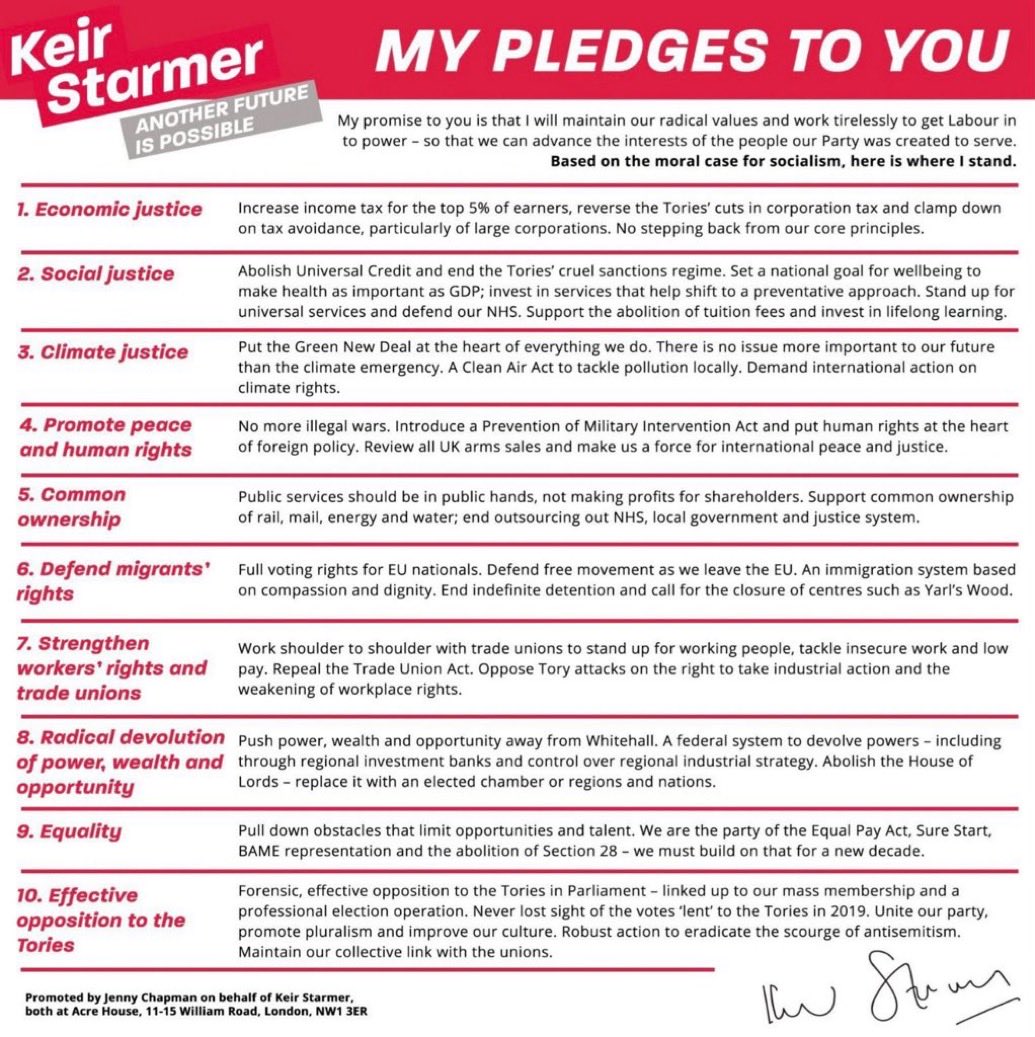
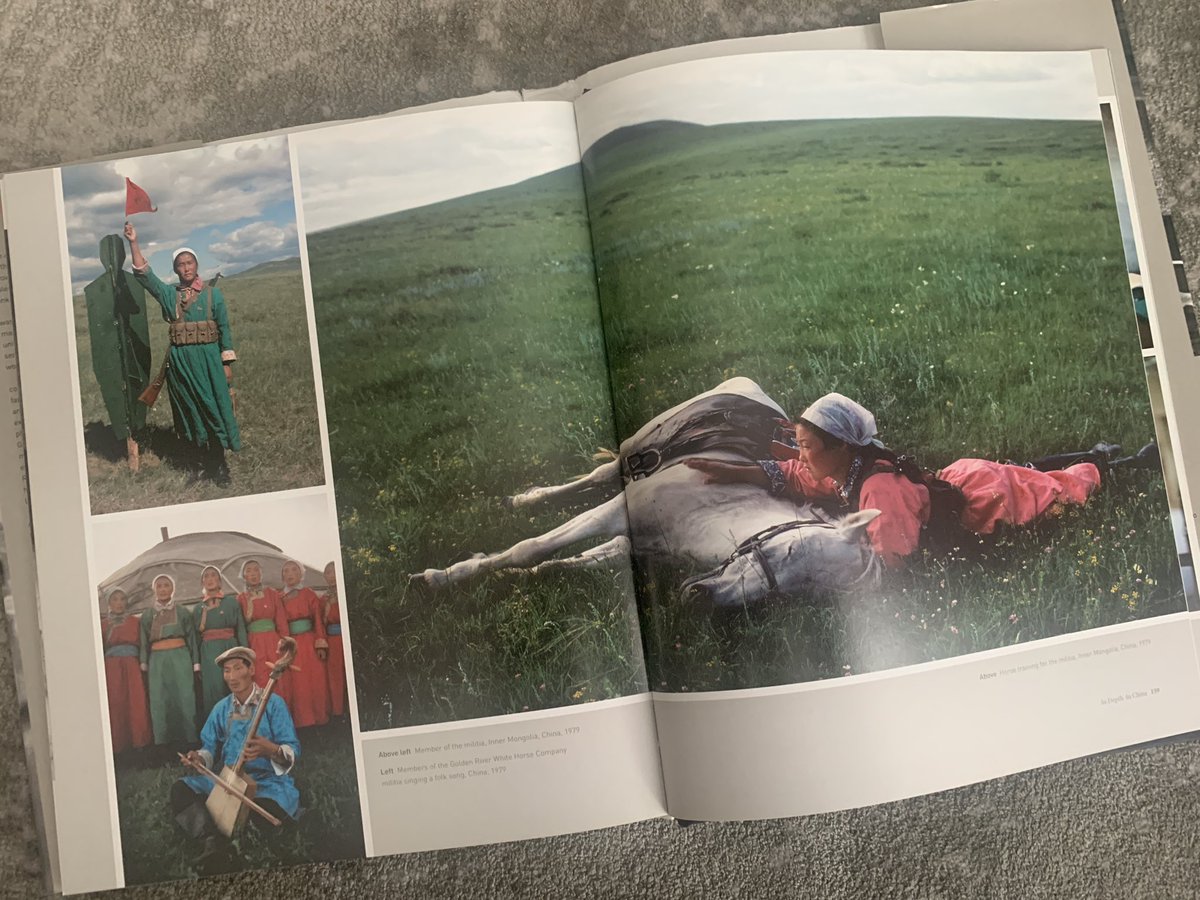
@EmmaforWycombe what we need is common ownership of this vital public service, just like Keir Starmer promised.
WG tweet media
English
0
0
0
25
Emma Reynolds for Wycombe 🌹
I welcome South East Water CEO David Hinton's resignation today. I have called for a change in leadership at South East Water and this must mark the beginning of real change, where customers’ needs are prioritised and supply outages are put firmly in the past.
English
9
5
24
13.2K
WG
WG@thistoomustpass·
@Keir_Starmer @UKLabour how about starting with, and implementing, your admirable Leadership Campaign pledges like this one? Or were those pledges just to garner temporary left-wing support to be deliberately abandoned later? #LabourUK
WG tweet media
English

0
0
1
15
Keir Starmer
Keir Starmer@Keir_Starmer·
We must respond to the message that voters have sent us and break with the status quo once and for all. We must confront the big challenges the public face with real answers. That is how we will deliver the change that people are desperate for and build a stronger and fairer country. theguardian.com/commentisfree/…
English
16.2K
591
2.7K
2.1M
WG retweetledi
Peter Oborne
Peter Oborne@OborneTweets·
This is a moment in British journalism. A news analysis programme which forensically takes apart the tired and intellectually bankrupt narratives that shape MSM. I urge everybody to watch and share.
Richard Sanders@PulaRJS

The first episode of Double Down Newswatch is now out. The London stabbing the media didn't want to know about. The unimaginable barbarity of Israeli detention centres. And what to look out for in the local elections. youtube.com/watch?v=1kI9pl…

English

25
1.8K
3.3K
95.6K
WG retweetledi
WG
WG@thistoomustpass·
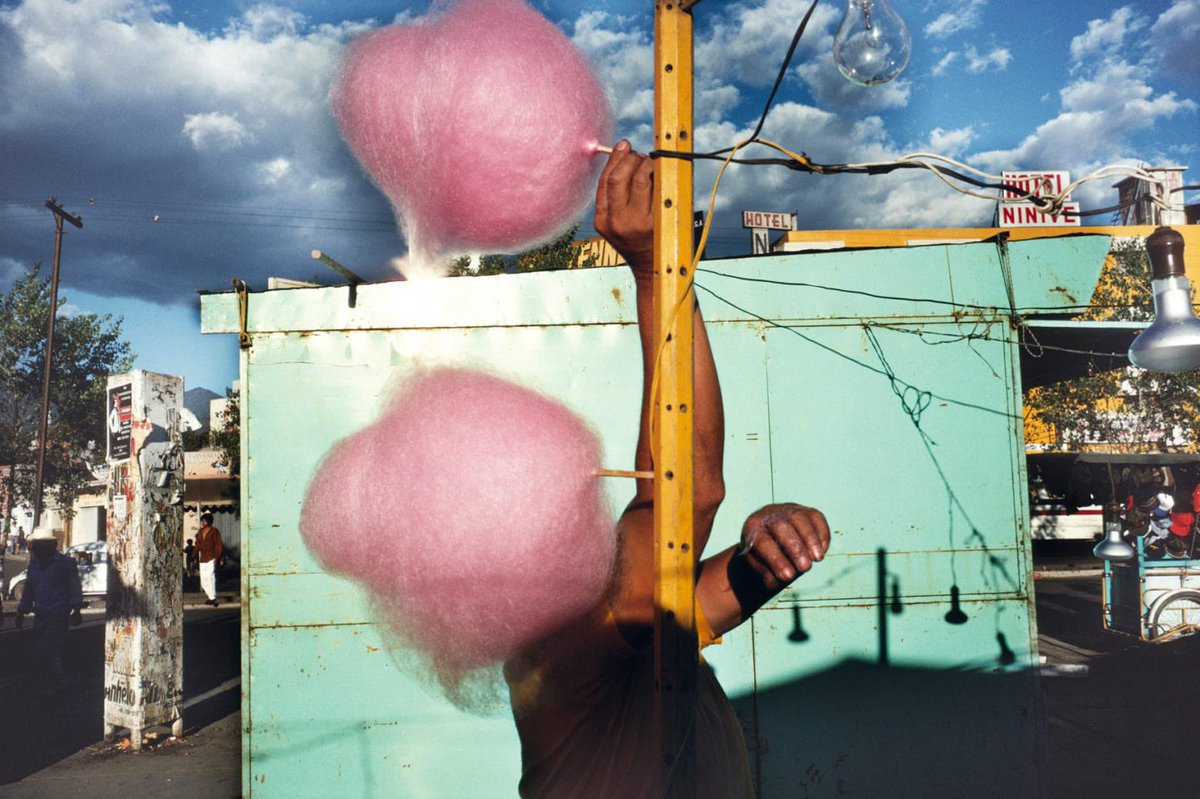
Photographer Alex Webb born in San Francisco, California, this day 1952 #Photography
WG tweet mediaWG tweet mediaWG tweet mediaWG tweet media
English
0
1
2
134
WG retweetledi
WG
WG@thistoomustpass·
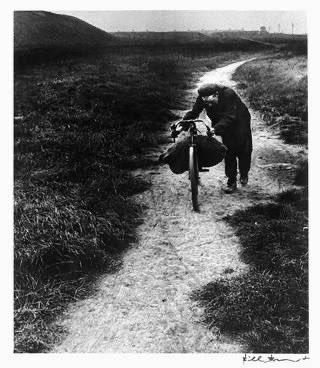
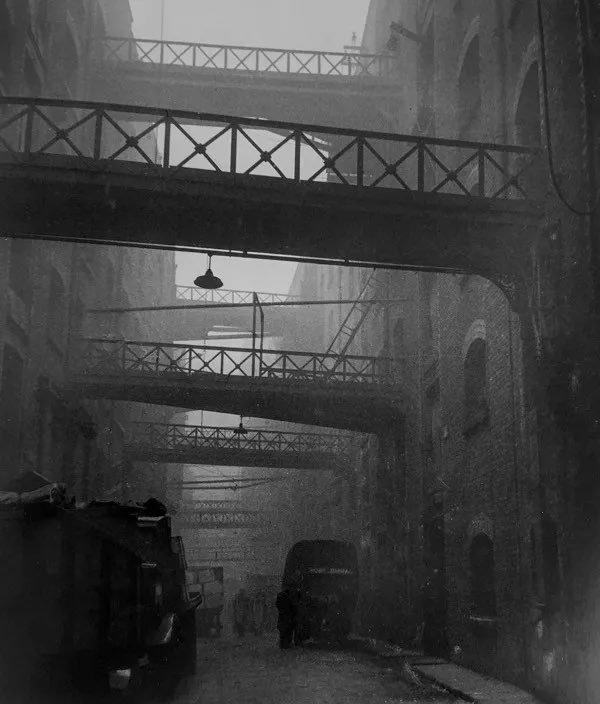
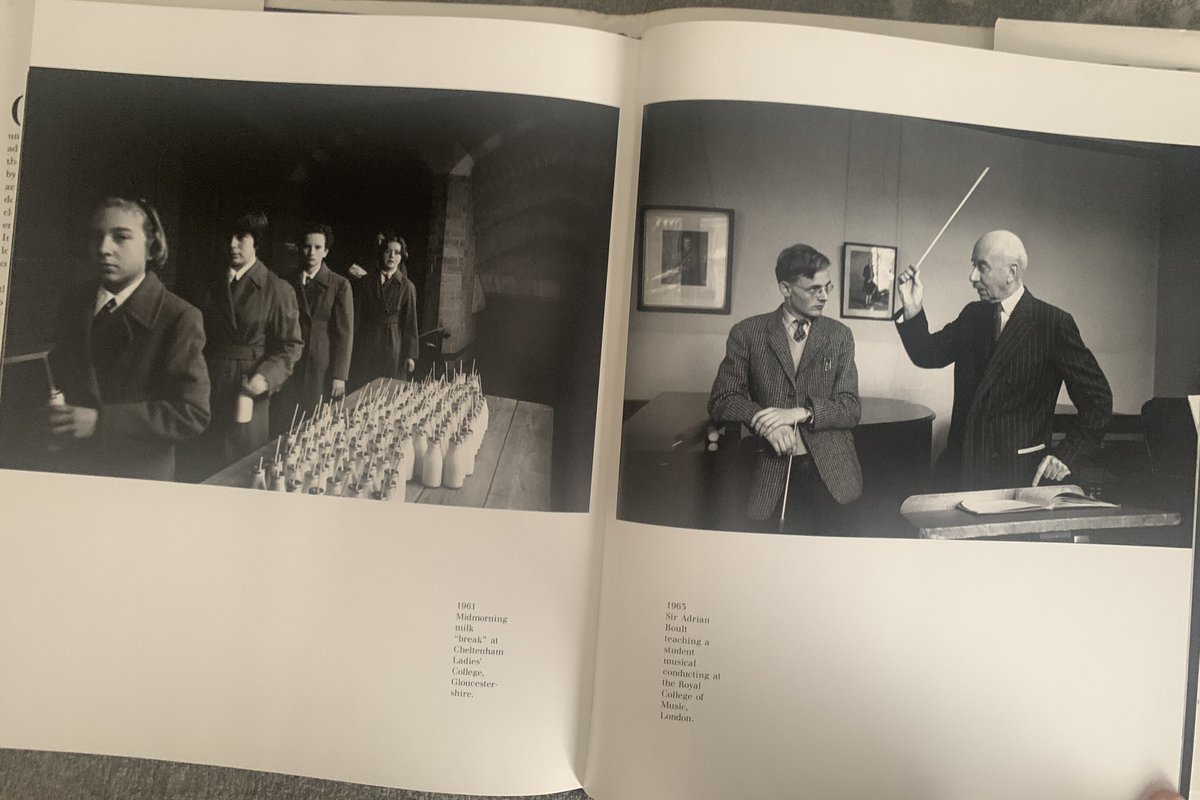
Photographer Bill Brandt, born in Hamburg, Germany this day 1904, (Died 20 December 1983 London, UK) #Photography
WG tweet mediaWG tweet mediaWG tweet mediaWG tweet media
English
0
1
0
82
WG
WG@thistoomustpass·
'Raghu Rai’s masterful images of Indian life – the veteran photographer, who has died aged 83, made defining images of grand and intimate Indian life for five decades' #India #Photography theguardian.com/artanddesign/g…
English

0
0
0
107
WG retweetledi
WG
WG@thistoomustpass·
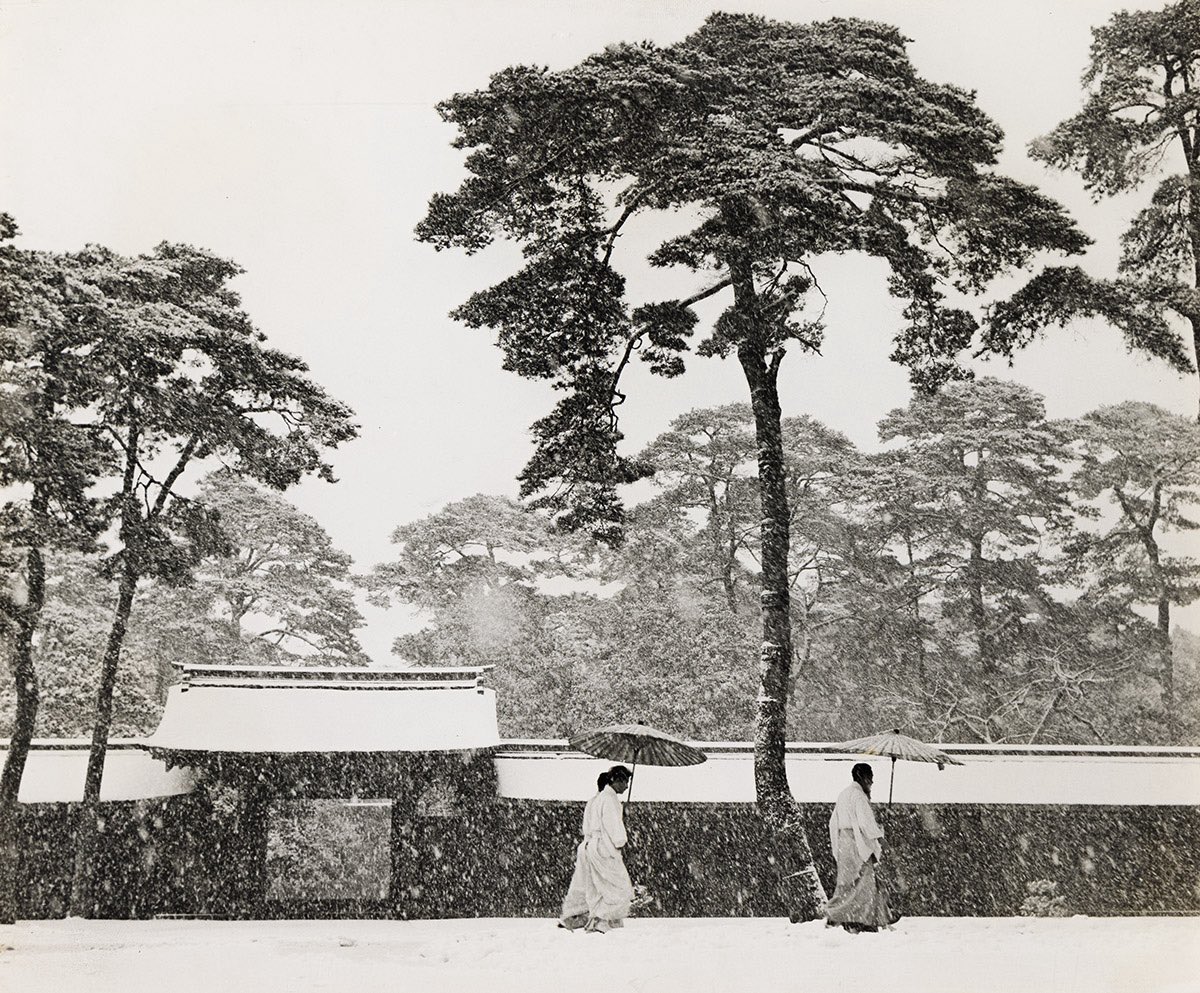
photographer Werner Bischof born Zürich, Switzerland, this day April 1916. Died 16 May 1954, Peru. #Photography
WG tweet mediaWG tweet mediaWG tweet mediaWG tweet media
Deutsch
0
1
1
67
WG retweetledi
WG
WG@thistoomustpass·
photographer Eugene Richards, born Dorchester, Massachusetts, this day 1944 #Photography
WG tweet mediaWG tweet mediaWG tweet mediaWG tweet media
English
0
1
0
56
WG retweetledi
WG
WG@thistoomustpass·
Photographer Lee (Elizabeth) Miller born Poughkeepsie, New York State this day 1907 (died 21 July 1977, Chiddingly, East Sussex, UK) #Photography
WG tweet mediaWG tweet mediaWG tweet mediaWG tweet media
English
0
2
3
131
WG
WG@thistoomustpass·
@NicholasTyrone ah yes; his abandoned pledges
WG tweet media
English
2
0
1
77
Nick Tyrone
Nick Tyrone@NicholasTyrone·
I find the treating of Starmer as a paragon of virtue to be rich given he ran his leadership campaign on ten pledges it’s difficult to see he had any intention of ever following through on. You can say “he needed to wrestle control of the party back”. You can’t say he was honest.
English
3
2
28
1K
WG retweetledi
WG
WG@thistoomustpass·
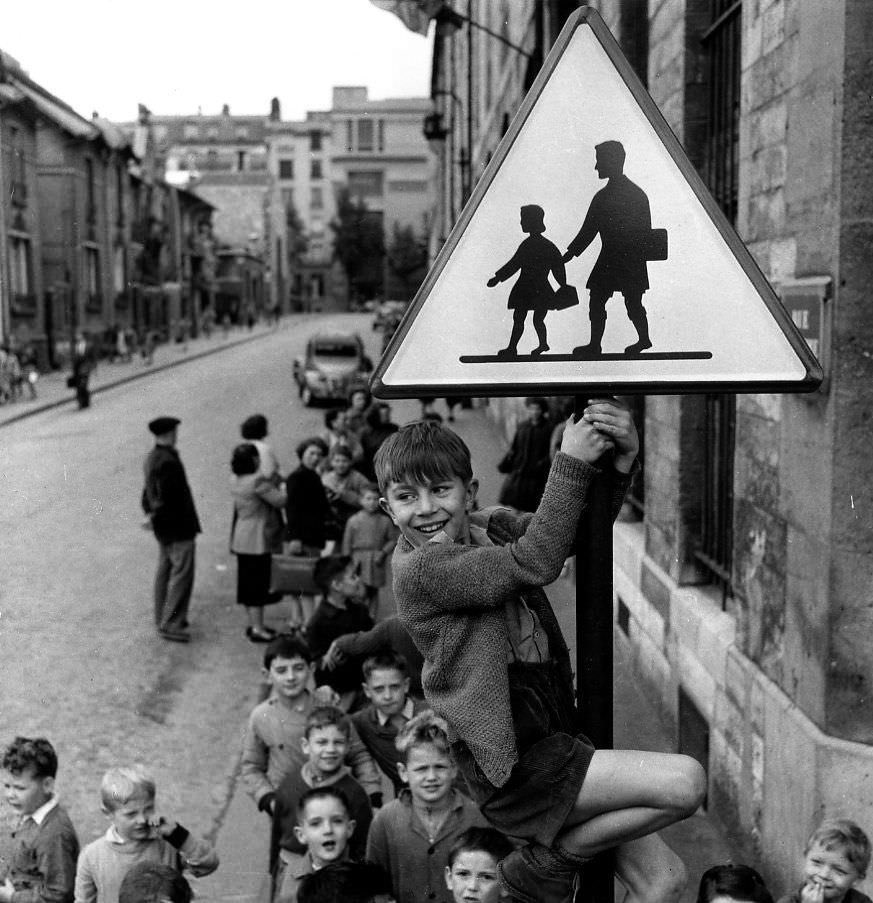
the great French photographer Robert Doisneau was born this day 1912. his best known photograph Le Baiser de l’Hôtel de Ville (The Kiss by the Hôtel de Ville), a moment of apparent romantic spontaneity, was actually staged. #photography
WG tweet mediaWG tweet mediaWG tweet mediaWG tweet media
English
0
1
1
0
WG
WG@thistoomustpass·
when #Trump approved of Congressional approval before attacking another country #Iran
WG tweet media
English
0
0
0
40
WG retweetledi
WG
WG@thistoomustpass·
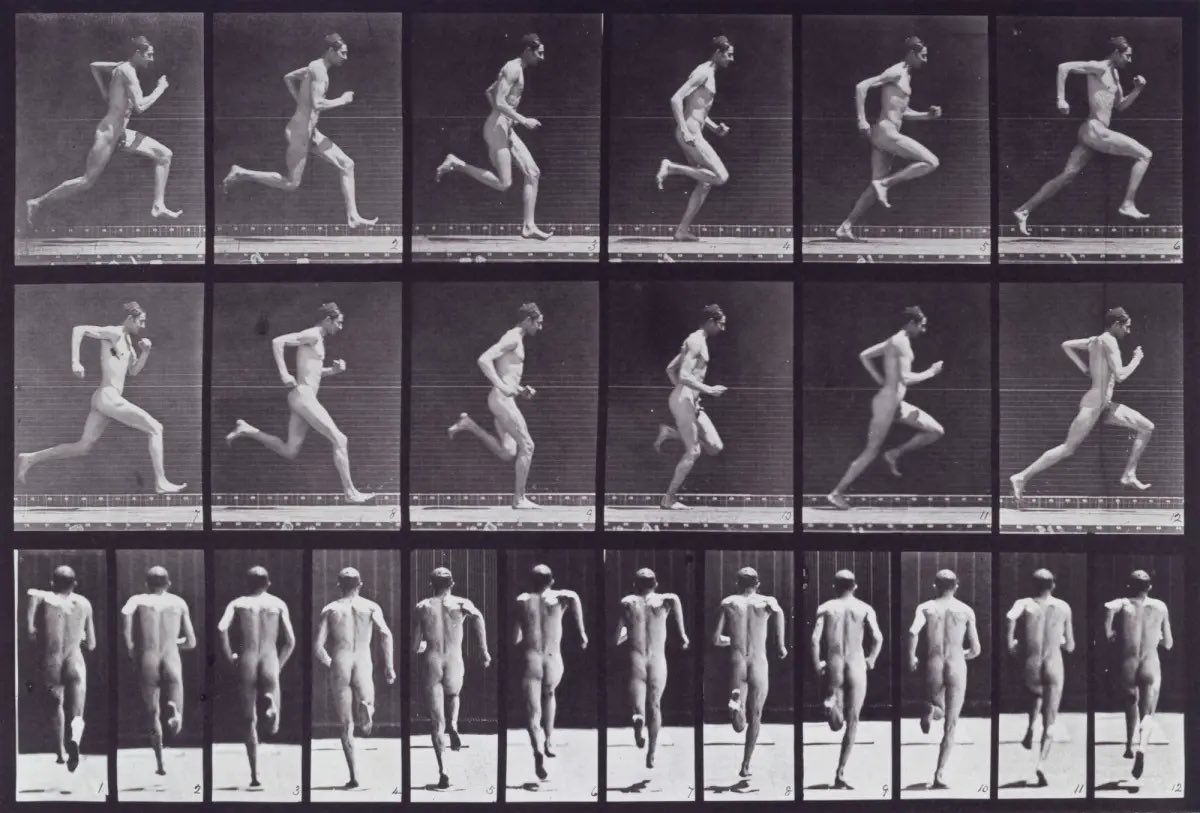
photographer Eadweard J Muybridge (Edward James Muggeridge) born Kingston upon Thames, UK, this day 1830. (died Kingston upon Thames, 8 May 1904) #photography
WG tweet mediaWG tweet mediaWG tweet mediaWG tweet media
English
0
1
0
117
WG retweetledi
WG
WG@thistoomustpass·
photographer René Burri, born Zurich, Switzerland, this day 1933. (died 20 October 2014, Zurich) #Photography
WG tweet mediaWG tweet mediaWG tweet mediaWG tweet media
Deutsch
0
1
0
64
WG retweetledi
WG
WG@thistoomustpass·
Photographer Ida Kar, born in Tambov, Russia, this day 1908. (died 24 December 1974, London UK) #Photography
WG tweet mediaWG tweet mediaWG tweet mediaWG tweet media
English
0
2
0
69
WG retweetledi
WG
WG@thistoomustpass·
Photographer Lola Álvarez Bravo, born Lagos de Moreno, Jalisco, Mexico, this day April 1903. (Died Mexico City, 31 July 1993) #photography
WG tweet mediaWG tweet mediaWG tweet mediaWG tweet media
Español
0
1
1
192