Thomas Wier

8K posts

Thomas Wier banner
Thomas Wier

Thomas Wier

@thomas_wier

Linguist & Caucasologist • Prof @ Free Uni Tbilisi • Research lgs of the Caucasus, Native America • Author of 'Tonkawa Texts' • Weekly Georgian Etymologies

Tbilisi, Georgia Katılım Ekim 2018
2.7K Takip Edilen4.8K Takipçiler
Sabitlenmiş Tweet
Thomas Wier
Thomas Wier@thomas_wier·
🧵Thread of Threads! 🧵 Brief guide to selected previous posts, including weekly posts on Georgian language and culture, the languages of the Caucasus, and occasional posts about my actual research.
Thomas Wier tweet media
English
6
28
114
34.9K
Thomas Wier
Thomas Wier@thomas_wier·
@HansGutbrod @mattyglesias Worth noting even the Armenian name is itself a loanword from Urartian 𒆳𒌨𒉈𒄭 Urṭeḫi (the -kh in Artsakh is the remnant of an Urartian place-name suffix). The region has a far deeper history than the Armenian-Azerbaijani conflict, which should not be allowed to overshadow it.
English
0
0
1
15
Matthew Yglesias
Matthew Yglesias@mattyglesias·
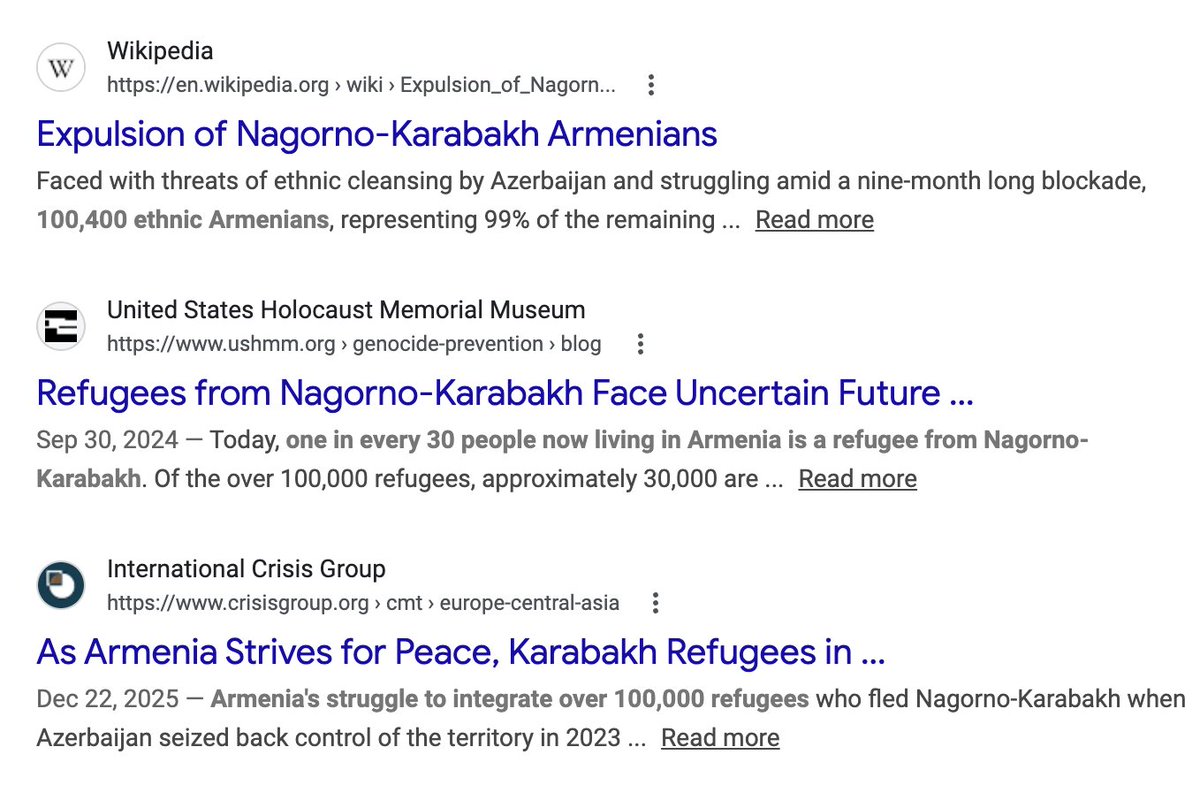
It's interesting that in the fall of 2023 there was a brief war between Armenia and Azerbaijan that led to the wholesale ethnic cleansing of Nagorno-Karabakh and nobody thinks that's going to be undone and it's not considered a big deal in global politics.
Matthew Yglesias tweet media
English
207
445
4K
292.9K
Thomas Wier
Thomas Wier@thomas_wier·
@mackerosan @grahamscheper I very, very much doubt that. As a linguist, I've actually asked highly educated Swedes about this question, and almost all of them were like 'oh, yeah, I guess we do talk that way'. Furthermore, you can't ever assume native speakers know anything at all about their lg's history.
English
0
0
0
19
Grǣġhama
Grǣġhama@grahamscheper·
Why does English not have a plural “you”? Well, it’s because “you” is already plural. The singular is “thou”. This was observed grammatically in Old English, when one person was þū and multiple people were ġē, but after the Norman invasion the plural became the polite form of address, and by the 1800s that became the nigh-universal standard. Nowadays, as a result, we have to reinvent the plural with contractions like “y’all”.
English
351
135
1.5K
109.6K
Thomas Wier
Thomas Wier@thomas_wier·
@mackerosan @grahamscheper I would be surprised if even 10% of any English-majority country were aware of the fact that 'you' is historically the plural pronoun, and 'thou' the singular, however good their educational system. It's a bit like expecting Swedes to know they speak a pitch-accent language.
English
3
0
4
313
Oscar Ekman
Oscar Ekman@mackerosan·
@grahamscheper I'm Swedish but I thought this was widely known to native English speakers. In German and Scandinavian languages, singular form of you is "du", which is a recognizable cognate of "thou".
English
13
1
85
3.8K
Thomas Wier
Thomas Wier@thomas_wier·
So the most likely explanation is that, like atmospheric words in many other languages, a Georgian verb *ğru- meaning growl or rumble was nominalized to mean 'thunder cloud', and then this word later shifted to apply to any kind of cloud.
English
0
0
2
124
Thomas Wier
Thomas Wier@thomas_wier·
This is also true specifically of words for clouds, which often derive from other kinds of sensory information: German Wolke < PIE *welg- wet, damp Hittite 𒀠𒉺𒀸 alpas < PIE *albʰós white Greek νεφέλη < PIE *nebʰ- become damp Ukrainian хмара < Proto-Slavic *tьma darkness
1
0
3
129
Thomas Wier
Thomas Wier@thomas_wier·
Weekly Georgian Etymology: ღრუბელი ğrubeli 'cloud', from Old Georgian ႶႰႳႡႤႪႨ ğrubeli, from Palaeo-Georgian *ğruebeli, participle of Georgian-Zan *ğru- rumble, growl. Many languages' words for atmospheric phenomena come from verbs of sensing; it originally meant 'thunder cloud'.
Thomas Wier tweet media
English
2
3
29
818
Thomas Wier
Thomas Wier@thomas_wier·
@_M_Mountain_ Well, if you use the watershed of the main Caucasus ridge line as the boundary, which is the standard boundary, then all of Daghestan is definitely in Europe, while only parts of Georgia and Azerbaijan are. So yes, more complicated, but also still reasonably clear.
English
1
0
1
115
Misty Mountain
Misty Mountain@_M_Mountain_·
@thomas_wier Here it’s more complicated. Depends what you mean by Europe - civilization or geography.
English
1
0
1
219
Misty Mountain
Misty Mountain@_M_Mountain_·
Armenia and Georgia are ancient European states and always have been. Denying that is plain crazy. Yet I’ve noticed that those most invested in convincing Armenians and Georgians that they aren’t Europe are often Turks and Russians. Why is that? This is an interesting phenomenon. One of the reasons behind it lies in how Turks and Russians view themselves. They see themselves as European too, but as unfairly denied recognition by the rest of Europe. And they’re not completely wrong. Many Turks descend from populations that were originally European and later assimilated, and Russians are a European civilization, even if distinct from the rest of Europe, but still European. But Europe has treated them as outsiders, outcasts. Because of this, when Armenia and Georgia are described as European, it often provokes feelings of anger or jealousy in them. The underlying thinking in their somewhat colonial mindset is like this: we ruled over these people, yet Europe does not accept us but may accept them? They feel sidelined - unfairly sidelined. In that mindset, Armenia and Georgia being recognized as European feels like a humiliation for them. That’s why the idea comes across as threatening to them. A very similar dynamic exists in the case of Ukraine and Russia. Ukraine has claimed a European identity, and Russia has often mocked that claim. Common statements on Russian TV like “Ukrainians are only good for cleaning toilets in Europe” reflect that attitude. The same logic is at play - “we ruled over Ukrainians, and now Europe may accept them while we are sidelined?” That fuels resentment and anger. There is also a significant element of ignorance. Lack of knowledge of history, civilizations, etc. That ignorance is used to influence more naive Armenians and Georgians to convince them that they are not Europe but instead “West Asian.” But that framing serves a pragmatic purpose too. What does “West Asia” mean in this context? It effectively tears away Armenia and Georgia - two very deep ancient European states - outside of Europe while leaving them without a real alternative. Because in reality, Armenia and Georgia cannot become part of any so-called “West Asian civilization.” There is no meaningful cultural common ground between Armenia and Georgia and countries like Pakistan, Saudi Arabia, or Iraq. The differences are too deep for any kind of unified bloc to form. Even if Georgians & Armenians deeply wanted to be part of some “West Asian” block - it would be not possible, they won’t be accepted. So in practice, labeling Armenia and Georgia as “West Asian” means isolating them - cutting them off from Europe while not integrating them anywhere else. And that isolation increases the influence of outside powers, particularly Turks and Russians. And THAT is the main game.
Misty Mountain tweet media
English
13
7
44
4.7K
Lell
Lell@LellucaLell·
@_M_Mountain_ And yet my people still do not call her a Queen, but a King .
English
2
0
0
60
Misty Mountain
Misty Mountain@_M_Mountain_·
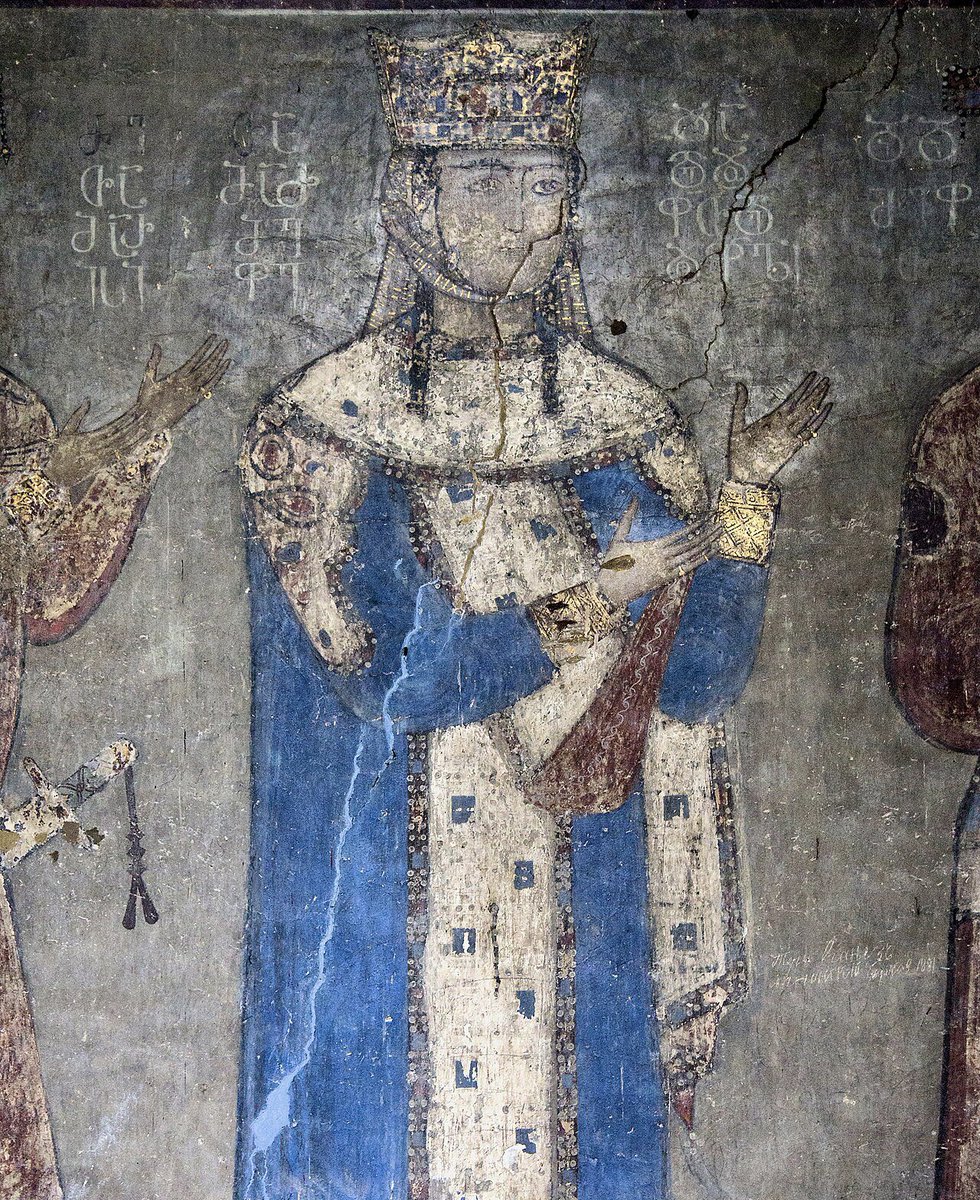
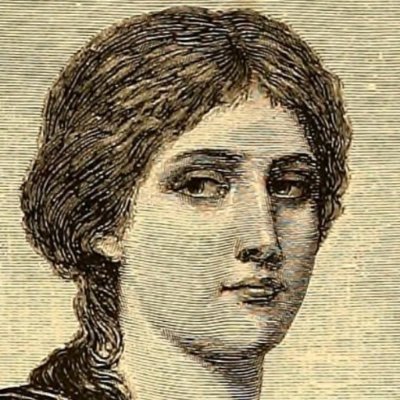
Georgia, under Queen Tamar, was one of medieval Europe’s most powerful Christian kingdoms - commanding Black Sea routes, aligned with Byzantium, and active in the same world as the Crusades. Many Armenians welcomed Georgian expansion. Armenian nobles - especially Zakare and Ivane Zakarian - joined forces with Queen Tamar and her campaigns, which eventually resulted in the liberation of the historical Armenian city of Ani from Seljuks. Armenian Zakarians, for their role in helping Queen Tamar, were appointed the rulers of Ani under the unified Georgian Kingdom. This was the time when Ani saw a revival after the destruction from Seljuks. One thing I especially like from this period is the medieval Georgian flags - crosses, bold colors, even heraldic figures like the unicorn - a very European aesthetic, and with a character entirely of their own.
Misty Mountain tweet mediaMisty Mountain tweet mediaMisty Mountain tweet media
English
12
38
203
6.9K
Thomas Wier
Thomas Wier@thomas_wier·
@AntigoneJournal But real philologers and linguists have to check every word anyway, even with online corpora that have been checked and tagged. For those of us who carry out research on lesser studied languages or periods, this is a huge, huge boon.
English
0
1
2
328
Antigone Journal
Antigone Journal@AntigoneJournal·
This is a genuinely interesting story. Huge amount of automated work, potentially saving hundreds of thousands of human hours. BUT: with an error rate of 10%, and with the precise reading of *every* word mattering in such an exercise, it is meaningless, and for manuscripts of authority worse than useless, without a human checking every single word. BUT: there simply aren't people, in 2026, with the expertise, the time, and the funding to check these 32,000 manuscripts at this level. Welcome to Digital Humanities Slop.
Medievalists.net@Medievalists

Over 32,000 medieval manuscripts transcribed in four months using AI medievalists.net/2026/01/32000-… #medievalmanuscripts
English
140
1.2K
9.7K
378.6K
Thomas Wier
Thomas Wier@thomas_wier·
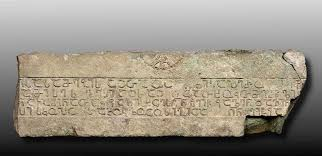
@_M_Mountain_ Worth noting that the actual ancient inscriptions now visible at Bolnisi are not the originals, but 20th century replicas. The originals are now stored in Tbilisi at the Georgian National Museum:
Thomas Wier tweet media
English
1
0
4
194
Misty Mountain
Misty Mountain@_M_Mountain_·
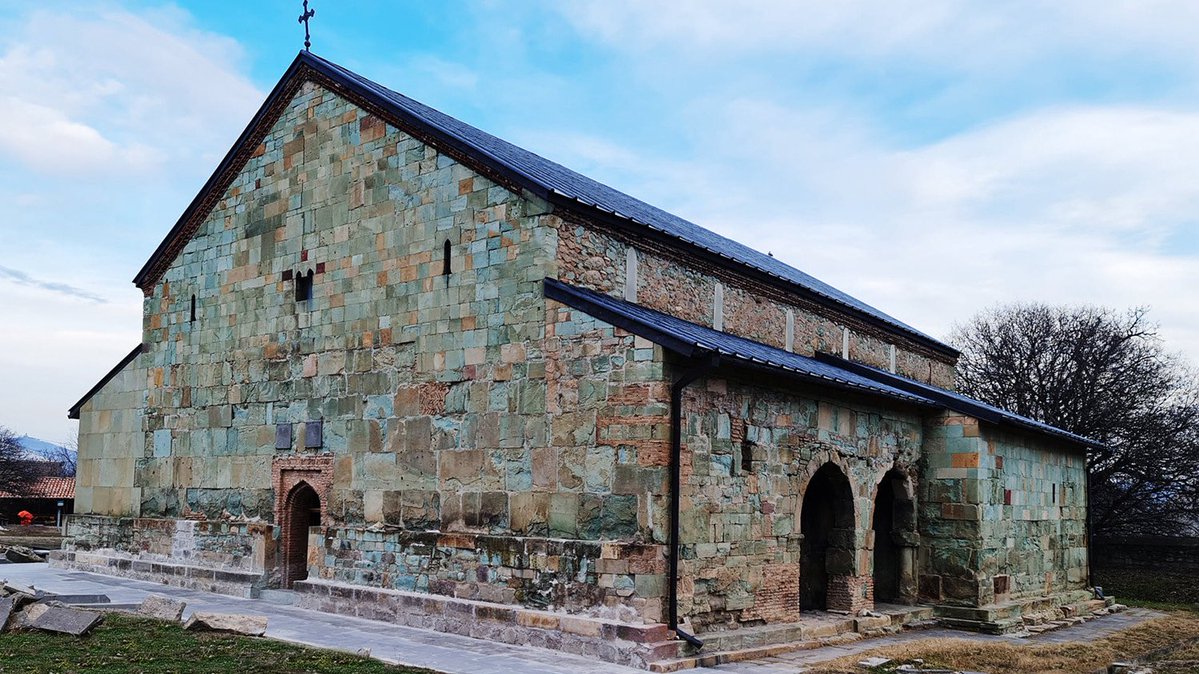
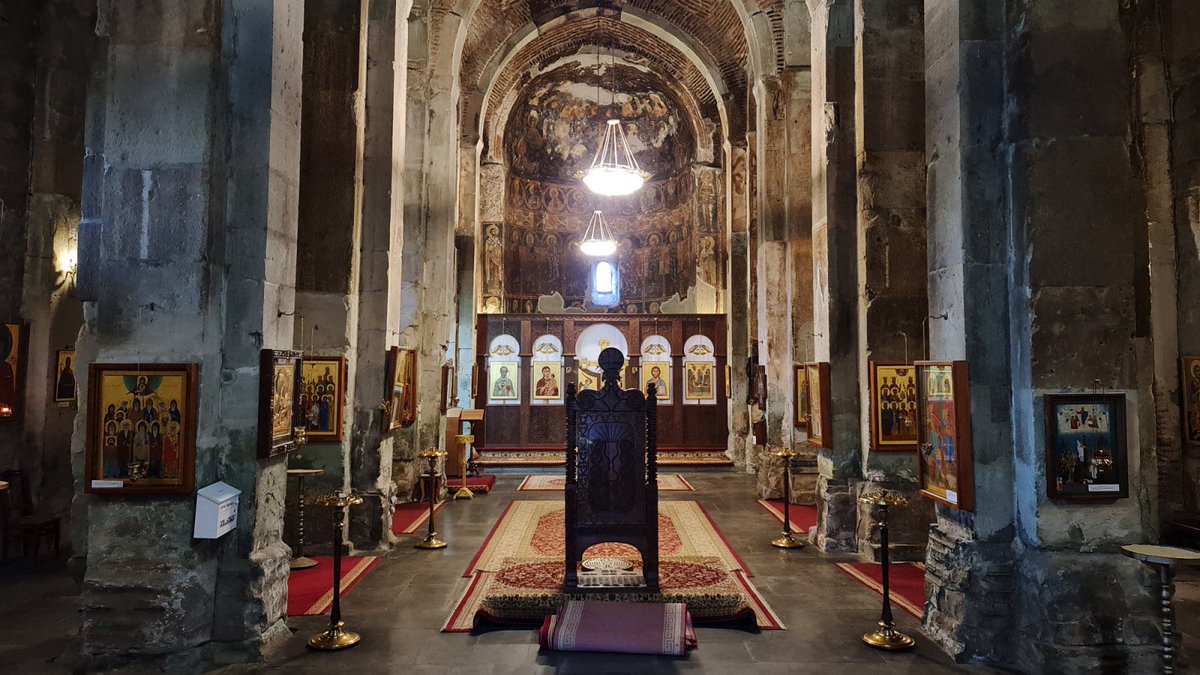
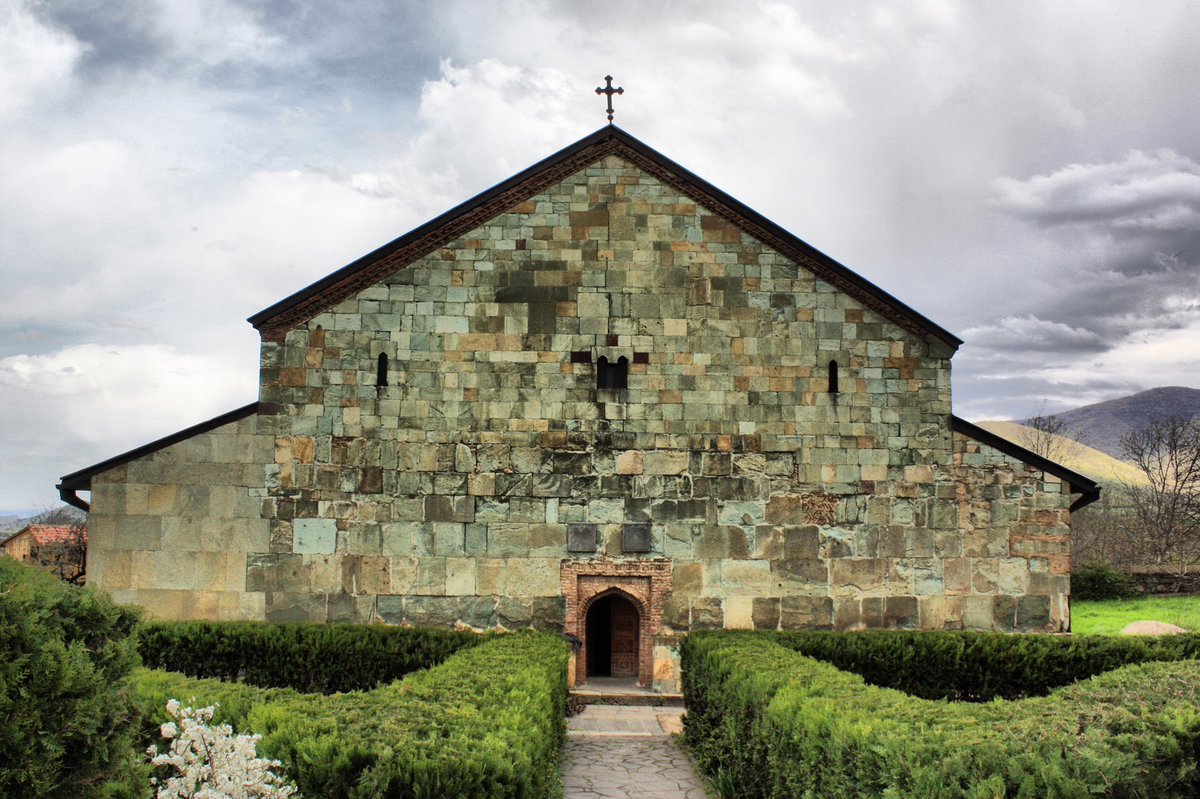
Bolnisi Sioni Cathedral (c. 478-493 AD) - the oldest surviving Georgian church. Genuinely ancient, with much of its original 5th-century structure still preserved, which is rare. Its form remains close to a Roman-style basilica - simple, heavy, and direct. The walls carry some of the oldest Georgian inscriptions in the Asomtavruli script - the earliest form of the Georgian alphabet. No later ornamentation, no excess. Just early Christianity in stone.
Misty Mountain tweet mediaMisty Mountain tweet mediaMisty Mountain tweet media
English
3
8
89
1.8K
Thomas Wier
Thomas Wier@thomas_wier·
@irakleee Yeah, that first form is also related to the same root.
English
0
0
0
11
Thomas Wier
Thomas Wier@thomas_wier·
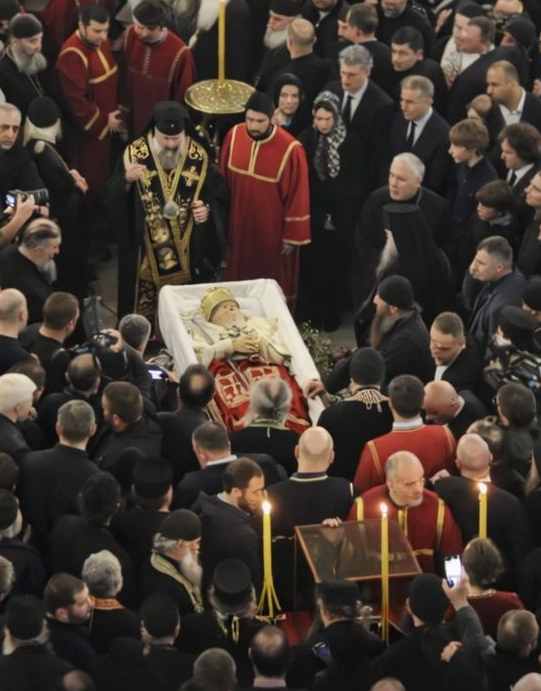
Weekly Georgian Etymology: დაკრძალვა daḳrdzalva 'burial, interment', from Old Georgian ႣႠႩႰႻႠႪႥႠ daḳrdzalva, derivation of კერძი ḳerdzi portion, share, truncation of Middle Persian 𐭪𐭫𐭲𐭪 kardag portion, from Indo-European *(s)ker- cut off. Ultimately a euphemism for fate.
Thomas Wier tweet media
English
1
1
12
526
Thomas Wier
Thomas Wier@thomas_wier·
So in Georgian we see both kinds of semantic shift in play: an Iranian borrowing of something like /kard/ came to mean both division or allotment and secrecy and privacy, and from this was derived a word that referred to the ultimate honors given to a human body at death.
English
0
0
0
102
Thomas Wier
Thomas Wier@thomas_wier·
The related Georgian word კერძო ḳerdzo meant 'private, secret', and likewise in other languages the word for burial referred originally to secrecy or concealment: Gothic 𐌿𐍃𐍆𐌹𐌻𐌷 usfilh burial < Germanic *felhaną conceal Arabic دَفْن dafn burial < دَفَنَ dafana conceal
English
1
0
1
119