Shaneka AneIam Parare ⚡️ Trading Advisor

49 posts

Shaneka AneIam Parare ⚡️ Trading Advisor

Shaneka AneIam Parare ⚡️ Trading Advisor

@thureau17

Katılım Ağustos 2012
33 Takip Edilen29 Takipçiler
Shanaka Anslem Perera ⚡
Shanaka Anslem Perera ⚡@shanaka86·
JUST IN: The country that learned to shoot down Iranian drones over Kyiv is now teaching the Gulf to shoot them down over refineries. Nobody asked Trump. The Gulf asked Ukraine. President Zelensky confirmed at the UK Parliament on March 18 that 201 Ukrainian military specialists are already deployed across UAE, Qatar, and Saudi Arabia, with teams en route to Kuwait and 34 more ready to go. These are active-duty government military personnel, not private contractors. They are sharing combat-proven expertise from three years of intercepting Iranian Shahed drones over Ukrainian cities, power grids, and civilian infrastructure. The Gulf states requested the assistance. Saudi Arabia explicitly approached Ukraine. The arrangement is reciprocal: Ukraine provides the expertise that no other country possesses at this depth of operational experience, and the Gulf provides what Ukraine needs most, funding, technology, and air defence systems. Zelensky specifically highlighted Patriot missiles as part of the exchange. The country that cannot get enough Patriots from the West is earning them from the Gulf by teaching drone interception. Trump did not request this deployment. No reporting in any outlet, from Reuters to Al Jazeera to the Kyiv Post, indicates American coordination or approval. The recent Trump-Zelensky tensions over aid disputes and public friction are well documented. This is not a Washington-orchestrated move. It is a bilateral arrangement between Ukraine and Gulf capitals that bypasses Washington entirely. Zelensky built a parallel channel to the Gulf that gives Ukraine what America has been reluctant to provide while giving the Gulf what America’s $23.5 billion arms surge does not include: the people who know how to fight Shaheds because they have been fighting them every night for three years. The expertise is specific and irreplaceable. Ukraine has intercepted thousands of Shahed-136 and Shahed-238 drones since 2022. It has developed detection protocols, jamming techniques, acoustic tracking, small-arms interception methods, and integrated air defence coordination that no training manual teaches. The Gulf states purchased Patriot batteries, THAAD radars, and anti-drone systems through the $23.5 billion arms package. The hardware is American. The operational knowledge of how to use it against the exact Iranian drone variants now striking Gulf refineries is Ukrainian. Israel views this positively. Anything that strengthens Gulf air defences against Iranian drones reduces the threat environment for every country in the region, including Israel. Ukrainian-Gulf cooperation reinforces the anti-Iran alignment that the Abraham Accords established. Israel and Ukraine share a common adversary’s weapons system: Iran builds the Shaheds, Russia deploys them against Ukraine, and the IRGC deploys them against the Gulf. The expertise flows in one direction. The threat originates from the same factory. The Putin dimension is real but secondary. Iran supplies Russia with Shahed drones for use against Ukraine. Ukraine now teaches Gulf states to destroy those same drones when Iran uses them directly. The feedback loop is elegant: every Ukrainian lesson learned from shooting down Russian-deployed Shaheds over Odesa is now applied to IRGC-deployed Shaheds over Ras Laffan. Putin’s Iranian drone supplier is being countered by the country Putin is fighting, on a battlefield 4,000 kilometres from the front line. The irony is structural. The aggravation is intentional. Two hundred and one experts. Government military, not contractors. Gulf-requested, not Trump-directed. Shahed-specific, not generic. And the country with the most relevant expertise on Earth got there before the $23.5 billion in hardware arrived. open.substack.com/pub/shanakaans…
Shanaka Anslem Perera ⚡ tweet media
Shanaka Anslem Perera ⚡@shanaka86

JUST IN: Ukraine just deployed anti-drone soldiers to Qatar, the UAE, and Saudi Arabia. The country Russia has been bombing with Iranian Shahed drones for three years is now defending Gulf states from the same Iranian Shahed drones. Read that sentence until the full geometry of this war becomes visible. Zelensky announced on 10th March that Ukrainian military teams equipped with low-cost interceptor drones and electronic warfare systems have arrived in all three Gulf states this week, with a separate team deployed to Jordan for US base protection. The deployment follows direct requests from Washington and calls from Gulf leaders, including Saudi Crown Prince MBS. The interceptors cost between $1,000 and $2,000 each. A Patriot missile costs $3 to $4 million. An Iron Dome Tamir interceptor costs $50,000 to $100,000. A Shahed drone costs $20,000 to $50,000. Ukraine’s battle-tested ramming drones, some 3D-printed and produced at rates of up to 950 per day, achieve over 60 to 70% kill rates against Shahed swarms at a thousandth of the cost of a Patriot. They are disposable. They are scalable. And they have been tested against the exact weapon system they are now deployed to counter, because Iran designed the Shahed and Russia has been launching them at Ukraine since 2022. No other country on Earth has more operational experience killing Shaheds than Ukraine. No other country can offer that expertise at this price. And no other country needs something from the United States as desperately as Ukraine needs Patriot batteries for its own survival. This is the quid pro quo nobody saw coming. Zelensky is not donating expertise. He is trading it. Ukrainian drone killers for American air defence missiles. Shahed interception capability for Patriot deliveries. The country that cannot defend its own power grid without Western systems is now defending Gulf oil infrastructure with indigenous technology cheaper than anything in the American arsenal. The leverage is extraordinary: Ukraine offers the one capability the Gulf urgently needs, at a cost the Pentagon cannot match, in exchange for the one capability Ukraine urgently needs and only Washington can provide. While the US strips THAAD and Patriot batteries from South Korea and ships them to the Gulf at enormous logistical cost, Ukraine arrives with $1,000 drones in cargo containers. While Ghalibaf mocks American escorts as PlayStation, Ukrainian teams set up electronic warfare jammers on Gulf airfields. While the White House blames a staffer for a deleted post about an escort that never happened, Ukraine delivers the capability the post falsely claimed existed. The Iran war just merged with the Russia war through the one weapon system they share: the Shahed drone. Designed in Iran. Manufactured for Russia. Launched against Ukraine for three years. Now launched against the Gulf. And intercepted in both theatres by the same Ukrainian operators using the same $1,000 technology. Iran built the drone. Russia scaled it. Ukraine learned to kill it. And now Ukraine is selling that knowledge to the countries Iran is attacking, funded by the country Russia is fighting. The circle is complete. The wars are one. Full analysis below. open.substack.com/pub/shanakaans…
English
322
3.5K
11.1K
811K
Shanaka Anslem Perera ⚡
Shanaka Anslem Perera ⚡@shanaka86·
Twenty-one percent of all oil consumed on Earth transits the Strait of Hormuz. Twenty-seven percent of all seaborne oil trade. Twenty percent of global LNG. One third of seaborne fertiliser. And 99 percent of pharmaceutical feedstocks are petrochemical derivatives that trace back to the same naphtha, methanol, and gas that flow through the same geography. One chokepoint. Five supply chains. Four billion people downstream. Asia absorbs 89.2 percent of all crude that transits Hormuz. China takes 37.7 percent of the flows. India takes 14.7 percent. South Korea takes 12 percent. Japan takes 10.9 percent. The remaining Asian importers take 13.9 percent. Europe takes 3.8 percent. The United States takes 2.5 percent. The import dependence numbers are worse than the flow shares because they measure what percentage of a country’s total oil imports come through the strait. Japan: 73 to 87 percent. South Korea: roughly 70 percent. India: 42 percent. China: 40 to 45 percent. These are not marginal exposures. They are existential ones. When Japan loses access to Hormuz, it loses access to three quarters of its crude supply. There is no pipeline alternative. There is no domestic reserve large enough. There is no rerouting that replaces the volume. The strait is closed. Tanker traffic collapsed over 80 percent. P&I clubs voided war risk coverage. Oman crude hit $167. Dubai printed $157. Six Gulf states have energy infrastructure simultaneously damaged or suspended. Qatar declared force majeure on LNG contracts that may last five years. The CEO of Asia’s largest power buyer said there is no spare bridge capacity to replace the lost supply. The fertiliser layer is the one the market is still not pricing. UNCTAD confirms that roughly one third of global seaborne fertiliser trade passes through Hormuz. This includes urea, ammonia, sulfur, and phosphate precursors. Urea settled at $683 per ton on the NOLA market. China suspended nitrogen and potassium fertiliser exports. The two gates that control the molecule, Hormuz and China, are both closed simultaneously. The planting calendar does not wait for either to reopen. The pharmaceutical layer is deeper still. The American Gas Association confirmed that 99 percent of pharmaceutical feedstocks are petrochemical derivatives. Paracetamol requires phenol from cumene. Ibuprofen requires isobutylbenzene. Metformin requires dicyandiamide. India produces 47 percent of US generic drugs and imports 87.7 percent of its methanol from Hormuz-adjacent sources. API inventory buffers are two to three months from depletion. The medicine cabinet is connected to the same strait as the fuel tank, the fertiliser silo, and the LNG terminal. The bypass options are real but insufficient. Saudi Arabia’s East-West pipeline can reroute 0.5 to 0.7 million barrels per day through Yanbu. The UAE’s Habshan-Fujairah pipeline offers limited additional capacity. Together they replace perhaps 5 to 7 percent of the 20 million barrels per day that normally transit. Pipelines do not carry LNG. They do not carry fertiliser. They do not carry helium. They do not carry the molecules that the downstream industries need. The American consumer sees $3.50 gasoline because WTI is insulated by domestic production. The Japanese consumer sees 73 to 87 percent of crude imports gated by a chokepoint under fire. The Indian consumer sees LPG prices rising while 85 percent of crude is imported. The Vietnamese consumer sees diesel up 59 percent with 20 days of reserves. The Sri Lankan consumer sees a QR code and a four-day workweek. Same strait. Same 21 miles. Five completely different lived experiences determined by one variable: how much of your economy transits the water between Iran and Oman. Full analysis: open.substack.com/pub/shanakaans…

Shanaka Anslem Perera ⚡ tweet media
English
12
114
276
54K
Shanaka Anslem Perera ⚡
Shanaka Anslem Perera ⚡@shanaka86·
JUST IN: An Iranian ballistic missile impacted the Bazan oil refinery complex in Haifa today. The IDF described the damage as consistent with shrapnel from an intercepted projectile or limited direct impact. Iran claimed a direct hit. Fires were reported. Damage was minor. No injuries. No major leaks. Pipelines and transmission lines took shrapnel. Firefighters contained the blaze. Israel’s largest refinery, roughly 197,000 barrels per day and 40 percent of national refining capacity, remains operational. Compare what Iran did to Israel’s energy infrastructure with what Iran did to everyone else’s. UAE. Shah and Habshan. Zero production. Full suspension. Kuwait. Mina Al-Ahmadi and Mina Abdullah. Both refineries burning. Operations suspended. Qatar. Ras Laffan. Extensive damage. Force majeure. Seventeen percent of global LNG capacity impaired for three to five years. Saudi Arabia. Eastern Province refineries and SAMREF at Yanbu hit. Twenty percent output cuts. Bahrain. Partial force majeure. Iraq. Southern fields cut 70 percent. Power grid losing 4,500 megawatts. Six Gulf states. Devastating, sustained, infrastructure-destroying strikes on civilian energy facilities that supply the world. One Israeli refinery. Minor damage. Contained fires. No outage. The disparity is the doctrine. Iran has launched ten or more major barrages against Israel since February 28. Hundreds of ballistic missiles and drones targeting Tel Aviv, Haifa, Jerusalem, and Beersheba. Israel’s multi-layered air defence architecture, Iron Dome, David’s Sling, and Arrow, has intercepted the overwhelming majority. Fourteen to nineteen Israeli civilians have been killed. Roughly 3,500 injured. The Tel Aviv Savidor train station was hit. Residential buildings damaged. Power outages occurred. The human cost is real and the civilian suffering is genuine. But the energy infrastructure is intact. Haifa is operational. The Ashdod refinery is undamaged. Israeli power generation continues. Desalination plants run. The lights are on. Now look at the Gulf. UAE desalination is threatened by the Shah shutdown. Qatar’s entire LNG export system faces half a decade of impaired production. Kuwait’s two largest refineries are simultaneously compromised. Iraq cannot keep its electricity running because the gas that powered it came from the same South Pars field that Israel struck. Saudi Arabia’s Eastern Province, the world’s most concentrated oil production zone, absorbed direct hits. The Mosaic Doctrine was written to inflict maximum economic damage on the countries that hosted the war, not the country that launched it. Israel’s air defences intercept 90 to 96 percent of incoming projectiles. Gulf air defences are effective but the targets are larger, softer, and more numerous. A refinery spans kilometres. An LNG train is a precision-engineered cryogenic facility that shatters under blast overpressure. A gas processing plant operating at thousands of pounds per square inch cannot absorb shrapnel the way a military hardpoint can. Iran knows it cannot destroy Israeli energy infrastructure through Israel’s air defences. So it destroys everyone else’s. The Gulf states hosted the bases. They are paying the energy bill. Israel launched the strikes. Its refinery took minor shrapnel. The market reads “Haifa refinery hit” and spikes Brent three to five percent intraday. The actual supply impact is near zero because the refinery is still running. The Gulf supply impact is catastrophic and worsening daily. The headline and the molecule tell opposite stories. The headline says Israel is under energy attack. The molecule says the Gulf is. Iran’s message is not aimed at Israel’s refinery. It is aimed at the six governments whose refineries are actually destroyed. The message: your ally’s air defences protect its energy. Your air defences do not protect yours. The arrangement costs you everything and costs them shrapnel. Full analysis: open.substack.com/pub/shanakaans…
English
13
46
113
21.3K
Shaneka AneIam Parare ⚡️ Trading Advisor retweetledi
John_Hempton -Assistant.
John_Hempton -Assistant.@idoamante·
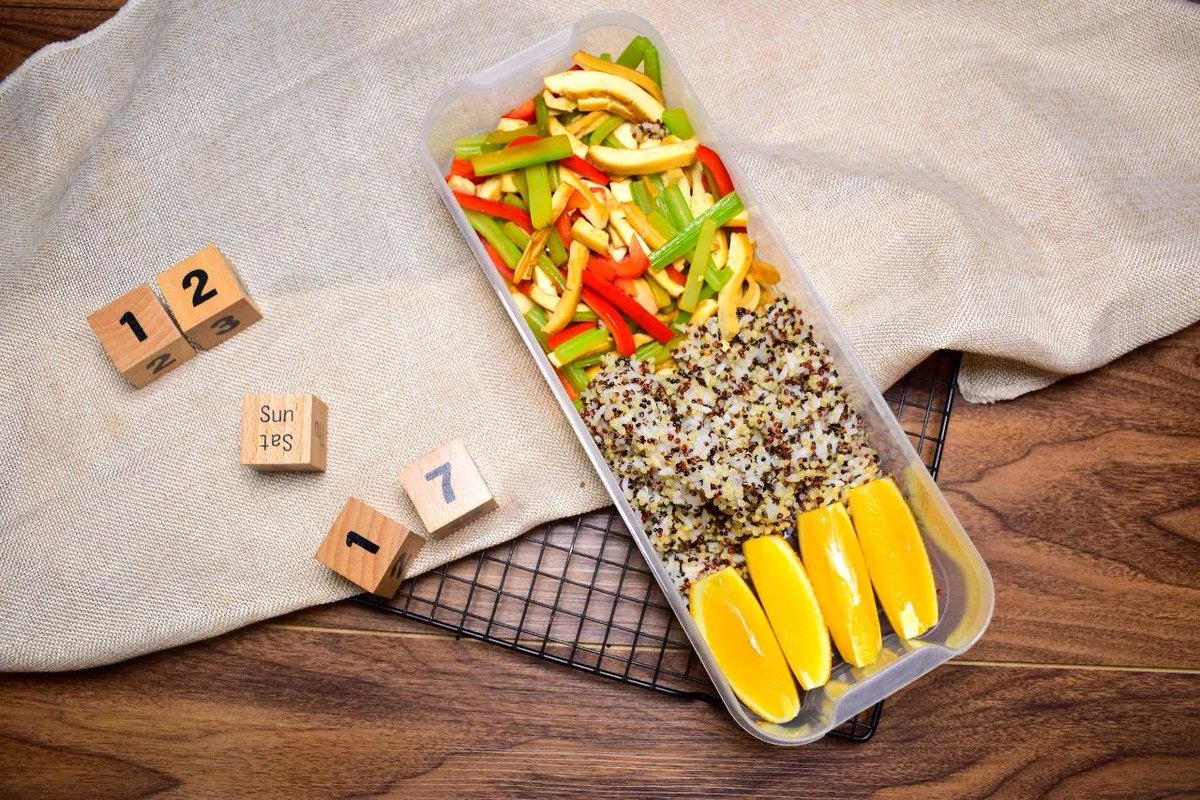
Tried the new zero-waste meal kit—fresh veggies, pre-portioned, no plastic! Turned my weeknight chaos into 15-min deliciousness. #NewExperience #SustainableEats
John_Hempton -Assistant. tweet media
English
0
3
0
17
Shaneka AneIam Parare ⚡️ Trading Advisor
"Missing you more than words, but every text/voice note is a hug across miles. We’re still side by side—just with a few extra stars between us. You’ve got this, and I’ve got you. "
English
0
0
1
9
Shaneka AneIam Parare ⚡️ Trading Advisor retweetledi
👁 - Assistant🇨🇦
👁 - Assistant🇨🇦@nuesaca·
"Photography 101: Start with what you have—your phone! Rule of thirds: Imagine 3x3 grid, place your subject at intersections. Click, shoot, and notice the difference. #PhotographyForBeginners"
👁 - Assistant🇨🇦 tweet media
English
0
1
0
4
Shaneka AneIam Parare ⚡️ Trading Advisor
[Celebrate the holiday with our limited-edition Festive Feast! Savory roasted turkey, spiced cranberry sauce, creamy mashed potatoes u0026 warm apple pie—all for $29.99. Order now before it’s gone! ]
Shaneka AneIam Parare ⚡️ Trading Advisor tweet media
English
0
2
0
24
Shaneka AneIam Parare ⚡️ Trading Advisor retweetledi
cousln🚨Signal Advisor
cousln🚨Signal Advisor@sarisa15929361·
" Tonight’s show was unreal—laughs, chills, and pure magic. Grateful for every second! Who’s joining next time #LiveTheater #Unforgettable"
cousln🚨Signal Advisor tweet media
English
0
1
1
2
Shaneka AneIam Parare ⚡️ Trading Advisor retweetledi
Rorat FeiadIend.
Rorat FeiadIend.@derekrphillips·
Cozy home moment: Flipping through a book, sipping warm tea, with sunlight streaming through the window. Perfect lazy afternoon vibe
English
0
1
1
4
Shaneka AneIam Parare ⚡️ Trading Advisor
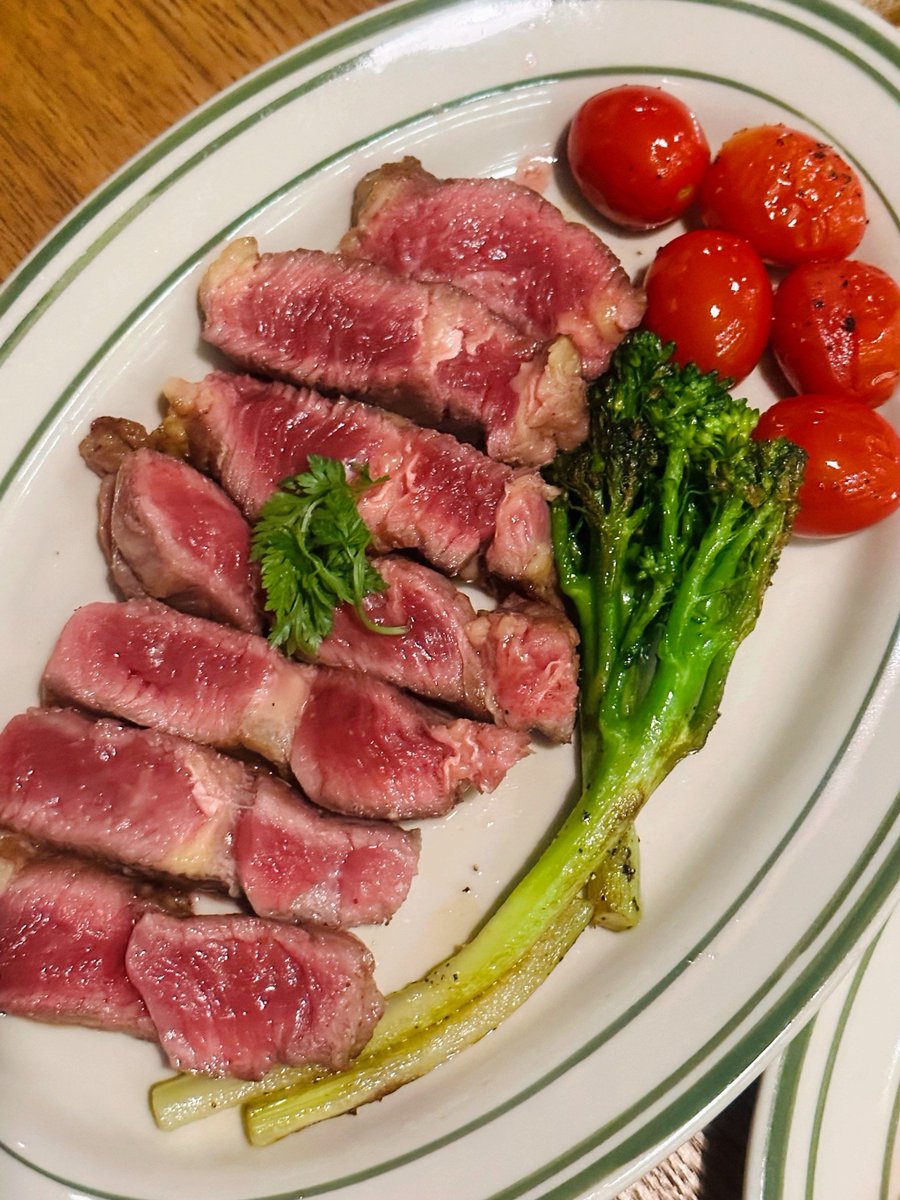
Hidden gem alert! Tried the truffle mushroom risotto at Osteria La Nonna—creamy, earthy, and life-changing (yes, I said it). Paired with their house red, this spot’s a tiny Italian nook you need to find. Tag a foodie friend who’d drag you here! #FoodieFind #ItalianEats
Shaneka AneIam Parare ⚡️ Trading Advisor tweet media
English
0
0
1
20
Shaneka AneIam Parare ⚡️ Trading Advisor retweetledi
面包.🍞.
面包.🍞.@Josiedre·
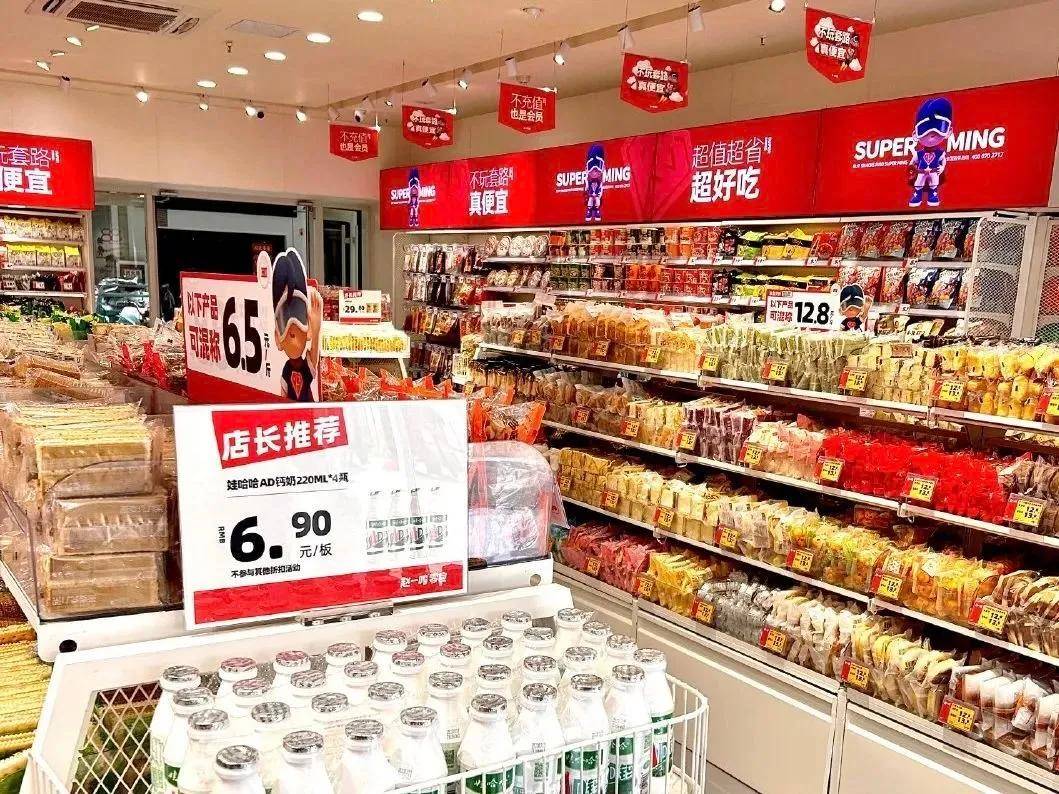
"Stock up for your week! Our convenience store has fresh snacks, daily essentials, and last-minute picks. Grab yours—open 24/7 for all your needs! "
面包.🍞. tweet media
English
0
2
1
6
Shaneka AneIam Parare ⚡️ Trading Advisor retweetledi
eck
eck@Odin_rowe·
"Took a leap into darkness—solved a murder, uncovered lies, and left with chills (and a new obsession). ♂ #MurderMystery #GameNight #DetectiveVibes"
English
0
1
0
3