
tim knapen
495 posts

tim knapen
@timknapen
An artist, a nerd and a designer walk into a bar. https://t.co/8yuYUFyGPR
Antwerp, Belgium Katılım Haziran 2011
388 Takip Edilen83 Takipçiler
Love this type of deep scientific artistic analysis 😍
thomas "noio" vandenberg@noio_games
I thought this might be helpful to others trying to construct geometry for dynamic intersections.. It's not a full step-by-step but I added some of the essential points and lines that I hope will make it insightful #gamedev #indiedev
English
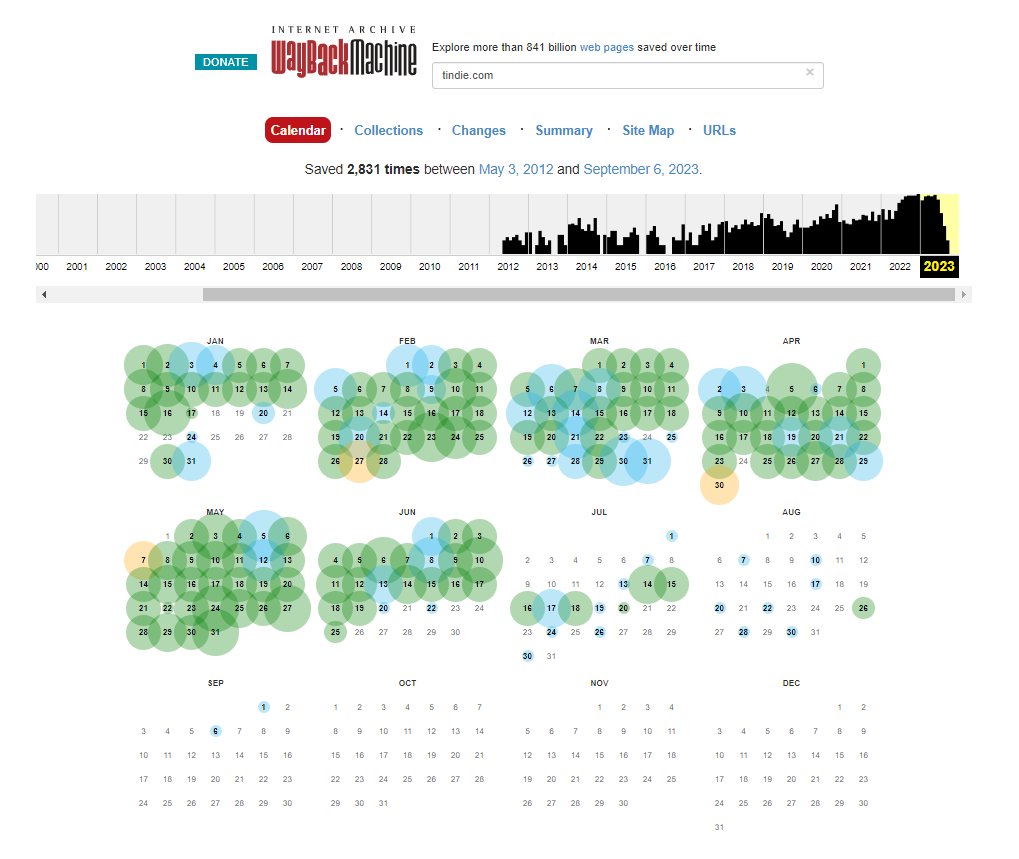
@lixielabs @tindie Why do you track Wayback Machine archives? What could that indicate?
English

My dangerous drop in @tindie sales this season correlates nearly exactly with their number of Wayback Machine archives *plummeting* to early 2017 levels. Something is strange with the platform traffic overall this year, what's happening? 🚨
English

Are there any comprehensive lists of creative coding tools (could be visual but also music, game etc) ? If you wanted to research the history of creative coding tools where would you look ? 🙏
English

I'm looking up a topic online (how hot a pizza oven should be) and I've noticed I'm looking at the dates of the articles to try to find stuff that isn't AI-generated SEO-bait.
English

here's me controlling GLSL shader uniforms using my hands. imprecise exploratory inputs — like finding the right parameters when making highly-dimensional generative art — feel like they're better suited to fluid movements.
English

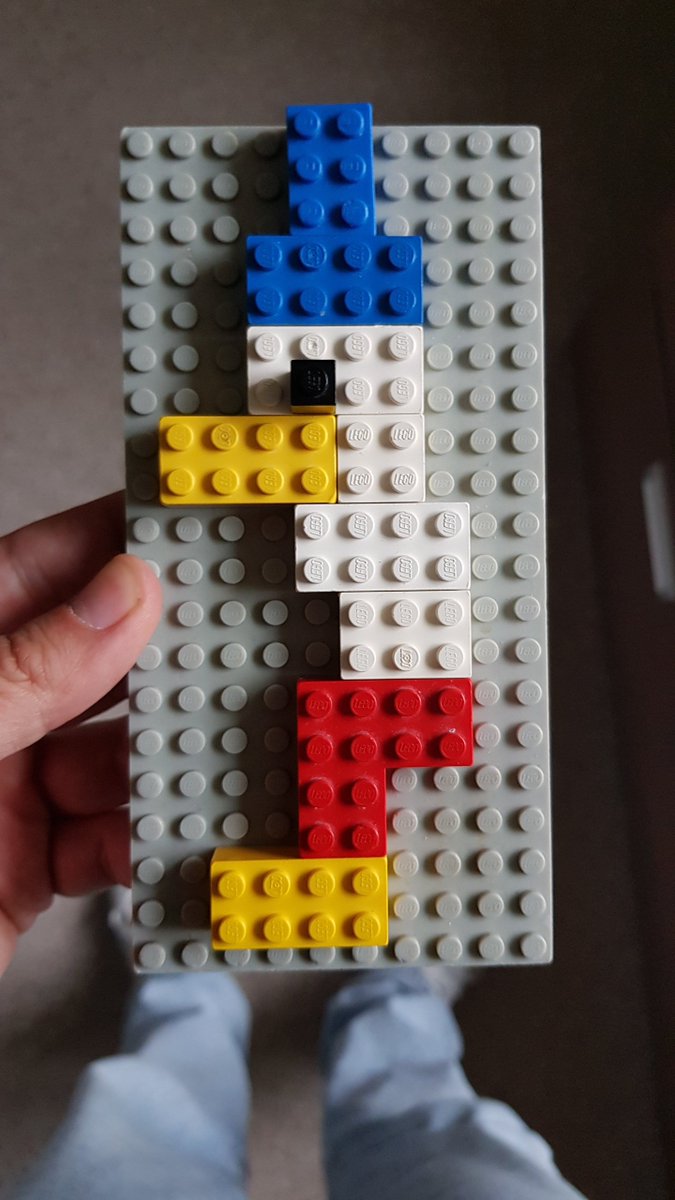
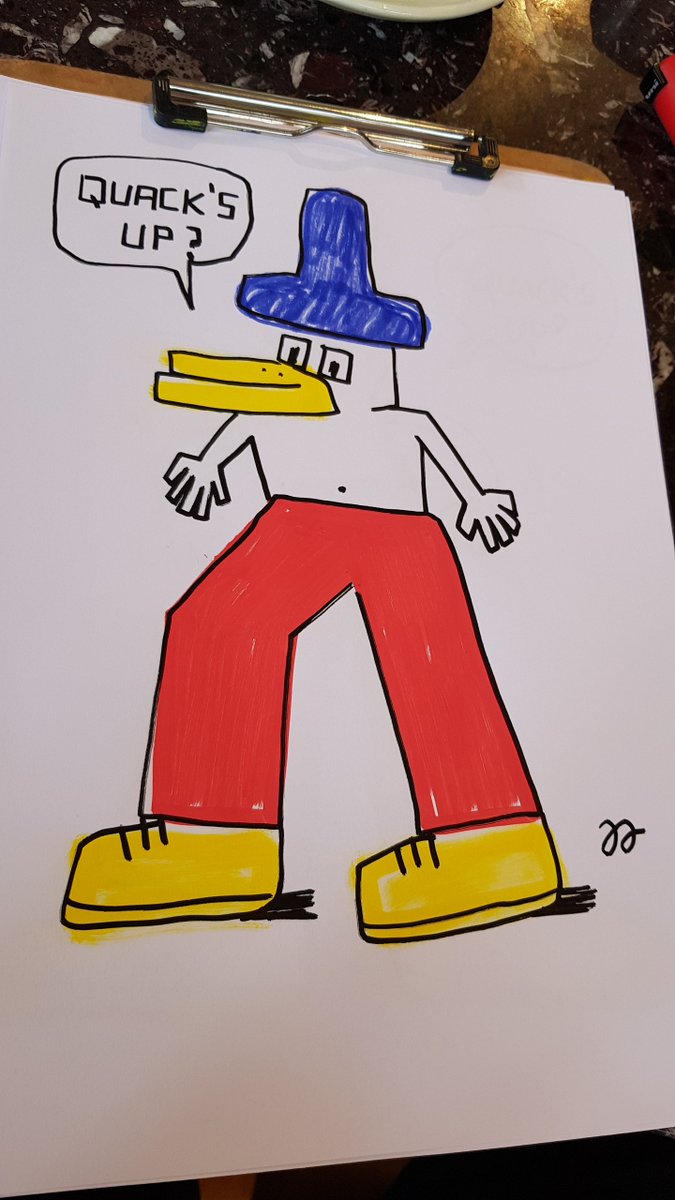
@UmerHAdil @ulkar_aghayeva Yes! This is the successful meme. "Publish and ask to be proven wrong?"
English

@ulkar_aghayeva A sentence describing the scientific method & why it is important.
Imo giving them the means & desire to do science would be more important than any single piece of know-how.
English


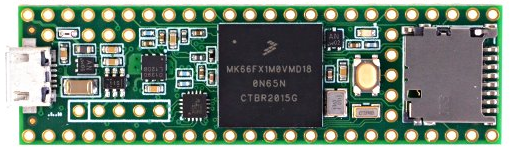
If you ever made a project with Teensy 3.5 or 3.6 and need a replacement or spare, we're selling the very last of them today.
pjrc.com/store/teensy35…
pjrc.com/store/teensy36…
Limit 2 per person. Limited quantity available. They will be discontinued when stock runs out.
English

Adafruit BusIO library makes debugging I2C failures fast 🛠️💡🔌
It's not often... but every few months, one of our sensor drivers stops working due to hardware changes. It happened this week with the AHT20 tester - for some reason, it doesn't init anymore! What would typically turn into a multi-hour debugging session is a lot easier since we started using an intermediary library called BusIO for I2C/SPI device interactions github.com/adafruit/Adafr… - there is a single #define we enable to turn on print debugging and when we recompile and upload - voila we see full translation details including stops and transfer failures. Turns out the secret calibration command no longer exists on AHTs; a quick PR github.com/adafruit/Adafr… , and we're back in business!
English



@snacpaccc @toybuilder I want to see a dude, chugging beers and roasting this design.
English

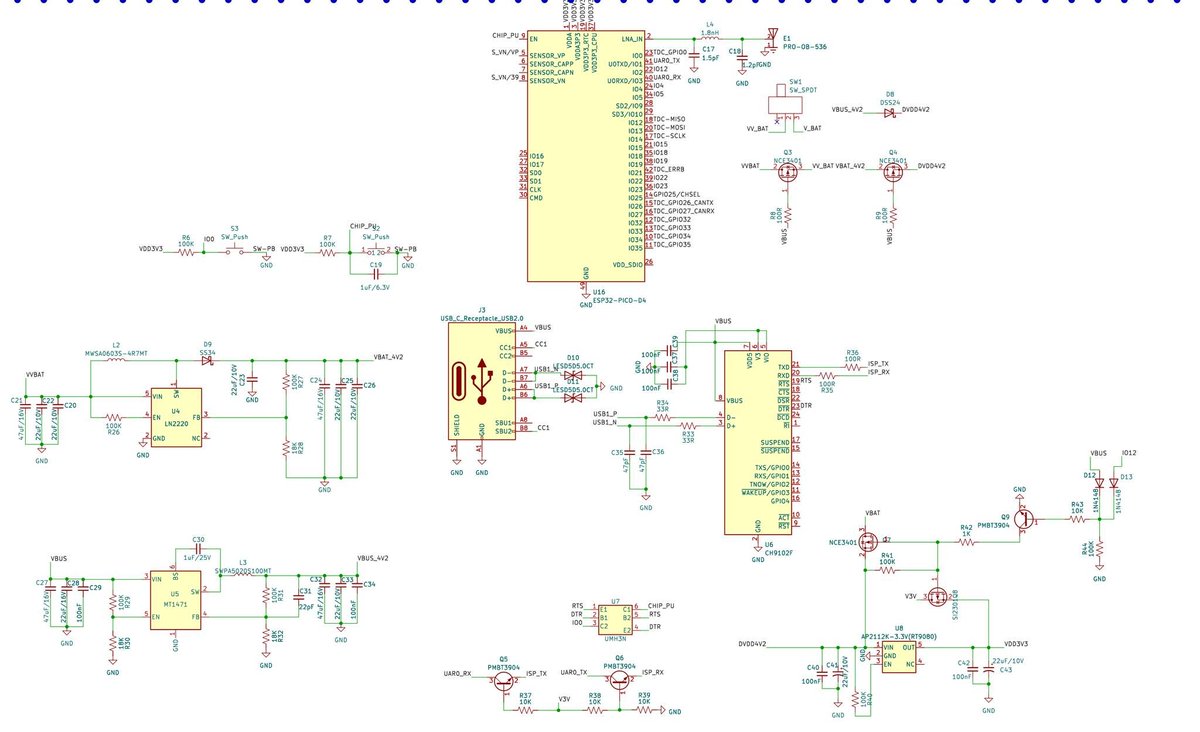
Spotted on Facebook... Someone paid for this... Longer you look, the worse it gets. 🤦♂️ And the board was then actually fabbed and assembled, too. Oy.
English
@DJSnM It's perfect if you want to encourage a cultural of untruths that are the most likely to propagate!
English

The infuriating thing about creator monetization is you can tweet something so utterly wrong and If I reply to it to point out how wrong it is the original poster gets rewarded.

English
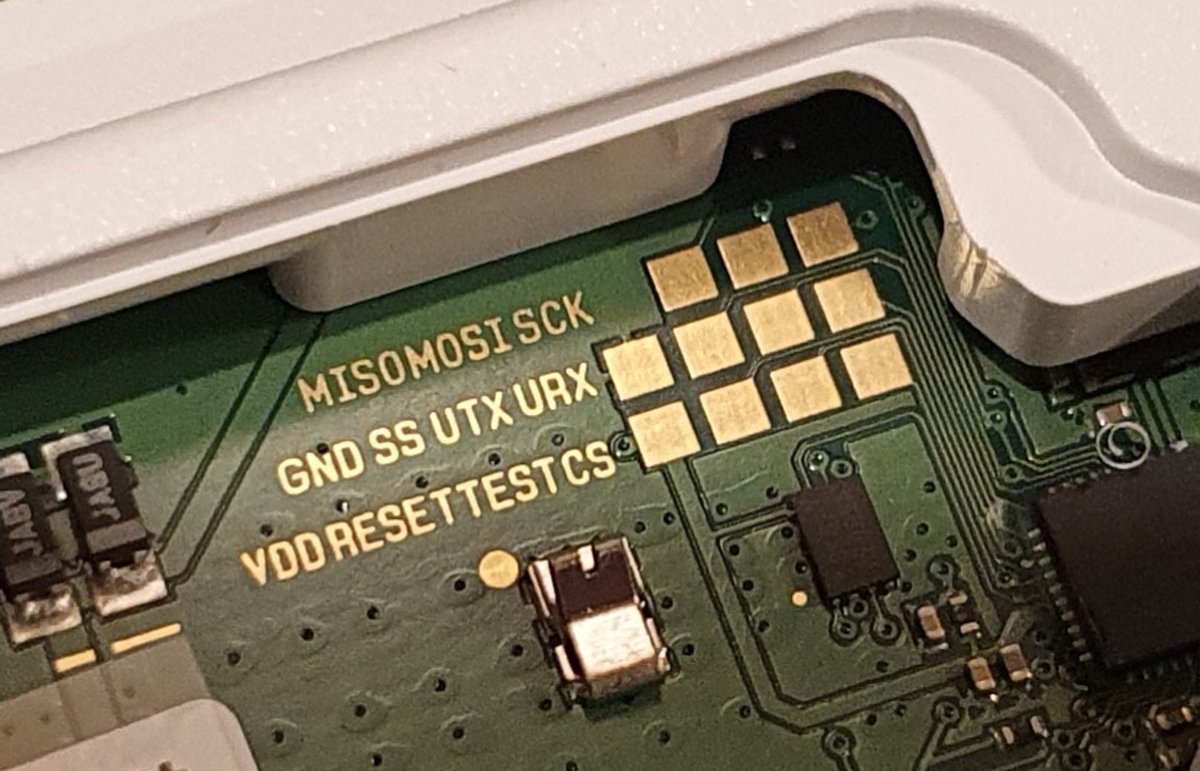
@tomfleet @martinfasani @MaxClerkwell Wouldn't the font only be in the solder mask? So the shape of the letter wouldn't matter? Still a bad idea for usability I think.
English

@martinfasani @MaxClerkwell Whoever it was suggested the stencil font as a clever solution though.
English
tim knapen retweetledi

It's as close to official as we'll probably get: LK-99 is likely simply a ferromagnetic material, which explains its levitating properties, according to new research from Peking University.
The room temperature superconductivity revolution will have to wait another day.
English

oh no, here comes the reason to buy that slider thing 🫣
harley turan@hturan
drawing with an axidraw — midi input and projected output allows for to-scale precision alignment when plotting.
English

YYYY-MM-DD is obviously the best date format: it's the one where alphanumerical order matches chronological order.
English
tim knapen retweetledi

First video of LK-99 Full Levitation, aka flux-pinning
This video was just posted to the Chinese video-sharing site BiliBili and claims to be a highly pure synthesized sample of LK-99.
What is the physical phenomenon behind this and what does it mean?
Levitation of superconducting materials is a phenomenon unique to what is called Type-II superconductors, and is an effect whereby magnetic field lines becomes 'trapped' as it passes through the material, providing the force needed to levitate. These are the popular images and videos of cryogenically-cooled discs floating above a magnet frequently seen online and in the pinned post on my profile.
You can think of this like strands of hair being caught in gum - the gum is suspended in mid-air by adhering strongly to the hair as the hair passes through it. The hair in this case is magnetic field lines and the gum is the Type-II superconductor. Just like hair comes in individual strands, or in other words hair is 'quantized' or 'discrete', so is the flux trapped at the 'pinning centers' quantized in what are called 'magnetic vortices' - the quantization of pinned flux lines is a key property and distinguishing characteristic of Type-II superconductors (although technically can occur in Type-I superconductors if the material thickness is smaller than the London penetration depth, which is indeed very small - specifics for the physics nerds out there).
Flux-pinning is entirely unique to superconductors and is also wholly distinct from the Meissner effect. It is not a property of diamagnets or diamagnetism.
At @TRIUMFLab I contributed to flux-pinning studies in Niobium crystal superconducting radio-frequency cavities used for particle acceleration. In that application, trapped flux poses an issue by increasing the remnant surface resistivity of the cavity, which has the effect of decreasing its effective quality factor or Q-factor, which is a measurement of a resonators efficiency. SRF cavities typically have Q-factors of 10E10 and trapped flux at pinning centers reduces the maximum effective accelerating electric field used to drive charged particle bunches close to the speed of light.
Flux pinning is thought to arise in some Type-II superconductors by small imperfections in the crystal, also called volume defects, that enable flux to penetrate the material. In SRF cavities an issue that arises is any magnetic field that is passing through the material, e.g. by the Earth's background field, can become pinned or trapped inside the cavity as it transitions into a superconducting state. See some attached plots in the comments from a study showing how the surface resistivity of SRF cavities increases the more there is a background field as the cavity transitions into superconducting state.
This is the first video I am aware of that claims to show the flux-pinned levitation of a LK-99 sample. If this is in fact what is happening, then it is a very unique and promising finding of this new materials properties and potential for future study.
If this is real then it is truly ground-breaking
English