Titer

18 posts

Titer banner
Titer

Titer

@titer_research

Verification layer for research peptides. Sequence in identity, MS hash, COA, on-chain receipt out. Don't trust the label.

Katılım Mayıs 2026
0 Takip Edilen140 Takipçiler
Sabitlenmiş Tweet
Titer
Titer@titer_research·
Titer is live. Most peptide vendors send you a PDF and call it proof. CA: 5G3kmW8Jyn9twxiyqsoJXYtxsipmfGNWEqmUDaZ1pump That PDF is not proof. It's a certificate from a lab that may have never touched your batch. Nothing in that chain is tied to the actual molecule in the vial. Titer is the verification layer that should have existed years ago. You paste a sequence at titerresearch.fun/lookup. Real scientific databases. Real cryptographic hash. If the vendor published that hash for their batch, anyone can verify it. No trust required. Think of it as a fingerprint for the molecule. Permanent. Unfakeable. Public. Phase 3 adds vendor bonds on Solana. Ship the wrong molecule, lose your stake. Buyers get refunded automatically. The lookup is free. No wallet. No signup. titerresearch.fun/lookup
English
23
11
64
7.7K
Titer
Titer@titer_research·
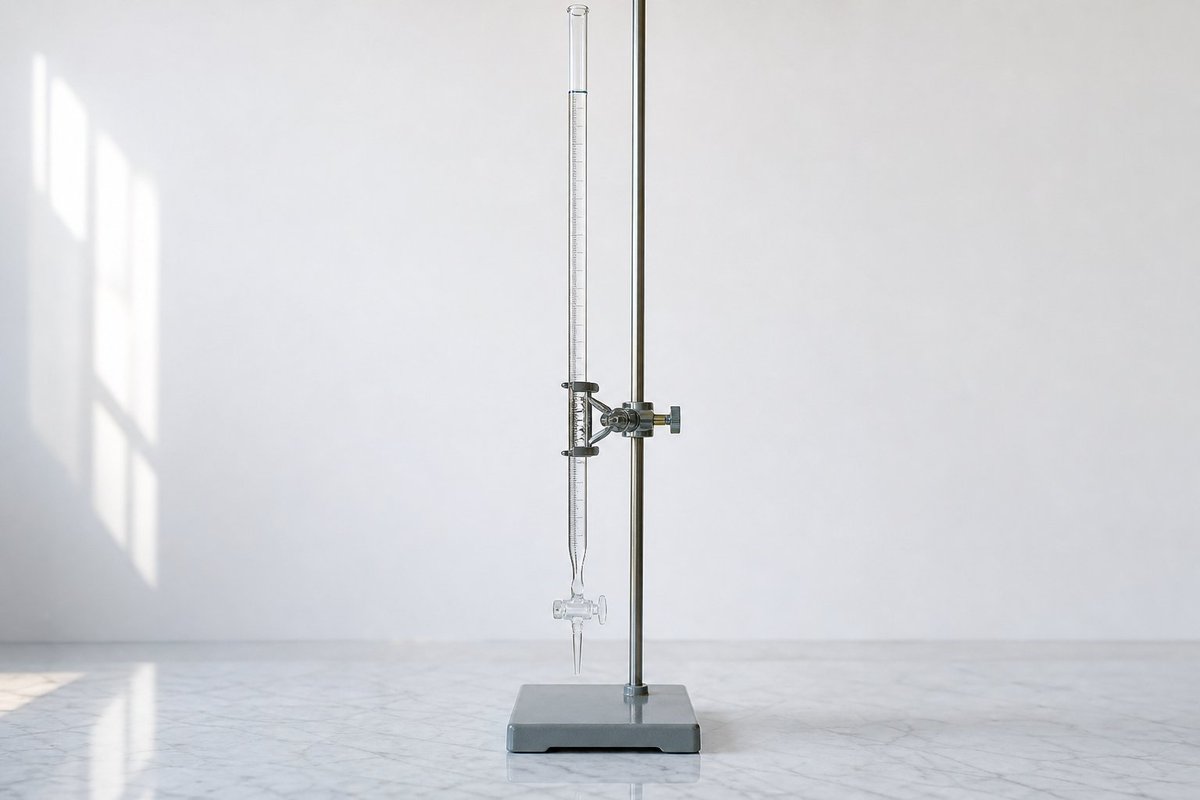
The name Titer isn’t random. In analytical chemistry, a titer is the measured concentration of a substance—found through titration. It’s the process of checking what’s actually there, not what the label says. The tool behind that is a burette. You add a known reagent, drop by drop, into an unknown sample until the reaction completes. That endpoint gives you a precise answer about the contents. No assumptions. No relying on the supplier. Just measurement. That’s the idea we built around. Not because every vial will go through wet lab testing—but because the principle matters: verify the substance itself, don’t rely on claims about it. Titer brings that mindset on-chain. Free lookup. Open math. The name reflects exactly what it does. titerresearch.fun
English
12
3
14
2K
Titer
Titer@titer_research·
What is Titer? Right now, if you buy research peptides, you’re mostly relying on trust. You get a COA—a clean-looking PDF with a lab name and a signature. But that file isn’t actually tied to the vial you have. It could be from a different batch, a different time, or never properly linked at all. There’s no way to verify the connection. Titer replaces that with something provable. You take a peptide sequence and run it through titerresearch.fun/lookup. It checks live against sources like UniProt, ChEMBL, and PubMed, then returns an identity report with a grade from A to X. A means strong agreement across multiple datasets. X means the sequence doesn’t check out. Alongside that, you get a SHA-256 hash—a fixed digital fingerprint of the result. If a supplier shares that hash for their batch, anyone can recreate it and confirm it matches. No trust in us, no trust in them—just verification. There’s also a deeper layer. Labs can upload raw mass spec output at titerresearch.fun/verify. That data gets hashed and stored permanently, so anyone with the original file can validate it later. For the first time, test results can actually be audited. No login. No wallet. Free to use, with a lookup limit per IP. If a vendor can’t produce something verifiable, that’s a signal in itself.
English
15
5
24
1.5K
Titer
Titer@titer_research·
Vendors will send over a polished PDF and call it “verified.” But that document doesn’t actually prove anything about the vial you received. It might reference a test, a lab, a past sample—but there’s no hard link between that file and the exact compound in your hands. Titer changes that. Instead of trusting paperwork, you run the sequence through titerresearch.fun/lookup. It checks against live scientific data and returns a cryptographic fingerprint of the result—something that can’t be quietly altered or reused across batches. If a vendor publishes that fingerprint, anyone can confirm it independently. No middleman, no assumptions. It’s closer to a checksum than a certificate—either it matches, or it doesn’t. Later, vendors will have to back their claims with capital. List a batch, lock stake. If it doesn’t hold up, the system handles the penalty and compensation automatically.
English
11
6
22
1.7K
Titer
Titer@titer_research·
Once vendors start staking batches and buyers attach real outcomes to verified IDs, you get something the market has never had before: a clean, tamper-proof dataset showing what these peptides actually are—and what happens after they’re used. That kind of dataset matters. Researchers, pharma, and regulators all want reliable signal in a space full of noise. That’s what we monetize. Access to the aggregate—not individual records, not user identity. Just the data that reveals patterns. titerresearch.fun
English
12
3
28
2.1K
Titer
Titer@titer_research·
Why Titer exists. A large slice of the grey-market peptide supply isn’t what it claims to be. Studies have shown that a significant percentage of GLP-1 products are not just low quality—but entirely different compounds than advertised (e.g., Janvier et al., Belgian market review, 2018). Contamination is another issue. Independent testing has found that a majority of injectable peptide samples exceed safe endotoxin levels (Rohrbough Drug Testing, 2020). Purity isn’t reliable either. Across thousands of samples and hundreds of vendors, a substantial portion failed to meet their stated specifications (Finnrick Analytics, 2026). Regulators have noticed. In September 2025, the FDA sent out over 50 warning letters to GLP-1 compounders in a single month—one of the most aggressive enforcement waves in this space. And the risks aren’t theoretical. In 2025, a patient in Italy reportedly fell into a coma after injecting a product sold as semaglutide that turned out to be counterfeit. The core issue isn’t just bad actors—it’s the system itself. A certificate of analysis is just a file. There’s no cryptographic link between that document and the vial you’re holding. The batch you received may never have been tested at all—and there’s no way to prove it. This isn’t a vendor problem. It’s an infrastructure gap. So we built the missing layer. titerresearch.fun
English
2
2
15
1.6K
Titer
Titer@titer_research·
Tomorrow we start working on phase 2. Phase 1 has been live for couple of hours. The lookup works. The hashing works. The commit receipts are real. Now we build the part that makes them permanent. titerresearch.fun
English
7
4
18
1.6K
Titer
Titer@titer_research·
There’s a quality issue in the peptide space that rarely gets addressed directly. Roughly 1 in 5 GLP-1 products sourced from grey-market vendors don’t pass independent testing—not because they’ve degraded or been diluted, but because they aren’t even the compound they claim to be. The label says one thing, the vial contains another. And that “certificate of analysis”? It’s just a static document. A lab stamp on a PDF doesn’t prove the batch you received was ever tested. In many cases, one verified sample is used as a reference, and everything after inherits the same paperwork. There’s no reliable link between that file and the actual product. No grand scheme behind it—it’s simply what happens when a market scales faster than its verification systems. That’s where we step in. Titer acts as a verification layer. Drop a sequence into titerresearch.fun/lookup and it cross-checks against multiple scientific sources instantly. You get a reliability score and a cryptographic fingerprint of the result—public, permanent, and tamper-evident. For lab-level validation, raw mass spectrometry data can be submitted at titerresearch.fun/verify. It’s hashed and stored on Arweave, creating a permanent record anyone can audit with the original dataset. Next phase introduces real accountability. Vendors lock up collateral before listing. If they deliver the wrong compound, that stake is forfeited and buyers are reimbursed automatically. Nothing revolutionary, just the infrastructure that should’ve been there from day one. titerresearch.fun
English
4
2
8
1.1K
Titer
Titer@titer_research·
The name Titer has a meaning. In analytical chemistry, a titer is the concentration of a substance in a solution, determined through titration. The process of measuring what is actually present versus what the label claims. That is the instrument above. A burette. You fill it with a reagent of known concentration, you release it drop by drop into the unknown sample, and you measure the point where the reaction completes. That point tells you exactly what was in the solution. No guessing. No trusting the supplier. No taking anyone's word for it. That is what we named the product after. Not because we think the peptide market will start running wet chemistry on every vial. But because that principle, measure the actual substance rather than trust the label, is the only one worth building on. The lookup is free. The math is public. The name means what it says. titerresearch.fun
Titer tweet media
English
8
8
28
2.7K
Titer
Titer@titer_research·
How is this actually possible. UniProt is a public database with 250 million protein and peptide sequences. It is free and open. We query it in real time when you paste a sequence. AlphaFold is DeepMind's structural prediction database. Also public. Also free. We pull the predicted structure for any peptide that has a UniProt accession. SHA-256 is a standard cryptographic hash function. It is built into every browser and every server. Hashing a peptide sequence or a mass spectrum takes milliseconds and costs nothing. The commit receipt is just a hash of your sequence, a random salt, and a timestamp. That combination means the result cannot be backdated or silently altered. Anyone can verify it with nothing more than a SHA-256 implementation. None of this required new science. It required someone to connect the pieces. The lookup is free because the underlying data is free. The verification is free because the math is free. What has been missing is the layer that makes it usable. titerresearch.fun
English
0
3
13
1.7K
Titer
Titer@titer_research·
Demo video dropping We walk through the full flow from scratch. No cuts, no staging environment, no pre-loaded results. You type in a peptide sequence. We hit UniProt and AlphaFold in real time. You get a confidence grade, a verified identity card, and a SHA-256 commit receipt in under two seconds. Then we paste a mass-spec peak list into the verifier and show you exactly how the spectrum hash is computed and what it would look like anchored to a batch. Everything you will see in the video works today at titerresearch.fun.
English
0
4
13
1.6K
Titer
Titer@titer_research·
The lookup is free. The verification is free. The data it generates is not. When vendors bond batches and buyers log outcomes against verified IDs, we have something nobody has ever had: a clean, cryptographically-anchored dataset of what is actually in grey market peptides and what happens when people use them. That dataset has value to researchers, pharma, and regulators. We intend to sell access to the aggregate. Never the individual. Never the identity. Just the signal. titerresearch.fun
English
0
3
12
1.4K
Titer
Titer@titer_research·
Why we built Titer. 30% of grey market peptides contain the wrong molecule entirely. Not underdosed. Not degraded. A completely different compound. (Janvier et al., Belgian market analysis, 2018) 65% of injectable peptides exceed endotoxin safety thresholds. (Rohrbough Drug Testing, 2020) 40% of vendors fail to deliver their stated purity. Across 6,100 samples and 182 vendors. (Finnrick Analytics, 2026) In September 2025, the FDA issued 50+ warning letters to GLP-1 compounders in a single month. One of the largest coordinated enforcement actions in compounding history. A patient in Italy fell into a coma in 2025 injecting what was sold as semaglutide. It was counterfeit. The COA you received is a PDF. Nothing in it is cryptographically tied to the vial in your hand. The lab may have never touched your batch. There is no way to check. This is not a vendor problem. It is a structural problem. The market has no verification layer. We built one. titerresearch.fun
English
1
3
14
2.8K
Titer
Titer@titer_research·
The peptide market has a fraud problem nobody talks about openly. 18% of GLP-1 peptides bought through grey market channels fail independent verification. Not underdosed. Not degraded. Wrong molecule entirely. You are injecting something the vendor named but never confirmed. The certificate of analysis you received is a PDF. It was signed by a lab. That lab may have run one test on a reference sample six months ago and signed every batch since without touching them. There is no way to tell. Nothing in the current system is cryptographically tied to the physical vial in your hand. This is not a conspiracy. It is just what happens when a market grows faster than its infrastructure. We built the infrastructure. Titer is a verification layer. Paste a sequence at titerresearch.fun/lookup and we query three independent scientific databases in real time. You get a confidence grade and a cryptographic hash of the result. That hash is permanent and public. Change a single character in the result and the hash changes. A vendor who publishes that hash for their batch is making a commitment anyone can verify, without trusting us, without trusting them. Mass-spec verification goes further. A lab pastes the raw spectrum from your actual vial into titerresearch.fun/verify. We hash it and write it to Arweave permanently. Anyone with the original data can recheck it in thirty seconds. Phase 3 adds vendor bonds on Solana. Before listing, vendors stake. Ship the wrong molecule and lose it. Buyers get refunded automatically from the same pool. For the first time the financial incentive runs in the right direction. Just the layer that should have existed from the start. titerresearch.fun
English
1
2
8
1.3K
Titer
Titer@titer_research·
What is titer? Most people buying research peptides have no way to verify what is actually in the vial. The vendor sends a COA. The COA is a PDF. The PDF was signed by a lab. The lab may or may not have tested your specific batch. Nothing is cryptographically tied to anything. You inject on trust. Titer changes that. Paste your peptide sequence at titerresearch.fun/lookup. We query UniProt, ChEMBL, and PubMed in real time and return a verified identity card with a confidence grade from A to X. Grade A means the sequence is confirmed across multiple independent scientific sources. Grade X means something is wrong and you should not trust the batch. Every result generates a SHA-256 hash. That hash is a cryptographic fingerprint of the molecule. If a vendor publishes that hash for their batch, anyone can verify it independently. No trust in Titer required. The math is public. Mass-spec verification goes one step further. A lab pastes the raw spectrum from the physical vial into titerresearch.fun/verify. We hash the spectrum and write it permanently to Arweave. Anyone with the original data can recompute the hash and check it matches. For the first time, a COA can actually be verified rather than just read. Free. No wallet. No signup. Five lookups per IP. If your vendor cannot produce a commit receipt for their next batch, you now know exactly what that means. titerresearch.fun/lookup
English
2
4
10
1.5K
Titer
Titer@titer_research·
Dex have been paid.
English
0
1
9
644