

tmhox
2.3K posts

Tonali and Bruno. Same midfield. Different DNA.
Tonali is an 8. High engine. High volume. At Milan and NUFC, he averaged around 10+ km per game. Presses relentlessly. Wins the ball back. Carries it forward. Progressive passes. Late runs into the box. He sets tempo with movement.
Bruno Guimarães is a 6. Deeper. Colder. More control. At Newcastle, he averages more touches, more passes, and more ball recoveries in deeper zones. He screens the back line. Breaks play. Dictates from the base. The last line before the defence.
Tonali moves the game.
Bruno anchors it.
Both are versatile. Both can step into each other’s roles. But their instincts don’t lie.
Here’s the reality: elite 8s are everywhere. True 6s are rare.
If you’re building a midfield, you secure the spine first.
That’s Bruno.
Find your 8 later.
Because Newcastle won’t sell both anyway.

SportsDeeva@Blesing_Andrew
🔴Bruno Guimarães edging ahead of Tonali for United? Shortlist puts Bruno G as the top target, with agent talks confirmed and talks progressing around £69m. Younger options like Tonali (£100m) and Elliot Anderson are still being considered. Bruno’s experience and proven Premier League quality could transform the midfield instantly as United push for top four. Casemiro is reportedly backing his compatriot too, though Tonali remains highly rated. Big summer coming… Bruno or Sandro?
English
tmhox retweetledi

@VeeKativhu 5 am club !!! I wonder what time you sleep to wake up that early
English

True … Cecil John Rhodes was the only man with that plan …
Since then our leaders only want to buy private jets and the latest cars 🚗…
One day a Thomas Sankara will be born for Africa … I have a dream !!!
Zoom Afrika@zoomafrika1
This is Africa we all want !
English
tmhox retweetledi

tmhox retweetledi

tmhox retweetledi

Thank you, 2025, for the growth, lessons, and memories along the way. Grateful for every challenge that made me stronger. Locked in and ready to score big in the new year—Happy New Year to everyone!
English
tmhox retweetledi
South African fans appreciating Tawanda Maswanhise moment of brilliance.
@orlandopirates @SAFA_net
#bhoraharinamakuhwa
English
tmhox retweetledi

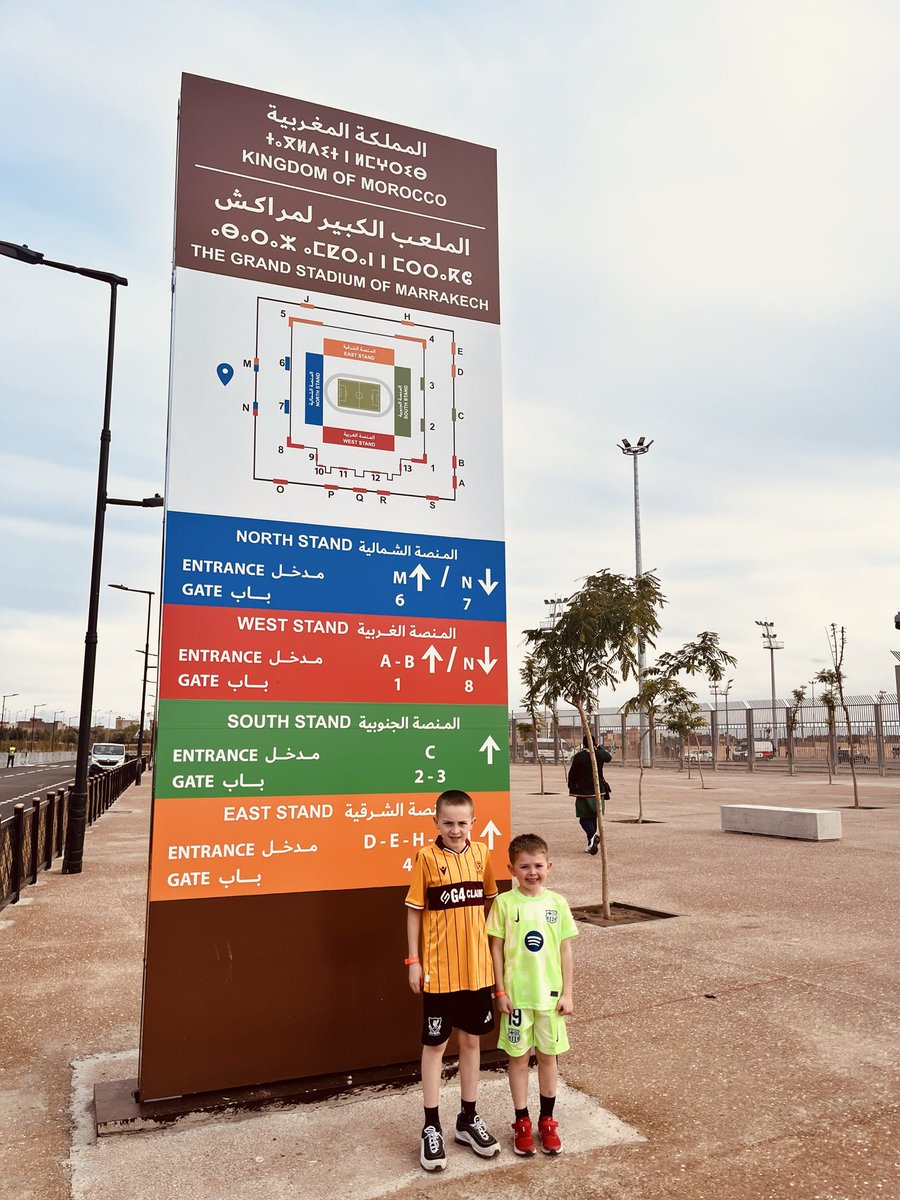
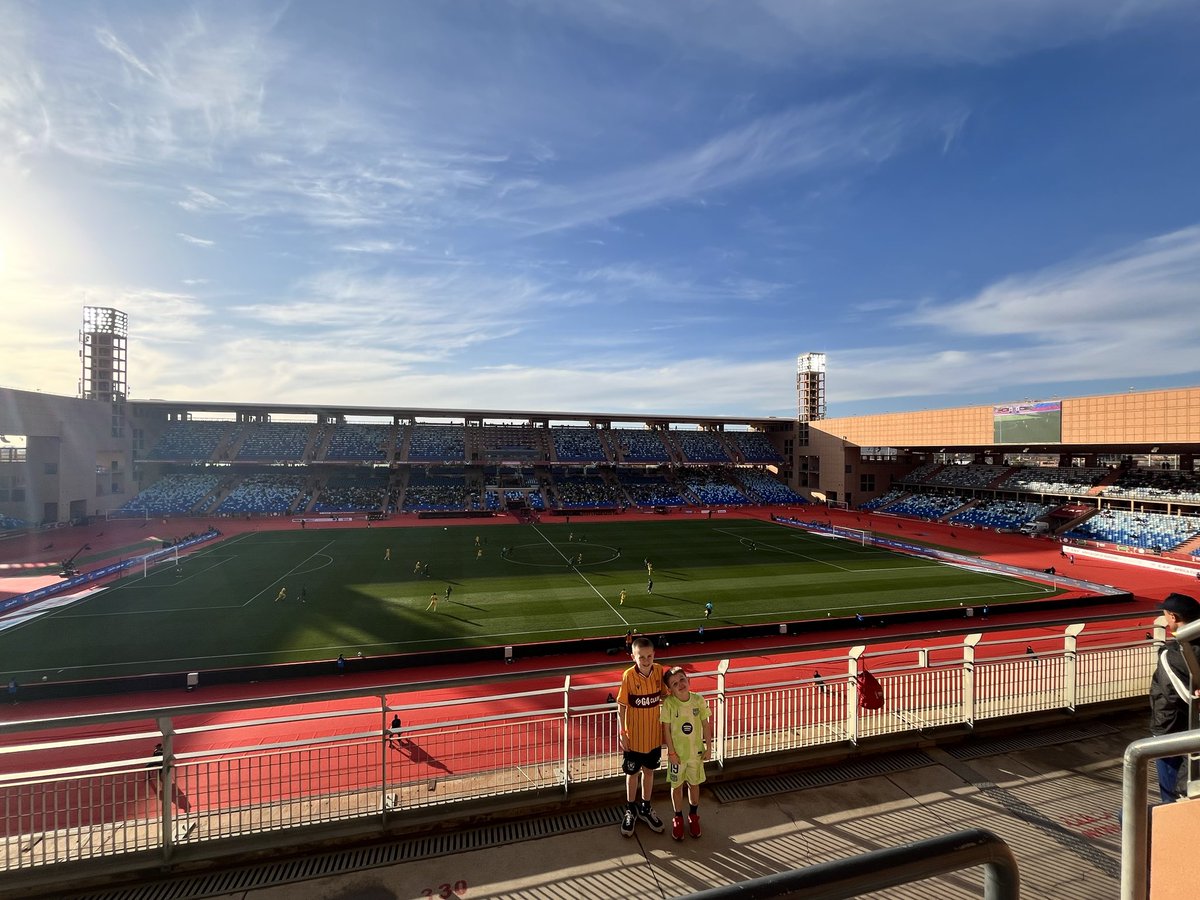
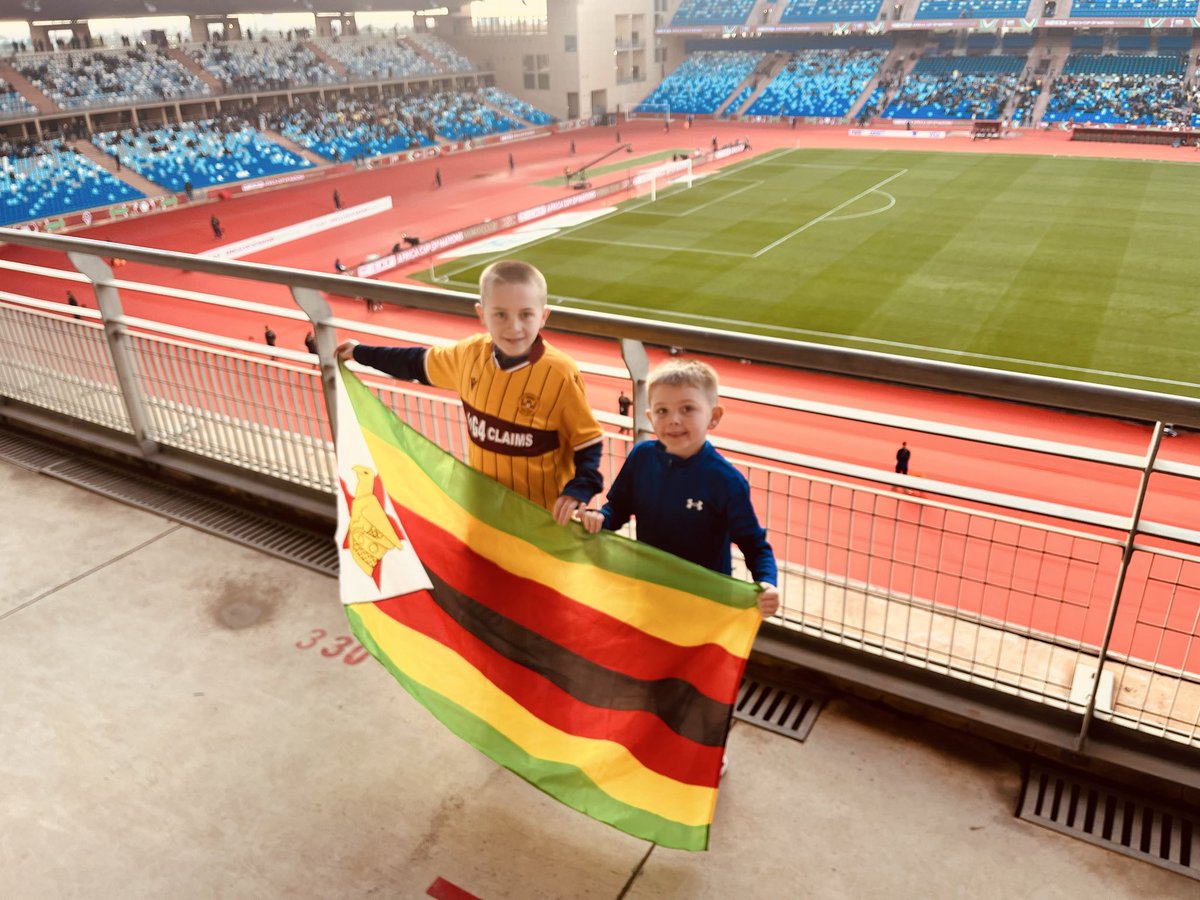
Motherwell to Morocco…..Lanarkshire to Marrakech! Supporting Motherwell’s Zimbabwe star Maswanhise…and what a goal 💪⚽️! Mon the well! #zimbabwevsouthafrica #afcon25 #stadedemarrakech @MotherwellFC @MFCTrust
English

@bedjosessien It’s expensive even for neighboring countries .. certain individuals had to fly via Europe to get to Morocco 🇲🇦. Of the countries at Afcon how many countries have more than 10 international birds 🦅… we just not there yet ..
English
Why dont fans of those countries come and support their teams
tmhox@tmhox1
@bedjosessien We needed those stadiums 🏟️ full of.. Morocco 🇲🇦 shld have filled those with school kids or civil services if they could not sell all
English
@bedjosessien We needed those stadiums 🏟️ full of.. Morocco 🇲🇦 shld have filled those with school kids or civil services if they could not sell all
English
AFCON 2025 🇲🇦
South Africa 🇿🇦 coach Hugo Broos
Claiming Morocco 🇲🇦 doesn’t have the AFCON ‘vibe’ while the tournament is well organized is pure hypocrisy.
What Hugo Broos calls a “lack of vibe” is actually a conscious choice of modern organization over chaos. Football has evolved.
A well-run tournament, with firm access control, safety, and world-class infrastructure, adds value to the competition, not less. Big events today are judged not only by noise in the streets, but by standards, image, and credibility.
If AFCON wants to attract global sponsors and luxury brands, the product must look premium.
No serious international brand invests millions while watching clichés of uncontrolled crowds running behind team buses or disorder around stadiums.
Sponsors look for structure, security, and consistency. That’s how tournaments grow financially and globally.
Broos should concentrate on winning matches on the pitch with Bafana Bafana
@soka25east
English

tmhox retweetledi

African football fans. 👏
Mbappé, Tchouaméni and Koundé, enjoying the Côte d'Ivoire 🇨🇮 vs. Cameroon 🇨🇲 MD2 clash.
#TotalEnergiesAFCON2025
Français
@daddyhope This is sad but true , yesterday I spent 1 hour at a tollgate to get into Harare there was a stampede to get to the line no order at all .. and yet we call ourselves so literate … we ought to do better !! Take turns !!
English
I often quote Dr Solomon Guramatunhu when he speaks about the mindset of a nation and argues that in a country like Zimbabwe, ZANUPF is not really the primary problem.
The deeper problem is the mindset that reproduces the kind of leadership we end up with, because leaders in ZANUPF come from our own communities. They are not imported from Mars. That is why many of the same behaviours found in ZANUPF are also reproduced in the opposition.
One of the simplest ways to see this is through everyday behaviour. Look at how people drive in China, then reflect on what happens on Zimbabwean roads. It says a great deal about how a nation develops, or fails to develop, the mindset of its people.
In Zimbabwe, you can reach an intersection where traffic lights are not working and people will block each other for an hour, not because there is no solution, but because no one is willing to give way. They would rather waste time ensuring the other side does not move.
The same mentality appears on the open road. If you try to overtake someone who is driving slowly, the moment they realise you are overtaking, they suddenly accelerate. This behaviour is deliberate. It is rooted in mindset. It helps explain why we are stuck where we are and why, as a people, we struggle to progress. If you cannot drive in an orderly, cooperative way, you will struggle to build orderly, cooperative systems in politics, the economy, or society.
There is a clear methodology behind the rise of China, and it is grounded in how people think, how they relate to rules, and how they understand the collective good. In the same way, there is a methodology behind Zimbabwe’s tragic failures, and it is also rooted in thinking and behaviour.
This mindset shows itself in social interactions as well. When a picture is posted of a man standing next to a woman, many people immediately sexualise the woman.
What makes it even more tragic is that some women themselves join in. This is not harmless banter at all. It reflects a deeper problem in how people think, what they prioritise, and how they view others.
The same mindset affects even the so called educated elite. People with master’s degrees and PhDs often try to destroy each other in the institutions where they work, whether local or international, constantly badmouthing one another despite their education.
You will often find a Zimbabwean in a senior position in a large organisation actively undermining other Zimbabweans in the same space or profession. I have been asked many times, especially by Nigerians, what is wrong with Zimbabweans, why they pull each other down and sabotage one another. The answer is simple. It is a mindset problem.
You see the contrast clearly in South Africa. When traffic lights are not working there, traffic still flows. That order is not imposed by the police. It exists because of the mindset of South Africans themselves, the understanding that giving way allows everyone to move.
In Zimbabwe, we also have a police force, yet order often collapses. Policing alone cannot create civilisation. For the police to succeed, citizens must be willing participants in order and discipline. That willingness requires civic consciousness and respect for others.
As a nation, we need to confront this honestly. We need to examine how we behave and how that behaviour correlates with our collective failures. That is why some families are very strict about how their children grow up and who they interact with. They are trying to protect their children’s minds from a tragic and retrogressive mindset that quietly but consistently holds people back.
Many do not realise this. They think they are doing well, without seeing that a change in thinking could allow them to do far better than they are doing now, not just materially, but as human beings.
What we are seeing in this video from China, drivers being courteous to each other, actually speaks to a much bigger picture about that society. It reflects respect for order, for rules, and for one another. I used a Chinese example here, but I could just as easily have used a South African one, because the same thing happens there.
As a driver in South Africa, there are moments when I arrive at traffic lights that are not working and I instinctively stop. I get confused, because I am conditioned by the chaos of Harare. Suddenly, I am in a space where there is order and mutual respect, and it forces you to pause, to think, and to ask deeper questions.
That contrast makes you realise that what we see on Harare’s roads is not just about driving. It is a reflection of many layers of our lives as a society, how we relate to rules, how we respect others, how we handle shared spaces, and ultimately how we organise ourselves. The disorder on the roads is simply the most visible expression of much deeper problems in our thinking and behaviour.
English
tmhox retweetledi

Zimbabwe is the weakest team in that group, but watch them when they play agaist us, it will be like they are fighting for a work permit in South Africa. 😭
English